September 2, 2026 · 9 min read
Itinéraire sur le Royal Mile d'Édimbourg
Découvrez l'itinéraire ultime sur le Royal Mile d'Édimbourg, une exploration libre depuis les hauteurs du château jusqu'aux portes du palais.
507
August 28, 2026 · 8 min read
Faites cette marche à plusieurs lors de la prochaine sortie programmée.
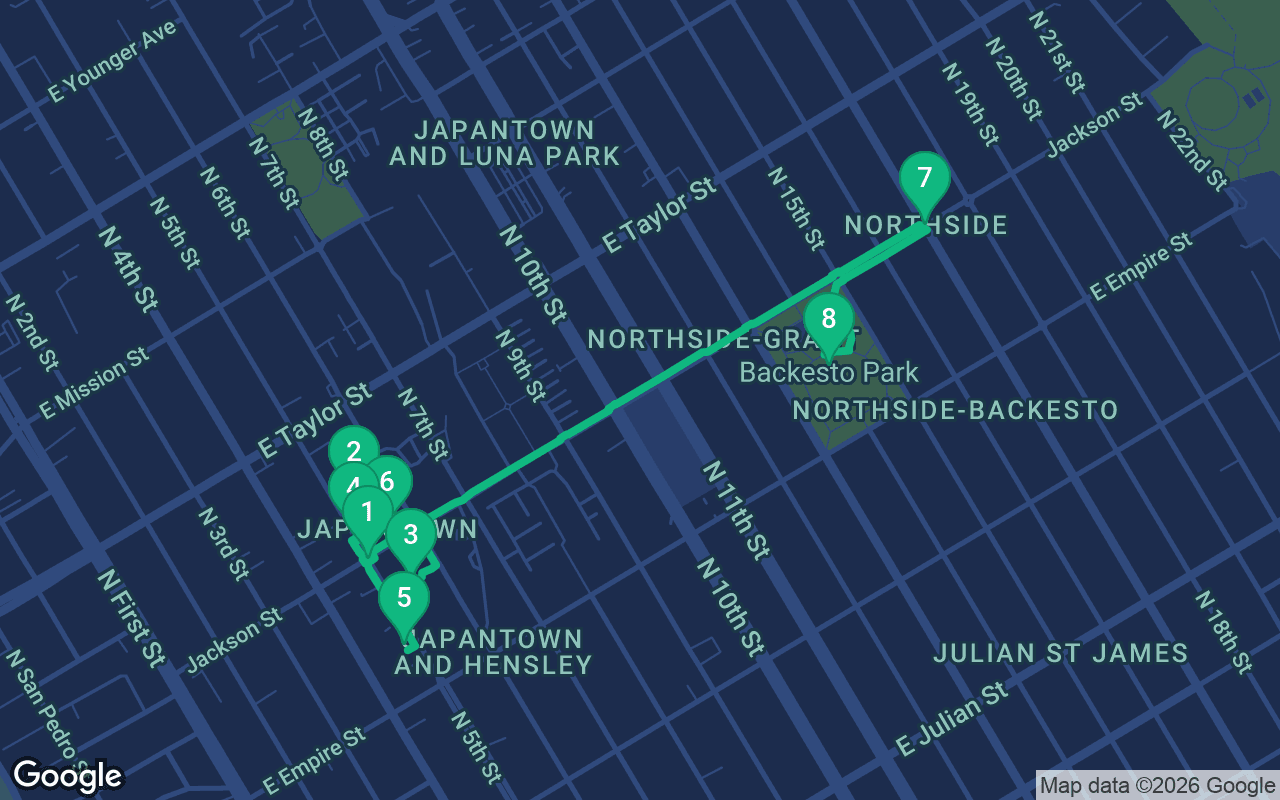
Environ 3 km, près de 42 minutes à allure tranquille · 8 arrêts
Audioguide · 11 min de narration$5.49 une seule fois
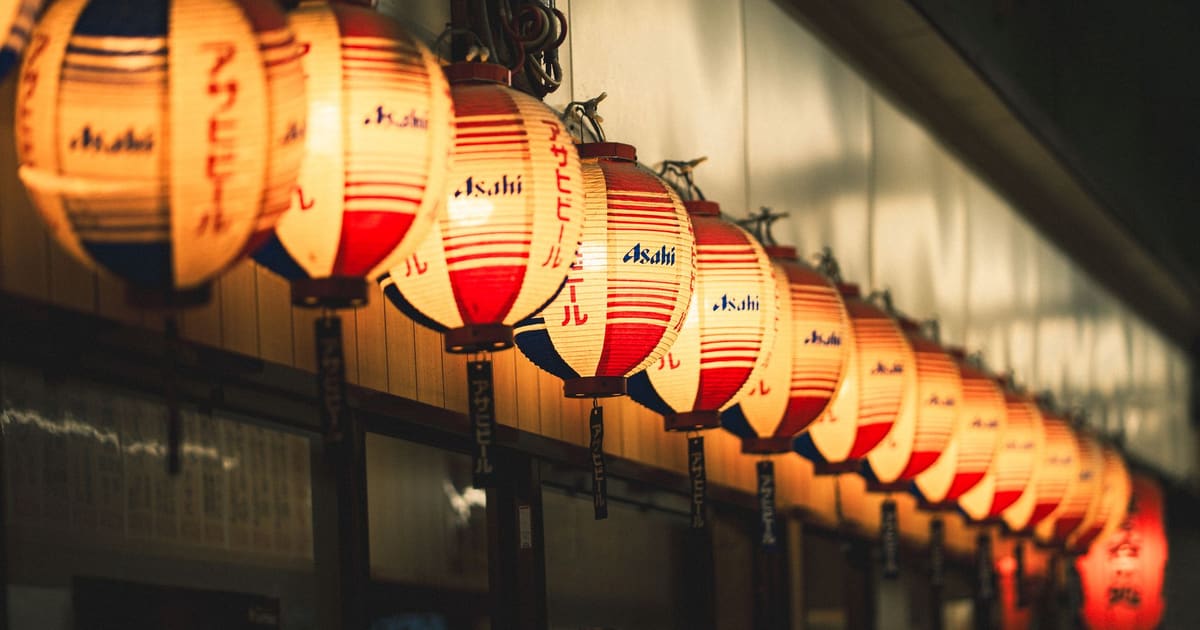
Just north of downtown San Jose lies one of the last three historic Japantowns left in the United States, a small and proud neighborhood of family shops, Buddhist and Christian temples, and a heritage that survived even the wartime internment of its people. If you are planning a walking tour in the United States with real cultural depth, this San Jose self guided walking tour explores the historic Nihonmachi, from its main street and its temples to the museum that keeps its story alive, ending in a classic old neighborhood park. It is a shorter, gentler walk than a big-city tour, but it carries a remarkable weight of history in a few close and welcoming blocks.
Before you set off, a few practical notes. This is a compact neighborhood walk of about three kilometers, taking around an hour and a half at a gentle pace, flat throughout on quiet residential and commercial streets. Wear comfortable shoes and bring sun protection and water on a warm California day. Daytime is best, when the shops, temples and museum are open and the streets are lively. If you are following along by audio, keep your eyes up for the murals, temples and old storefronts, watch the traffic at the crossings, and pause whenever a temple, a mural or a shopfront invites you to slow down and take it in.
You begin on Jackson Street, the main street of San Jose's Japantown, a low-rise strip of family-run restaurants, groceries, shops and community businesses, many of them owned by the same families for generations, that forms the beating heart of the neighborhood. Walk along the street and take in its intimate, human scale, the old storefronts with their Japanese signage, the tofu makers and noodle shops, the sweet shops and markets, and the banners marking it as a proud historic district. This is one of only a handful of authentic Japantowns remaining in the country, and unlike the others it grew up as a genuine working neighborhood rather than a tourist creation. Its everyday, lived-in character is exactly its charm. Take in the family shops and the neighborhood atmosphere. Then head a block west to the spiritual heart of the community, a large Buddhist temple whose graceful roofline rises above the street.
The San Jose Buddhist Church Betsuin is the spiritual anchor of Japantown, a large Buddhist temple whose distinctive architecture, blending traditional Japanese temple forms with a Western church structure, has served the community for over a century. Stand before the temple and take in its graceful lines, the sweeping tiled roof and the serene facade, and consider that this congregation has been the heart of the neighborhood through good times and terrible ones, including the wartime years when its members were forced from their homes into internment camps. The temple endured and welcomed them back. It remains a living center of worship, culture and community festivals throughout the year. Take in the temple's blend of East and West. Then walk a short way to another cornerstone of the community's faith, a Methodist church that has stood beside the temple as a partner in the neighborhood's life.
Wesley United Methodist Church is one of the oldest institutions in Japantown, a Japanese-American Christian congregation that, alongside the Buddhist temple nearby, has been a pillar of the community for well over a century, a reminder that the neighborhood has always held many faiths together. Stand before the church and take in its dignified presence, and reflect that its members, like their Buddhist neighbors, were swept up in the wartime internment, the church closing and then reopening to welcome its scattered congregation home. Together the two houses of worship show the resilience and unity of a community that refused to disappear. The church remains active in the life of the neighborhood. Take in the historic church and its long service to the community. Then head back east across Jackson Street to a handsome old building that has become a center for the neighborhood's seniors and its heritage.
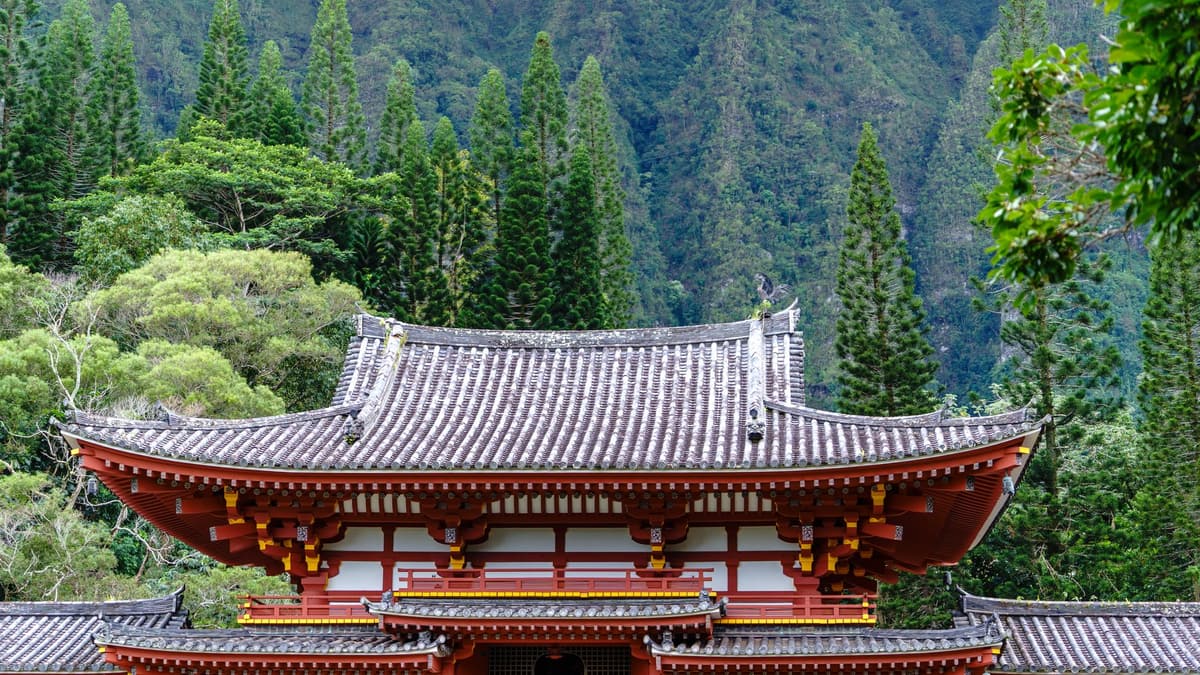
The Issei Memorial Building is a handsome historic building that honors the Issei, the first generation of Japanese immigrants who founded the community, and it serves today as a gathering place for the neighborhood's seniors and cultural groups. Stand before the building and take in its dignified older architecture, and consider the meaning of its name, a memorial to the pioneers who crossed the ocean, worked the land and built this neighborhood from nothing in the face of prejudice and hardship. The building once served as a medical clinic for the community in its early days, and it remains a place where the generations meet and the traditions are passed down. It embodies the gratitude of a community to its founders. Take in the building and the story of the Issei pioneers. Then walk a short way to the museum that gathers and tells the whole history of this remarkable neighborhood and its people.
The Japanese American Museum of San Jose is the keeper of the neighborhood's memory, a museum housed in a modest building that tells the powerful story of the Japanese-American experience, from the first immigrants through the trauma of wartime internment to the community's rebuilding and endurance. Step inside if it is open, and you will find exhibits of photographs, artifacts and personal stories, including a moving section on the internment camps where tens of thousands of loyal Americans were unjustly imprisoned simply for their ancestry. The museum also remembers the Chinese community, whose own historic quarter once stood on this very ground before Japantown. It is a small museum with a profound story to tell. Take in the exhibits and the history they preserve. Then head south a short way to where the walls of the neighborhood come alive with color, telling its story in paint.
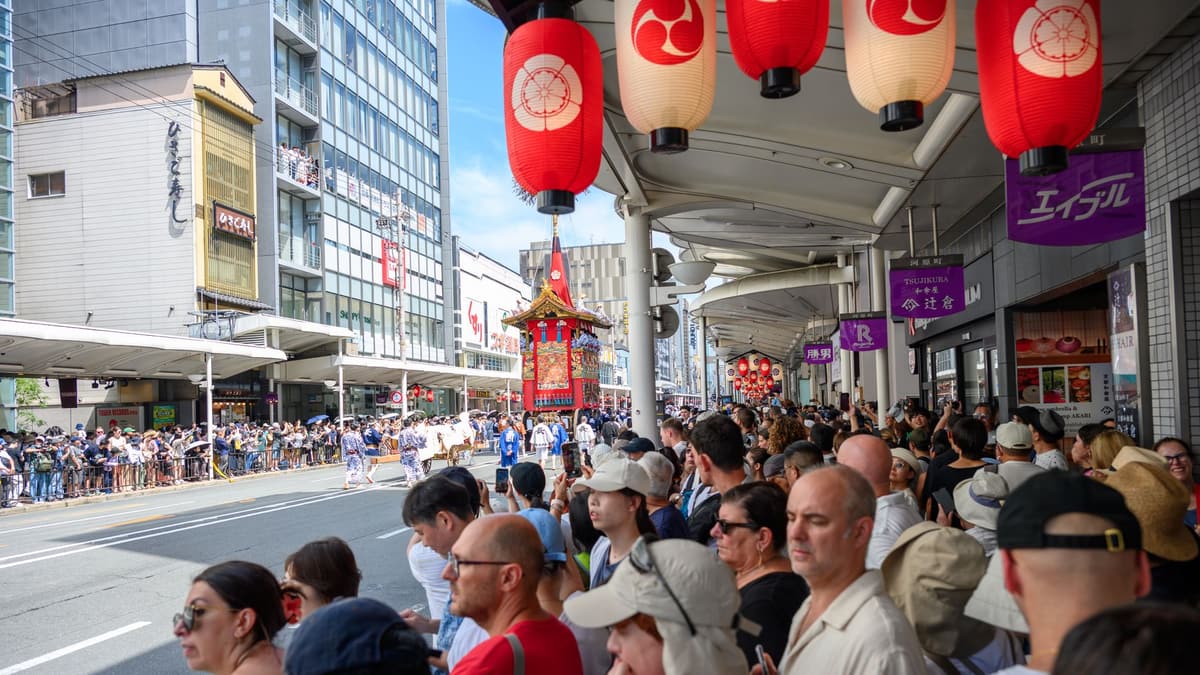
The Japantown Murals are a series of vivid public artworks painted on the walls and buildings around the neighborhood, depicting scenes from its history, its culture and its festivals, turning the streets themselves into an open-air gallery of memory and pride. Wander the blocks with your eyes up, and you will find murals showing the immigrant pioneers, the fields they worked, the internment they suffered, and the joyful festivals that fill the streets today, painted in bright colors and bold designs. The art tells the community's story to anyone who walks through, a way of keeping the past alive and visible for new generations. Each mural rewards a closer look. Take your time finding and reading the murals along the streets. Then head north through the residential blocks, where the neighborhood shifts from its commercial core to the quiet streets of the surrounding district, toward its edges.
The Northside Neighborhood is the quiet residential district that surrounds and blends into Japantown, a grid of modest older homes, tree-lined streets and small gardens that housed the families of the community and their neighbors for generations. Walk the calm streets and take in the everyday character of the area, the well-kept older houses with their porches and gardens, the mature street trees, and the mix of cultures that have always lived side by side here. This is the residential fabric that supported the shops and temples of the main street, a working neighborhood with deep roots and a strong sense of community. It offers a peaceful contrast to the busier commercial blocks. Take in the quiet streets and the neighborhood's homey character. Then continue north a short way to a classic old city park, a green gathering place for the whole district and a restful spot to end.
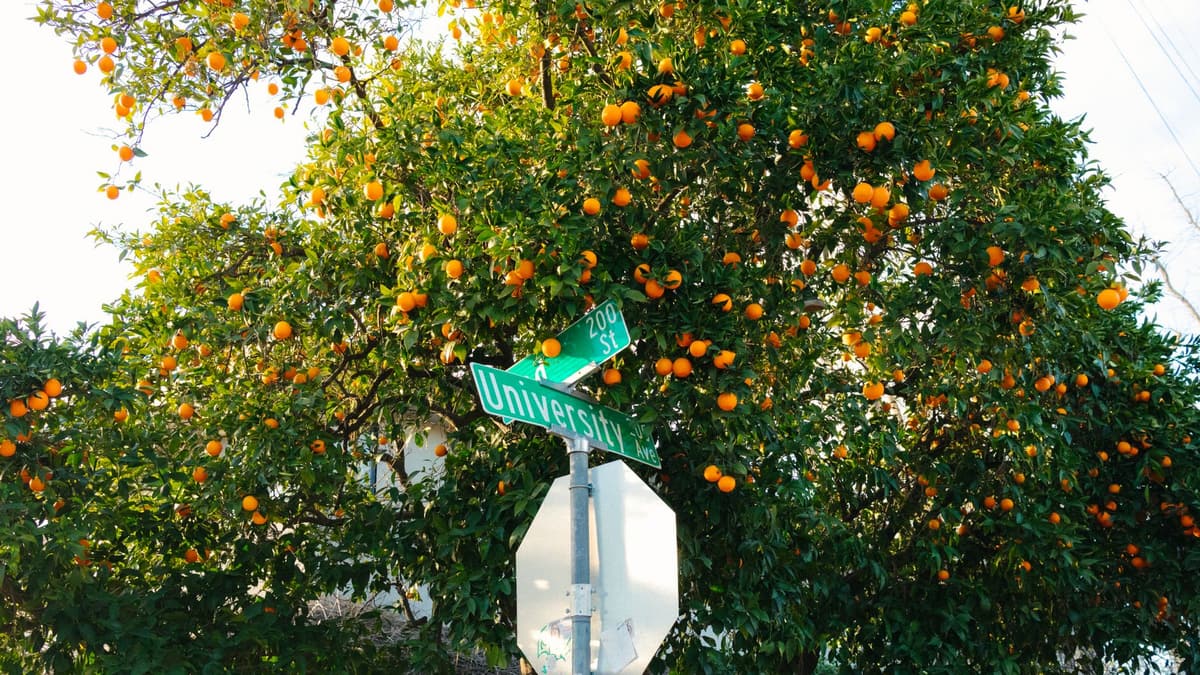
You finish at Backesto Park, a classic old neighborhood park at the northern edge of Japantown, a green space of lawns, mature shade trees, sports courts and a playground that has served as the community's backyard for generations. Walk into the park and take in its easygoing, local character, families picnicking on the grass, children on the playground, games on the courts, and neighbors strolling beneath the old trees. This is exactly the kind of everyday green space that anchors a real neighborhood, a place of ballgames, festivals and quiet afternoons rather than grand monuments. After the temples, the museum and the murals, it is a restful and human place to end. Find a bench beneath the trees and let the neighborhood's story settle. This friendly old park, the community's gathering ground, is a fitting close to a walk through one of the last true Japantowns in the country.
Reaching Backesto Park, you have walked through one of the last historic Japantowns in the United States, from its family-run main street and its temples through the museum and murals that keep its memory alive to the quiet streets and park that surround it. Walking it is the only way to feel the depth of this small neighborhood, because its history lives in the details, a temple roofline, a mural of the internment years, an old building named for the immigrant pioneers, none of which a passing car could ever reveal. On foot you sense the resilience and pride of a community that survived injustice and endured, and you notice the human touches that make it special, a family shop of three generations, a bright mural of a festival, the ballgames in an old park. If you would like company for the next walk, open the Walk With Me map to find other walkers out exploring the city right now.
Toutes les étapes de cette balade à San Jose, United States, dans l'ordre.
Environ 3 km, à peu près 42 minutes à un rythme tranquille.
Cette visite est commentée
Parcourez la ville avec l'application et un narrateur vous racontera l'histoire de chaque lieu, déclenchée automatiquement à votre arrivée. L'intro et les 3 premiers arrêts sont gratuits, et vous pouvez débloquer la totalité de la visite pour $5.49, un achat unique que vous gardez à vie.
Compatible avec Garmin, Komoot, Strava, OS Maps et toute application GPX.
September 2, 2026 · 9 min read
Découvrez l'itinéraire ultime sur le Royal Mile d'Édimbourg, une exploration libre depuis les hauteurs du château jusqu'aux portes du palais.
August 29, 2026 · 10 min read
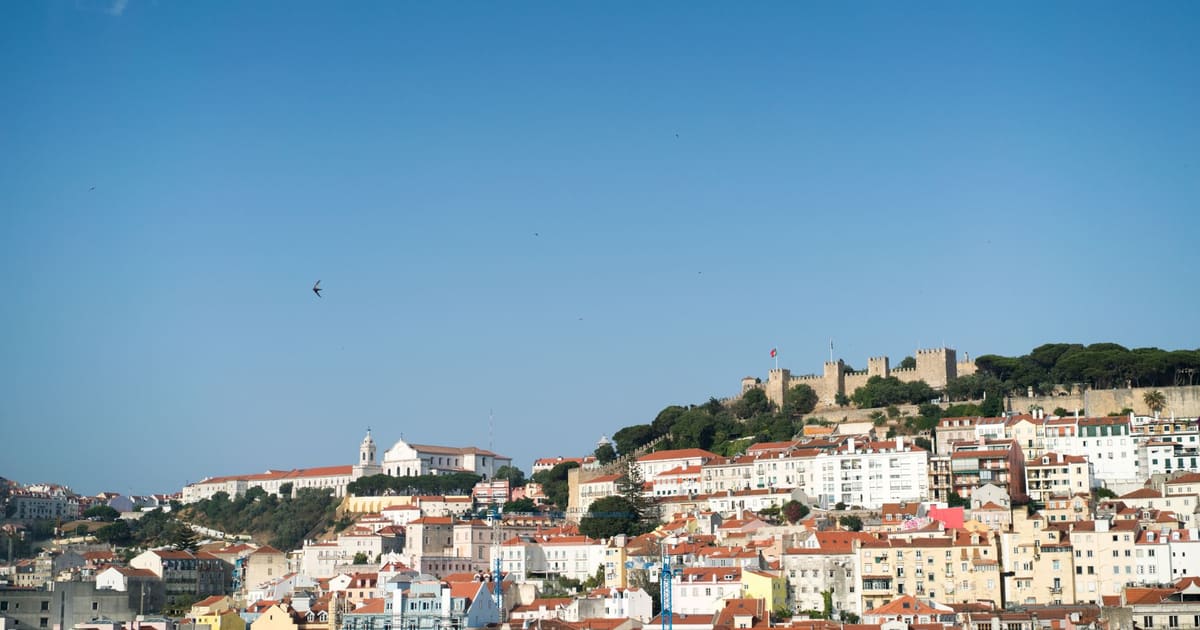
Découvrez l'âme de Lisbonne lors de cette visite autonome de l'Alfama, avec des vues imprenables sur le château, des cathédrales et des ruelles de fado.
August 28, 2026 · 9 min read
Une visite à pied libre d'Amsterdam à travers le Jordaan, devant la Westerkerk, la maison d'Anne Frank, des cours cachées et les Neuf Rues.