September 2, 2026 · 9 min read
Edinburgh Royal Mile Yürüyüş Rotası
Kaleden saray kapılarına uzanan bu kendi kendine rehberli yürüyüş rotasıyla Edinburgh Royal Mile'ın tarihi sokaklarını keşfedin.
507
August 28, 2026 · 9 min read
Bir sonraki planlı turda bu yürüyüşü diğer insanlarla birlikte yapın.
Kolay tempoda yaklaşık 3,9 km, tahminen 56 dakika · 8 durak
Sesli tur · 11 dk anlatımlıTek seferlik $6.49
Lower Manhattan is where New York began, a dense tangle of narrow colonial lanes and soaring towers packed onto the tip of the island, and it rewards walkers with more history per block than anywhere else in the city. If you are planning a walking tour in the United States, this New York self guided walking tour traces the old town from the harbor at Battery Park up through the canyons of the Financial District to the hallowed ground of the 9/11 Memorial, finishing with a walk out over the Brooklyn Bridge. It is a walk through four centuries of ambition, tragedy and reinvention, all in a compact and endlessly fascinating district.
Before you set off, a few practical notes. This walk covers about five kilometers and takes around two hours of steady walking, though the sights invite long pauses. The streets down here are a mix of pavement and old cobbles, mostly flat until the gentle rise onto the bridge, so wear comfortable shoes. Weekday mornings buzz with suited workers, while weekends are quieter and calmer for wandering. If you are following along by audio, keep your eyes up on the towers and the harbor rather than the screen, watch the busy crossings, and pause whenever a view or a memorial asks you to slow down.
You begin at Battery Park, the green southern tip of Manhattan where the island meets the harbor, and it is a fitting place to start because this is where the city first faced the sea and the world. Walk to the railing along the water and take in the wide view across the harbor, where ferries churn back and forth and, in the distance, the Statue of Liberty stands small but unmistakable on her island, with Ellis Island beside her. For millions of immigrants, this was the first sight of America. The park is dotted with monuments and an old circular fort that once guarded the harbor. Sea air and the cries of gulls fill the space. Take in the scale of the harbor and the towers rising behind you. Then head inland, into the streets of the Financial District, toward a famous bronze statue that draws a constant crowd.
Charging Bull is one of the most photographed statues in New York, a massive bronze bull with lowered head and gleaming horns, frozen mid-charge as a symbol of financial optimism and raw market energy. As you approach, you will find a crowd circling it, tourists posing at both ends of the animal, its bronze rubbed shiny in places by countless hands. The bull was famously installed here without permission one night as a piece of guerrilla art and proved so popular the city let it stay. It sits at the head of a small tree-lined plaza, snorting defiance toward the towers of Wall Street. Take your turn among the crowd and appreciate the sheer muscular energy of the sculpture. Then walk east and slightly uphill into the narrow, shadowed streets, following the most famous financial address in the world as it leads you deeper into the canyons.
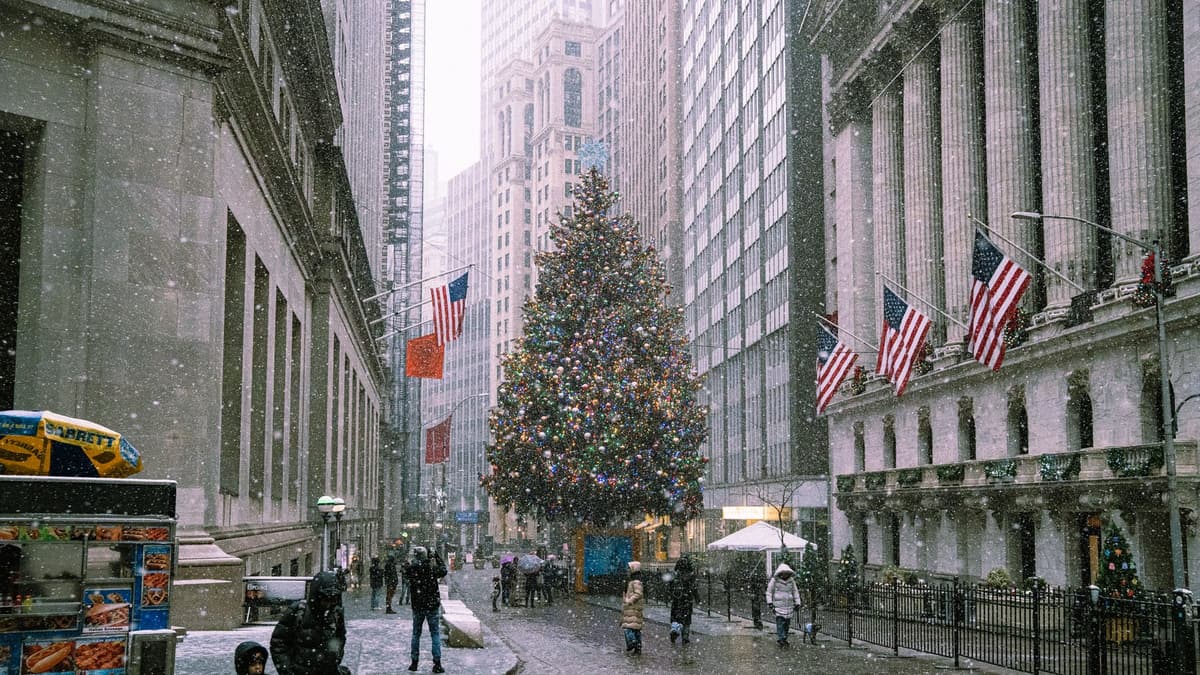
Wall Street is narrower and more intimate than its global fame suggests, a slim canyon of a street walled in by towering historic buildings, its name a reminder of the actual wooden wall the Dutch once built here at the edge of their colony. As you walk along it, the buildings rise so high and close that the sky becomes a thin ribbon overhead and the light filters down cool and grey. This short street runs the world's money, home to the great stock exchange whose columned facade, draped with an enormous flag, you will pass along the way. There is a serious, powerful hum here, the sense of vast sums moving through the air. Notice the ornate old bank lobbies and the security barriers. Walk the length of the famous street to its heart, where a grand columned building with a statue on its steps marks a pivotal spot in the nation's history.

Federal Hall stands at the corner of Wall Street like a Greek temple dropped among the skyscrapers, its broad marble steps guarded by a large bronze statue of George Washington, who stands with one hand outstretched over the street. This is one of the most important sites in American history, for it was on this spot that Washington took the oath as the first president and the new nation's first government met. The current building, a stately old customs house and treasury, gleams white against the darker towers around it. Climb a few of the steps for a fine view back down Wall Street, framed by the columns. The statue marks the very place where the country's story turned. Take in the sense of beginnings here. Then walk a short block west, where the dark spire of an old church rises unexpectedly among the glass and steel.
Trinity Church is a startling sight in the Financial District, a dark Gothic Revival church with a tall, elegant spire that was once the highest point in all of New York, now dwarfed by the towers that surround it. Standing at the head of Wall Street, its blackened stone and pointed arches feel like a fragment of another age holding its ground amid the money. Step into the peaceful old churchyard beside it, where worn gravestones lean under shade trees and some of the earliest figures of the nation rest, including a founding father whose grave draws a steady stream of visitors. The contrast of the quiet green cemetery against the roaring city is striking and moving. Wander among the old stones for a calm moment. Then head north up the avenue, walking several blocks as the mood shifts from historic finance toward a place of profound remembrance.
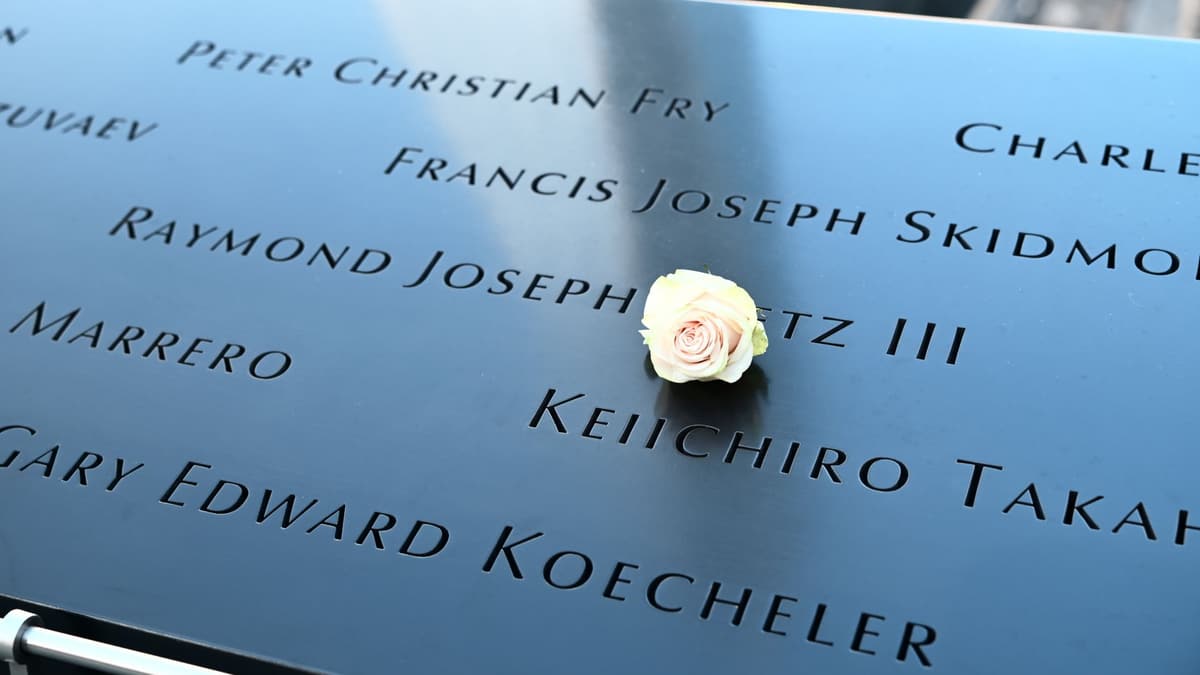
The 9/11 Memorial occupies the footprints of the fallen towers, and arriving here the frantic energy of the Financial District gives way to a hushed, solemn calm. Two enormous square voids sink into the ground exactly where the towers stood, their black granite sides sheeted with water that pours endlessly down into a deeper central void you cannot see the bottom of. The sound of the falling water hushes the city. Around the rims, the names of every person killed are cut through the bronze parapets, and you will often see a single white rose tucked into a letter. The scale and the silence are deeply affecting. Walk slowly around one of the pools, reading the names, feeling the weight of the place, with the gleaming new tower soaring overhead. When you are ready, walk east a few blocks toward a soaring, ornate skyscraper often called a cathedral of commerce.
The Woolworth Building is one of the most beautiful early skyscrapers in the world, a soaring tower of pale terracotta and Gothic detail that was, when it opened, the tallest building on earth. Stand across the street and crane your neck to follow it upward, taking in the flying buttresses, gargoyles and pointed arches that make it look like a cathedral stretched impossibly toward the sky. It was built as the headquarters of a five-and-dime empire and paid for entirely in cash, earning it the nickname the cathedral of commerce. The lobby within is famously lavish, though the building is now private. From here you are close to the great bridge that is your final destination. Continue east across the wide plaza past the grand old City Hall, and follow the walkway signs up onto the raised wooden promenade of the bridge.
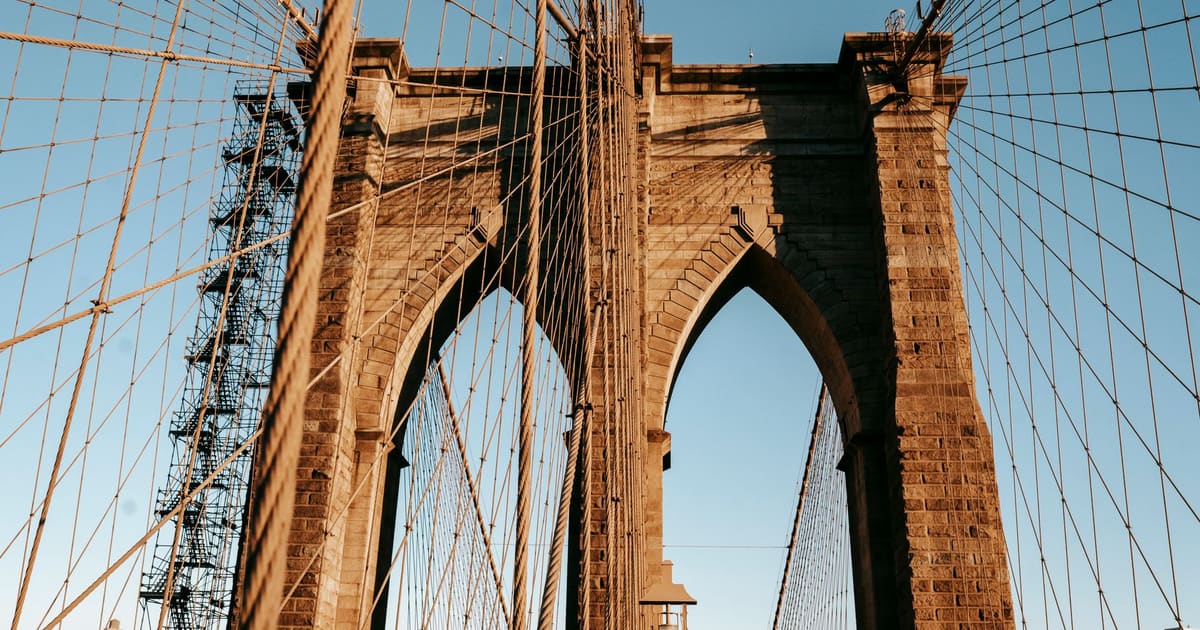
You finish by walking out onto the Brooklyn Bridge, one of the most beloved structures in the world and a triumph of nineteenth-century engineering, its great stone towers and sweeping steel cables strung high above the East River. Climb onto the raised wooden pedestrian promenade that runs down the center, above the traffic, and start out over the water toward Brooklyn. The cables fan out around you in shifting geometric patterns, framing the skyline of Lower Manhattan behind you and the harbor stretching away to the Statue of Liberty. The bridge hums with cyclists, joggers and travelers from everywhere, all snapping photos of the towers and the view. Walk out at least to the first great stone tower, where the views open in every direction. This soaring crossing, suspended between two boroughs, is a perfect and exhilarating place to end.
Reaching the bridge, you have walked through the entire origin story of New York, from the harbor where it began through the canyons where it grew rich to the ground where it grieved and rebuilt, ending on the span that once joined two cities into one. Doing it on foot is the only way this district makes sense, because its layers are stacked so tightly, a colonial churchyard beside a stock exchange, a solemn memorial beneath a soaring new tower, all within a few close blocks. Walking it, you feel the compression of history and ambition, and you notice the details a taxi would blur past, a rose on a name, a gargoyle on a tower, the sound of water in a void. If you would like company for the next walk, open the Walk With Me map to find other walkers out exploring the city right now.
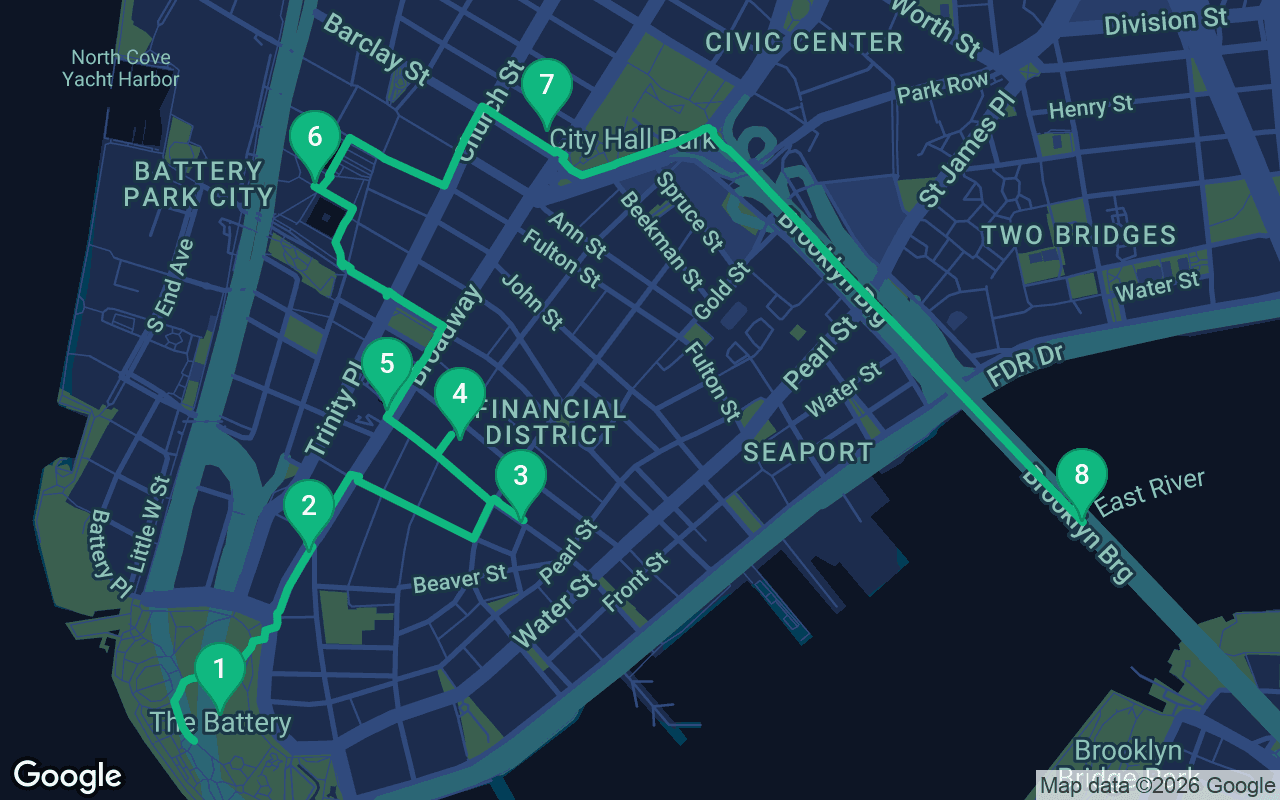
New York City, United States içindeki bu yürüyüşün tüm durakları, sırasıyla.
Yaklaşık 3,9 km, rahat bir tempoyla aşağı yukarı 56 dakika.
Bu tur sesli anlatımlıdır
Uygulamayla yürüyün ve her durakta hikayeyi bir anlatıcıdan dinleyin, siz ulaştığınızda otomatik olarak başlasın. Giriş ve ilk 3 durak ücretsizdir; tüm anlatımlı turu tek seferlik bir ödemeyle $6.49 karşılığında açıp ömür boyu kullanabilirsiniz.
Garmin, Komoot, Strava, OS Maps ve tüm GPX uygulamalarıyla çalışır.
September 2, 2026 · 9 min read
Kaleden saray kapılarına uzanan bu kendi kendine rehberli yürüyüş rotasıyla Edinburgh Royal Mile'ın tarihi sokaklarını keşfedin.
August 29, 2026 · 10 min read
Kendi kendinize yapacağınız bu Lizbon Alfama yürüyüş turunda nefes kesici kale manzaraları, tarihi katedraller ve gizli fado sokaklarıyla Lizbon'un ruhunu hissedin.
August 28, 2026 · 9 min read
Westerkerk, Anne Frank Evi, gizli avlular ve Dokuz Sokak'tan geçen, Amsterdam'ın büyüleyici Jordaan bölgesinde kendi kendinize yapabileceğiniz bir yürüyüş turu.