September 2, 2026 · 9 min read
Королівська Миля Единбурга: маршрут
Відкрийте для себе найкращий пішохідний маршрут Королівською Милею Единбурга, самостійну прогулянку від вулканічних висот замку до воріт палацу.
507
August 28, 2026 · 9 min read
Зробіть цю прогулянку разом з іншими людьми на наступному запланованому турі.
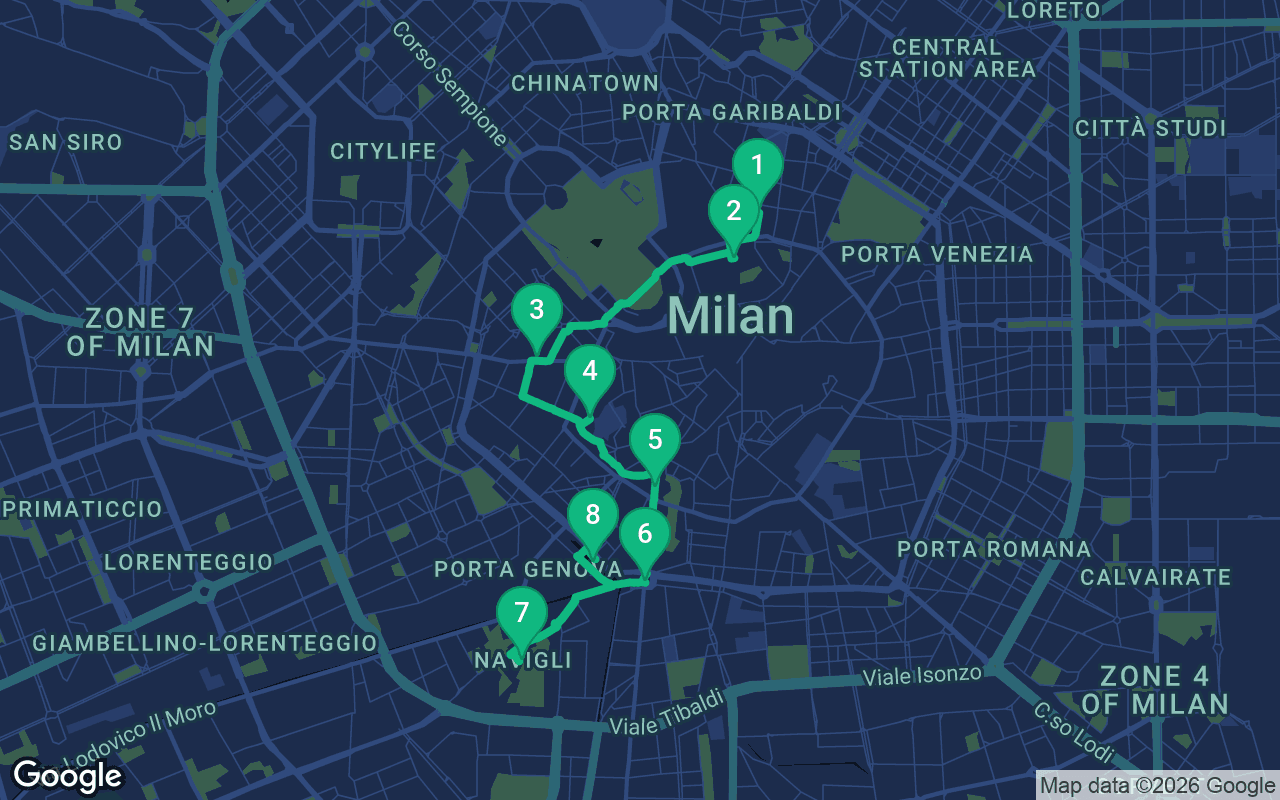
Приблизно 7,2 км, приблизно 98 хвилин у легкому темпі · 8 зупинок
Аудіотур · 11 хв озвучки$8.49 one-time
Beyond the marble grandeur of Milan's center lies a softer, more bohemian city of cobbled art quarters, ancient basilicas and old canals lined with bars, and this walk seeks it out. If you are looking for a walking tour in Italy that trades monuments for atmosphere, this Milan self guided walking tour wanders the artistic Brera district, visits some of the city's oldest and most beautiful churches, and descends to the Navigli, the surviving canals where Milan comes alive at dusk. It is a walk of narrow lanes, hidden art and waterside charm, showing a warmer and more relaxed side of this brisk northern city.
Before you set off, a few practical notes. This walk covers about five kilometers and takes around two to two and a half hours of easy strolling, flat throughout and paved in cobbles and stone. Wear comfortable shoes for the uneven surfaces. The ideal time to start is the late afternoon, so that you arrive at the canals for the famous aperitivo hour, when the waterside bars fill and the light turns golden on the water. If you are following along by audio, keep your eyes up for the art and the architecture, watch for cyclists and trams, and pause whenever a gallery window, a church door or a canal view invites you to slow down.
You begin in the Brera District, the artistic and bohemian heart of Milan, a small grid of cobbled streets that feels more like a Parisian quarter than a brisk business city. As you wander in, the lanes are lined with art galleries, antique shops, tiny boutiques and cozy trattorias, their tables spilling onto the cobbles under ivy and lanterns. This has long been the haunt of painters and students, drawn by the famous art academy at its center, and the neighborhood keeps a creative, slightly romantic air. Fortune tellers and portrait artists sometimes set up along the busier corners. Stroll the narrow streets slowly, peering into gallery windows and soaking up the mood. At the heart of the quarter stands a grand old palace that houses both the academy and one of Italy's great art collections, and its courtyard is your next stop.
The Pinacoteca di Brera is one of the finest art galleries in Italy, housed in a grand baroque palace whose very courtyard is worth the visit, even before you consider the masterpieces within. Step into the large arcaded courtyard, ringed by elegant columns on two levels, and find at its center a striking bronze statue of Napoleon posed as a heroic nude god, a bold and slightly startling monument. Around you, art students hurry between classes, sketchbooks under their arms, for the academy still shares the building. The gallery upstairs holds some of the greatest paintings of the Italian Renaissance, but the courtyard alone captures the spirit of Brera, art and learning wrapped in grand old stone. Take in the arcades and the bronze figure. Then leave the quarter heading southwest, walking several blocks toward a modest brick church that guards one of the most famous images in the world.
Santa Maria delle Grazie is a lovely Renaissance church of warm brick and pale stone, crowned by a graceful domed apse, but its fame rests on a single painting hidden in the old refectory beside it, Leonardo da Vinci's Last Supper. Stand in the quiet square before the church and admire its harmonious brickwork and the elegant dome, designed in part by a great Renaissance architect. The famous mural, painted on the wall of the monks' dining hall, is so fragile and so treasured that only a few visitors are admitted at a time, but simply standing beside the building that shelters one of humanity's greatest artworks is a quiet thrill. The church itself is serene and beautiful. Take in its calm and its history. Then head south toward one of the oldest and most sacred churches in all of Milan, its ancient towers rising ahead.
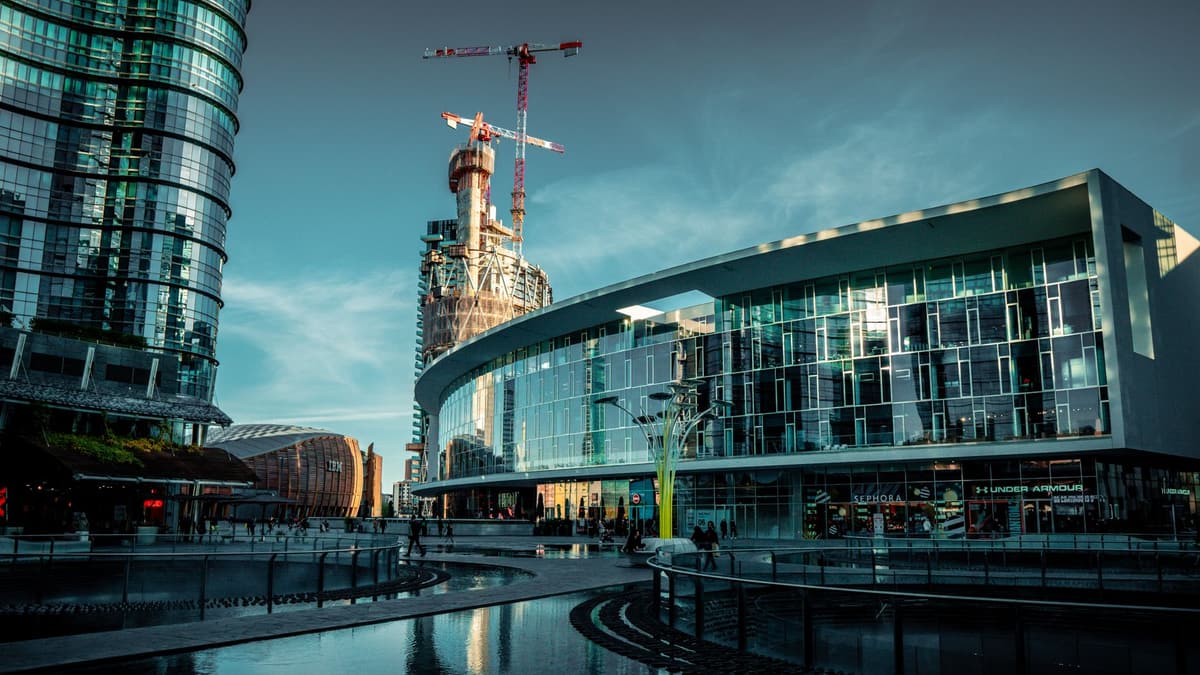
The Basilica of Sant'Ambrogio is one of the most ancient churches in Milan, founded over sixteen centuries ago by the city's patron saint, and its severe, beautiful Romanesque form is a world away from the ornate Gothic of the Duomo. Approach through its remarkable entrance, a large arcaded courtyard, or atrium, that you cross before even reaching the church doors, ringed by rounded stone arches. Two brick bell towers of different heights and ages flank the facade, and the whole complex glows warm and honey-colored in the light. Step into the atrium and feel the deep age of the place, the worn stone and the round arches speaking of the earliest Christian centuries. It is solemn, powerful and quiet. Absorb the ancient atmosphere. Then continue south toward a row of towering ancient columns that mark one of the few Roman survivals in the city.
The Colonne di San Lorenzo are a striking row of sixteen tall Roman columns standing in a line before an ancient basilica, one of the very few visible remnants of the Roman city that Milan once was, when it briefly served as a capital of the empire. Walk up to the columns, which once belonged to a grand Roman building and were re-erected here centuries ago, and run your eyes up their weathered marble to the fragment of entablature they still support. Behind them rises the great basilica of San Lorenzo, one of the oldest churches in the city, crowned by a broad dome. The wide space in front of the columns is a beloved gathering spot, especially in the evening, when young Milanese sit on the steps with drinks. Take in this slice of ancient Rome surviving in the modern city. Then continue south toward a tall medieval gateway straddling the road ahead.
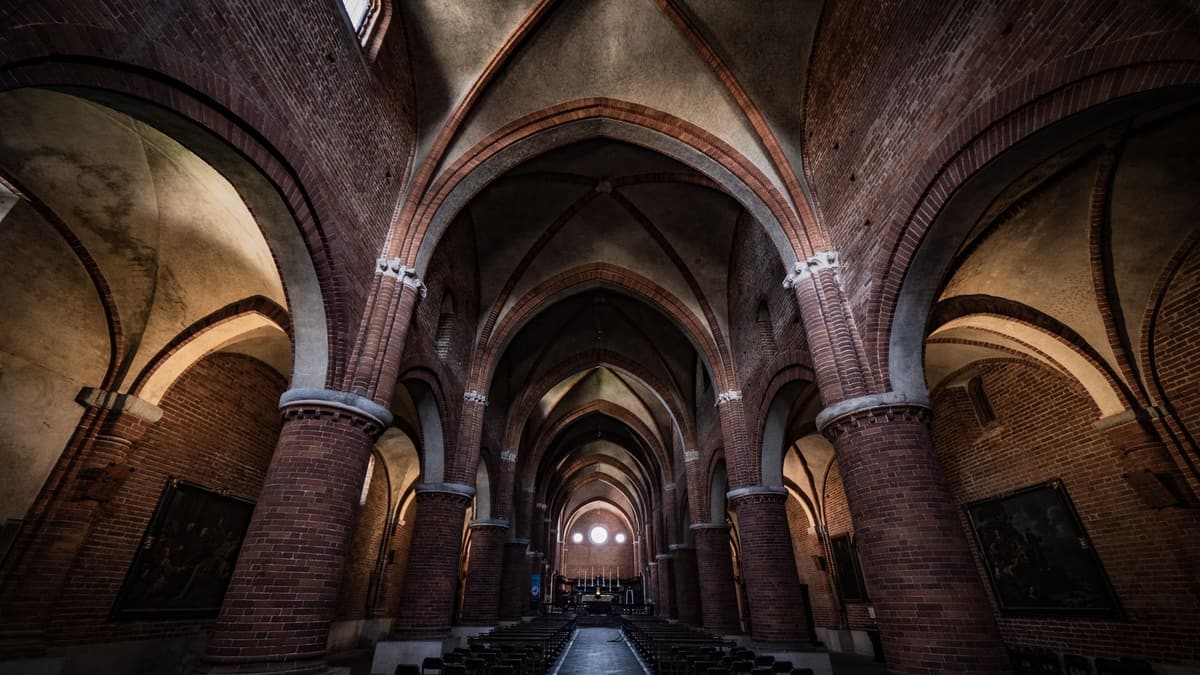
Porta Ticinese is a handsome medieval gateway that once pierced the city walls, a tall arched portal of pale stone standing astride the road like a threshold between the old center and the canal district beyond. Walk up to and through the arch, and notice the small carved figures and the worn stone that speak of the centuries of travelers, traders and pilgrims who passed this way heading in and out of the city. The gate marks the edge of a lively, youthful neighborhood full of vintage shops, bars and street style. Beyond it, the streets begin to slope gently toward the water. Pass through the gateway and feel the shift in mood, from the historic center to the buzzing nightlife quarter. Continue south down the widening street, and soon the buildings open to reveal the still, reflective surface of an old canal stretching away before you.
The Navigli Canals are the romantic soul of southern Milan, the last surviving stretches of a once-great network of waterways that connected the landlocked city to the rivers and lakes, now lined with bars, restaurants and workshops that make this the liveliest nightlife district in the city. Walk along the canalside path beside the still green water, where old low buildings lean toward the canal, their facades draped with plants and strung with lights. By day it is a quiet, faintly faded quarter of artisan studios and antique dealers, but as evening falls the bars set out tables along the water and the whole district fills with people enjoying the famous Milanese aperitivo. Stroll along the water, watching your reflection in the canal. Follow the canal north toward the point where the waterways meet at a wide old harbor basin, the finish of your walk.
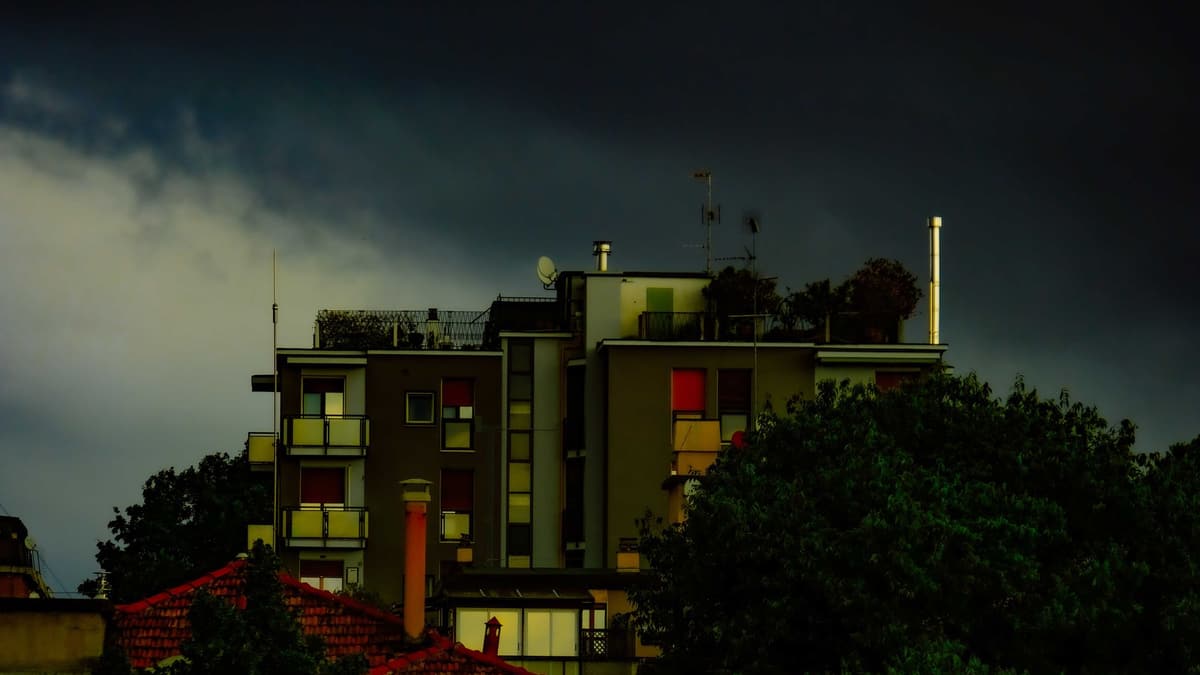
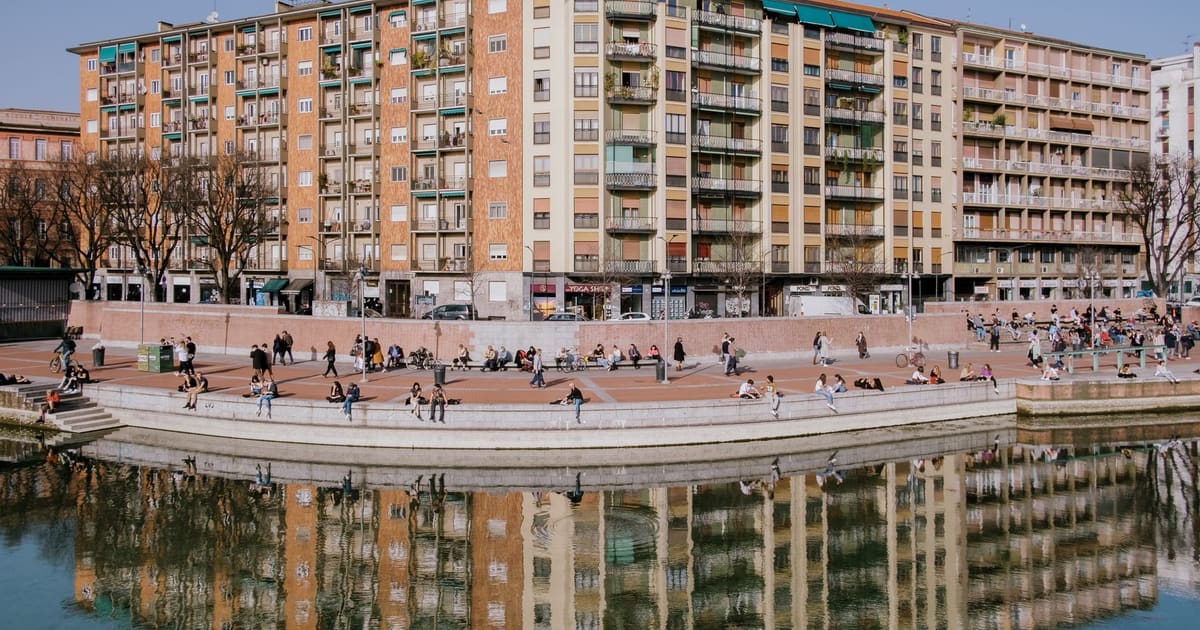
You finish at the Darsena, the old dock basin where the city's canals once met, a broad rectangular harbor that was for centuries the bustling port of landlocked Milan, receiving barges of stone, salt and goods from across the region. Beautifully restored, it is now a wide open basin of water ringed by a lively promenade, cafes and a market, a place where locals gather to walk, drink and watch the sun go down over the water. Walk out along the quayside and take in the open expanse, the moored boats, and the streams of the two great canals flowing in to meet here. As the light fades, the whole basin glows and the surrounding bars come alive. It is a wonderful, celebratory place to end. Find a spot along the water and rest, watching the reflections and the evening crowds gather where Milan's old lifeline once met the city.
Reaching the Darsena, you have walked from the bohemian art lanes of Brera through the city's most ancient churches and its Roman remnants down to the canals and the old harbor. This is the Milan that only reveals itself on foot, a warmer, older, more romantic city hiding behind the brisk modern center, where a Roman colonnade, an ancient basilica and a lamplit canal all lie within a single afternoon's walk. Moving slowly, you feel the neighborhoods change under your feet, the grand galleries of Brera softening into the nightlife of the Navigli, and you notice the details a car would never show you, ivy on a trattoria wall, a saint's worn stone, lights doubling in the still canal. If you would like company for the next walk, open the Walk With Me map to find other walkers out exploring the city right now.
Кожна зупинка цієї прогулянки через Milan, Italy, по порядку.
Приблизно 7,2 км, приблизно 98 хвилин у легкому темпі.
Цей тур озвучено
Walk it with the app and a narrator tells the story at every stop, triggered automatically as you arrive. The intro and the first 3 stops are free to sample, and you can unlock the whole narrated tour for $8.49, a one-time purchase you keep for good.
Працює з Garmin, Komoot, Strava, OS Maps та будь-яким застосунком GPX.
September 2, 2026 · 9 min read
Відкрийте для себе найкращий пішохідний маршрут Королівською Милею Единбурга, самостійну прогулянку від вулканічних висот замку до воріт палацу.
August 29, 2026 · 10 min read
Відкрийте душу Лісабона під час цієї самостійної прогулянки Алфамою з неймовірними краєвидами на замок, старовинними соборами та затишними вуличками фаду.
August 28, 2026 · 9 min read
Самостійна прогулянка Амстердамом через квартал Йордан, повз Вестеркерк, Будинок Анни Франк, приховані дворики та Дев'ять вулиць.