




 $9.99Városnézés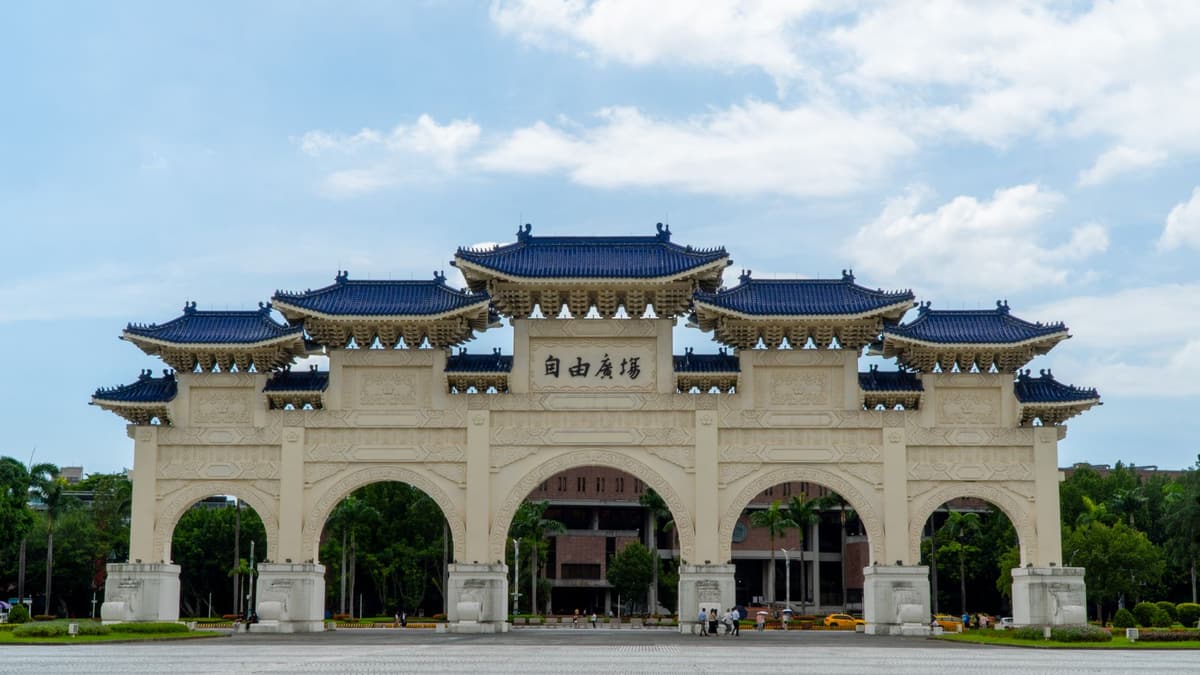
Taipei audió gyalogos túrák
Egyéni, narrált séták Taipei területén. Vásárold meg a túrát egyszer, töltsd le, és hagyd, hogy a történet megszólaljon minden megállónál, miközben a saját tempódban sétálsz.
Túrák már $9.99 ártól
A barátaid ingyen sétálnak. Egyetlen vásárlás mindenkit lefedi a sétádon. Indítsd el a túrát, hívd meg a barátaidat csatlakozásra, és minden telefonon lejátszódik a csoportodban.
5.0 a Google Play-en
Taipei audió túrák
Minden túra egy térképes útvonal, amely minden megállónál narrációt tartalmaz. Vedd meg egyszer, és a tiéd marad, előfizetés nélkül.
$9.99Városnézés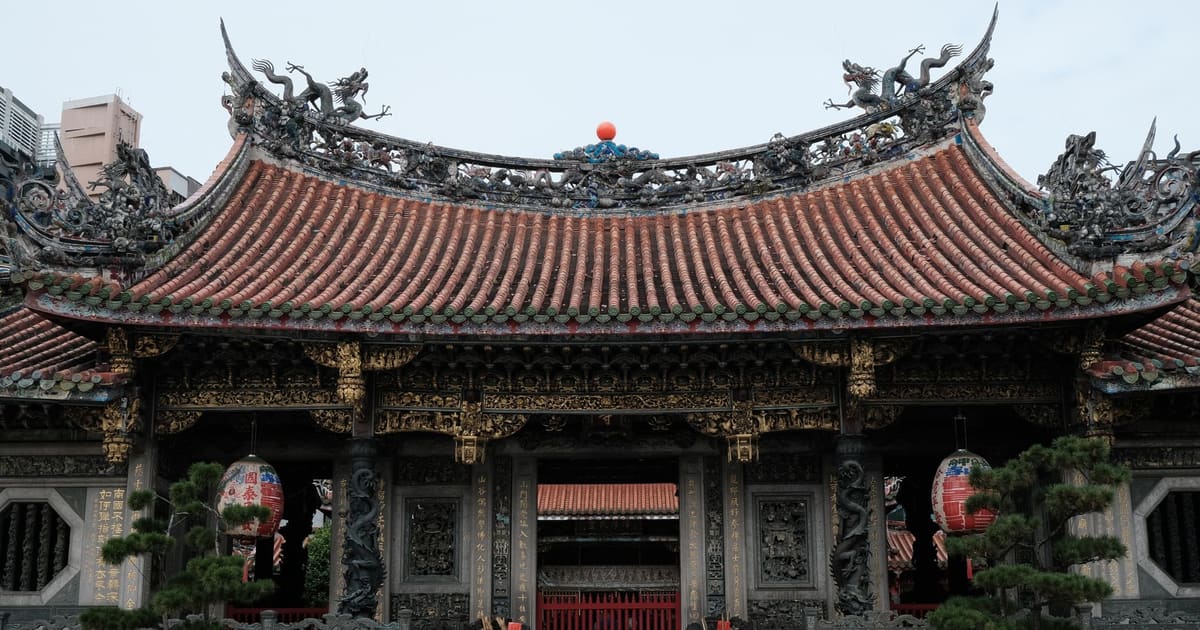 $9.99Városnézés
Mire számíthatsz egy Taipei audió gyalogos túrán?
A Taipei audio walk can trace the white memorial halls, Qing gates and government palaces of the capital core, or follow the older rhythm of Bangka and Dadaocheng from Lungshan Temple's incense through Ximending to the matchmaker god on Dihua Street.
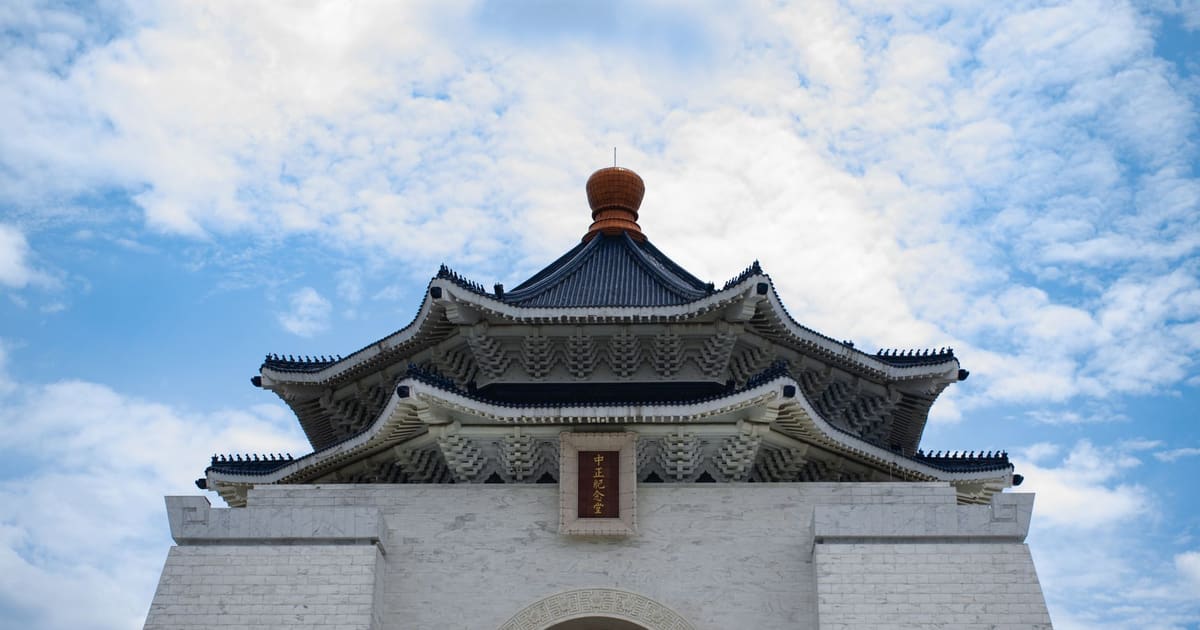
The Taipei Capital Core Walk starts at the white, blue tiled National Chiang Kai-shek Memorial Hall and passes through the ceremonial Liberty Square Archway to the Qing era East Gate, standing alone on its traffic circle. From there it follows Ketagalan Boulevard to the Presidential Office Building, the old Japanese governor general's palace, then loops past the Taipei 228 Memorial Museum and the domed National Taiwan Museum to finish at Taipei Main Station, about 3.6 kilometers and 50 minutes.
The Taipei Old Quarters Walk starts at the incense filled Bangka Lungshan Temple and the quieter, finely carved Qingshui Temple nearby, crosses Ximending at the red brick Red House, and passes Zhongshan Hall, where Japanese rule over Taiwan formally ended in 1945. Heading north through the Qing era North Gate and past the street corner where the 228 Incident began, the route finishes at the tiny, incense wrapped Xiahai City God Temple on Dihua Street, about 3.8 kilometers and 58 minutes.
Both walks are flat and mostly shaded by arcades or park trees, but Taipei's heat and sudden afternoon showers from May through October make an umbrella worth carrying on either route. The Capital Core Walk reads like a civics lesson in stone and bronze, while the Old Quarters Walk moves at the older, slower pace of incense, tea shops and narrow lanes, and the two pair naturally into a single day with the metro linking their ends.
Merre sétálj Taipei területén?
Néhány megálló, amely mellett elhaladsz majd, és amiért érdemes lesz lelassítanod.
Bangka Lungshan Temple
Bangka Lungshan Temple is the incense filled heart of Taipei's oldest riverside district, founded in 1738 by settlers from Fujian's Quanzhou region and dedicated to Guanyin, the bodhisattva of compassion. Its swooping roofline is crowded with dragons, phoenixes and tiny porcelain figures built from colorful cut ceramic pieces, and the bronze dragon columns at the front hall are a rare sight anywhere in Taiwan. The temple has survived earthquakes, termites and a 1945 air raid that damaged its main hall, though its statue of Guanyin came through unharmed, or so the story goes. Watch for worshippers tossing two crescent shaped wooden blocks on the floor, a way of asking the gods a simple yes or no question.
North Gate (Chengen Gate)
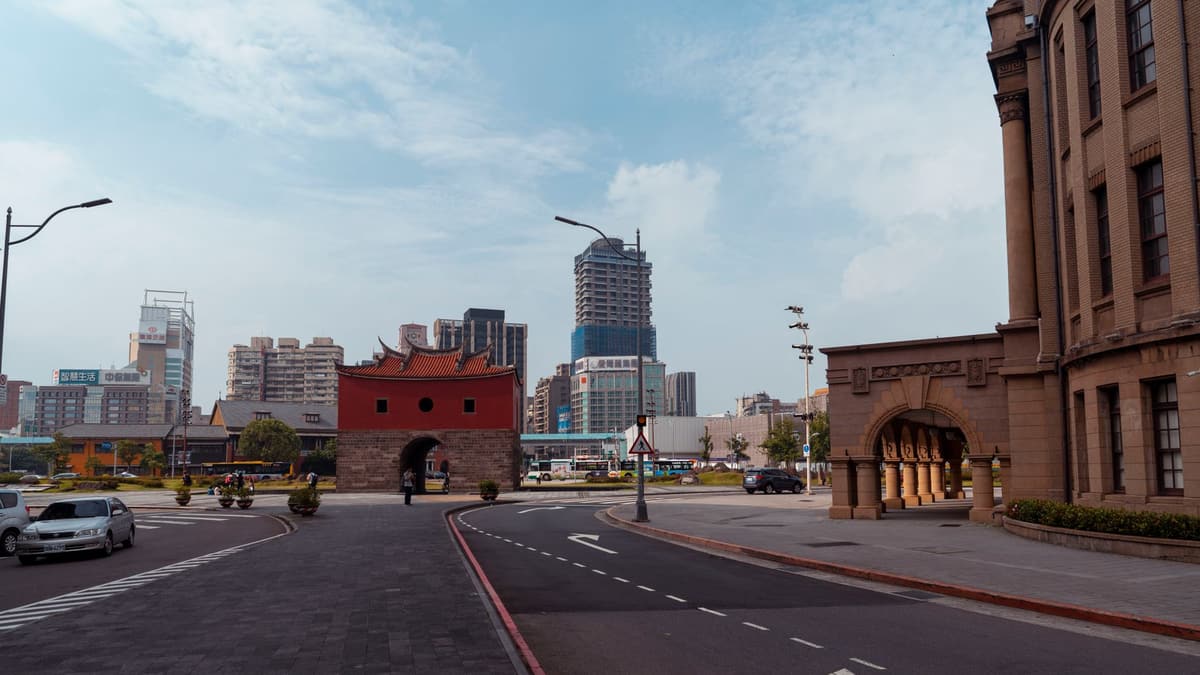
The North Gate is the only surviving gate of Taipei's Qing city wall that still looks exactly as it did when finished in 1884, a squat, solid fortress of heavy stone blocks with a brick tower and a simple tiled roof. Its name, Chengen, means receiving grace, a reference to the emperor's favor, and it once faced the river town of Dadaocheng across the fields. The other surviving gates were rebuilt in the 1960s in a grander northern Chinese palace style, but this one escaped that makeover and kept its original, plainer form. For decades an elevated road curved so close that the gate sat in permanent shadow, until the city tore the flyover down in 2016 and gave it back a small plaza of its own.
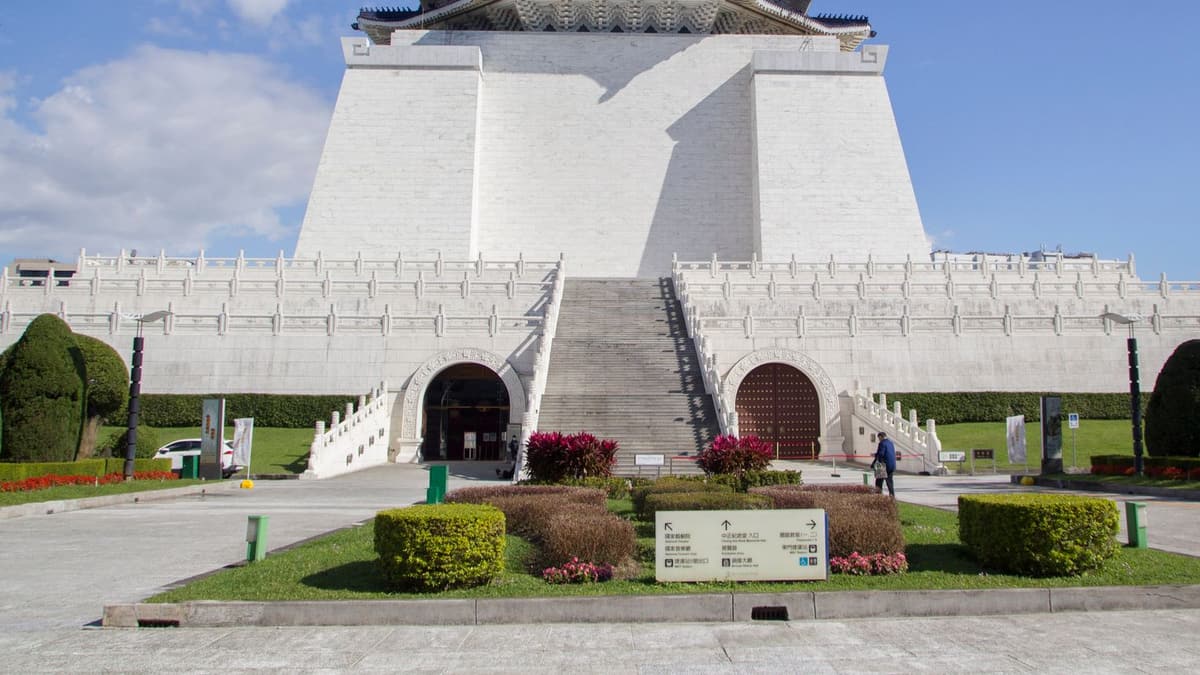
National Chiang Kai-shek Memorial Hall
The National Chiang Kai-shek Memorial Hall rises in white stone against the sky, its staircase climbing 89 steps, one for each year of Chiang's life by the traditional East Asian way of counting age. A huge bronze statue of him once stood watch over an honor guard inside, though the guards were removed from the statue in 2024, and the hourly change of guard now takes place out on the plaza in front when it isn't raining. How to remember Chiang, who ruled Taiwan under martial law from 1949 until his death in 1975, remains one of the island's most debated questions, and the hall itself has been renamed and its surrounding square renamed more than once as different governments argued over the past. Today it hosts concerts, protests and quiet morning exercise in roughly equal measure.
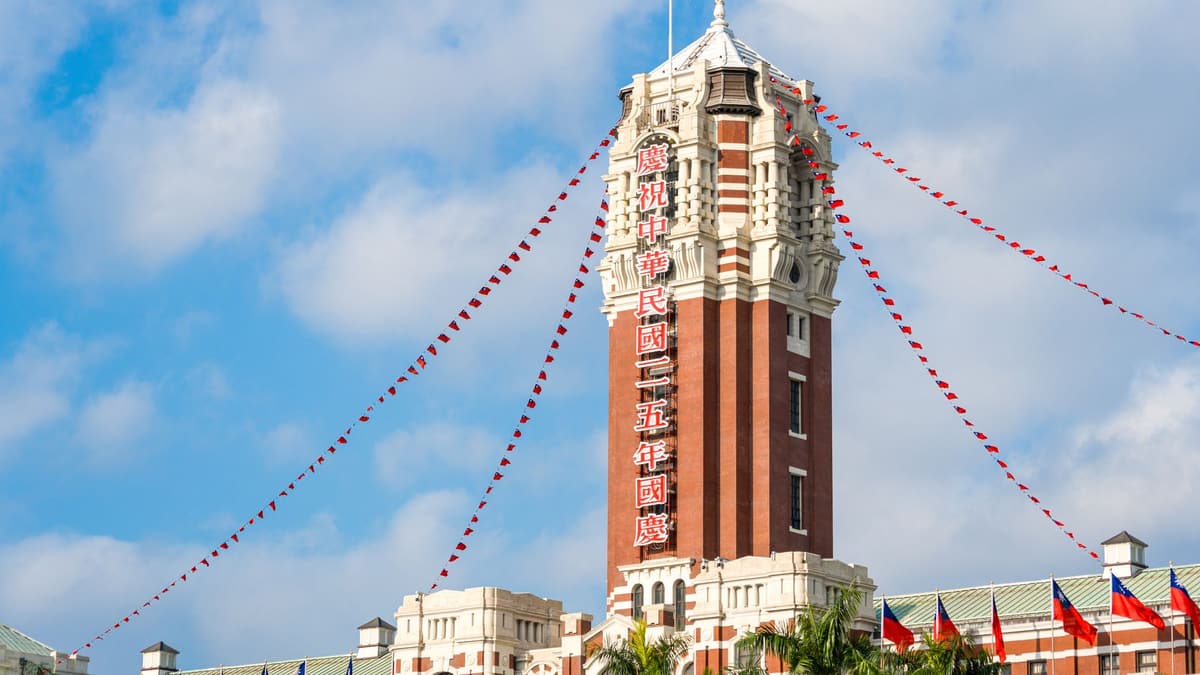
Presidential Office Building
The Presidential Office Building was built between 1912 and 1919 as the seat of Japan's colonial government in Taiwan, its red brick and white stone tower rising about sixty meters, once the tallest structure in the Taipei basin. The building faces deliberately east toward the rising sun, and viewed from above its plan is said to resemble the Japanese character for sun. Badly damaged by Allied bombing in 1945, it was repaired and has served as the office of the President of the Republic of China since 1950. The avenue in front, once named for Chiang Kai-shek, was renamed Ketagalan Boulevard in 1996 after the Indigenous people who lived in the Taipei basin long before any wall or palace stood here, and it still fills with parades and rallies on big occasions.
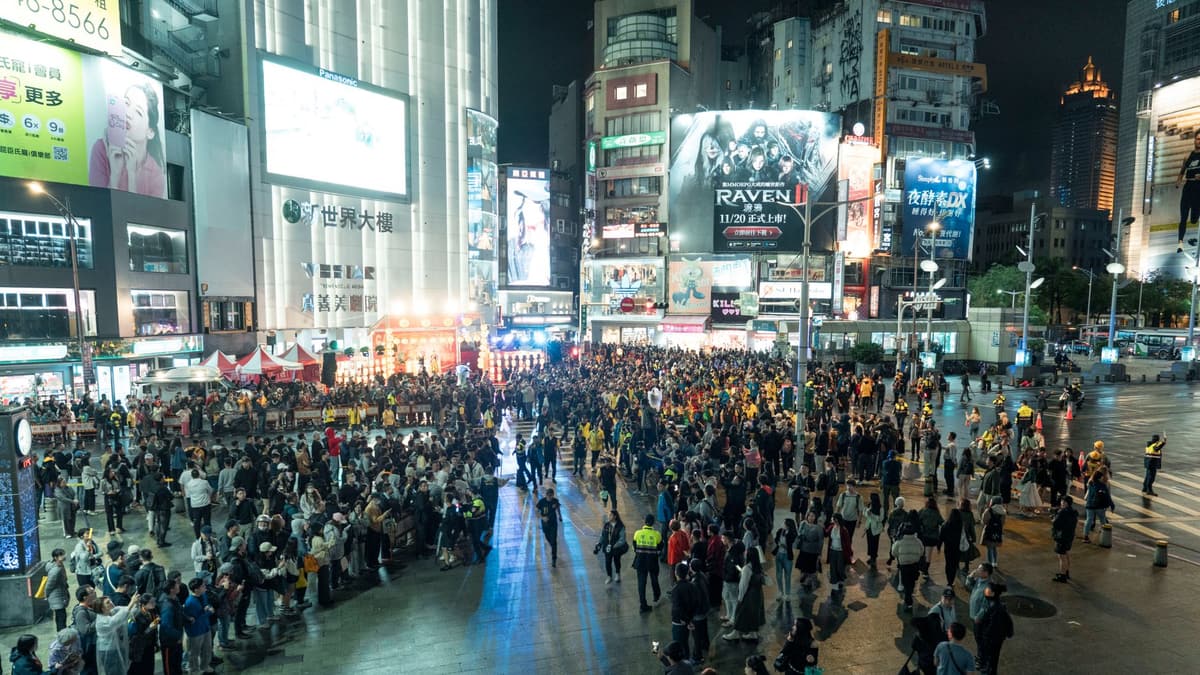
Ximending
Ximending grew up on the site of Taipei's old West Gate, torn down by the Japanese colonial government in 1905, and the open land it left behind became an entertainment district of theaters, cafes and, eventually, the red brick Red House market hall. Today it's Taipei's favorite playground for teenagers, street performers, cinema fans and anyone hunting cheap clothes and snacks, its streets lit by huge video screens and packed shoulder to shoulder most evenings. Behind the Red House, outdoor terraces and bars form the heart of the city's LGBTQ nightlife, lively since Taiwan became the first place in Asia to legalize same sex marriage, in 2019. It's the one stretch on either walk where the crowd itself is the main attraction.
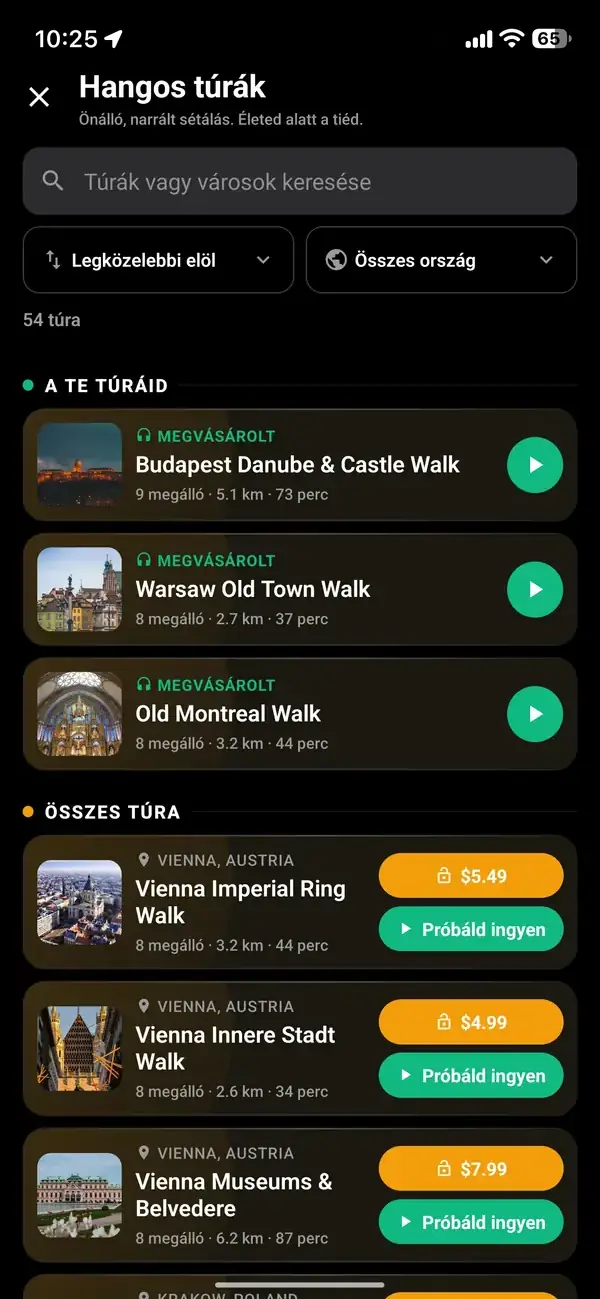
Szerezd meg az audiotúrát 3 egyszerű lépésben
Minden az ingyenes Walk With Me appban történik, és minden túra első megállóit ingyen kipróbálhatod.
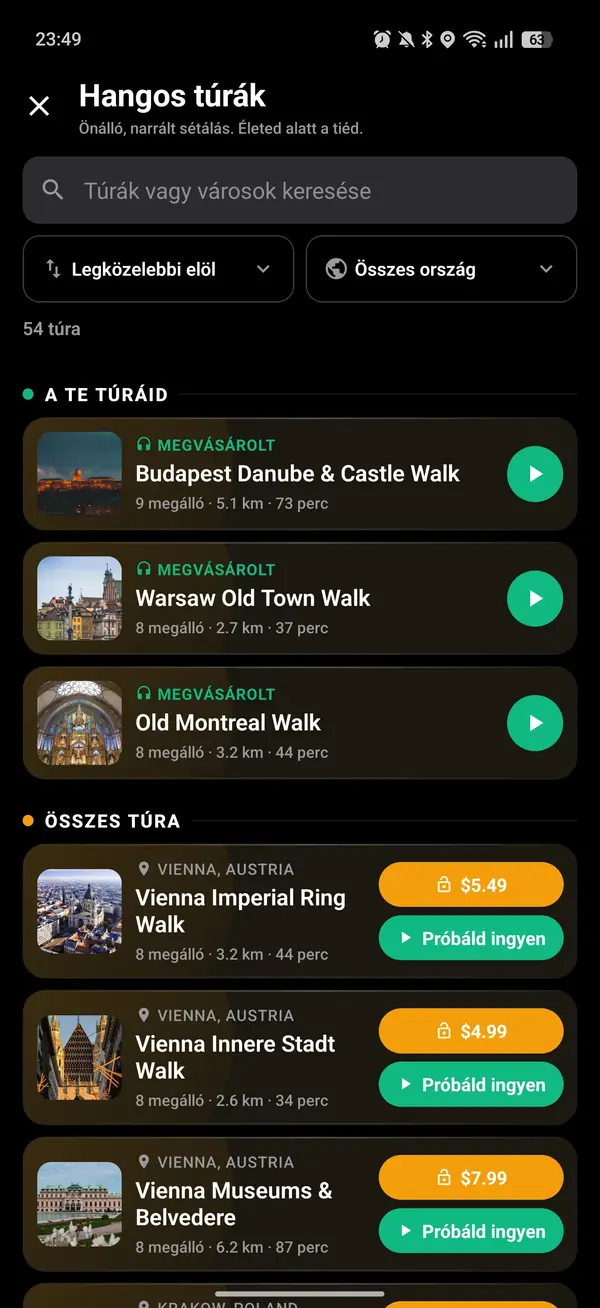
Koppints az arany fejhallgatóra, és válassz túrát
01
Sétálj egyedül, vagy hívj meg valakit


02
Nyomj a lejátszásra és indulj

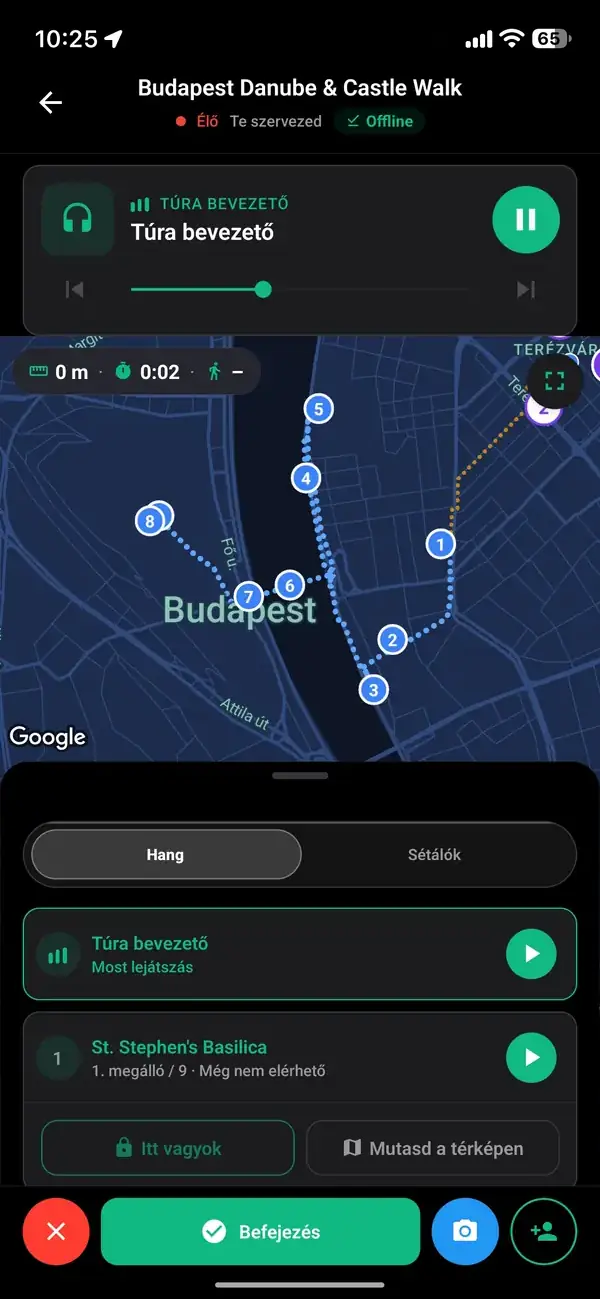
03
Kézzel készítve a városban töltött idődre
Ezek a túrák nem kipipálandó látnivalók listái. Arra készültek, hogy lassan járd végig őket, fejhallgatóval a füleden, a várost figyelve.
Meditatív és magával ragadó
Minden történet ott hangzik el, ahol megtörtént. Az app jelez, amikor egy megállóhoz érsz, egy koppintás elindítja a történetet, a megállók közötti utat pedig a saját tempódban élvezheted.
Kézzel, gondosan készítve
Minden útvonalat és minden megállót mi magunk választunk ki, és minden történetet gondosan formálunk meg, hogy a városban töltött időd a leginkább érdemes helyekre jusson.
Valakivel jobb
Minden séta jobb, ha valaki melletted van, ezért ha tudsz hozni valakit, nagyon ajánljuk. Ezért fedez egyetlen vásárlás mindenkit, akit meghívsz: ingyen csatlakoznak a túrádhoz.