
5. Oktober 2026 · 7 Minuten
A Walking Buddy Schedule
Fix one or two days, a time and a meeting place, agree a bad-weather plan and what happens when one of you cancels, and start small.

24. Juli 2026 · 5 Minuten

Walking etiquette comes down to a handful of manners. When you walk with someone, the slower person sets the pace, phones stay in pockets, you turn up on time and you cancel early if you can't make it. When you share a pavement or a path with everyone else, you walk side by side only while there's room, drop into single file when someone needs to get past, keep to one side, and let people know when you're overtaking. Some of this is written down: the UK's Highway Code has rules for people on foot, and the US National Park Service publishes trail etiquette. The rest is ordinary courtesy. Honestly, I don't think walking with someone needs many rules at all: don't be weird, walk at a speed the other person is comfortable with, and don't turn it into a competition. Everything below is really those three ideas spelled out, with the reason behind each one.
On a walk with someone, the pace that matters is the slower walker's. The easy way to check is the talk test that the US Centers for Disease Control and Prevention use to describe effort: during moderate activity you can talk but not sing, and during vigorous activity you can't say more than a few words without pausing for breath. So if your companion's answers have shrunk to "yes" and "mm", you're walking too fast for them, even if it feels easy to you. The faster walker should slow down without being asked, and shouldn't creep half a step ahead, which reads as impatience however friendly the conversation is. I once walked with a man who kept trying to outpace me the whole way, as if we were racing, and it's still one of the strangest walks I've been on. A shared walk isn't a race, and nobody wins it. If you want a proper workout from the walk, say so when you arrange it, so the other person can choose whether to come, or walk the brisk part on your own afterwards.
Two people walking side by side fill most of an ordinary pavement (a sidewalk, in American English), which is fine while it's empty. When someone comes the other way, especially a person pushing a pram or a wheelchair, someone with a stick, or anyone carrying shopping, drop into single file until they've passed. The same goes for stopping. Don't stop dead in the middle of the pavement to finish a story, check a map or take a photo; step to the side first, so the people behind you aren't left weaving round. The Highway Code adds two habits worth copying. Where possible, avoid walking next to the kerb with your back to the traffic. And where there's no pavement at all, walk facing oncoming traffic (in the UK, that's the right-hand side of the road) and be ready to go single file, especially on narrow roads or in poor light.
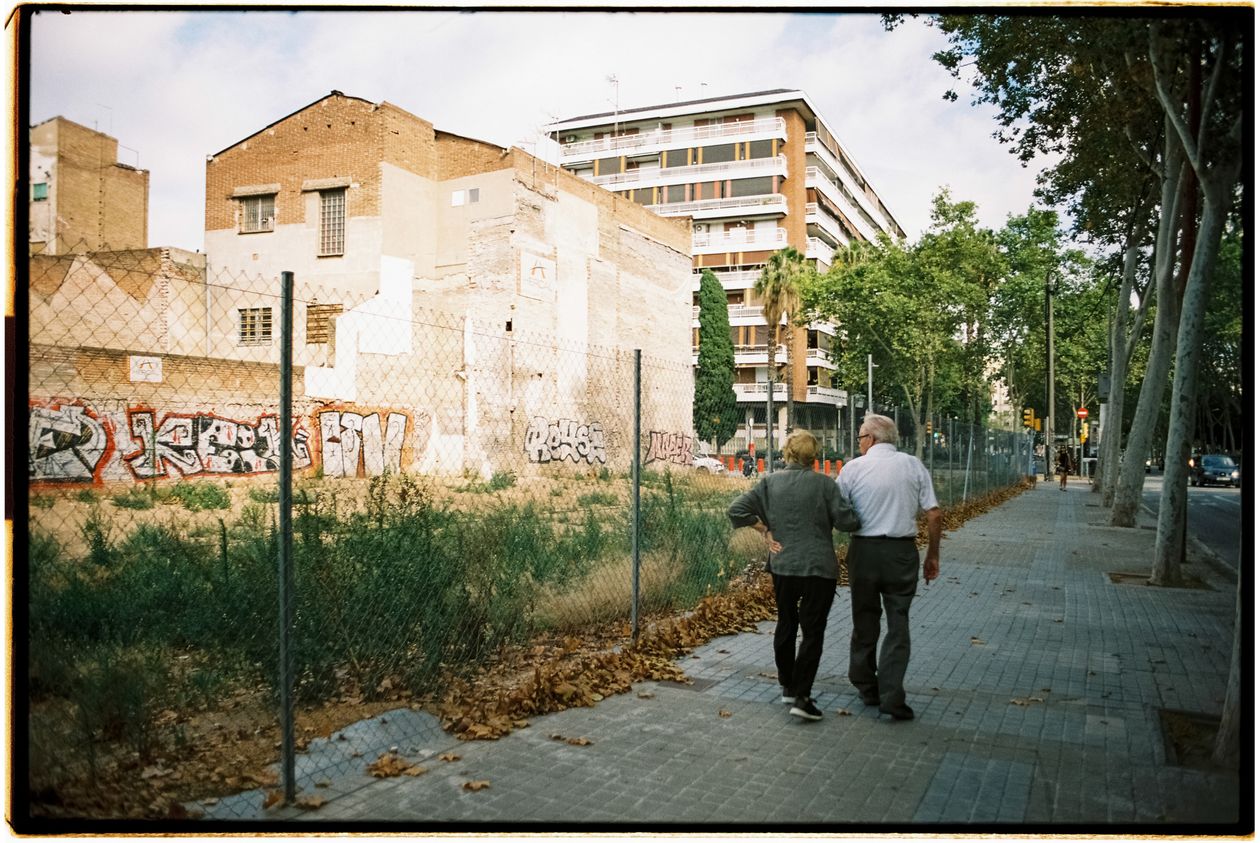 Photo: Masi, Pexels
There's no fixed rule about which side of a pavement to use, so follow the flow: if everyone coming towards you is on one side, take the other, and keep to one side rather than the middle so faster walkers and runners can get by. When you're the faster one, a friendly word works better than squeezing past. The National Park Service's advice for trails is to announce yourself "in a friendly, calm tone" when you come up behind someone and let them know you want to pass. On a slope, people climbing have the right of way, so if you're heading downhill, step aside for them. Paths shared with bikes have their own manners. The Highway Code says that where a cycle track runs beside a footpath and is marked off by a line, kerb or change of surface, the walkers' side stays a pavement and cyclists have to keep to theirs, so stay on your side too. Where the path isn't divided, cyclists should take care passing walkers, but walkers in turn shouldn't block or endanger them. In practice, that means not walking two abreast across the whole width, and moving into single file when you hear a bell.
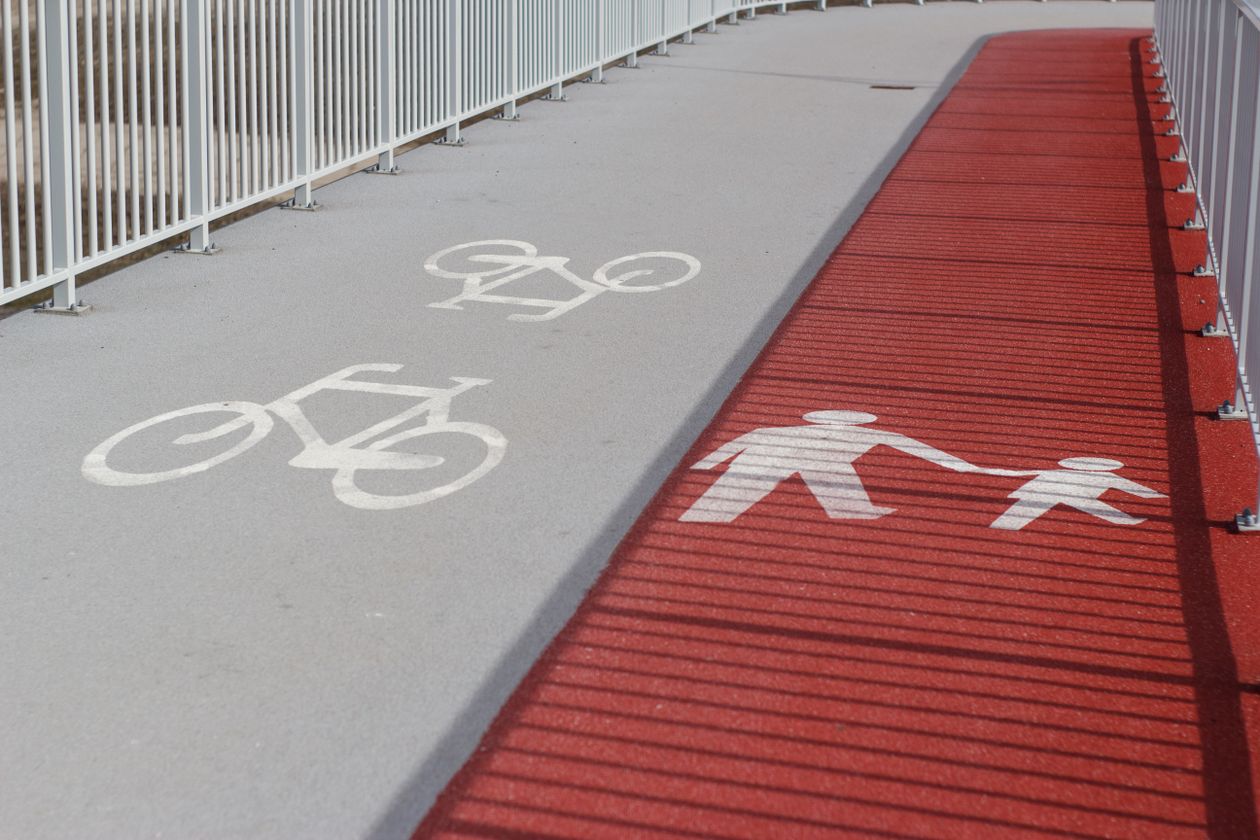 Photo: Aleksander Dumała, Pexels
With a companion, keep your phone in your pocket unless you need a map, want a quick photo or have a call you can't miss, and if you have to answer, say so and step aside rather than half-listening to both. On a shared path, the Highway Code's rules for pedestrians ask you to stay aware of your surroundings and avoid unnecessary distractions, which is a good reason to keep one earbud out or the volume low enough to hear a bike bell or a runner behind you. And leave the speaker at home: the National Park Service asks trail users to keep the noise from electronic devices down, out of respect for other people and for the wildlife.
A walk you've arranged with someone is a small promise, and the courtesies are the same as for any meeting. Turn up on time, and if you're running late, send a message as soon as you know, with a real arrival time rather than "nearly there". If you can't make it, cancel as early as you can, ideally the day before rather than ten minutes after the other person has left the house, and suggest another time in the same message if you want to walk again. Leaving without a word is the one to avoid, especially with someone you've only just started walking with, because silence after a missed walk is easy to read as "I'm not interested". At the end of a walk, a simple thanks, and a clear "same time next week?" or no suggestion at all, saves both of you from guessing.
If you walk with people you meet through Walk With Me, the app helps with the practical side of these manners. Each walk has its own description and meeting note, so everyone knows the plan before they set off, and a walk chat for the "running five minutes late" message. To find people to walk with, the app shows walks near you on a map, and you can ask to join one or set up your own. There's more about finding a walking buddy. It's free on the App Store and Google Play.
5. Oktober 2026 · 7 Minuten
Fix one or two days, a time and a meeting place, agree a bad-weather plan and what happens when one of you cancels, and start small.
21. August 2026 · 7 Minuten
A regular walking partner keeps older adults walking and seeing people. How to pick one, walk safely, add balance work, and where to find a companion.
30. Juli 2026 · 7 Minuten
How to meet someone new for a walk, or join a walking group, safely: what to check first, how to plan the first walk, and what to do if something is off.
