




 $9.99Városnézés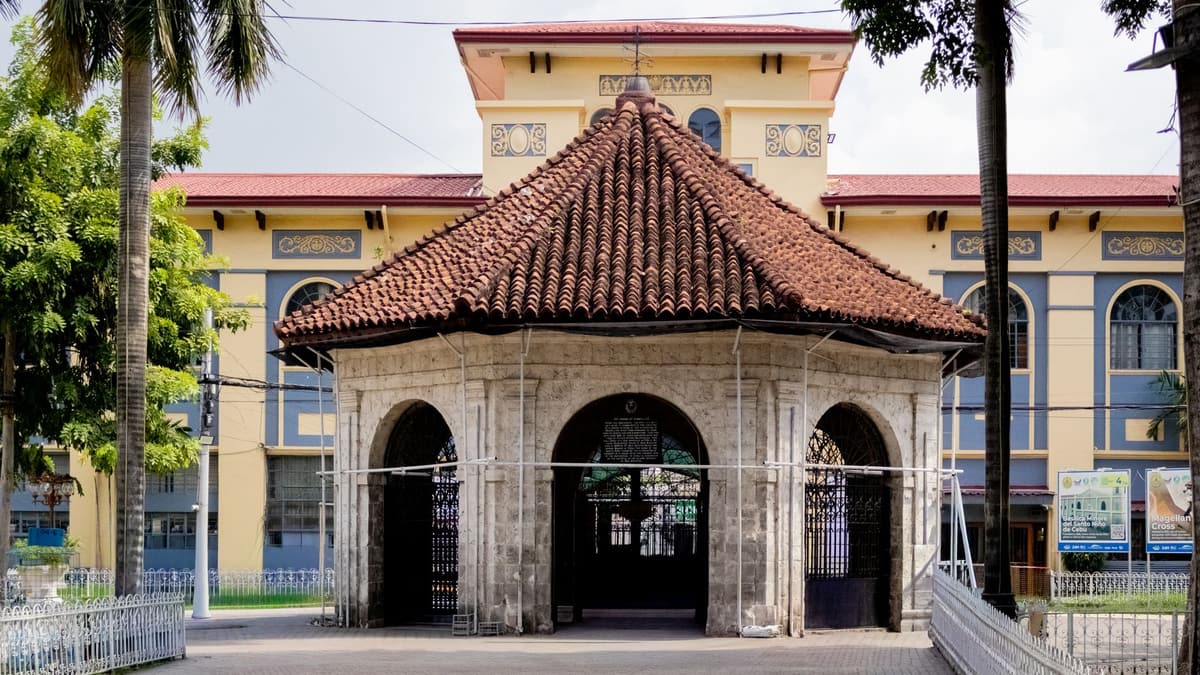
Cebu City audió gyalogos túrák
Egyéni, narrált séták Cebu City területén. Vásárold meg a túrát egyszer, töltsd le, és hagyd, hogy a történet megszólaljon minden megállónál, miközben a saját tempódban sétálsz.
Túrák már $7.99 ártól
A barátaid ingyen sétálnak. Egyetlen vásárlás mindenkit lefedi a sétádon. Indítsd el a túrát, hívd meg a barátaidat csatlakozásra, és minden telefonon lejátszódik a csoportodban.
5.0 a Google Play-en
Cebu City audió túrák
Minden túra egy térképes útvonal, amely minden megállónál narrációt tartalmaz. Vedd meg egyszer, és a tiéd marad, előfizetés nélkül.
$9.99Városnézés $7.99Városnézés
Mire számíthatsz egy Cebu City audió gyalogos túrán?
An audio walk through Cebu City moves between two different centuries, from the chaos of Colon Street and the dome of the Provincial Capitol to the harborside fort where Spain first arrived and the quiet old Chinese quarter of Parian.
The Colon to Capitol Walk starts at the obelisk on Colon Street, said to be the oldest street in the Philippines, then heads uptown past the University of San Carlos, Cebu Normal University and the old Casino Español, a social club built by the city's Spanish merchant families. It continues to the fountain circle of Fuente Osmeña, named for the Cebuano statesman who became Philippine president, and ends at the domed Provincial Capitol at the head of Osmeña Boulevard. It covers 3.8 kilometers, about 55 minutes of walking, across 7 stops.
The Fort and Parian Walk is shorter and covers the city's earliest chapter. It begins at Fort San Pedro, the small stone fort Spain built soon after Legazpi's expedition arrived in 1565, passes Magellan's Cross and the Basilica del Santo Niño, then circles the Heritage of Cebu Monument, a bronze sculpture crowding five centuries of history into one plaza in the old Chinese quarter of Parian. It runs 2.5 kilometers, about 35 minutes of walking, across 6 stops.
From the monument, the route passes the old stone house of Casa Gorordo, built by a Spanish merchant family in the 1800s, and ends at Museo Sugbo, the former provincial jail that now tells the island's story from before Magellan to the present day. Both walks are close to flat, so the real work is dodging the downtown crowds and crossing a few wide roads with care.
Merre sétálj Cebu City területén?
Néhány megálló, amely mellett elhaladsz majd, és amiért érdemes lesz lelassítanod.
Colon Street
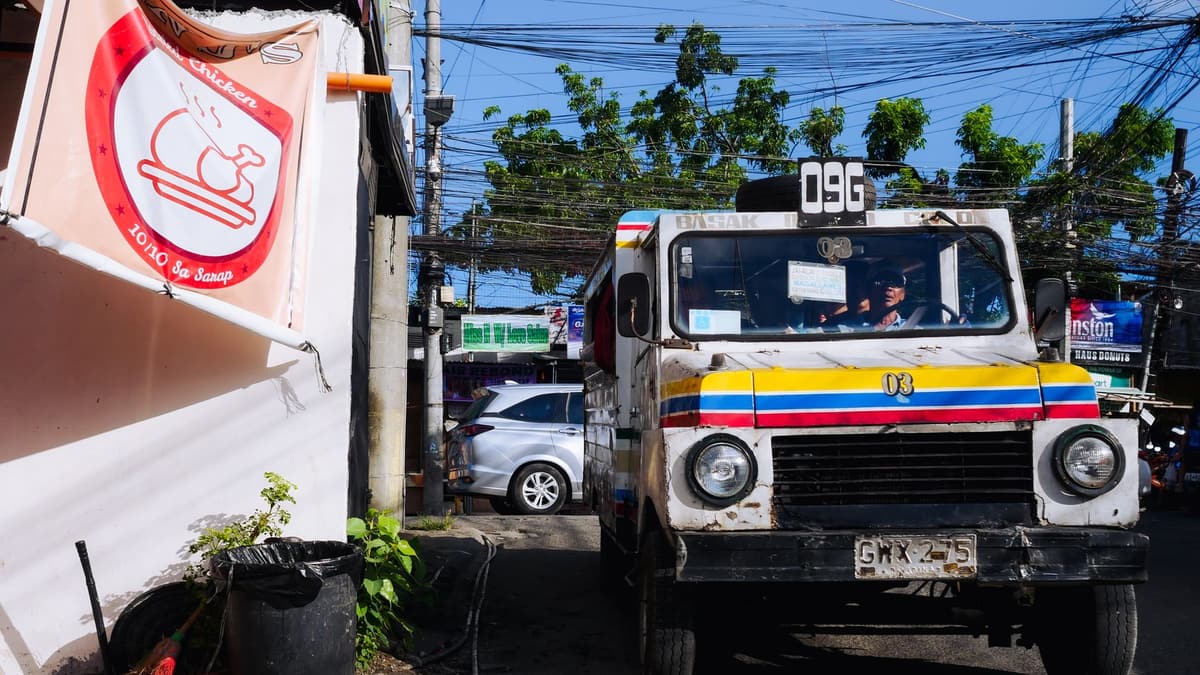
Colon Street is the oldest street in the Philippines by tradition, laid out in 1565 when the first Spanish settlers built their town beside the harbor fort. Today it is a crowded downtown shopping street, its narrow lane filled with phone stalls and shoe shops and a slow river of jeepneys, each one painted in its own bright colors and marked for a particular route. Vendors call out from the pavement and traffic edges forward in fits and starts. It was Cebu's main shopping street for most of the twentieth century, and even though the malls pulled the money uptown, Colon never grew quiet.
Fort San Pedro
Fort San Pedro is the oldest and smallest Spanish fort of its kind in the Philippines, a triangular stronghold with two walls facing the sea and a bastion at each corner, built soon after Miguel López de Legazpi's expedition landed here in 1565. What began as a stockade of logs and earth was rebuilt in stone over the following generations against raiders coming by sea. Walk the ramparts inside and you look out over the same harbor where ferries still arrive from the other islands. The fort later served as American barracks and a Japanese garrison before the city turned it into a park.
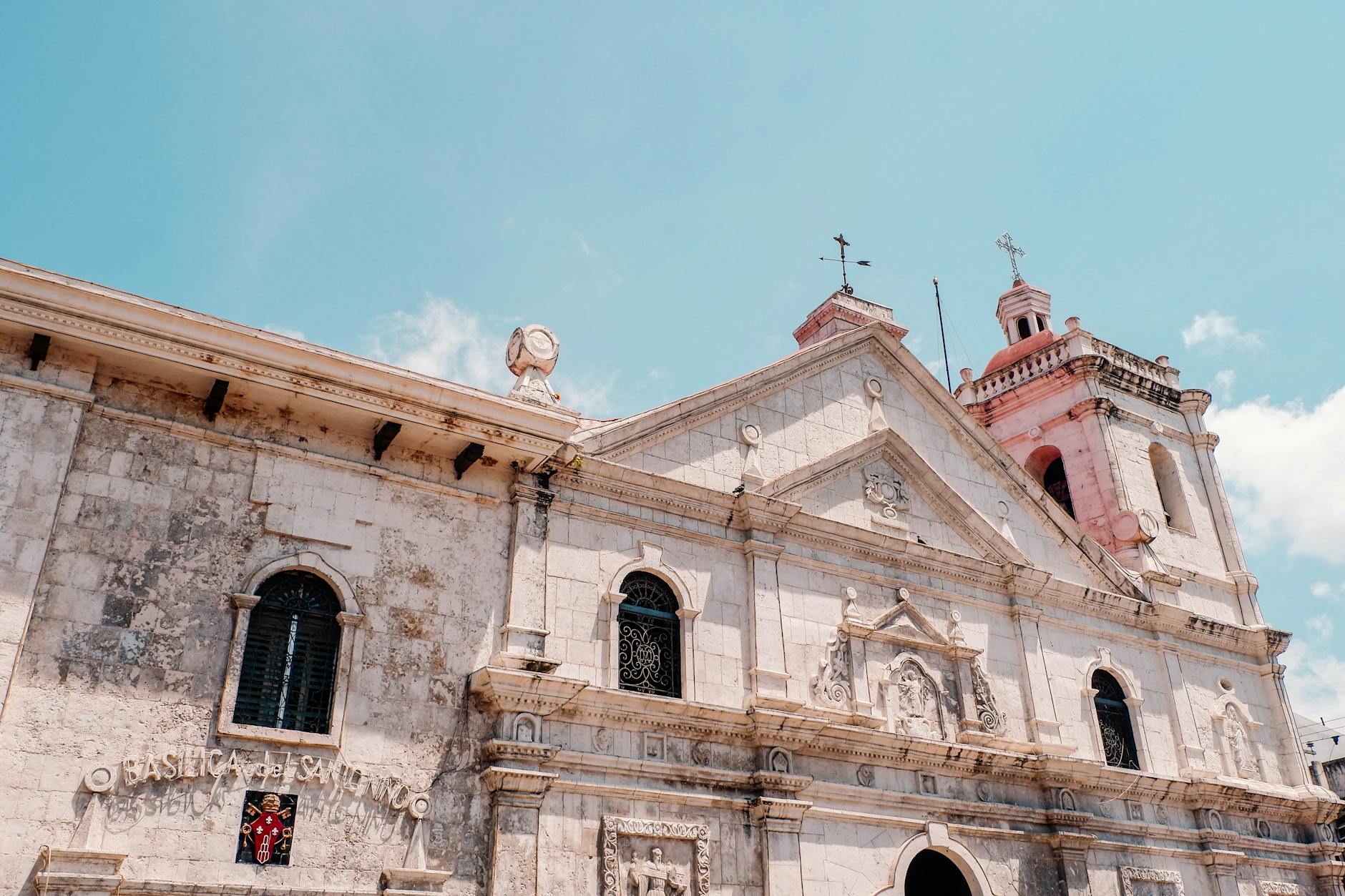
Basilica del Santo Niño
The Basilica Minore del Santo Niño is Cebu's most beloved church, built by Augustinian friars on the spot where a soldier found a small wooden statue of the Christ Child in 1565, apparently kept safe by the people of Sugbo since Magellan had given it to them forty-four years earlier. The pale stone facade and bell tower here belong to a church that rose through the Spanish centuries, was damaged in the Second World War and was carefully restored afterward. Every January the Sinulog festival fills the surrounding streets with drums and dancers in the image's honor.
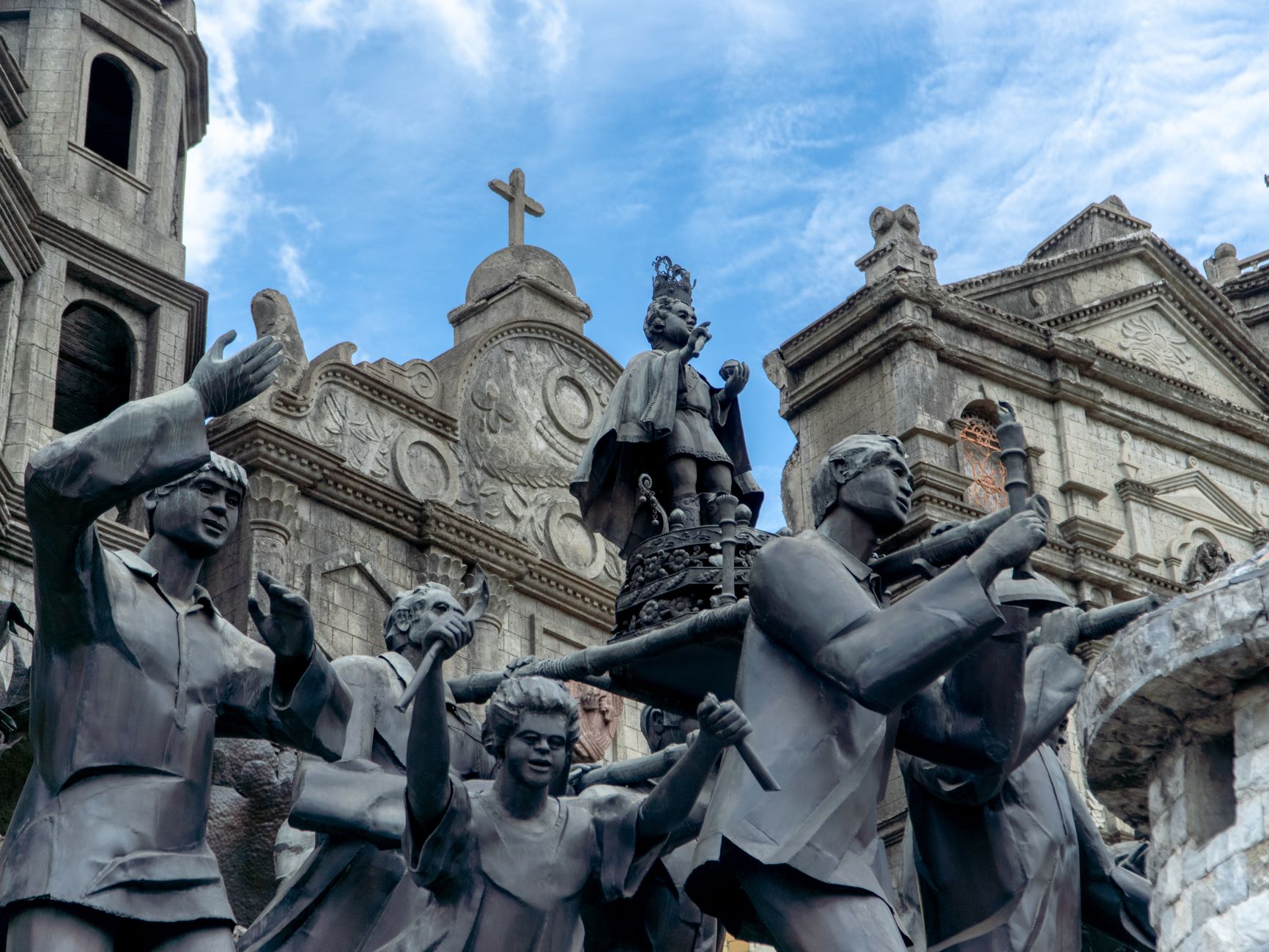
Heritage of Cebu Monument
The Heritage of Cebu Monument stands in the old Parian district, the historic Chinese quarter where the colonial government once kept Chinese merchants in a neighborhood of their own. Sculpted by the Filipino artist Eduardo Castrillo, it reads like a comic strip in bronze and concrete, piling up scenes from five centuries of the city's history, among them Rajah Humabon's court, the baptism of 1521 and the fight at Mactan. Walk all the way around it to pick out the different episodes rather than viewing it from just one side, and look for the old Chinese mestizo houses still standing nearby.
Szerezd meg az audiotúrát 3 egyszerű lépésben
Minden az ingyenes Walk With Me appban történik, és minden túra első megállóit ingyen kipróbálhatod.
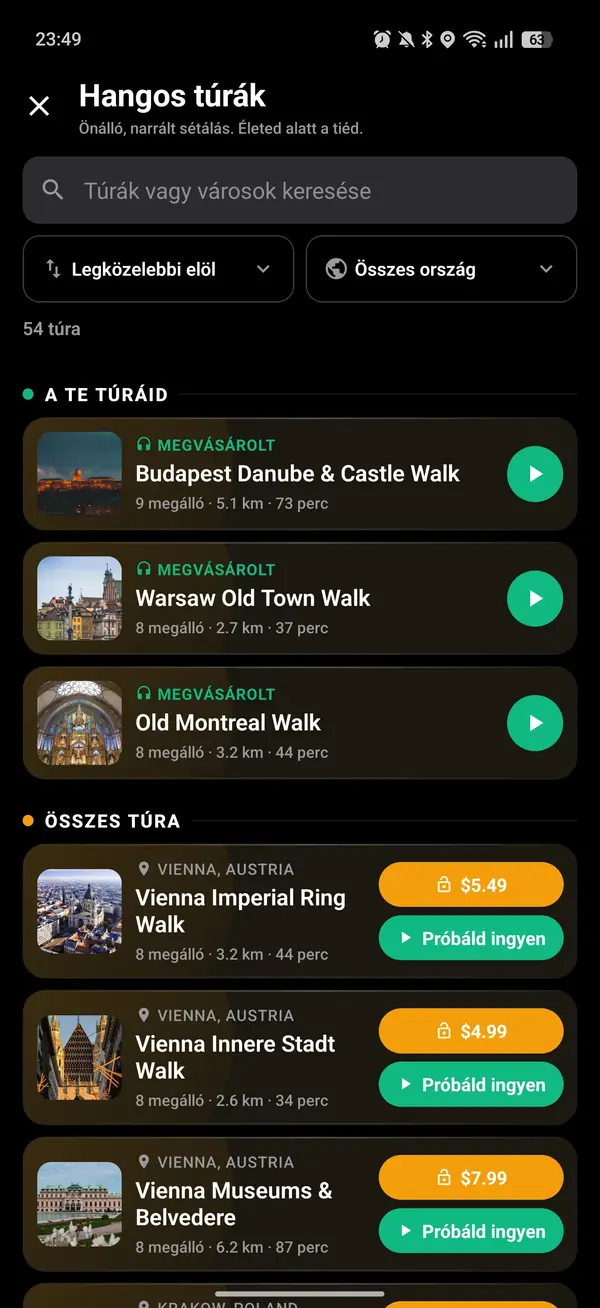
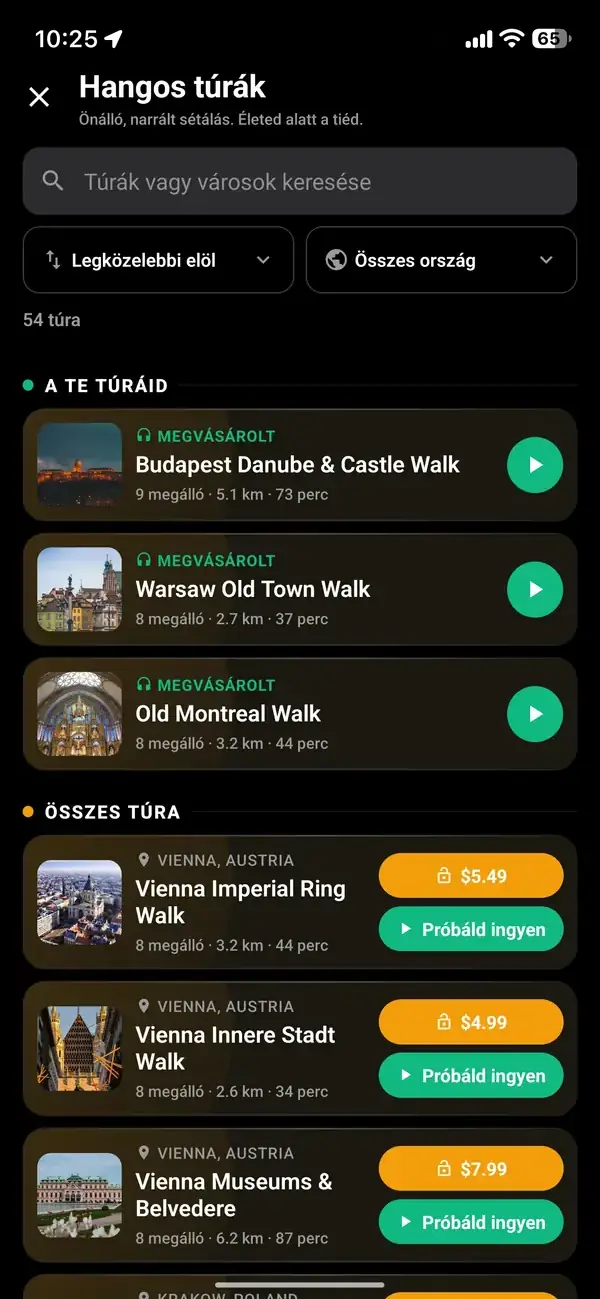
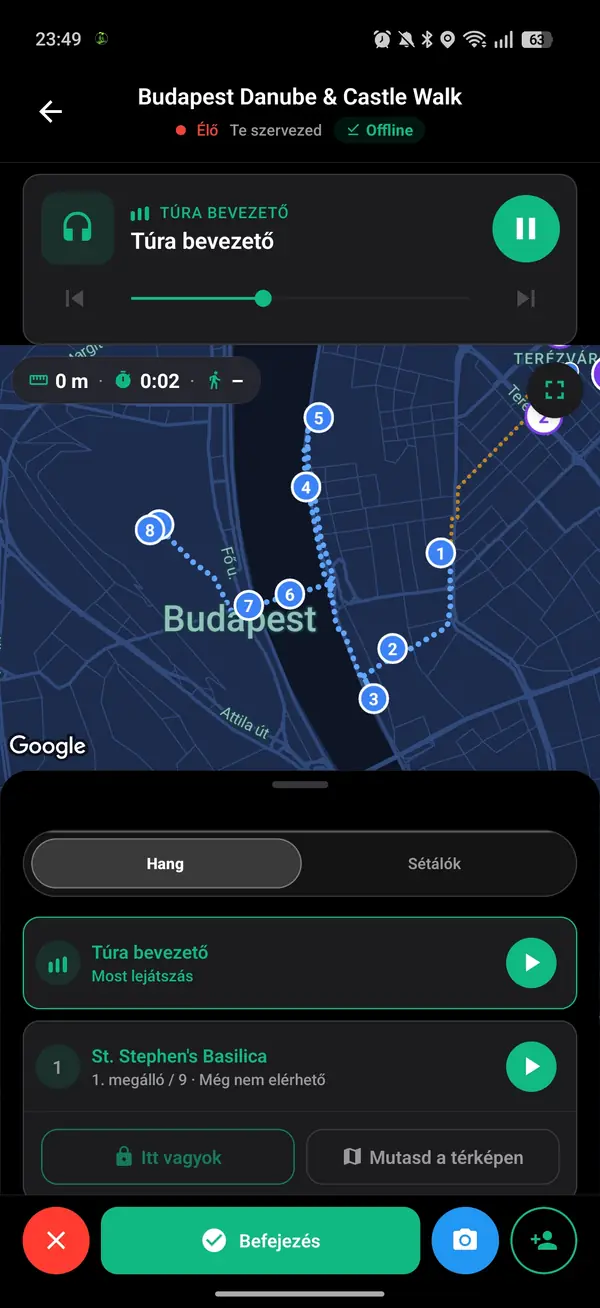
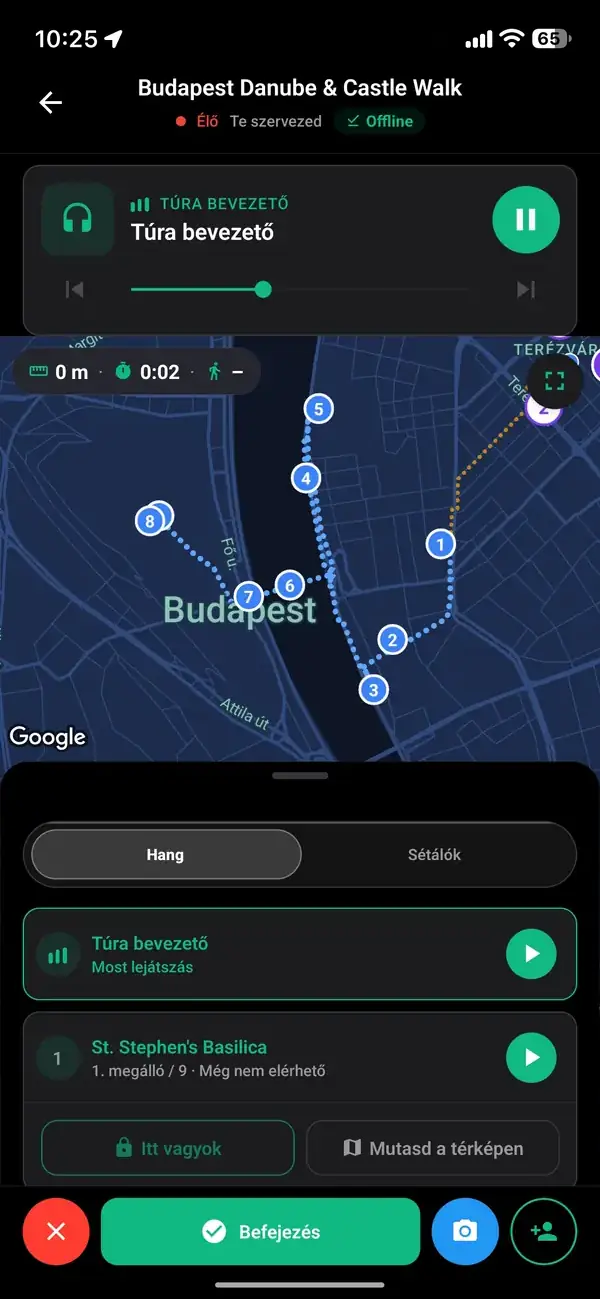
Koppints az arany fejhallgatóra, és válassz túrát
01
Sétálj egyedül, vagy hívj meg valakit


02
Nyomj a lejátszásra és indulj
03
Kézzel készítve a városban töltött idődre
Ezek a túrák nem kipipálandó látnivalók listái. Arra készültek, hogy lassan járd végig őket, fejhallgatóval a füleden, a várost figyelve.
Meditatív és magával ragadó
Minden történet ott hangzik el, ahol megtörtént. Az app jelez, amikor egy megállóhoz érsz, egy koppintás elindítja a történetet, a megállók közötti utat pedig a saját tempódban élvezheted.
Kézzel, gondosan készítve
Minden útvonalat és minden megállót mi magunk választunk ki, és minden történetet gondosan formálunk meg, hogy a városban töltött időd a leginkább érdemes helyekre jusson.
Valakivel jobb
Minden séta jobb, ha valaki melletted van, ezért ha tudsz hozni valakit, nagyon ajánljuk. Ezért fedez egyetlen vásárlás mindenkit, akit meghívsz: ingyen csatlakoznak a túrádhoz.