




 $9.99Városnézés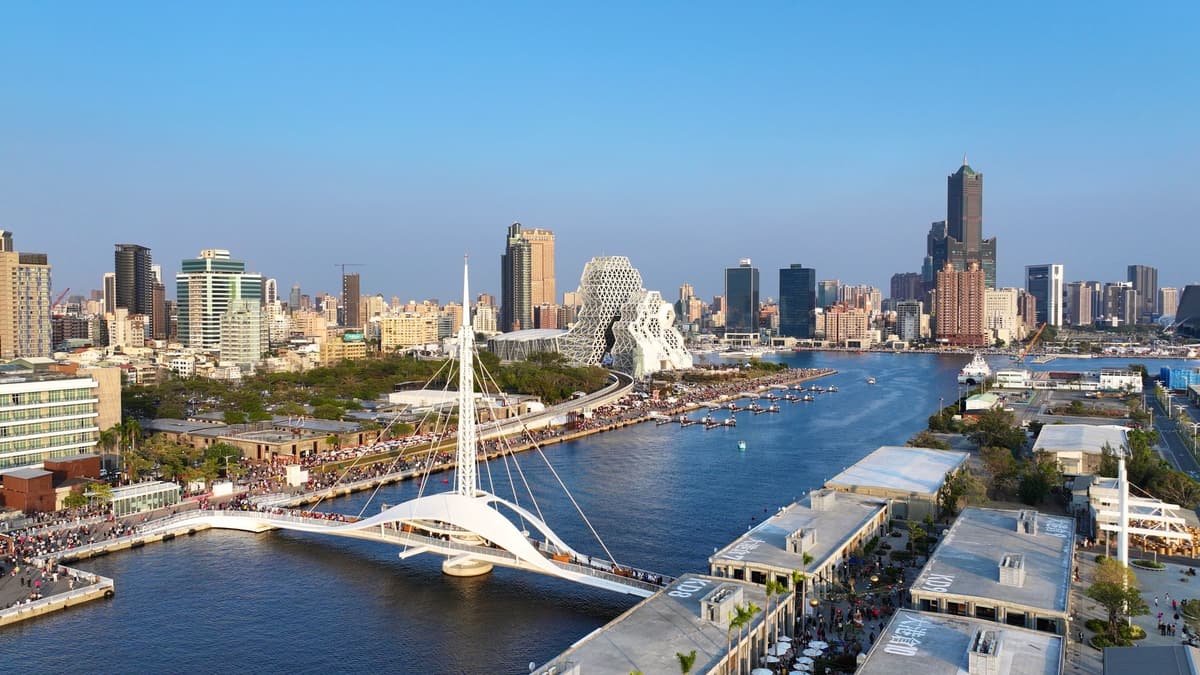
Kaohsiung audió gyalogos túrák
Egyéni, narrált séták Kaohsiung területén. Vásárold meg a túrát egyszer, töltsd le, és hagyd, hogy a történet megszólaljon minden megállónál, miközben a saját tempódban sétálsz.
Túrák már $8.99 ártól
A barátaid ingyen sétálnak. Egyetlen vásárlás mindenkit lefedi a sétádon. Indítsd el a túrát, hívd meg a barátaidat csatlakozásra, és minden telefonon lejátszódik a csoportodban.
5.0 a Google Play-en
Kaohsiung audió túrák
Minden túra egy térképes útvonal, amely minden megállónál narrációt tartalmaz. Vedd meg egyszer, és a tiéd marad, előfizetés nélkül.
$9.99Városnézés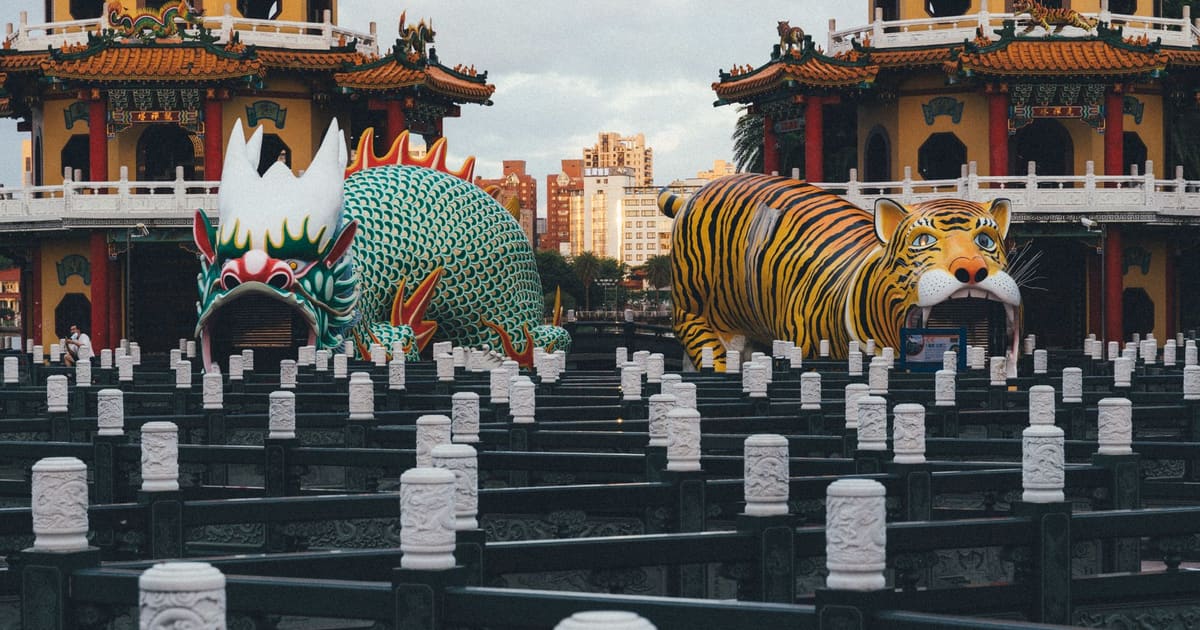 $8.99Városnézés
Mire számíthatsz egy Kaohsiung audió gyalogos túrán?
A Kaohsiung audio walk can trace the old harbor from a hilltop consulate through Hamasen and Pier-2's warehouse galleries to the Love River, or follow the Qing-era city gates of Zuoying around Lotus Pond's pagodas and pavilions to the Confucius Temple.
The Kaohsiung Harbor Walk starts at the British Consulate at Takow on its hilltop above the harbor mouth, drops down to the Gushan Ferry Pier where boats cross to Cijin Island, and passes the old Takao Railway Museum before crossing the railway lawns to the warehouse galleries of Pier-2. From the design shops of the Dayi row the route follows the waterfront to the curving halls of the Kaohsiung Music Center at the river mouth, finishing at the Film Archive on the Love River, about 3.7 kilometers and 59 minutes.
The Kaohsiung Lotus Pond Walk starts at the stone South Gate of Zuoying's 1826 walled town, visits the East and North Gates with their rare door gods, and then follows the lakeshore past the Dragon and Tiger Pagodas, where you enter through the dragon's mouth and leave through the tiger's. Past the Spring and Autumn Pavilions and the towering Beiji Pavilion statue, the route finishes at the Kaohsiung Confucius Temple on the lake's north shore, about 3.6 kilometers and 49 minutes.
Both routes are flat except for one short, steep stairway up to the consulate on the Harbor Walk, and both run through Kaohsiung's heat and humidity with long stretches of open waterfront or lakeshore, so an early morning or late afternoon start beats the middle of the day. Dress modestly for the working temples around Lotus Pond, and carry water on either route since shade is scarce until you reach the warehouses or the temple grounds.
Merre sétálj Kaohsiung területén?
Néhány megálló, amely mellett elhaladsz majd, és amiért érdemes lesz lelassítanod.
Pier-2 Art Center
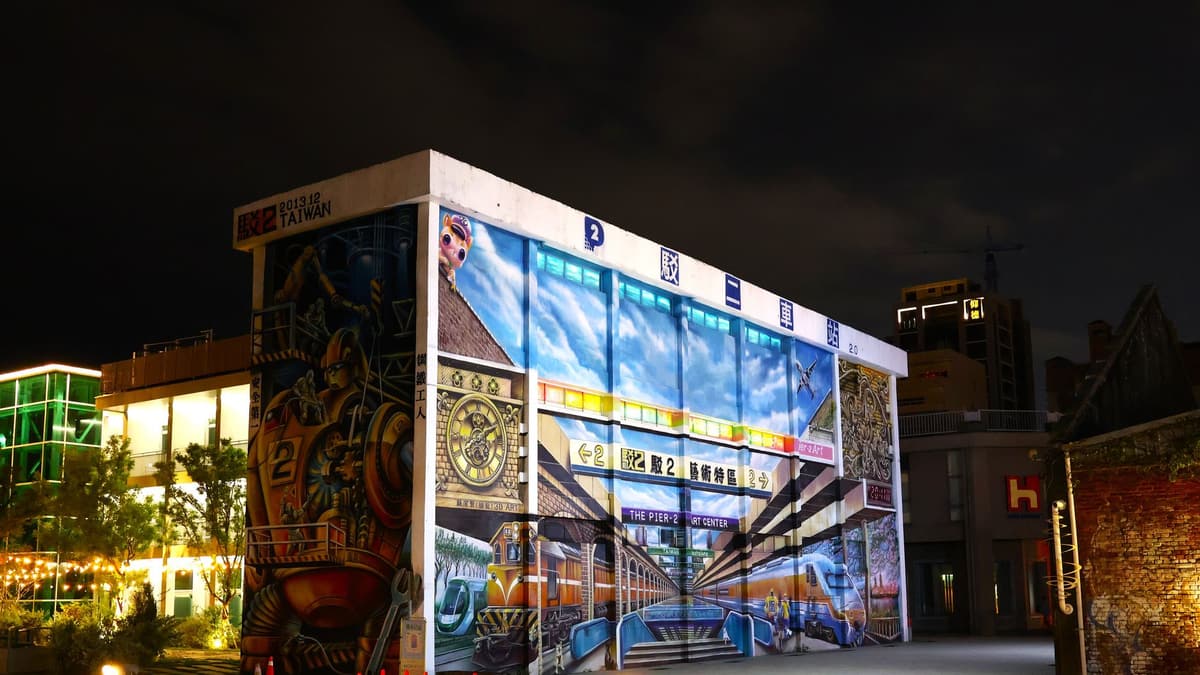
Pier-2 Art Center fills a row of plain harborside warehouses built in 1973 to store cargo on Kaohsiung's working waterfront, their walls now painted with murals and their sheds turned into galleries, studios and shops. Giant sculptures dot the open lawns between the buildings and tend to change from year to year, and local artists first reclaimed the sheds in the early 2000s after they'd fallen quiet as cargo moved to bigger terminals elsewhere in the harbor. About twenty five buildings now spread across three groups, and the Dayi row at the eastern end, once sugar and fishmeal storage, is the best stretch for browsing design stores and cafes. Kaohsiung's driverless light rail glides past on a grassy track right alongside.
The Harbor Mouth and Cijin Island
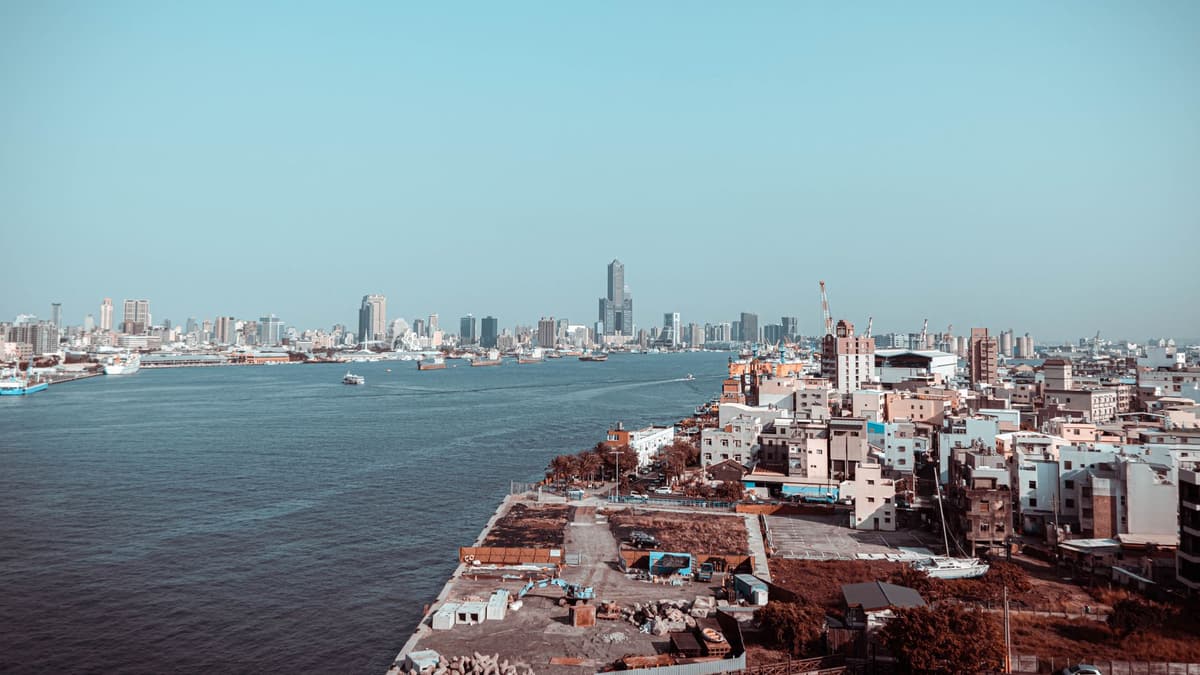
Kaohsiung's harbor mouth is a narrow channel with the long, low shape of Cijin Island on the far side, its lighthouse visible on a hill, and ships still ease through it much as they have for more than a century. A little over a hundred years ago much of this shoreline was shallow tidal flats, until the Japanese colonial government dredged the harbor and used the spoil to build the new land that became the Hamasen district. Across the channel, Cijin was once joined to the mainland until a second harbor entrance was cut through it in the 1970s, turning it into a true island with its own old fishing community and a Mazu temple said to be the oldest in the city. The bay curving away to the north, Sizihwan, is known locally for its sunsets.
Gushan Ferry Pier and Cijin
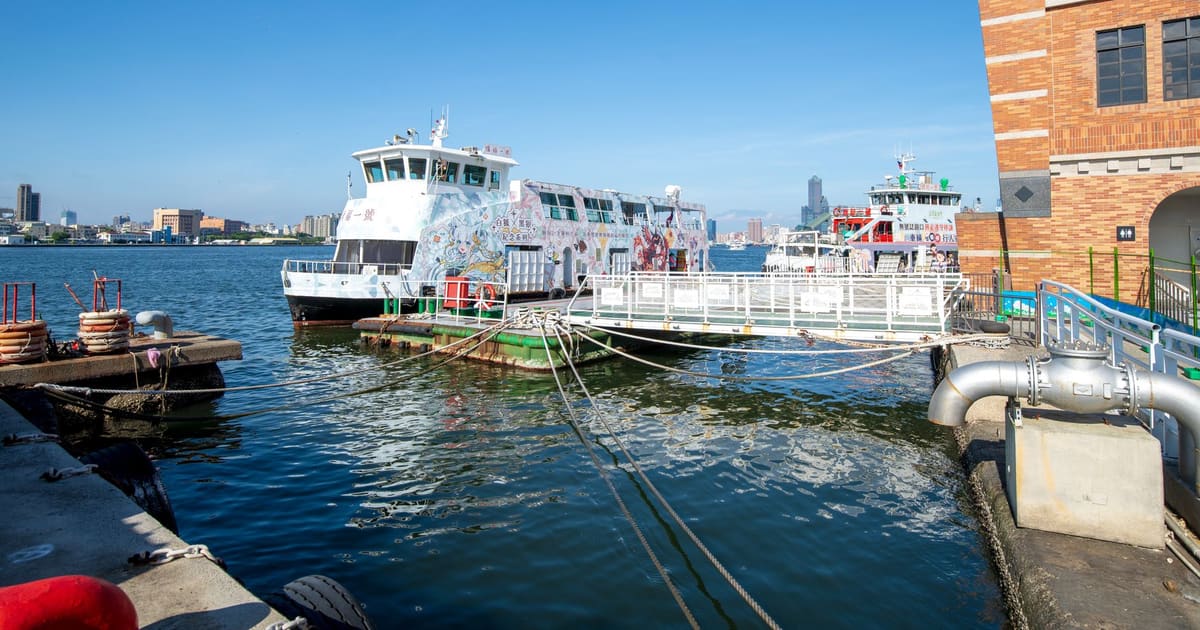
At the Gushan ferry terminal, small boats leave every few minutes for the short crossing to Cijin Island, with walkers filing on in one line and a crowd of scooters rolling on in another, riders still in their helmets. The crossing itself takes only about five minutes and makes a natural detour from the main walking route, either before or after. Cijin was home to some of the earliest Chinese fishing families on this coast, and its waterfront still mixes fishing boats, tugs and ferries with the cafes and seafood stalls that now draw day trippers. Watching the choreography of scooters and walkers loading and unloading is half the fun of the stop, even if you don't make the crossing yourself.
Dragon and Tiger Pagodas
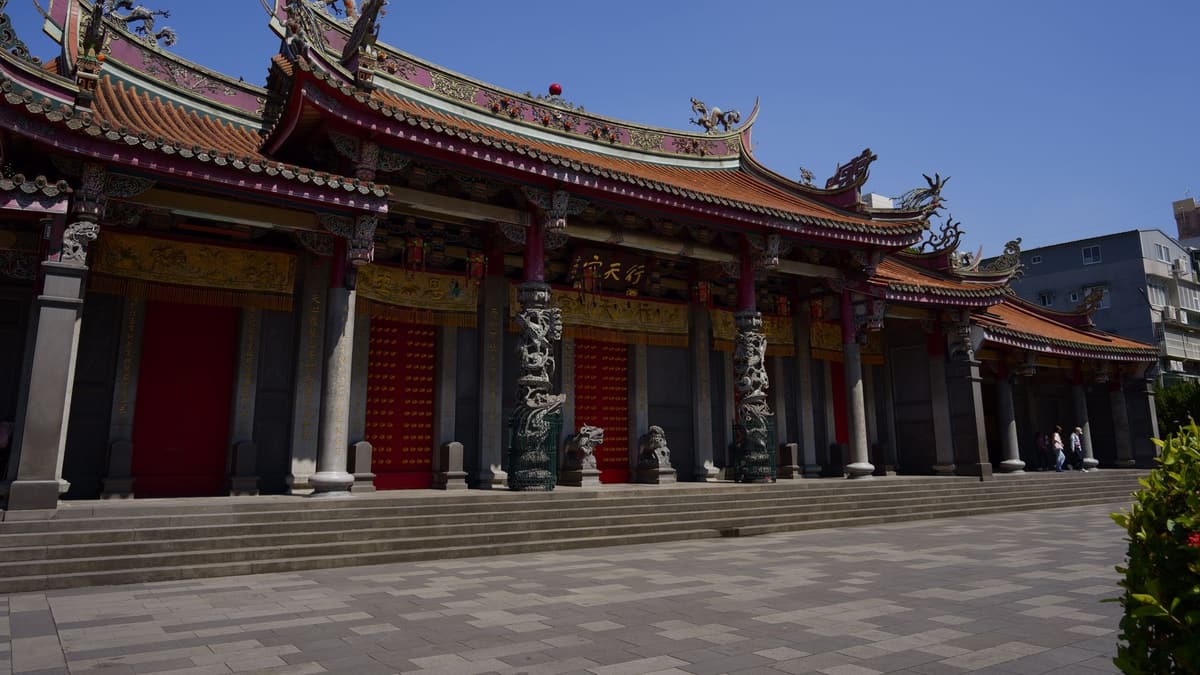
Two seven story pagodas rise straight out of Lotus Pond, joined to the shore by a zigzag bridge, with a giant dragon's head at the foot of one tower and a giant tiger's at the foot of the other. Built in the 1970s by the Ciji Temple on the shore behind them, the pagodas carry a simple, well loved tradition: walk in through the dragon's mouth and out through the tiger's, since doing it the other way around is considered close to the worst luck imaginable. The zigzag shape of the bridge is also deliberate, since evil spirits are said to travel only in straight lines and cannot follow the turns. Inside the towers, painted walls tell scenes from folk religion, and a climb to the upper floors gives a view back across the whole lake.
Kaohsiung Confucius Temple
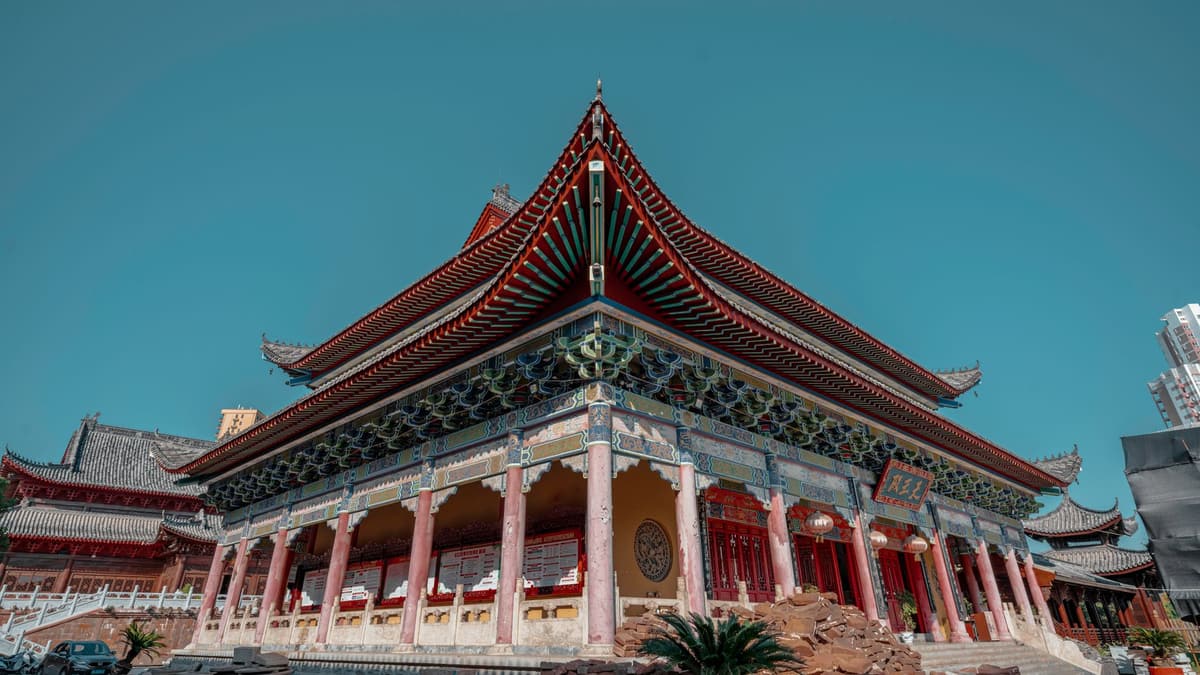
The Kaohsiung Confucius Temple is a walled compound of sweeping tiled roofs on Lotus Pond's north shore, often described as the largest Confucius temple in Taiwan and built in the style of the Song dynasty after the temple at Qufu, Confucius's birthplace in China. After the color and crowds of the folk temples around the lake, this place feels spare and dignified, with its Hall of Great Achievement at the center and no fortune slips or gods to pray to, since Confucius is honored here as a teacher rather than worshipped as a deity. Its lineage goes back to the county's first Confucian temple, built in 1684, though the building you see was completed in the 1970s. Each September 28, a formal ceremony with music and stately rows of dancers marks Confucius's birthday and Teachers' Day.
Szerezd meg az audiotúrát 3 egyszerű lépésben
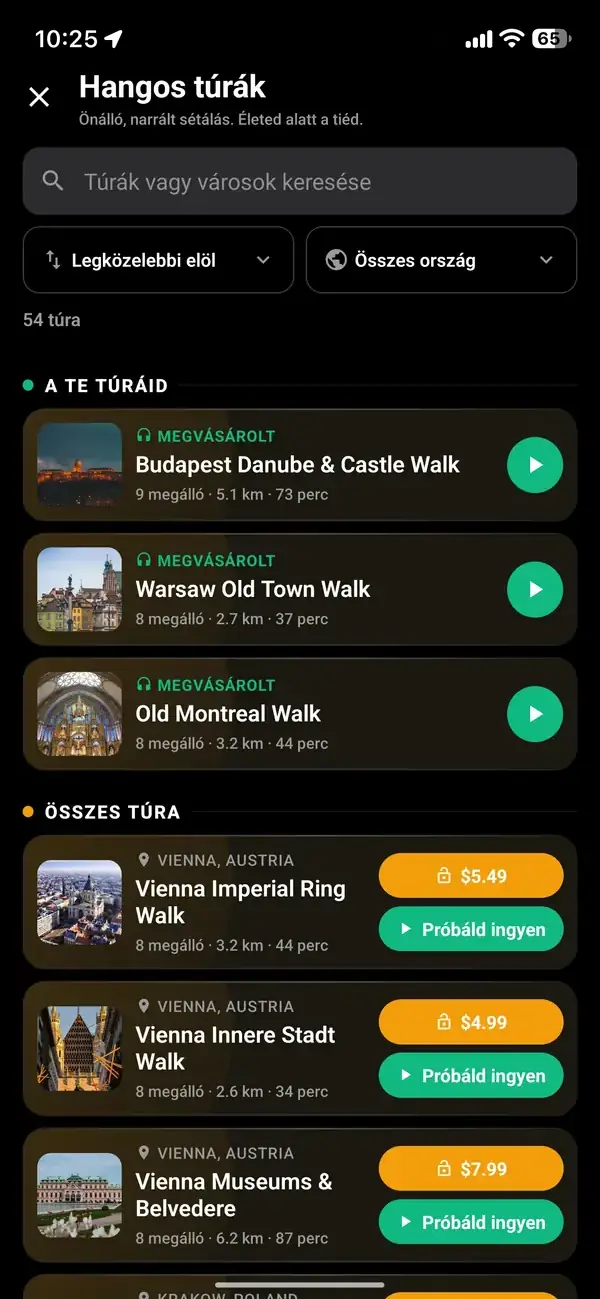
Minden az ingyenes Walk With Me appban történik, és minden túra első megállóit ingyen kipróbálhatod.
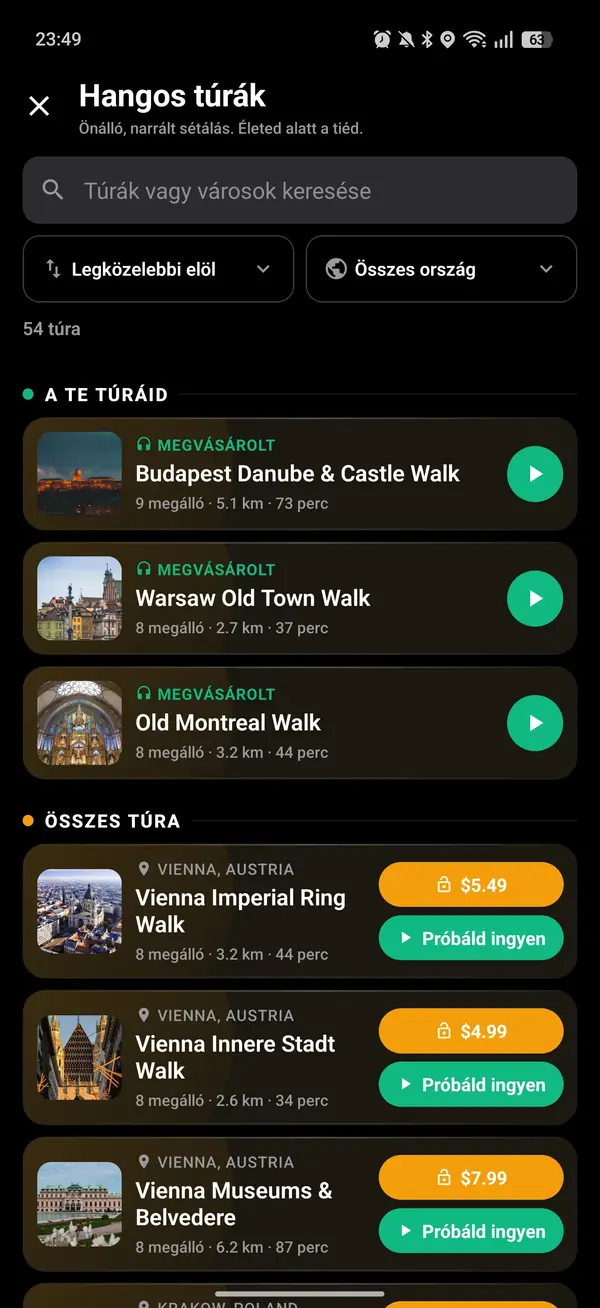
Koppints az arany fejhallgatóra, és válassz túrát
01
Sétálj egyedül, vagy hívj meg valakit


02
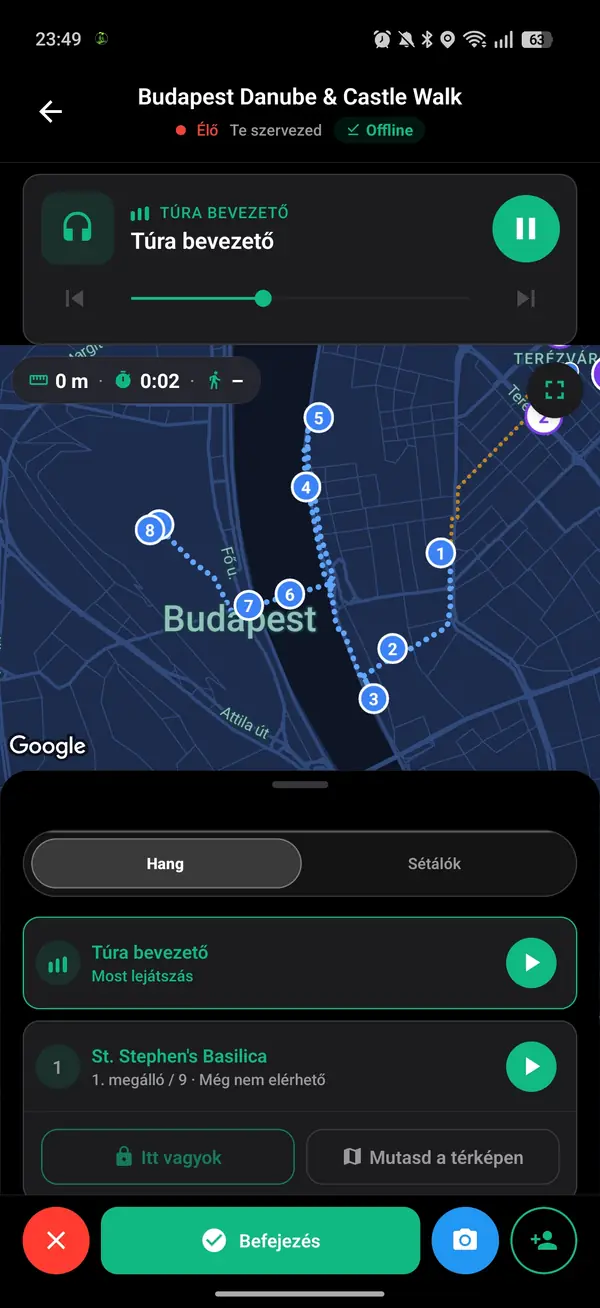
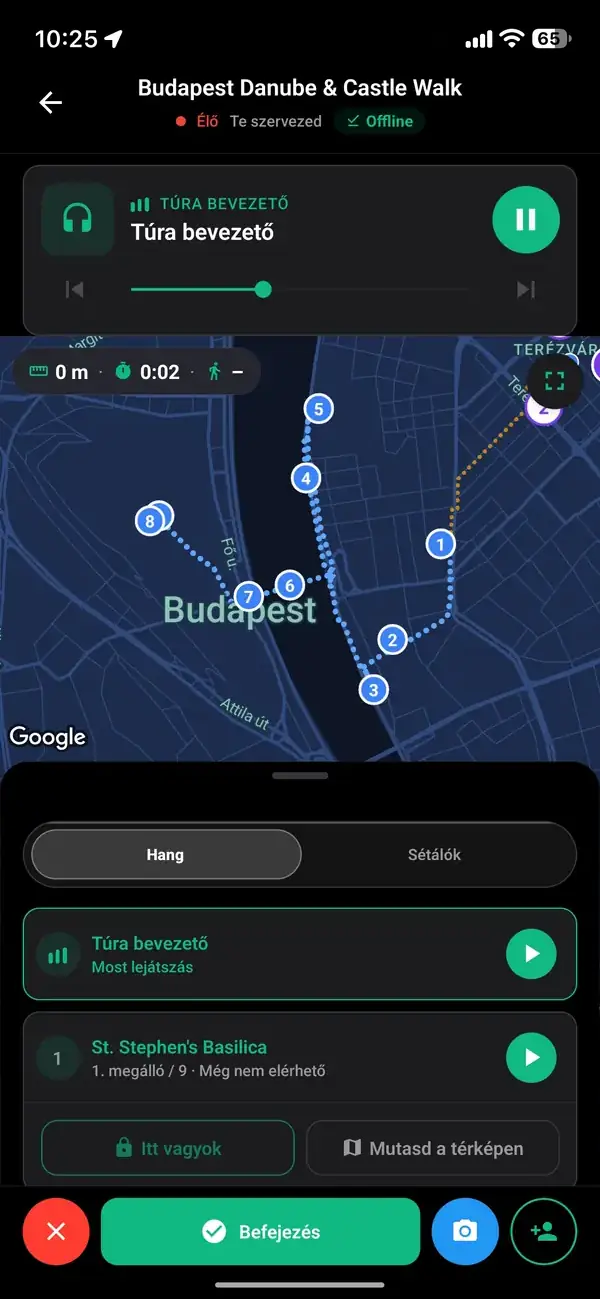
Nyomj a lejátszásra és indulj
03
Kézzel készítve a városban töltött idődre
Ezek a túrák nem kipipálandó látnivalók listái. Arra készültek, hogy lassan járd végig őket, fejhallgatóval a füleden, a várost figyelve.
Meditatív és magával ragadó
Minden történet ott hangzik el, ahol megtörtént. Az app jelez, amikor egy megállóhoz érsz, egy koppintás elindítja a történetet, a megállók közötti utat pedig a saját tempódban élvezheted.
Kézzel, gondosan készítve
Minden útvonalat és minden megállót mi magunk választunk ki, és minden történetet gondosan formálunk meg, hogy a városban töltött időd a leginkább érdemes helyekre jusson.
Valakivel jobb
Minden séta jobb, ha valaki melletted van, ezért ha tudsz hozni valakit, nagyon ajánljuk. Ezért fedez egyetlen vásárlás mindenkit, akit meghívsz: ingyen csatlakoznak a túrádhoz.