




 $6.99Városnézés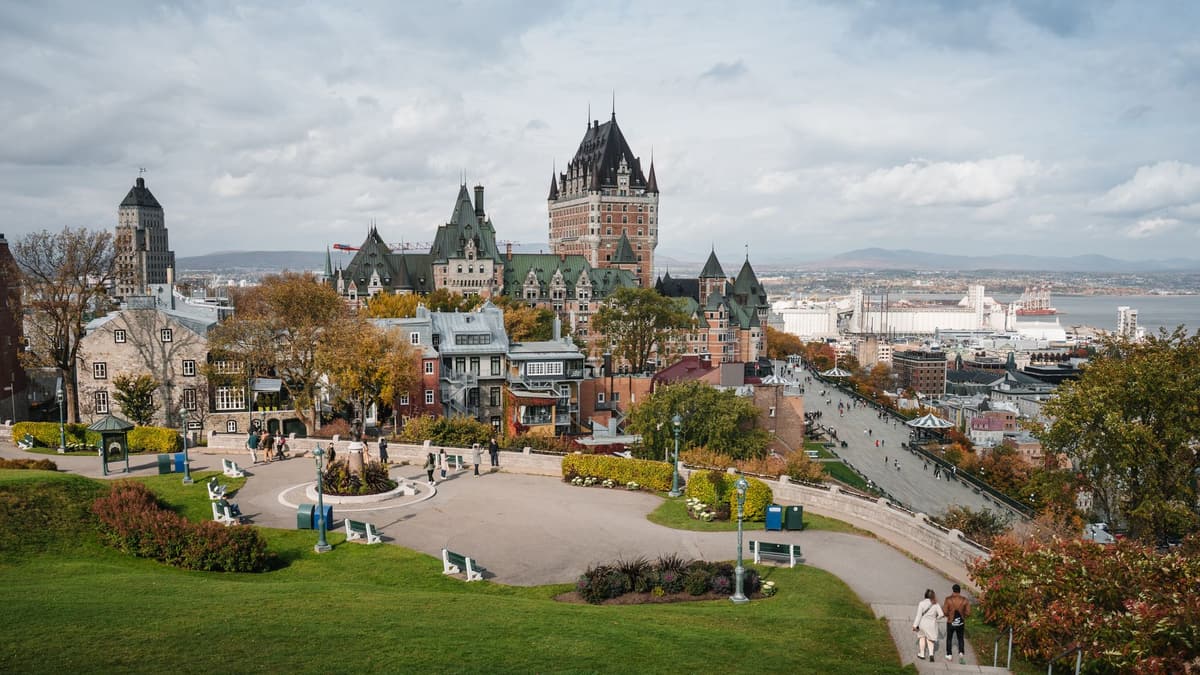
Quebec City audió gyalogos túrák
Egyéni, narrált séták Quebec City területén. Vásárold meg a túrát egyszer, töltsd le, és hagyd, hogy a történet megszólaljon minden megállónál, miközben a saját tempódban sétálsz.
Túrák már $6.99 ártól
A barátaid ingyen sétálnak. Egyetlen vásárlás mindenkit lefedi a sétádon. Indítsd el a túrát, hívd meg a barátaidat csatlakozásra, és minden telefonon lejátszódik a csoportodban.
5.0 a Google Play-en
Quebec City audió túrák
Minden túra egy térképes útvonal, amely minden megállónál narrációt tartalmaz. Vedd meg egyszer, és a tiéd marad, előfizetés nélkül.
$6.99Városnézés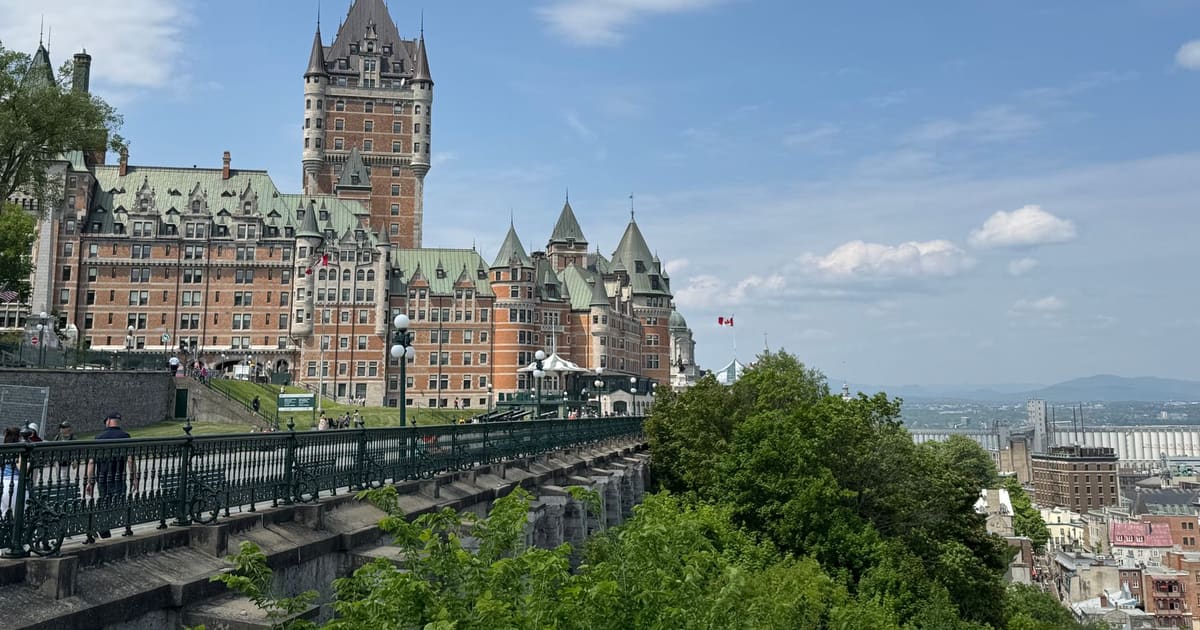 $8.99Városnézés
Mire számíthatsz egy Quebec City audió gyalogos túrán?
A Quebec City audio walk drops into the Lower Town where New France began, antique shops and a chateau-style train station by the water, or climbs into the walled Upper Town past a star-shaped fortress and the only city gates left standing north of Mexico.
The Lower Town Walk starts on Rue du Petit-Champlain, one of the oldest shopping streets in North America, and leads to Place Royale, the square where Samuel de Champlain built his first trading post in 1608, 2.1 kilometers, about 28 minutes, almost entirely flat.
From there it follows Rue Saint-Paul's antique shops along the old port to the Old Port Market and finishes at Gare du Palais, the chateau-style railway station that still welcomes trains from Montreal under its copper roof.
The Upper Town Walk climbs higher, 3.4 kilometers, about 47 minutes, from the Parliament Building through Porte Saint-Louis to the star-shaped Citadelle, then along the boardwalk below the Chateau Frontenac to the basilica, the old Augustines hospital and the gate at Porte Saint-Jean.
Merre sétálj Quebec City területén?
Néhány megálló, amely mellett elhaladsz majd, és amiért érdemes lesz lelassítanod.
Dufferin Terrace and the Chateau Frontenac
Dufferin Terrace is the broad wooden boardwalk that runs along the cliff edge below the Chateau Frontenac, often called the most photographed hotel in the world. The Canadian Pacific Railway opened the hotel in 1893 to lure wealthy travelers onto its trains, giving it the copper roofs and turrets of a French castle. Winston Churchill and Franklin Roosevelt met here twice during the Second World War, helping shape the plans for the invasion of Normandy. Walk the terrace for the view out over the St. Lawrence, and look for the statue of Champlain at its northern end, honoring the man who founded the city in the Lower Town just below.
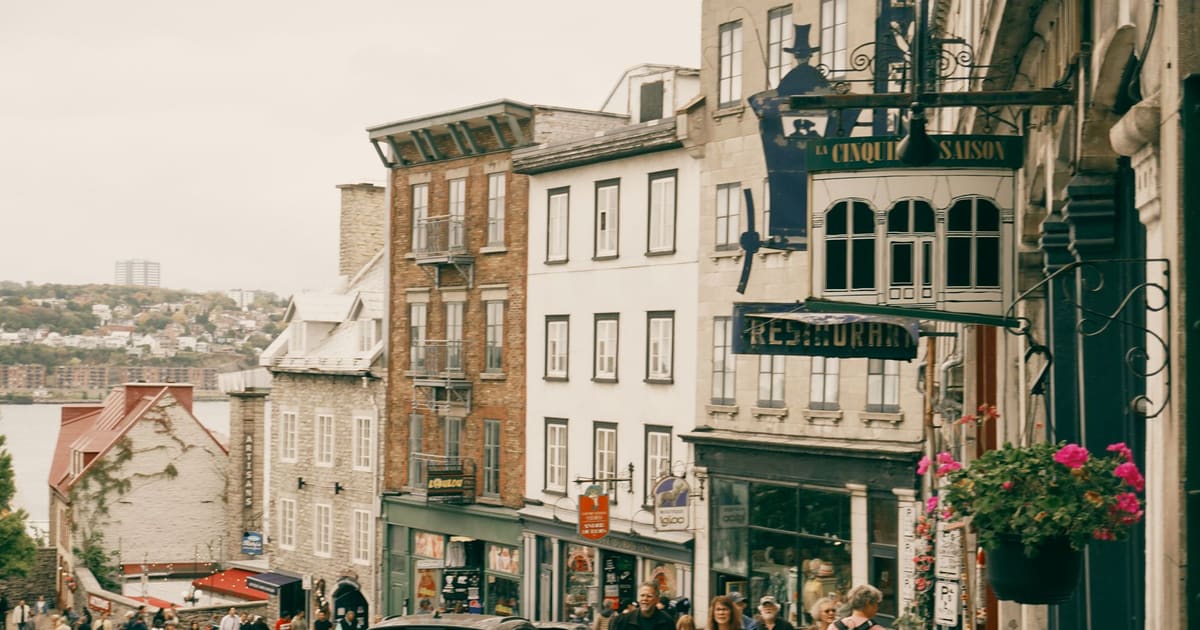
Rue du Petit-Champlain
Rue du Petit-Champlain is a narrow, car-free lane of stone houses with painted shutters and flower boxes, squeezed between the cliff and the river, often called one of the oldest shopping streets in North America. People have traded on this strip of shore since the 1600s, and by the mid-twentieth century it had grown run down before its revival into the boutiques and galleries you see today. Look back toward the foot of the Breakneck Stairs, the oldest stairway in the city, dropping steeply from the Upper Town above. In December the street is strung with lights and fir trees, looking like something off a Christmas card.
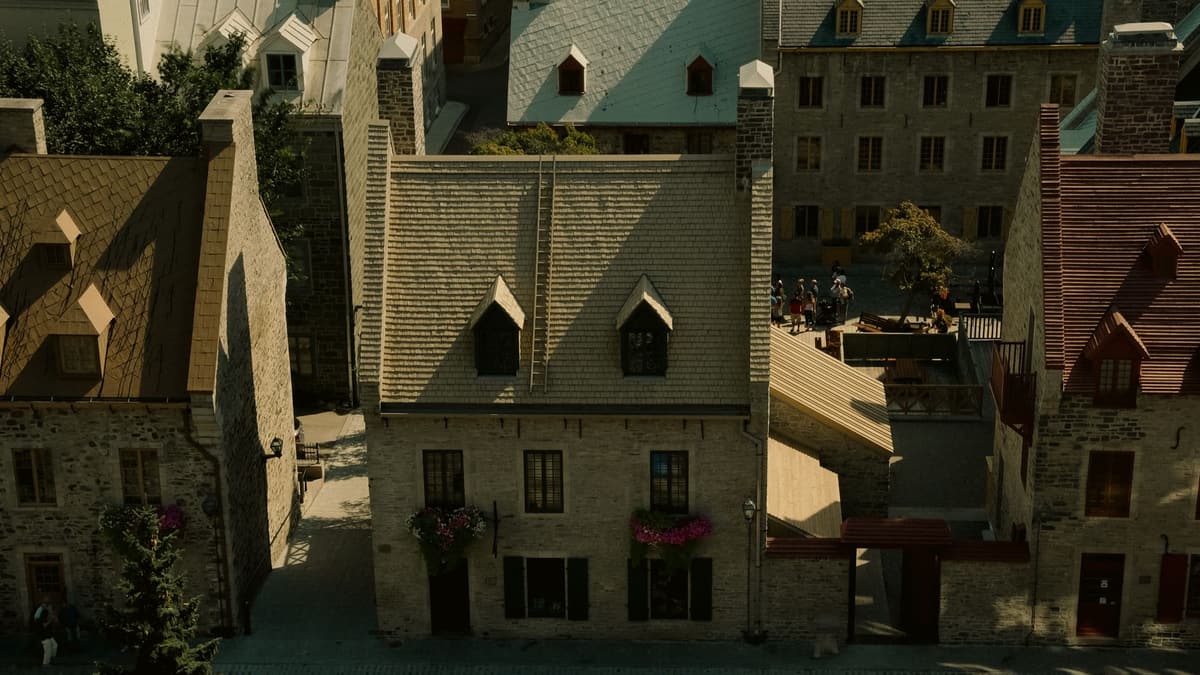
Old Quebec's Rooftops
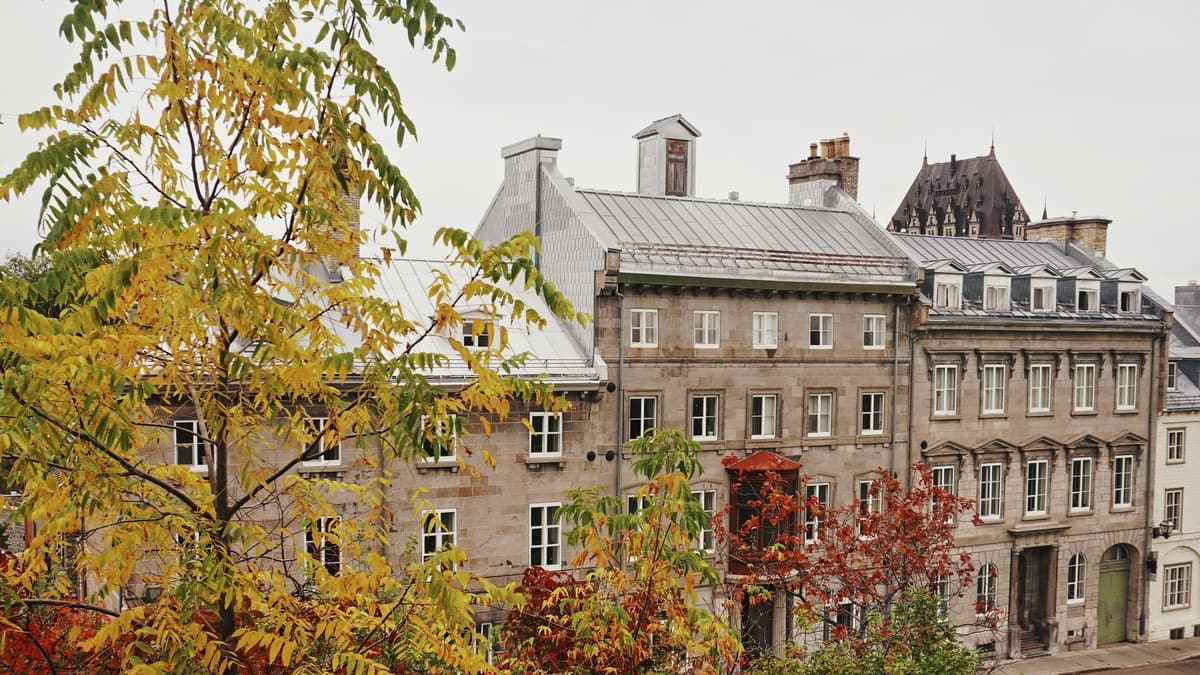
Old Quebec's Lower Town is built of tightly packed stone houses with steep metal roofs, dormer windows and flower boxes spilling color over worn sills. Looking down on them, you get a sense of how small and densely built this first French foothold in North America really was, every roofline a slightly different pitch and color. The lanes below wind between these houses much as they did when merchants and sailors worked this shore, and the view from a height shows just how much of Old Quebec's original layout has survived. It's one of the few old port quarters in North America that still looks this way.
The Upper Town Streets
The Upper Town's streets are lined with grand stone townhouses built for merchants and officials of New France, their steep roofs and tall chimneys crowded close together behind the city walls. In autumn the trees along these streets turn gold and red against the gray stone, with the dark spire of the Chateau Frontenac often visible above the rooftops in the distance. Quebec City is the only city north of Mexico that still stands inside its old walls, and nowhere is that more obvious than on these close, quiet streets between the fortifications and the cliff. Come back in another season and the same row of houses looks like a different city.
Parliament Building
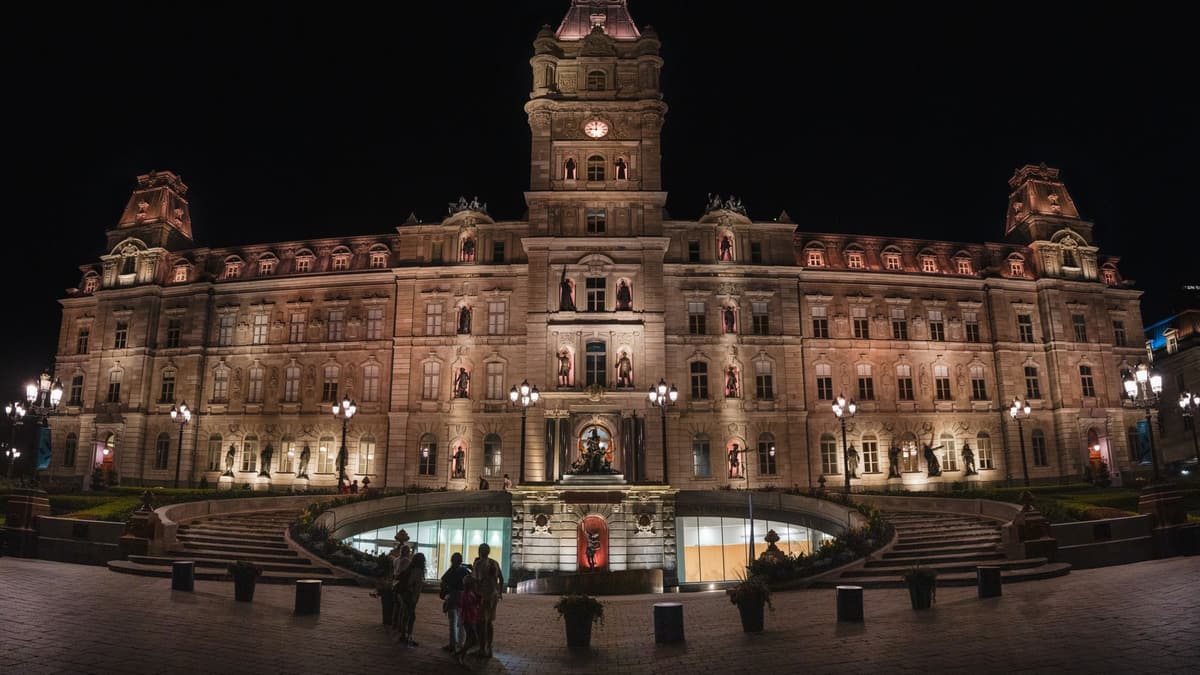
Quebec's Parliament Building went up between 1877 and 1886 in the Second Empire style of Paris, its facade lined with niches holding bronze figures from the province's past, explorers, governors and politicians added over decades. Above the main door, under the coat of arms, are three carved words: Je me souviens, I remember, a phrase that became the province's motto and appears on every license plate. At night the building is lit gold, the fountain in front glowing beside it, a grand note to start or end a walk through the walled city behind it. Nobody has ever quite settled what Quebec is meant to remember.
Szerezd meg az audiotúrát 3 egyszerű lépésben
Minden az ingyenes Walk With Me appban történik, és minden túra első megállóit ingyen kipróbálhatod.
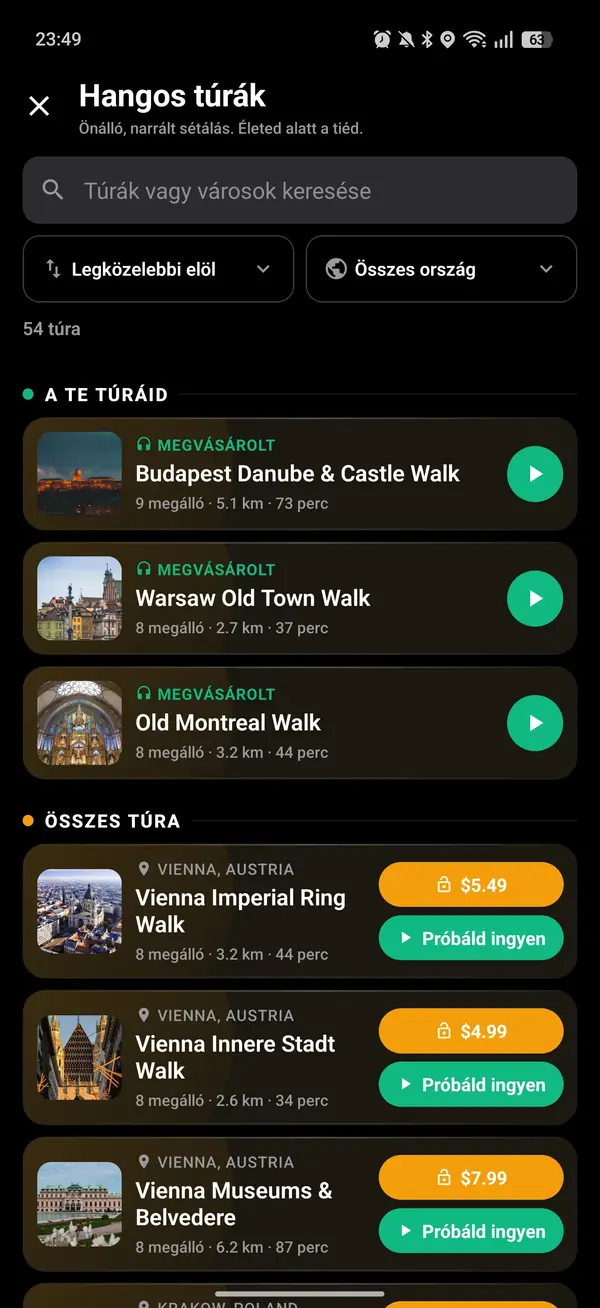
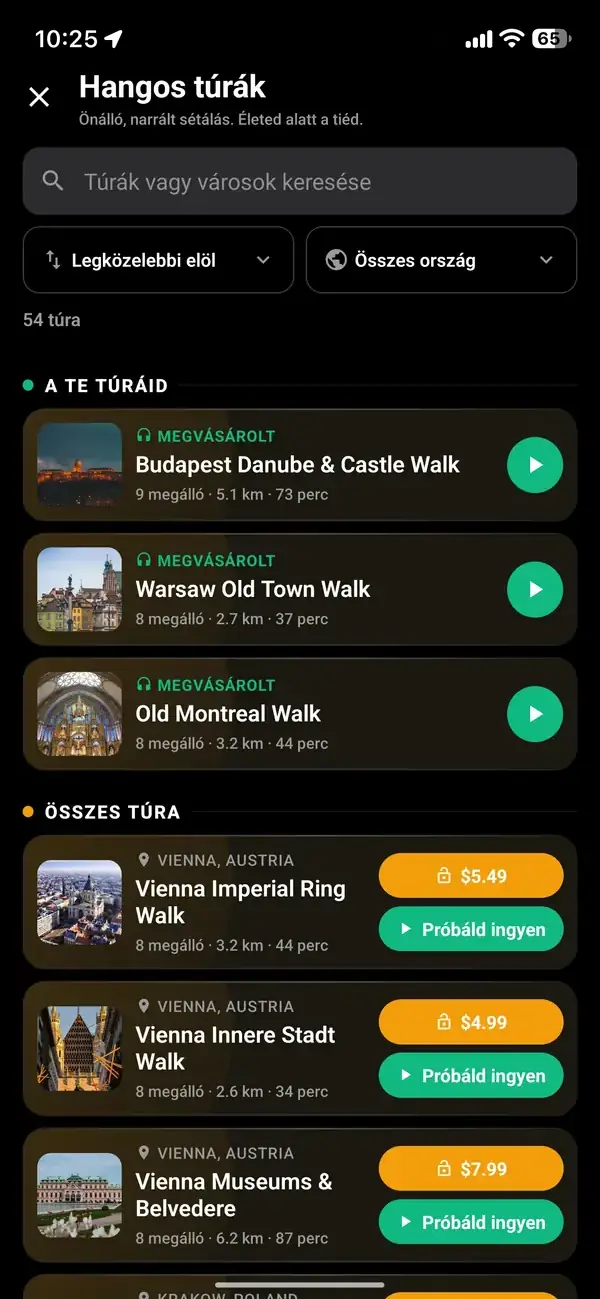
Koppints az arany fejhallgatóra, és válassz túrát
01
Sétálj egyedül, vagy hívj meg valakit
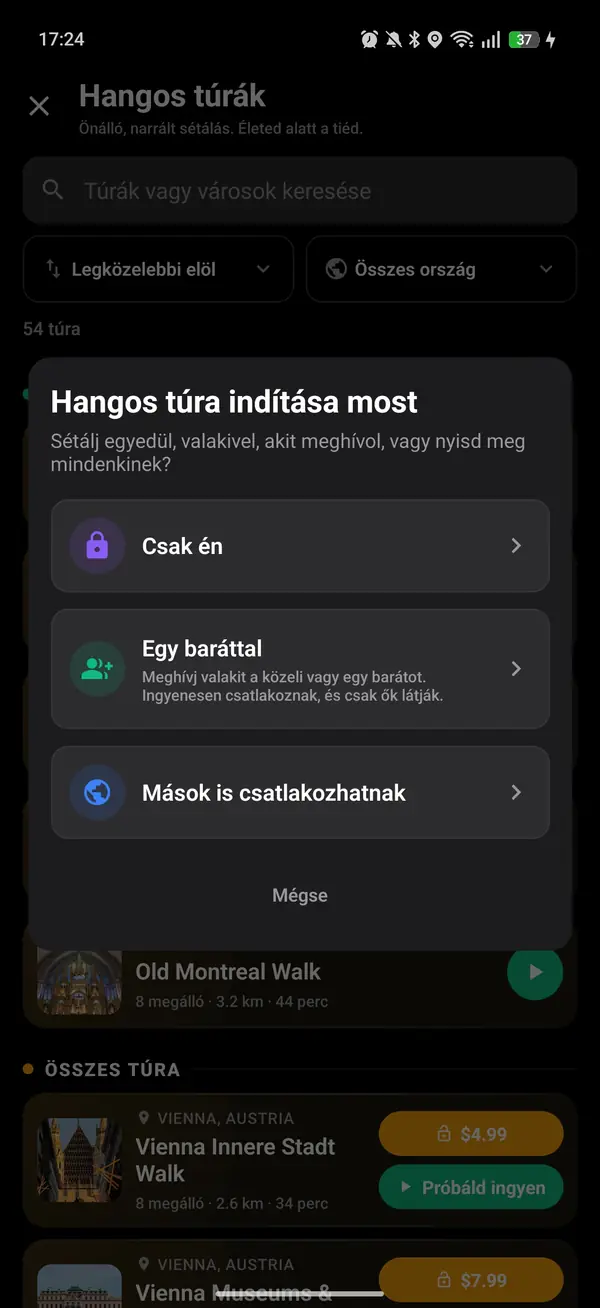
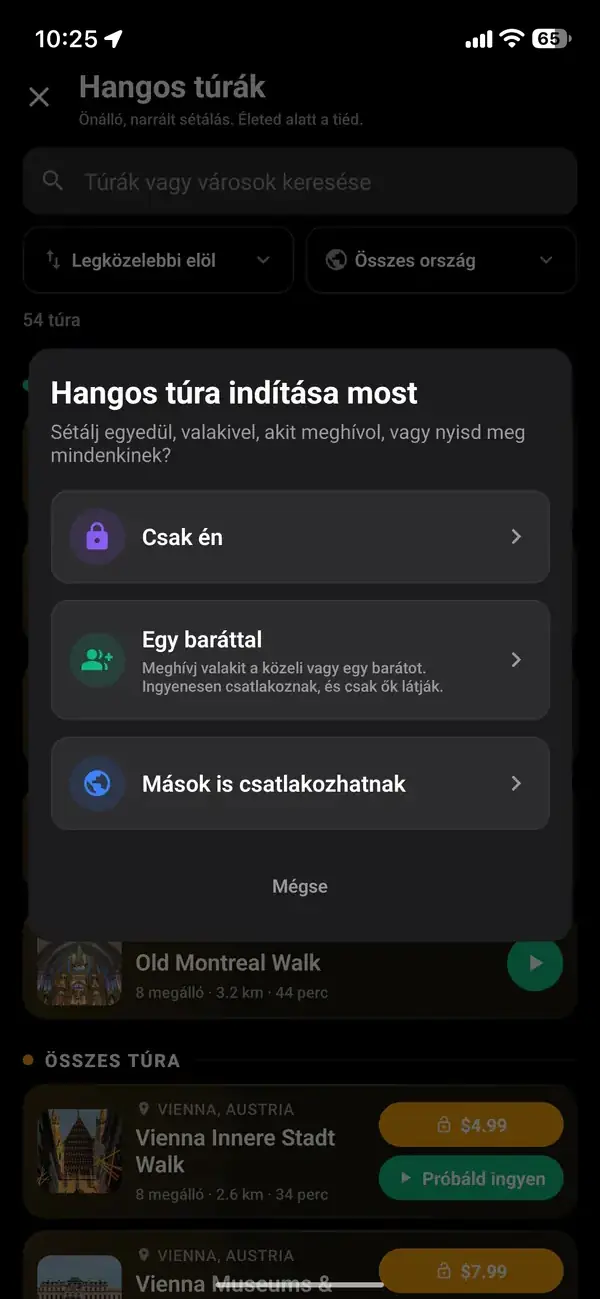
02
Nyomj a lejátszásra és indulj
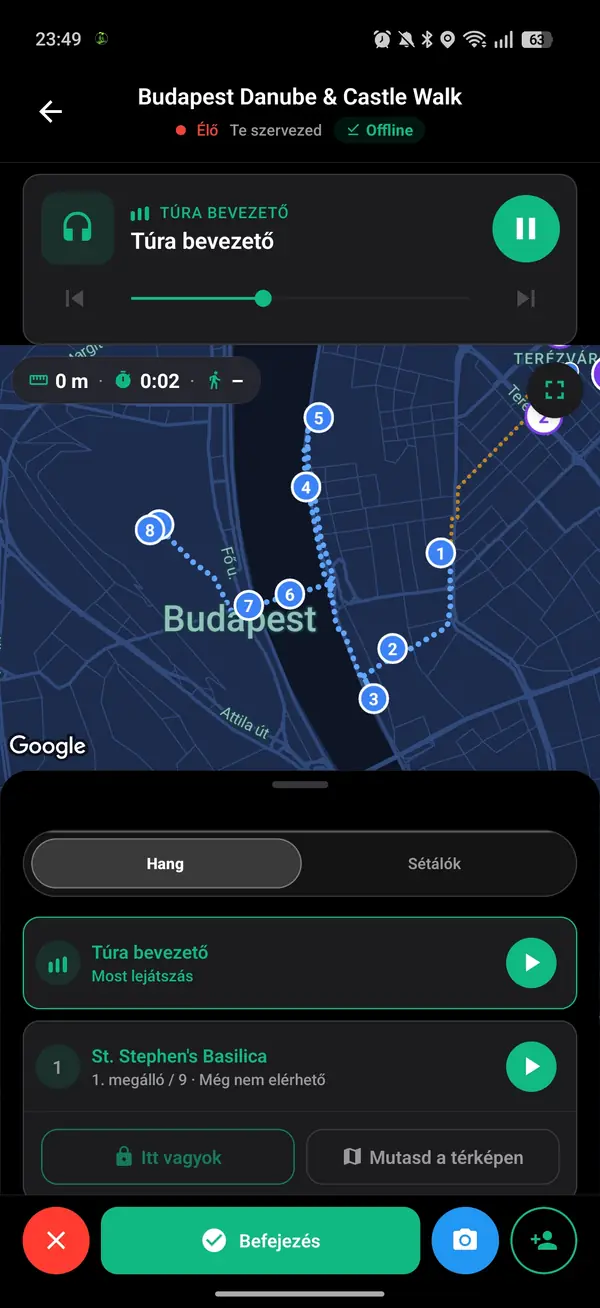
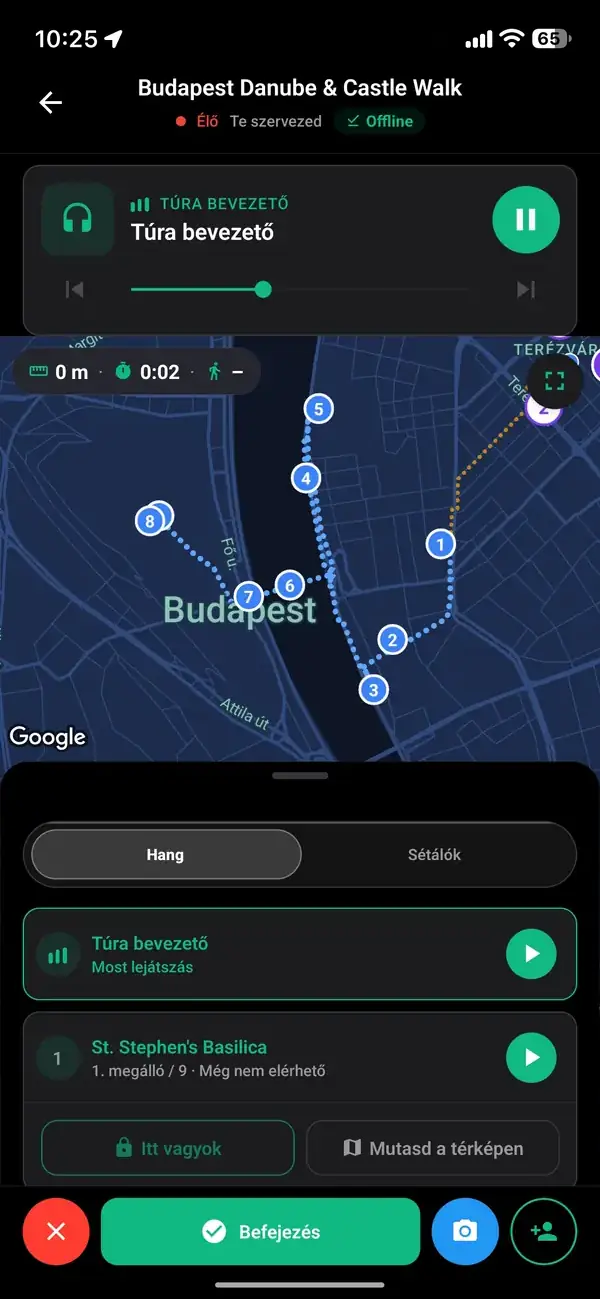
03
Kézzel készítve a városban töltött idődre
Ezek a túrák nem kipipálandó látnivalók listái. Arra készültek, hogy lassan járd végig őket, fejhallgatóval a füleden, a várost figyelve.
Meditatív és magával ragadó
Minden történet ott hangzik el, ahol megtörtént. Az app jelez, amikor egy megállóhoz érsz, egy koppintás elindítja a történetet, a megállók közötti utat pedig a saját tempódban élvezheted.
Kézzel, gondosan készítve
Minden útvonalat és minden megállót mi magunk választunk ki, és minden történetet gondosan formálunk meg, hogy a városban töltött időd a leginkább érdemes helyekre jusson.
Valakivel jobb
Minden séta jobb, ha valaki melletted van, ezért ha tudsz hozni valakit, nagyon ajánljuk. Ezért fedez egyetlen vásárlás mindenkit, akit meghívsz: ingyen csatlakoznak a túrádhoz.