




 $6.99Điểm nổi bật thành phố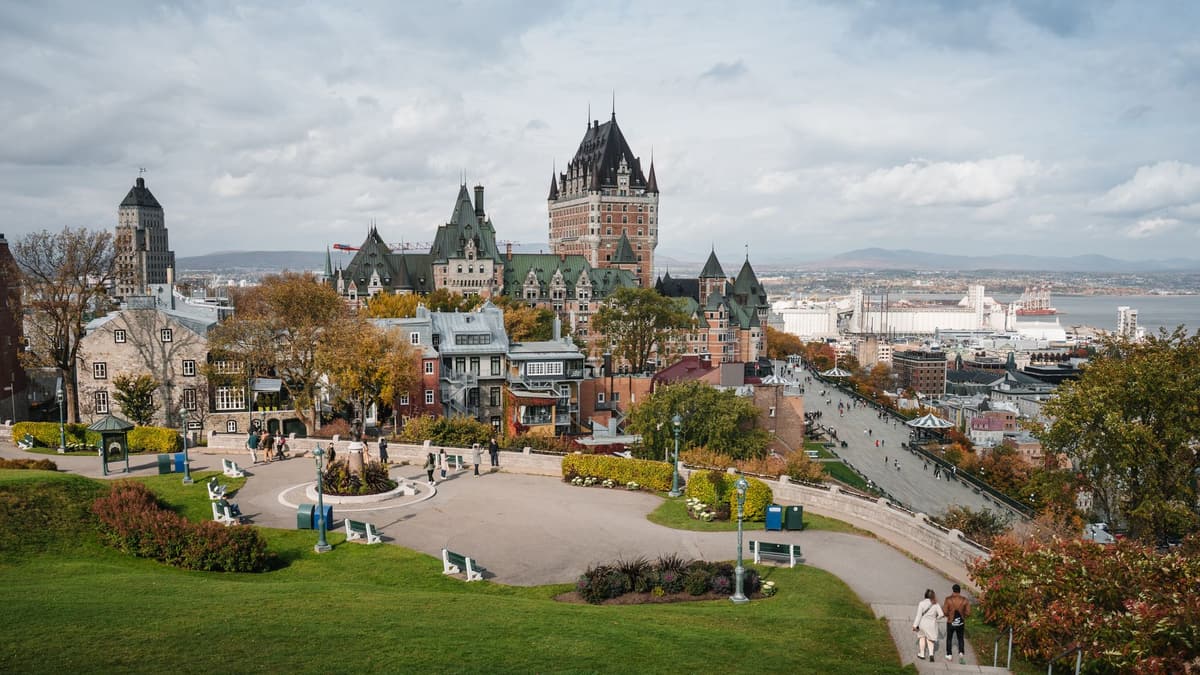
Âm thanh Quebec City Tour đi bộ
Các chuyến đi bộ tự hướng dẫn, có thuyết minh qua Quebec City. Mua tour một lần, tải xuống và để câu chuyện tự động phát tại mỗi điểm dừng khi bạn đi bộ theo nhịp độ của riêng mình.
Tour chỉ từ $6.99
Bạn bè đi bộ miễn phí. Một lần mua bao gồm tất cả mọi người trong chuyến đi bộ của bạn. Bắt đầu tour, mời bạn bè tham gia, và nó sẽ phát trên mọi điện thoại trong nhóm của bạn.
5.0 trên Google Play
Tour âm thanh tại Quebec City
Mỗi tour là một lộ trình trên bản đồ có thuyết minh tại từng điểm dừng. Mua một lần và sở hữu mãi mãi, không cần đăng ký định kỳ.
$6.99Điểm nổi bật thành phố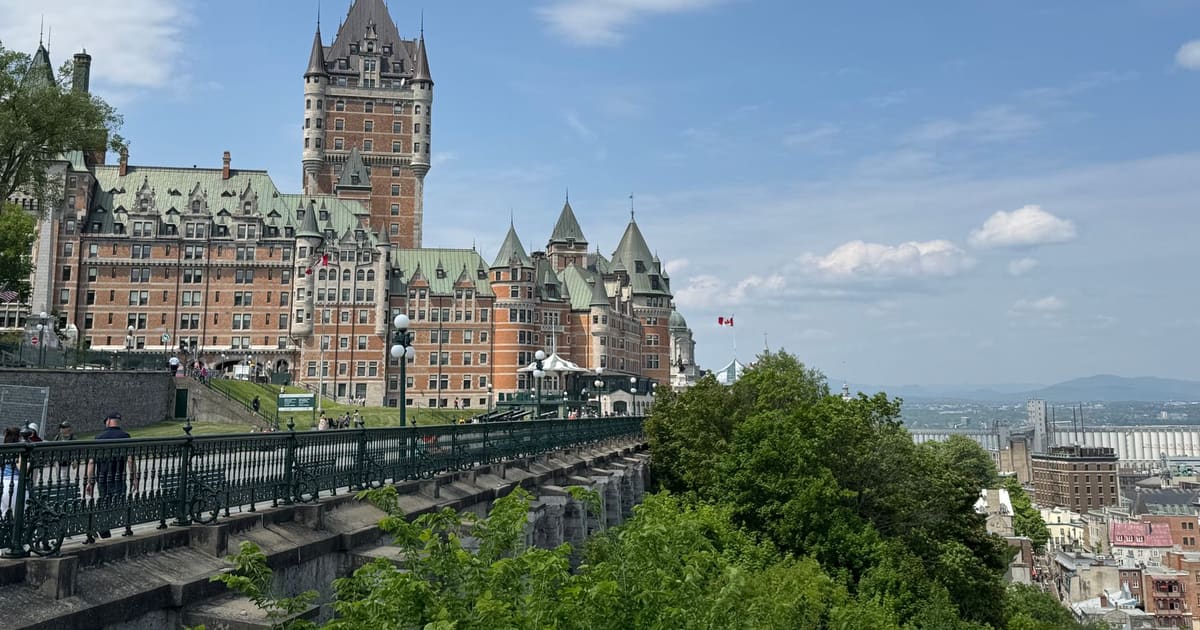 $8.99Điểm nổi bật thành phố
Trải nghiệm gì trong tour đi bộ âm thanh tại Quebec City
A Quebec City audio walk drops into the Lower Town where New France began, antique shops and a chateau-style train station by the water, or climbs into the walled Upper Town past a star-shaped fortress and the only city gates left standing north of Mexico.
The Lower Town Walk starts on Rue du Petit-Champlain, one of the oldest shopping streets in North America, and leads to Place Royale, the square where Samuel de Champlain built his first trading post in 1608, 2.1 kilometers, about 28 minutes, almost entirely flat.
From there it follows Rue Saint-Paul's antique shops along the old port to the Old Port Market and finishes at Gare du Palais, the chateau-style railway station that still welcomes trains from Montreal under its copper roof.
The Upper Town Walk climbs higher, 3.4 kilometers, about 47 minutes, from the Parliament Building through Porte Saint-Louis to the star-shaped Citadelle, then along the boardwalk below the Chateau Frontenac to the basilica, the old Augustines hospital and the gate at Porte Saint-Jean.
Địa điểm đi bộ tại Quebec City
Một vài điểm dừng bạn sẽ đi qua và lý do tại sao chúng xứng đáng để bạn đi chậm lại và thưởng thức.
Dufferin Terrace and the Chateau Frontenac
Dufferin Terrace is the broad wooden boardwalk that runs along the cliff edge below the Chateau Frontenac, often called the most photographed hotel in the world. The Canadian Pacific Railway opened the hotel in 1893 to lure wealthy travelers onto its trains, giving it the copper roofs and turrets of a French castle. Winston Churchill and Franklin Roosevelt met here twice during the Second World War, helping shape the plans for the invasion of Normandy. Walk the terrace for the view out over the St. Lawrence, and look for the statue of Champlain at its northern end, honoring the man who founded the city in the Lower Town just below.
Rue du Petit-Champlain
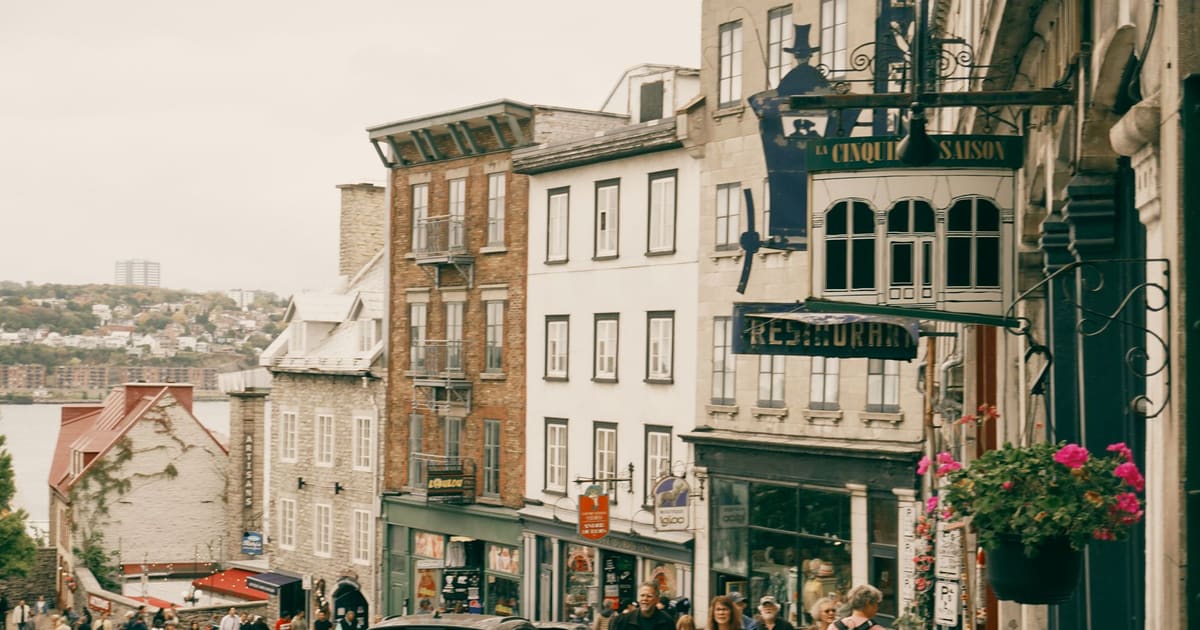
Rue du Petit-Champlain is a narrow, car-free lane of stone houses with painted shutters and flower boxes, squeezed between the cliff and the river, often called one of the oldest shopping streets in North America. People have traded on this strip of shore since the 1600s, and by the mid-twentieth century it had grown run down before its revival into the boutiques and galleries you see today. Look back toward the foot of the Breakneck Stairs, the oldest stairway in the city, dropping steeply from the Upper Town above. In December the street is strung with lights and fir trees, looking like something off a Christmas card.
Old Quebec's Rooftops
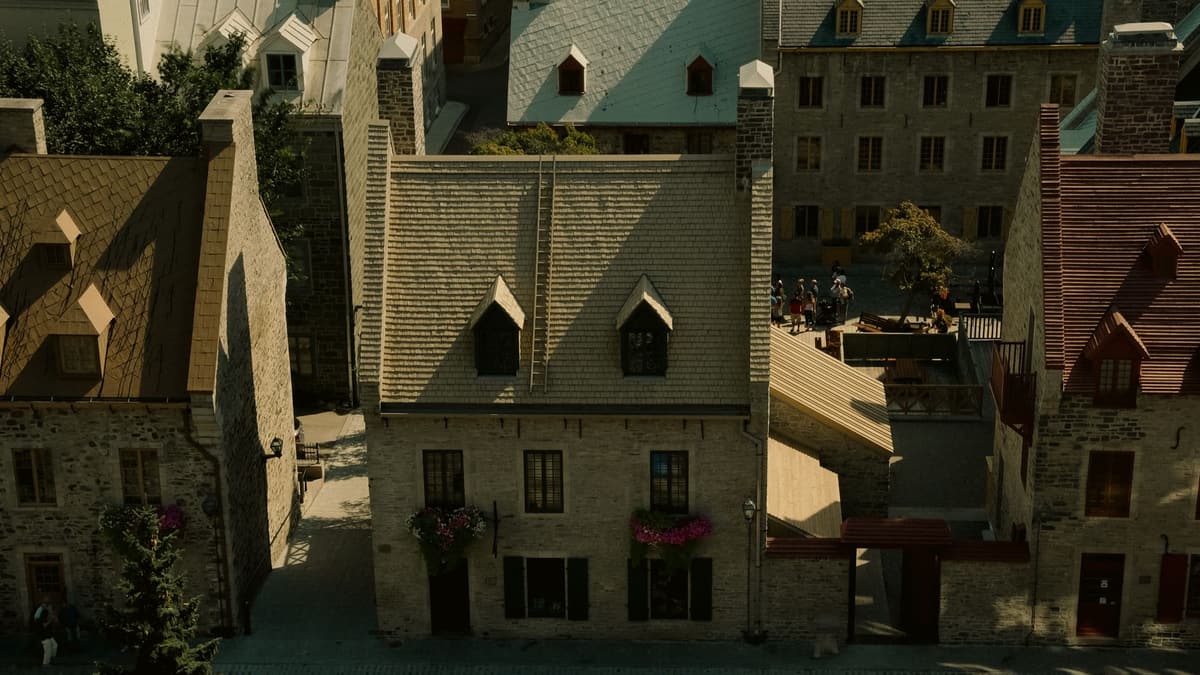
Old Quebec's Lower Town is built of tightly packed stone houses with steep metal roofs, dormer windows and flower boxes spilling color over worn sills. Looking down on them, you get a sense of how small and densely built this first French foothold in North America really was, every roofline a slightly different pitch and color. The lanes below wind between these houses much as they did when merchants and sailors worked this shore, and the view from a height shows just how much of Old Quebec's original layout has survived. It's one of the few old port quarters in North America that still looks this way.
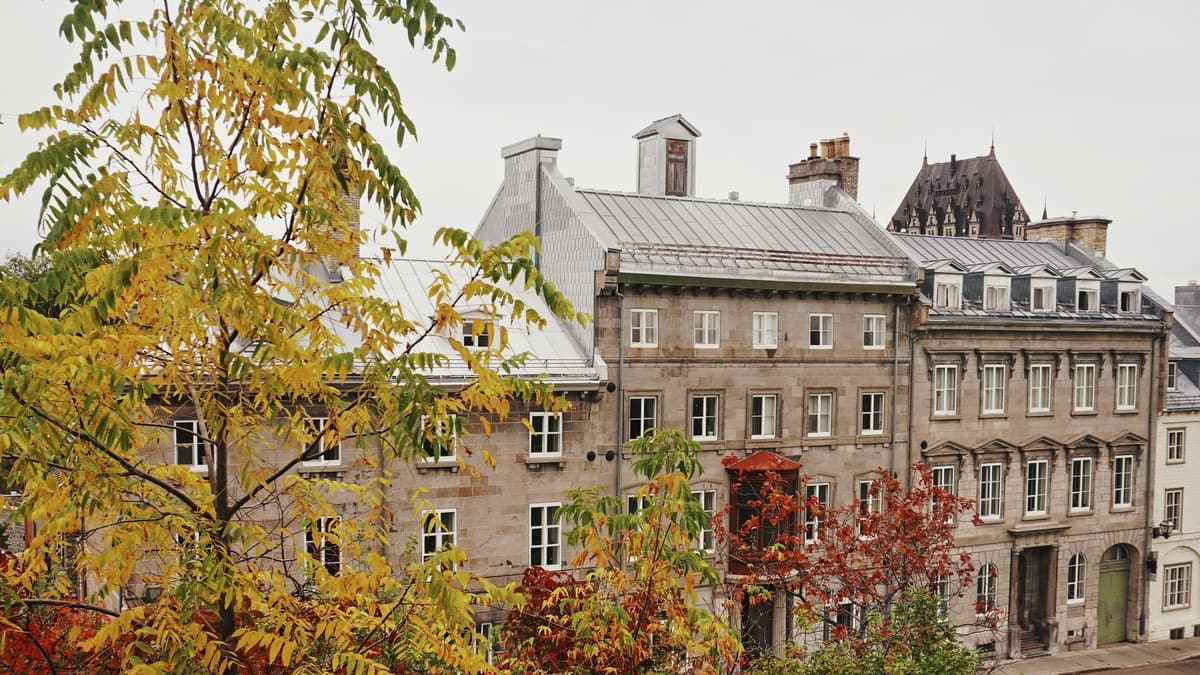
The Upper Town Streets
The Upper Town's streets are lined with grand stone townhouses built for merchants and officials of New France, their steep roofs and tall chimneys crowded close together behind the city walls. In autumn the trees along these streets turn gold and red against the gray stone, with the dark spire of the Chateau Frontenac often visible above the rooftops in the distance. Quebec City is the only city north of Mexico that still stands inside its old walls, and nowhere is that more obvious than on these close, quiet streets between the fortifications and the cliff. Come back in another season and the same row of houses looks like a different city.
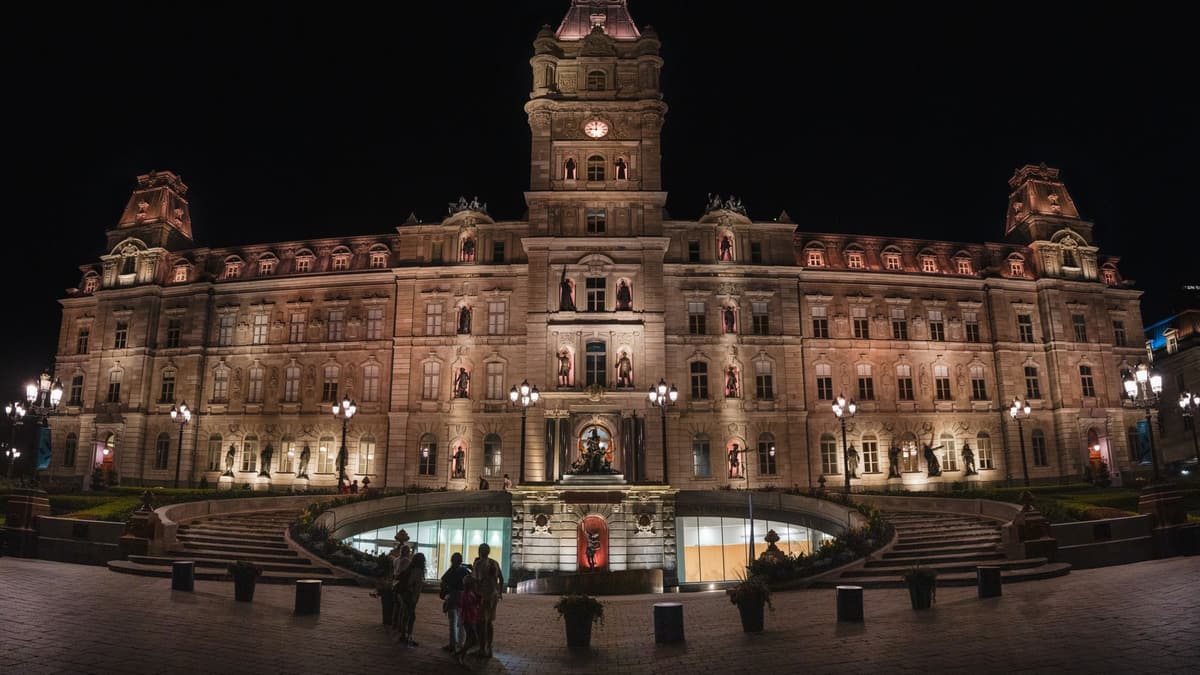
Parliament Building
Quebec's Parliament Building went up between 1877 and 1886 in the Second Empire style of Paris, its facade lined with niches holding bronze figures from the province's past, explorers, governors and politicians added over decades. Above the main door, under the coat of arms, are three carved words: Je me souviens, I remember, a phrase that became the province's motto and appears on every license plate. At night the building is lit gold, the fountain in front glowing beside it, a grand note to start or end a walk through the walled city behind it. Nobody has ever quite settled what Quebec is meant to remember.
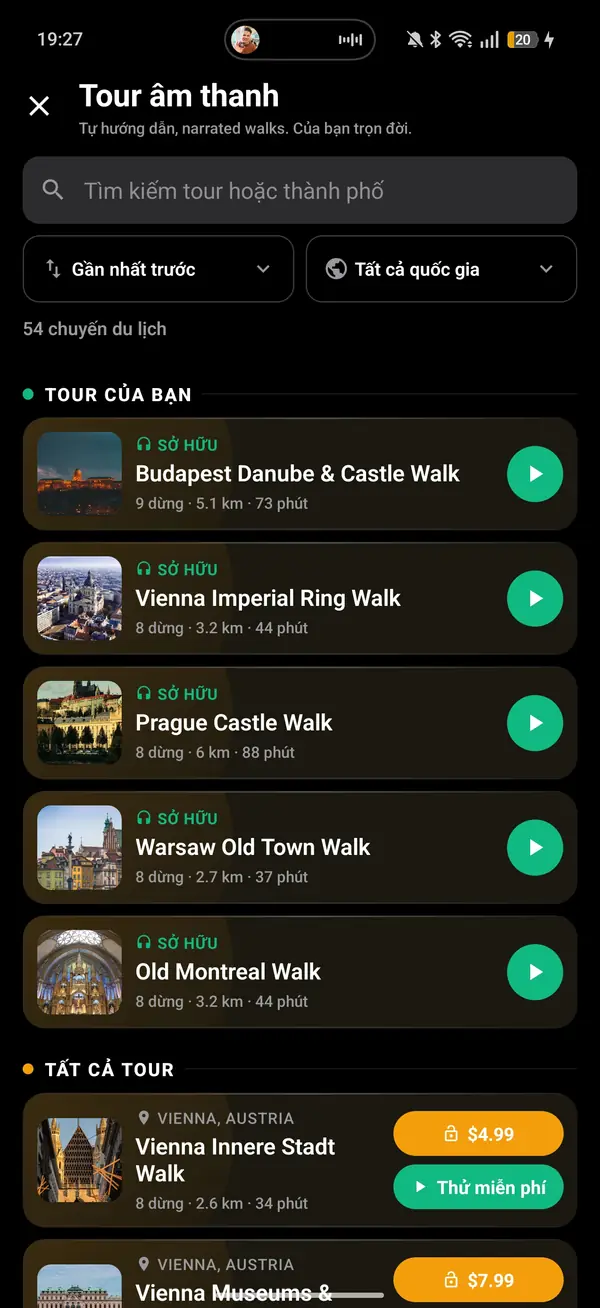
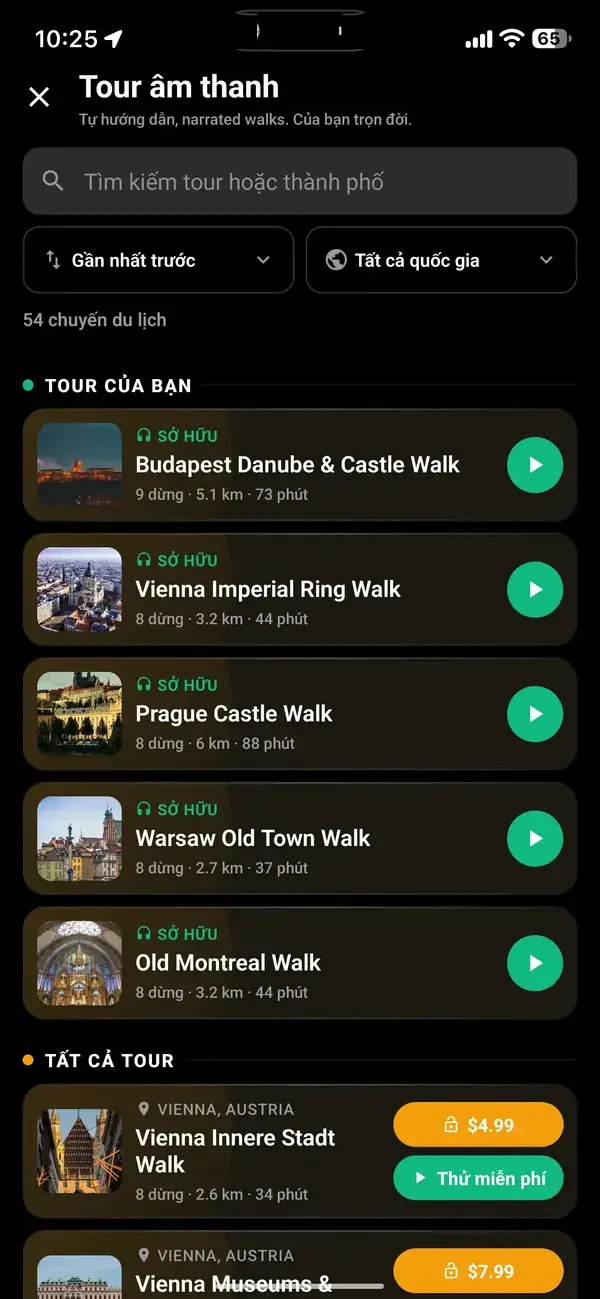
Nhận Tour Âm Thanh Trong 3 Bước Đơn Giản
Tất cả trong ứng dụng Walk With Me miễn phí, và các điểm dừng đầu tiên của mỗi tour đều được nghe thử miễn phí.
Chạm vào tai nghe vàng và chọn tour
01
Đi một mình hoặc mời ai đó
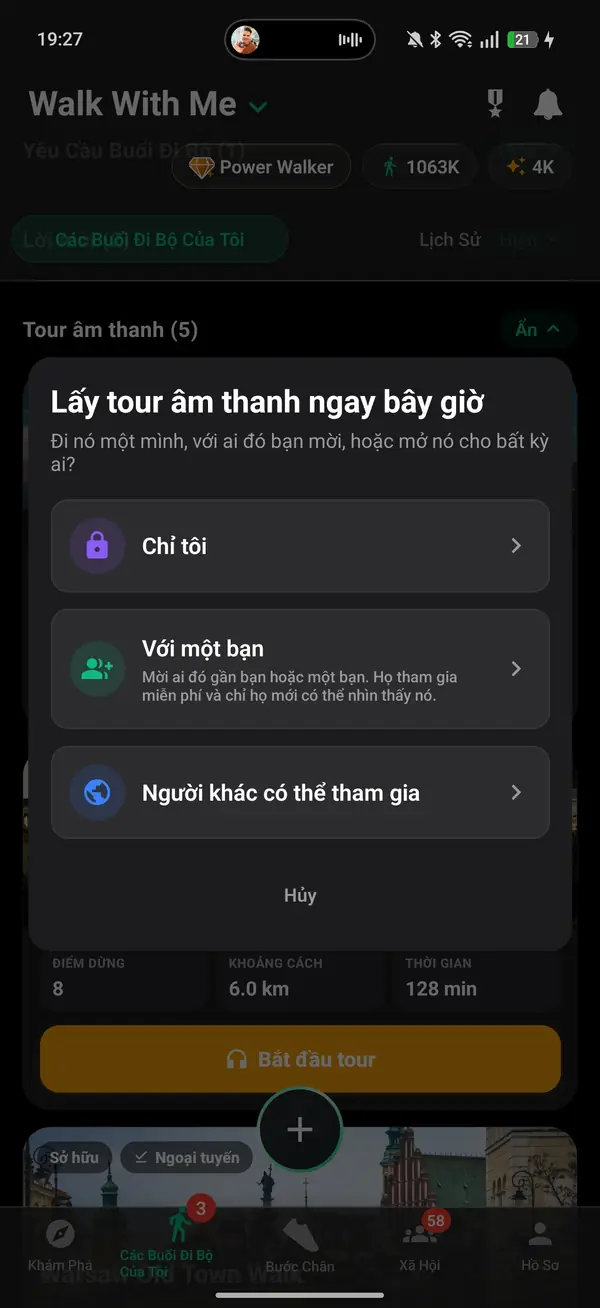
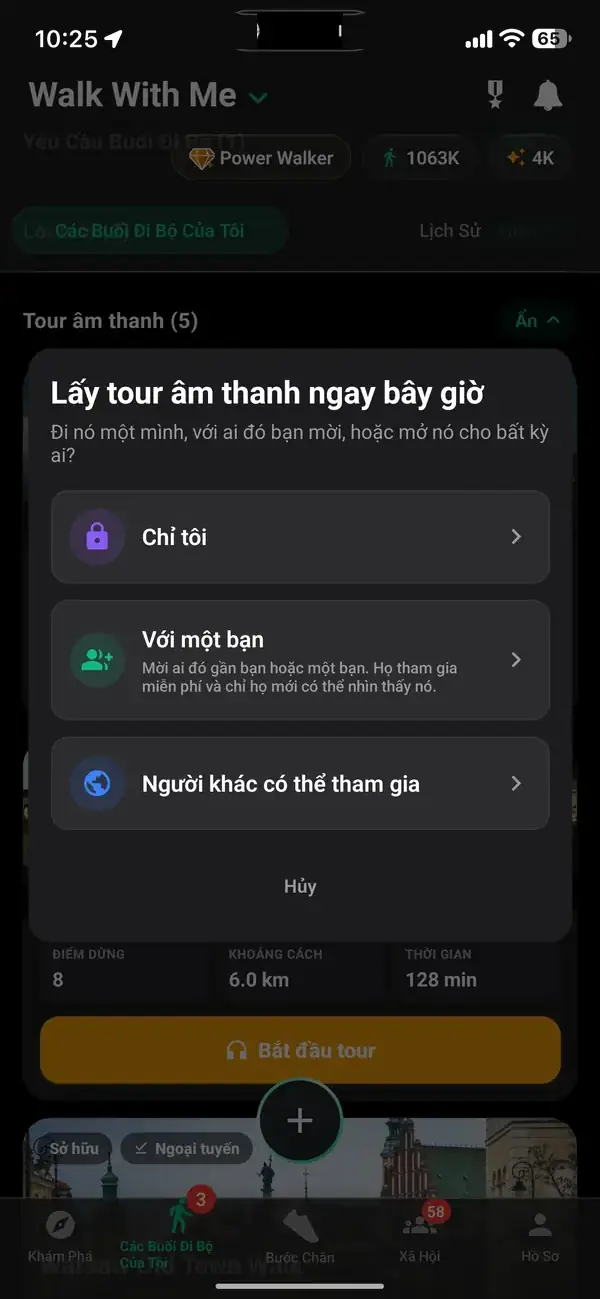
02
Nhấn phát và đi bộ
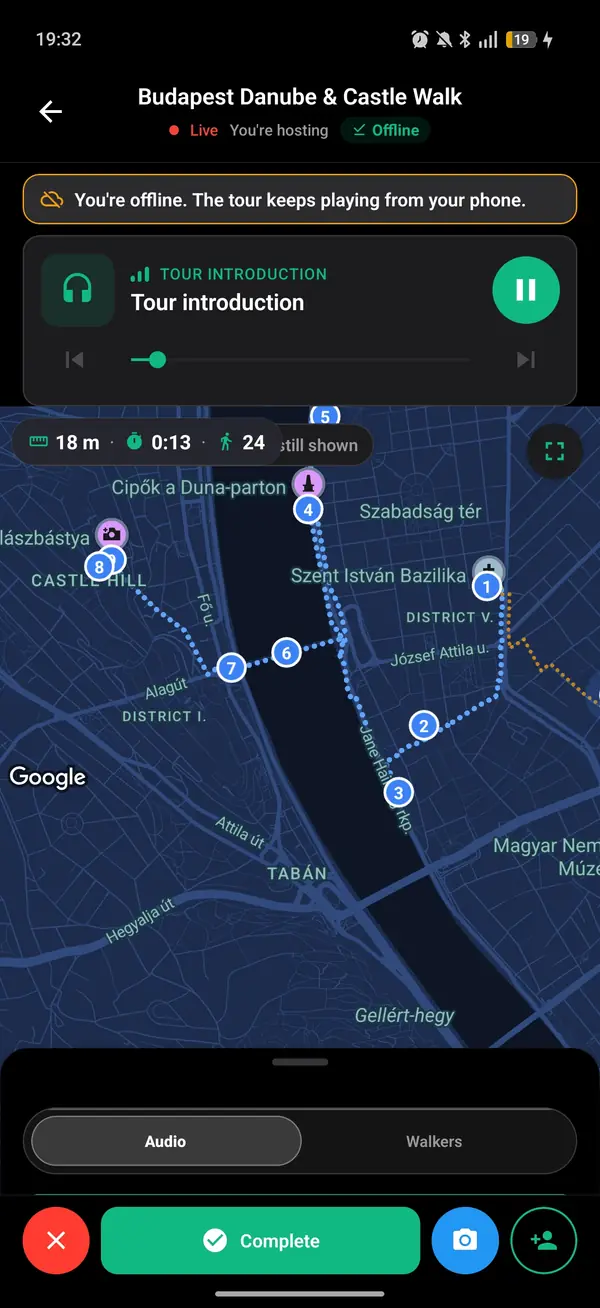
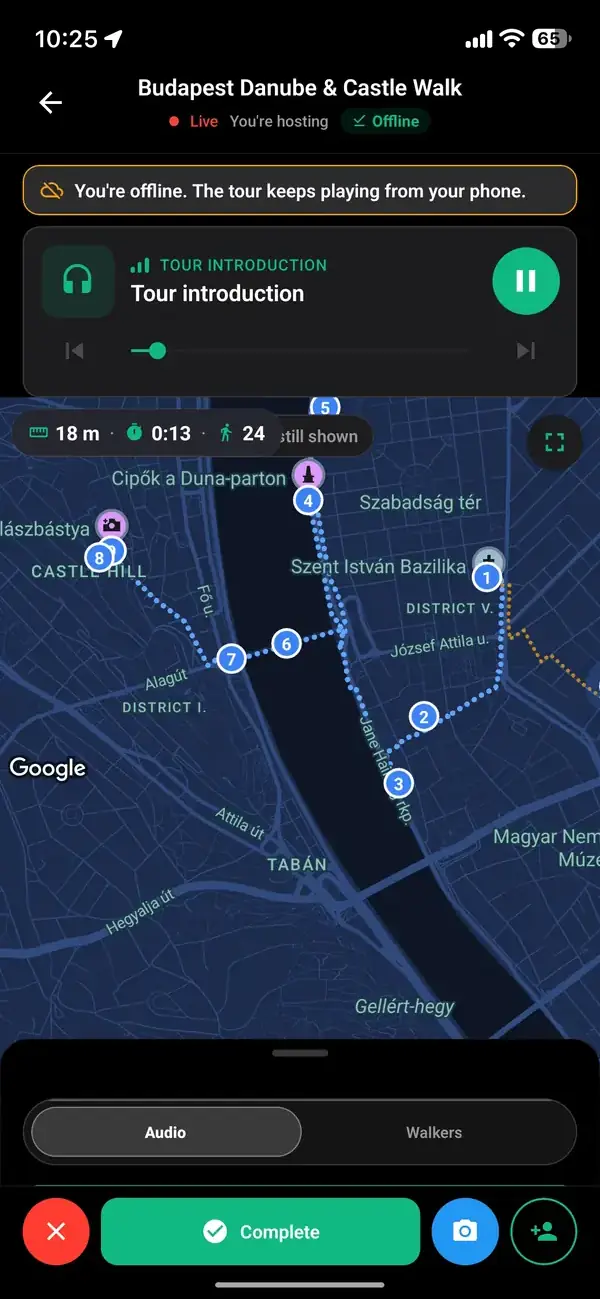
03
Được chăm chút cho thời gian của bạn trong thành phố
Những tour này không phải danh sách địa danh để đánh dấu. Chúng được tạo ra để bước đi chậm rãi, đeo tai nghe và ngắm nhìn thành phố.
Thư thái và cuốn hút
Mỗi câu chuyện được kể ngay tại nơi nó đã diễn ra. Ứng dụng phát âm báo khi bạn đến một điểm dừng, một lần chạm để bắt đầu câu chuyện, và quãng đường giữa các điểm dừng là của riêng bạn, theo nhịp của bạn.
Thủ công, tỉ mỉ
Chúng tôi tự chọn từng lộ trình, từng điểm dừng và chăm chút từng câu chuyện, để thời gian của bạn trong thành phố dành cho những nơi đáng đến nhất.
Vui hơn khi có bạn đồng hành
Mỗi chuyến đi bộ đều vui hơn khi có ai đó bên cạnh, vì vậy nếu bạn có thể rủ một người bạn, chúng tôi rất khuyến khích. Đó là lý do một lần mua bao gồm tất cả những người bạn mời: họ tham gia tour của bạn miễn phí.