September 22, 2026 · 9 min read
Bologna Historic Center Walk
A self-guided Bologna walking tour under the porticoes from Piazza Maggiore to the leaning Two Towers, the old food market, and Santo Stefano.
553
September 22, 2026 · 10 min read
Thực hiện buổi đi bộ này cùng người khác vào tour đã lên lịch tiếp theo.
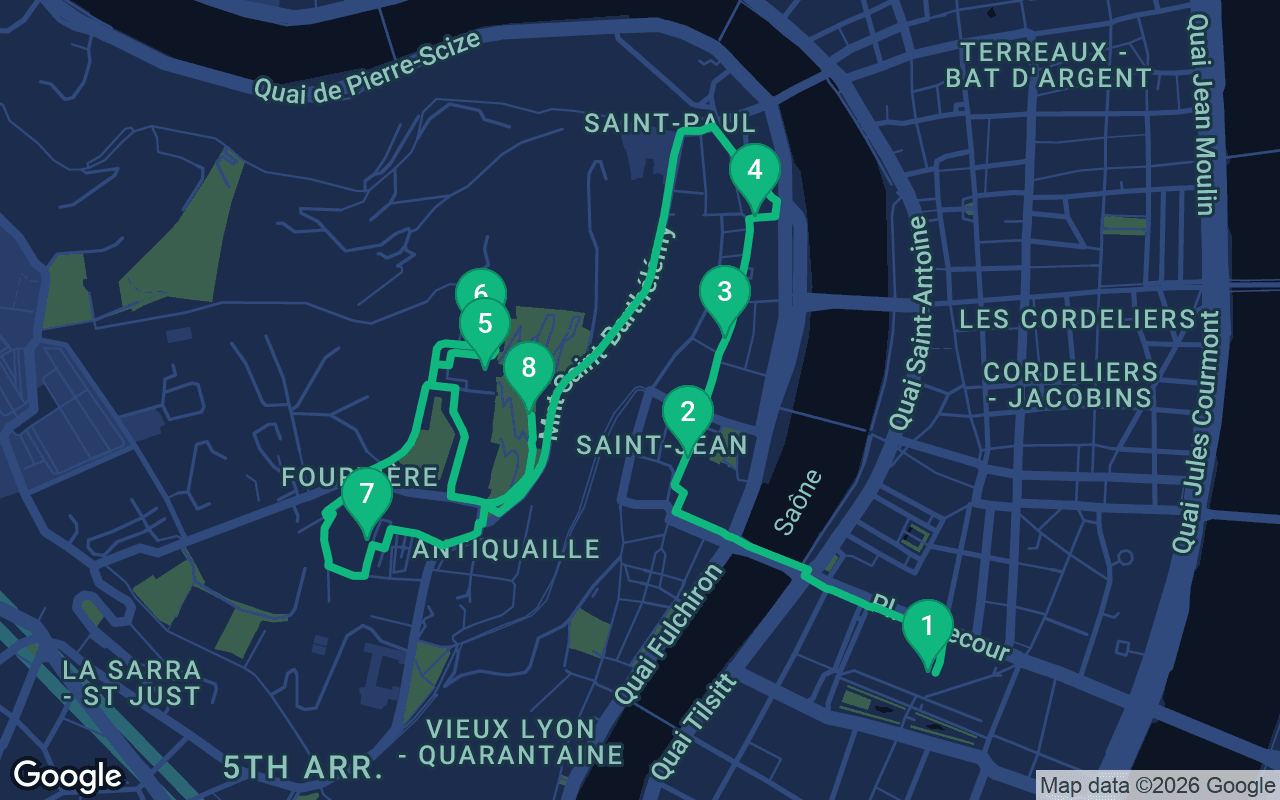
Khoảng 3,7km, mất khoảng 59 phút với nhịp độ thoải mái · 8 điểm dừng
Lyon is France's great second city, a place of two rivers, Roman ruins, secret passageways, and a reputation as the food capital of the whole country. Its oldest heart lies on the west bank of the Saone, a warren of Renaissance lanes at the foot of a steep hill crowned by a white basilica, and that is where this walk goes. This self-guided Lyon walking tour climbs from the grand squares of the center up through medieval Vieux Lyon to the hill of Fourviere, and it is one of the more rewarding self-guided walking tours you can do, around four kilometers with a real climb in the middle and a view worth every step. Wear good shoes for the cobbles and the hill, bring water, and give the two halves of the old city a slow half day.
Set aside three or four hours, more if you take your time over lunch, which in Lyon is a serious matter best enjoyed in one of the city's traditional little eateries called bouchons. The walk is easy and flat through the center and Vieux Lyon, then climbs steeply up the Fourviere hill, so wear comfortable shoes with grip. If the ascent on foot does not appeal, there is a little funicular railway that runs up from Vieux Lyon to the top of the hill in a couple of minutes, and taking it up and walking down is a perfectly good plan. The hill lanes and stairways can be steep and uneven, so take them slowly. One of the great secrets of Vieux Lyon is the traboules, hidden covered passageways that cut through the buildings from street to street, some of which you can explore, so look for their doorways as you go. And do stop to eat and drink as you walk, because Lyon takes its food more seriously than almost anywhere, and a long lunch or a glass of local wine is part of the experience.
Start in the Place Bellecour, one of the largest open squares in Europe and the very center of Lyon, a vast expanse of red gravel between the city's two rivers. A grand bronze statue of the king Louis the Fourteenth on horseback stands at its middle, and from the square you get your first clear view westward across the river to the Fourviere hill, with its white basilica gleaming at the top, where you are headed. This is the great meeting point of the city, busy and open and ringed by handsome facades, a place to get your bearings before you set off. It sits on the Presquile, the narrow tongue of land between the two rivers that holds the modern heart of the city. Take in the scale of the square and the view of the hill ahead, then walk west toward the river Saone, cross one of its bridges, and enter the old town gathered along the far bank beneath the hill.
Across the river you enter Vieux Lyon and come to the Cathedral of Saint-Jean, the great church at the heart of the old town, standing in its own open square at the foot of the Fourviere hill. Built over some three hundred years, it mixes Romanesque and Gothic styles, and its wide stone facade is worth a slow look, carved with hundreds of little medallions. Its real treasure is inside, an extraordinary fourteenth-century astronomical clock, one of the oldest in Europe, which still chimes and sets its carved figures moving several times a day. The square in front is a lively, open space, a good place to sit and take in the old town around you before you plunge into its lanes. The cathedral marks the start of Renaissance Lyon, the beautifully preserved old quarter that spreads north from here along the river. Walk around the cathedral, then head north into the narrow main street of the old town, one of the finest Renaissance streets in France.
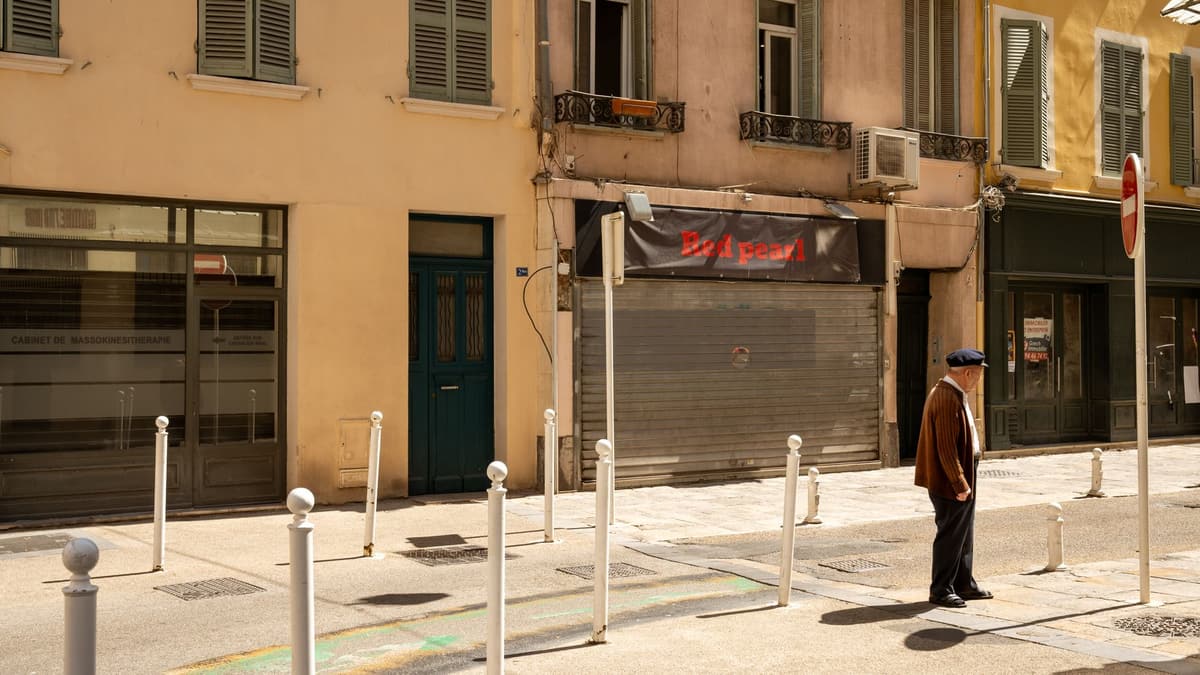 The Rue Saint-Jean is the main artery of Vieux Lyon, a long, narrow, cobbled street running north through the heart of the old town, lined with tall Renaissance houses in warm stone, now full of little shops, bouchons, and cafes. This was the grandest quarter of Lyon in the sixteenth century, when the city grew rich on silk and banking, and the merchants and bankers built the handsome mansions that line these lanes. The great secret of the street is the traboules, the hidden passageways that run through the buildings and courtyards, linking one street to the next, originally built to move goods and shelter from the weather, and later famously used by the Resistance during the war. Several are open to the public, marked by small signs, and stepping through an ordinary-looking doorway into a hidden courtyard with a spiral stone staircase is one of the real delights of Lyon. Wander slowly, look for the traboule doorways, and peer into the courtyards. The street leads you north to a pretty old square at the far end of the quarter.
Toward the northern end of the old town you reach the Place du Change, a small and elegant square that was the financial center of Renaissance Lyon, where the money changers and bankers did their business during the city's great trade fairs. The handsome building on one side, the old exchange or Loge du Change, speaks of the wealth that once flowed through this modest square. Around it stand fine old houses, including one of the most beautiful in the old town with an ornate carved facade, and the quiet square makes a lovely pause. This is about as far north as the walk goes along the river before it turns and begins to climb. From here you leave the flat old town behind and start up the Fourviere hill, either on foot up the steep lanes and stairways or by the nearby funicular, toward the great basilica crowning the top. Catch your breath in the square, then begin the ascent up the hill that watches over the whole city.
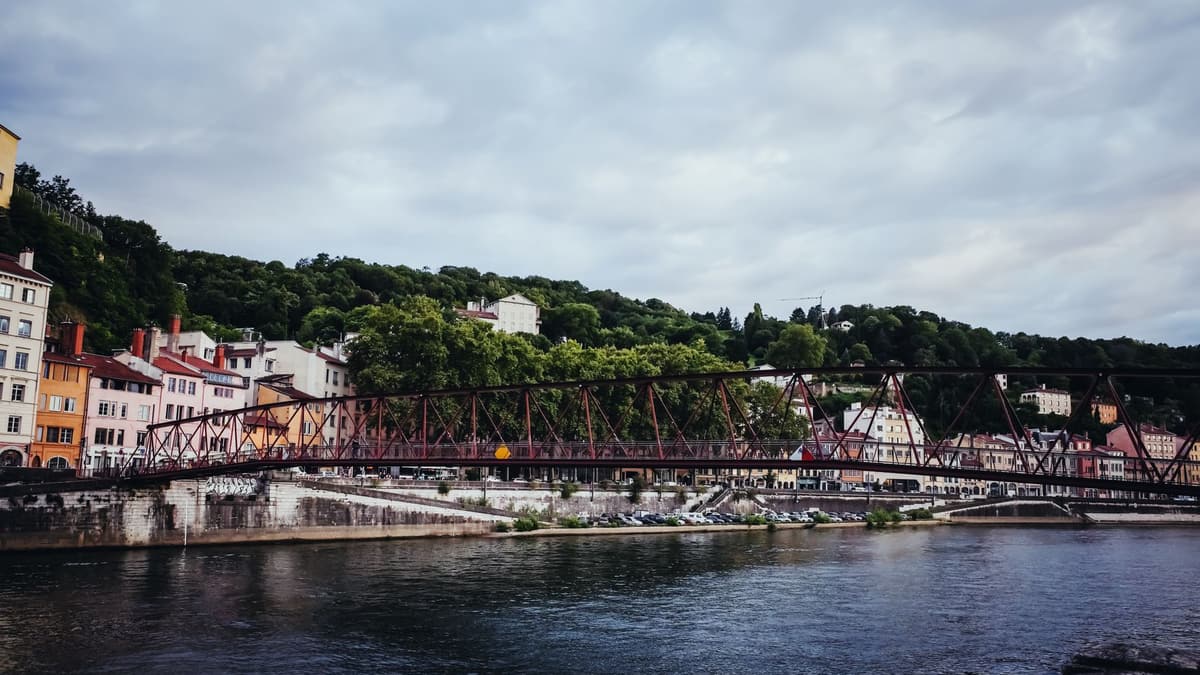 At the top of the hill stands the Basilica of Notre-Dame de Fourviere, the white church that crowns Lyon and can be seen from all over the city, an extravagant confection built in the late nineteenth century as a thank-offering after the city was spared in war. Where the old town below is restrained and Renaissance, the basilica is anything but, a riot of turrets and towers outside and a dazzling interior of gold mosaics, colored marble, and painted ceilings, gaudy and glorious in equal measure. The people of Lyon have long felt a special devotion to the Virgin, and every December the whole city lights up in her honor in a famous festival of lights. Step inside to take in the glittering interior, one of the most lavish in France. The hill it stands on has been the sacred and strategic height of the city since Roman times, when this was the center of the whole of Roman Gaul. Once you have seen the basilica, step out onto the terrace beside it for the reason half the city climbs up here.
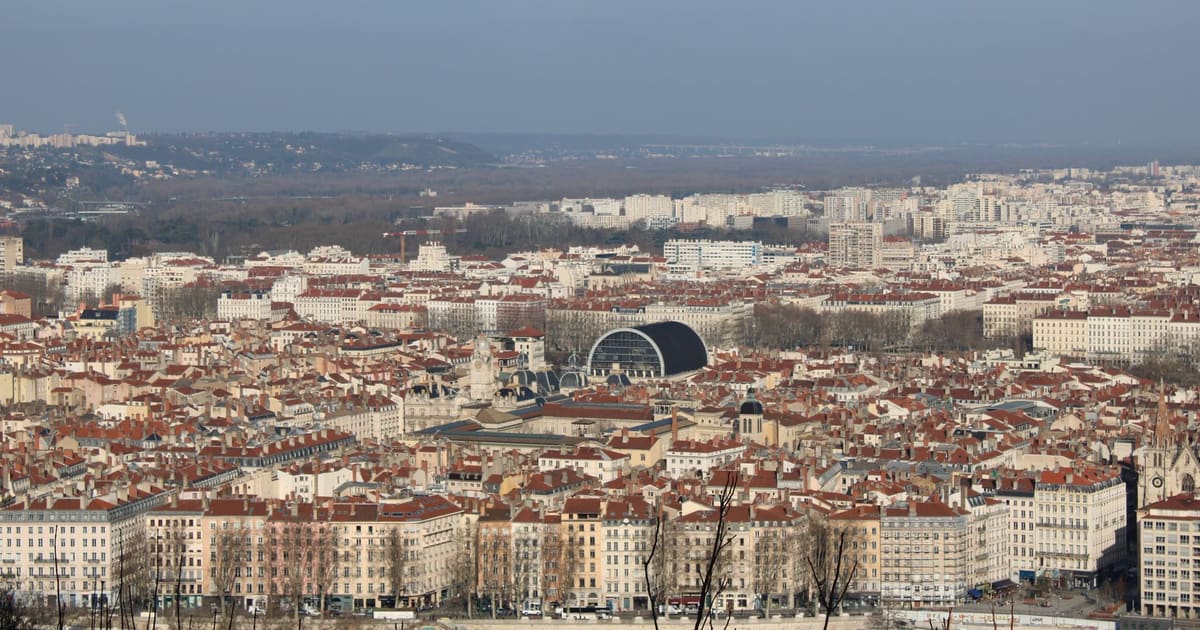
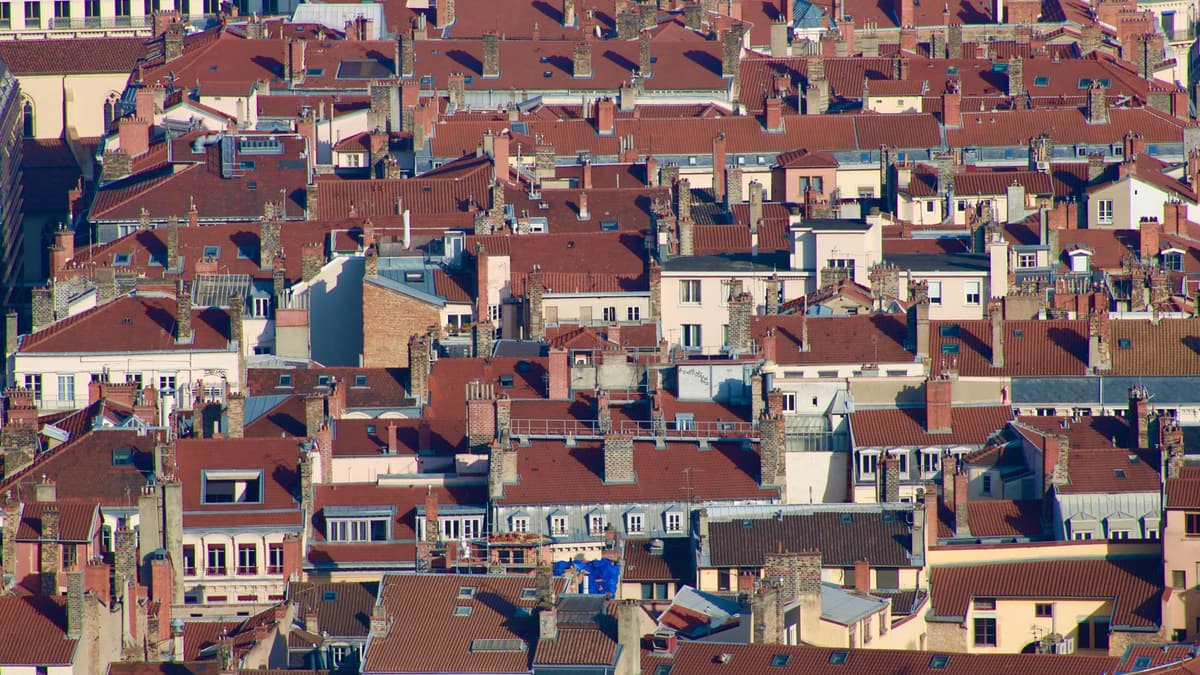
Beside the basilica lies the Esplanade de Fourviere, a terrace that offers the finest view in all of Lyon, the whole city spread out at your feet far below. From the railing you look out over the red roofs of the old town directly beneath you, across the two rivers threading through the center, over the modern city beyond, and on a clear day all the way to the distant white peaks of the Alps on the horizon. It is a genuinely breathtaking panorama, and it is worth taking your time to pick out the landmarks, the rivers, the squares, the streets you walked to get here. There are usually a few people resting after the climb and taking photographs, and it is a fine place to sit for a while and get your breath back. This is the high point of the walk in every sense. When you have soaked up the view, head a short way down the southern side of the hill, where the ground opens to reveal the ruins of the Roman city that started it all.
Just below the basilica lie the Roman Theatres of Fourviere, the substantial and beautifully preserved remains of the ancient city, for Lyon began as Lugdunum, the capital of Roman Gaul, founded over two thousand years ago on this very hill. Two ancient theatres are carved into the hillside here, a large one that once seated some ten thousand spectators and a smaller odeon beside it, their curved tiers of worn stone seats looking out over the city just as they did when Romans filled them. You can walk right down among the ruins, sit on the ancient steps, and wander the old stones, and in summer the great theatre still hosts concerts and festivals, its stage alive again after two thousand years. A fine museum nearby holds the mosaics and treasures dug from the site. It is a moving, atmospheric place, the ancient root of the whole city laid open on the hillside. Take your time among the ruins, then begin the descent back toward Vieux Lyon by a beautiful garden path down the slope.
 The walk ends by descending the Jardins du Rosaire, a peaceful terraced garden that winds down the steep eastern flank of the Fourviere hill, linking the basilica at the top to the old town at the bottom. A gently zigzagging path leads you down through the greenery, past roses, shrubs, and quiet benches, with the roofs and towers of Vieux Lyon opening up through the trees below you as you go. It is a lovely, restful way to come down off the hill on foot, far nicer than any road, and it delivers you gently back into the old town where the climb began. Pause on one of the benches for a last look out over the city before the trees close in. At the bottom you step back onto the cobbled lanes of Vieux Lyon, a short stroll from the cathedral and the river. Find a bouchon or a cafe, order a glass of local wine, and let the two cities you have walked, the Renaissance old town and the Roman hill above it, settle together in your mind.
Lyon is a city that hides its best secrets from anyone not on foot, its old town laced with covered passageways you can only slip through by walking, its Roman heart perched on a hill no car wants to climb. Going slowly is the only way to find the traboules, the hidden courtyards, the sudden view of the basilica at the end of a lane, and the quiet garden path down the hillside. The white basilica stands over everything as a landmark, so even in the maze of Vieux Lyon you can always find your way. Take the funicular up if the climb is too much, save the esplanade view for a clear day, and leave plenty of time for a long Lyonnais lunch. If you would rather not make the climb alone, open the Walk With Me live map to see who else is out walking Lyon, and share the view from Fourviere and a glass of wine with a little company.
Mọi điểm dừng của buổi đi bộ này qua Lyon, France, theo thứ tự.
Khoảng 3,7km, mất khoảng 59 phút với nhịp độ thoải mái.
Hoạt động với Garmin, Komoot, Strava, OS Maps và mọi ứng dụng GPX.
September 22, 2026 · 9 min read
A self-guided Bologna walking tour under the porticoes from Piazza Maggiore to the leaning Two Towers, the old food market, and Santo Stefano.
September 22, 2026 · 10 min read
A self-guided Ghent walking tour past the three towers and the medieval quays to the Gravensteen castle, through one of Belgium's finest old towns.
September 22, 2026 · 8 min read
A self-guided Granada walking tour from the cathedral quarter along the river Darro up to the Mirador de San Nicolas and its view of the Alhambra.