




 $7.99Pamětihodnosti města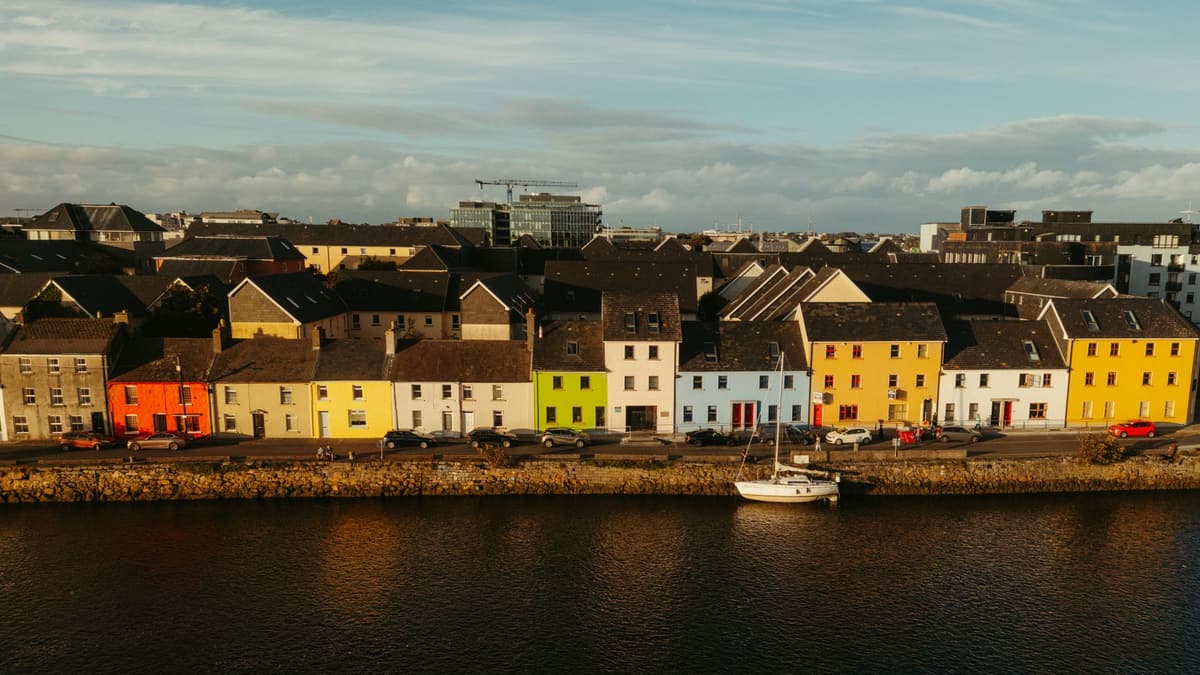
Audioprůvodce Galway Pěší trasy
Pěší trasy s komentářem v Galway, které můžete procházet sami. Kupte si trasu jednou, stáhněte si ji a nechte příběh hrát na každé zastávce, zatímco jdete vlastním tempem.
Trasy od $7.99
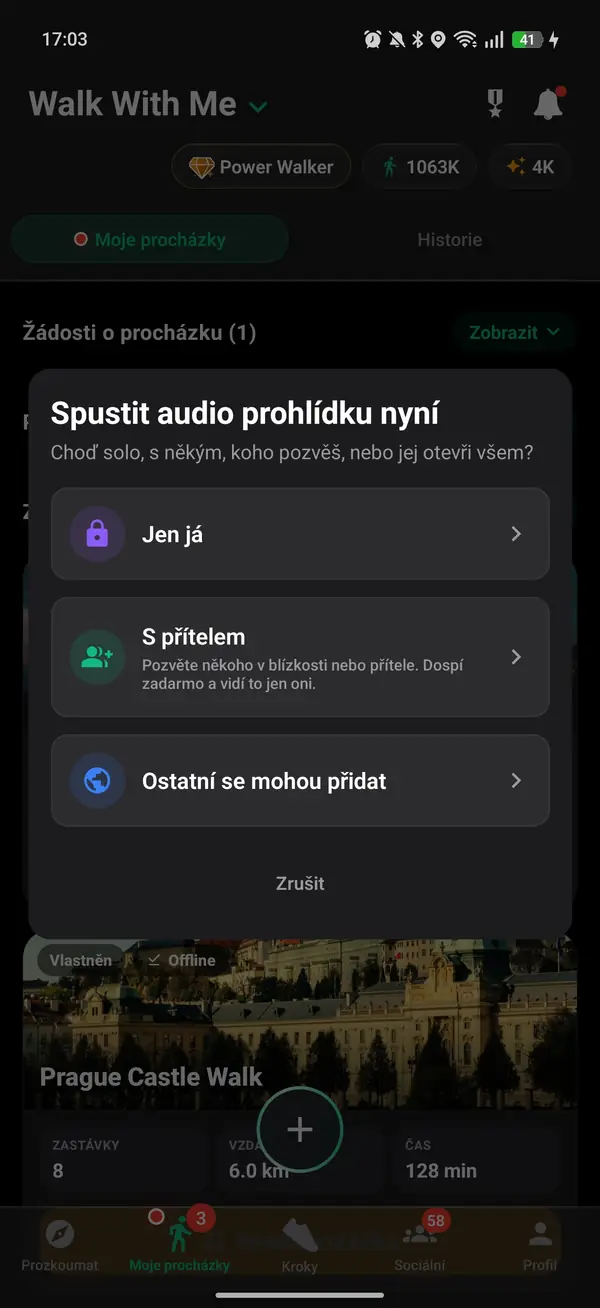
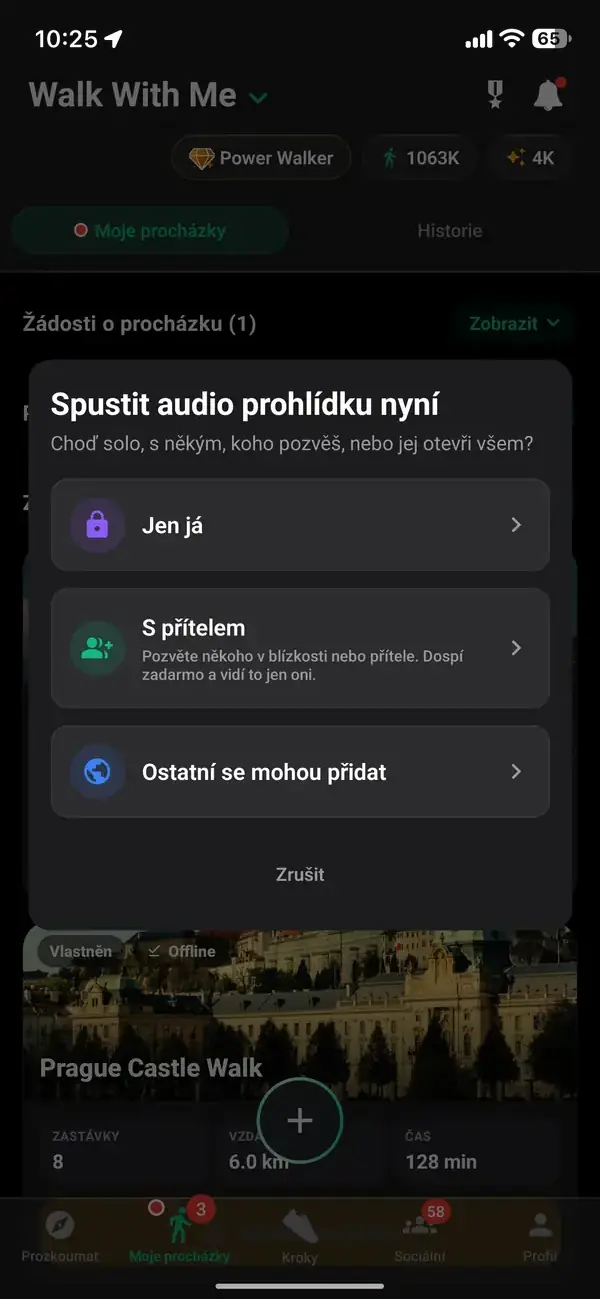
Přátelé chodí zdarma. Jeden nákup pokryje všechny na tvé procházce. Spusť túru, pozvi přátele, aby se připojili, a bude hrát na telefonu každého z vaší skupiny.
5.0 na Google Play
Audioprůvodci pro Galway
Každá trasa obsahuje mapu a komentář pro každé zastavení. Koupíte si ji jednou a zůstane vám napořád, bez jakéhokoli předplatného.
$7.99Pamětihodnosti města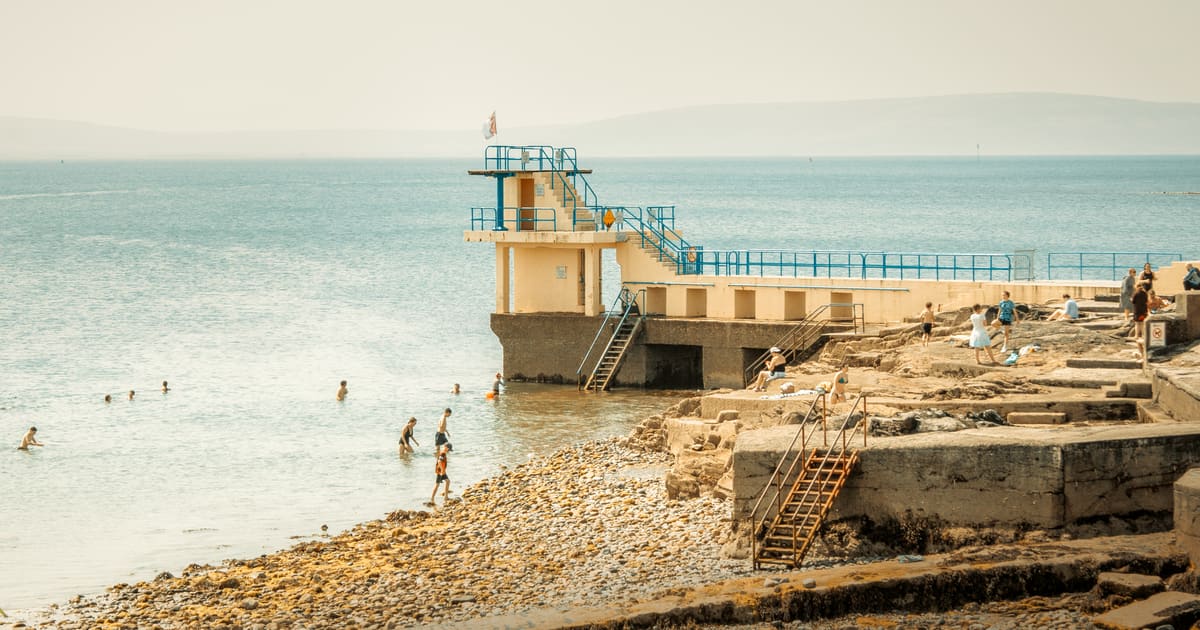 $9.99Pamětihodnosti města
Co vás čeká na pěší trase s audioprůvodcem v Galway
A Galway audio walk carries you from the university and the medieval merchant town down to where the river meets the bay, or along the city's favorite stroll out to the diving tower at Blackrock, with narration timed to each stop so you can just follow the water.
The Galway Old Town Walk starts in the stone quadrangle of the university, crosses the River Corrib by the cathedral, and drops into the old walled town of the Tribes of Galway. From Eyre Square it follows the pedestrian streets past Lynch's Castle and St Nicholas' Collegiate Church, ending at the Spanish Arch where the river runs out into the bay. It's about 2.4 kilometers, roughly 33 minutes of walking.
The Galway Salthill Prom Walk picks up nearly where that one ends, crossing Wolfe Tone Bridge into the Claddagh, the old fishing village on the west bank, then following the shore past Grattan Beach and the aquarium onto the long seafront promenade.
From there it's a straight run along the Prom past Ladies Beach to the Blackrock diving tower, where the local custom is to kick the wall before turning back. It's about 3.8 kilometers, roughly 51 minutes of walking, and flat the entire way, with the Burren hills visible across the bay.
Kam se vydat v Galway
Několik zastávek, které potkáte cestou, a důvody, proč u nich stojí za to zpomalit.
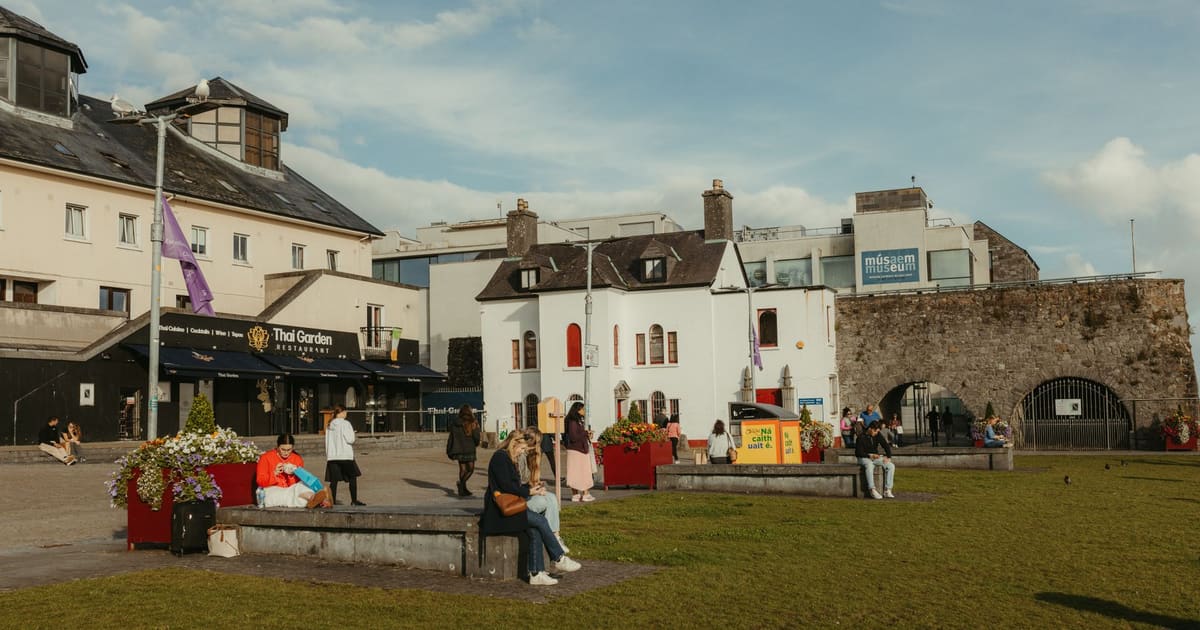
Spanish Arch
The Spanish Arch is a pair of stone arches on the riverbank at the bottom of the old town, where the Corrib makes its last rush into Galway Bay. It was built in 1584 as an extension of the town wall, protecting the quays where ships unloaded, and its Irish name means the head of the wall. For centuries ships came in here from Spain, Portugal and France with wine, salt and iron, a busy Atlantic trade that made the old merchant families rich. The Galway City Museum sits right beside the arch. This grassy bank is where Galway sits out on a fine evening, buskers and students mixing with visitors.
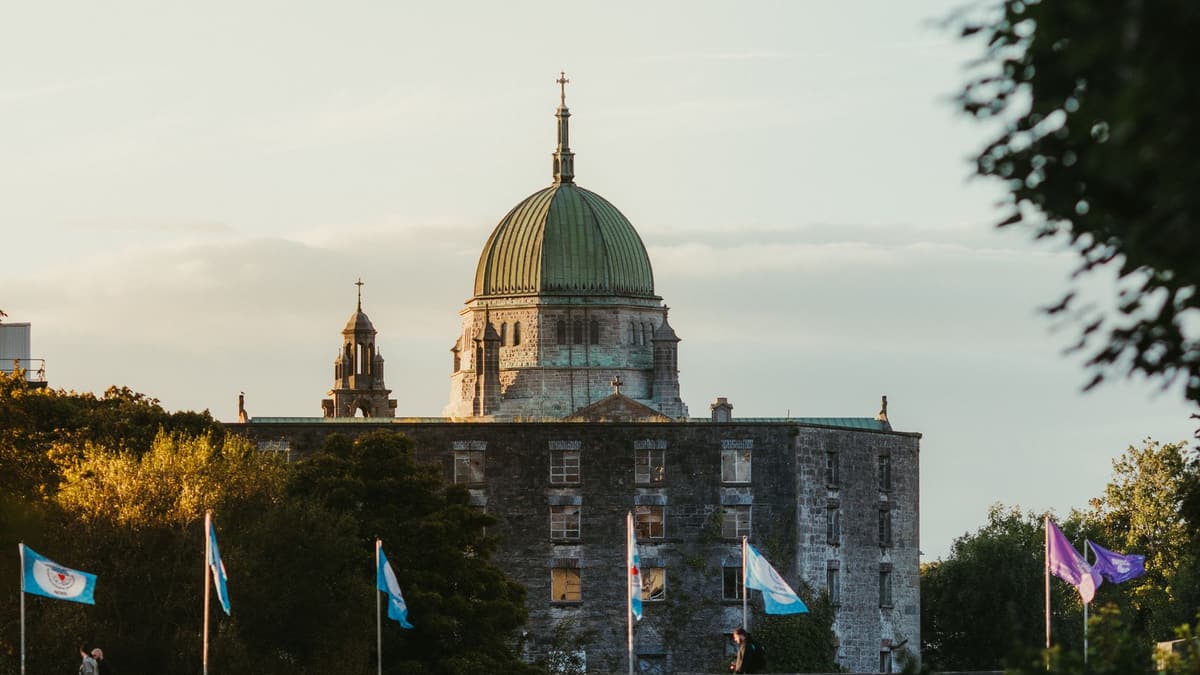
Galway Cathedral
Crowned by a green copper dome, Galway Cathedral is much younger than it looks. Work began in 1958 and it was dedicated in 1965, built on the site of the old town jail, which is why locals sometimes call it the last great stone cathedral built in Europe. The design borrows from several periods at once, a Renaissance dome over round arches and a rose window, built in local limestone with floors of green Connemara marble. It stands right beside the Salmon Weir Bridge, where the Corrib pours over a weir with real force, carrying the whole outflow of Lough Corrib, the largest lake in the Republic, to the sea in just a few kilometers.
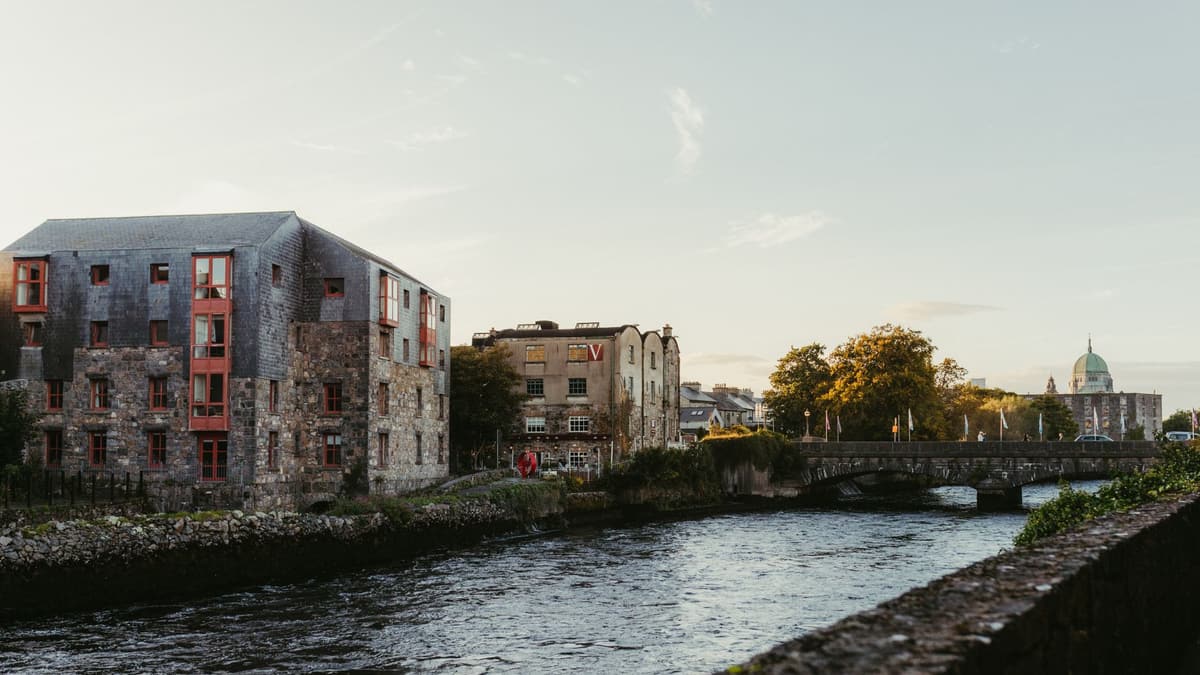
The River Corrib
This stretch of the Corrib, lined with old stone warehouses and crossed by narrow bridges, carries the whole force of Lough Corrib down to the bay in one of the shortest river runs in Europe. The city's own Irish name is usually traced to an old name for this river. In spring and early summer, salmon pass upstream here on their way to spawn, and you can sometimes spot them lying still in the current from one of the bridges, noses pointed upstream. The cathedral's dome rises behind the rooftops from almost every angle along the water, a reliable landmark as the walk follows the river down from the university toward the old walled town.
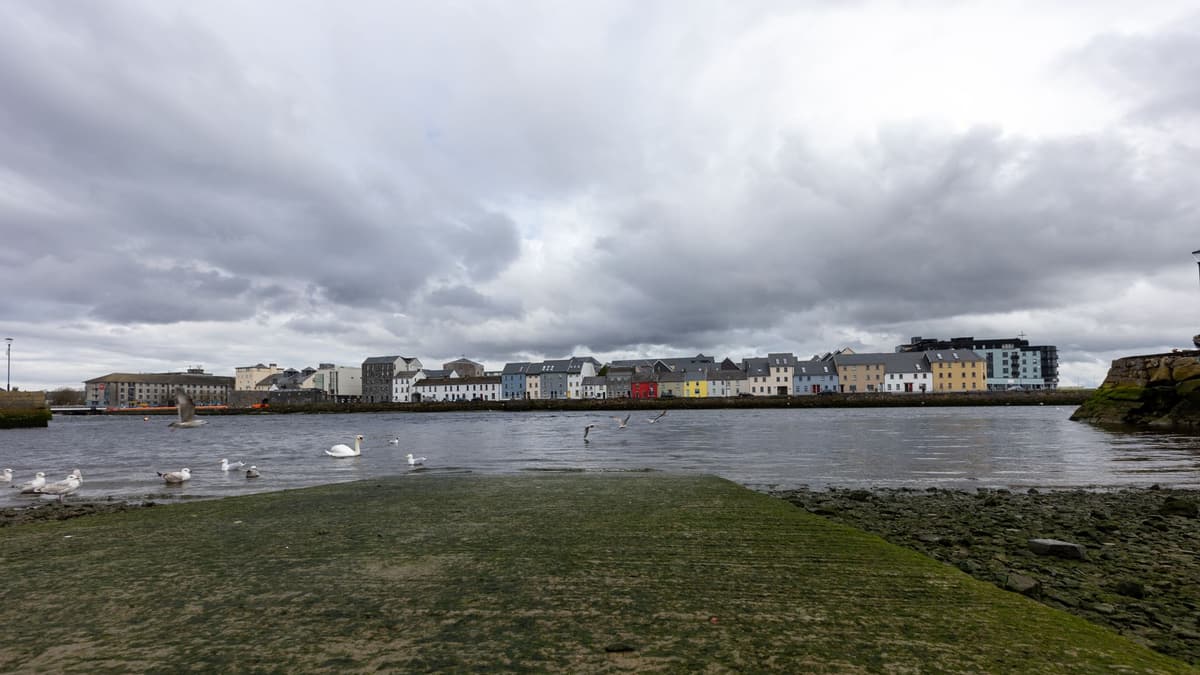
The Claddagh
The Claddagh Basin, usually crowded with swans, is the calm stretch of water at the heart of the Claddagh, a fishing village that stood outside the town walls for centuries, Irish-speaking and fiercely independent, with its own elected king who settled disputes and led the fishing fleet. The village of thatched cottages was cleared in the 1930s for the council houses standing here now, so little of the old Claddagh survives except its church. Look for the Galway hookers in the basin, the traditional black-hulled sailing boats, and remember that the famous Claddagh ring takes its name from this same patch of shore.
Blackrock Diving Tower
The Blackrock Diving Tower stands at the western end of the Salthill promenade, and it's the meeting point of Galway's sea swimmers, many of whom swim here year round in rain, wind and winter cold. For most of its history Blackrock was a bathing place for men only, the counterpart of the sheltered Ladies Beach along the prom. The water is cold in every season and the depth changes with the tide, so only swim if you're confident in open water. Before heading back, the local custom is to walk to the wall at the end and give it a kick, a habit Galway people have kept up for generations.
Získejte audioprohlídku ve 3 jednoduchých krocích
Vše v bezplatné aplikaci Walk With Me a první zastávky každé prohlídky si můžete vyzkoušet zdarma.
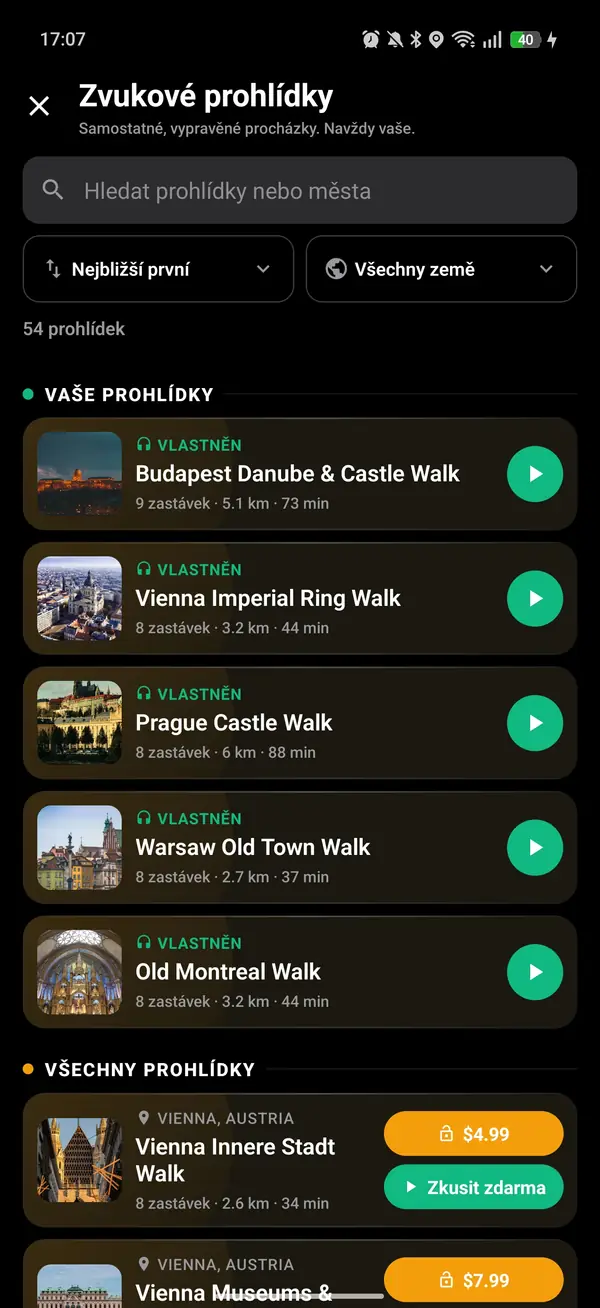
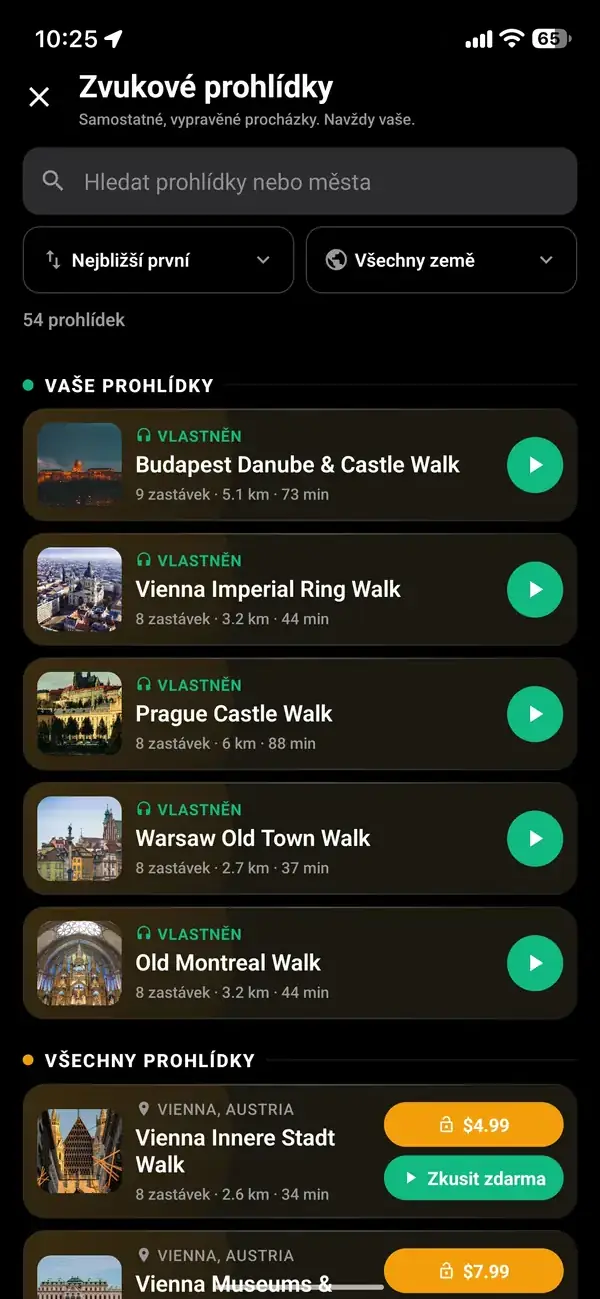
Klepněte na zlatá sluchátka a vyberte prohlídku
01
Jděte sami, nebo někoho pozvěte
02
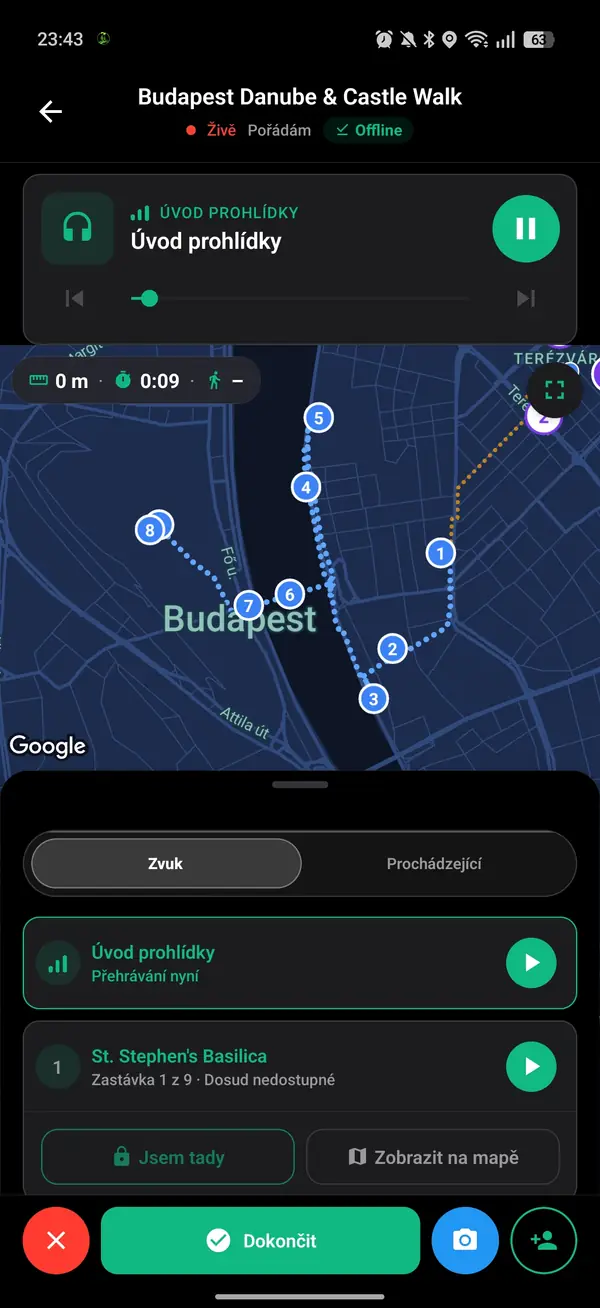
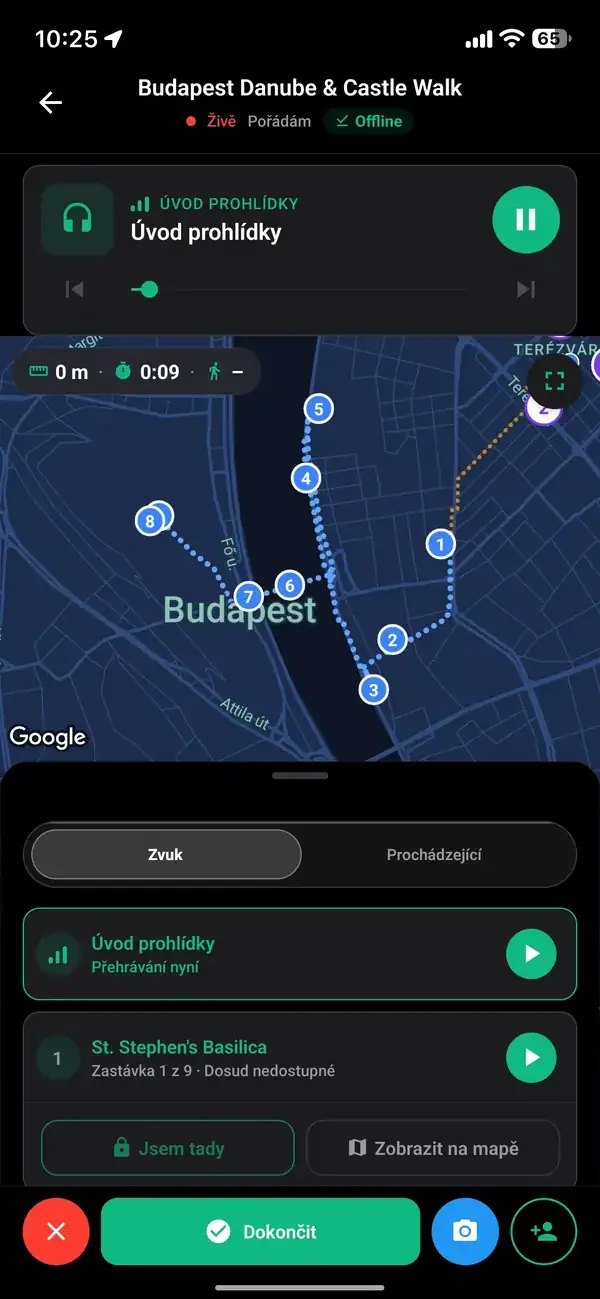
Spusťte přehrávání a jděte
03
Pečlivě vytvořené pro váš čas ve městě
Tyto prohlídky nejsou seznam památek k odškrtání. Jsou určené k pomalé chůzi, se sluchátky na uších a pohledem upřeným na město.
Meditativní a pohlcující
Každý příběh zazní tam, kde se odehrál. Aplikace zazvoní, když dorazíte na zastávku, jedno klepnutí spustí vyprávění a cesta mezi zastávkami patří jen vám, vaším vlastním tempem.
Ručně a s péčí
Každou trasu i každou zastávku vybíráme sami a každý příběh pečlivě dotváříme, aby váš čas ve městě patřil místům, která za to opravdu stojí.
Ve dvou je to lepší
Každá procházka je lepší s někým po boku, takže pokud můžete někoho vzít s sebou, moc vám to doporučujeme. Proto jeden nákup pokryje všechny, koho pozvete: připojí se k vaší prohlídce zdarma.