




 $9.99Pamětihodnosti města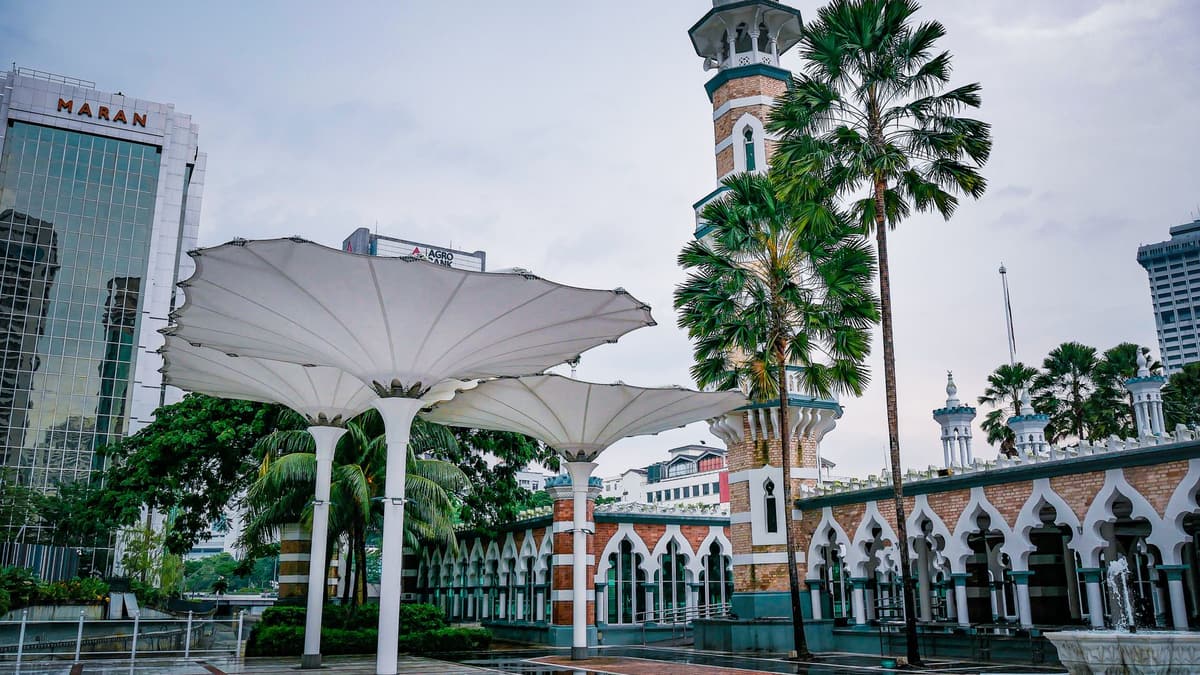
Audioprůvodce Kuala Lumpur Pěší trasy
Pěší trasy s komentářem v Kuala Lumpur, které můžete procházet sami. Kupte si trasu jednou, stáhněte si ji a nechte příběh hrát na každé zastávce, zatímco jdete vlastním tempem.
Trasy od $9.99
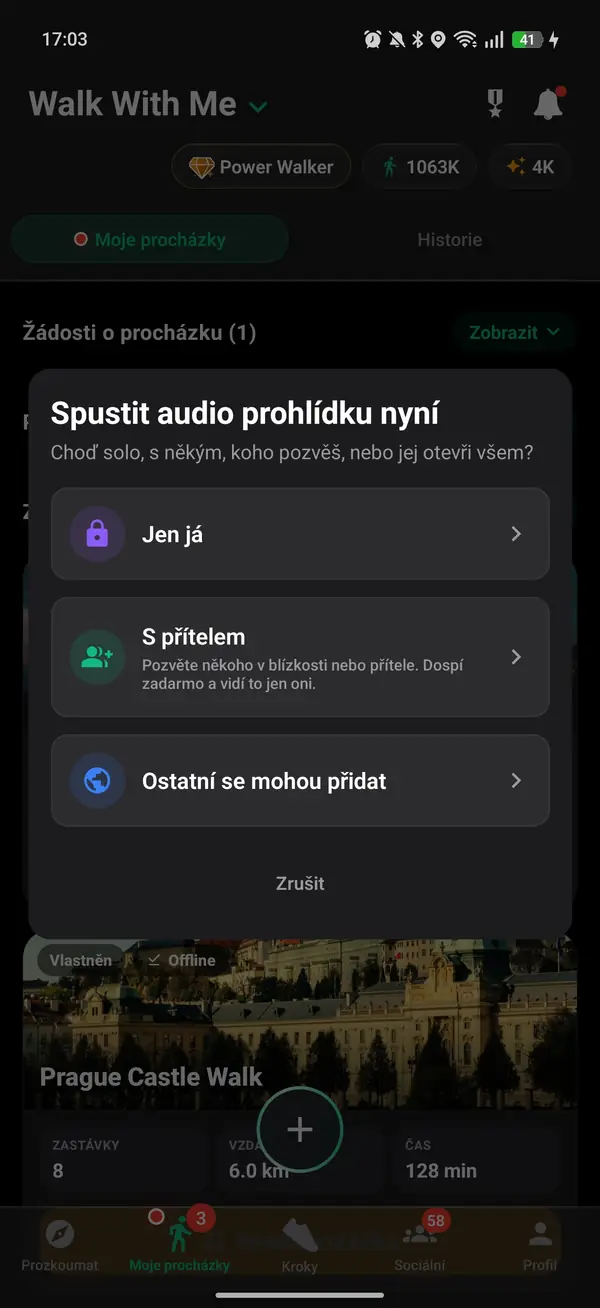
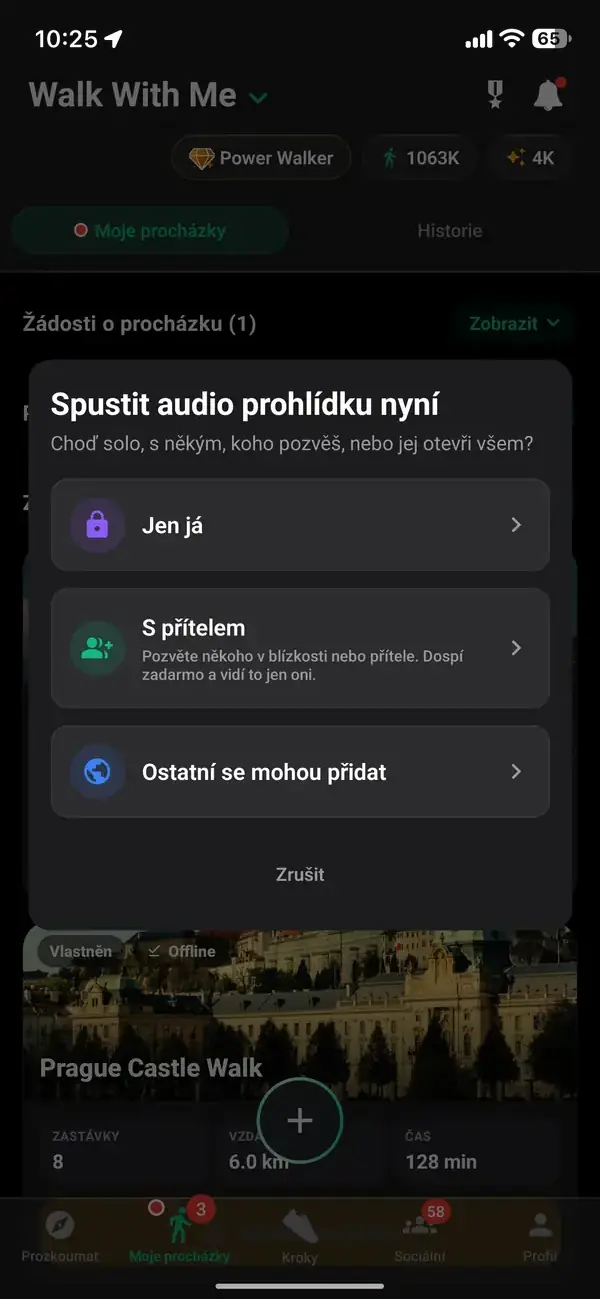
Přátelé chodí zdarma. Jeden nákup pokryje všechny na tvé procházce. Spusť túru, pozvi přátele, aby se připojili, a bude hrát na telefonu každého z vaší skupiny.
5.0 na Google Play
Audioprůvodci pro Kuala Lumpur
Každá trasa obsahuje mapu a komentář pro každé zastavení. Koupíte si ji jednou a zůstane vám napořád, bez jakéhokoli předplatného.
$9.99Pamětihodnosti města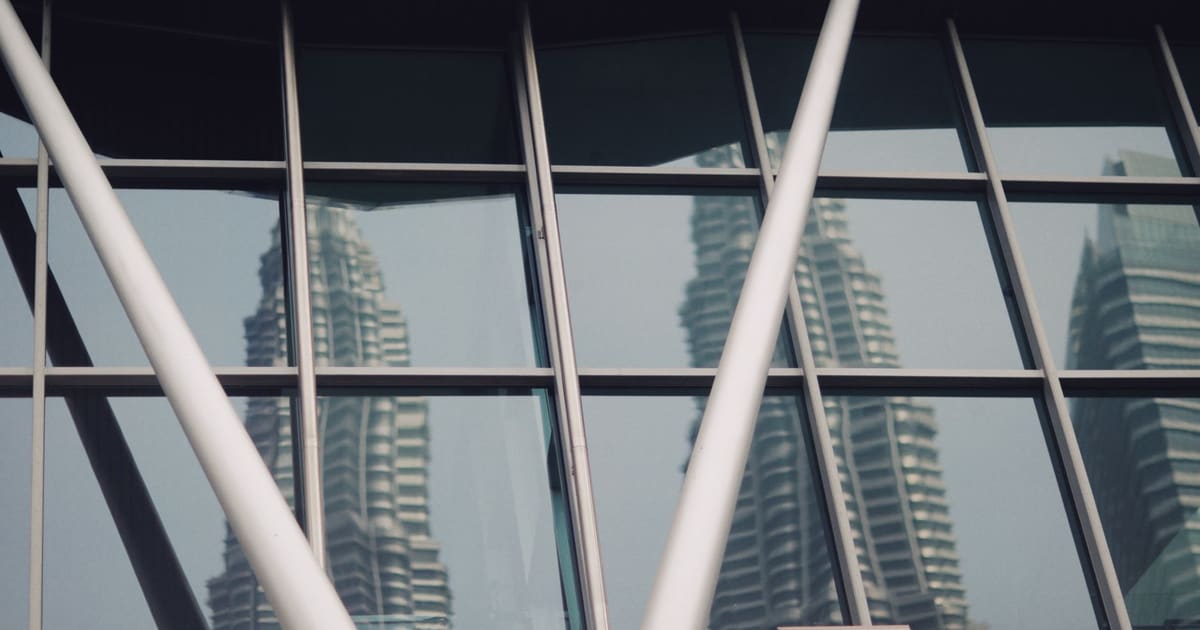 $10.99Pamětihodnosti města
Co vás čeká na pěší trase s audioprůvodcem v Kuala Lumpur
A Kuala Lumpur audio walking tour can trace the muddy riverbank where tin miners first landed and the mosques, temples and markets that grew up around it, or follow the glass and neon of the modern city from a hawker street to the foot of the Petronas Towers, with narration for every stop along the way.
The Kuala Lumpur Heritage Walk starts at Masjid Jamek, built where the Klang and Gombak rivers meet at the spot that gave the city its name, then crosses to Merdeka Square, where the Union flag was lowered for the last time in 1957. From there it passes the Art Deco Central Market and into the stalls and lanes of Petaling Street, Chinatown's beating heart.
The route continues to the Sri Mahamariamman Temple, the oldest Hindu temple in the city, then on to the domed Kuala Lumpur Railway Station before finishing at the modern National Mosque and the turquoise-domed Islamic Arts Museum on the edge of the Lake Gardens. It covers about 4 kilometers, around 56 minutes of walking, through a city built by newcomers from many shores.
The KLCC and Bukit Bintang Walk is built for the evening, starting with dinner on Jalan Alor, the city's best known hawker street, before crossing the shopping junction of Bukit Bintang and following a covered skywalk above the traffic to KLCC Park and the foot of the Petronas Twin Towers, finishing on the glowing Saloma Link footbridge. It runs about 4.1 kilometers, roughly 62 minutes of walking, timed so the towers light up just as you reach them.
Kam se vydat v Kuala Lumpur
Několik zastávek, které potkáte cestou, a důvody, proč u nich stojí za to zpomalit.
Masjid Jamek
This is the mosque that gave Kuala Lumpur its name, standing right where the Gombak River runs into the Klang behind it, the literal muddy confluence the city is named for. From outside the walls you can see its courtyard, the slender minaret and the modern sculptural canopies of the surrounding plaza, with palm trees standing in for the older gardens inside. Completed in 1909 to designs that borrowed freely from Mughal India, rows of pale arches and onion domes, it was the city's main mosque until the National Mosque opened decades later, and it remains the oldest in Kuala Lumpur. Visitors are welcome outside prayer times, and the riverside terrace just past the walls gives you a quiet look at the meeting of the waters that started everything.
Merdeka Square
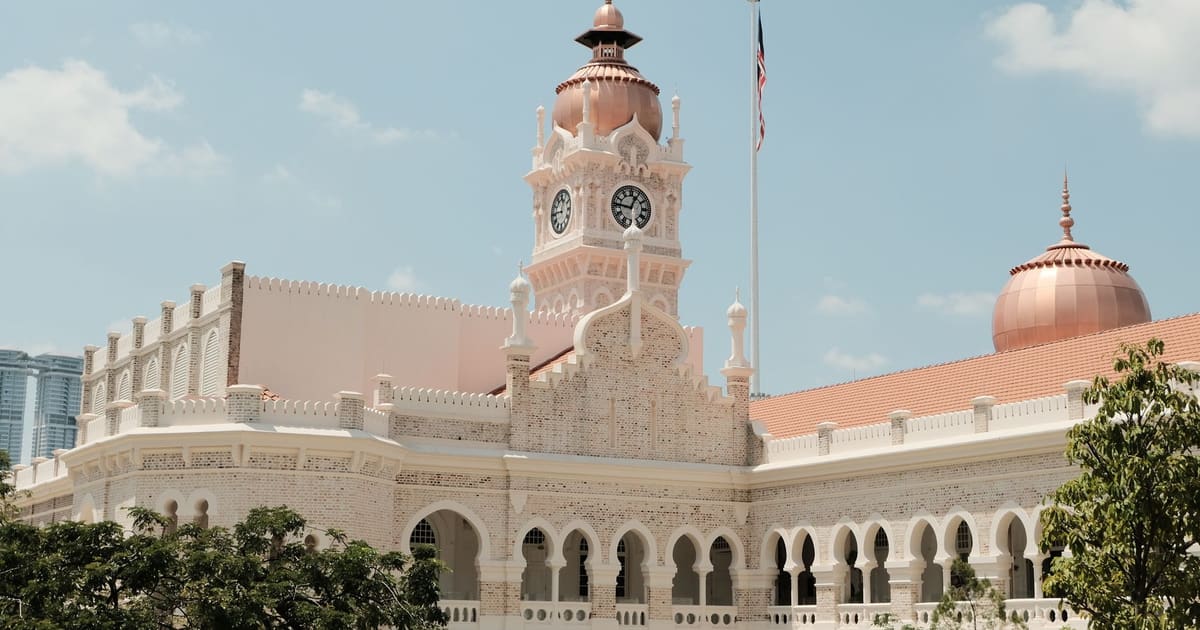
The copper domes and clock tower of the Sultan Abdul Samad Building rise against a clear sky across the wide lawn of Merdeka Square. Finished in 1897 for the colonial government, the building is all horseshoe arches and striped brick, named for the Sultan of Selangor who ruled at the time. Under the British this ground was simply the Padang, where officials played cricket and rugby, but at midnight on the 31st of August 1957 a huge crowd gathered here to watch the Union flag lowered for the last time as the flag of independent Malaya went up in its place. People still gather on this lawn to count down to National Day every year.
Petaling Street
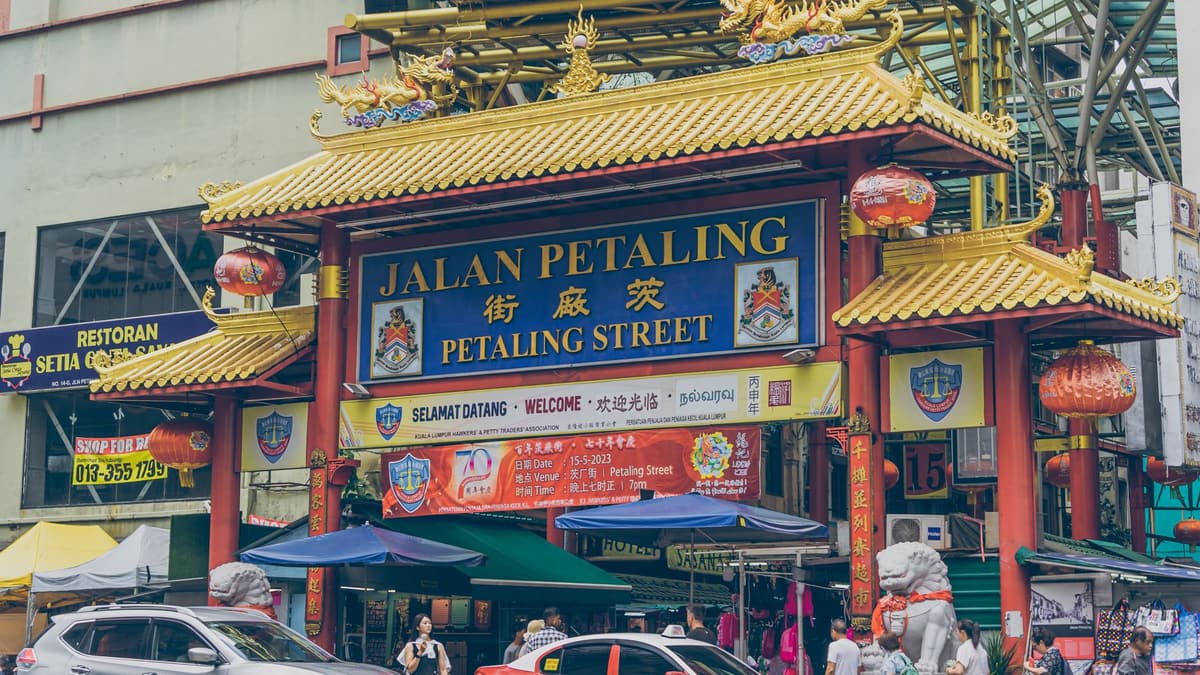
This ornate gateway, painted red and gold with dragons along its roofline, marks the entrance to Petaling Street, the heart of Kuala Lumpur's Chinatown, lanterns hanging between the pillars and the street busy below. Chinese settlers built the early town under the Kapitan Cina, the community's appointed headman, and Cantonese and Hakka are still spoken in the coffee shops along this stretch. Today the stalls under the long green roof sell everything from fruit to sunglasses, and bargaining is part of the fun, so start low and keep smiling. Look for a cold drink of air mata kucing, dried longan and monk fruit, which is exactly what you will want after walking this far.
Jalan Alor
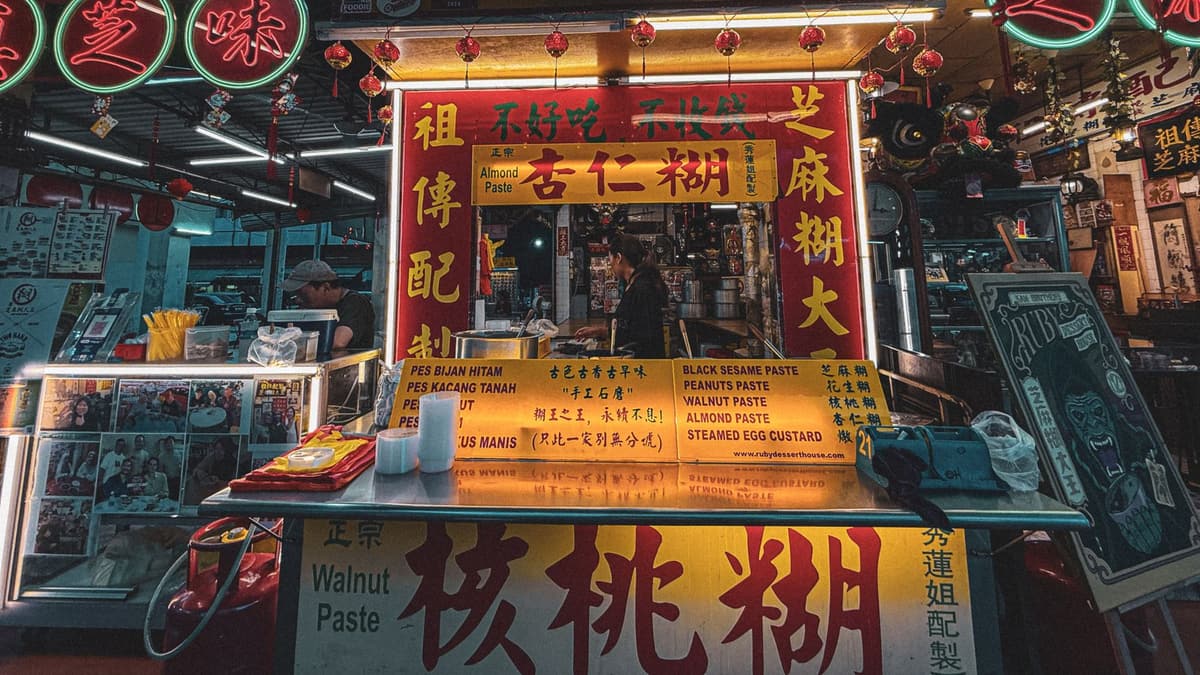
Neon signs in red and gold spill out over the pavement, a dessert stall piled with trays of sesame and walnut paste, exactly the kind of scene that makes Jalan Alor the city's most famous food street. Every evening the restaurants here spill onto the road in a crush of plastic tables, sizzling woks and grill smoke, serving satay, stingray grilled in banana leaf, and char kway teow fried at high heat. The food is mostly Chinese Malaysian, but the street borrows from everyone, which is the story of Malaysian food itself. Most places post photo menus, so pointing works perfectly well if you do not know what to ask for.
Bukit Bintang
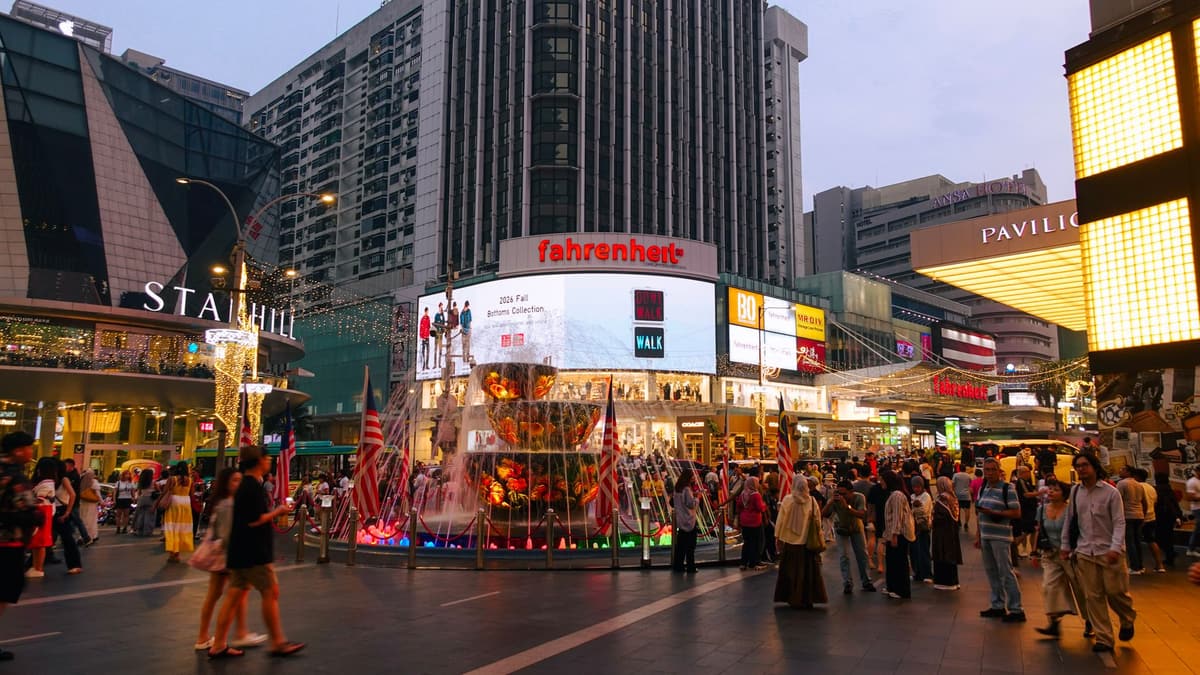
At dusk every facade around this junction blazes with screens and lights, living up to the name Bukit Bintang, Hill of Stars. Big malls stand on every side, and a monorail glides along its concrete beam overhead. The building boom of the 1980s and 1990s turned this crossroads into the city's retail heart, and it is still where Malaysians and visitors from across Asia come to shop, eat and be seen. The crowd here is a genuine mix, families, office workers and students, often speaking four or five languages within earshot of each other.
Získejte audioprohlídku ve 3 jednoduchých krocích
Vše v bezplatné aplikaci Walk With Me a první zastávky každé prohlídky si můžete vyzkoušet zdarma.
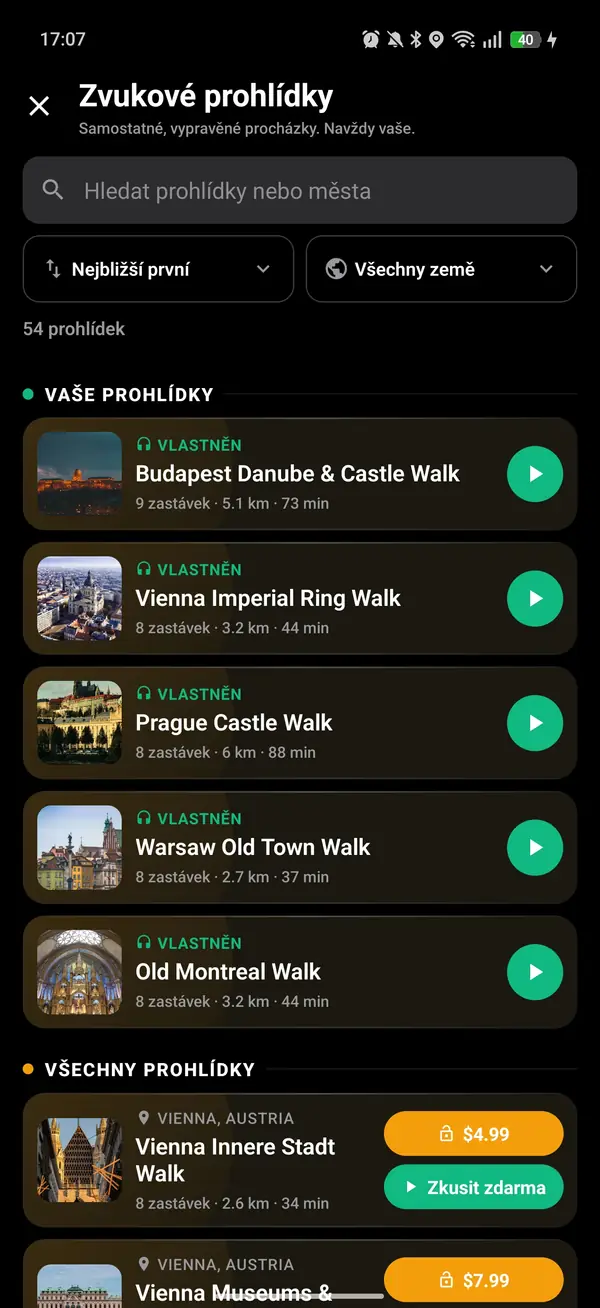
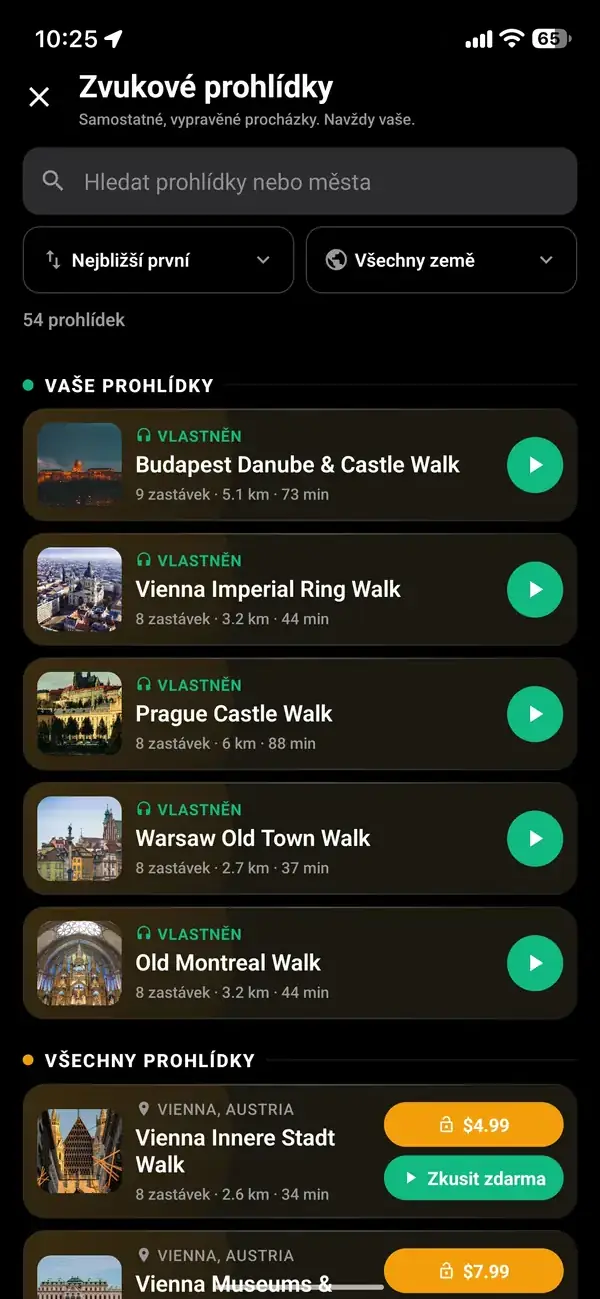
Klepněte na zlatá sluchátka a vyberte prohlídku
01
Jděte sami, nebo někoho pozvěte
02
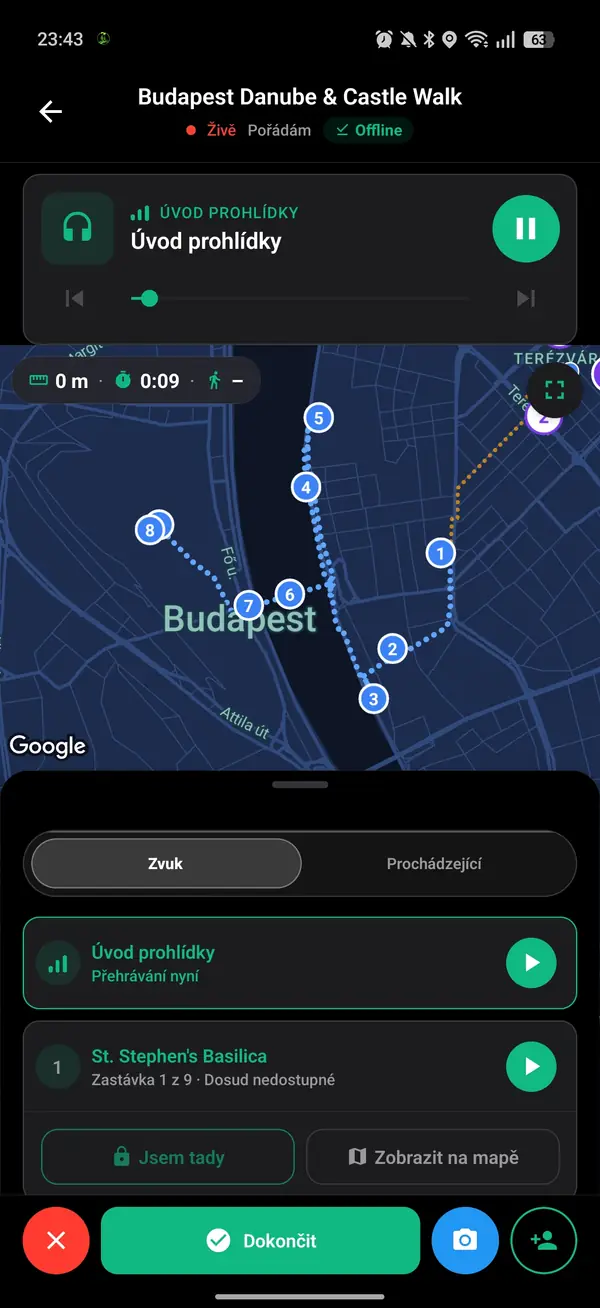
Spusťte přehrávání a jděte
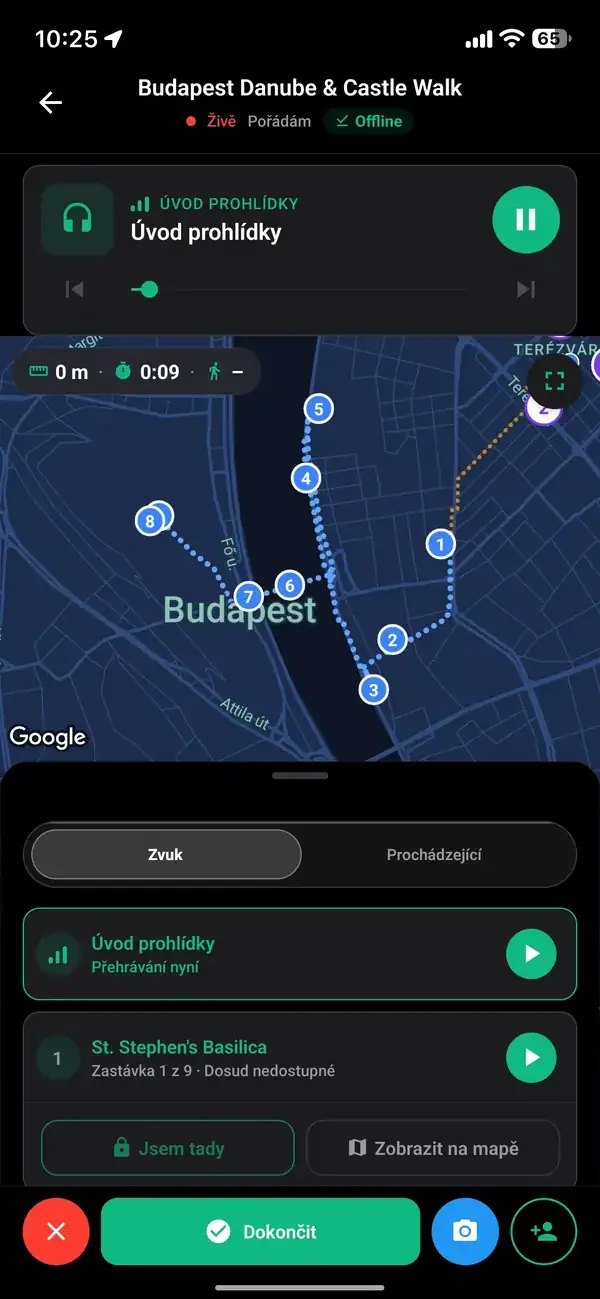
03
Pečlivě vytvořené pro váš čas ve městě
Tyto prohlídky nejsou seznam památek k odškrtání. Jsou určené k pomalé chůzi, se sluchátky na uších a pohledem upřeným na město.
Meditativní a pohlcující
Každý příběh zazní tam, kde se odehrál. Aplikace zazvoní, když dorazíte na zastávku, jedno klepnutí spustí vyprávění a cesta mezi zastávkami patří jen vám, vaším vlastním tempem.
Ručně a s péčí
Každou trasu i každou zastávku vybíráme sami a každý příběh pečlivě dotváříme, aby váš čas ve městě patřil místům, která za to opravdu stojí.
Ve dvou je to lepší
Každá procházka je lepší s někým po boku, takže pokud můžete někoho vzít s sebou, moc vám to doporučujeme. Proto jeden nákup pokryje všechny, koho pozvete: připojí se k vaší prohlídce zdarma.