




 $17.99Film és fikció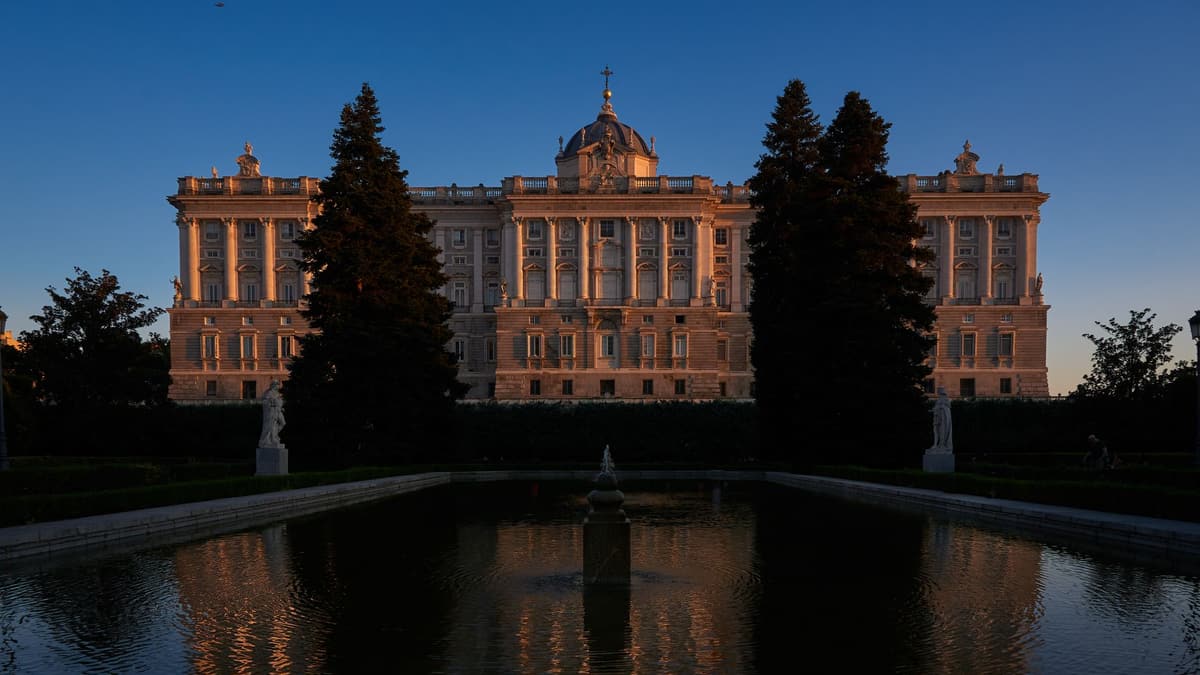
Madrid audió gyalogos túrák
Egyéni, narrált séták Madrid területén. Vásárold meg a túrát egyszer, töltsd le, és hagyd, hogy a történet megszólaljon minden megállónál, miközben a saját tempódban sétálsz.
Túrák már $7.99 ártól
A barátaid ingyen sétálnak. Egyetlen vásárlás mindenkit lefedi a sétádon. Indítsd el a túrát, hívd meg a barátaidat csatlakozásra, és minden telefonon lejátszódik a csoportodban.
5.0 a Google Play-en
Madrid audió túrák
Minden túra egy térképes útvonal, amely minden megállónál narrációt tartalmaz. Vedd meg egyszer, és a tiéd marad, előfizetés nélkül.
$17.99Film és fikció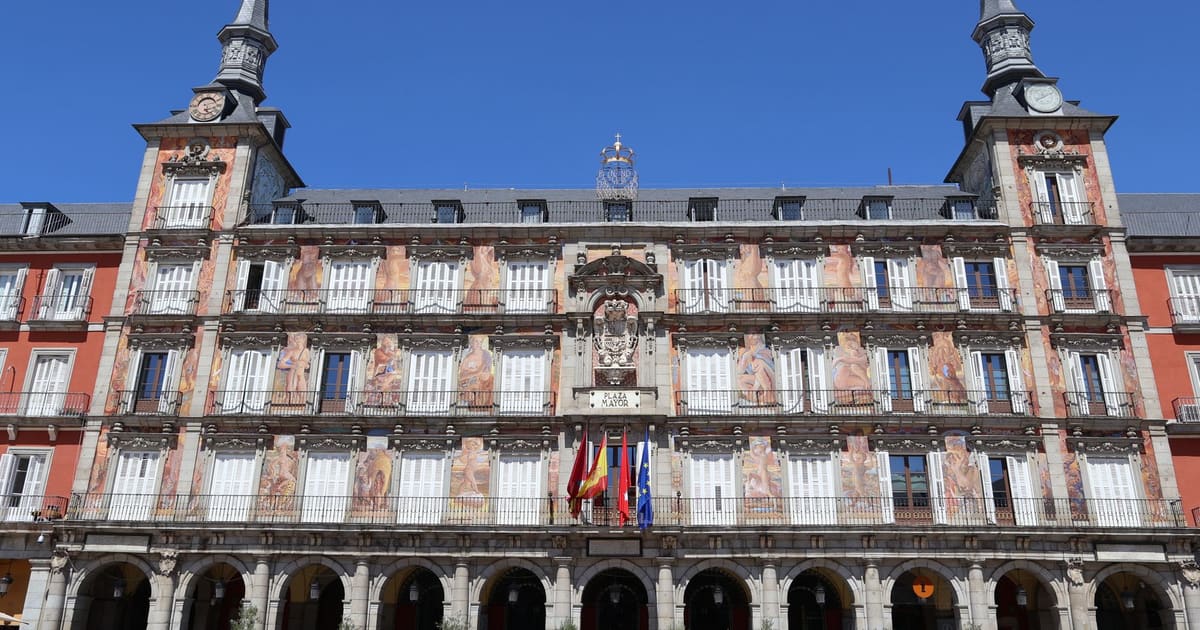 $7.99Városnézés
 $10.99Városnézés
Mire számíthatsz egy Madrid audió gyalogos túrán?
A Madrid audio walk can trace kilometer zero at Puerta del Sol through Plaza Mayor to the Royal Palace and a hilltop Egyptian temple at sunset, or follow the grand Paseo del Prado from the Cibeles fountain through Retiro Park's lake and glass palace to Atocha station.
The Madrid de los Austrias Walk starts at Puerta del Sol, the point every road in Spain is measured from, and crosses the arcaded Plaza Mayor and the old government square of Plaza de la Villa before reaching the Royal Palace and the Almudena Cathedral facing each other across the Plaza de la Armeria. From there the route follows the palace gardens north through Plaza de Oriente and the clipped hedges of the Sabatini Gardens, finishing at the Temple of Debod, a real Egyptian temple on a hilltop that's one of the best places in the city to watch the sunset, about 2.8 kilometers and 37 minutes.
The Madrid Prado and Retiro Walk starts at the Cibeles fountain and climbs to the triumphal Puerta de Alcala, then enters Retiro Park for its boating lake and the glass and iron Palacio de Cristal reflected in its own small lake. Coming back out past the spires of San Jeronimo el Real and the Prado museum, the route follows the Paseo del Prado south past the vertical garden at CaixaForum to finish inside Atocha station's indoor tropical garden, about 4.3 kilometers and 60 minutes, the longer of the two routes.
Both walks stay mostly flat with only gentle climbs, so the real variable is the Madrid sun, fierce and shadeless across the big squares in summer. Start early or save the walk for late afternoon, when the light turns gold on the palace stone and the Retiro fills with rowers and street musicians, and you can finish either route just as the city sits down to a late Madrid dinner.
Merre sétálj Madrid területén?
Néhány megálló, amely mellett elhaladsz majd, és amiért érdemes lesz lelassítanod.
Plaza Mayor
Plaza Mayor is a closed rectangle of uniform red facades, three stories of balconies over a continuous arcade, finished in 1619 for Philip III and rebuilt after a fire in 1790 into the unbroken square you see today. For two centuries this was the city's great stage, packed for bullfights, royal celebrations and the grim ceremonies of the Inquisition, with the royal family watching from the painted Casa de la Panaderia on the north side. A bronze statue of Philip III rides in the center, and the arcades now hold cafes, old shops and a December Christmas market. Locals will tell you the essential Plaza Mayor experience is a fried calamari sandwich from one of the bars just off the square.
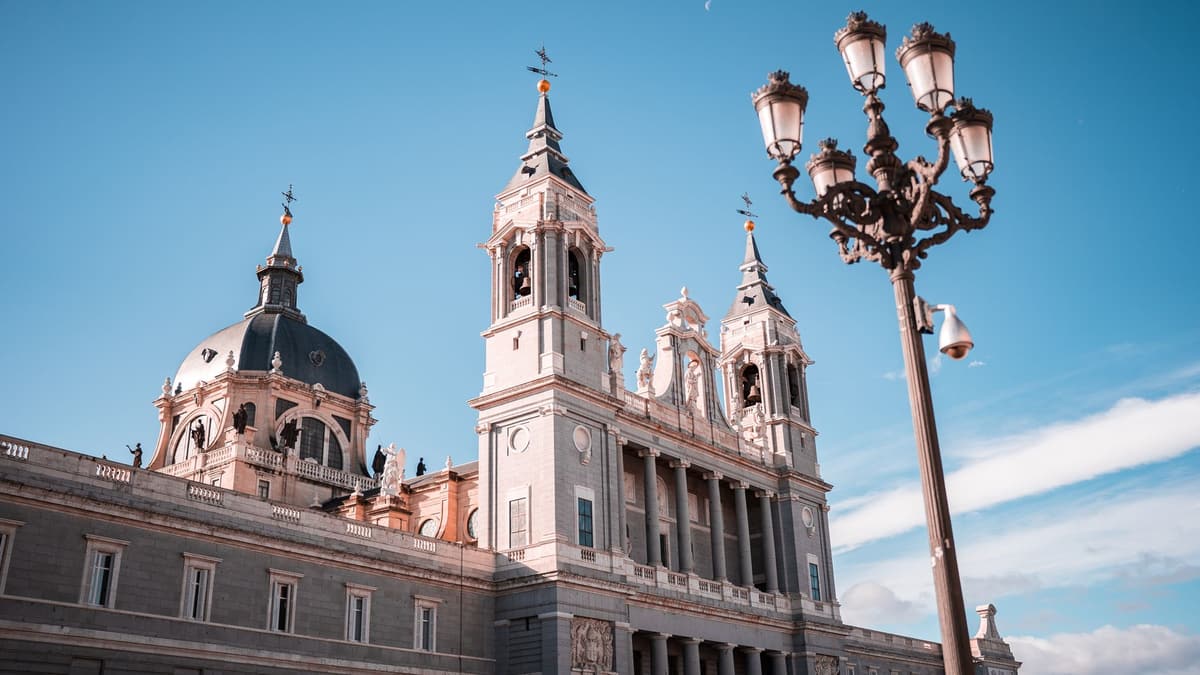
Royal Palace and Almudena Cathedral
The Royal Palace and the Almudena Cathedral face each other across the wide Plaza de la Armeria, and together they carry Madrid's whole story on this ridge. An Arab fortress stood here from the ninth century, growing into the Habsburg Alcazar that burned down in 1734, and the Bourbon palace that replaced it holds more than three thousand rooms, though the royal family now lives elsewhere. The cathedral looks far older than it is, consecrated only in 1993 after more than a century of building, with a classical facade designed to match the palace beside it. The current king married here in 2004. Both buildings are usually open to visitors on their own schedules, so check hours before you plan to go inside.
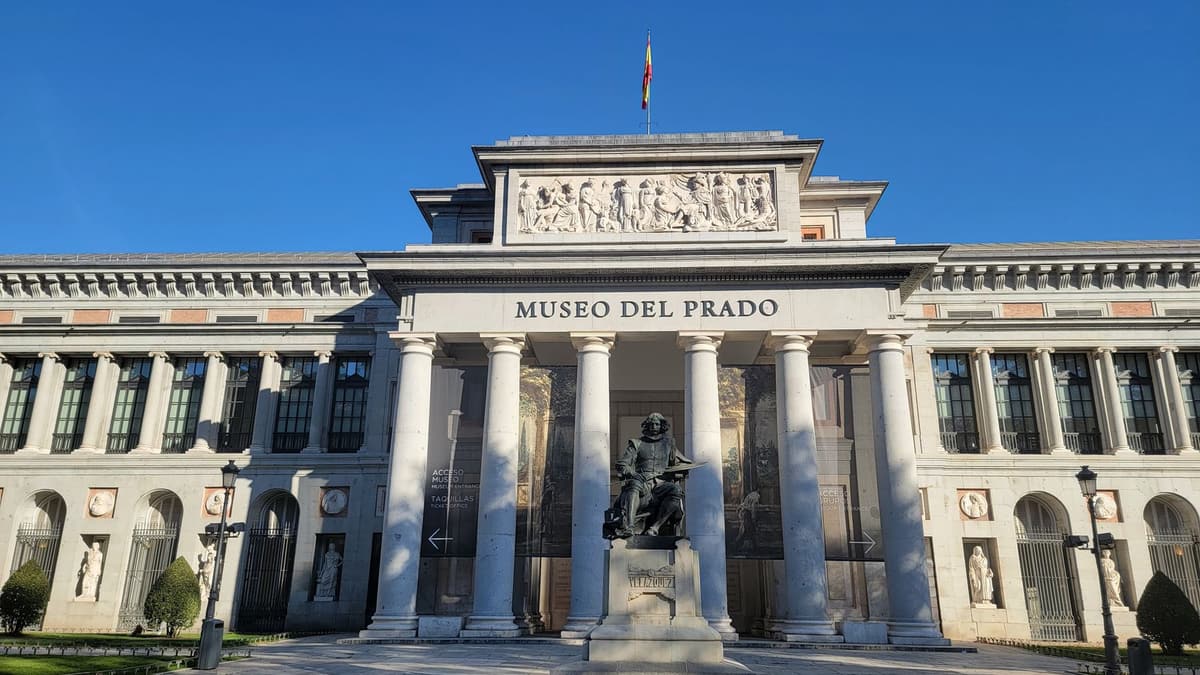
The Prado Museum and Paseo del Arte
The Prado's long main building, planned under Charles III and opened as a painting museum in 1819, anchors a stretch of boulevard known as the Paseo del Arte, with the Thyssen museum across the way and the Reina Sofia a little further south. Inside hang Velazquez's Las Meninas, Goya's Black Paintings and Bosch's Garden of Earthly Delights, and statues of the three painters stand around the building's exterior. Its newer extension, designed by Rafael Moneo and opened in 2007, wraps around the old cloister of the monastery next door, taken apart and rebuilt stone by stone inside. Even if you don't go in, the grand colonnaded facade facing the boulevard is worth a slow look on your way past.
Retiro Park and the Alfonso XII Monument
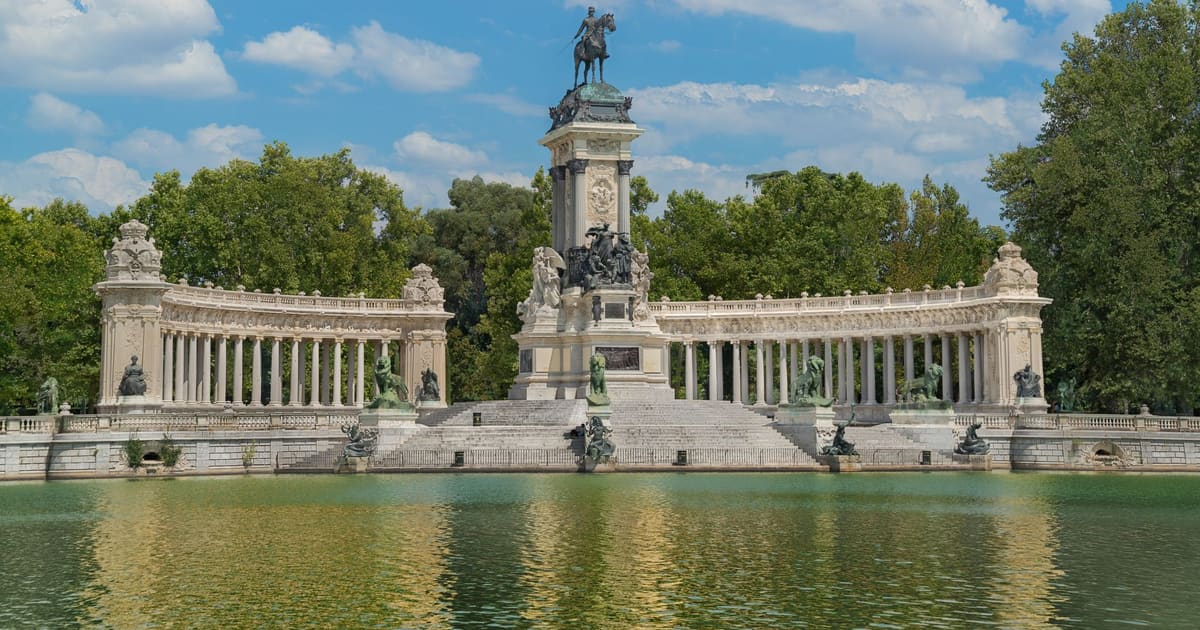
Retiro Park's long rectangular pond is usually crowded with little rowing boats, and the curved colonnade on its far bank frames a tall monument to King Alfonso XII, finished in 1922 with a bronze equestrian statue on top. The park began as the private gardens of the Buen Retiro palace, built by Philip IV in the 1630s and mostly wrecked during the war against Napoleon, but it passed to the city in 1868 and Madrid has treated it as a back garden ever since. Street musicians, puppet shows and fortune tellers cluster around the pond on weekends, and renting a rowing boat is still part of the ritual. It's one of the most relaxed stretches of either walk, so there's no reason to hurry through it.
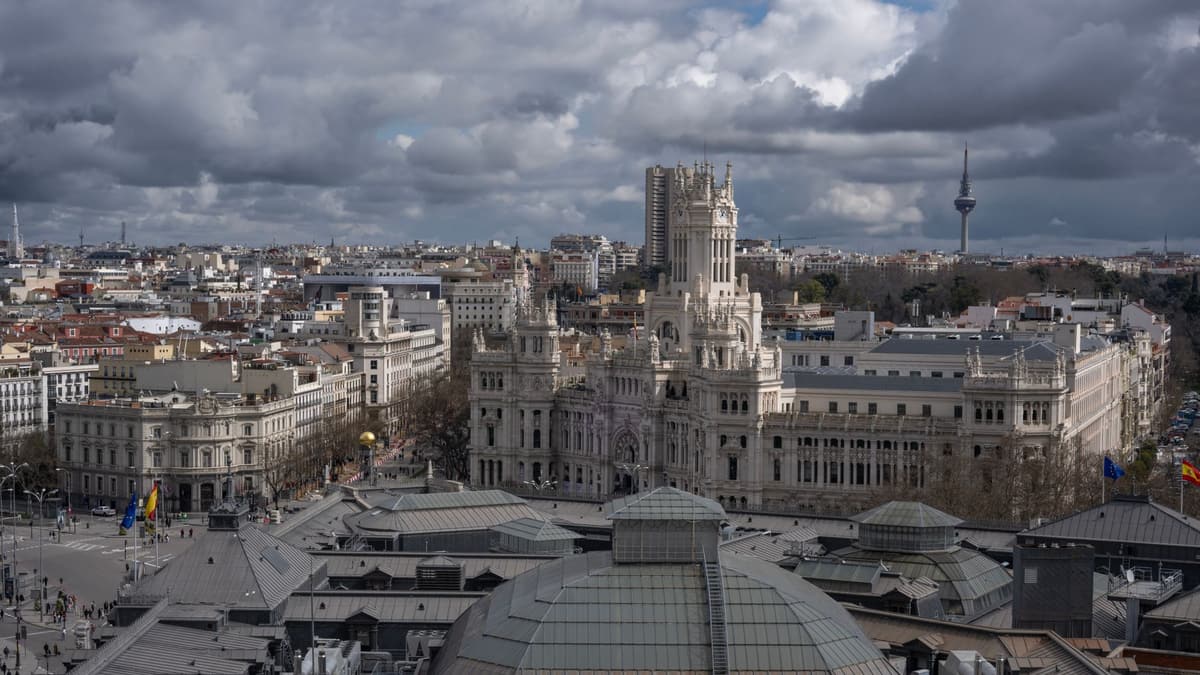
Plaza de Cibeles
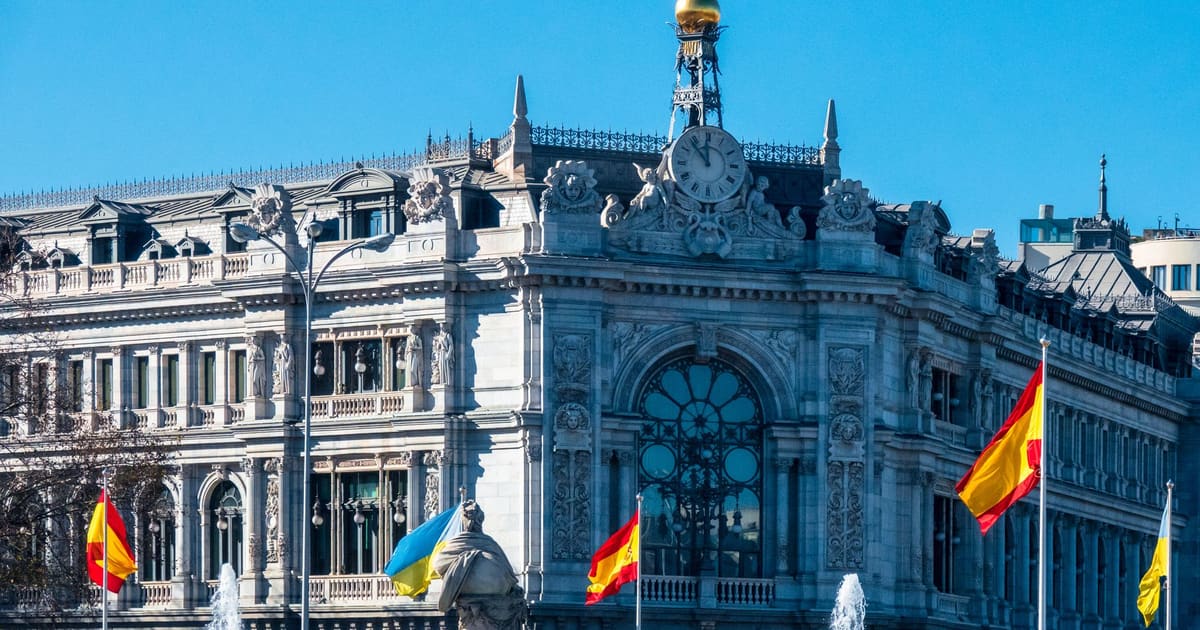
Plaza de Cibeles is one of Madrid's grandest roundabouts, built around a white marble fountain of the goddess Cybele riding a chariot pulled by two lions, one of three fountains Charles III commissioned for this boulevard in the 1780s. The enormous white building with spires on one corner, nicknamed the wedding cake, opened in 1919 as the city's main post office and has been its city hall since 2007, with a rooftop viewpoint open to visitors. When Real Madrid wins a major title, fans gather here by the thousands to celebrate around the fountain, while rivals Atletico celebrate a short walk away at Neptune. It's a loud, grand place to start a walk toward the quieter paths of the Retiro.
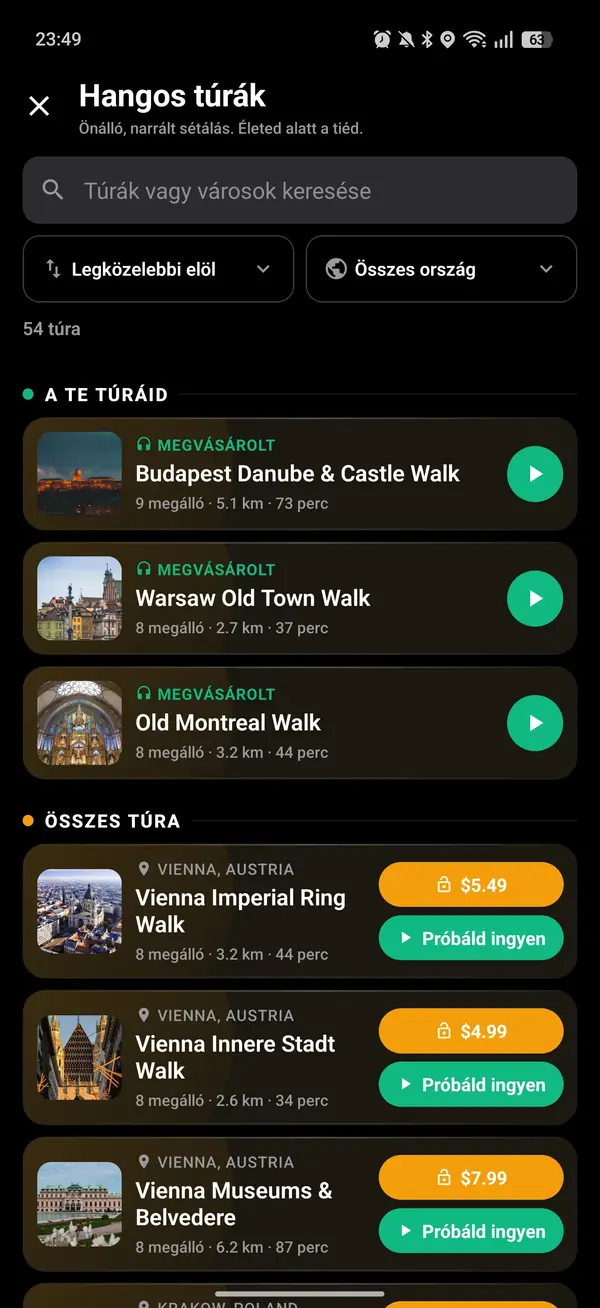
Szerezd meg az audiotúrát 3 egyszerű lépésben
Minden az ingyenes Walk With Me appban történik, és minden túra első megállóit ingyen kipróbálhatod.
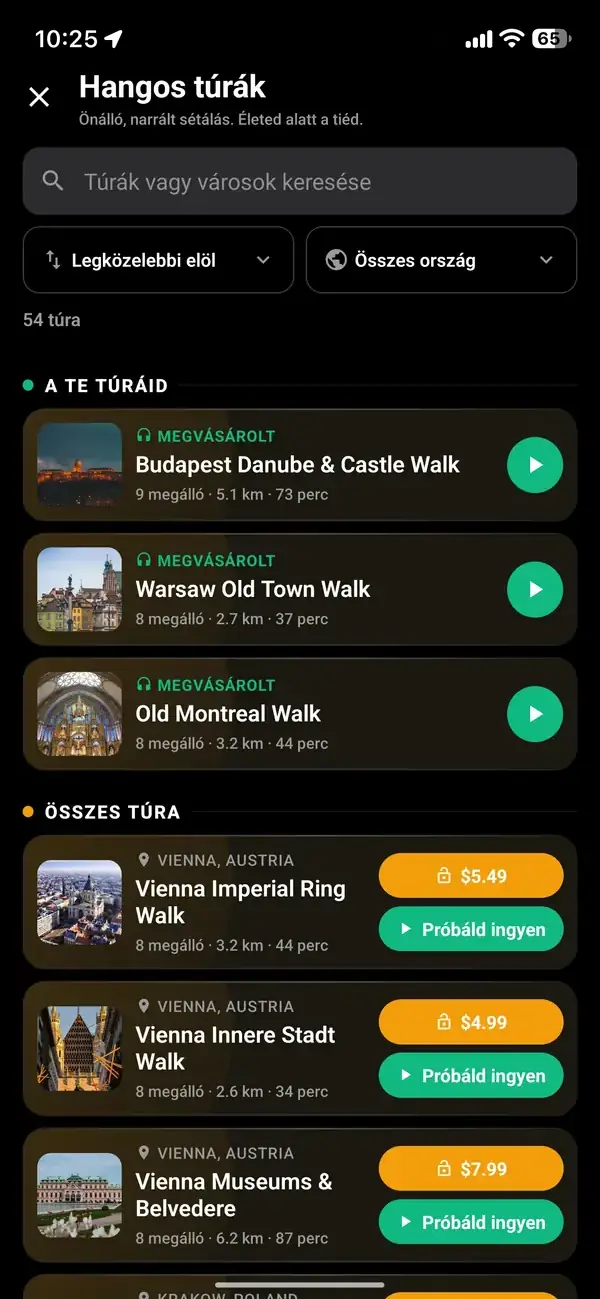
Koppints az arany fejhallgatóra, és válassz túrát
01
Sétálj egyedül, vagy hívj meg valakit


02
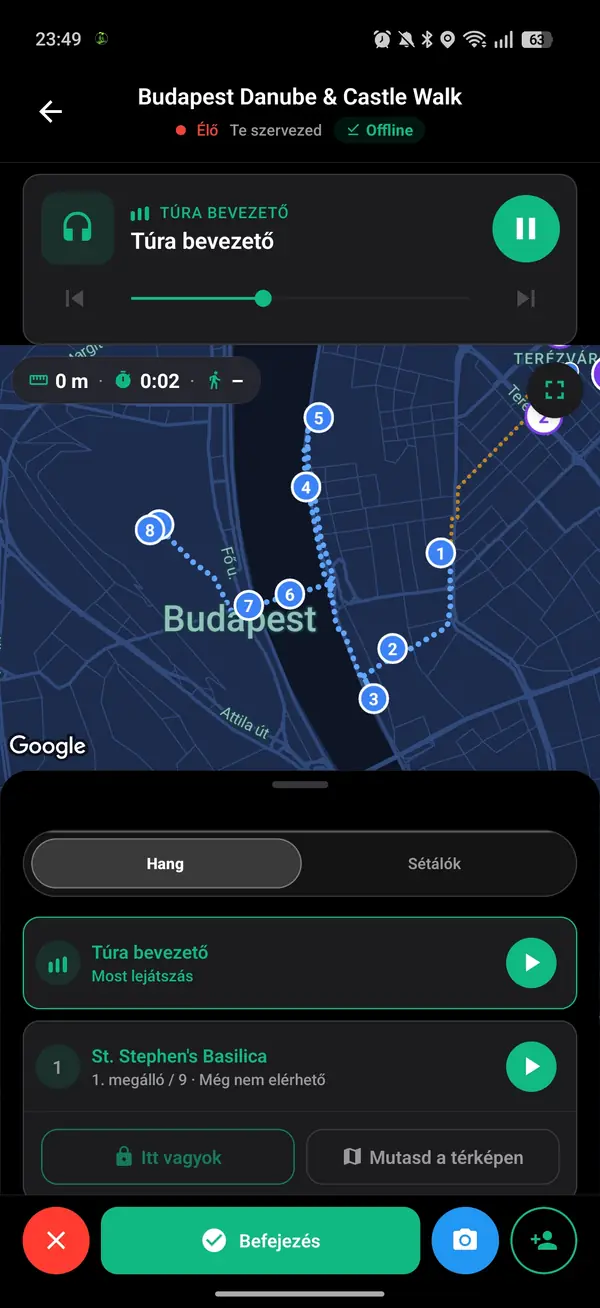
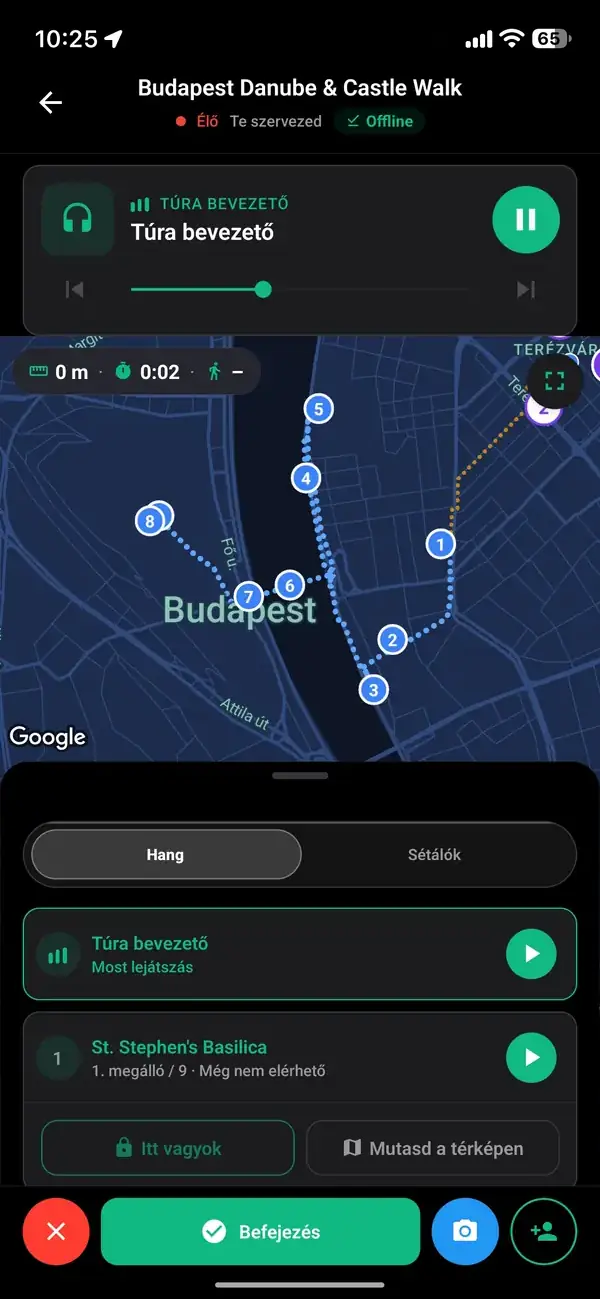
Nyomj a lejátszásra és indulj
03
Kézzel készítve a városban töltött idődre
Ezek a túrák nem kipipálandó látnivalók listái. Arra készültek, hogy lassan járd végig őket, fejhallgatóval a füleden, a várost figyelve.
Meditatív és magával ragadó
Minden történet ott hangzik el, ahol megtörtént. Az app jelez, amikor egy megállóhoz érsz, egy koppintás elindítja a történetet, a megállók közötti utat pedig a saját tempódban élvezheted.
Kézzel, gondosan készítve
Minden útvonalat és minden megállót mi magunk választunk ki, és minden történetet gondosan formálunk meg, hogy a városban töltött időd a leginkább érdemes helyekre jusson.
Valakivel jobb
Minden séta jobb, ha valaki melletted van, ezért ha tudsz hozni valakit, nagyon ajánljuk. Ezért fedez egyetlen vásárlás mindenkit, akit meghívsz: ingyen csatlakoznak a túrádhoz.