




 $17.99Phim & tiểu thuyết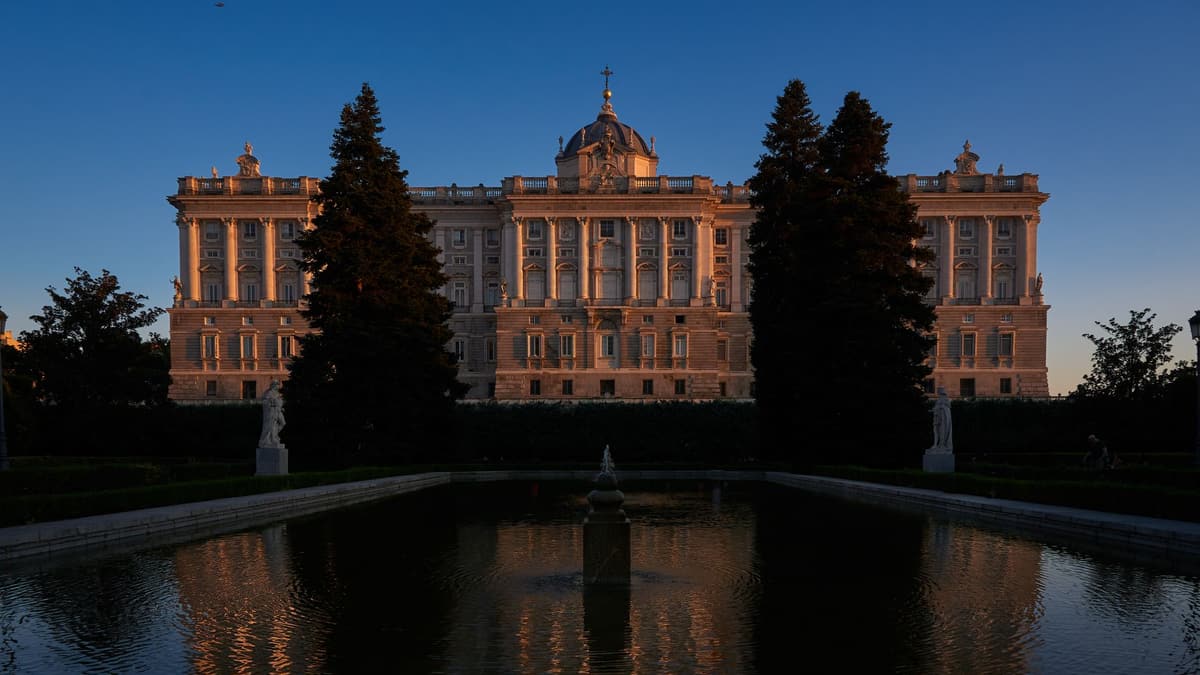
Âm thanh Madrid Tour đi bộ
Các chuyến đi bộ tự hướng dẫn, có thuyết minh qua Madrid. Mua tour một lần, tải xuống và để câu chuyện tự động phát tại mỗi điểm dừng khi bạn đi bộ theo nhịp độ của riêng mình.
Tour chỉ từ $7.99
Bạn bè đi bộ miễn phí. Một lần mua bao gồm tất cả mọi người trong chuyến đi bộ của bạn. Bắt đầu tour, mời bạn bè tham gia, và nó sẽ phát trên mọi điện thoại trong nhóm của bạn.
5.0 trên Google Play
Tour âm thanh tại Madrid
Mỗi tour là một lộ trình trên bản đồ có thuyết minh tại từng điểm dừng. Mua một lần và sở hữu mãi mãi, không cần đăng ký định kỳ.
$17.99Phim & tiểu thuyết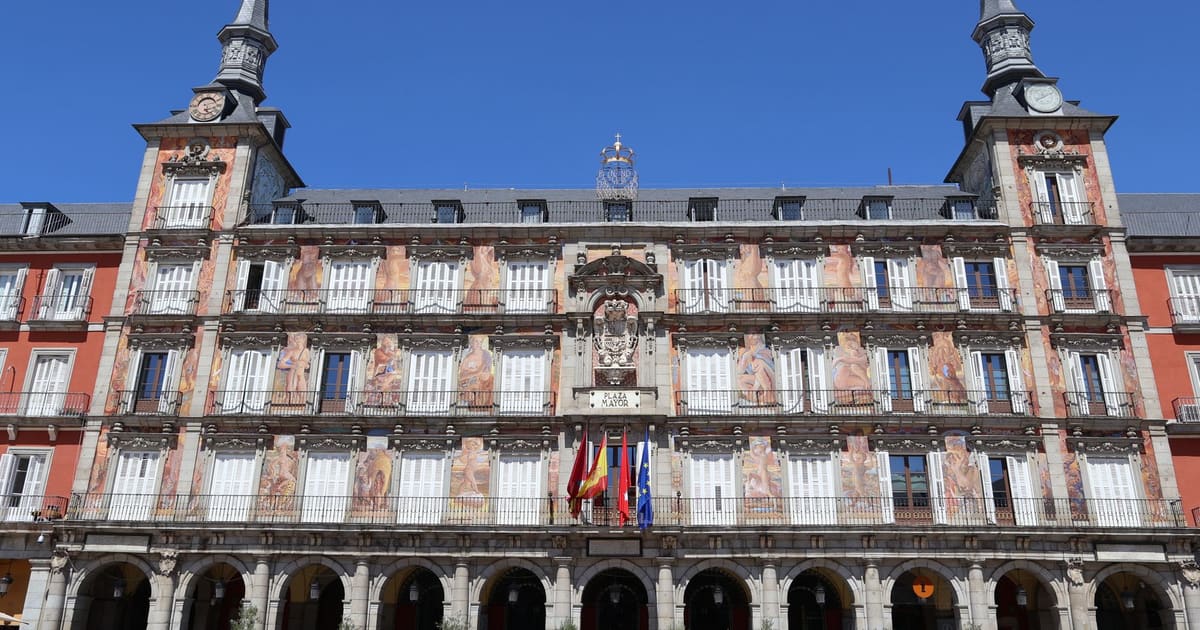 $7.99Điểm nổi bật thành phố
 $10.99Điểm nổi bật thành phố
Trải nghiệm gì trong tour đi bộ âm thanh tại Madrid
A Madrid audio walk can trace kilometer zero at Puerta del Sol through Plaza Mayor to the Royal Palace and a hilltop Egyptian temple at sunset, or follow the grand Paseo del Prado from the Cibeles fountain through Retiro Park's lake and glass palace to Atocha station.
The Madrid de los Austrias Walk starts at Puerta del Sol, the point every road in Spain is measured from, and crosses the arcaded Plaza Mayor and the old government square of Plaza de la Villa before reaching the Royal Palace and the Almudena Cathedral facing each other across the Plaza de la Armeria. From there the route follows the palace gardens north through Plaza de Oriente and the clipped hedges of the Sabatini Gardens, finishing at the Temple of Debod, a real Egyptian temple on a hilltop that's one of the best places in the city to watch the sunset, about 2.8 kilometers and 37 minutes.
The Madrid Prado and Retiro Walk starts at the Cibeles fountain and climbs to the triumphal Puerta de Alcala, then enters Retiro Park for its boating lake and the glass and iron Palacio de Cristal reflected in its own small lake. Coming back out past the spires of San Jeronimo el Real and the Prado museum, the route follows the Paseo del Prado south past the vertical garden at CaixaForum to finish inside Atocha station's indoor tropical garden, about 4.3 kilometers and 60 minutes, the longer of the two routes.
Both walks stay mostly flat with only gentle climbs, so the real variable is the Madrid sun, fierce and shadeless across the big squares in summer. Start early or save the walk for late afternoon, when the light turns gold on the palace stone and the Retiro fills with rowers and street musicians, and you can finish either route just as the city sits down to a late Madrid dinner.
Địa điểm đi bộ tại Madrid
Một vài điểm dừng bạn sẽ đi qua và lý do tại sao chúng xứng đáng để bạn đi chậm lại và thưởng thức.
Plaza Mayor
Plaza Mayor is a closed rectangle of uniform red facades, three stories of balconies over a continuous arcade, finished in 1619 for Philip III and rebuilt after a fire in 1790 into the unbroken square you see today. For two centuries this was the city's great stage, packed for bullfights, royal celebrations and the grim ceremonies of the Inquisition, with the royal family watching from the painted Casa de la Panaderia on the north side. A bronze statue of Philip III rides in the center, and the arcades now hold cafes, old shops and a December Christmas market. Locals will tell you the essential Plaza Mayor experience is a fried calamari sandwich from one of the bars just off the square.
Royal Palace and Almudena Cathedral
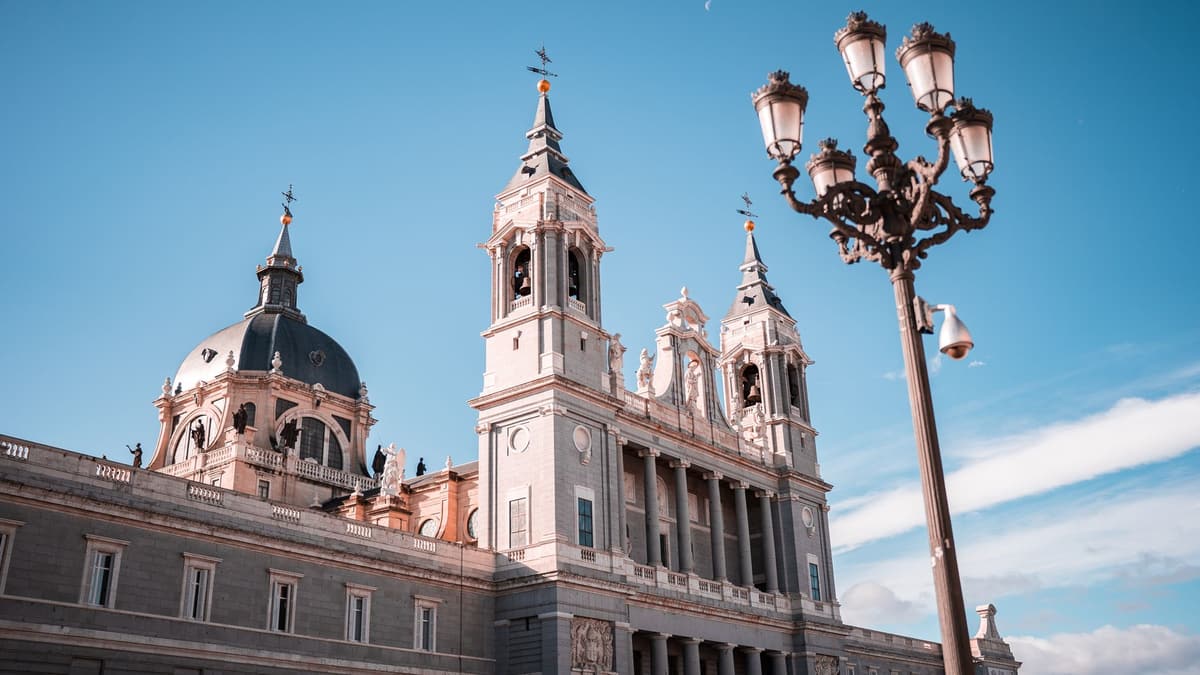
The Royal Palace and the Almudena Cathedral face each other across the wide Plaza de la Armeria, and together they carry Madrid's whole story on this ridge. An Arab fortress stood here from the ninth century, growing into the Habsburg Alcazar that burned down in 1734, and the Bourbon palace that replaced it holds more than three thousand rooms, though the royal family now lives elsewhere. The cathedral looks far older than it is, consecrated only in 1993 after more than a century of building, with a classical facade designed to match the palace beside it. The current king married here in 2004. Both buildings are usually open to visitors on their own schedules, so check hours before you plan to go inside.
The Prado Museum and Paseo del Arte
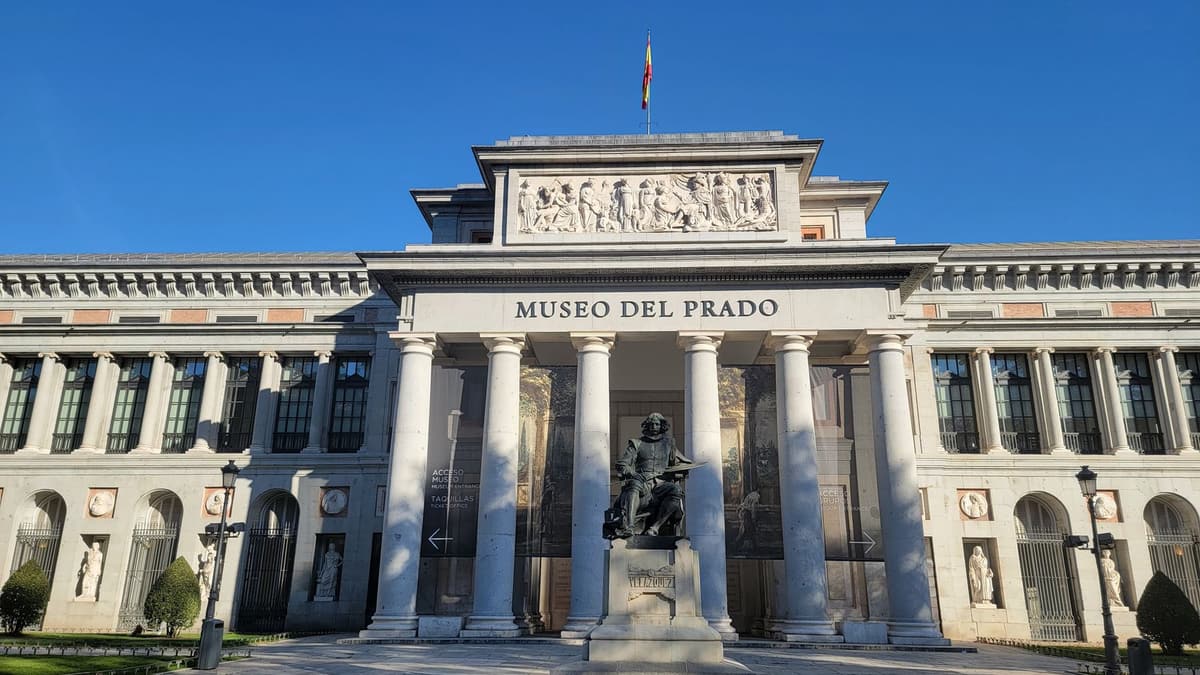
The Prado's long main building, planned under Charles III and opened as a painting museum in 1819, anchors a stretch of boulevard known as the Paseo del Arte, with the Thyssen museum across the way and the Reina Sofia a little further south. Inside hang Velazquez's Las Meninas, Goya's Black Paintings and Bosch's Garden of Earthly Delights, and statues of the three painters stand around the building's exterior. Its newer extension, designed by Rafael Moneo and opened in 2007, wraps around the old cloister of the monastery next door, taken apart and rebuilt stone by stone inside. Even if you don't go in, the grand colonnaded facade facing the boulevard is worth a slow look on your way past.
Retiro Park and the Alfonso XII Monument
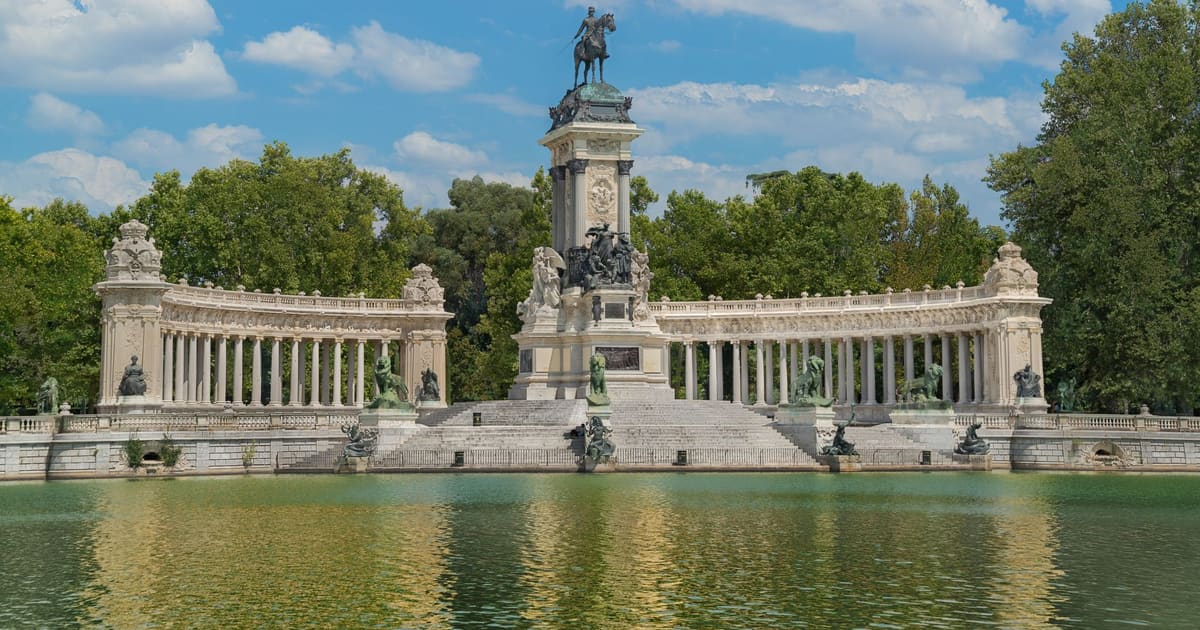
Retiro Park's long rectangular pond is usually crowded with little rowing boats, and the curved colonnade on its far bank frames a tall monument to King Alfonso XII, finished in 1922 with a bronze equestrian statue on top. The park began as the private gardens of the Buen Retiro palace, built by Philip IV in the 1630s and mostly wrecked during the war against Napoleon, but it passed to the city in 1868 and Madrid has treated it as a back garden ever since. Street musicians, puppet shows and fortune tellers cluster around the pond on weekends, and renting a rowing boat is still part of the ritual. It's one of the most relaxed stretches of either walk, so there's no reason to hurry through it.
Plaza de Cibeles
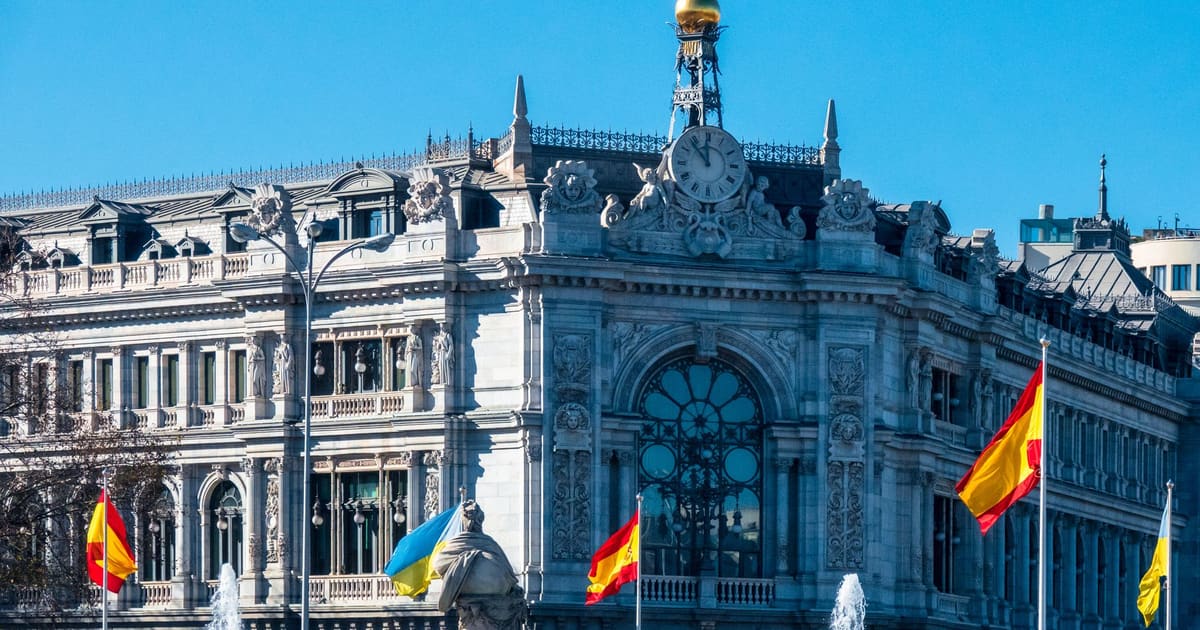
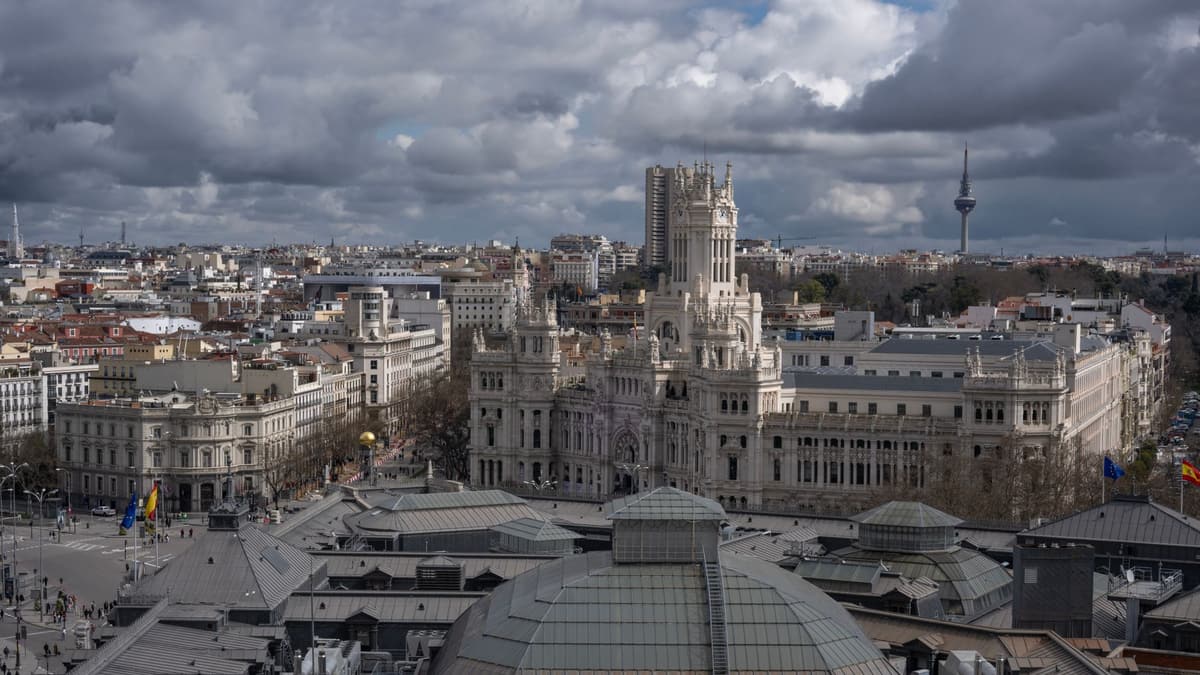
Plaza de Cibeles is one of Madrid's grandest roundabouts, built around a white marble fountain of the goddess Cybele riding a chariot pulled by two lions, one of three fountains Charles III commissioned for this boulevard in the 1780s. The enormous white building with spires on one corner, nicknamed the wedding cake, opened in 1919 as the city's main post office and has been its city hall since 2007, with a rooftop viewpoint open to visitors. When Real Madrid wins a major title, fans gather here by the thousands to celebrate around the fountain, while rivals Atletico celebrate a short walk away at Neptune. It's a loud, grand place to start a walk toward the quieter paths of the Retiro.
Nhận Tour Âm Thanh Trong 3 Bước Đơn Giản
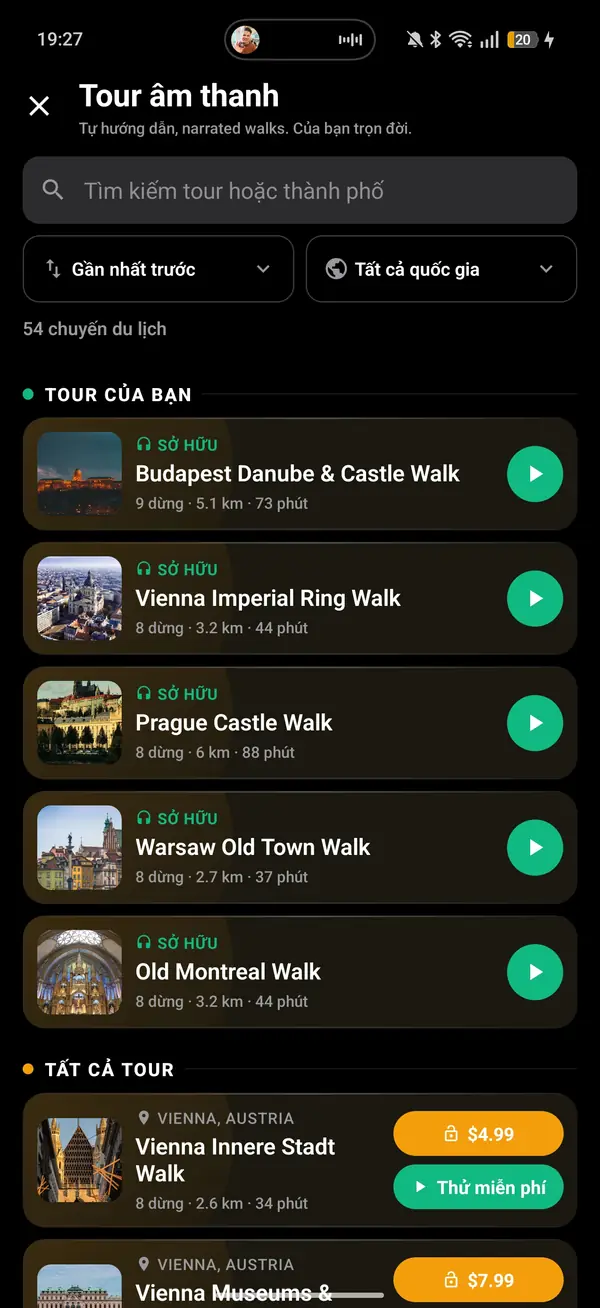
Tất cả trong ứng dụng Walk With Me miễn phí, và các điểm dừng đầu tiên của mỗi tour đều được nghe thử miễn phí.
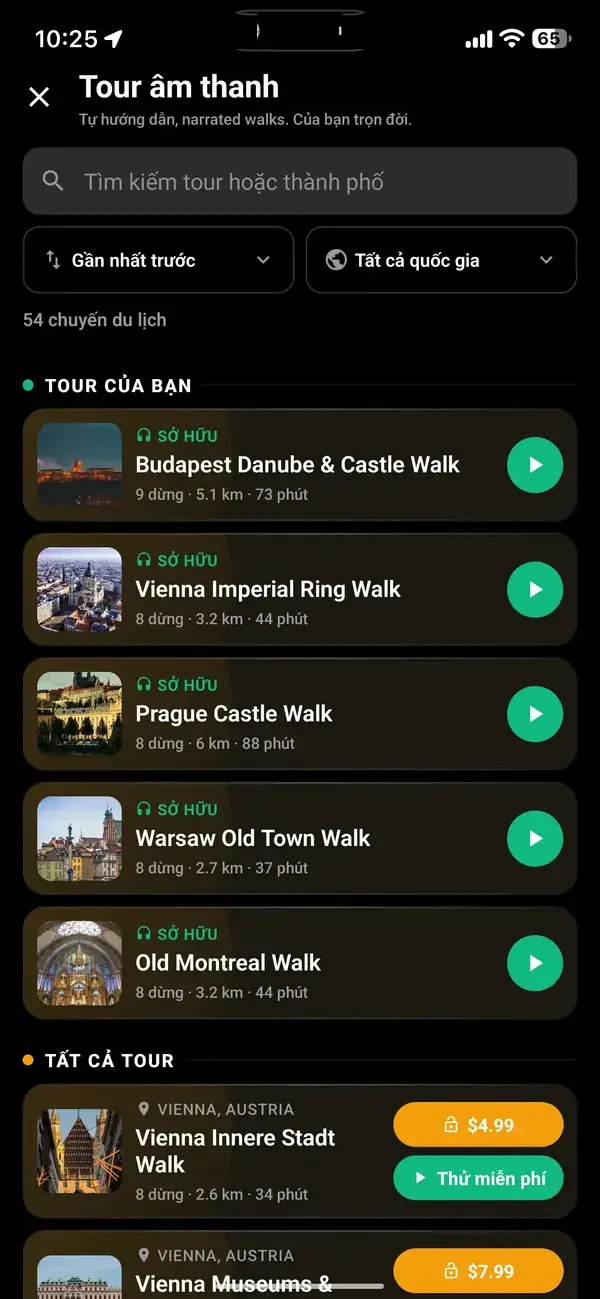
Chạm vào tai nghe vàng và chọn tour
01
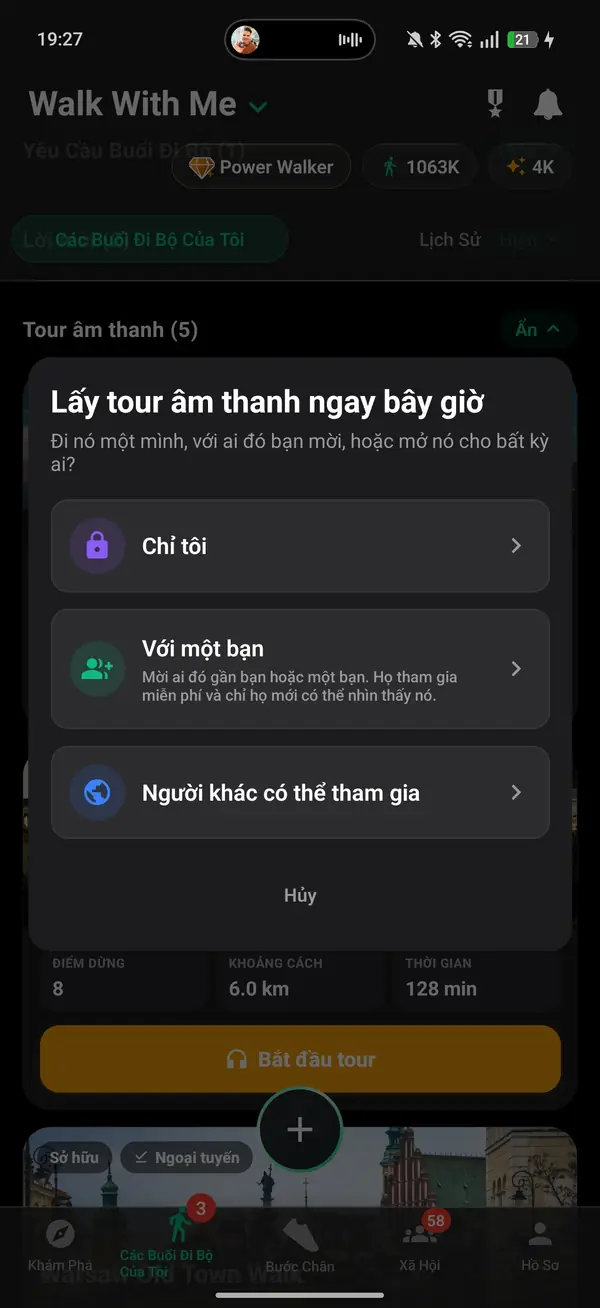
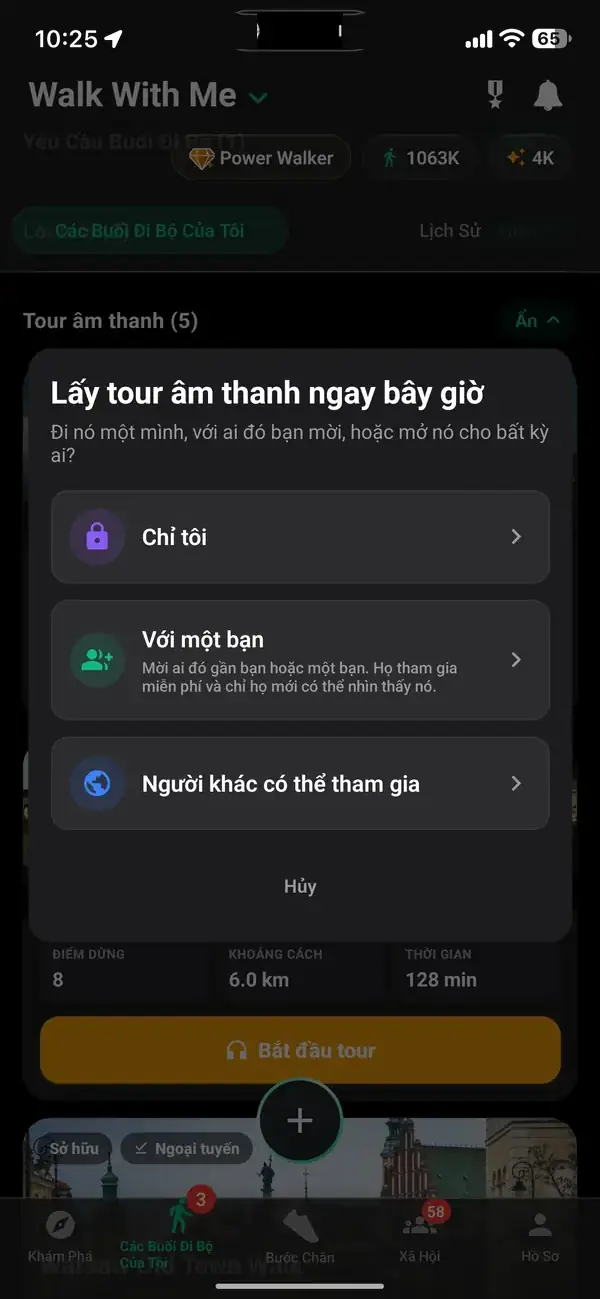
Đi một mình hoặc mời ai đó
02
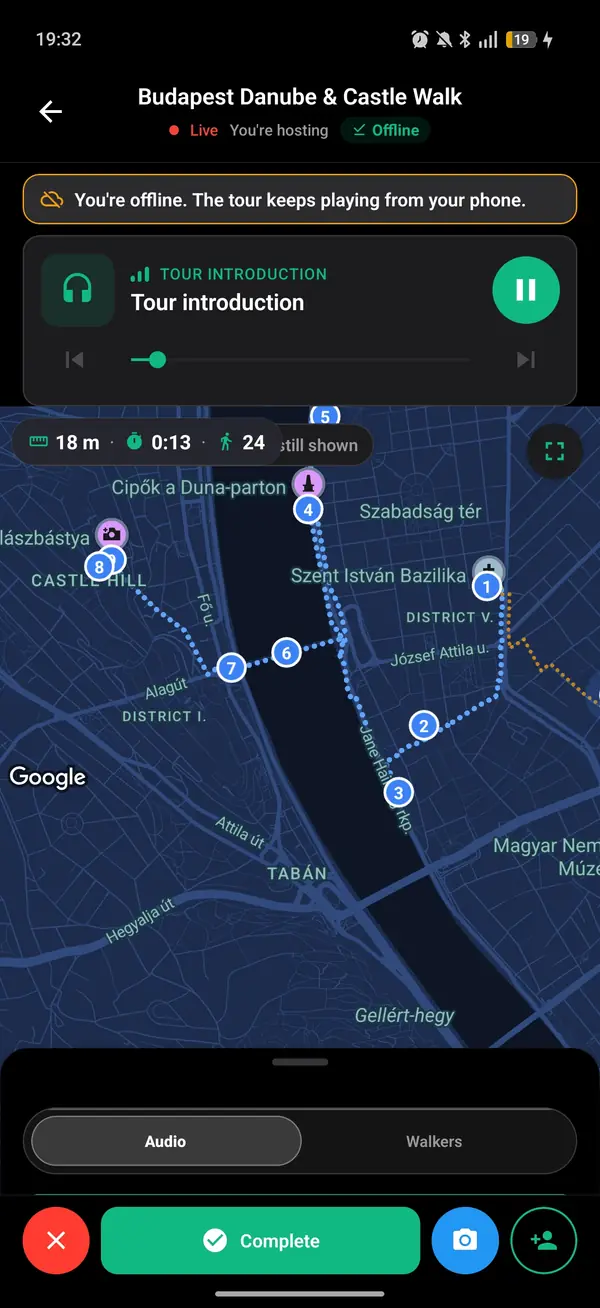
Nhấn phát và đi bộ
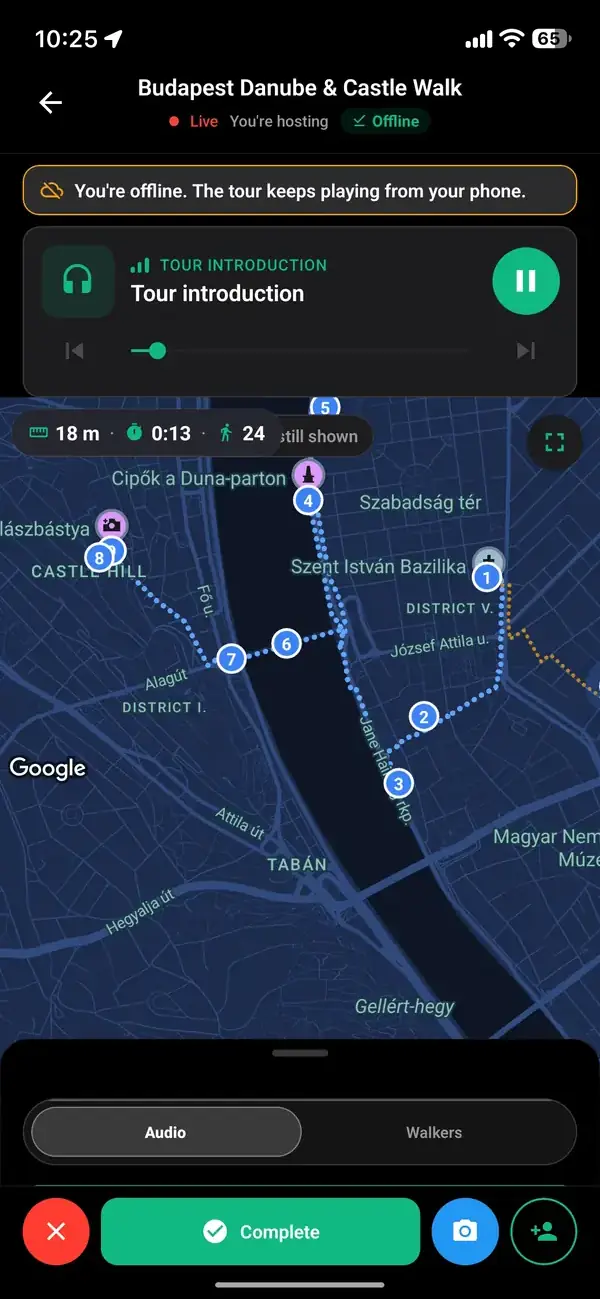
03
Được chăm chút cho thời gian của bạn trong thành phố
Những tour này không phải danh sách địa danh để đánh dấu. Chúng được tạo ra để bước đi chậm rãi, đeo tai nghe và ngắm nhìn thành phố.
Thư thái và cuốn hút
Mỗi câu chuyện được kể ngay tại nơi nó đã diễn ra. Ứng dụng phát âm báo khi bạn đến một điểm dừng, một lần chạm để bắt đầu câu chuyện, và quãng đường giữa các điểm dừng là của riêng bạn, theo nhịp của bạn.
Thủ công, tỉ mỉ
Chúng tôi tự chọn từng lộ trình, từng điểm dừng và chăm chút từng câu chuyện, để thời gian của bạn trong thành phố dành cho những nơi đáng đến nhất.
Vui hơn khi có bạn đồng hành
Mỗi chuyến đi bộ đều vui hơn khi có ai đó bên cạnh, vì vậy nếu bạn có thể rủ một người bạn, chúng tôi rất khuyến khích. Đó là lý do một lần mua bao gồm tất cả những người bạn mời: họ tham gia tour của bạn miễn phí.