
October 11, 2026 · 9 min read
Amsterdam Anne Frank Walking Tour
From the Hollandsche Schouwburg through the old Jewish Quarter, past the Dockworker and the Dam, to the Anne Frank House on the Prinsengracht.
589

October 11, 2026 · 11 min read

 Друзья гуляют бесплатно
Каждую экскурсию можно пройти в составе запланированной группы, к которой легко присоединиться в приложении.
Ещё аудиоэкскурсии в Vienna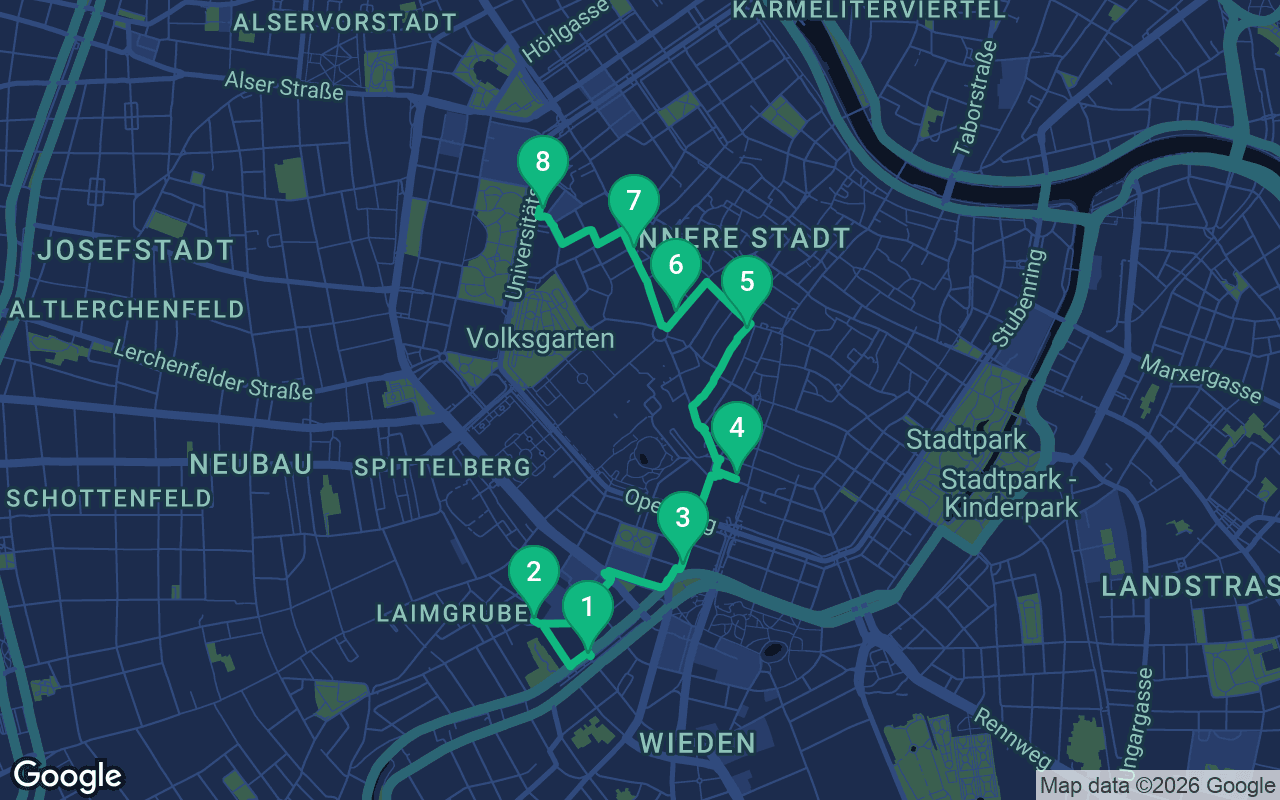
Примерно 3,1 км, около 43 минут в спокойном темпе.
Эта экскурсия озвучена
Нажмите «Воспроизвести» на первых 3 остановках, чтобы послушать 30-секундный фрагмент озвучки. В приложении вступление и эти остановки звучат полностью и бесплатно, а о каждой из них вас оповестит звуковой сигнал, когда вы до неё дойдёте. Вся экскурсия будет вашей за $14.99, это разовая покупка навсегда.
Совместимо с Garmin, Komoot, Strava, OS Maps и любыми приложениями для GPX.
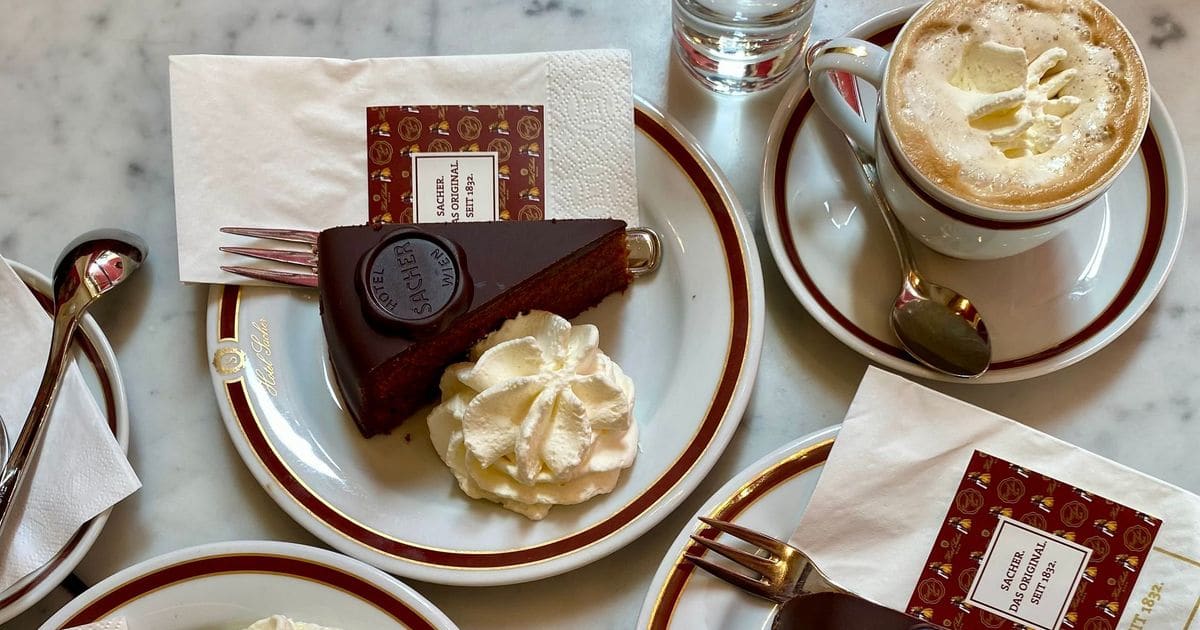
In Vienna, the coffee house is not just a place to drink coffee. It's an institution, and in 2011 the city's coffee house culture was added to Austria's national inventory of intangible cultural heritage, under the UNESCO convention. That's a national list, by the way, not the World Heritage list, whatever you may hear. This walk eats and drinks its way through that culture. You start in the Naschmarkt, then sit in three generations of coffee houses, and in the middle you taste both sides of a famous fight: the Sachertorte war, in which Hotel Sacher and the court confectioner Demel went to court over the name "Original Sacher-Torte." Between the two rounds there's a working lunch of open sandwiches and a tiny beer. Along the way you'll take apart a few of Vienna's favorite food legends: who opened the first coffee house, where the croissant came from, and how the schnitzel got here. It's one of our self-guided walking tours, about 3.1 kilometers from the Naschmarkt to Café Landtmann on the Ringstrasse, with about 43 minutes of walking.
Go Monday to Saturday. Sundays don't work well: the Naschmarkt stalls are closed, and only its restaurants open. Café Sperl, the second stop, is also closed on Sundays in July and August. Start in the morning, while the market stalls are open.
To reach the start, take the U4 to Kettenbrückengasse and walk the market toward the Karlsplatz end, or come from Karlsplatz itself. The walk ends at Café Landtmann on the Ring, about 300 meters from Schottentor station on the U2, with trams on the Ring.
You pay for your own food and drinks. Two slices of Sachertorte and an Apfelstrudel make a heavy afternoon, so share a slice between two and take half portions where you can. One small beer at the sandwich bar is plenty. If you have allergies, take care: nuts, gluten, eggs, dairy and alcohol all turn up on this walk. One stop, Café Central, is closed for renovation, so you'll see it from outside. Hours change, so check before you go.
You're in the Naschmarkt, Vienna's best-known market. Look down the long rows of stalls and eateries, about 130 of them, stretched out between the two Wienzeile roads. On Saturdays a flea market sets up here too.
There's been a market here a long time. A small milk market on this spot is documented in 1774. The place was once known as the Aschenmarkt, and the name Naschmarkt turns up in the records from 1820. Most likely it comes from the sweets: naschen means to nibble, to snack on treats. The name was made official in 1905. The rows of pavilions you're walking between went up from 1902, and the last section was finished in 1915 and 1916.
So the walk begins with nibbling, which is exactly the right word for what's ahead. Pace yourself here. You've got a cake at nearly every stop that follows.
What to order here: graze. The city's tourist board points to Urbanek, a fine-foods shop with wine, for a small plate of cured meat or cheese.
Leave the market on its north side, cross the Linke Wienzeile road and walk up to Gumpendorfer Straße. Café Sperl is at number 11, about four minutes away.
You're at Gumpendorfer Straße 11, at Café Sperl. Step inside and look around. There are billiard tables, newspapers, and on Sunday afternoons, a piano.
It opened in 1880 as the Ronacher, run by Jakob Ronacher, and furnished by the firm Gross and Jelinek. By that December, a café owner named Sperl had taken it over and given it his name. It has kept that name ever since.
This is the place to learn how a Viennese coffee house works, because the rules are old. The city's own history of coffee culture records that early coffee houses served a glass of water with every coffee. They offered cards and billiards to pass the time, and newspapers arrived in 1720. Look around you, and you'll see the billiard tables and the newspapers are still here. The cards, the billiards and the papers were there so that you would stay.
What to order here: a slice of Sperl Torte, the house cake, and a Melange, Vienna's milky coffee.
Head northeast along Gumpendorfer Straße, then east toward Karlsplatz. Café Museum is on the corner of Operngasse and Friedrichstraße, about nine minutes away.
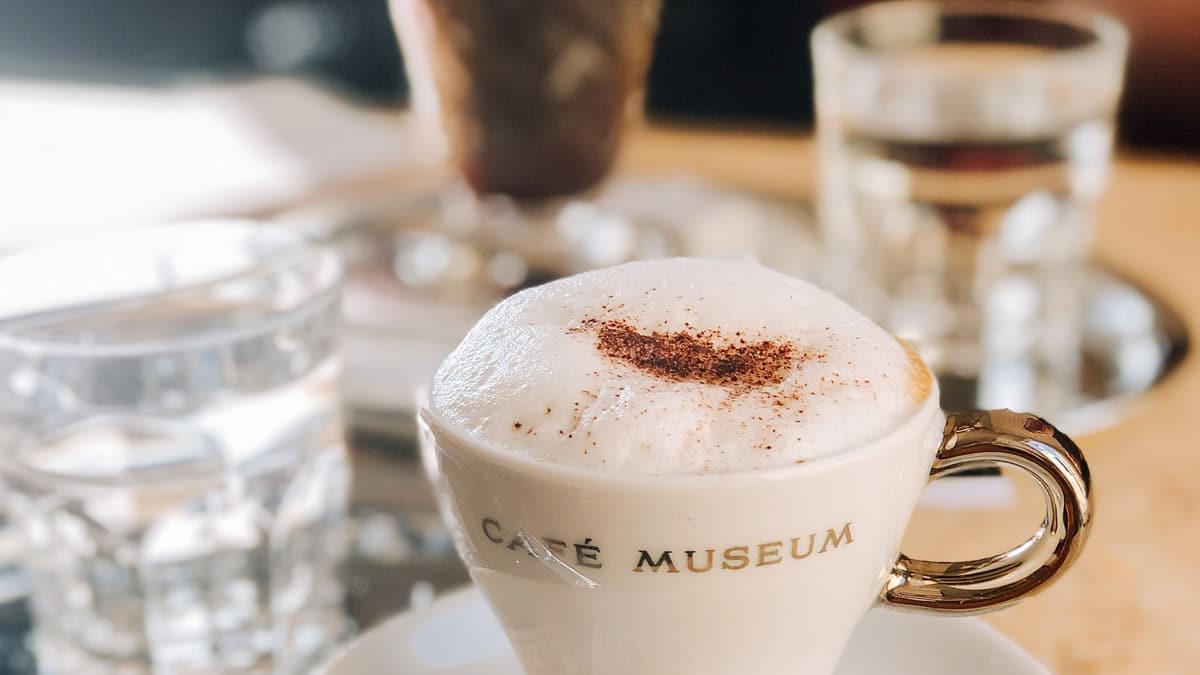
You're at Café Museum, on the corner of Operngasse and Friedrichstraße. Look inside at the chairs and the lights.
It opened on 19 April 1899 with an interior by the architect Adolf Loos. It was spare: red-stained bentwood chairs by J. and J. Kohn, and bare electric lights. The critic Ludwig Hevesi called it "Café Nihilismus." The regulars didn't mind. They included the architect Otto Wagner, the painters Klimt and Schiele, the writers Joseph Roth and Robert Musil, and the composer Franz Lehár. The room has changed since. Josef Zotti redesigned it in 1930 and 1931, it was restored toward Loos in 2003, and in 2010 it was changed back toward Zotti's look.
Now the first legend. Who opened Vienna's first coffee house? The city's favorite answer is Georg Franz Kolschitzky, a hero of the Ottoman siege of 1683. It's a good story, but it's a legend. The city's own history page says the records show the first coffee house was opened by an Armenian, Johannes Diodato.
The same siege gets credit for the croissant, or kipferl, as the Viennese call it. The legend says it was invented in 1683 to mock the Ottoman crescent. Also a legend. The kipferl is documented in a bakery in Mödling in the early 17th century, and it's older still as a traditional pastry.
What to order here: a coffee, a Melange or an Einspänner, and a Mehlspeise, a pastry or cake, from the cake case.
Walk north up Operngasse alongside the State Opera, then turn right onto Philharmonikerstraße, behind the opera house. Café Sacher, in Hotel Sacher, is about five minutes away.
Что входит
Наши экскурсии задуманы как медитативные и захватывающие: вы идёте и просто слушаете. Вместе всегда лучше, и приложение воспроизводит озвучку синхронно, так что вы, ваш партнёр и ваши друзья слышите каждую остановку одновременно.
You're at Philharmonikerstraße 4, at Café Sacher, inside Hotel Sacher.
Продолжение этой остановки есть в полной аудиоэкскурсии.
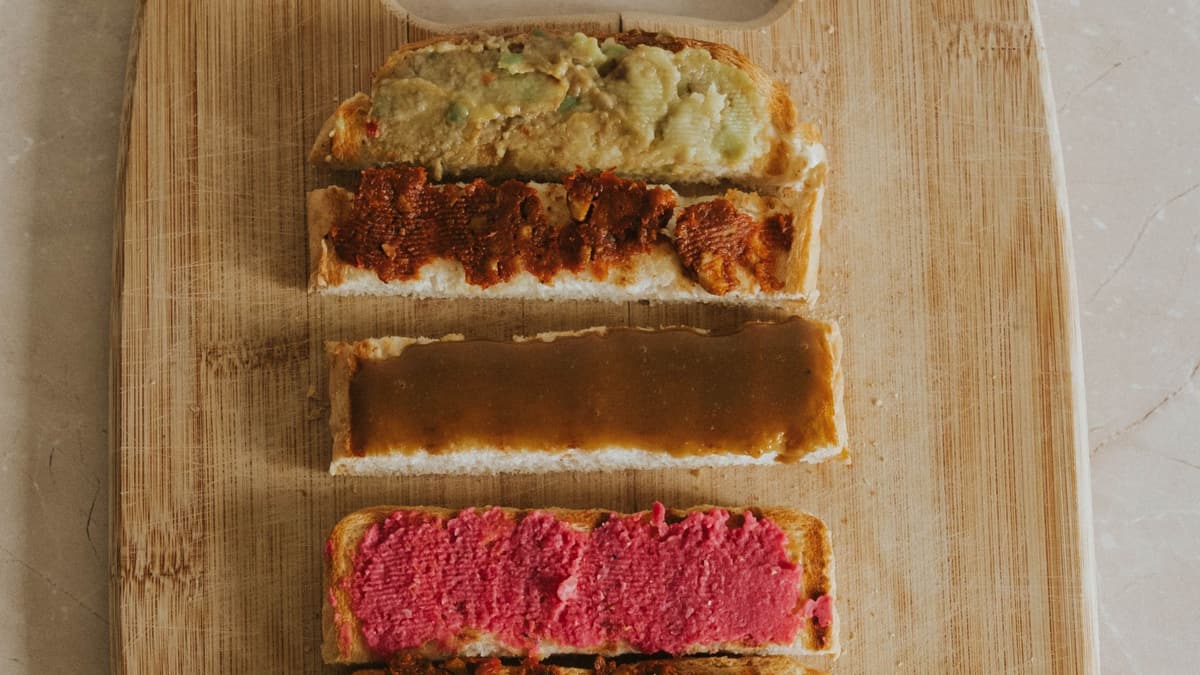
You're at Dorotheergasse 1, at Trzesniewski. Look at the glass case.
Продолжение этой остановки есть в полной аудиоэкскурсии.
You're at Kohlmarkt 14, at Demel. Demel carries the title k.u.k.
Продолжение этой остановки есть в полной аудиоэкскурсии.
You're on Herrengasse, outside Palais Ferstel and Café Central. This is a stop to look, not to eat.
Продолжение этой остановки есть в полной аудиоэкскурсии.
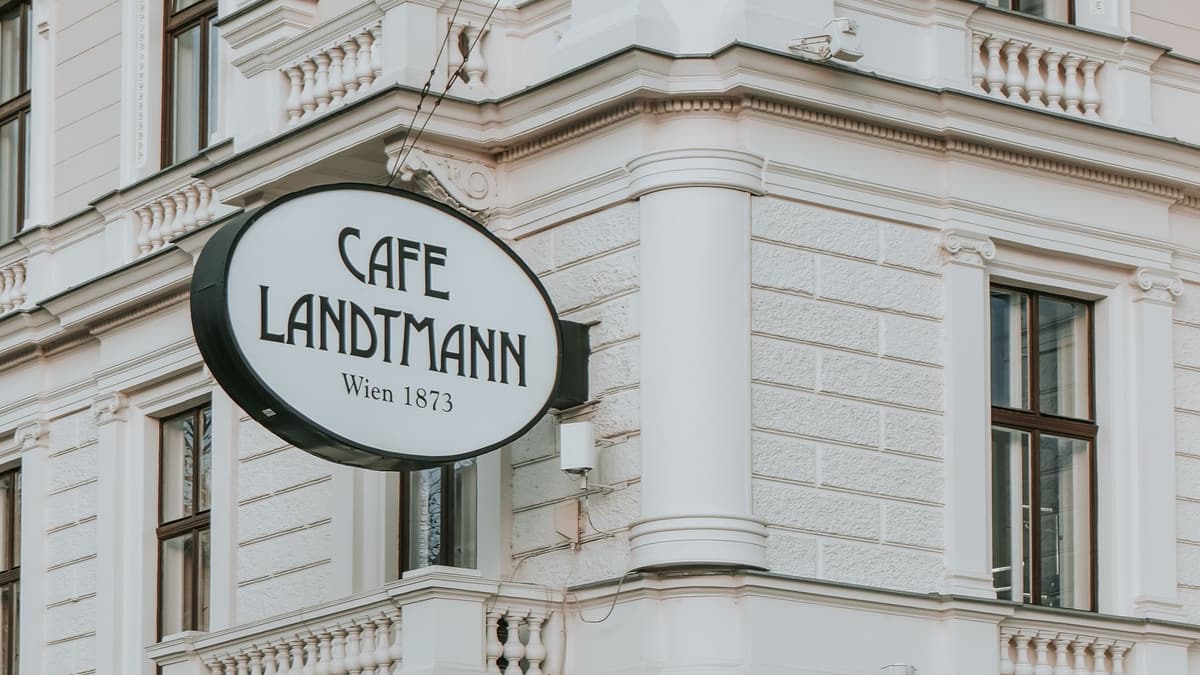
You're at Universitätsring 4, at Café Landtmann, on the grand ring boulevard. Look at its front, facing the Ring.
Продолжение этой остановки есть в полной аудиоэкскурсии.
Пройдите этот маршрут вместе с другими во время следующей запланированной прогулки.
Около 3,1 км, примерно 43 мин в спокойном темпе · 8 остановок
Друзья гуляют бесплатноOctober 11, 2026 · 9 min read
From the Hollandsche Schouwburg through the old Jewish Quarter, past the Dockworker and the Dam, to the Anne Frank House on the Prinsengracht.
October 11, 2026 · 11 min read
From Van Houten's street by the Vondelpark past Leidseplein, the Rijksmuseum passage and the famous canal bench to the Anne Frank House.

October 11, 2026 · 10 min read
Follow the last days of April and May 1945 from the Anhalter Bahnhof ruin past the Gestapo site and Brandenburg Gate to the Moltke Bridge and the Reichstag.
