
October 11, 2026 · 9 min read
Amsterdam Anne Frank Walking Tour
From the Hollandsche Schouwburg through the old Jewish Quarter, past the Dockworker and the Dam, to the Anne Frank House on the Prinsengracht.
589

October 11, 2026 · 10 min read

 Друзья гуляют бесплатно
Каждую экскурсию можно пройти в составе запланированной группы, к которой легко присоединиться в приложении.
Ещё аудиоэкскурсии в Vienna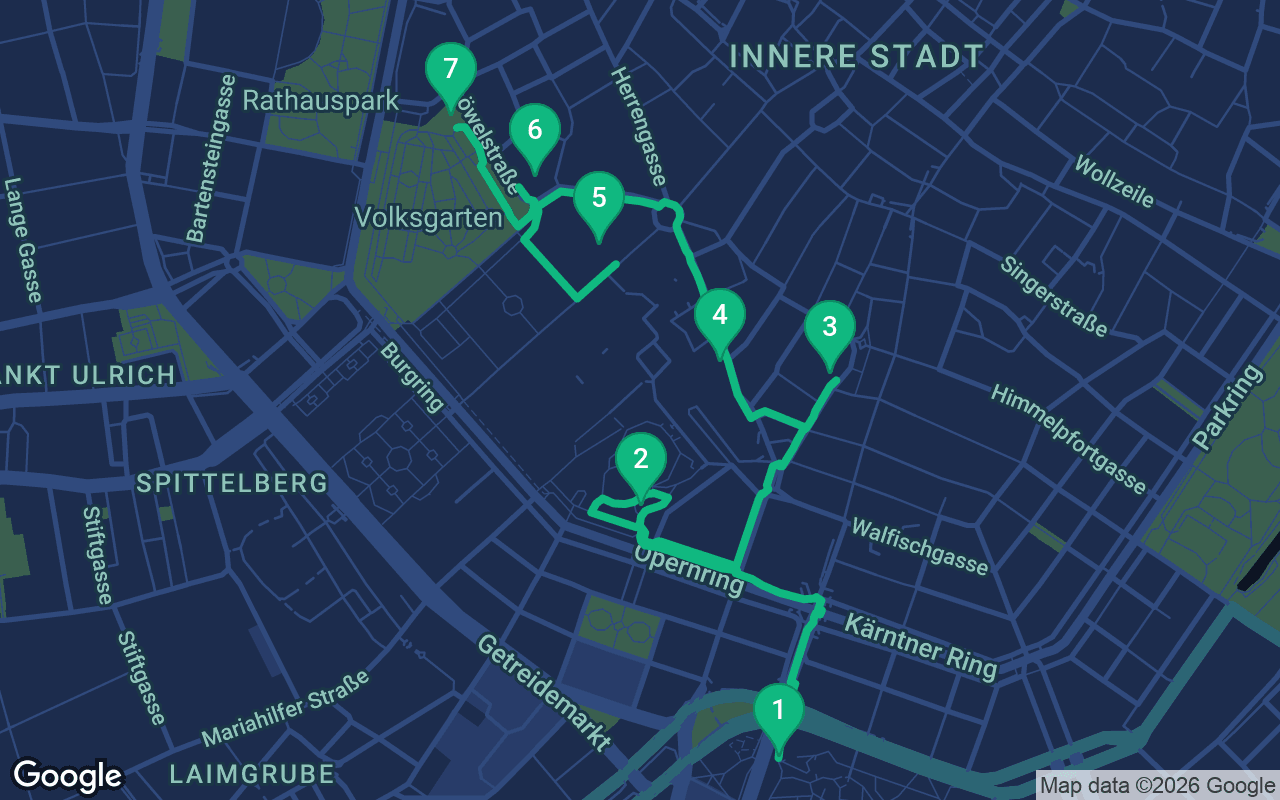
Примерно 3,1 км, около 42 минут в спокойном темпе.
Эта экскурсия озвучена
Нажмите «Воспроизвести» на первых 3 остановках, чтобы послушать 30-секундный фрагмент озвучки. В приложении вступление и эти остановки звучат полностью и бесплатно, а о каждой из них вас оповестит звуковой сигнал, когда вы до неё дойдёте. Вся экскурсия будет вашей за $14.99, это разовая покупка навсегда.
Совместимо с Garmin, Komoot, Strava, OS Maps и любыми приложениями для GPX.
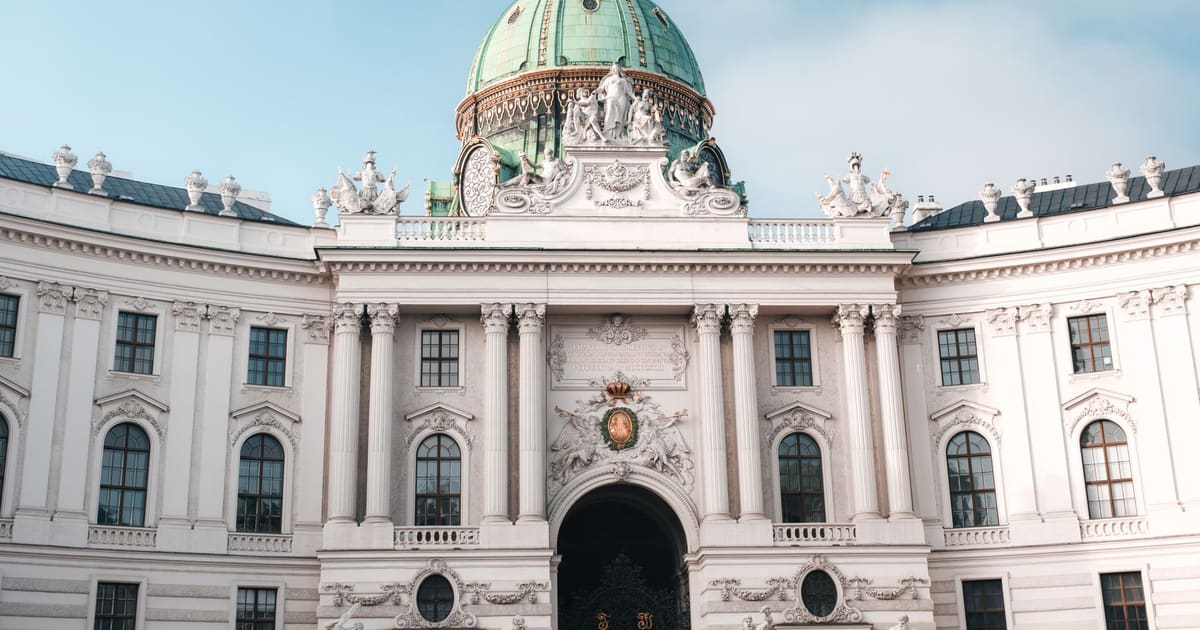
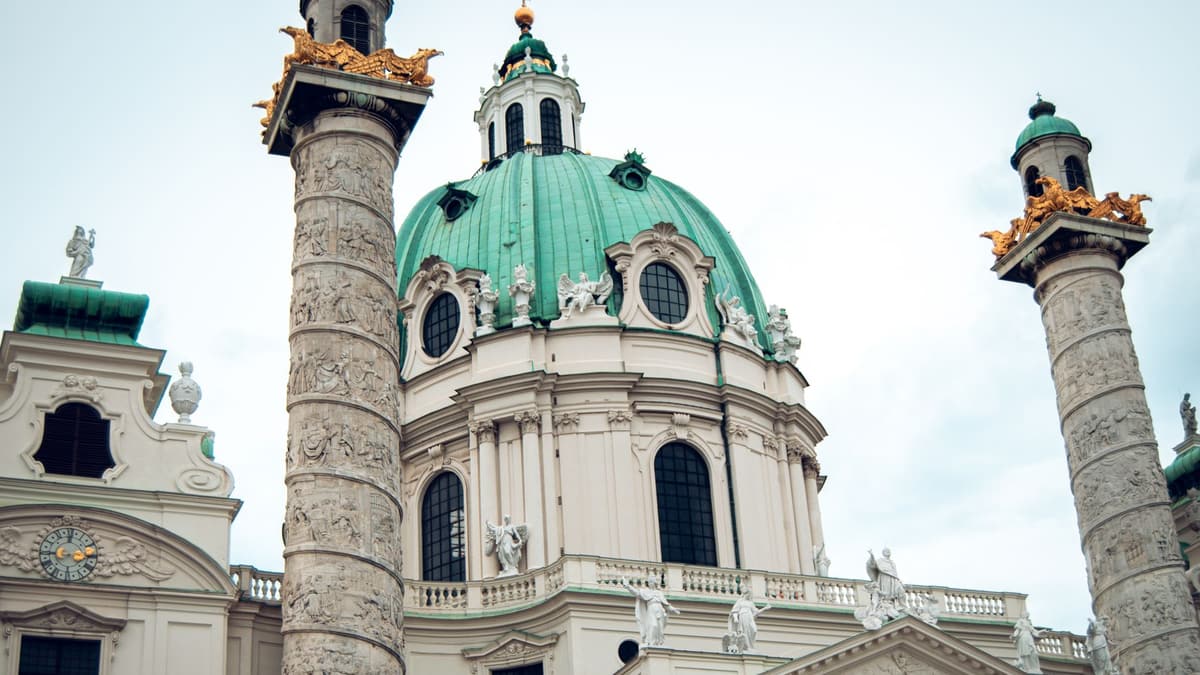
In April 1854 a sixteen-year-old Bavarian duchess rode into Vienna to marry her cousin, the young emperor. The films made it a fairy tale. The real story of Elisabeth, the woman her family called Sisi, is stranger and sadder: a court she could not bear, a son lost at Mayerling, her own murder on a lakeside in Geneva, and a husband who outlived them both and signed his empire into the war that ended it. This walk follows her through the old center, from the spot where she entered the city at Karlsplatz, past the crypt where the story ends, back to her wedding church and the palace, to finish at her monument in the Volksgarten. It runs about three kilometers, a gentle addition to our self-guided walking tours. You'll hear the history, and where the Sissi films and the Netflix series part company with it.
Allow about an hour and a half at a stroll, longer if you go inside anywhere. The route is flat and paved. It starts at Karlsplatz, where several subway lines meet, and ends in the Volksgarten on the Ring. The Imperial Crypt is open daily for a fee, and the Sisi Museum in the Hofburg needs a ticket too; check times and prices before you go. The Augustinian Church is free to enter outside services, so step in quietly if one is under way.
Stand on the Resselpark side of Karlsplatz, near where Wiedner Hauptstraße comes in. Look at the ground. Under this square runs the Wien river, vaulted over and out of sight.
On the twenty-third of April 1854, a new bridge opened across the river at this spot. It linked Kärntner Straße with Wiedner Hauptstraße, and it was named the Elisabeth Bridge, after the bride whose ceremonial entry into Vienna crossed it that same day.
Who was she? Elisabeth was born in Munich on Christmas Eve, 1837, a daughter of Duke Max in Bavaria and Duchess Ludovika. She was sixteen, and she had arrived the day before by river steamer.
The bridge did not last. It closed in April 1897 and was pulled down, made pointless when the river was vaulted over during the building of the city railway. So if you hear that the bridge still lies under the square, it doesn't.
Now meet the groom. Follow your map northwest, past the State Opera, into the Burggarten, the palace garden, and find the standing bronze emperor among the trees. About twelve minutes.
 Here he is, Franz Joseph, in bronze, by the sculptor Josef Tuch. Notice something odd about this statue: it was not made for Vienna. It was made for the town park of Wiener Neustadt, for the sixtieth jubilee of his reign, and unveiled there in October 1908, when he was 78. After the Second World War it was bought and set up here, on the eighteenth of August 1957, his birthday.
So you are looking at the old man. The groom of 1854 was 23. He was born at Schönbrunn Palace in August 1830 and became emperor on the second of December 1848, at eighteen, after his uncle Ferdinand abdicated and his own father stepped aside. In 1853, at the spa town of Bad Ischl, he became engaged to his cousin Elisabeth.
He would reign for almost 68 years. He would lose his son, lose his wife to an assassin, and sign the declaration of war in 1914. He would die in the middle of that war, and two years later his empire was gone.
That is a lot to put on a statue in a quiet garden. So let's do something unusual. Before we go back to the wedding, we'll go straight to the end, to the place where this emperor, his wife and his son lie today.
Leave the garden on its east side, pass the Albertina, and follow Tegetthoffstraße to the Neuer Markt. The Imperial Crypt is under the Capuchin Church, about eight minutes.
You're on the Neuer Markt, outside the Capuchin Church. Beneath it is the Imperial Crypt of the Habsburgs, where, by the crypt's own count, 150 people are buried.
Here is how our story ends. On the twenty-first of November 1916, Franz Joseph died at Schönbrunn, aged 86, in the middle of the First World War. He lay in state in the chapel of the Hofburg, and on the thirtieth of November his funeral ended here.
He had planned for it. For his jubilee in 1908 he had new vaults added, and when they were finished, the coffins of Elisabeth and their son Rudolf were moved in. If you go down, you will find three sarcophagi together in the Franz Joseph Vault: the emperor, the empress and the crown prince. Elisabeth had already been laid in this crypt in September 1898. How she and Rudolf came to be here before him is the story the rest of this walk tells.
The empire did not long survive him. On the eleventh of November 1918, his successor, Emperor Karl, gave up every share in the affairs of state. It was not a formal abdication, but that evening he left Schönbrunn. The next day, outside Parliament, before a crowd estimated at 300,000 to 500,000, the Republic of German-Austria was proclaimed.
Now let's go back to how it began. Walk back along Tegetthoffstraße and turn right into Augustinerstraße, to the door of the Augustinian Church. About four minutes.
Что входит
Наши экскурсии задуманы как медитативные и захватывающие: вы идёте и просто слушаете. Вместе всегда лучше, и приложение воспроизводит озвучку синхронно, так что вы, ваш партнёр и ваши друзья слышите каждую остановку одновременно.
You're outside the Augustinian Church, the Gothic parish church of the Habsburg court, beside Josefsplatz. If it is open and quiet, step inside.
Продолжение этой остановки есть в полной аудиоэкскурсии.
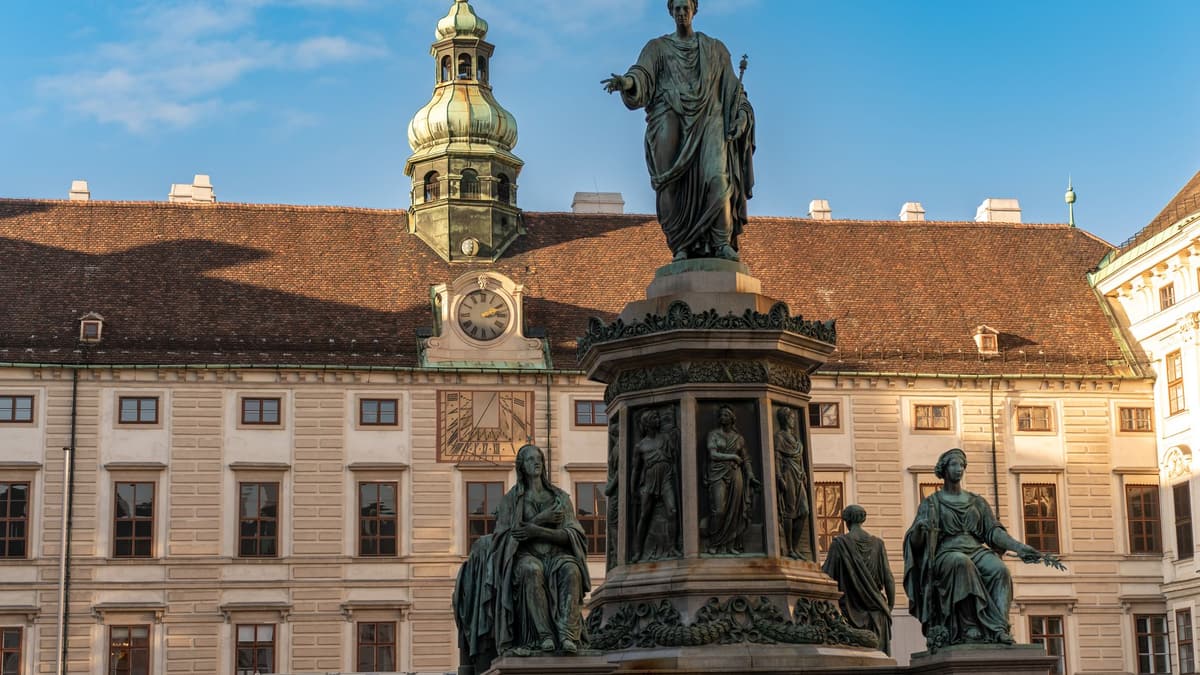
You're in the heart of the Hofburg. Face the Amalienburg, the wing opposite the Imperial Chancellery wing.
Продолжение этой остановки есть в полной аудиоэкскурсии.
You're on the Ballhausplatz, in front of the Federal Chancellery at number 2. Until 1918 this building housed the imperial Foreign Ministry, and the name Ballhausplatz was shorthand for Austro-Hungarian diplomacy.
Продолжение этой остановки есть в полной аудиоэкскурсии.
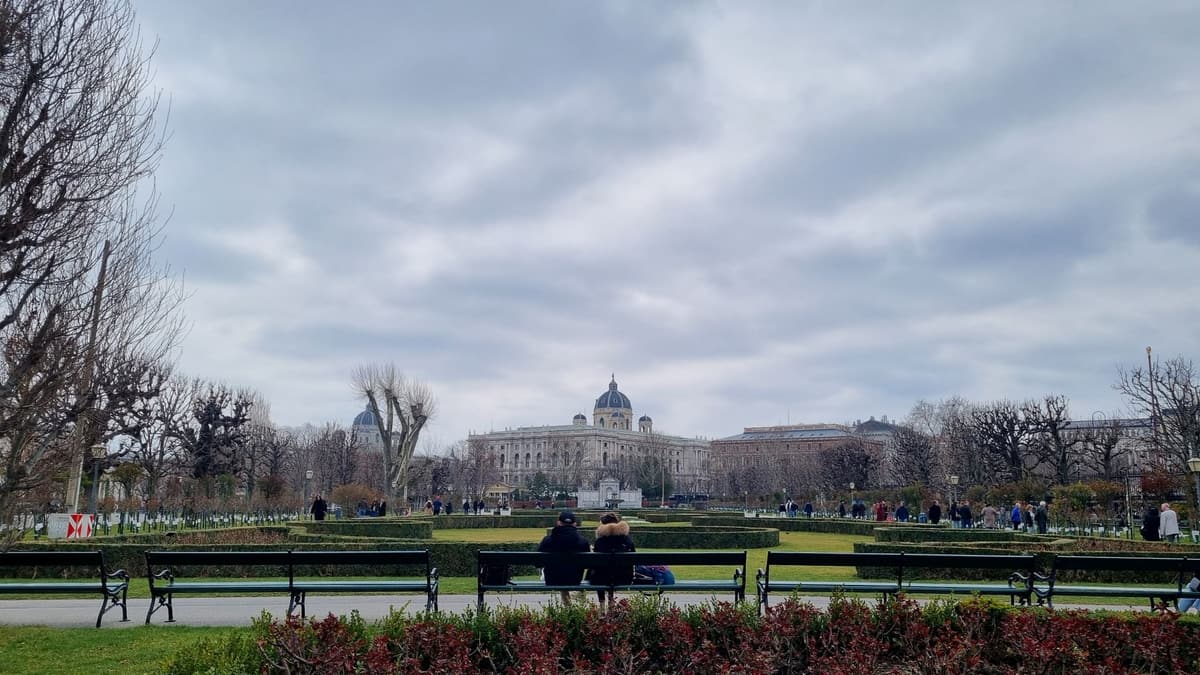
You've reached the last stop. Here she is, seated in marble, by the sculptor Hans Bitterlich, in a garden setting designed by Friedrich Ohmann.
Продолжение этой остановки есть в полной аудиоэкскурсии.
Пройдите этот маршрут вместе с другими во время следующей запланированной прогулки.
Около 3,1 км, примерно 42 мин в спокойном темпе · 7 остановок
Друзья гуляют бесплатноOctober 11, 2026 · 9 min read
From the Hollandsche Schouwburg through the old Jewish Quarter, past the Dockworker and the Dam, to the Anne Frank House on the Prinsengracht.
October 11, 2026 · 11 min read
From Van Houten's street by the Vondelpark past Leidseplein, the Rijksmuseum passage and the famous canal bench to the Anne Frank House.

October 11, 2026 · 10 min read
Follow the last days of April and May 1945 from the Anhalter Bahnhof ruin past the Gestapo site and Brandenburg Gate to the Moltke Bridge and the Reichstag.
