
October 11, 2026 · 9 min read
Amsterdam Anne Frank Walking Tour
From the Hollandsche Schouwburg through the old Jewish Quarter, past the Dockworker and the Dam, to the Anne Frank House on the Prinsengracht.
589

October 9, 2026 · 12 min read

 Znajomi spacerują za darmo
Każdy spacer odbywa się również jako zaplanowany spacer grupowy, do którego możesz dołączyć w aplikacji.
Więcej wycieczek audio w Hobart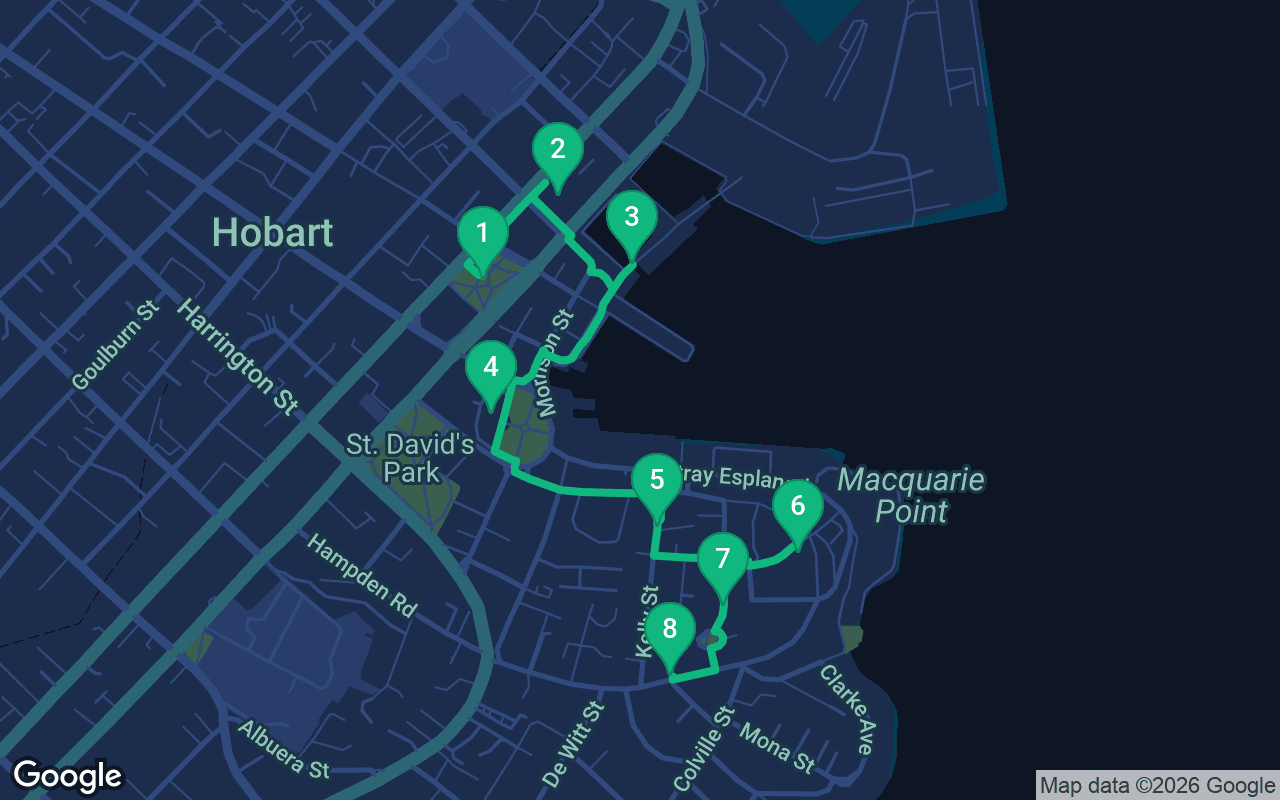
Około 2,2 km, mniej więcej 31 minut w spokojnym tempie.
Ten spacer ma narrację
Naciśnij odtwarzanie na pierwszych 3 przystankach, aby posłuchać 30-sekundowego demo narracji. W aplikacji wstęp i te przystanki odtworzysz w całości za darmo, a każdy z nich zasygnalizuje się dźwiękiem po przybyciu. Cały spacer z narracją otrzymasz za $7.99, jednorazowy zakup, który zachowasz na zawsze.
Działa z Garmin, Komoot, Strava, OS Maps i każdą aplikacją GPX.
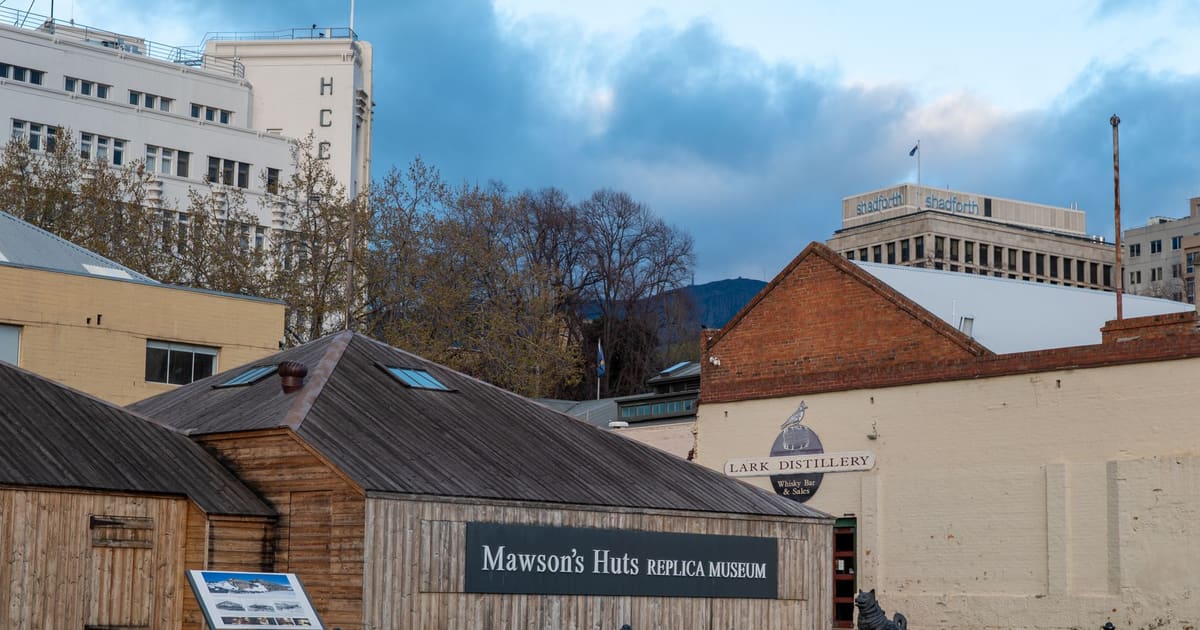
Hobart was founded in 1804 on the shore of Sullivans Cove, on the country of the muwinina people, who knew this place as nipaluna. Within a few decades it had become a convict port, a whaling town and a colonial capital, and an astonishing amount of that first city still stands within a few minutes of the water. This walk starts in Franklin Square, drops down to the fishing boats of Constitution Dock, follows the sandstone warehouses of Salamanca Place and climbs a set of old stone steps into Battery Point, the cottage village on the hill where sailors, merchants and dock workers once lived. It is about 2.4 kilometers, roughly a mile and a half, and one of the most rewarding self-guided walking tours in Australia for the amount of history packed into so little ground.
Allow about two hours at an easy pace, and longer if you go into the museum, which deserves an hour on its own. The walk is flat along the waterfront and through the city blocks, with one real climb: Kelly's Steps, a short, steep flight of worn sandstone up to Battery Point, followed by gently sloping streets. If steps are hard for you, you can reach Battery Point by walking up the road from the far end of Salamanca Place instead. Hobart weather changes fast. A sunny morning can turn into a cold wind off the river by lunch, even in summer, so carry a layer and a rain jacket, and wear a hat and sunscreen, because the sun here burns on days that feel cool. Saturday brings the big Salamanca Market, which is great fun but makes the waterfront very crowded, and the days after Christmas fill Constitution Dock with yachts and spectators. The museum and Narryna keep their own hours, so check before you go. Battery Point is a living neighborhood, so keep your voice down among the cottages.
You start in Franklin Square, a small green block in the middle of the city, shaded by elms and lindens planted more than 150 years ago. In the center, standing above a sandstone fountain, is a bronze statue of Sir John Franklin, Lieutenant-Governor of Van Diemen's Land, as Tasmania was then called, from 1837 to 1843. He is better remembered for how he died: in 1845 he sailed to find the Northwest Passage through the Arctic, and he and his entire crew never came home. His wife, Jane Franklin, spent years paying for searches, and the wrecks of his two ships were only found in 2014 and 2016. The square stands on the site of the colony's first Government House, and it was there that the Franklins took in a young palawa girl named Mathinna, dressed her as a little English lady and, when they sailed for home in 1843, left her behind in an orphan school. She died young. A second statue stood here until 2024, of William Crowther, a surgeon and premier accused of taking the skull of an Aboriginal man, William Lanne, after his death in 1869. After long campaigning by the palawa community and a council vote to take it down, it is gone. Across Macquarie Street, the sandstone post office is where Roald Amundsen went in March 1912 to cable the news that he had reached the South Pole. Walk along the Davey Street side of the square to the northeast, cross Elizabeth Street and turn left into Dunn Place, about four minutes.
You come into the Tasmanian Museum and Art Gallery through an old sandstone wall called the Watergate, a reminder that the shoreline once came almost to this spot. The museum is a cluster of buildings around a courtyard, and the plain stone one is the reason to stand here. It is the Commissariat Store, built between 1808 and 1810, only a few years after the settlement began, and it is the oldest surviving public building in Tasmania. Everything the colony depended on passed through it: flour and salt meat, convict uniforms, rum, guns. When the town was first surveyed in 1811, its streets were lined up on this building, so the grid you have been walking is laid out from here. Inside, the museum is excellent and general entry has long been free, though check before you go. Do not miss the galleries of palawa culture, made with the Aboriginal community, which tell the story of people who have lived in Tasmania for more than 40,000 years and who are still here. The museum is honest about its own past. In 2021 it and the Royal Society of Tasmania formally apologized to Tasmanian Aboriginal people for collecting and trading their ancestors' remains, and for displaying the skeleton of Truganini, against her wishes, from 1904 to 1947. Leave through the Watergate, cross Davey Street at the lights and walk through Mawson Place toward the boats, about five minutes.
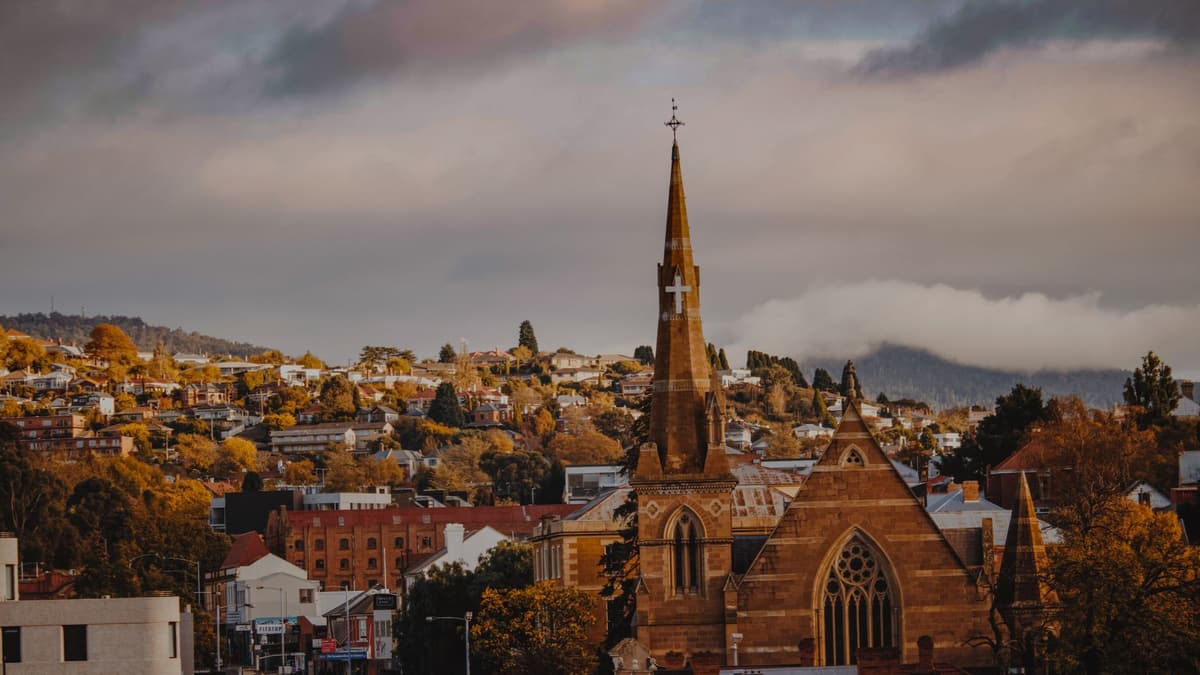 Constitution Dock is the small, square basin full of fishing boats in front of you, and it is the working heart of the waterfront. Look for the floating fish punts moored along its edge, little barges that sell fish and chips straight off the water, and the gulls standing by to help you eat them. The dock was ordered by Governor William Denison in 1847, dug and built with convict labor, and opened in December 1850. It was named for the act passed in London that year which opened the way to self-government for the Australian colonies. Every year the dock has a few days of fame. The Sydney to Hobart Yacht Race starts in Sydney Harbour on Boxing Day, and the fastest boats come up the river and tie up here a day or two later, often in the middle of the night, to cheers from crowds on the quay. Over the following days the slower yachts straggle in, and the dock turns into one long party that runs into New Year. The square you crossed on the way is named after Douglas Mawson, whose Antarctic expedition sailed from Hobart in 1911, and the city still sends ships south to the ice. With the water on your left, follow the waterfront southwest along Franklin Wharf, past the piers, to the long, low sandstone building behind a lawn, about six minutes.
Co zawiera
Nasze wycieczki mają być medytacyjne i wciągające: idziesz i po prostu słuchasz. Zawsze lepiej przeżywa się je razem, a aplikacja odtwarza narrację synchronicznie, więc ty, twój partner i twoi przyjaciele słyszycie każdy przystanek w tej samej chwili.
In front of you, behind its lawn and trees, is the Parliament of Tasmania, a calm, symmetrical Georgian building of honey-colored sandstone. It was not built for politicians.
Dalsza część tego przystanku jest w pełnej audiowycieczce.
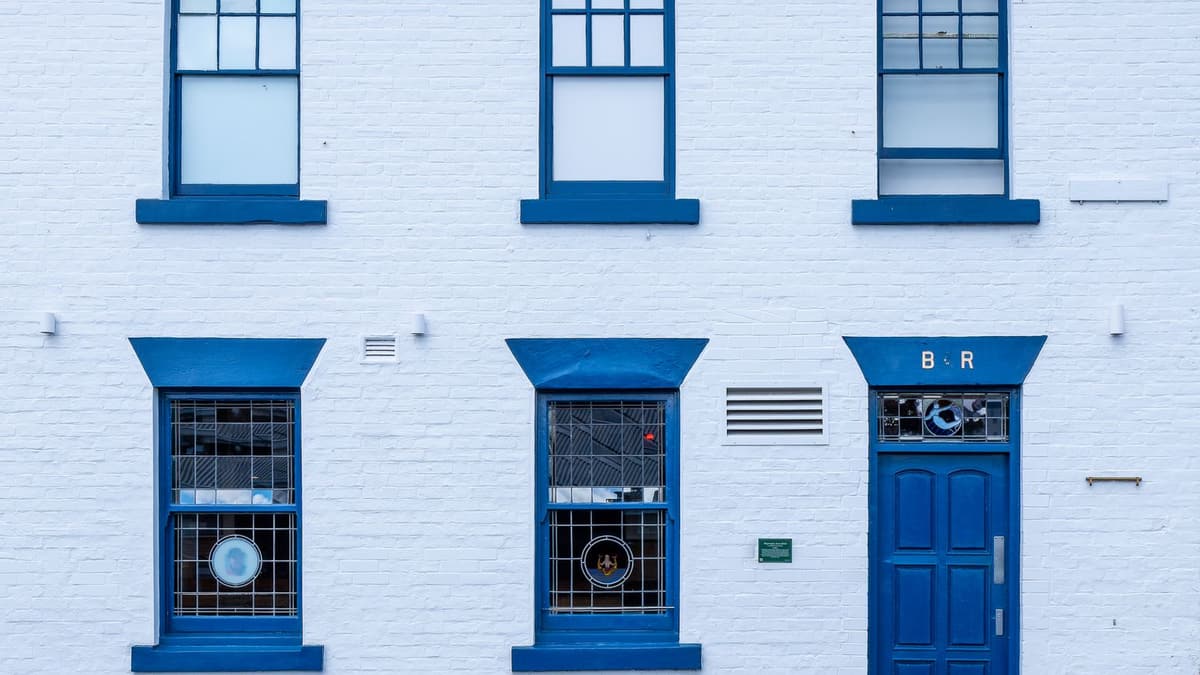
Before you climb, look back along Salamanca Place.
Dalsza część tego przystanku jest w pełnej audiowycieczce.
Princes Park is the grassy headland at the end of Battery Point, and it is where the neighborhood got its name. In 1818 a battery of guns was set up here to guard the river approach to the town.
Dalsza część tego przystanku jest w pełnej audiowycieczce.
Arthur Circus is a perfect little circle of single-story cottages around a round village green, each with its own picket fence and tiny front garden. It feels like a stage set, but people live here, so enjoy it quietly.
Dalsza część tego przystanku jest w pełnej audiowycieczce.
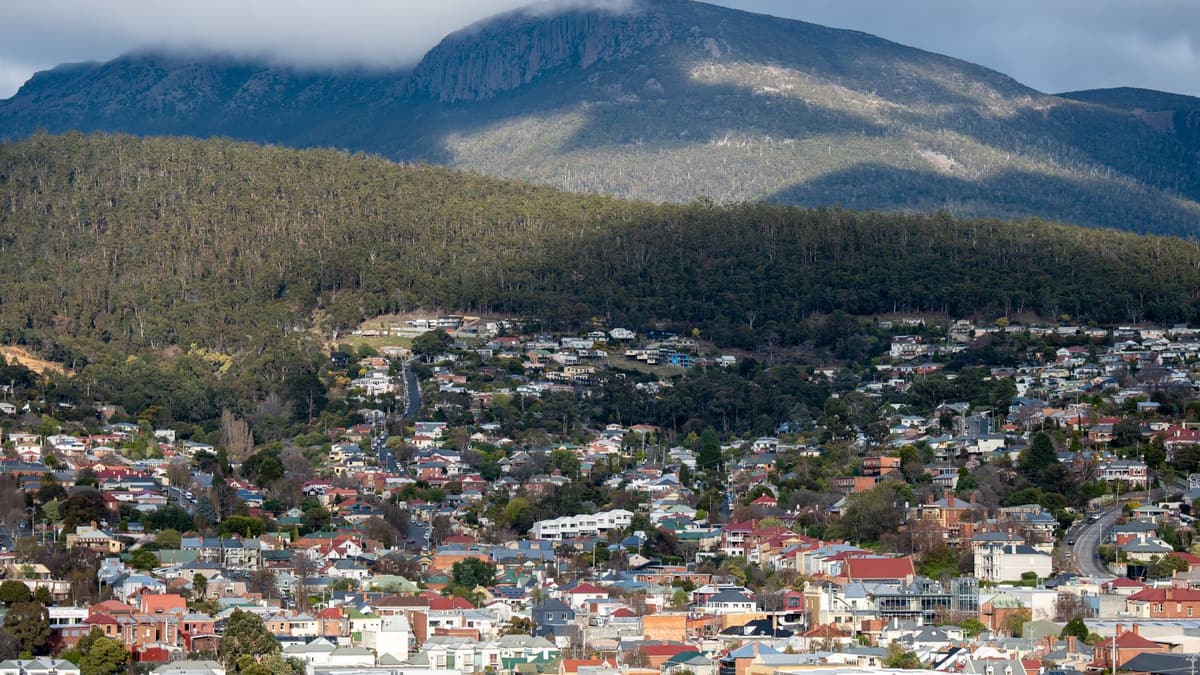
Your walk ends at Narryna, a handsome Georgian townhouse with a sandstone front, set back from the road behind its garden.
Dalsza część tego przystanku jest w pełnej audiowycieczce.
Wykonaj ten spacer z innymi ludźmi na następnym zaplanowanym spacerze.
Około 2,2 km, mniej więcej 31 minut w spokojnym tempie · 8 przystanków
Znajomi spacerują za darmoOctober 11, 2026 · 9 min read
From the Hollandsche Schouwburg through the old Jewish Quarter, past the Dockworker and the Dam, to the Anne Frank House on the Prinsengracht.
October 11, 2026 · 11 min read
From Van Houten's street by the Vondelpark past Leidseplein, the Rijksmuseum passage and the famous canal bench to the Anne Frank House.

October 11, 2026 · 10 min read
Follow the last days of April and May 1945 from the Anhalter Bahnhof ruin past the Gestapo site and Brandenburg Gate to the Moltke Bridge and the Reichstag.
