
October 11, 2026 · 9 min read
Amsterdam Anne Frank Walking Tour
From the Hollandsche Schouwburg through the old Jewish Quarter, past the Dockworker and the Dam, to the Anne Frank House on the Prinsengracht.
589

October 11, 2026 · 13 min read

 Prietenii merg gratis
Fiecare tur funcționează și ca o plimbare de grup programată la care te poți înscrie în aplicație.
Mai multe tururi audio în Chicago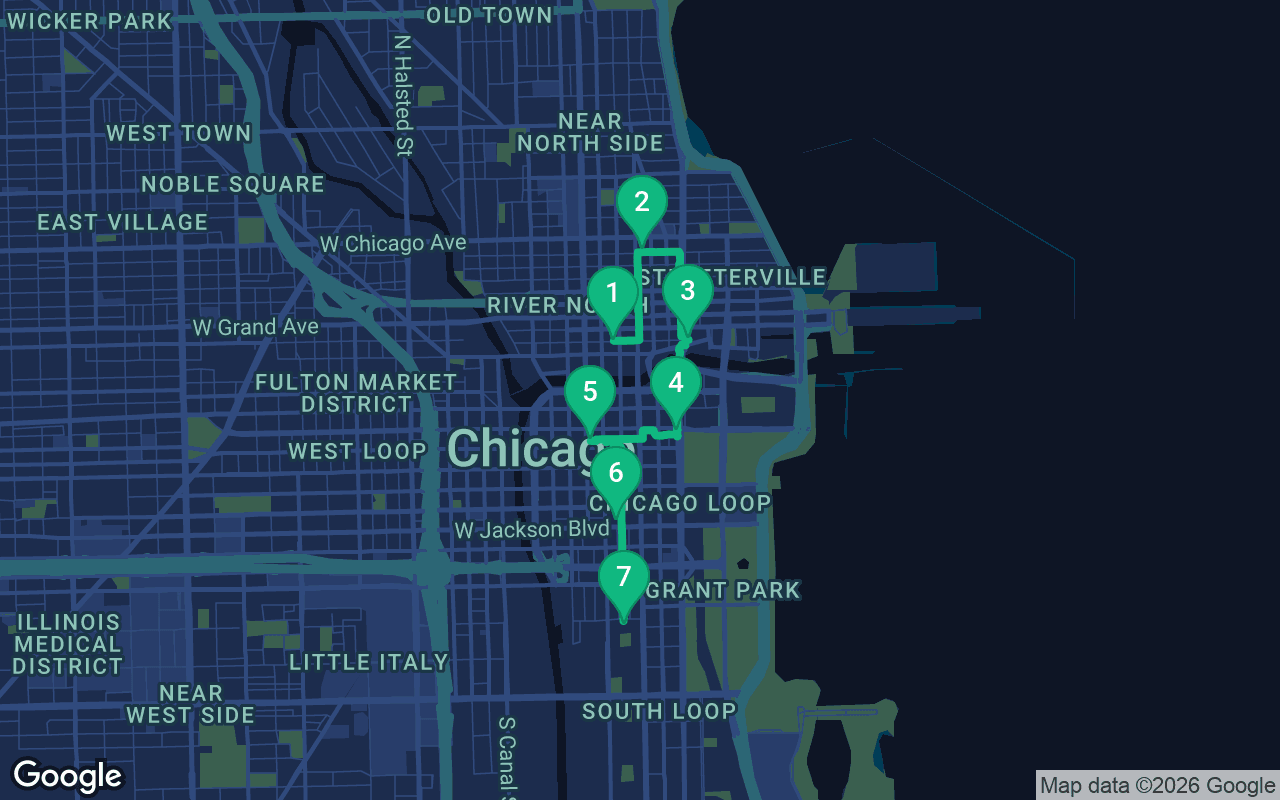
Aproximativ 4,8 km, aproximativ 70 minute într-un ritm ușor.
Acest tur este narat
Apasă pe redare la primele 3 opriri pentru o demonstrație de 30 de secunde a narațiunii. În aplicație, introducerea și aceste 3 opriri se aud integral și gratuit, iar fiecare te anunță printr-un semnal sonor când ajungi. Întregul tur ghidat este al tău pentru $16.99, o achiziție unică pe care o păstrezi pentru totdeauna.
Funcționează cu Garmin, Komoot, Strava, OS Maps și orice aplicație GPX.
In 1920 Prohibition made beer and whiskey illegal across the United States, and in Chicago that turned bootlegging into the biggest business in the underworld. Two outfits fought for it. One was run by Johnny Torrio and his lieutenant, a young man from New York named Al Capone. The other was the North Side Gang. Between 1922 and 1926, by the Mob Museum's count, gangsters killed 315 of their own, and police killed another 160. Bystanders were hurt too. This walk follows that war from a courthouse to a cathedral, through a reporter's murder and a bought City Hall, to the place where it ended for Capone: not in a gunfight, but in a tax ledger and a courtroom. It runs about 4.8 kilometers from the old Criminal Courts Building in River North to Dearborn Station in Printer's Row, one of our story-driven self-guided walking tours. Capone is the main character here, but he is not the hero. The story is told as the record tells it.
The walking alone takes about seventy minutes. With the stories, allow two hours or a little more. The route is flat and paved the whole way, though you will cross some very busy downtown streets, so take the lights. The start is a short walk from the Red Line's Grand station and the Brown and Purple Line stop at Merchandise Mart, and the finish is near the Red Line at Harrison. Check the current transit map before you go. Every stop works from the sidewalk. One of them, Holy Name Cathedral, is an active church, so keep your voice down there. Chicago wind off the lake can bite in the colder months, and the tall buildings funnel it, so bring a layer. The story mostly runs in order, from 1926 to 1932, with one flashback at the cathedral and one stop at City Hall that explains how all of it was possible.
You're at the corner of Dearborn and Hubbard, in front of a heavy, rough-cut stone building with deep arches over its doors. It was designed by Otto Matz and finished in 1893, and for thirty-five years it held the Cook County Criminal Courts. Today it is offices called Courthouse Place, and from the outside it has hardly changed since the 1920s. The Leopold and Loeb murder trial was heard here, and so were proceedings in the Black Sox baseball scandal. The reporters' pressroom inside inspired the 1928 play The Front Page.
Now picture the afternoon of October 11, 1926. Inside, jury selection had begun in a gangland murder trial, the trial of Joe Saltis. In the room, watching, was Hymie Weiss. He led the North Side Gang, the rivals of Torrio and Capone. When he left, he had a list of the jurors in his pocket, along with about 5,300 dollars in cash.
Weiss had reason to be careful. Three weeks earlier, on September 20, North Side gunmen in a convoy of cars had fired into Capone's headquarters at the Hawthorne Inn, out in the suburb of Cicero. By then Torrio had stepped away and handed the business to Capone.
Weiss got into a car to be driven back to his own headquarters, above a flower shop on State Street, four blocks away. It was a short ride. He never got through the door.
Follow his route. Walk east along Hubbard Street one block to State Street, then turn left and head north up State to Superior Street. The tall Gothic cathedral will be on your right. It's about ten minutes.
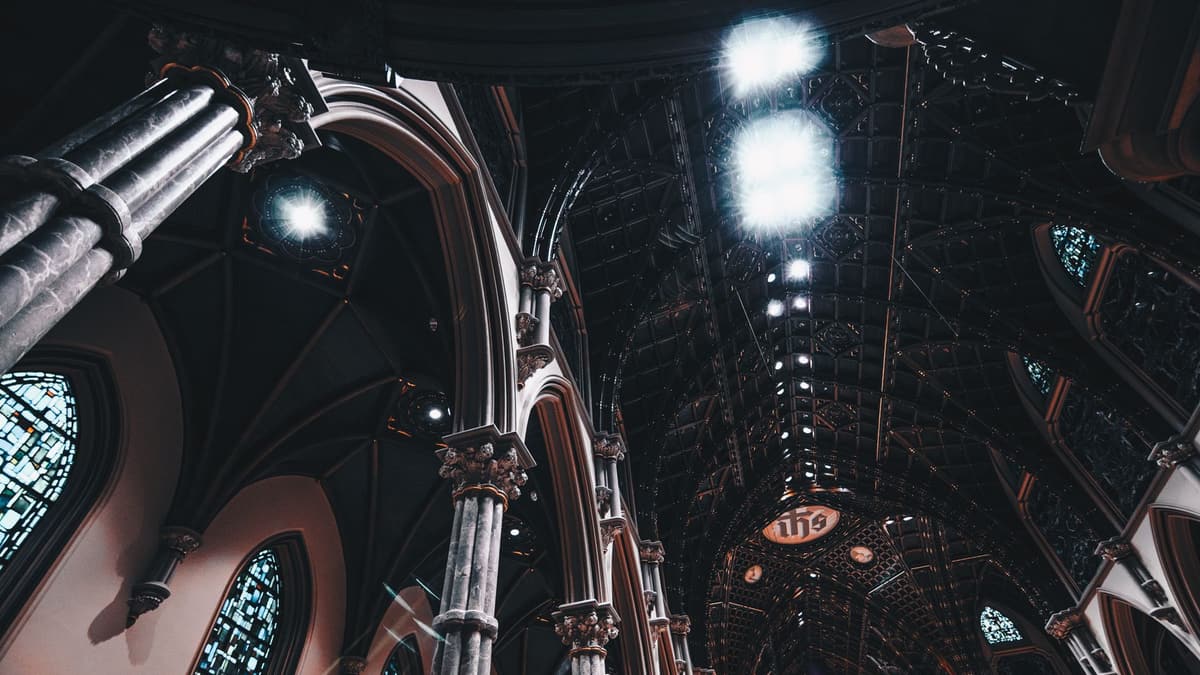
You're on State Street at Superior. On your side, to the east, rises Holy Name Cathedral, the Gothic Revival cathedral of Chicago's Catholics. Its cornerstone was laid in 1874. Now look across State Street at the modern tower with a grocery store at its base. That is One Chicago, and it stands where Schofield's flower shop stood, at 738 North State. The old shop was torn down in 1960.
First, go back two years. Dean O'Banion, then the North Side Gang's leader, was part owner of Schofield's. It was a real florist, but it was also a front and the gang's base. On the morning of November 10, 1924, men came in as if to buy flowers for a gangland funeral, and shot O'Banion dead inside the shop. He was thirty-two. Historians generally name the killers as Frankie Yale, John Scalise and Albert Anselmi, but no one was ever convicted.
Weiss took over. Then, on that October afternoon in 1926, at about four o'clock, he stepped out of his car with four companions and started across State Street toward the shop. Gunmen were waiting in a rented room that overlooked the entrance. They opened fire with a Thompson submachine gun and a shotgun. Weiss was killed, and so was a man named Patrick Murray, who fell in front of the cathedral. A lawyer, W. W. O'Brien, and two other men, Benjamin Jacobs and the driver, Sam Peller, were wounded. In the room, police later found around a hundred cigarette butts. The gunmen had waited a long time.
Chicago's police chief, Morgan Collins, blamed Capone's gang. Capone, reportedly at his home in Florida, denied it. No one was ever convicted. Weiss was not shot on the cathedral steps, as some tellings say. He was shot in the street, and stray bullets struck the cathedral's cornerstone, chipping its carved words. The stone was repaired. Sources disagree on whether any marks can still be seen, so look for yourself, but don't expect obvious bullet holes. Ten days after the shooting, the gangs held a short-lived peace meeting at the Hotel Sherman, and Bugs Moran took over the North Siders.
From here, walk east along Superior Street to Michigan Avenue, then turn right and walk south down Michigan. The Gothic tower you want is on your left, just before the river. It's about ten minutes.
You're in front of the Tribune Tower, the neo-Gothic stone skyscraper finished in 1925. It was home to the Chicago Tribune for decades. The paper moved out in 2018, and the tower became apartments. Look closely at the lower walls. More than 140 stones from famous places around the world are set into them, at eye level.
Our story here is about one of the paper's own men. Alfred Lingle, known as Jake, was a Tribune police reporter. He was a legman: he gathered the news on the street, and others wrote it up. He earned about sixty-five dollars a week.
On a June afternoon in 1930, Lingle was murdered, a few minutes' walk south of here. The Tribune posted a reward of 25,000 dollars, and other papers added more. At first he was mourned as a martyred reporter.
Then investigators started looking at his money. Lingle had far more than his salary could ever explain. He had a bank balance of more than 60,000 dollars, a hotel suite and a stock account. He reportedly wore a diamond belt buckle said to be a gift from Capone himself. Lingle, it turned out, was deeply tangled up with gangsters and with gambling. The martyr story collapsed into a scandal.
That's worth holding onto. Lingle was not a crusader killed for exposing the mob. He was a reporter caught up in the rackets, and his killing came out of that world. His death still mattered. Let's go to where it happened.
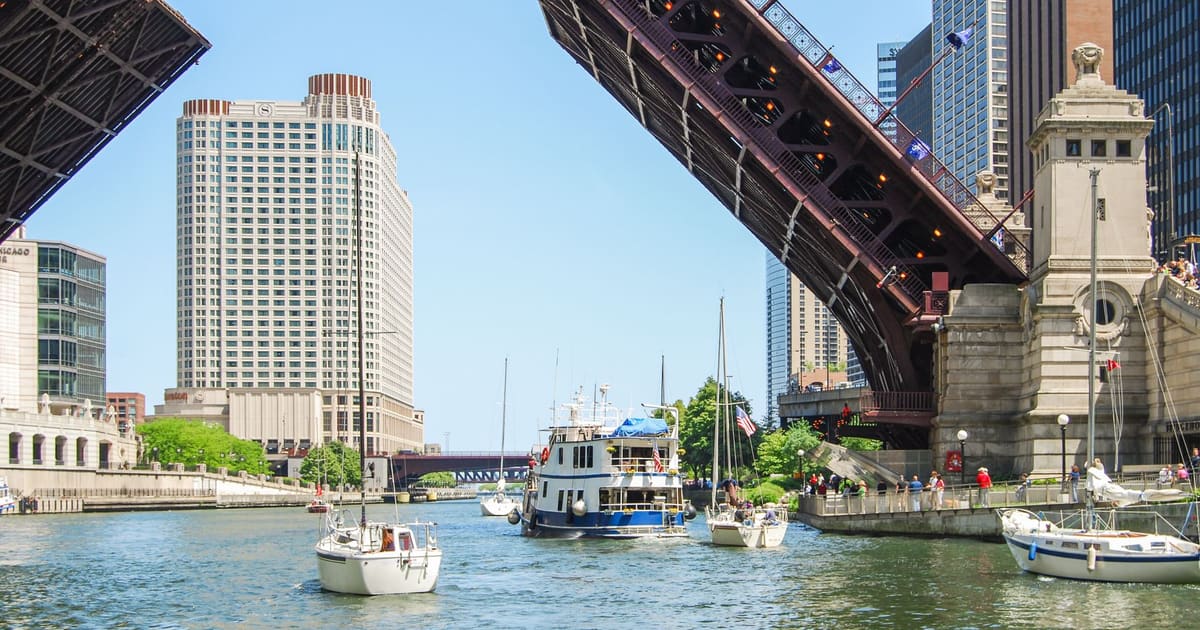
Cross the river on the Michigan Avenue bridge and keep walking south on Michigan to Randolph Street. It's about ten minutes.
Ce este inclus
Tururile noastre sunt gândite să fie meditative și captivante: te miști și pur și simplu asculți. Sunt mereu mai frumoase împreună, iar aplicația redă narațiunea sincronizat, astfel încât tu, partenerul tău și prietenii tăi auziți fiecare oprire în același moment.
You're at the corner of Randolph and Michigan. Look for the entrance to Millennium Station, the commuter rail station that now sits below Millennium Park.
Restul acestei opriri este în turul audio complet.
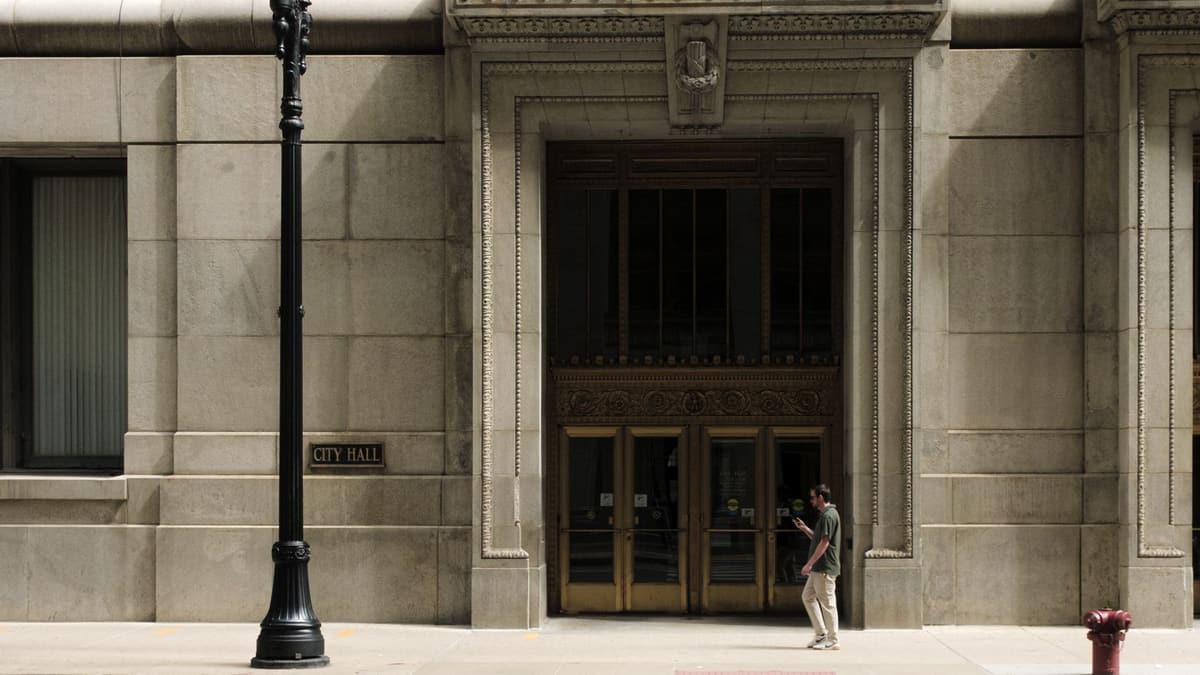
You're at the massive City Hall and County Building, a Chicago Landmark. The city's half was finished in 1911, and the mayor's office is still inside.
Restul acestei opriri este în turul audio complet.
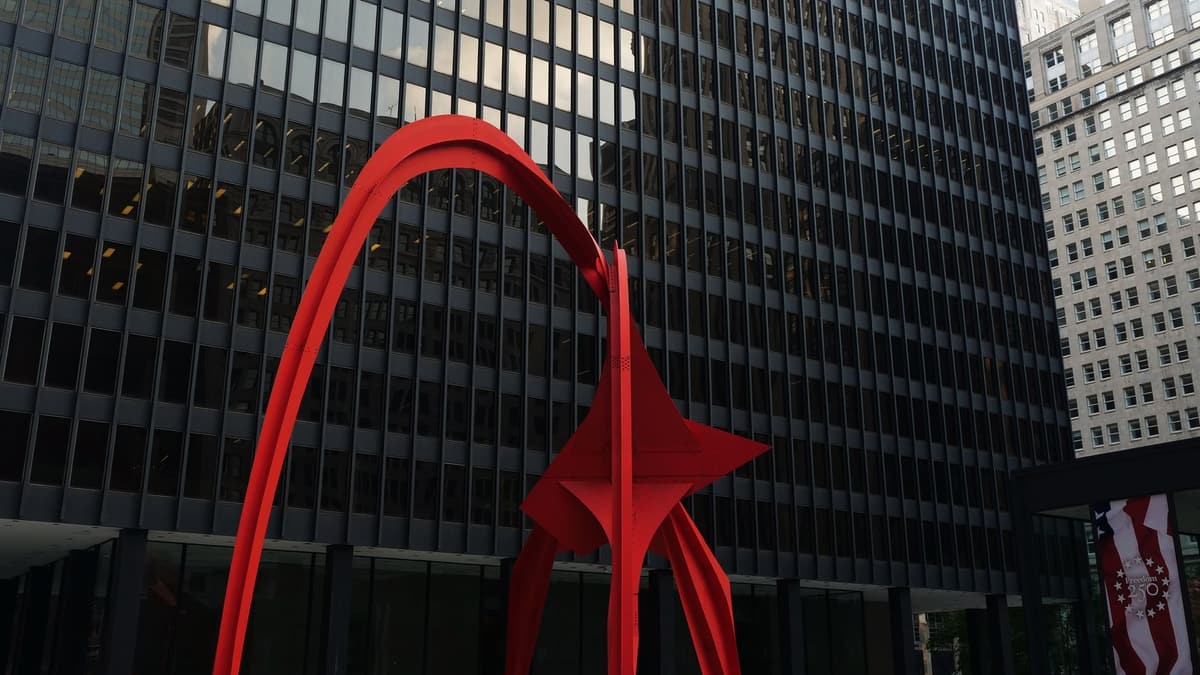
You're on Federal Plaza, framed by Mies van der Rohe's black steel federal buildings, with Alexander Calder's red Flamingo in the center. It's from 1974.
Restul acestei opriri este în turul audio complet.
You're at the foot of Dearborn Street, facing a Romanesque station with a clock tower, built in 1883. It is the oldest passenger station building still standing in Chicago.
Restul acestei opriri este în turul audio complet.
Fă această plimbare alături de alți oameni la următorul tur programat.
Aproximativ 4,8 km, aproximativ 70 minute într-un ritm ușor · 7 opriri
Prietenii merg gratisOctober 11, 2026 · 9 min read
From the Hollandsche Schouwburg through the old Jewish Quarter, past the Dockworker and the Dam, to the Anne Frank House on the Prinsengracht.
October 11, 2026 · 11 min read
From Van Houten's street by the Vondelpark past Leidseplein, the Rijksmuseum passage and the famous canal bench to the Anne Frank House.

October 11, 2026 · 10 min read
Follow the last days of April and May 1945 from the Anhalter Bahnhof ruin past the Gestapo site and Brandenburg Gate to the Moltke Bridge and the Reichstag.
