




 $7.99Városnézés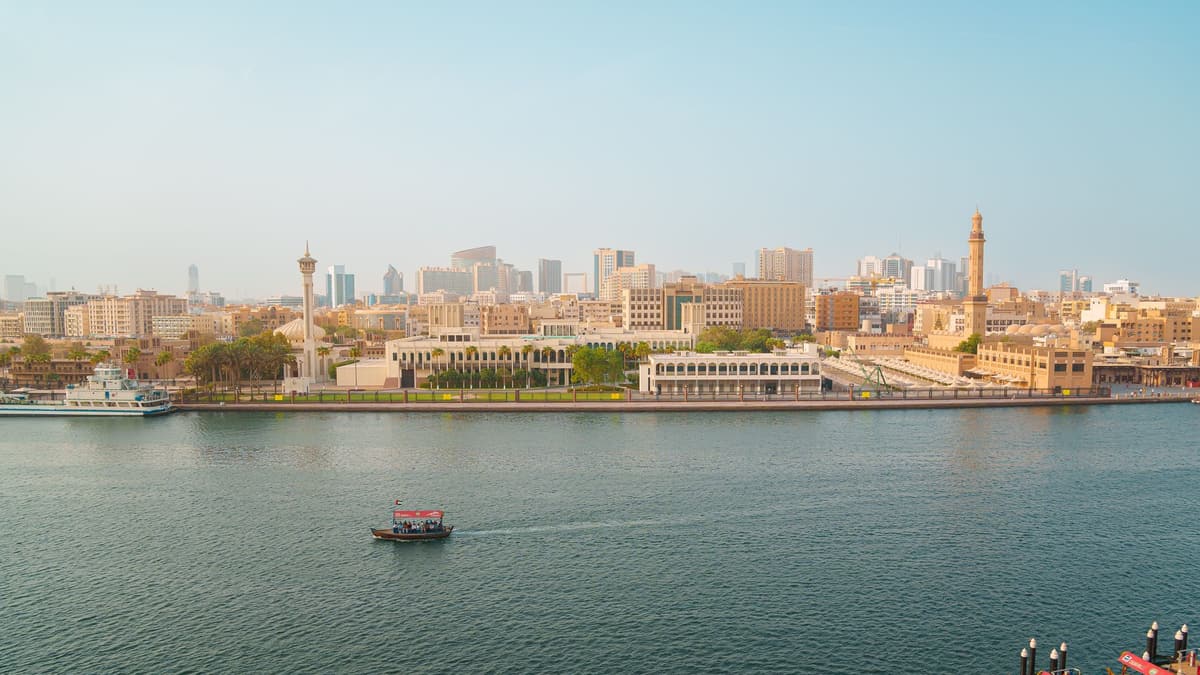
Dubai audió gyalogos túrák
Egyéni, narrált séták Dubai területén. Vásárold meg a túrát egyszer, töltsd le, és hagyd, hogy a történet megszólaljon minden megállónál, miközben a saját tempódban sétálsz.
Túrák már $7.99 ártól
A barátaid ingyen sétálnak. Egyetlen vásárlás mindenkit lefedi a sétádon. Indítsd el a túrát, hívd meg a barátaidat csatlakozásra, és minden telefonon lejátszódik a csoportodban.
5.0 a Google Play-en
Dubai audió túrák
Minden túra egy térképes útvonal, amely minden megállónál narrációt tartalmaz. Vedd meg egyszer, és a tiéd marad, előfizetés nélkül.
$7.99Városnézés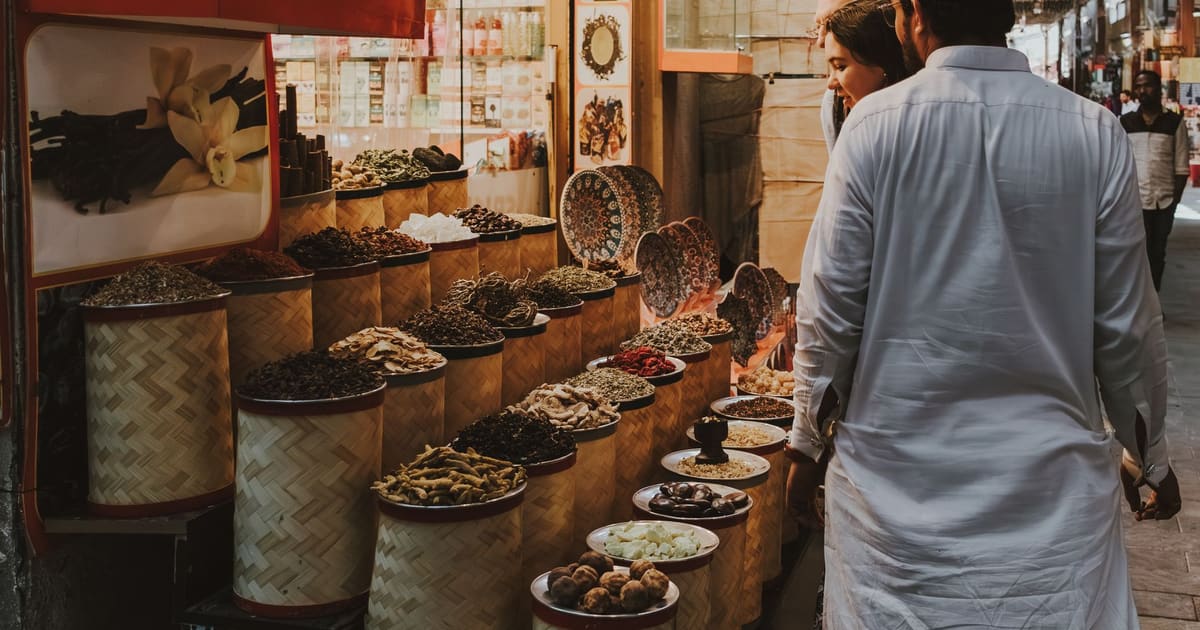 $8.99Városnézés
Mire számíthatsz egy Dubai audió gyalogos túrán?
A Dubai audio walk takes you back to the town before the towers, through wind-tower lanes and covered souks on both banks of the Creek, with wooden abras still crossing the water the way they have for generations.
The Al Fahidi & Creek Walk starts on the waterfront at Al Seef, winds through the shaded lanes of the Al Fahidi Historical Neighbourhood with their coral-stone walls and wind towers, and passes the Grand Mosque and the covered Textile Souk. It stops at the Bur Dubai abra station, where wooden water taxis cross to Deira, and finishes at Al Shindagha, the strip of restored houses where Dubai's ruling family first settled in 1833. It covers 2.5 kilometers, about 34 minutes, over 6 stops.
The Deira Souks Walk starts at Al Ahmadiya School, the city's first school, then works through the Spice Souk, the Gold Souk and the Perfume Souk before reaching Naif Souk and the working dhow wharves along the Creek. It finishes at Baniyas Square, once the commercial heart of the city. It runs 3.1 kilometers, about 43 minutes, over 7 stops, all on flat, busy streets.
Both walks follow the same stretch of water from opposite banks, Bur Dubai's quieter heritage lanes against Deira's working souks, and either crosses the Creek by abra if you want to link them into one longer outing. Evenings from November to March suit both best, when the heat has faded and the gold shop windows and spice stalls are at their liveliest.
Merre sétálj Dubai területén?
Néhány megálló, amely mellett elhaladsz majd, és amiért érdemes lesz lelassítanod.
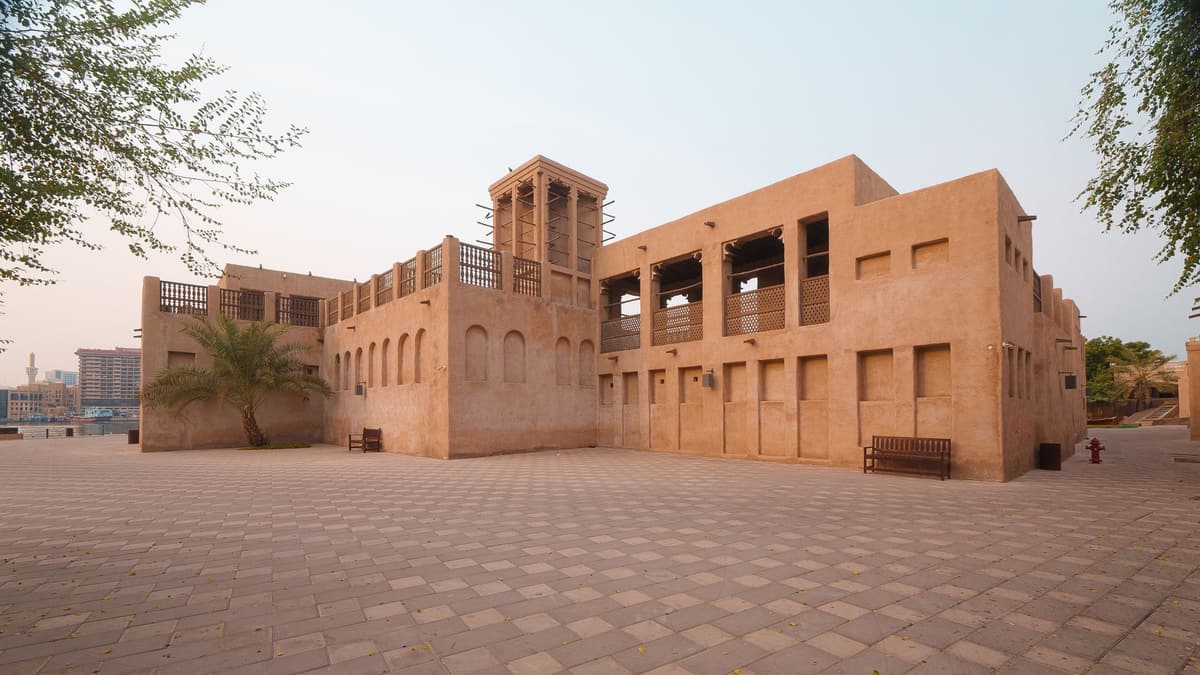
Al Shindagha
This strip of restored coral-stone houses at the old mouth of the Creek is where modern Dubai began. In 1833 a group of around eight hundred people from the Al Bu Falasah, a branch of the Bani Yas tribe, settled here from Abu Dhabi, and the Al Maktoum family have ruled Dubai ever since. Shindagha became home to the ruling family and to wealthy merchants, close to the water and the trade that fed the town, and the courtyard house of Sheikh Saeed bin Maktoum, ruler from 1912 to 1958, still overlooks the Creek as part of the restored district. Today the quarter forms the Al Shindagha Museum, telling the story of Dubai and its Creek across a string of houses and pavilions.
Al Fahidi's Wind Towers
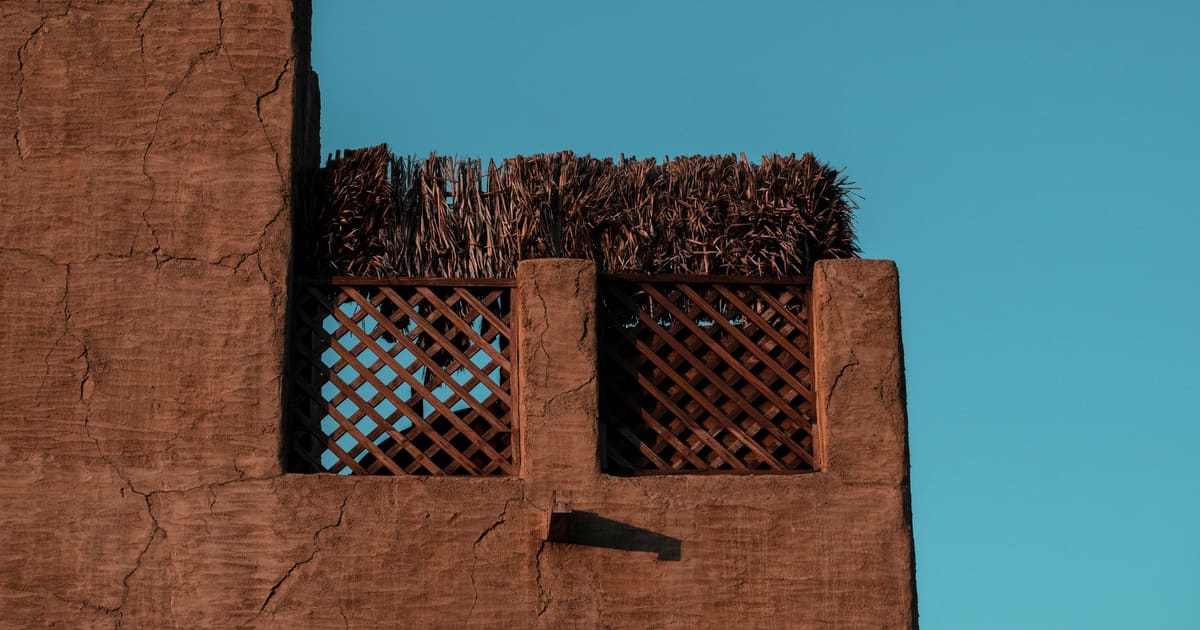
Square towers like this one rise above the Al Fahidi Historical Neighbourhood's rooftops, old Gulf air conditioning known as barjeel, open on all four sides at the top to catch the breeze from any direction and push it down into the rooms below while warm air escapes. The quarter was long known as Bastakiya, after Bastak in southern Persia, and merchant families from that coast moved here in the early 1900s when Dubai's ruler made the town more welcoming to traders with lower duties. The walls are coral stone and gypsum, with roofs laid on poles of mangrove wood, and today the restored courtyard houses hold galleries, small museums, cafes and guest rooms.
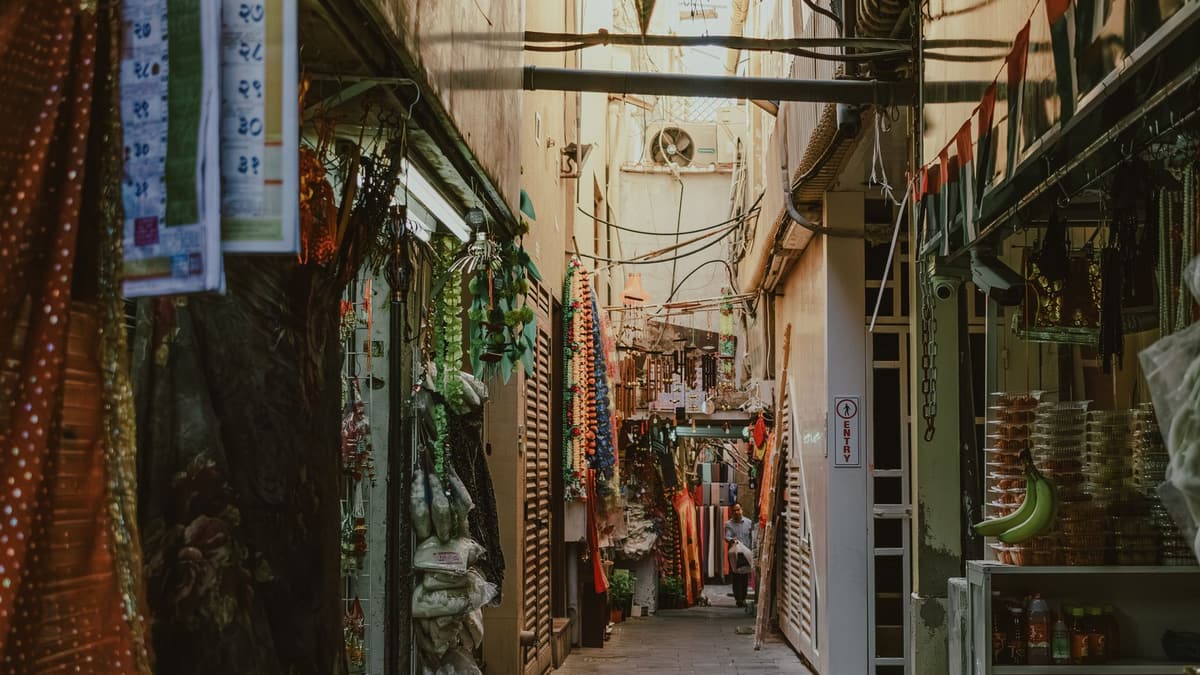
Bur Dubai Textile Souk
A long arcade of timber beams and arches shades this lane, with bolts of silk, cotton, brocade and sequined cloth spilling out of the shopfronts toward the walkway. This has been a market street for generations, its trade looking across the sea to India, and many of the shops are run by families from India and Pakistan, with tailors nearby able to turn a length of fabric into a shirt or dress in a few days. Alongside the cloth you will find pashmina shawls, embroidered slippers and lamps. Haggling is normal here: ask the price, offer a fair amount lower, and meet somewhere in the middle, keeping it friendly throughout.
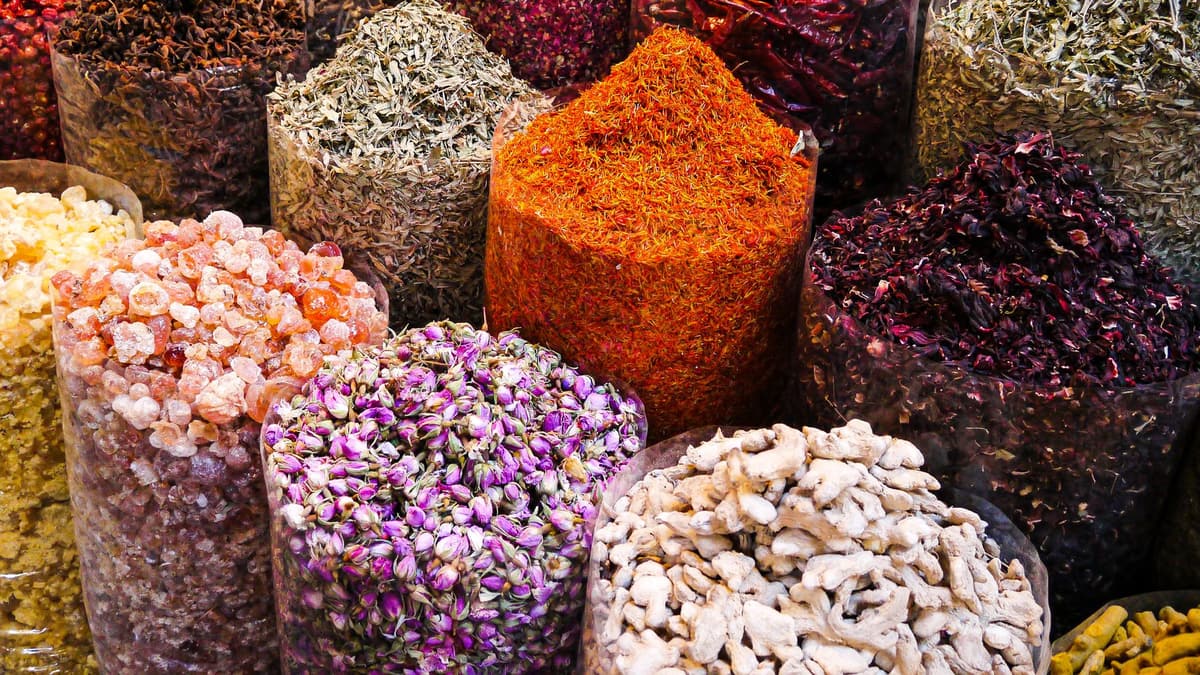
The Spice Souk
Open sacks and baskets line both sides of this covered lane, piled with chilies, turmeric, cinnamon bark, cardamom pods, rose petals, hibiscus flowers and the little black dried limes called loomi, which Gulf cooks drop whole into rice and stews for a sharp, smoky sourness. The pale, glassy resin in some bowls is frankincense, the dried sap of a tree from southern Arabia and the Horn of Africa, burned for its fragrant smoke since ancient times. Cardamom is the heart of Arabic coffee, gahwa, poured in small cups as a sign of welcome across the Emirates, and many of the traders here have family roots in Iran and India, the two coasts this market has always connected.
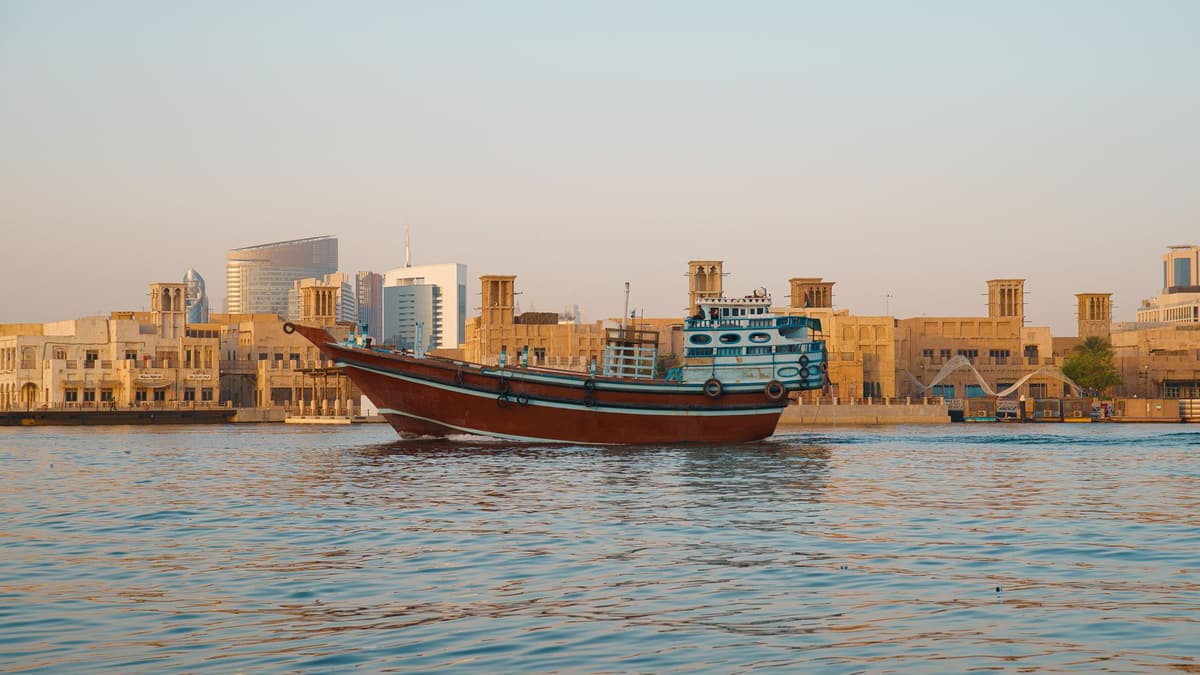
The Dhow Wharves
Wooden dhows line the quay here, sometimes several deep, their high curved bows facing the water with cargo piled on the dockside waiting to be loaded by hand: tires, refrigerators, sacks of rice and crates of food, stacked high on deck. From here dhows still sail to ports in Iran, Pakistan, India and East Africa, much as boats from this Creek have for centuries, and many of the crews come from those same coasts, often living aboard while their boats are in port. Hulls built by eye by master craftsmen still carry this trade even in an age of container ships, one of the most remarkable working sights anywhere in the city.
Szerezd meg az audiotúrát 3 egyszerű lépésben
Minden az ingyenes Walk With Me appban történik, és minden túra első megállóit ingyen kipróbálhatod.
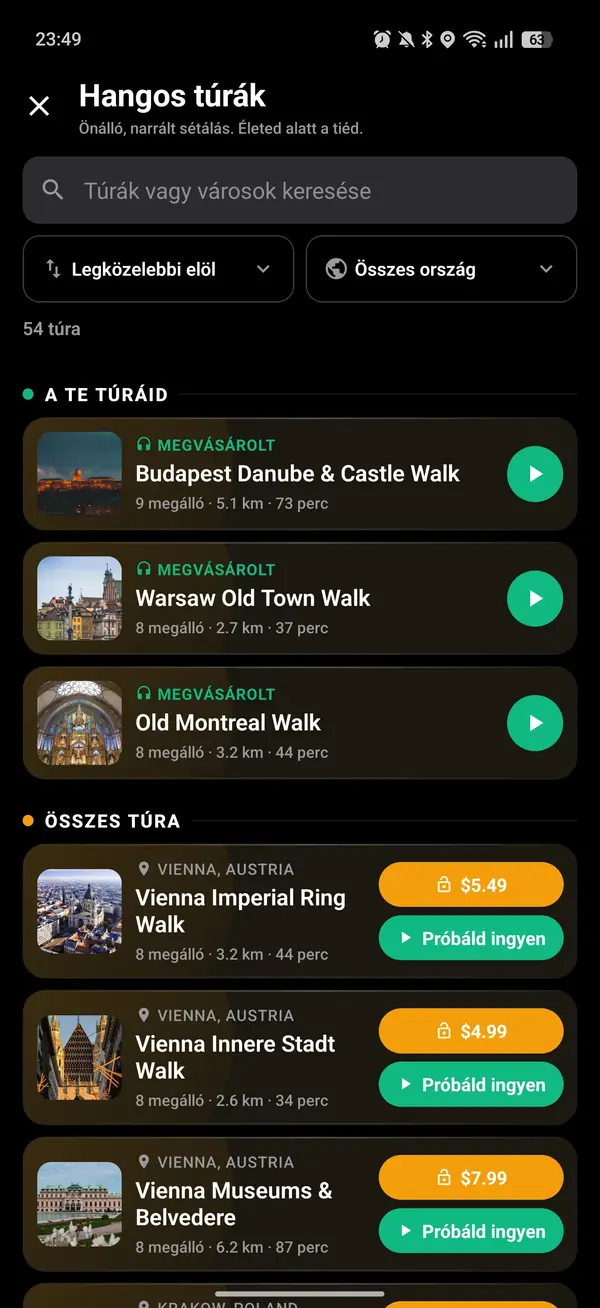
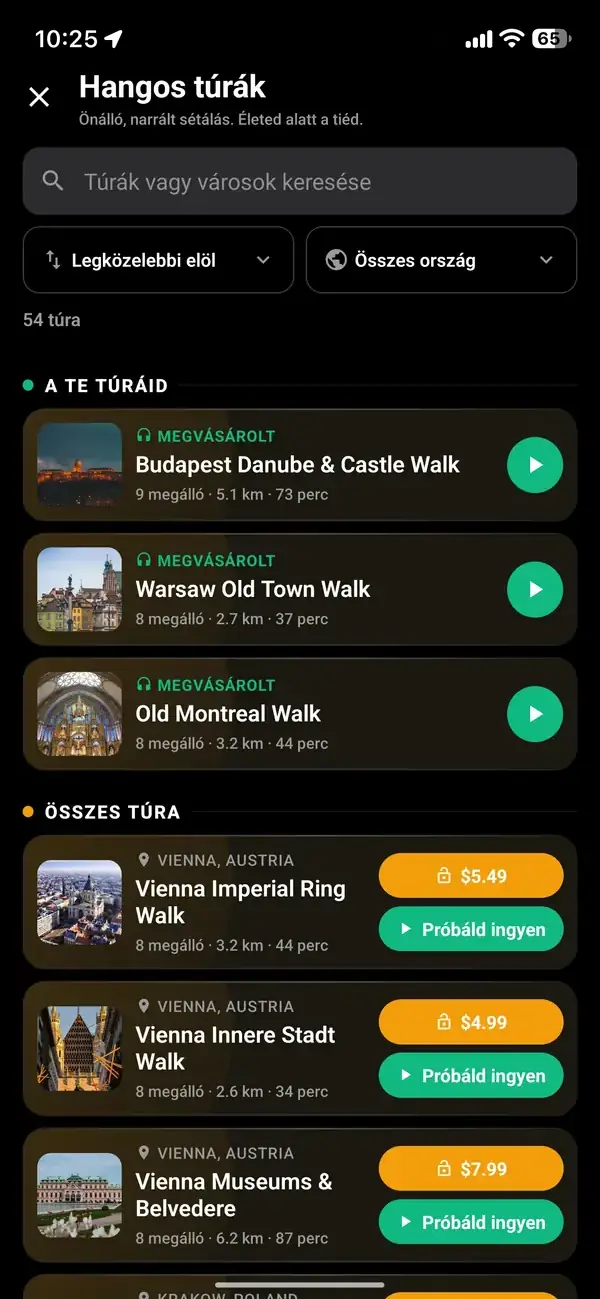
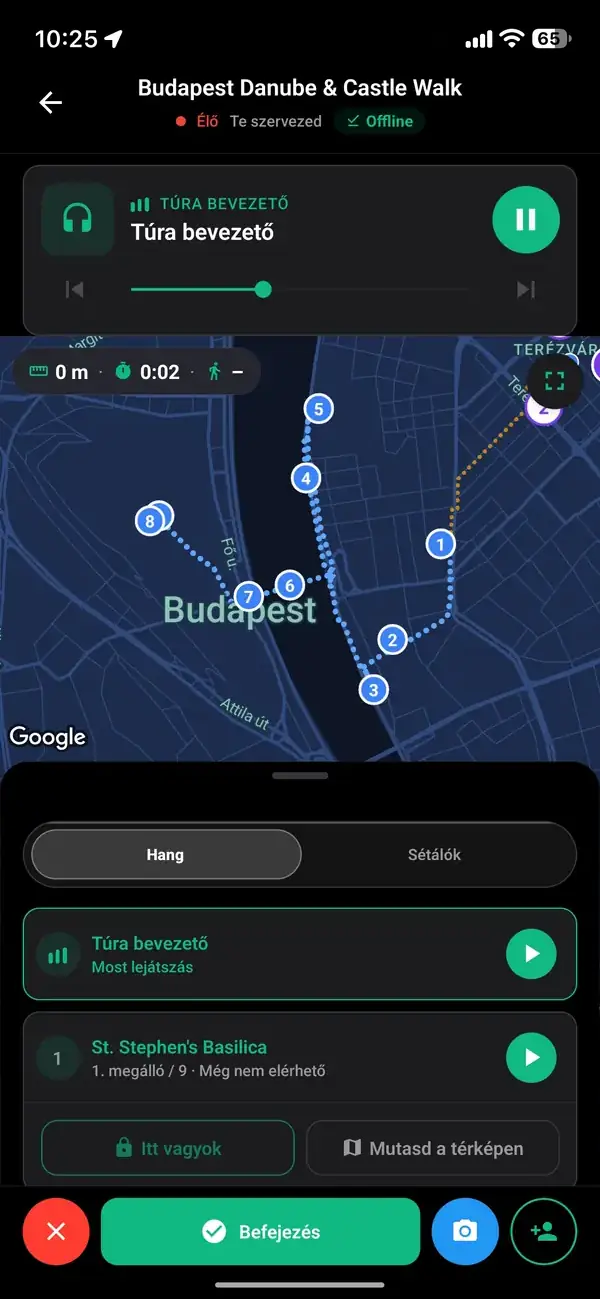
Koppints az arany fejhallgatóra, és válassz túrát
01
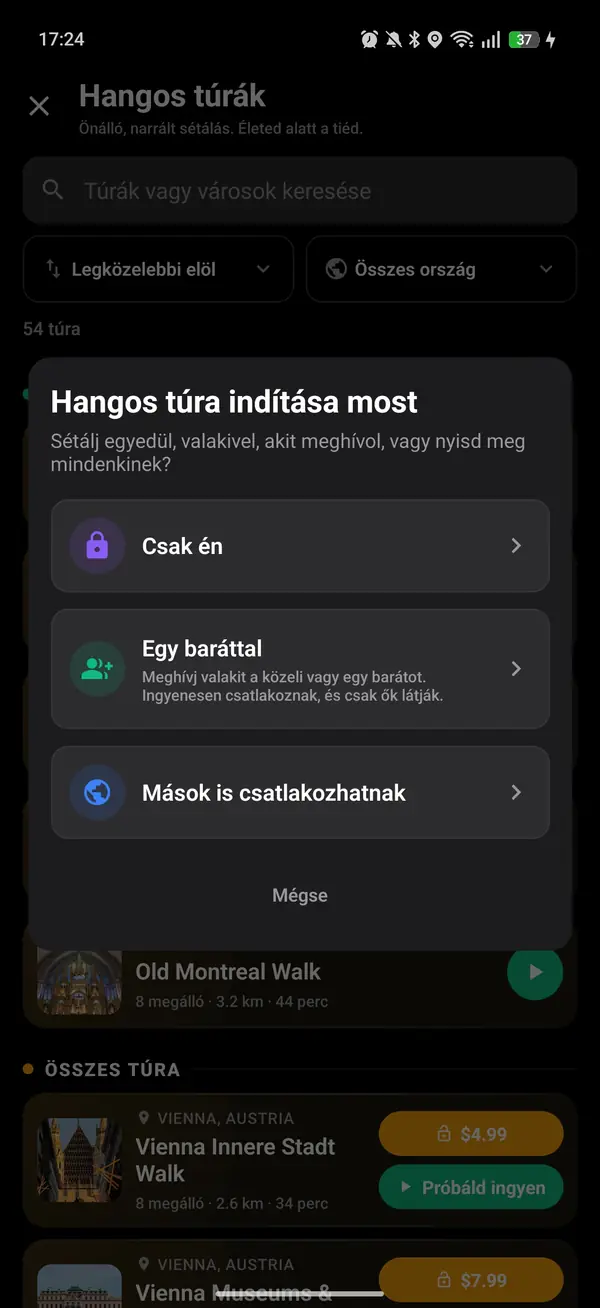
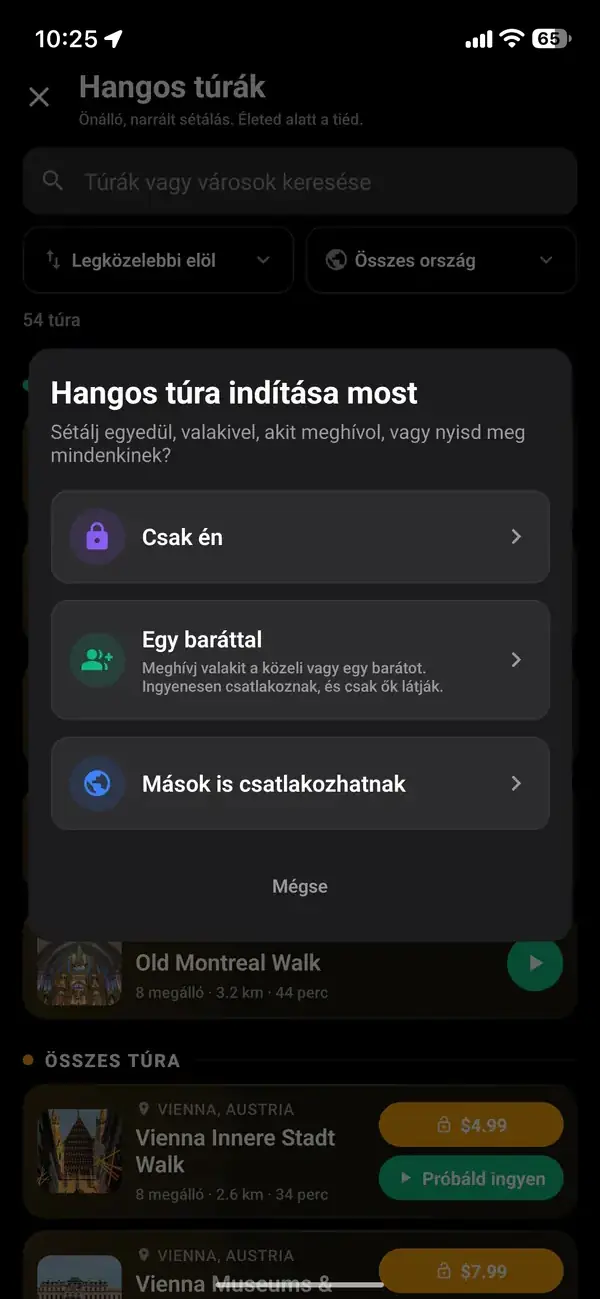
Sétálj egyedül, vagy hívj meg valakit
02
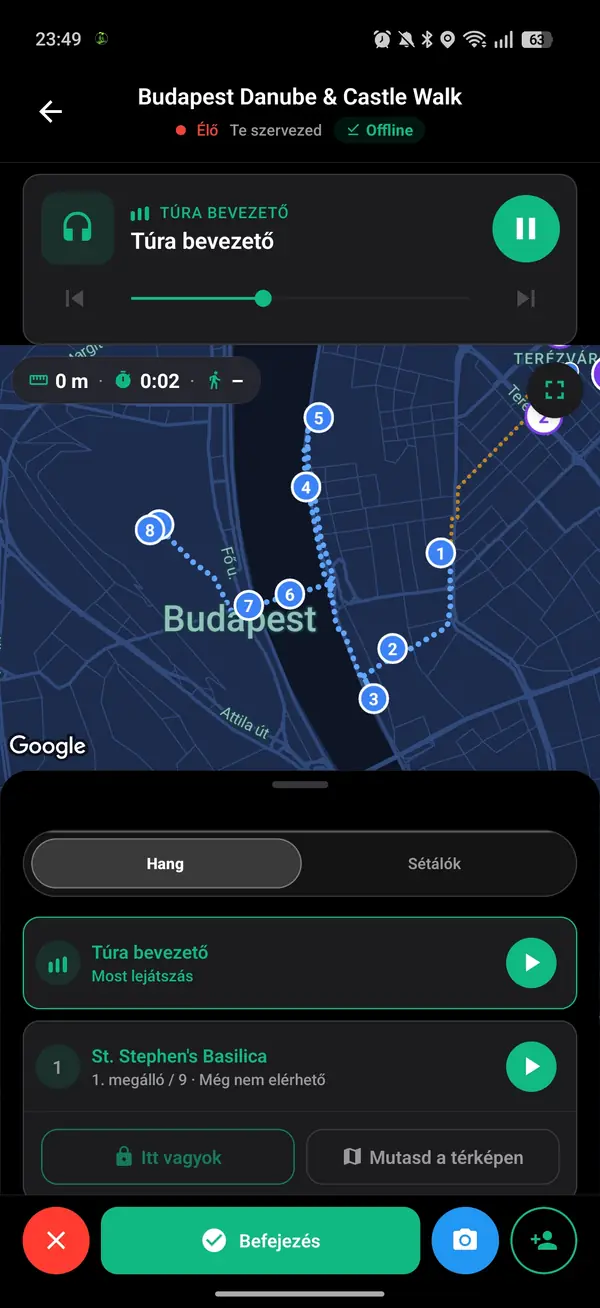
Nyomj a lejátszásra és indulj
03
Kézzel készítve a városban töltött idődre
Ezek a túrák nem kipipálandó látnivalók listái. Arra készültek, hogy lassan járd végig őket, fejhallgatóval a füleden, a várost figyelve.
Meditatív és magával ragadó
Minden történet ott hangzik el, ahol megtörtént. Az app jelez, amikor egy megállóhoz érsz, egy koppintás elindítja a történetet, a megállók közötti utat pedig a saját tempódban élvezheted.
Kézzel, gondosan készítve
Minden útvonalat és minden megállót mi magunk választunk ki, és minden történetet gondosan formálunk meg, hogy a városban töltött időd a leginkább érdemes helyekre jusson.
Valakivel jobb
Minden séta jobb, ha valaki melletted van, ezért ha tudsz hozni valakit, nagyon ajánljuk. Ezért fedez egyetlen vásárlás mindenkit, akit meghívsz: ingyen csatlakoznak a túrádhoz.