
October 11, 2026 · 9 min read
Amsterdam Anne Frank Walking Tour
From the Hollandsche Schouwburg through the old Jewish Quarter, past the Dockworker and the Dam, to the Anne Frank House on the Prinsengracht.
589

October 11, 2026 · 12 min read

 친구는 무료로 함께 걸어요
모든 투어는 앱에서 참여할 수 있는 정기 그룹 걷기 모임으로도 운영됩니다.
Chicago의 오디오 투어 더 보기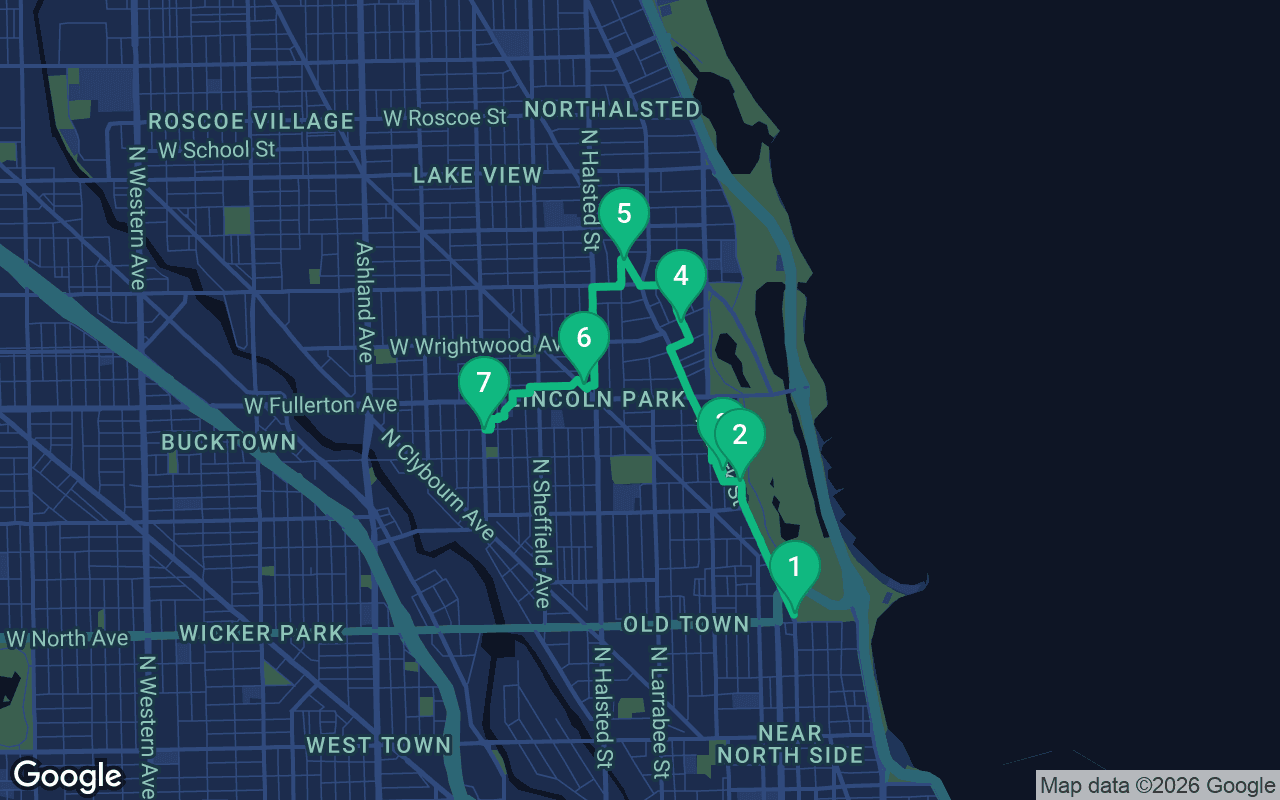
약 5.5km, 여유로운 페이스로 대략 77분 소요.
음성 가이드가 포함된 투어입니다
처음 3개 스톱에서 재생을 누르면 여기에서 나레이션을 30초 데모로 들을 수 있습니다. 앱에서는 인트로와 이 스톱들을 무료로 끝까지 들으실 수 있으며, 각 스톱에 도착하면 알림음이 울립니다. 전체 오디오 투어는 $17.99에 한 번만 구매하시면 평생 소장하실 수 있습니다.
Garmin, Komoot, Strava, OS Maps 및 모든 GPX 앱과 호환됩니다.
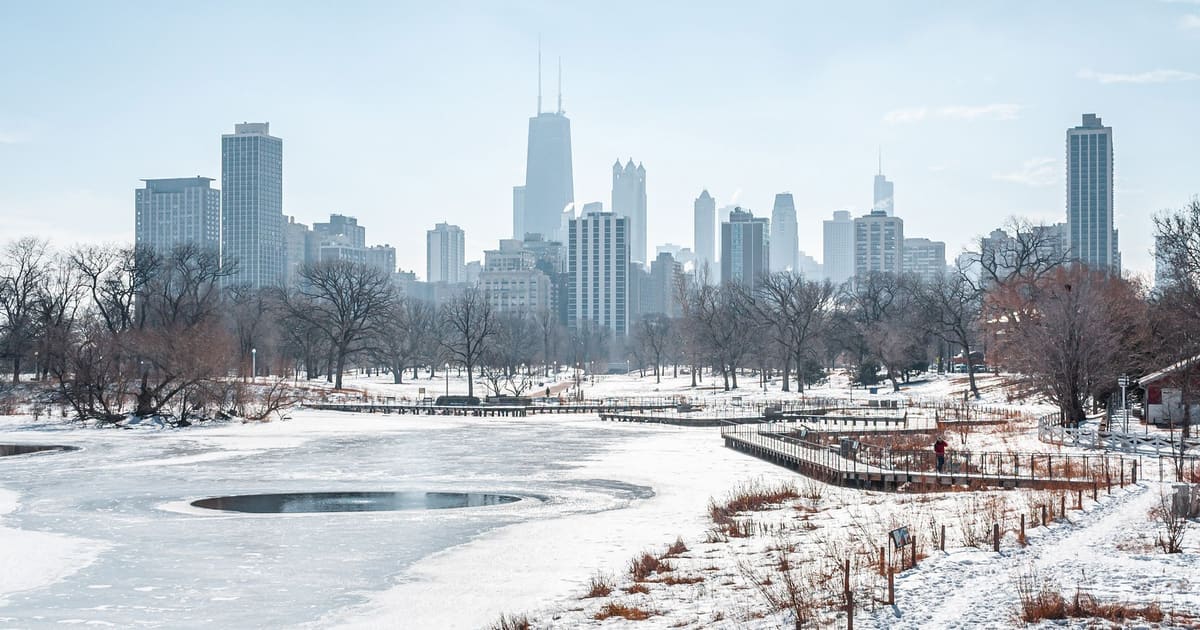
Two of Chicago's most famous crimes happened about a mile apart in Lincoln Park, five years from each other. On the morning of February 14, 1929, seven men were shot dead in a North Side garage. Nobody was ever convicted. On a summer night in 1934, federal agents shot John Dillinger, the man Washington had branded Public Enemy Number One, outside a neighborhood movie theater. Both stories end in the same hospital. This walk tells them in order, on the streets where they happened, with two short stops for context along the way. It runs about 5.5 kilometers, from the Chicago History Museum to the corner where that hospital once stood, one of our story-driven self-guided walking tours. The gangsters in this story are not its heroes. Real people died here, some of them men who never carried a gun, and the walk tells it plainly.
The walking takes about eighty minutes. With the stories, allow about two hours. The route is flat, on city sidewalks the whole way, through a busy, leafy neighborhood of shops and old apartment buildings. Buses on Clark Street stop at the museum, and the Brown and Purple Line station at Sedgwick is less than a kilometer to the west. At the end, the Fullerton station on the Red, Brown and Purple Lines is about a ten-minute walk away. Check the current transit map before you go. Every stop works from the sidewalk. The massacre site is now the lawn of a home for older people, and the old hospital corner has housing too, so keep your voice down and stay on the public walk. Two of the stops are context stops. The other five are where the story happened.
You're outside the Chicago History Museum, at Clark Street and North Avenue, on the edge of Lincoln Park. It's the right place to begin, because its collections hold this story. The museum's photo archive from the old Chicago Daily News includes pictures of the crowds that gathered after Dillinger died in 1934.
First, the world of 1929. Prohibition took effect across the country in January 1920. Making and selling alcohol was now a crime, and gangs took over the trade. In Chicago, two outfits fought for it. On one side stood the organization of Johnny Torrio and Al Capone. On the other stood the North Side Gang.
The North Siders paid for that war in leaders. Their first boss, Dean O'Banion, was killed in 1924. The next, Hymie Weiss, was killed in 1926. After that the gang was run by George Moran, known as Bugs. By 1929, Moran's business was beer and whiskey, and his territory included these streets.
That is where we're headed: to the hotel where Moran lived, and to the garage less than a block away where his gang kept its trucks. Prohibition would last until December 5, 1933.
Head north along Clark Street with the park on your right. Bear right onto Lincoln Park West and follow it to Dickens Avenue. The Pierre is on the corner. It's about fourteen minutes.
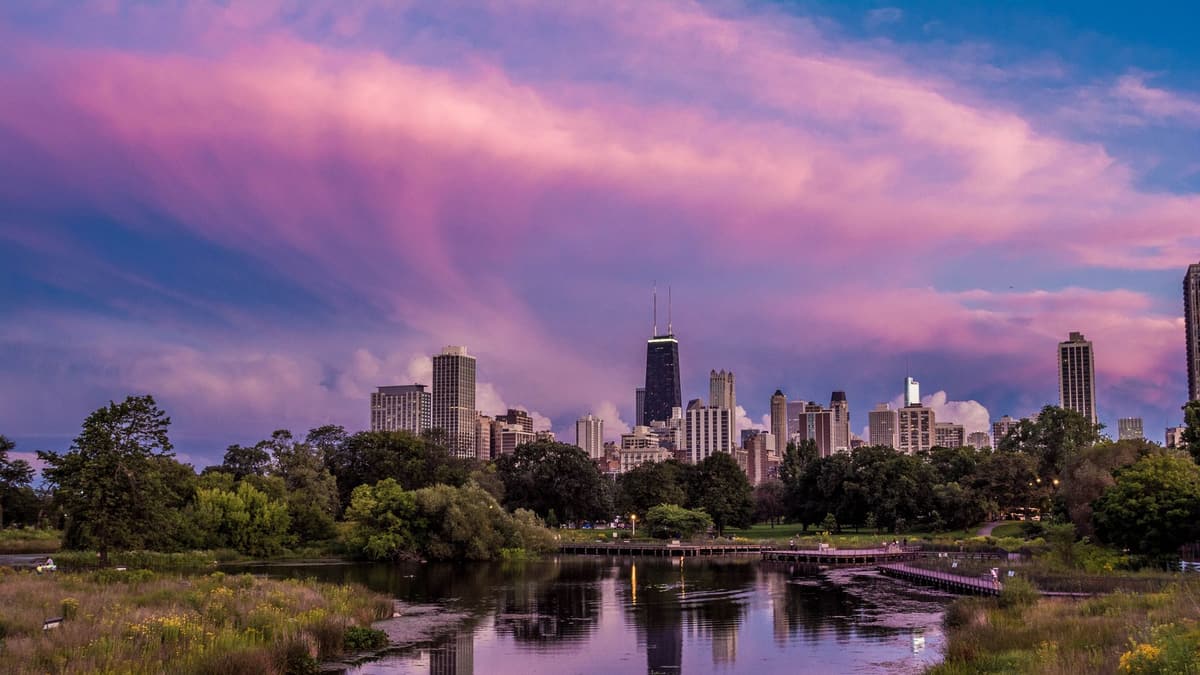
You're in front of The Pierre, a condominium building at 2100 North Lincoln Park West. In 1929 this was the Parkway Hotel. There is no marker.
This is where Bugs Moran lived. The gang's garage was less than a block away, just behind you across the alley, on Clark Street. On the morning of Thursday, February 14, 1929, Moran was expecting a truckload of whiskey to arrive there at about half past ten.
According to the building's own history, another man from this story lived here too: Reinhardt Schwimmer, an optometrist who liked to spend time around the gang. He would be in the garage that morning. He was not a gunman.
Moran was running late. As he approached the garage, he saw what looked like a police car outside. Sources disagree on the details. The Mob Museum says he was on foot with two associates and simply walked on by. Other historians say he was driving, passed the garage, and went for coffee. Either way, the one thing everyone agrees on is that he saw the car, and he stayed away.
That choice saved his life.
Walk west along Dickens Avenue to Clark Street and turn right. The site is a few doors north, on your right. It's about three minutes.
You're on Clark Street, at number 2122. Look at the fenced lawn in front of you. It belongs to a building for older residents, the Margaret Day Blake Apartments. There is no plaque and no sign. Please stay on the sidewalk. Behind the lawn, across the alley, you can see the Pierre.
Here stood the garage of the SMC Cartage Company. At about half past ten on that Thursday morning, a car pulled up and men got out, two of them dressed in police uniforms. The Mob Museum says four men; other accounts say up to six. They carried two Thompson submachine guns and a shotgun. Inside were seven men. The seven were lined up against the back wall of the garage and shot.
Their names were Peter Gusenberg, 41. Frank Gusenberg, 37. Albert Kachellek, 42. Adam Heyer, 40. Albert Weinshenk, 36. Reinhardt Schwimmer, 29. And John May, 35. Schwimmer and May were not gunmen.
One living thing in the garage was unhurt: a German shepherd named Highball, tied to a truck.
Frank Gusenberg was still alive. He had been shot many times; sources disagree on how many. He was taken to a hospital, where he refused to name anyone. Later histories report that when he was asked who shot him, he said no one did. He died about three hours later.
No one was ever convicted. Capone was in Florida at the time. The garage itself was torn down in 1967. The bricks of its back wall were saved, and today they are at the Mob Museum in Las Vegas.
Continue north on Clark Street, past Fullerton Avenue, to Wrightwood Avenue. Turn right, and the mansion is a short way along on your right, at the corner of Hampden Court. It's about seventeen minutes.
포함 사항
저희 투어는 명상하듯 몰입할 수 있도록 만들어졌습니다. 걸으며 그저 귀 기울이시면 됩니다. 함께하면 언제나 더 좋고, 앱이 나레이션을 동기화해 재생하므로 당신과 파트너, 친구들이 모든 스톱을 같은 순간에 들을 수 있습니다.
You're at 503 West Wrightwood Avenue, in front of a richly ornate mansion. Look at the entrance.
이 스톱의 나머지 내용은 전체 오디오 투어에 있습니다.
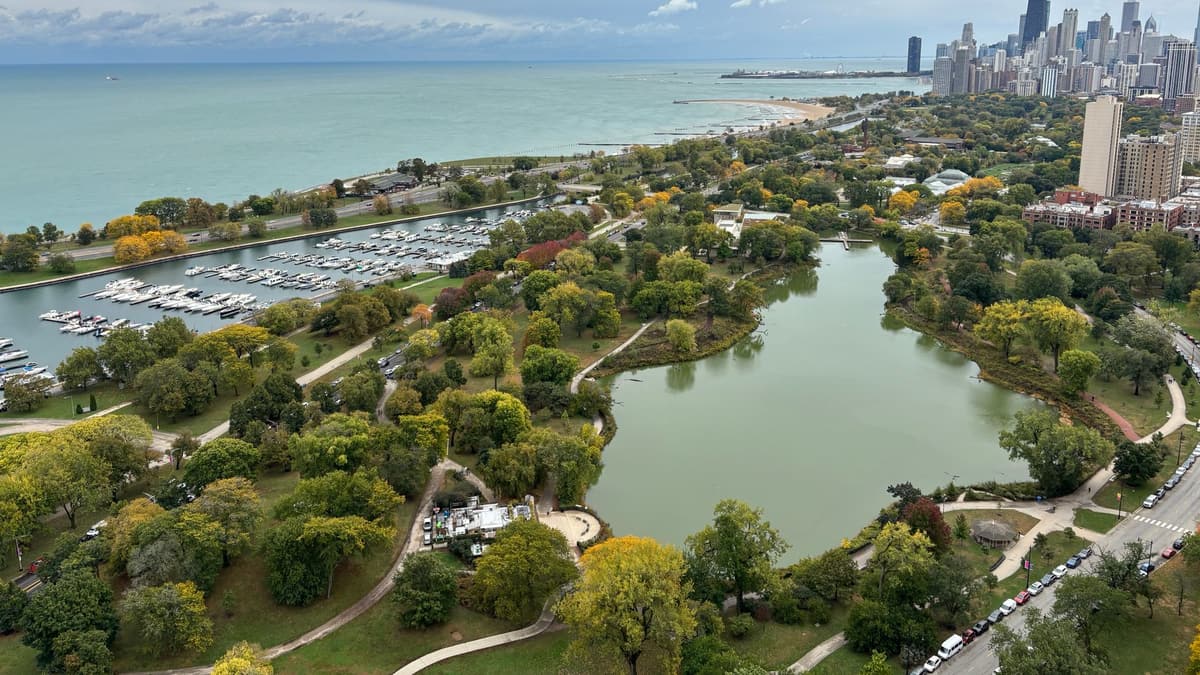
You're on Clark Street at number 2858. An apartment building stands at this address today.
이 스톱의 나머지 내용은 전체 오디오 투어에 있습니다.
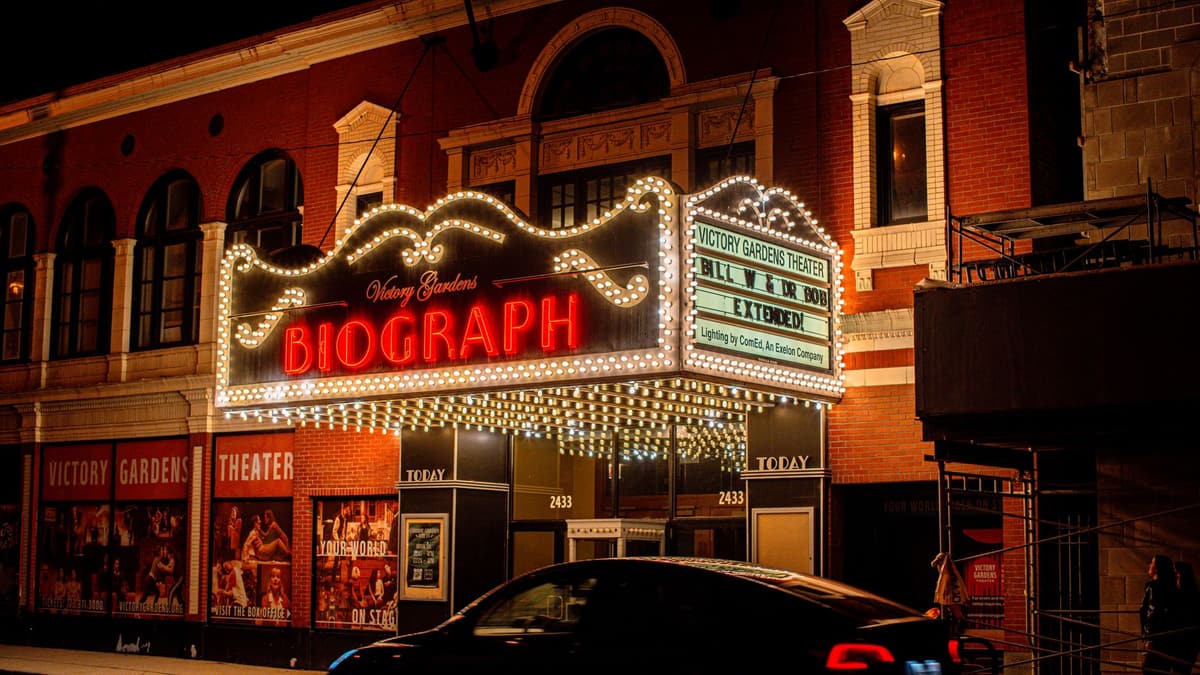
You're in front of the Biograph Theater, at 2433 North Lincoln Avenue. It opened in 1914, designed by Samuel Crowen, in red pressed brick and white terra cotta.
이 스톱의 나머지 내용은 전체 오디오 투어에 있습니다.
You're at the corner of Belden and Racine. Near this corner, at 1200 West Belden Avenue, stood the Alexian Brothers Hospital.
이 스톱의 나머지 내용은 전체 오디오 투어에 있습니다.
다음 예정된 투어에서 다른 사람들과 함께 이 산책을 해보세요.
약 5.5km, 여유로운 페이스로 대략 77분 소요 · 7 정류장
친구는 무료로 함께 걸어요October 11, 2026 · 9 min read
From the Hollandsche Schouwburg through the old Jewish Quarter, past the Dockworker and the Dam, to the Anne Frank House on the Prinsengracht.
October 11, 2026 · 11 min read
From Van Houten's street by the Vondelpark past Leidseplein, the Rijksmuseum passage and the famous canal bench to the Anne Frank House.

October 11, 2026 · 10 min read
Follow the last days of April and May 1945 from the Anhalter Bahnhof ruin past the Gestapo site and Brandenburg Gate to the Moltke Bridge and the Reichstag.
