




 $9.99Obiective din oraș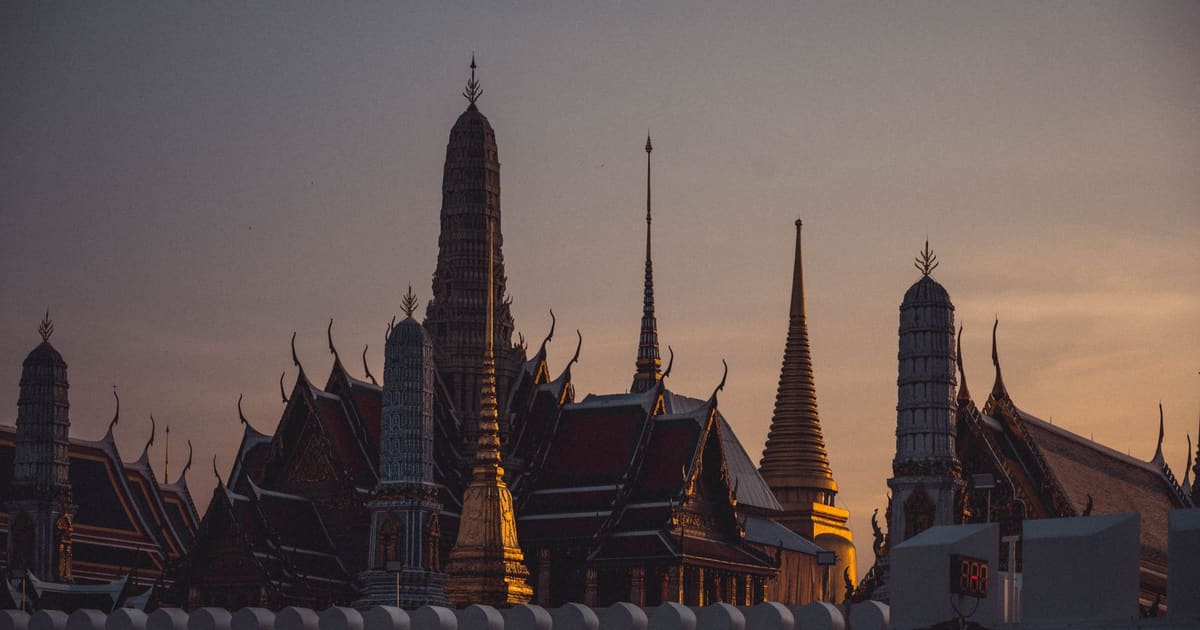
Audio Bangkok Tururi pietonale
Plimbări ghidate pe cont propriu, cu narațiune, prin Bangkok. Cumperi turul o singură dată, îl descarci și lași povestea să ruleze la fiecare oprire, în timp ce mergi în propriul ritm.
Tururi de la $8.99
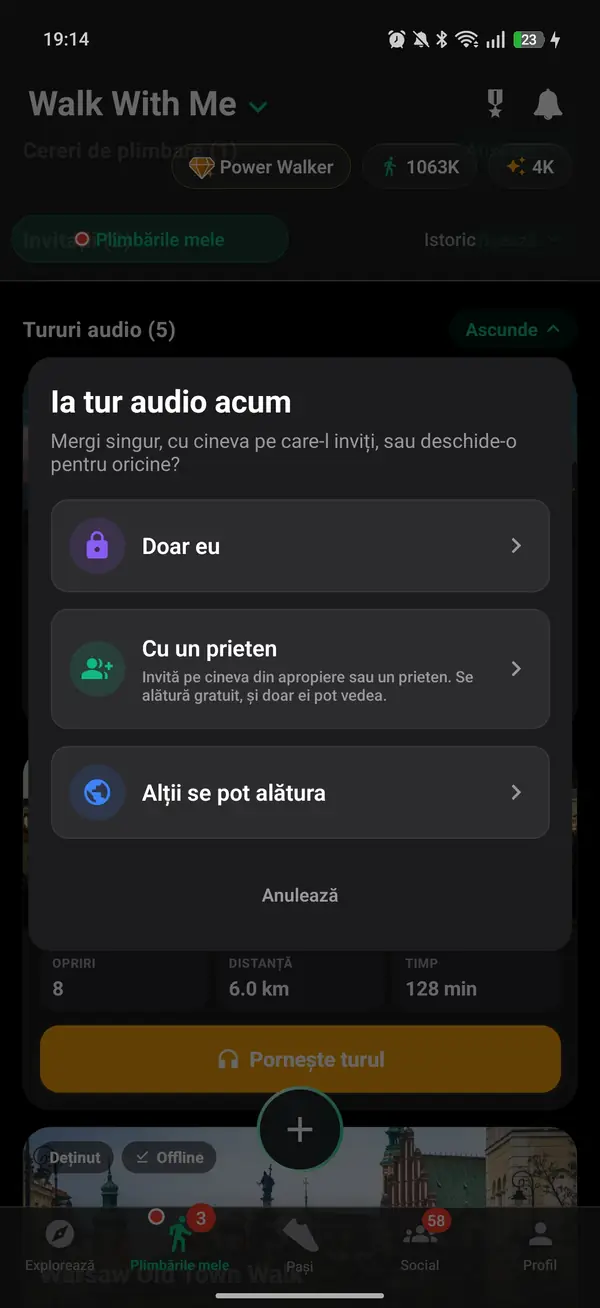
Prietenii merg gratis. O singură achiziție îi include pe toți cei de pe plimbarea ta. Pornește turul, invită-ți prietenii să se alăture, și acesta se va reda pe fiecare telefon din grupul tău.
5.0 pe Google Play
Tururi audio în Bangkok
Fiecare tur este un traseu pe hartă cu narațiune la fiecare oprire. Îl cumperi o singură dată și rămâne al tău, fără abonament.
$9.99Obiective din oraș$8.99Obiective din orașLa ce să te aștepți de la un tur pietonal audio în Bangkok
A Bangkok audio walk can cross Chinatown's gold shops and incense from the Golden Buddha to a Sikh gurdwara, or trace Rattanakosin island from the Grand Palace and the Reclining Buddha at Wat Pho to Wat Arun and the flower market.
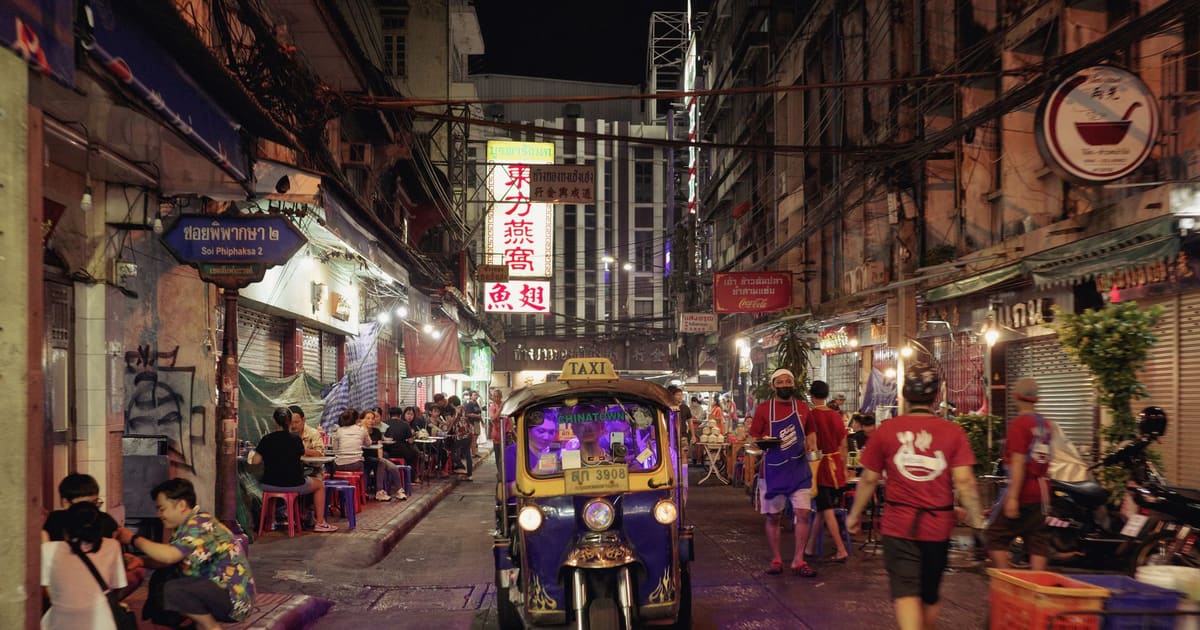
The Bangkok Chinatown Walk starts in the old riverside lanes of Talat Noi, calls at Wat Traimit to see the Golden Buddha, and follows the neon and gold shops of Yaowarat Road to the incense filled Wat Mangkon Kamalawat, Bangkok's most important Chinese temple. From there it threads the wholesale alleys of Sampeng Lane to Wat Chakrawat's crocodile pond, crosses into Phahurat's Little India for the golden domed Sikh gurdwara, and finishes at the Art Deco Sala Chalermkrung theatre, about 3.6 kilometers and 51 minutes.
The Bangkok Grand Palace Walk starts on the open lawns of Sanam Luang, visits the City Pillar Shrine marking the city's 1782 founding, and spends its middle stretch inside the Grand Palace and the Temple of the Emerald Buddha before reaching the gold leafed Reclining Buddha at Wat Pho. From the river at Tha Tien Pier, where Wat Arun rises across the water, the route passes Museum Siam and finishes among the marigolds and jasmine of the Pak Khlong Talat flower market, about 3.4 kilometers and 48 minutes.
Both walks stay flat and mostly shaded by shophouse awnings or temple courtyards, but Bangkok's heat means an early morning or late afternoon start works far better than the middle of the day. Dress for temples on both routes, shoulders and knees covered, since the Grand Palace in particular turns away anyone who doesn't meet its dress code, and a head covering is needed at the gurdwara on the Chinatown route.
Pe unde să te plimbi în Bangkok
Câteva dintre opririle pe care le vei face și motivele pentru care merită să încetinești pasul.
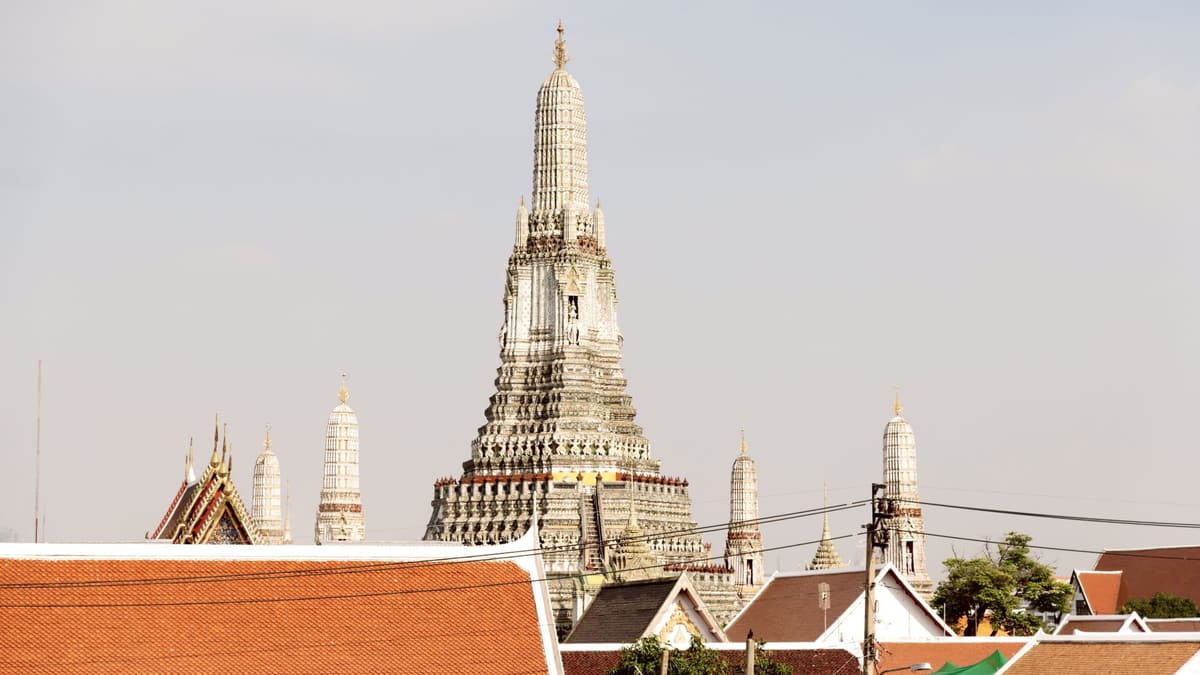
Wat Arun, the Temple of Dawn
Wat Arun's central prang rises in a tall, tapering tower covered in broken Chinese porcelain and seashell pressed into the plaster in the shapes of flowers, so it glitters whenever the sun catches it. It stands on the Thonburi side of the river, the capital for fifteen years after Ayutthaya fell to a Burmese army in 1767, and tradition says King Taksin reached the temple at dawn, which gave it its name. For a few years the Emerald Buddha itself was kept inside before moving across the river to the Grand Palace. Small ferries cross from Tha Tien Pier in a couple of minutes, an easy detour if you want to climb its steep steps for a closer look, though the view from the riverbank is already one of the best in the city.
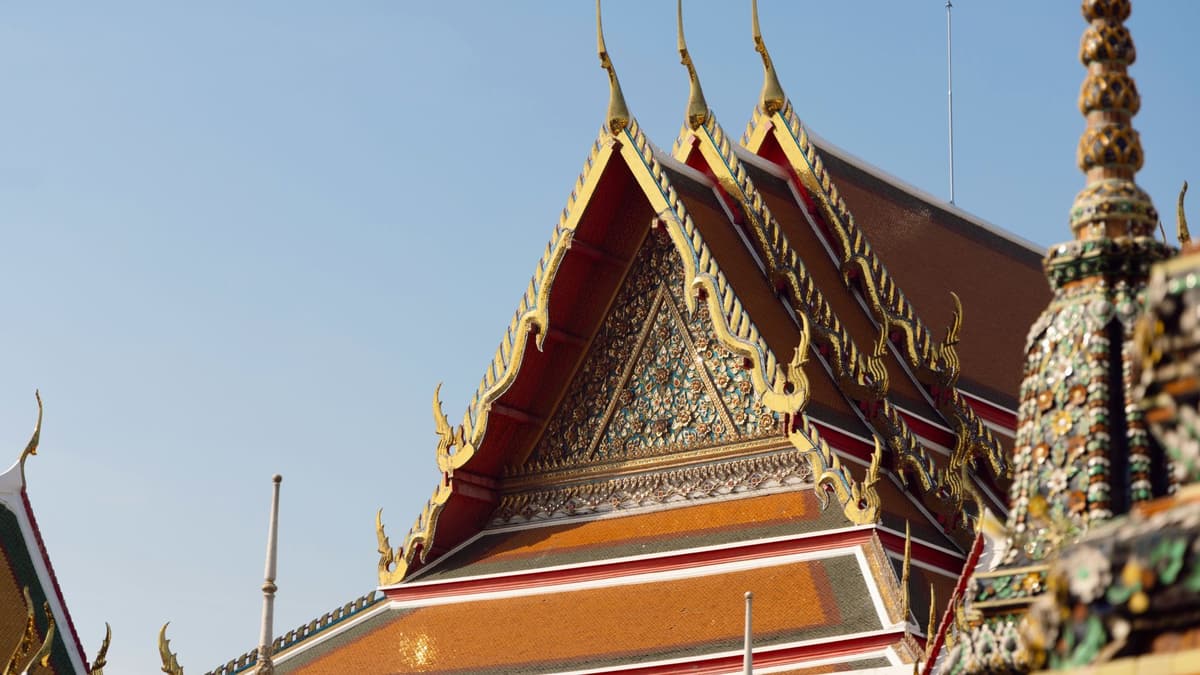
The Grand Palace and Wat Phra Kaew
Behind the Grand Palace's white walls is a small walled city of throne halls, courtyards and temples begun in 1782, and its spiritual center is Wat Phra Kaew, the Temple of the Emerald Buddha. Fierce giant guardians stand at the gates, a cloister mural tells the whole of the Ramakien epic, and the Emerald Buddha itself, just sixty six centimeters tall and carved from green jasper rather than emerald, sits on a high golden altar as the most sacred image in Thailand. It travelled through Chiang Rai, Chiang Mai, Luang Prabang and Vientiane before a future king brought it back to Bangkok in 1779. Shoes come off at the door and photographs aren't allowed inside, so take it in with your eyes instead of a lens.
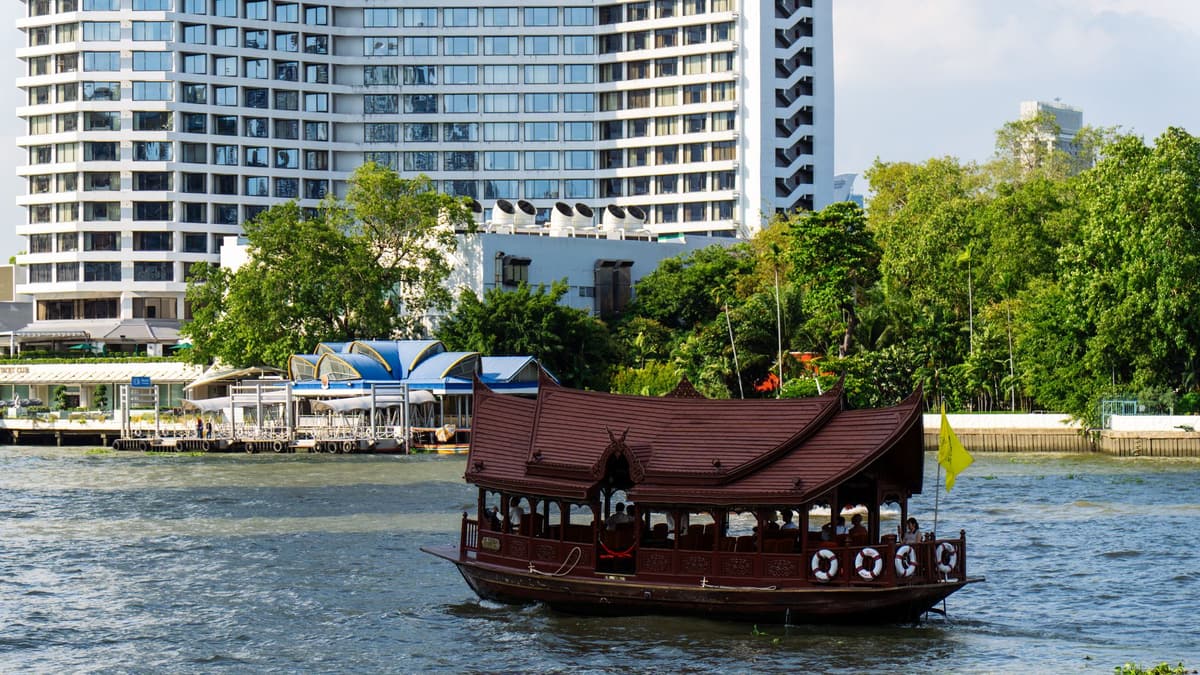
The Chao Phraya River
The Chao Phraya has shaped this walk from the start, and at Tha Tien Pier you meet it directly, with Wat Arun rising on the far bank and traditional long tail and rice barge style boats working the water in front of you. For much of Bangkok's history this river was the city's main road, carrying Chinese junks loaded with silk and tea upstream and rice and sugar back down. The old shophouses behind the pier have long traded in dried fish and seafood, and the smell often reaches you before the stalls do. Watching the cross river ferries load and unload is a small, easy pleasure, and it's worth pausing here rather than rushing straight on to the next stop.
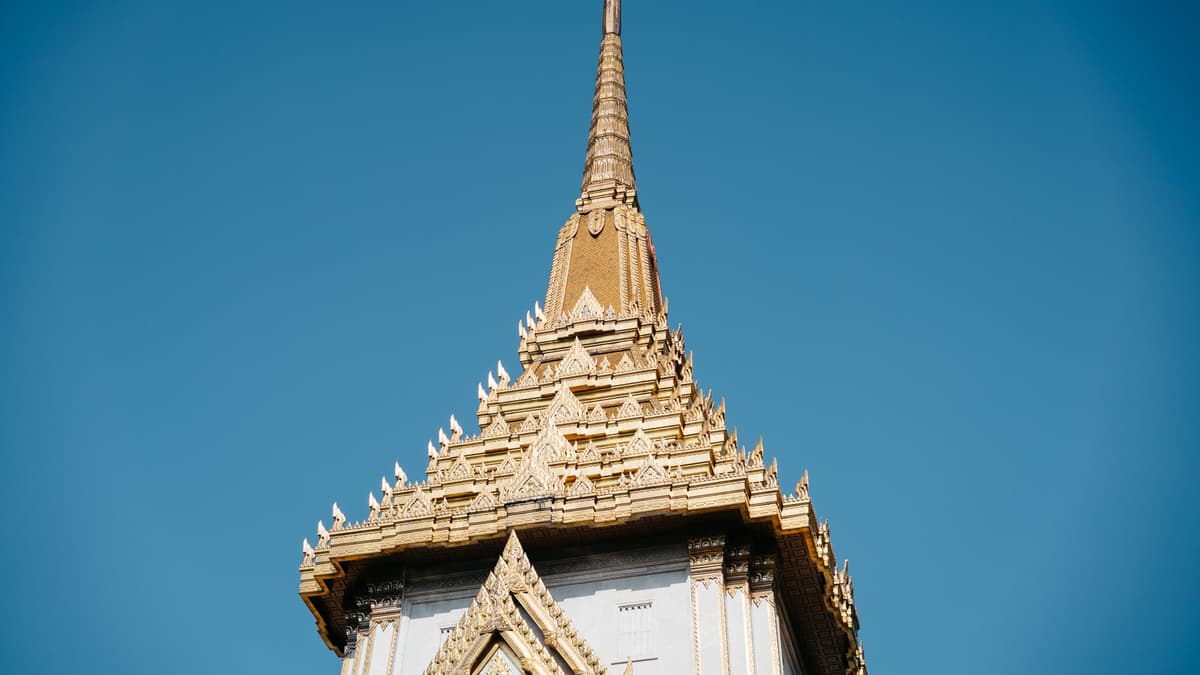
Wat Traimit and the Golden Buddha
Wat Traimit's golden chedi marks the home of the Golden Buddha, a seated image about three meters tall and some five and a half tonnes of solid gold, cast in the graceful Sukhothai style centuries ago. For most of its life nobody knew what it was, since at some point it was covered in a thick coat of plaster, probably to hide it from invaders, and the secret was forgotten until 1955, when the statue slipped while being moved and the plaster cracked to reveal a gleam of gold underneath. It's often described as the largest solid gold Buddha in the world, and the floors below hold a museum on Chinatown's history that helps make sense of the neighborhood around it.
Yaowarat Road and Sampeng Lane
Yaowarat Road and the narrower Sampeng Lane behind it are the beating heart of Chinatown, a curving canyon of shophouses hung with vertical signs in Chinese and Thai, gold shops glowing red and gold by day, and street food stalls taking over the pavements as the light fades. Sampeng was the original Chinatown, where Chinese traders were moved in 1782 to clear ground for the Grand Palace, and it kept a rougher reputation for generations before settling into today's wholesale market of fabric, toys and packaging sold by the bag or the box. Porters push loaded carts through the narrowest stretches and will not stop for you, so keep to the side and let the lane's own rhythm carry you through.
Ia turul audio în 3 pași simpli
Totul în aplicația gratuită Walk With Me, iar primele opriri ale fiecărui tur le poți încerca gratuit.
Atinge căștile aurii și alege un tur
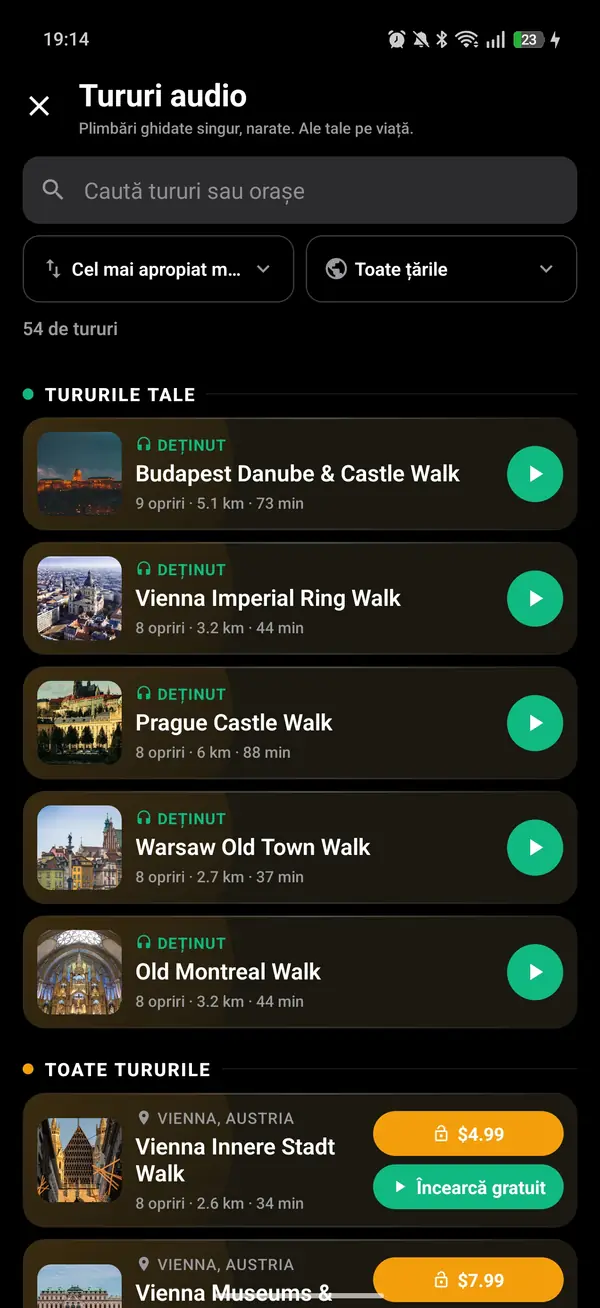
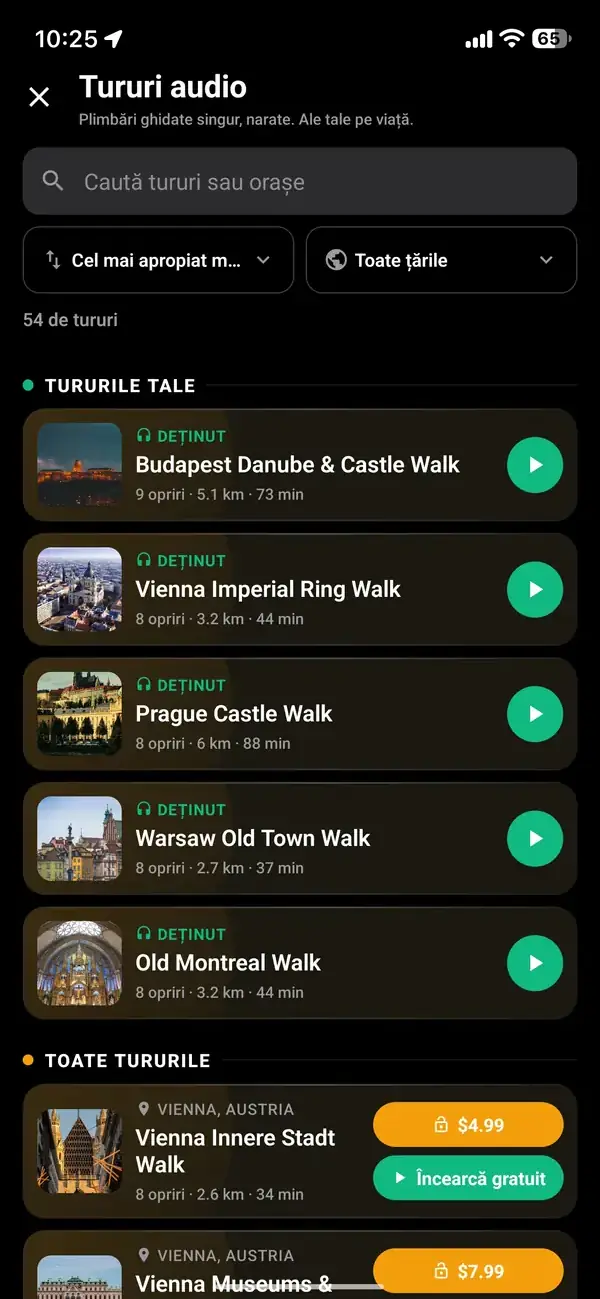
01
Mergi singur sau invită pe cineva
02
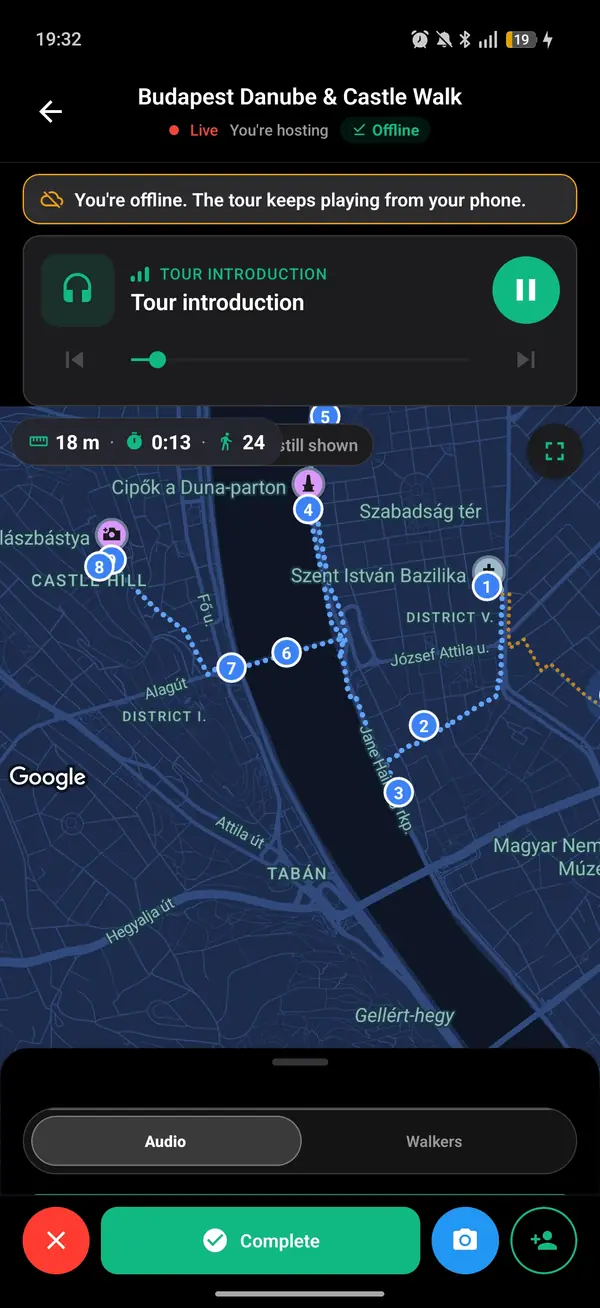
Apasă pe redare și mergi
03
Create cu grijă pentru timpul tău în oraș
Aceste tururi nu sunt o listă de obiective de bifat. Sunt făcute pentru a fi parcurse încet, cu căștile pe urechi și ochii pe oraș.
Meditative și captivante
Fiecare poveste este spusă acolo unde s-a petrecut. Aplicația te anunță când ajungi la o oprire, o atingere pornește povestea, iar drumul dintre opriri este al tău, în ritmul tău.
Lucrate manual, cu grijă
Alegem noi înșine fiecare traseu și fiecare oprire și modelăm fiecare poveste cu grijă, ca timpul tău în oraș să meargă spre locurile care merită cel mai mult.
Mai bine împreună
Orice plimbare e mai frumoasă cu cineva alături, așa că, dacă poți lua pe cineva cu tine, te încurajăm din tot sufletul. De aceea o singură achiziție îi acoperă pe toți cei pe care îi inviți: ei se alătură turului tău gratuit.