
September 2, 2026 · 9 min read
Edinburgh Royal Mile Walking Route
Discover the ultimate edinburgh royal mile walking route, a self-guided journey from the volcanic heights of the castle down to the palace gates.
507
August 29, 2026 · 10 min read
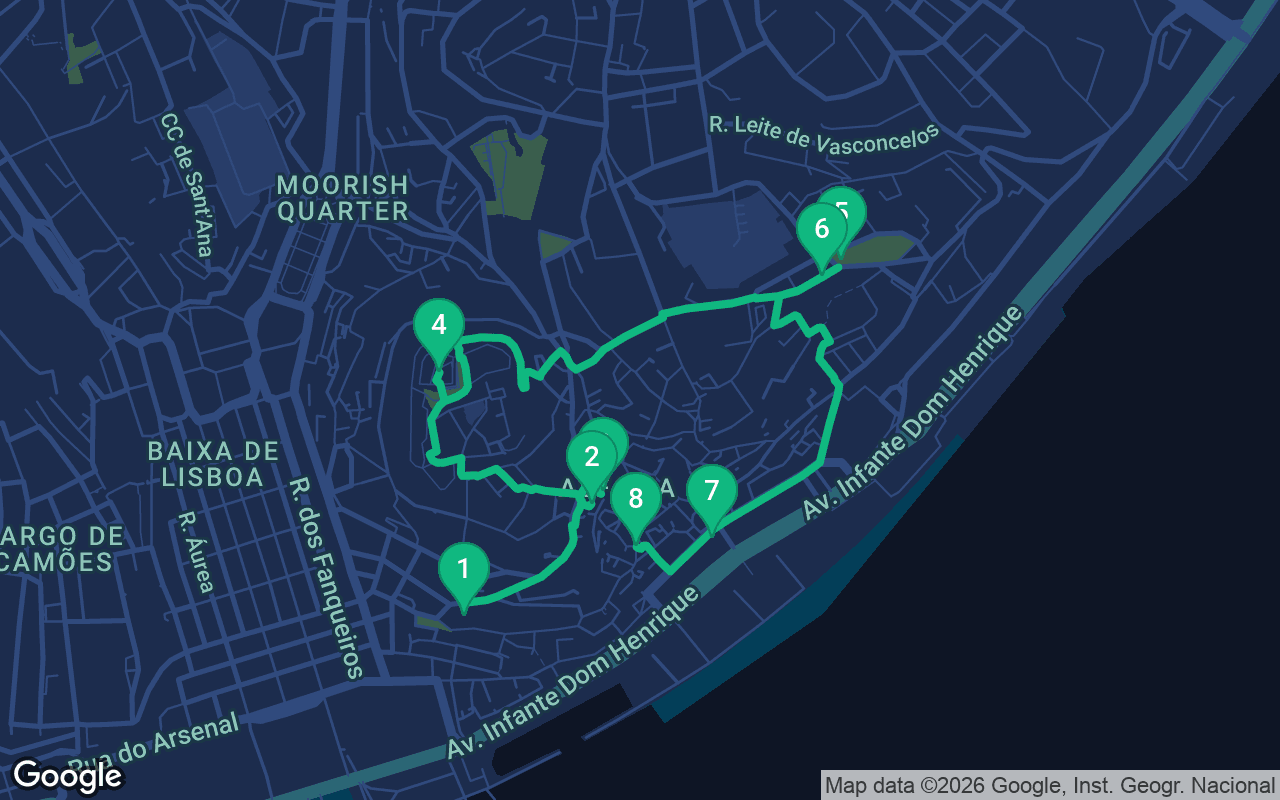
Do this walk with other people on the next scheduled tour.
About 3.2 km, roughly 48 minutes at an easy pace · 8 stops
I always tell people that if you try to navigate Alfama with a GPS, you'll end up staring at a stone wall or trapped in someone's private courtyard. This neighborhood doesn't care about satellite signals. It was built as a defensive maze over a thousand years ago, and the only way to truly understand it is to let your feet do the thinking. That is why I love building self-guided walking tours that focus on how a city feels on the ground, rather than just ticking off museum boxes. If you're ready for a physical challenge that doubles as a time travel trip, this lisbon alfama walking tour is going to show you a side of Lisbon most tourists walk right past.
Let's cover the practical realities before you start climbing. This route is about seven kilometers of intense up and down walking. It will take roughly two and a half hours at a steady stroll, but you should budget four hours to account for viewpoint stops and coffee breaks. The best time to start is 8:30 AM. Why? Because the morning sun hits the white limestone of the eastern slopes perfectly, and the cruise ship crowds don't arrive until 10:00 AM. Now, let's talk about the physical reality. Lisbon's cobblestones are beautiful, but they are also polished smooth by millions of shoes. When they get wet, they are slicker than ice. Even when dry, they offer surprisingly little grip if you wear flat, smooth-soled shoes. Here is what you need to bring:
Let's talk about the Alfama Knee-Saver Rule. Most tourists walk straight up the steep staircases. This is a mistake. It destroys your knees in twenty minutes. Instead, look at how the old Moorish walls were built. They curve. If you walk diagonally along the street contours, you will find the incline is much gentler, and you will discover tiny, quiet plazas that the stair-climbers miss entirely.
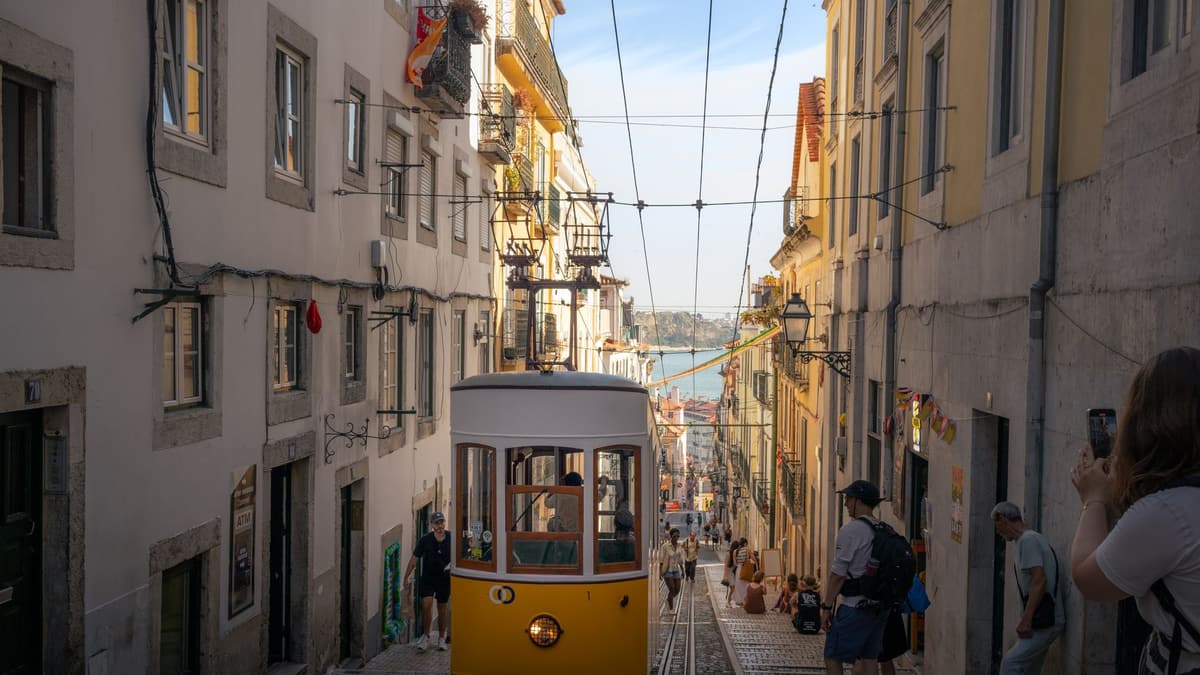
Let's start where the city's medieval heart begins to beat faster. The Sé de Lisboa, or Lisbon Cathedral, looms over the lower Baixa district like a stone giant. Built in 1147, this massive Romanesque structure looks more like a fortified castle than a place of worship, which was the point. In the twelfth century, security was a luxury, and the church had to double as a fortress during sieges. As you stand in front of the heavy twin towers, take a moment to look at the rough-hewn stone blocks. They have survived multiple earthquakes, including the devastating tremor of 1755. The real magic of this spot is the physical contrast of the old and the new. Stand on the sidewalk across the street and wait for a few minutes. You will hear a high-pitched metallic screech echoing down the street before you see anything. Then, the iconic yellow tram will rattle around the sharp bend, squeezing past the cathedral walls with only inches to spare. It is a classic Lisbon scene that never gets old. Step inside the cool, dim nave for a minute. The air inside is still and smells of centuries of candle wax and cold stone, offering a brief respite from the bright Portuguese sun. When you step back outside, the heat will hit you, signaling that it is time to start the real climb into the hills.
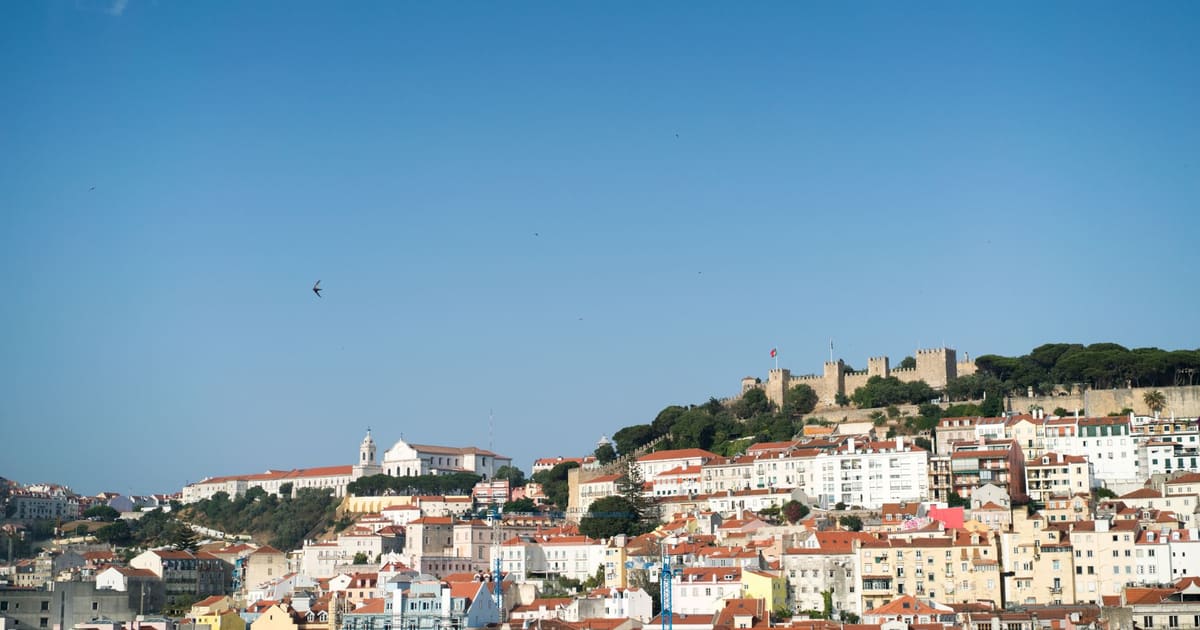
Follow the tram tracks as they wind uphill, keeping your eyes open for the small shops selling cork bags and painted ceramic swallows. Soon, the street opens up to reveal the white stone columns of Miradouro de Santa Luzia. This viewpoint feels less like a public plaza and more like a private, sun-drenched garden. A wooden pergola draped in thick, pink bougainvillea vines stretches across the terrace, casting a cooling pattern of shadows over the stone benches below. The back wall of the terrace is covered in beautiful blue and white tiles. Take a close look at these panels. They depict historical scenes of Lisbon before the great earthquake and the Christian forces storming the castle. Lean over the stone balustrade. The view from here is breathtaking. The red-tiled roofs of Alfama cascade down the steep hillside like a frozen terracotta waterfall, ending abruptly at the wide, sparkling blue expanse of the Tagus River. You can hear the distant murmur of harbor life and the cries of seagulls riding the thermal winds. It is a perfect place to catch your breath and let your eyes adjust to the sheer scale of the landscape.
Just a short, two-minute walk further up the hill brings you to Miradouro das Portas do Sol. If Santa Luzia felt like a quiet, shaded sanctuary, Portas do Sol is its bright, wide-open counterpart. This was once the site of the eastern gate of the Moorish city wall, the Gate of the Sun. Today, it serves as a massive balcony overlooking the entire eastern side of Lisbon. The panoramic sweep from here is unparalleled. You can look down on the maze of streets you are about to walk through and trace the paths of the tiny alleys from above. From this vantage point, you can easily spot the white dome of the National Pantheon and the twin towers of the São Vicente de Fora monastery rising above the sea of orange rooftops. The square itself is a lively hub of activity. Tuk-tuks buzz past, street musicians strum acoustic guitars, and tourists crowd the railings. But if you look past the immediate noise and focus on the houses below, you will see the real life of the neighborhood. Look for the colorful laundry hanging from metal lines, the small potted herbs sitting on window sills, and the locals leaning out of their windows to watch the world go by.
Turn away from the river and head up the winding cobblestone ramp of Rua de Santa Cruz do Castelo. This street leads you toward the imposing walls of São Jorge Castle. While most visitors join the long, slow-moving queue at the main ticket booth to enter the inner castle grounds, we are going to explore the historic outer ramparts and the quiet neighborhood tucked inside the old citadel walls. Walk through the stone archway of the Puerta del Sol and you will find yourself in a peaceful residential enclave that feels worlds away from the busy city below. The streets here are paved with rough, uneven stones, and the houses are painted in soft pastel shades of yellow, pink, and ochre. There are no cars here, only the occasional resident carrying groceries or a sleepy cat stretching on a warm stone step. Walk along the outer stone walls where the pine trees cast long, cool shadows. The massive stone fortifications tower above you, showing the sheer scale of the Moorish defense system. It is a quiet, reflective space where you can feel the weight of history without the crowds.
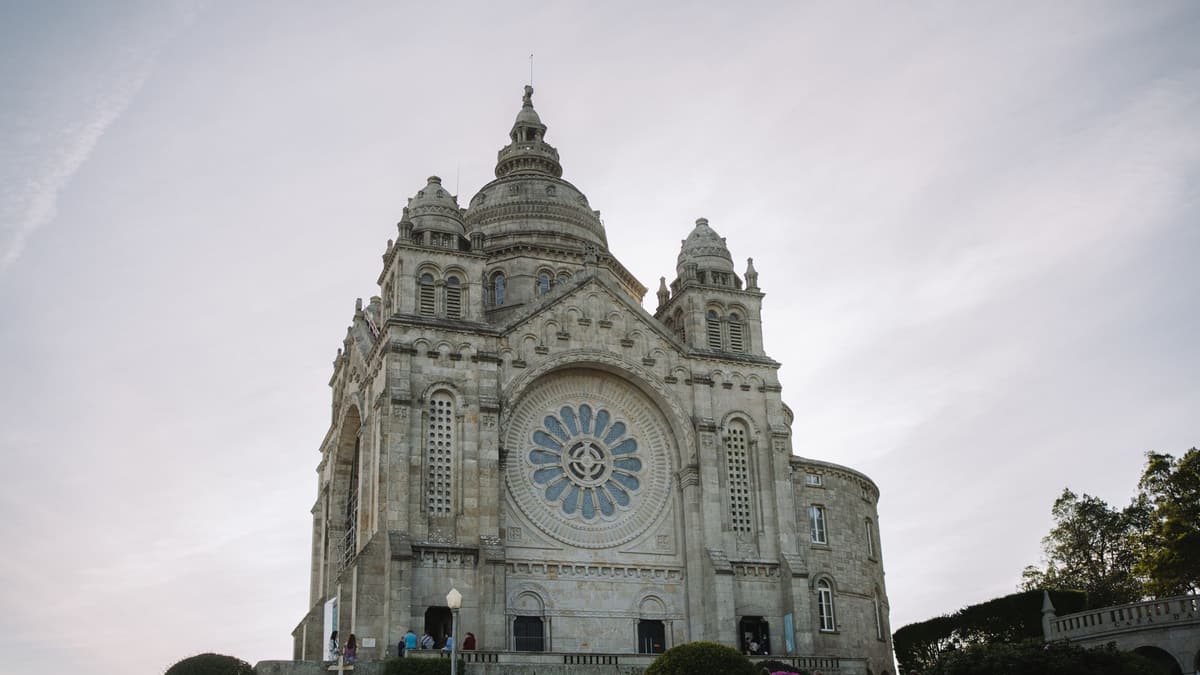
From the castle heights, we begin our descent toward the north, heading into a part of the city that many tourists miss. Walk down the quiet, sloping streets toward the Monastery of São Vicente de Fora. As you leave the immediate vicinity of the castle, the tourist crowds thin out dramatically, and the city's natural soundtrack returns. You will hear the sound of your own shoes clicking against the stones and the distant chime of church bells. The monastery is a masterpiece of late Renaissance architecture, with a blindingly white limestone facade that seems to glow under the Portuguese sun. Stand at the bottom of the monumental stone staircase and look up at the statues of saints carved into the walls. The scale of the building is immense, designed to project the power of the Portuguese crown in the sixteenth century. If you walk around the side of the building, you can catch glimpses of the quiet cloisters through the iron gates. This area has a serene, solemn atmosphere that contrasts beautifully with the lively, chaotic energy of the central viewpoints.
Just behind the monastery, the urban landscape opens up into the wide, sloping expanse of Campo de Santa Clara. This massive plaza feels entirely different from the tight, squeezed alleys of central Alfama, offering a welcome sense of space and perspective. If you plan your walk on a Tuesday or a Saturday, you will walk right into the middle of the Feira da Ladra, Lisbon's legendary flea market. The name translates to the Thieves' Market, and it has been running in some form since the Middle Ages. Vendors lay out blankets on the sloping cobblestones, creating a chaotic treasure hunt of vintage cameras, antique hand-painted tiles, old military medals, rusty keys, and classic vinyl records. It is a sensory overload of sights, smells, and bargaining voices. Even on days when the market is not running, the square is worth exploring. At the lower end of the plaza, the colossal white dome of the National Pantheon looms against the blue sky. The building is a striking example of Portuguese baroque architecture, and its clean, massive lines dominate the eastern skyline of the city.
From the high, open spaces of Campo de Santa Clara, it is time to turn south and plunge back down into the deepest, oldest parts of the neighborhood. Walk down the steep, winding staircases that lead toward the river. As you descend, the streets become narrower and the buildings seem to lean closer together, blocking out the direct sunlight and trapping the cool air. Soon, you will emerge at the Fado Museum, located at the flat base of the hill. This modern museum is dedicated to the history of Fado, the melancholic, soulful music that was born in the taverns and brothels of Alfama in the early nineteenth century. Fado is the musical expression of saudade, a uniquely Portuguese word that describes a deep, bittersweet longing for someone or something that is lost. Even during the day, the square in front of the museum feels like a cultural crossroads. You can sit on a stone bench and listen to the faint, metallic twang of the Portuguese guitar drifting from the open windows of the nearby rehearsal spaces. It is a quiet, atmospheric spot that prepares you for the final, most intimate leg of the walk.
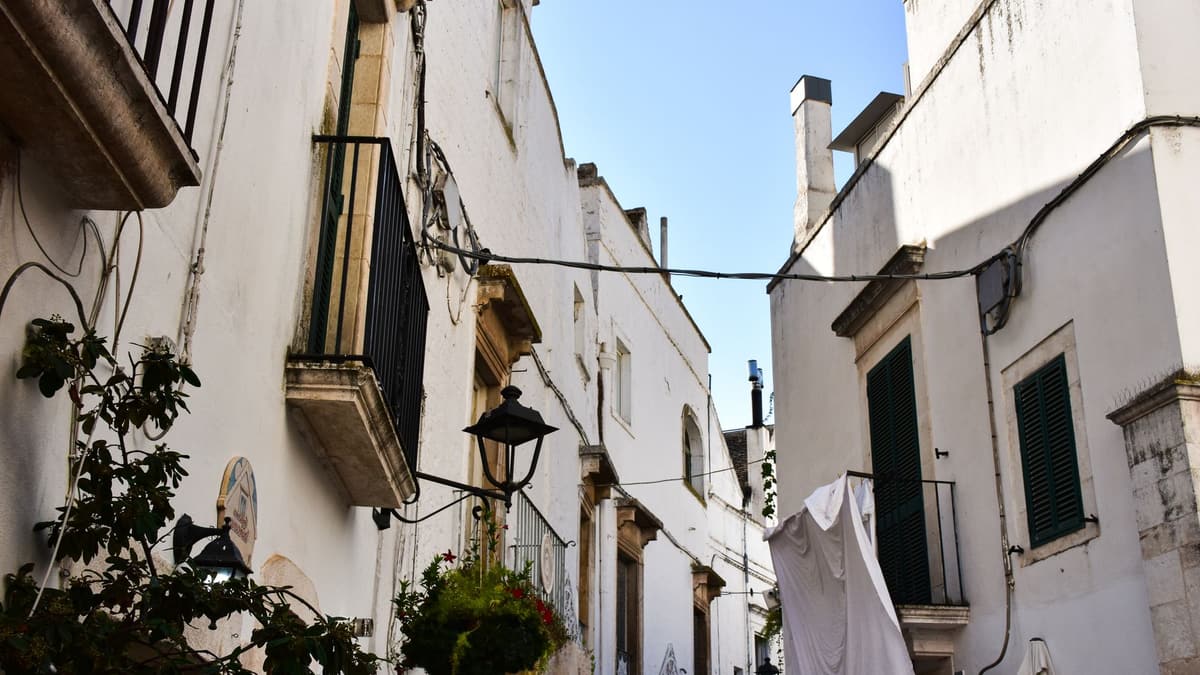
To finish this walk, we are going to dive straight into the heart of the labyrinth. Walk behind the Fado Museum and enter the incredibly tight alleyways of the lower district. This is where the Lisbon Alfama walking tour truly reveals its secrets. Walk down Beco do Carneiro and through the tiny square of Largo de São Miguel. The streets here are so narrow that neighbors can reach across from their balconies to shake hands. Lines of colorful laundry stretch overhead like festive banners, drying in the warm breeze. The air smells of grilled sardines, olive oil, and garlic drifting from tiny, family-run taverns that have only two or three tables set out on the pavement. There are no cars here because the streets are too narrow and steep for vehicles to navigate. You will walk past tiny stone shrines dedicated to Saint Anthony, decorated with plastic flowers, faded photographs, and small candles. This is a living, working neighborhood where residents have known each other for generations. It is an intimate, sensory experience that makes you feel like you have stepped directly into a bygone era.
By the time you finish this walk at the edge of the river, the atmosphere of Lisbon has completely shifted. You started high up on the windy, sun-bleached stone ramparts of the castle, looking down on the city like an outside observer. You finished deep inside a humid, shaded maze where the scale of life is measured in handshakes, laundry lines, and the smell of home-cooked food. Walking Alfama is not just a way to see the sights; it is the only way to experience the physical layers of the city's history. You cannot understand the defensive architecture of the Moors from the window of a crowded tram, and you cannot feel the intimate, old-world community of Fado from the back of a taxi. On foot, you feel every incline, notice every hand-painted tile, and connect with the real rhythm of the city. It is a physical challenge, but the rewards are written in the stone walls and the friendly smiles of the people who call these hills home. If you want to tackle these historic hills without getting lost alone, open up the Walk With Me app and check the live map. You can find local walkers who know the best stair-free shortcuts, or schedule a climb with others who want to experience the magic of Lisbon together.
Every stop from this walk through Lisbon, Portugal, in order.
About 3.2 km, roughly 48 minutes at an easy pace.
Works with Garmin, Komoot, Strava, OS Maps and any GPX app.
September 2, 2026 · 9 min read
Discover the ultimate edinburgh royal mile walking route, a self-guided journey from the volcanic heights of the castle down to the palace gates.
August 28, 2026 · 9 min read
A self-guided Amsterdam walking tour through the Jordaan, past the Westerkerk, the Anne Frank House, hidden courtyards and the Nine Streets.
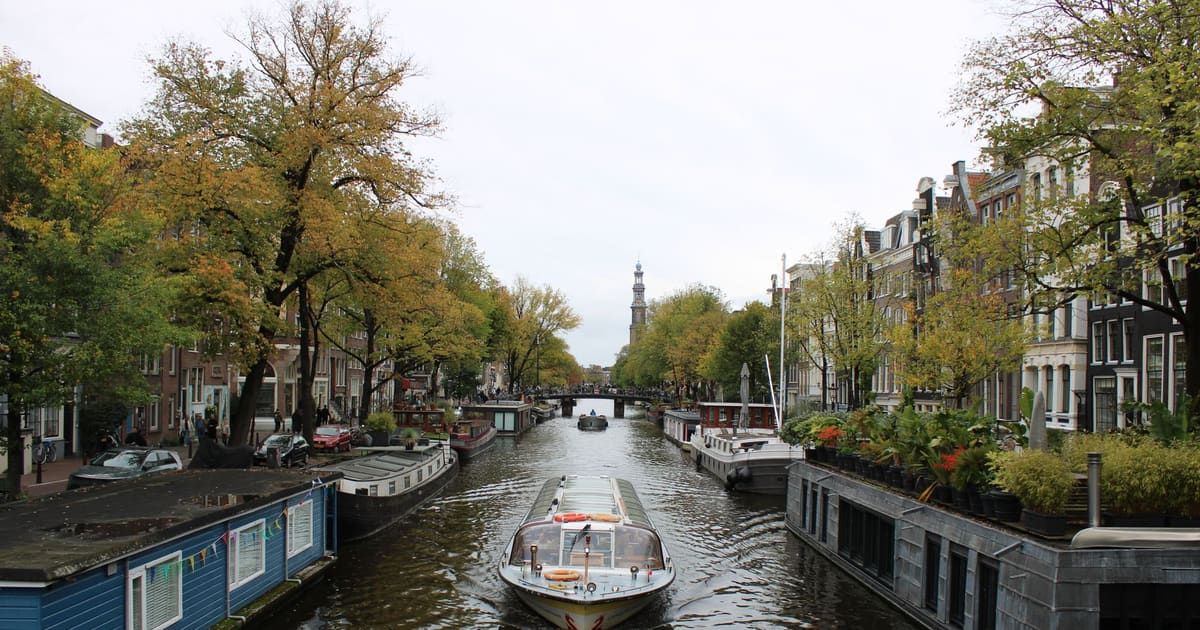
August 28, 2026 · 9 min read
A self-guided Amsterdam walking tour through the Museum Quarter and Vondelpark, past the Rijksmuseum, the Van Gogh Museum and the De Pijp market.