
August 29, 2026 · 10 min read
Lisbon Alfama Walking Tour
Experience the soul of Lisbon on this self-guided lisbon alfama walking tour, featuring breathtaking castle views, historic cathedrals, and hidden fado alleys.
642
September 2, 2026 · 9 min read
Do this walk with other people on the next scheduled tour.
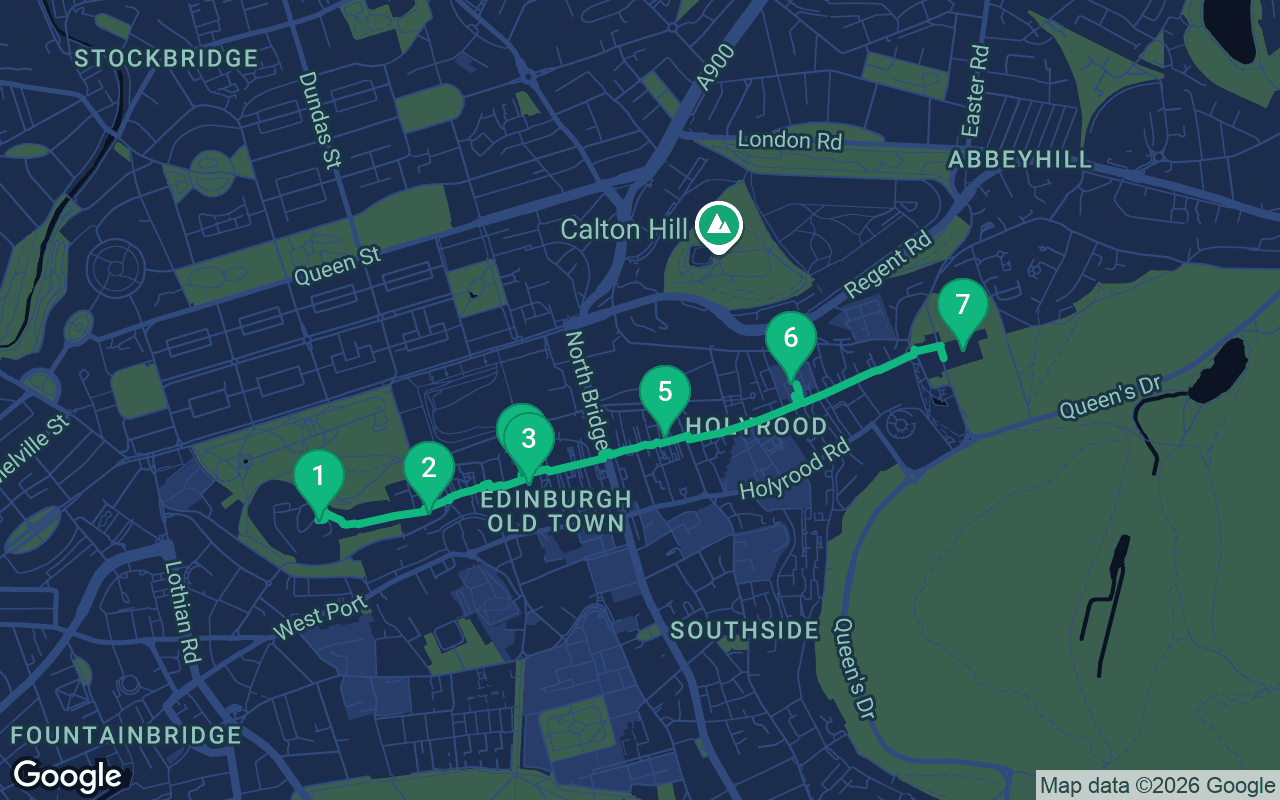
About 2 km, roughly 25 minutes at an easy pace · 7 stops
Is it possible to walk through five hundred years of history in a single afternoon without getting lost in tourist traps? Yes, it is, but only if you know how to read the stones beneath your feet. The edinburgh royal mile walking route is not just a street, but the spine of Scotland's historic capital, stretching from a volcanic fortress down to a royal palace. When you travel, choosing a self-guided walking tour is the ultimate way to feel the pulse of a new city at your own pace. I have walked this stretch of cobblestone in freezing rain and rare Scottish sunshine, and every single time, I find some hidden close or overlooked carving that I missed before.
Before you lace up your boots, let's look at the logistics. This walk is roughly two kilometers from end to end, but with the side trips into the closes, you will easily cover about four to five kilometers. It takes about two hours of actual walking time, but you should budget a full half-day to really take it in. Start in the morning to beat the heaviest crowds. Wear sturdy shoes with thick soles because these historic cobblestones will punish thin sneakers. The gradient is downhill if you start at the Castle, which is exactly why we are doing it this way. Your knees will thank you later.
Walking downhill is not just easier on the lungs, it also mirrors the chronological flow of Edinburgh's history. The oldest, most heavily fortified structures sit at the top of the volcanic ridge, while the younger, more elegant residential districts unfold as you descend toward the valley. By starting at the castle, you follow the exact path that medieval kings, visiting diplomats, and local rebels trod for centuries.
This route is more than a simple line on a map. It is a vertical maze of narrow staircases, hidden courtyards, and deep stone passages that branch off the main drag. If you only stick to the central street, you miss ninety percent of the magic. You need to explore the dark alleyways, known locally as closes, to understand how the residents lived during the height of the city's medieval density. It is an intense, rewarding walk that demands your full attention.
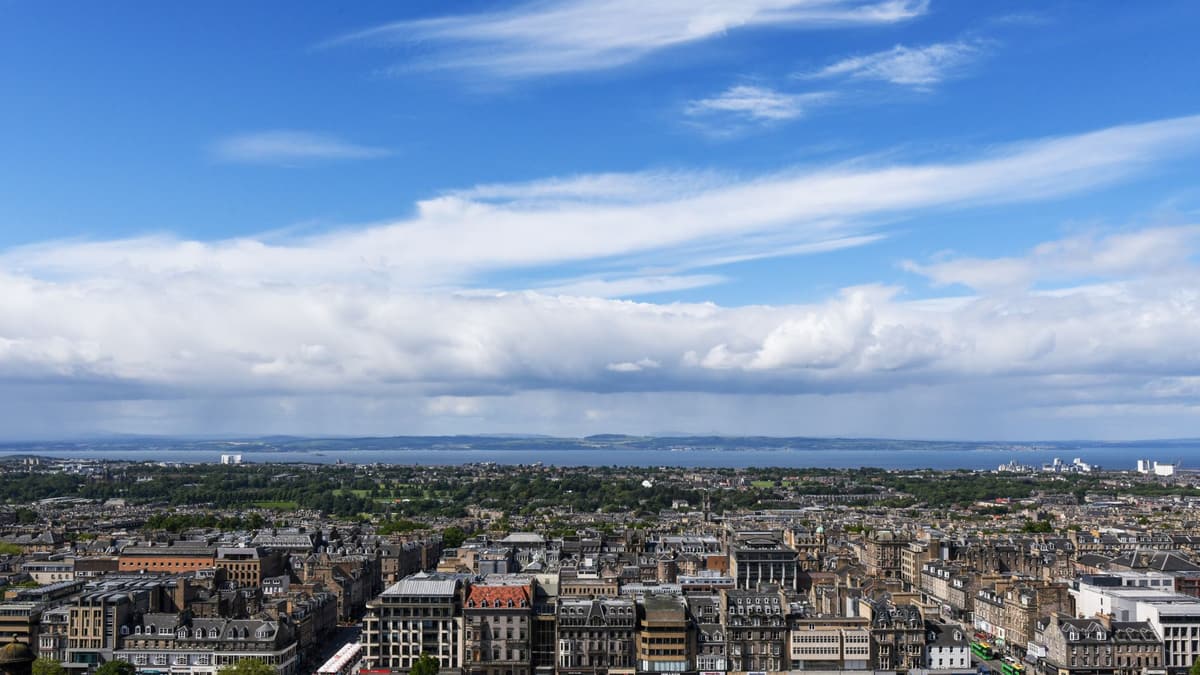
Edinburgh Castle Esplanade is where our journey begins. Standing on this massive windswept platform, you can feel the sheer strategic power of this volcanic rock. The castle looms behind you, a dark stone fortress that has survived dozens of sieges. Look down towards the city and you will see the long, straight slope of the Mile stretching out ahead. It is a natural ramp formed by a retreating glacier millions of years ago. The wind up here is usually fierce. It whips off the Firth of Forth and whistles through the stone barriers. Take a moment to look at the statues of William Wallace and Robert the Bruce guarding the castle gatehouse. This is the highest point of our walk, and the air feels thin and crisp.
As you start walking away from the castle gates, the street narrows immediately. You are entering the oldest section of the high street, where the stone buildings seem to lean in close as if they are whispering secrets to one another. Keep an eye out for the brass plaques on the ground that mark the old city boundaries. This is the starting point of the ancient ridge.
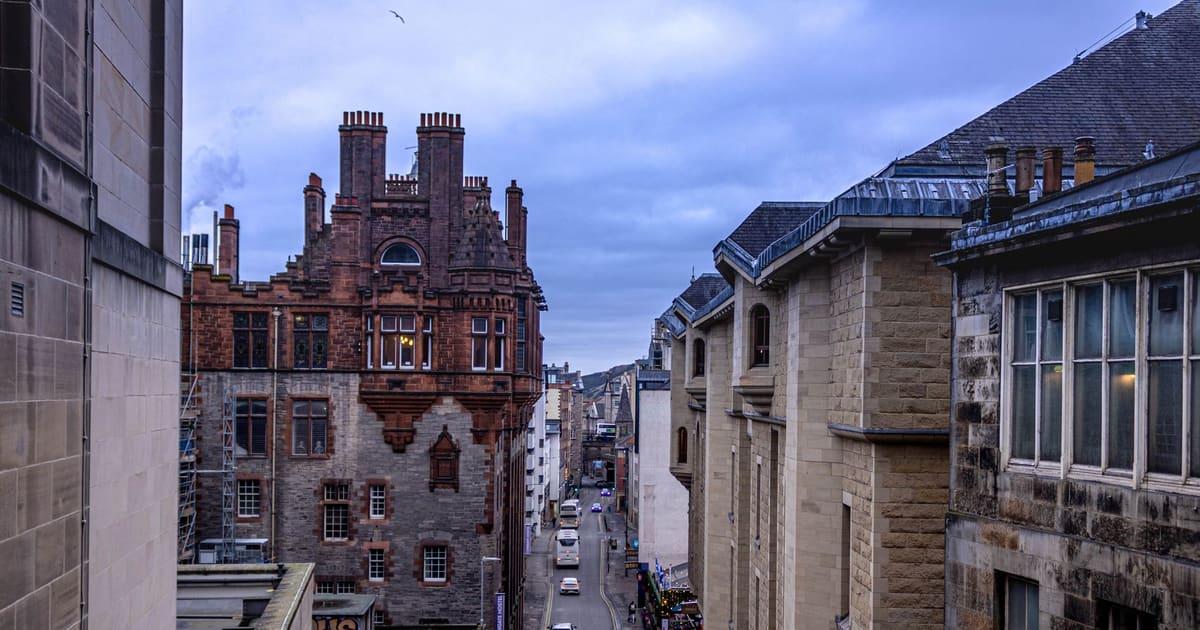
The Hub and Lawnmarket mark your entry into the medieval heart of the Old Town. You will immediately notice a massive, dark gothic spire rising into the sky. This is The Hub, a striking Victorian building that now serves as the home of the Edinburgh International Festival. Its blackened stone and orange detailing look almost dramatic against the grey Scottish clouds. Just past it, the street widens into the Lawnmarket. This area got its name because it was once a bustling open-air market for selling fine linen, or lawn.
Look closely at the narrow alleyways, called closes, branching off to your left and right. These are tiny, steep stone passages that lead down into hidden courtyards. One of my favorites is Brodie's Close, named after Deacon Brodie, a respectable citizen by day and a notorious thief by night. He was the real-life inspiration for Dr. Jekyll and Mr. Hyde. Walking through these dark passageways makes you realize how cramped and vertical medieval life was here. People lived stacked on top of each other in tenements that rose up to fourteen stories high. From here, the stone path guides you gently downhill toward the great crown spire of the city's most famous church.
St Giles' Cathedral rises up with its iconic crown steeple, a masterpiece of late medieval stonework that dominates the Edinburgh skyline. Inside, the light filters through magnificent stained glass, casting deep blues and warm reds across the cold stone pillars. This church was the epicenter of the Scottish Reformation. John Knox preached his fiery sermons here, changing the course of Scottish history forever.
Walk slowly around the interior and look for the Thistle Chapel. It is a tiny room tucked away in the corner, but it contains some of the most intricate woodcarvings you will ever see, including angels playing bagpipes. The atmosphere inside is hushed and reverent, a stark contrast to the lively buzz of the street just outside the heavy oak doors. When you step back out, you will find yourself in Parliament Square, where the history of Scottish law and governance was written.
Parliament Square wraps around the southern side of the cathedral, a quiet enclave of grand neoclassical buildings that once housed the Scottish Parliament. But look down at the cobblestones near the West Door of St Giles. You will see a heart-shaped mosaic set into the pavement. This is the Heart of Midlothian. It marks the spot of the Old Tolbooth, a notorious prison where public executions and tax collections took place.
You might notice locals spitting on the heart as they walk past. Don't worry, they aren't being rude. It is an old tradition meant to bring good luck, though it originally started as a sign of contempt for the brutal prison. The contrast between the stately legal buildings and this gritty street tradition is classic Edinburgh. From this square, the road begins to slope more noticeably. The shops change from high-end woolens to quirky independent boutiques as you head toward the boundary of the old city wall.
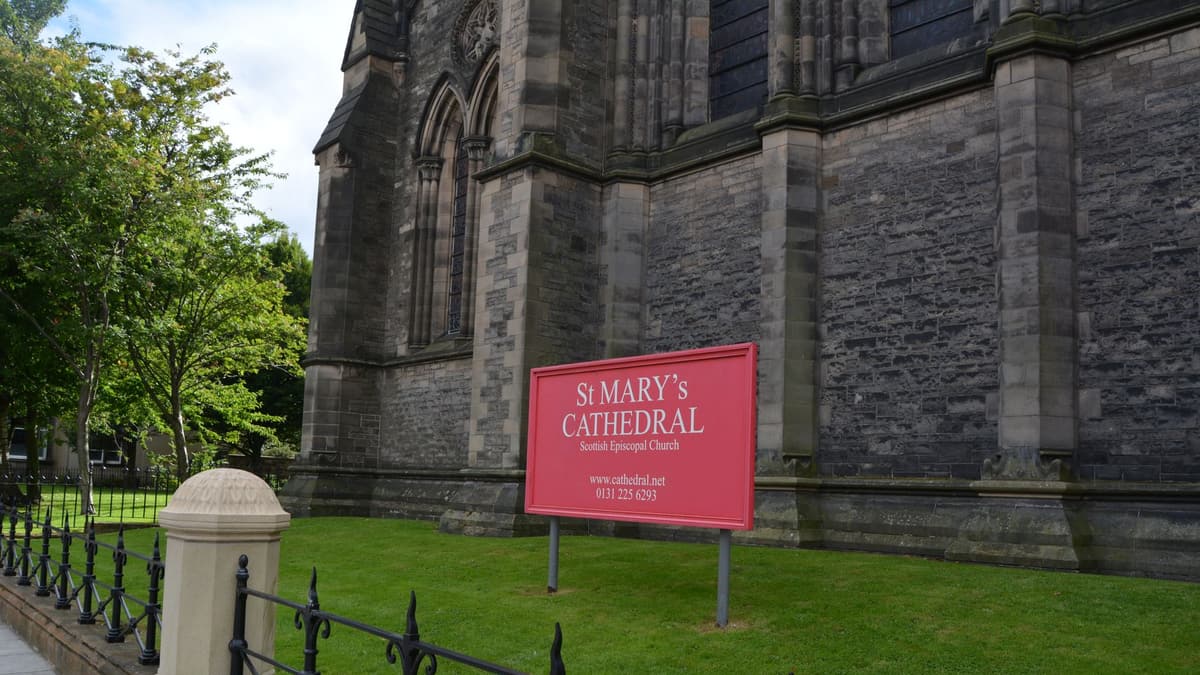
John Knox House stands out because it literally juts into the street, breaking the straight line of the buildings around it. Built in the late fifteenth century, it is one of the oldest surviving residential buildings on the Royal Mile. Its wooden shutters and projecting upper floors give you a vivid picture of what the entire street looked like before the great fires of the past.
Right next to it is the Netherbow Port, or at least where it used to stand. This was the main gate of the city wall, dividing Edinburgh from the independent burgh of Canongate. Once you passed through this gate, you were technically leaving the city. The brass bricks set into the road today mark where the massive gatehouse once stood. Walk past this point and you will notice a subtle shift. The buildings become slightly less dense, and the air feels a bit more open as you enter the Canongate district.
Canongate Kirk is a striking Dutch-style church with a bright red door and a distinctive curved gable. It was built in the late seventeenth century to serve the residents of Canongate, which was once a separate, wealthier suburb of Edinburgh. Step inside to see the surprisingly bright, white interior, which feels incredibly peaceful.
But the real magic is behind the church in the cemetery. This graveyard is the final resting place of some of Scotland's greatest minds, including the pioneer of modern economics, Adam Smith, and the tragic young poet, Robert Fergusson. Robert Burns paid for Fergusson's headstone because he admired his work so much. Walking among these moss-covered headstones is like walking through a directory of the Scottish Enlightenment. The noise of the city fades away here, replaced by the rustle of old trees and the calling of crows. As you exit the gates, you have just a short, gentle walk down to the very end of the Mile, where the urban layout meets the wild hills.
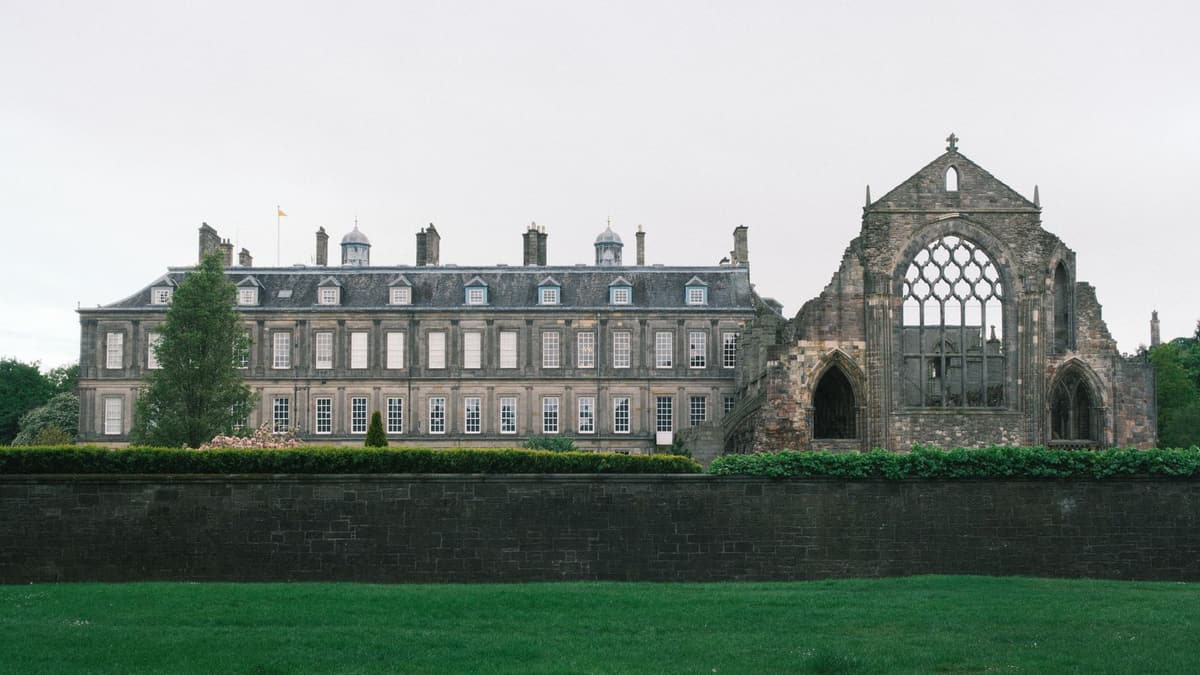
Abbey Strand is the final stretch of our walk, a beautiful group of sixteenth-century buildings that sit right at the gates of the Palace of Holyroodhouse. These buildings once offered sanctuary to debtors who were fleeing the law. If they could cross the brass line in the pavement before the bailiffs caught them, they were safe within the abbey grounds.
Today, the palace itself stands as the official residence of the British monarch in Scotland. It is a stunning piece of classic architecture, framed perfectly by the dramatic, volcanic cliffs of Salisbury Crags rising up in the background. The contrast here is breathtaking. You have gone from the dark, crowded medieval tenements at the top of the hill to this open, elegant palace surrounded by green hills and royal gardens. Take a deep breath and look back up the long slope you just walked. You have traveled the length of a historic highway that has shaped an entire nation.
By the time you reach the gates of Holyrood, the atmosphere of the city has completely shifted. The cramped, vertical energy of the medieval Lawnmarket gives way to the open, royal grandeur of the palace gardens. Walking this route is the only way to truly understand how Edinburgh grew. You can't feel the transition from a crowded, walled fortress to an elegant suburban expansion from the window of a tour bus or a taxi. You have to feel the slope in your calves, hear the echo of your steps in the narrow closes, and smell the damp stone of the ancient alleyways.
To make the most of your walk, keep these three key rules in mind:
Every step on this historic stone tells a story. When you walk, you aren't just looking at history; you are actively participating in it, moving at the exact same pace as the kings, queens, poets, and rebels who walked these very stones centuries before you.
If you are planning to explore this incredible city and want some company along the way, open up the Walk With Me map. You might find a local host leading a group through the historic closes, or you can easily set up your own walk to share the journey with other travelers.
Every stop from this walk through Edinburgh, United Kingdom, in order.
About 2 km, roughly 25 minutes at an easy pace.
Works with Garmin, Komoot, Strava, OS Maps and any GPX app.
August 29, 2026 · 10 min read
Experience the soul of Lisbon on this self-guided lisbon alfama walking tour, featuring breathtaking castle views, historic cathedrals, and hidden fado alleys.
August 28, 2026 · 9 min read
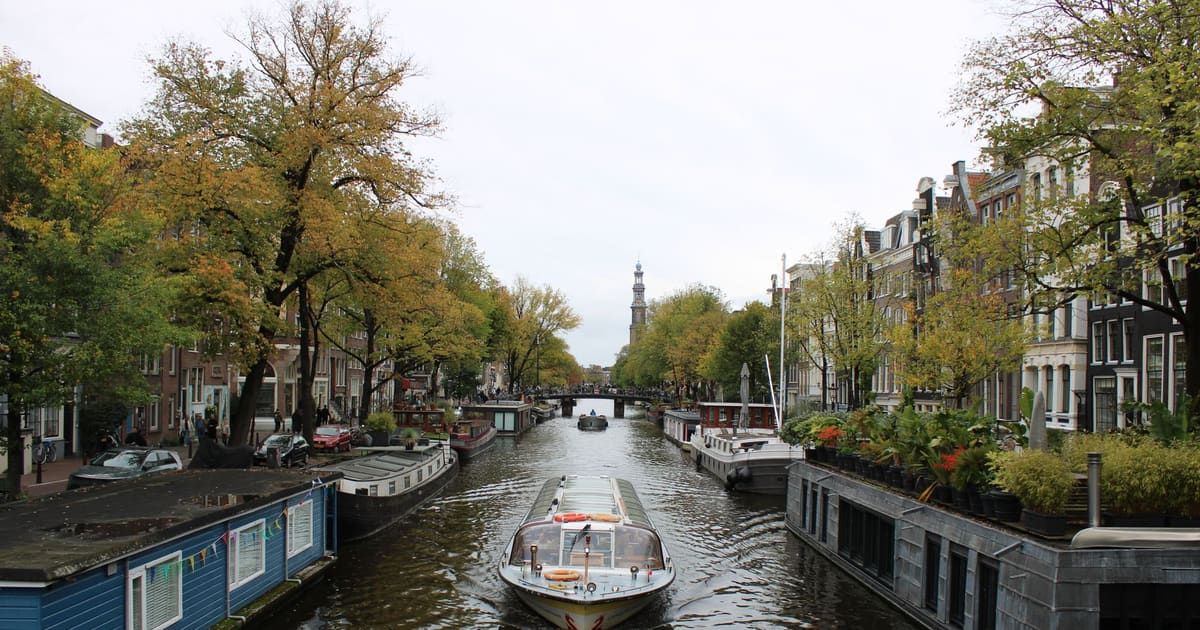
A self-guided Amsterdam walking tour through the Jordaan, past the Westerkerk, the Anne Frank House, hidden courtyards and the Nine Streets.
August 28, 2026 · 9 min read
A self-guided Amsterdam walking tour through the Museum Quarter and Vondelpark, past the Rijksmuseum, the Van Gogh Museum and the De Pijp market.