Walking Calorie Calculator
How many calories a walk actually burns, from your weight, your pace and how long you were out.
Estimated with the standard MET equation using published values for each walking speed. This is gross energy expenditure, the same basis fitness trackers use, so it includes the calories you would have burned at rest. Individual results vary; this is not medical or nutritional advice.
Example: a 70 kg walker at a brisk pace for 30 minutes burns about 151 kcal over 2.8 km.
How walking calories are worked out
Calorie estimates for exercise use METs, or metabolic equivalents. One MET is roughly what your body uses sitting still. Walking at an easy pace is about 3.5 METs, so it burns about three and a half times as much energy as sitting for the same time.
Multiply the MET value for your pace by your weight in kilograms and by the hours you spent walking, and you get calories. Weight matters because moving a heavier body the same distance takes more energy, and pace matters more than most people expect: brisk walking burns meaningfully more per minute than strolling.
This is gross energy expenditure, which includes the calories you would have burned anyway just being alive during that half hour. It is the same basis fitness trackers use, so the number should be in the same range as your watch rather than contradicting it.
calories = MET x weight (kg) x hours
How many calories does walking actually burn?
A 70 kg adult walking briskly for half an hour burns roughly 150 calories. Walk for an hour and it is about 300. Weigh 90 kg and the same half hour is closer to 195, because moving a heavier body over the same ground takes more energy.
Those three numbers are the whole story in miniature: your weight, your pace and your time. Everything else a calorie estimate does is refinement around those three inputs, and no consumer method, this one included, gets closer than a sensible estimate.
What this calculator will not do is pretend otherwise. You can see exactly which numbers produced the result, which is more than most fitness apps offer.
What a MET is, and why every estimate uses one
A MET, short for metabolic equivalent of task, describes how hard an activity is compared to sitting still. Sitting is 1 MET. An easy walk is about 3.5 METs, so it uses roughly three and a half times the energy of sitting for the same length of time. A brisk walk is 4.3.
These values come from the Compendium of Physical Activities, a reference table compiled from laboratory measurements of oxygen consumption across hundreds of activities. It is the same source behind the numbers in almost every calorie calculator, fitness tracker and gym machine you have used.
The equation is then as simple as it looks: multiply the MET value by your weight in kilograms and by the hours you spent walking. A 70 kg adult walking briskly for 45 minutes is 4.3 x 70 x 0.75, which is 226 calories.
Calories burned walking by weight and time
The table below covers a brisk walk at 5.6 km/h, which is the pace most public health guidance has in mind when it says walking. Find your weight, then read across to how long you were out.
| Body weight | 15 min | 30 min | 45 min | 60 min |
|---|---|---|---|---|
| 50 kg (110 lb) | 54 kcal | 108 kcal | 161 kcal | 215 kcal |
| 60 kg (132 lb) | 65 kcal | 129 kcal | 194 kcal | 258 kcal |
| 70 kg (154 lb) | 75 kcal | 151 kcal | 226 kcal | 301 kcal |
| 80 kg (176 lb) | 86 kcal | 172 kcal | 258 kcal | 344 kcal |
| 90 kg (198 lb) | 97 kcal | 194 kcal | 290 kcal | 387 kcal |
| 100 kg (220 lb) | 108 kcal | 215 kcal | 323 kcal | 430 kcal |
| 110 kg (243 lb) | 118 kcal | 237 kcal | 355 kcal | 473 kcal |
At a brisk 5.6 km/h, which carries a MET value of 4.3. Slower walking burns less per minute and faster walking burns more.
Does walking faster burn more calories?
Per minute, yes, and by a wide margin. Per kilometre, barely at all. That distinction is the single most useful thing on this page and almost nobody states it plainly.
The last two columns below show why. A fast walk burns close to 80% more in half an hour than a stroll does. But cover exactly one kilometre and all four paces land within a handful of calories of each other, because the faster walk is finished sooner.
So the answer depends on which you have less of. If you have a fixed half hour, walk faster. If you are walking a fixed route to the station and back, the pace barely changes the calorie total, though it will change how the walk feels and what it does for your fitness.
| Pace | Speed | MET | Per 30 minutes | Per kilometre |
|---|---|---|---|---|
| Strolling | 3.2 km/h (2.0 mph) | 2.8 | 98 kcal | 61 kcal |
| Easy | 4.8 km/h (3.0 mph) | 3.5 | 123 kcal | 51 kcal |
| Brisk | 5.6 km/h (3.5 mph) | 4.3 | 151 kcal | 54 kcal |
| Fast | 6.4 km/h (4.0 mph) | 5.0 | 175 kcal | 55 kcal |
For a 70 kg adult on level ground. Note the last two columns: per half hour a fast walk clearly wins, but per kilometre all four paces land within a few calories of each other.
Calories burned per 10,000 steps
Ten thousand steps is roughly 7 km for an adult of average height, which at a brisk pace takes a little over 75 minutes. That works out at somewhere between 320 and 490 calories depending on what you weigh.
The spread across the three columns is worth sitting with. Two people can walk the same route at the same pace and legitimately burn a third more or less than each other.
| Steps | Distance | 60 kg (132 lb) | 75 kg (165 lb) | 90 kg (198 lb) |
|---|---|---|---|---|
| 2,500 | 1.76 km (1.09 mi) | 81 kcal | 101 kcal | 122 kcal |
| 5,000 | 3.52 km (2.19 mi) | 162 kcal | 203 kcal | 243 kcal |
| 7,500 | 5.28 km (3.28 mi) | 243 kcal | 304 kcal | 365 kcal |
| 10,000 | 7.04 km (4.37 mi) | 324 kcal | 405 kcal | 486 kcal |
| 15,000 | 10.56 km (6.56 mi) | 486 kcal | 608 kcal | 730 kcal |
Step distance is for an adult of 170 cm, walked at a brisk 5.6 km/h. Change any of those and the calories move with them.
Walking for weight loss: what these numbers do and do not mean
The figures here are gross energy expenditure. They include the calories you would have burned anyway just being alive during that half hour, which is roughly 25 to 35 for most adults. Every consumer tracker reports it the same way, so the number matches your watch rather than contradicting it, but it does mean the true additional cost of the walk is a little lower than the total shown.
This matters if you are counting. A daily 30 minute brisk walk is worth about 150 calories on this basis and closer to 120 on top of what you would have burned regardless. That is a real and worthwhile deficit over a month. It is not the same as the number a treadmill display promises you.
It is also not the main reason walking helps. Consistency, appetite regulation, sleep and simply being someone who goes out every day tend to matter more over a year than the arithmetic of any single walk.
What this calculator leaves out
Hills, first and largest. Walking up a meaningful gradient can push the MET value well above flat walking at the same speed, so a hilly route burns considerably more than the figure shown here. This calculator assumes level ground.
Load is next. A heavy rucksack, shopping bags or a small child on your shoulders all effectively raise your body weight for the duration of the walk, and the equation responds to weight directly. Soft ground, sand, snow and strong headwinds do something similar without changing your weight at all.
Then there is you. Individual walking efficiency varies, and it improves as you get fitter, which is the quiet irony of exercise calorie counts: the more you walk, the fewer calories the same walk costs you. Treat the result as a good estimate of the right order of magnitude, not a measurement, and never as medical or nutritional advice.
What is Walk With Me App?
Not just tracking steps, A walking community
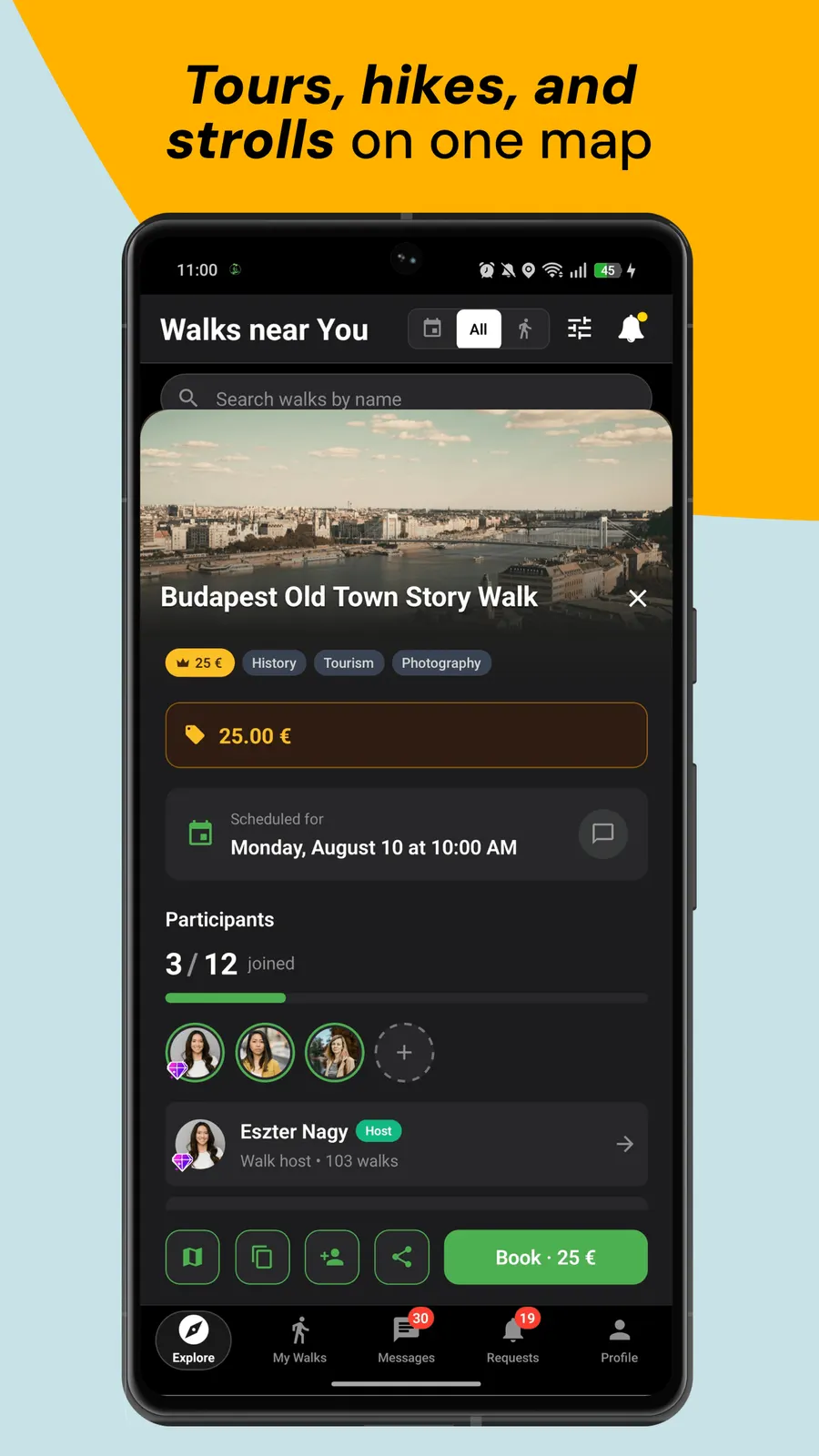
Walk With Me is your all-in-one walking app that lets you find walkers in your area and walk together.
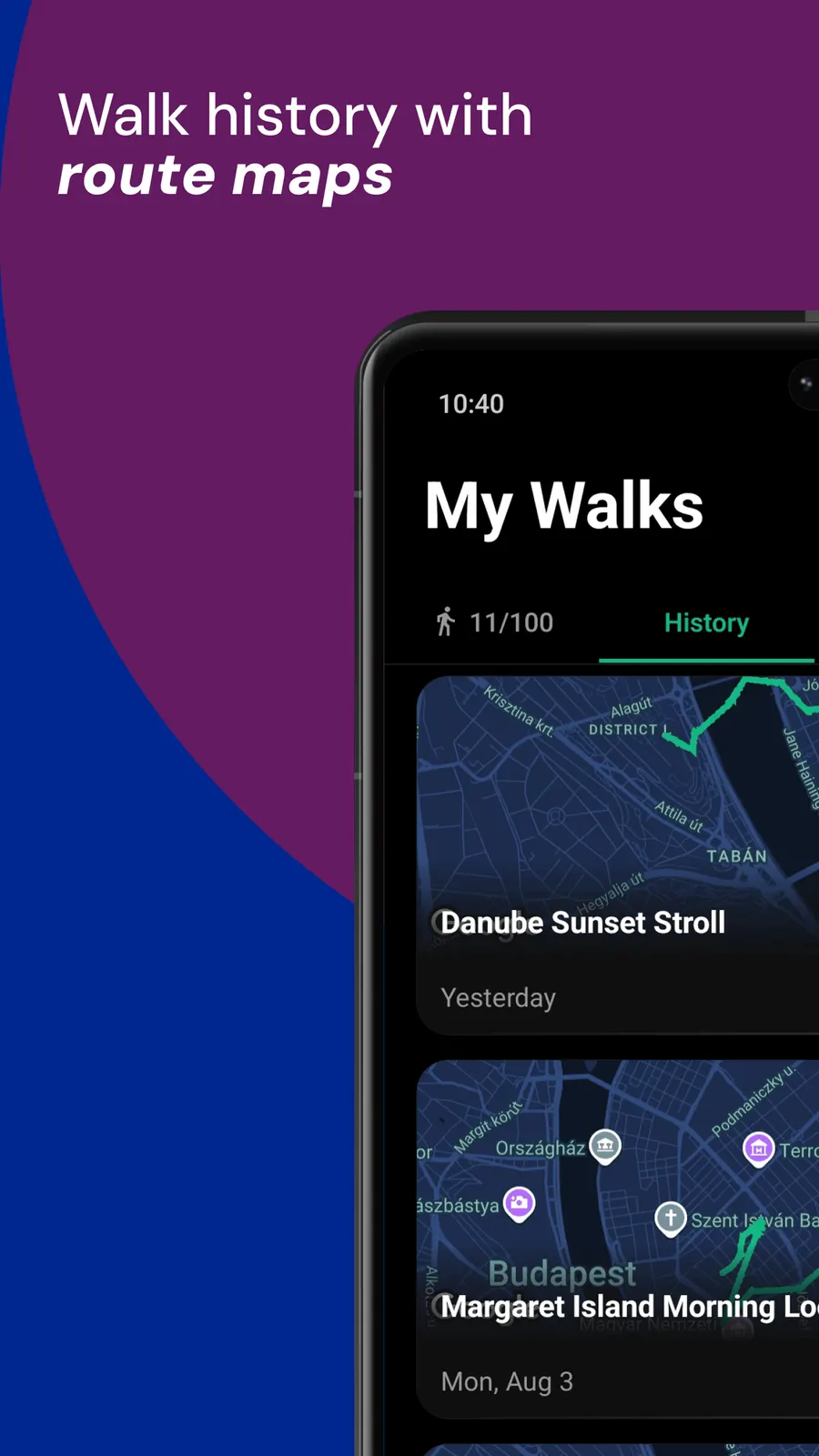
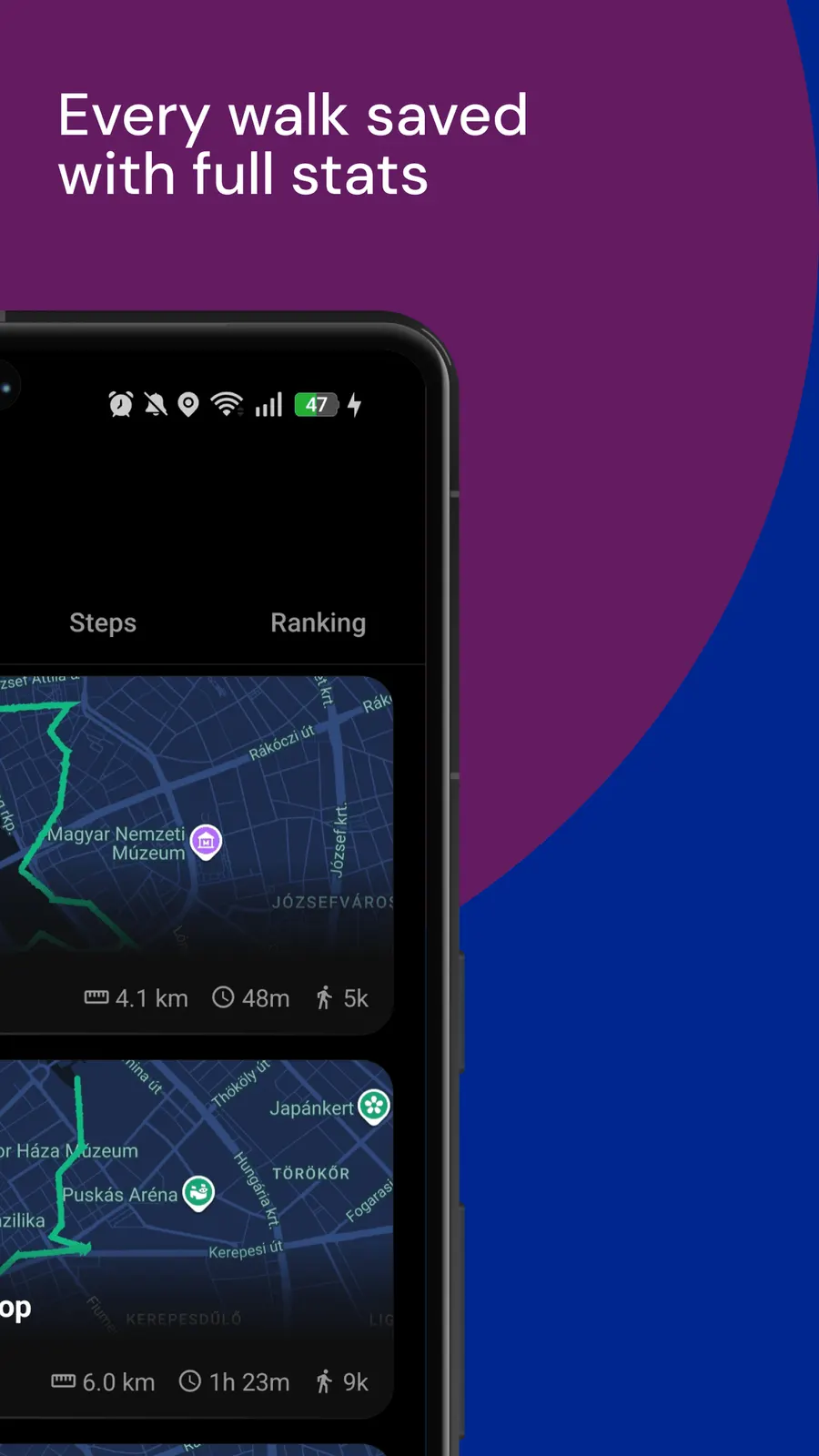
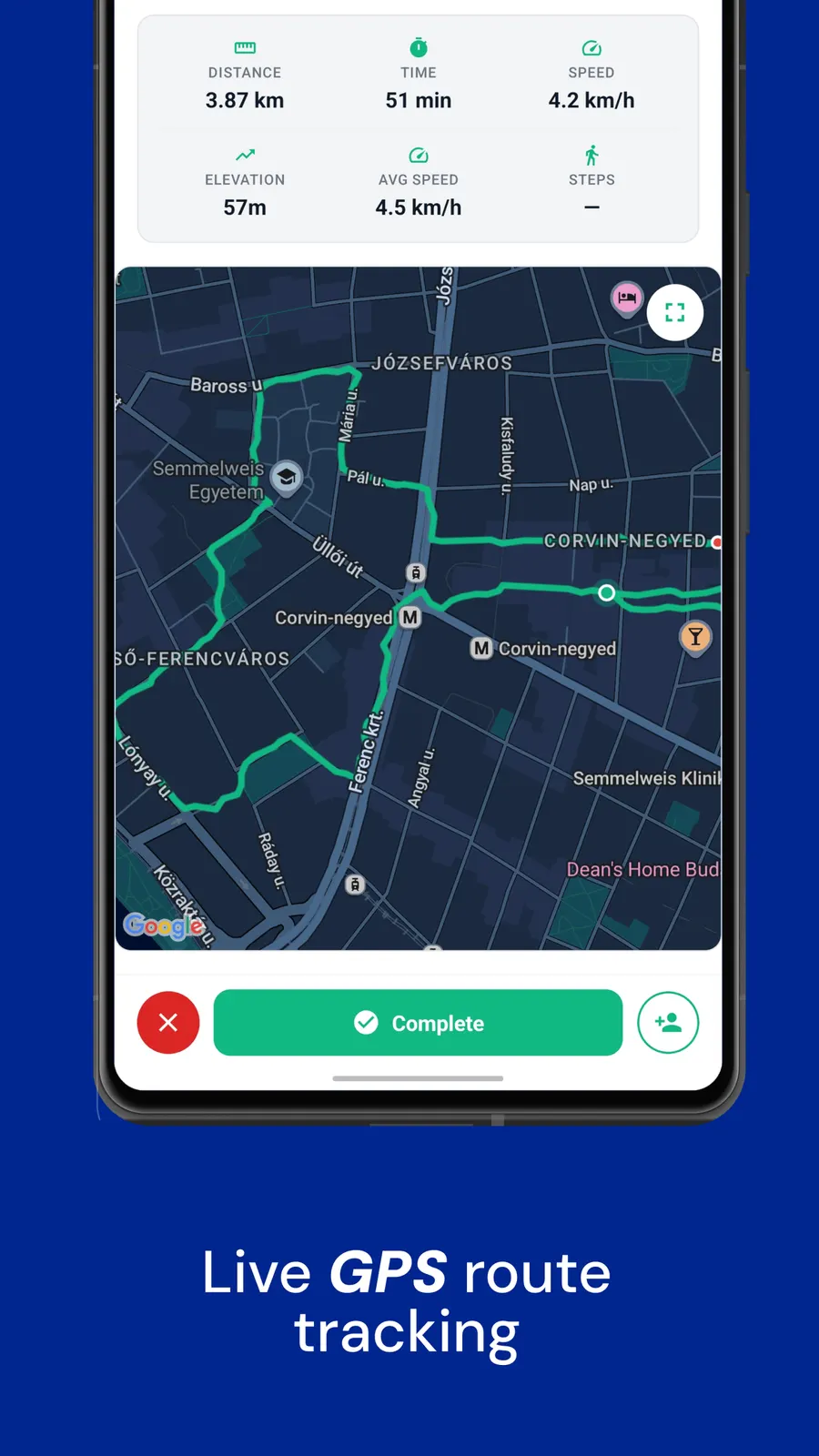
- Step and distance count
- Your route drawn on a map
- Calories burned
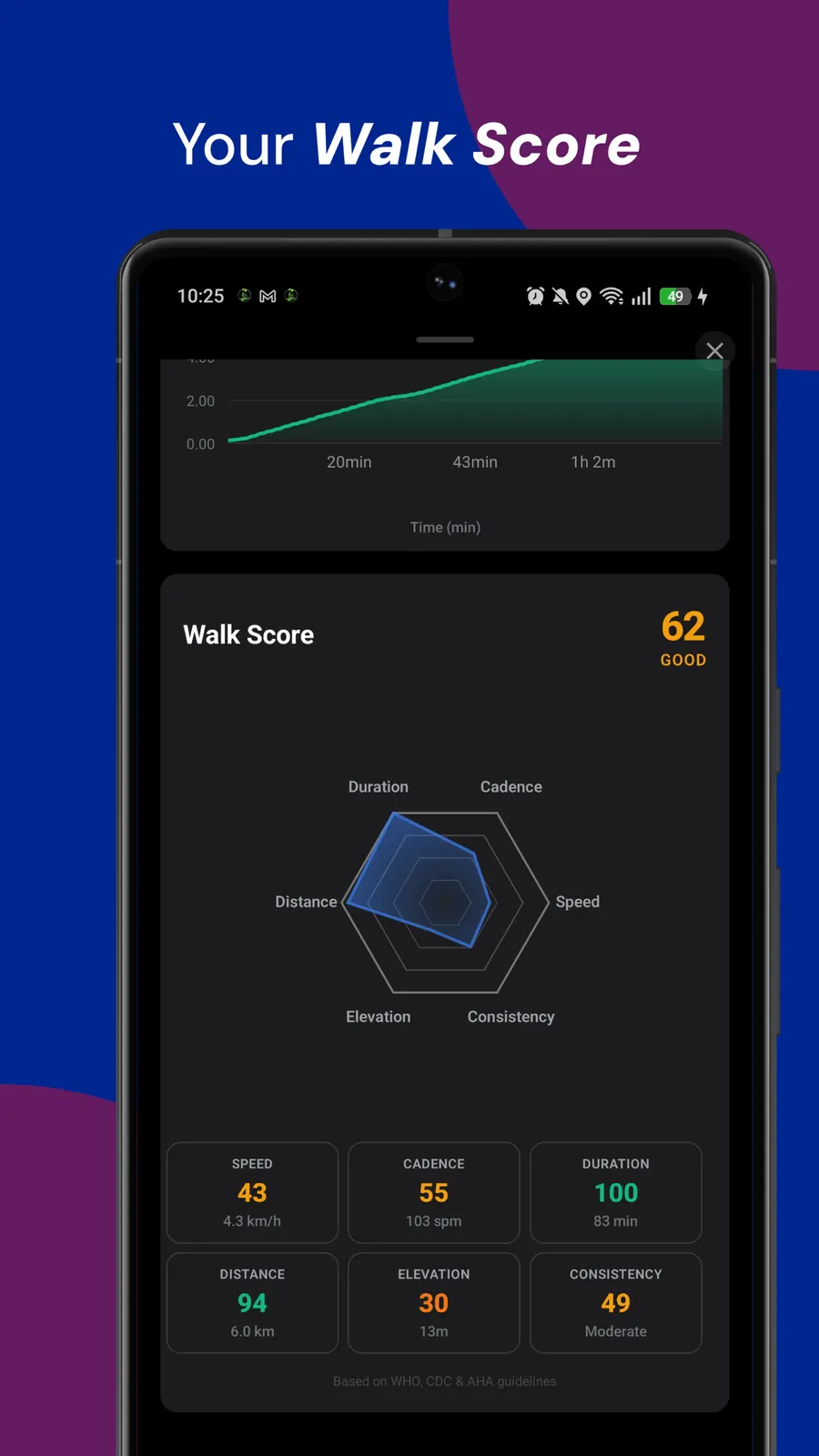
- Pace and elevation
- Every walk kept in your history
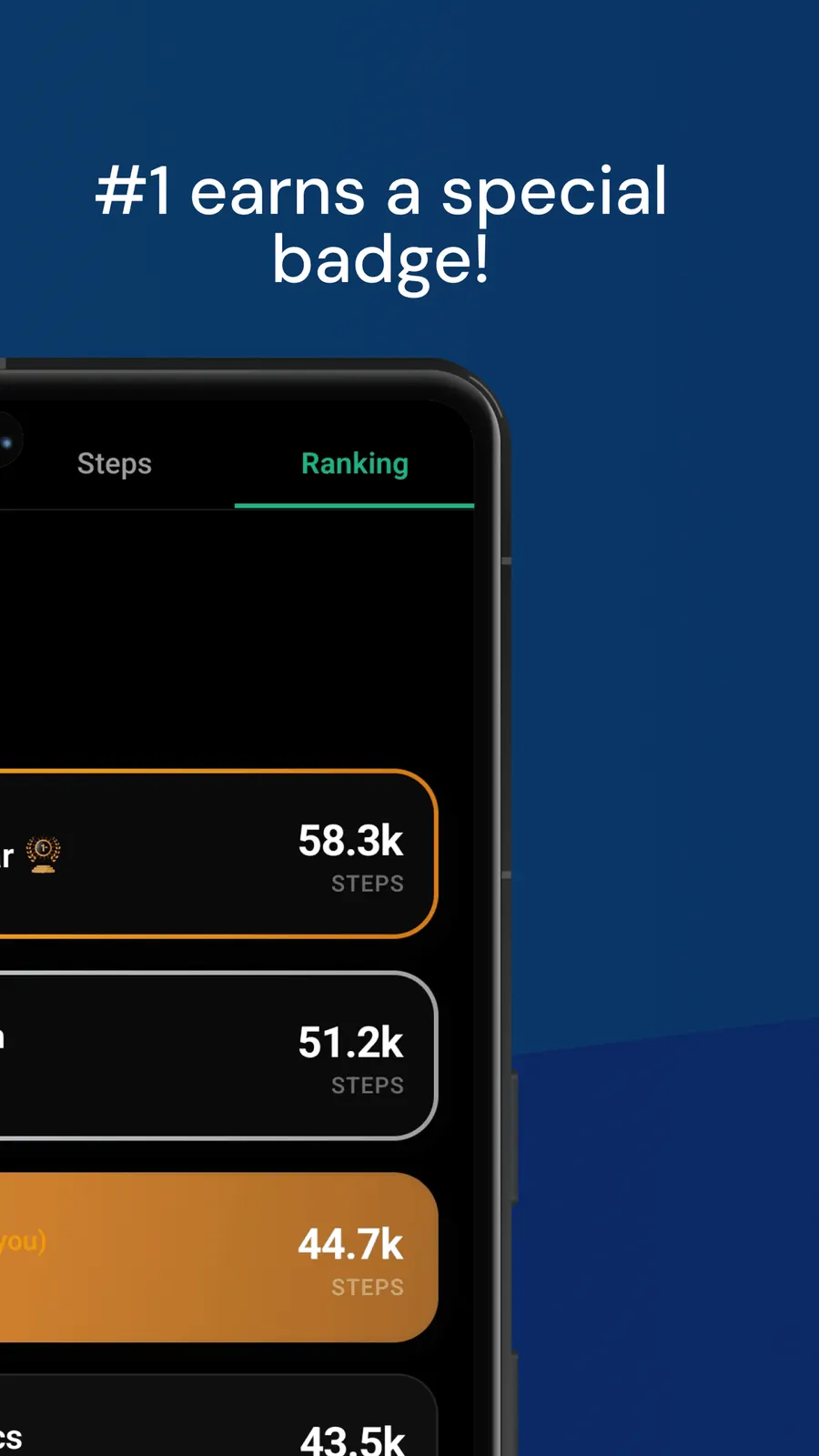
- A global leaderboard you can climb
- Your friends' step counts, day by day
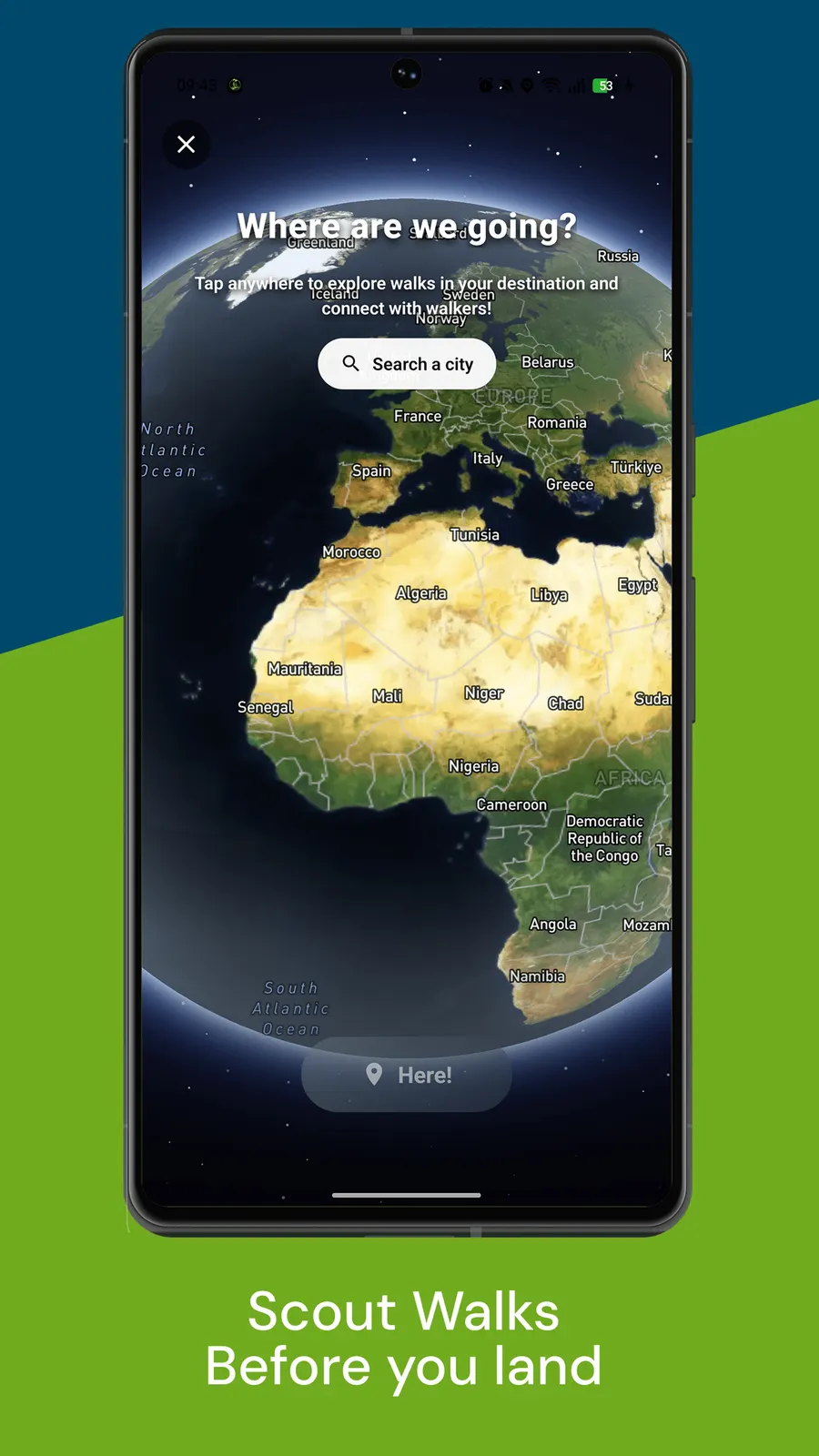
- Walkers near you on a live map
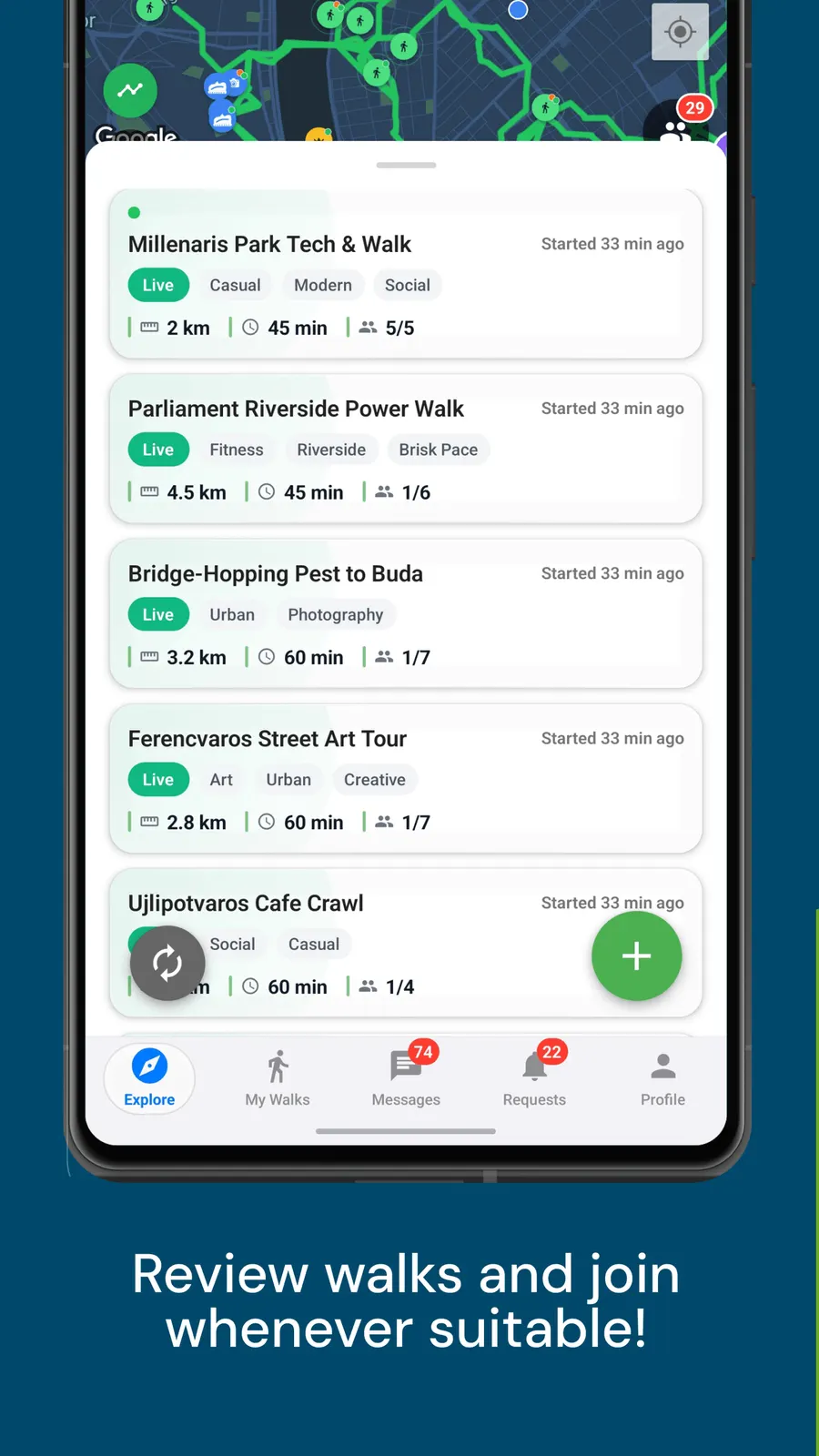
- Join or host a walk in a tap
- Groups, challenges and ranked cities
More from Walk With Me
Track Every Step, Together
A built-in step counter and walk tracker logs every walk you take, on your own or with the group.






Start Walking Together Today
Free on iOS and Android. Find your first walking buddy in minutes.
Key Takeaways
- Calories burned walking depend on three things: your weight, your pace and your time.
- A 70 kg adult walking briskly for 30 minutes burns roughly 150 kcal.
- Pace matters: the same person strolling for 30 minutes burns closer to 98 kcal.
- These are estimates from published MET values, not measurements, and individual results vary.
What is a MET?
A MET, or metabolic equivalent of task, expresses how hard an activity is relative to sitting still. Sitting is 1 MET. Brisk walking is about 4.3 METs, meaning it uses roughly 4.3 times the energy of resting for the same length of time.
Frequently Asked Questions
How many calories does a 30 minute walk burn?
For a 70 kg adult at a brisk pace, roughly 150 kcal. Lighter walkers burn less and heavier walkers more, and a gentle stroll for the same half hour comes in nearer 98 kcal.
Does walking faster burn more calories?
Per minute, yes, and noticeably. Per kilometre the difference is much smaller, because a faster walk covers the same ground in less time. If you have a fixed half hour, walking faster burns more; if you have a fixed route, the gap narrows.
Do hills make a difference?
A large one. Walking uphill can push the MET value well above flat walking at the same speed. This calculator assumes level ground, so treat a hilly walk as burning more than the figure shown.
Why is this different from my fitness tracker?
Trackers add heart rate, your own stride data and their own model on top. Both are estimates. The MET method is the transparent one: you can see exactly which numbers produced the result.