
Steps to Calories Calculator
How many calories your steps burned, worked out from your step count, your height, your weight and how fast you walked.
Step length is estimated as 41.4% of your height, and calories come from the standard MET equation for your pace. This is gross energy expenditure, the same basis fitness trackers use. Individual results vary; this is not medical or nutritional advice.
Example: 10,000 steps for a 70 kg walker of 170 cm at a brisk pace burns about 378 kcal over 7.04 km.
How steps become calories
A step count does not burn calories by itself. What burns calories is moving your body a distance over a period of time, so the calculator turns your steps into both. Your height gives your step length, at about 41.4% of your height, which turns steps into distance. Your pace turns that distance into minutes of walking.
Those minutes go through the MET equation, the same one fitness trackers use: calories equal the MET value for your walking speed, times your weight in kilograms, times the hours spent walking. A brisk walk at 5.6 km/h has a MET value of 4.3, which means it burns about 4.3 times what you would burn sitting still.
This is the same arithmetic the walking calorie calculator and the steps to km converter use, chained together, so all three give the same answer for the same walk.
calories = MET x weight (kg) x hours, where hours = steps x step length / speed
How many calories does 10,000 steps burn?
For a 70 kg adult of 170 cm walking briskly, 10,000 steps is about 7 km, takes about 75 minutes, and burns around 380 kcal. A lighter person burns less over the same steps and a heavier person burns more, roughly in proportion to body weight.
That is gross energy, which includes the calories you would have burned anyway over those 75 minutes. The extra calories the walk itself cost are closer to 290, and that is the number that matters if you are weighing it against food.
Either way, 10,000 steps a day comes to roughly 2,000 to 2,650 kcal a week of walking. That is real, if smaller than most people hope.
Calories per 1,000 steps by body weight
The most useful number to remember is calories per 1,000 steps, because you can multiply it by whatever your phone says at the end of the day. For most adults it lands somewhere between 30 and 50 kcal.
| Body weight | 1,000 steps | 5,000 steps | 10,000 steps |
|---|---|---|---|
| 50 kg (110 lb) | 27 kcal | 135 kcal | 270 kcal |
| 60 kg (132 lb) | 32 kcal | 162 kcal | 324 kcal |
| 70 kg (154 lb) | 38 kcal | 189 kcal | 378 kcal |
| 80 kg (176 lb) | 43 kcal | 216 kcal | 432 kcal |
| 90 kg (198 lb) | 49 kcal | 243 kcal | 486 kcal |
| 100 kg (220 lb) | 54 kcal | 270 kcal | 540 kcal |
| 110 kg (243 lb) | 59 kcal | 297 kcal | 594 kcal |
For an adult of 170 cm walking at a brisk 5.6 km/h. Calories are gross energy expenditure, the same basis fitness trackers use.
Does walking faster burn more calories per step?
Per minute, clearly yes. Per step, far less than you would expect. Walk faster and each minute costs more, but you cover the same steps in fewer minutes, and the two nearly cancel out.
The table shows something odd at first sight: a stroll seems to burn more for the same steps than a brisk walk. That is because these are gross calories, and a stroll keeps you out longer, so it counts more of the calories you would have burned resting anyway. Strip those out and the four paces land within about 50 kcal of each other per 10,000 steps, with fast walking slightly ahead.
So if your goal is calories, more steps beats faster steps. If your goal is fitness, faster steps are worth it for what they do for your heart and lungs, not for the calorie count.
| Steps | Strolling | Easy | Brisk | Fast |
|---|---|---|---|---|
| 2,500 | 108 kcal | 90 kcal | 95 kcal | 96 kcal |
| 5,000 | 216 kcal | 180 kcal | 189 kcal | 192 kcal |
| 7,500 | 323 kcal | 269 kcal | 284 kcal | 289 kcal |
| 10,000 | 431 kcal | 359 kcal | 378 kcal | 385 kcal |
| 15,000 | 647 kcal | 539 kcal | 567 kcal | 577 kcal |
| 20,000 | 862 kcal | 718 kcal | 757 kcal | 770 kcal |
For a 70 kg adult of 170 cm. A stroll shows more calories because it takes longer, and gross calories include what you would burn at rest over that time.
Why your watch shows a different number
Fitness trackers start from the same kind of equation, then adjust it with your heart rate, which can push the figure up or down. Some show your total calories for the day, including everything you burn at rest, which makes the walking number look much bigger.
Step counts also differ between devices. A phone in a pocket misses steps a wrist tracker catches, and a wrist tracker counts some arm movements as steps. Studies of consumer trackers routinely find calorie estimates out by 20% or more, so treat every figure, including this one, as an estimate.
Steps, calories and weight loss
Walking helps with weight loss mainly by adding a steady calorie burn on top of everything else, without making you as hungry as harder exercise can. An extra 3,000 steps a day is about 115 kcal for a 70 kg adult, or around 800 kcal a week.
That is meaningful over months, and it is also why diet does most of the work in losing weight while walking does more of the work in keeping it off. The best step target is one you can repeat every day.
What is Walk With Me App?
Not just tracking steps, A walking community
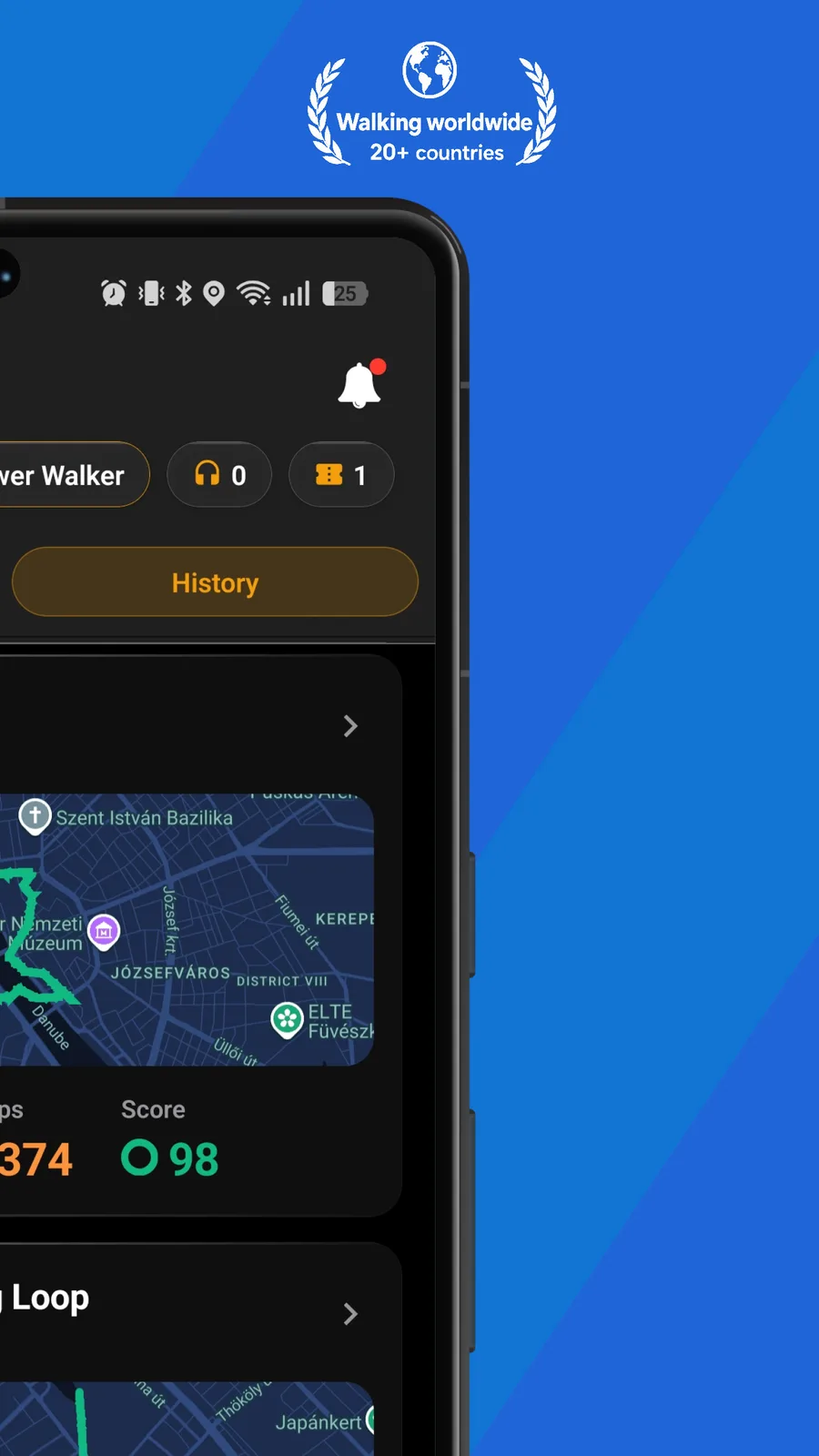
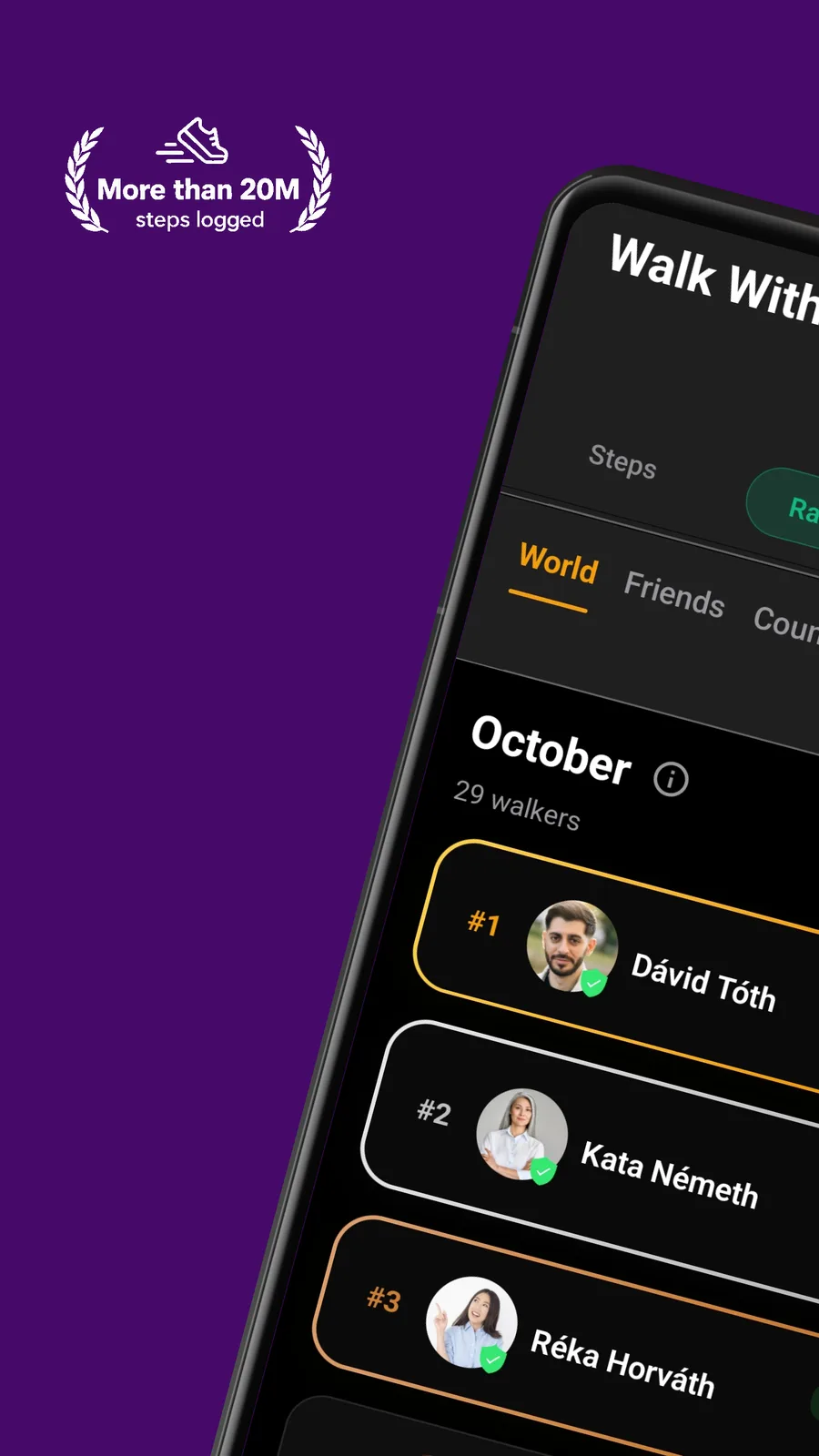
Walk With Me is your all-in-one walking app that lets you find walkers in your area and walk together.
- Step and distance count
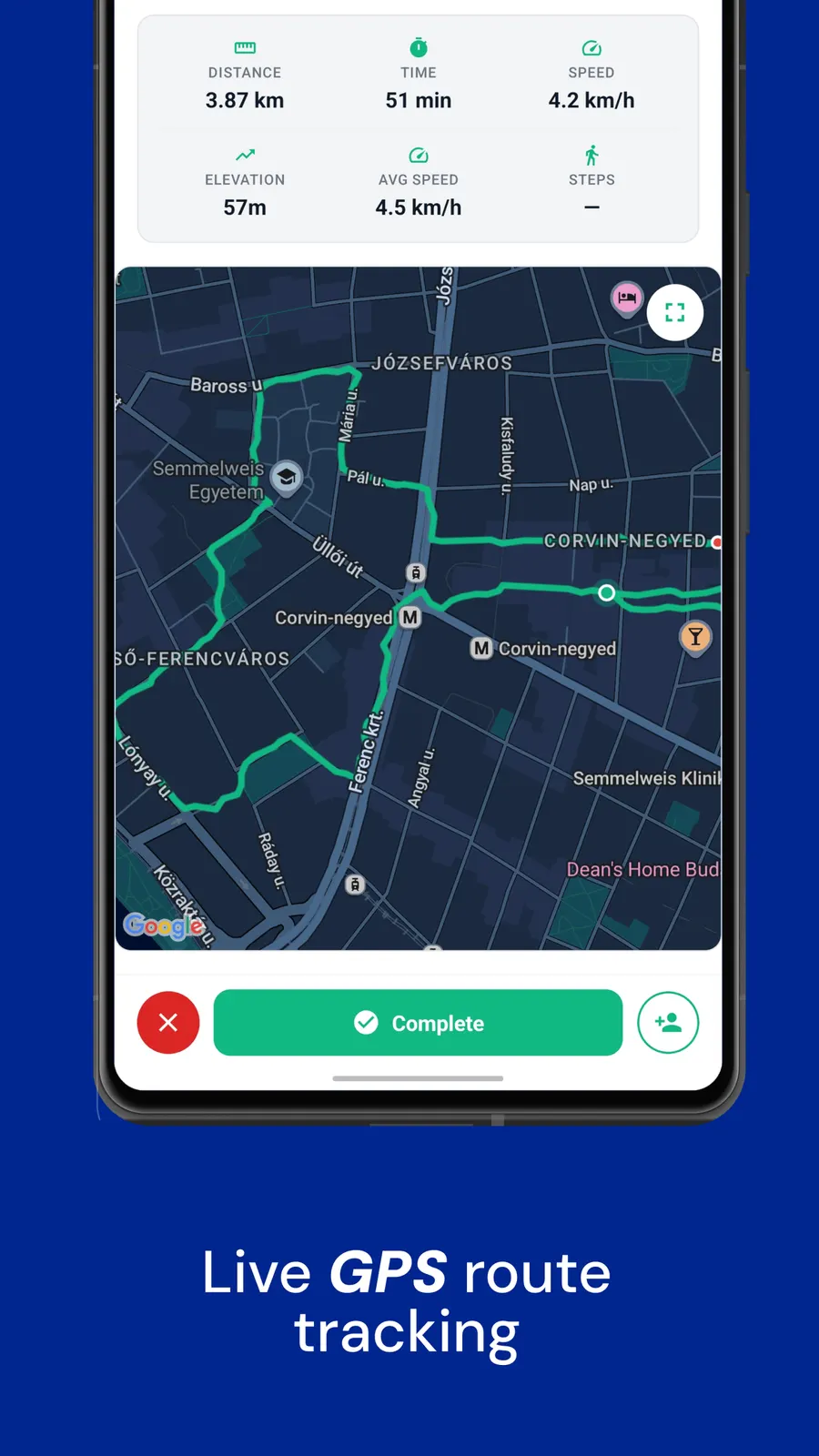
- Your route drawn on a map
- Calories burned
- Pace and elevation
- Every walk kept in your history
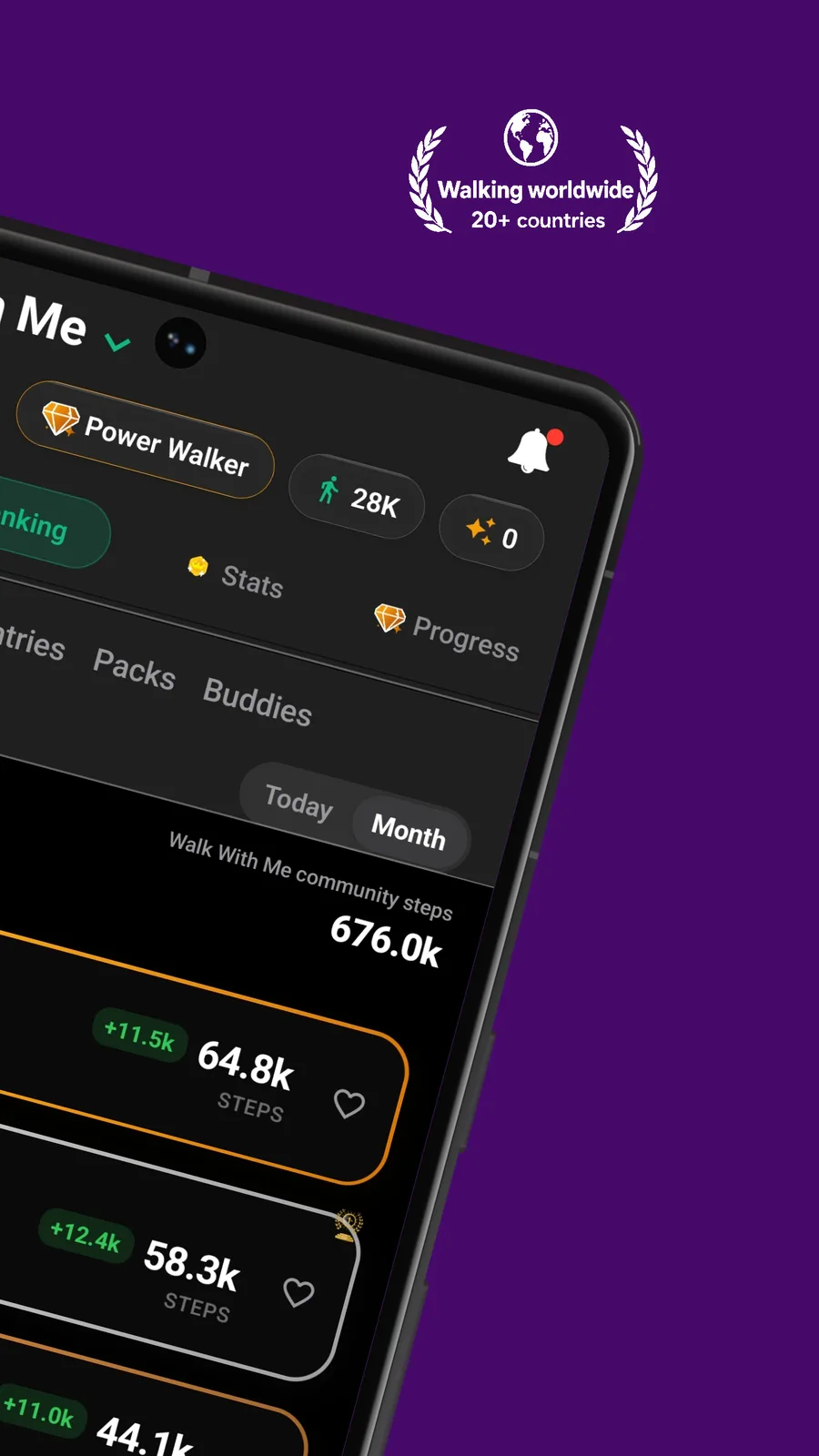
- A global leaderboard you can climb
- Your friends' step counts, day by day
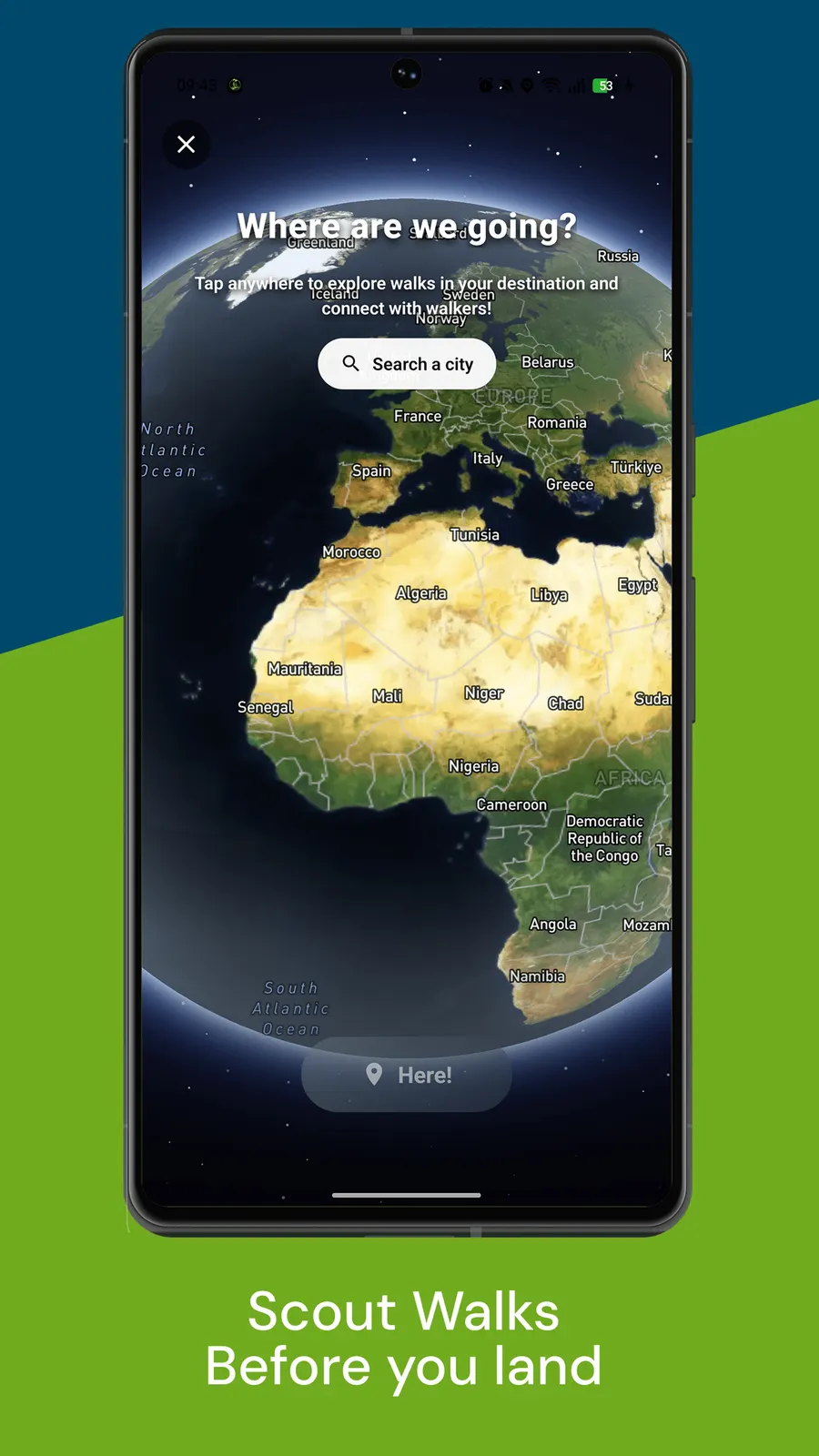
- Walkers near you on a live map
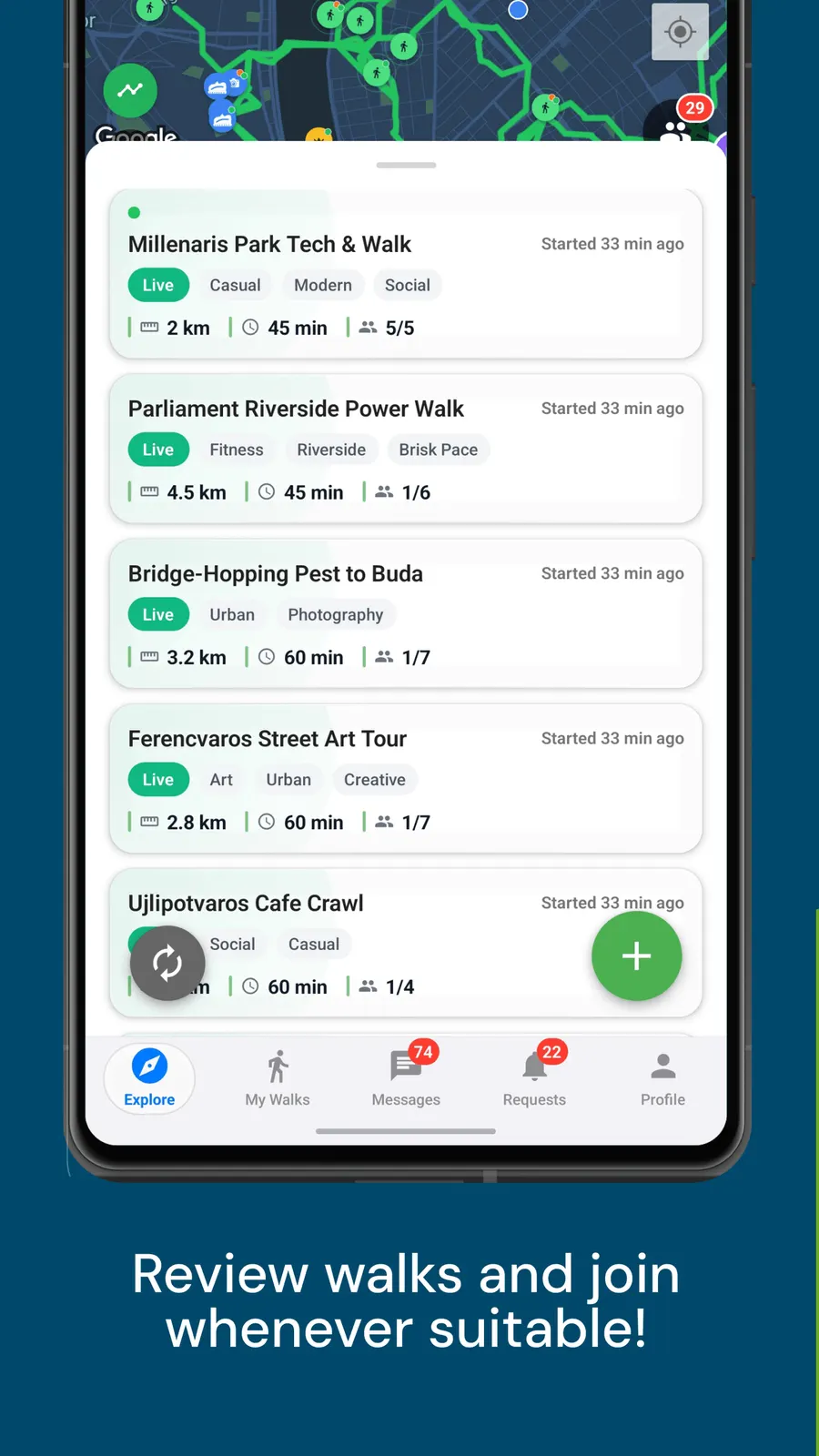
- Join or host a walk in a tap
- Groups, challenges and ranked countries
More from Walk With Me
Track Every Step, Together
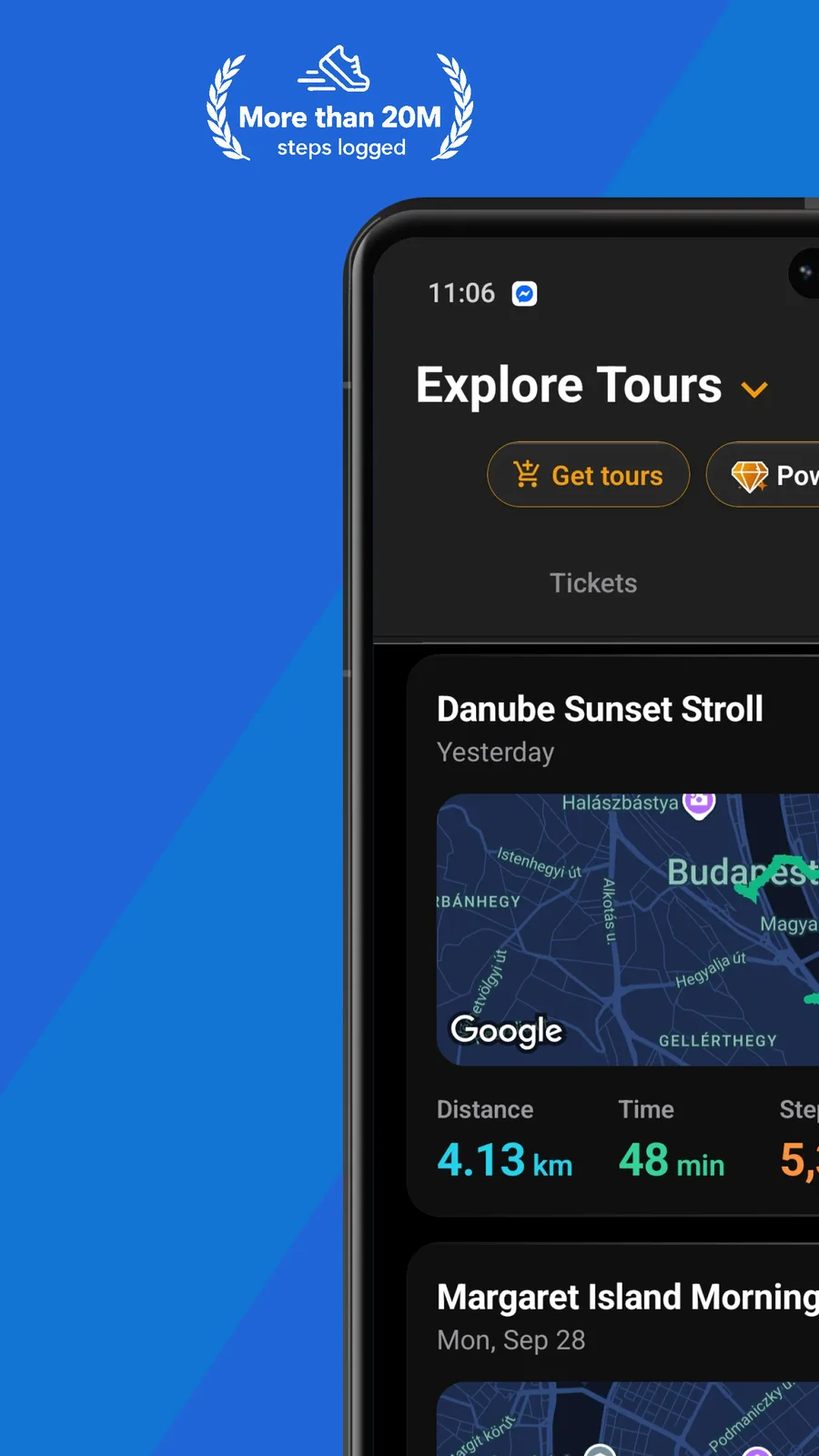
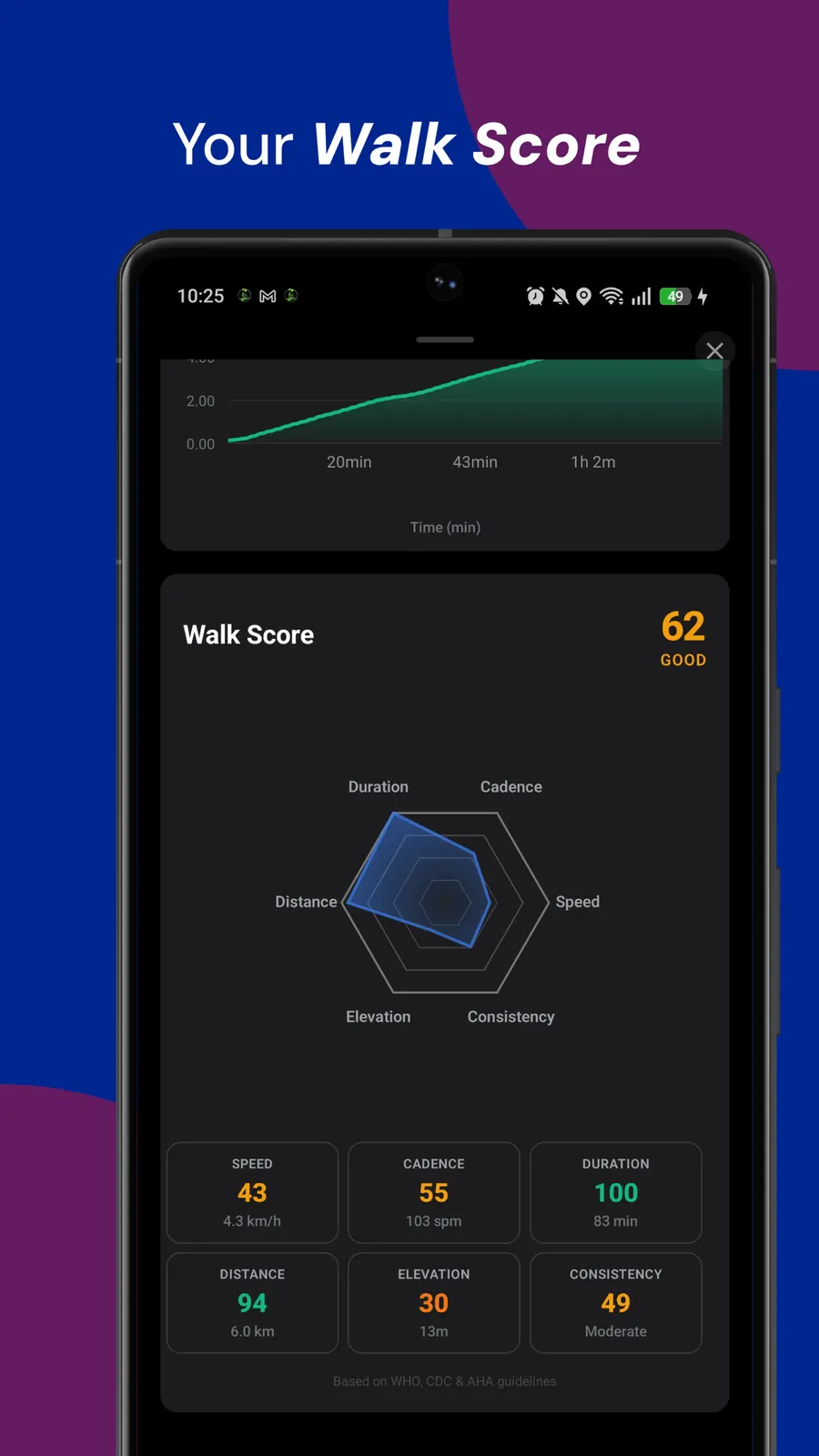
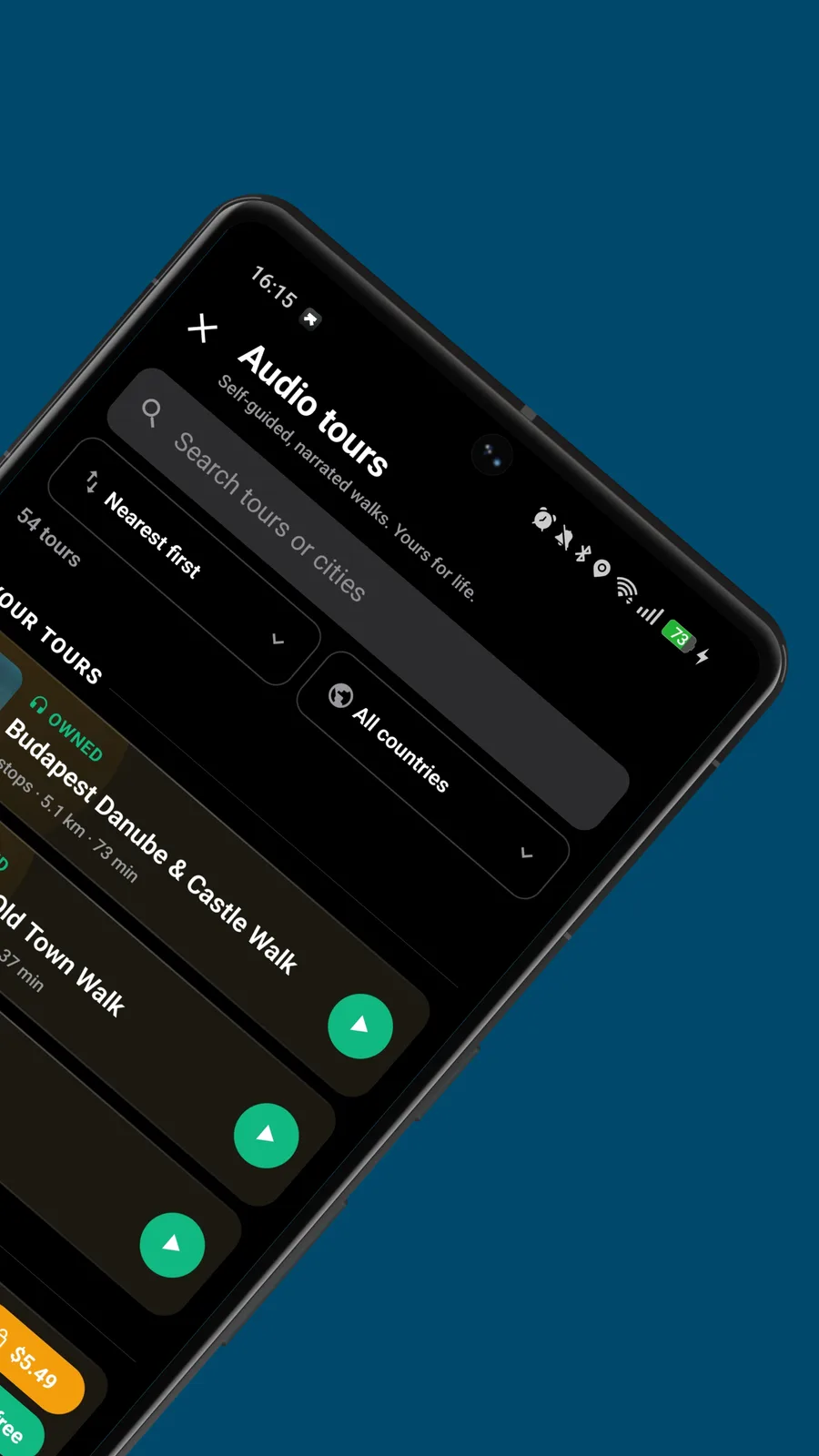
A step counter and walk tracker in the app logs every walk you take, on your own or with the group.







Start Walking Together Today
Free on iOS and Android. Find your first walking buddy in minutes.


Key Takeaways
- 10,000 steps burns about 380 kcal for a 70 kg adult walking briskly, or about 290 kcal above resting.
- A useful rule of thumb is 30 to 50 kcal per 1,000 steps for most adults.
- Heavier people burn more calories over the same steps, roughly in proportion to their weight.
- Per step, walking faster changes the calorie count far less than walking further.
What is a MET?
A MET, or metabolic equivalent, measures how hard an activity is compared with sitting still. Sitting is 1 MET and a brisk walk at 5.6 km/h is about 4.3 METs, so the walk burns about 4.3 times as many calories per minute as resting.
Frequently Asked Questions
How many calories does 1,000 steps burn?
About 38 kcal for a 70 kg adult walking briskly. Expect roughly 30 for a lighter person and closer to 50 for a heavier one.
How many calories is 5,000 steps?
Around 190 kcal for a 70 kg adult at a brisk pace, covering about 3.5 km in under 40 minutes.
How many steps does it take to burn 100 calories?
Roughly 2,600 steps for a 70 kg adult, which is just under 2 km of brisk walking. A heavier walker needs fewer steps and a lighter one needs more.
How many steps burn 500 calories?
Roughly 13,000 steps for a 70 kg adult at a brisk pace. That is a little over 9 km, and about an hour and 40 minutes of walking.
Is the calorie count on my phone accurate?
It is an estimate, like this one. Phones and watches use similar equations, sometimes adjusted with heart rate, and studies often find them out by 20% or more. Use the number to compare one day with another, not to plan meals to the calorie.