
How Many Steps a Day Should You Walk?
Put in your age and what you want from walking, and get a daily step target based on the research, plus a gentle plan for getting there.
Targets follow published research on daily steps and health for each age group. They are general guidance, not medical advice; if you have a health condition, check with a doctor before raising your activity.
Example: a 45 year old walking for general health should aim for about 8,000 steps a day, roughly 5.8 km.
Where these step targets come from
The 10,000 steps figure did not come from science. It came from a Japanese pedometer launched in 1965, the manpo-kei, whose name means 10,000 step meter. The research has since caught up, and it gives a more useful answer: the benefit rises steeply from a low step count and then levels off, at a point that depends on your age.
For adults under 60, a 2022 analysis of 15 studies by Paluch and colleagues in The Lancet Public Health found that the drop in the risk of early death levelled off at around 8,000 to 10,000 steps a day. For adults over 60 it levelled off earlier, at around 6,000 to 8,000. A 2025 review in the same journal by Ding and colleagues put a realistic target for most people at around 7,000 steps.
For children and teenagers, the targets translate the recommended 60 minutes of daily activity into steps, following work by Tudor-Locke and colleagues. The calculator picks the band for your age, then adjusts it for your goal.
weeks to your target = (target - current daily steps) / 1,000
Is 10,000 steps a day really necessary?
Not for health. Most of the benefit arrives well before 10,000 steps. Going from 2,000 to 7,000 steps a day is linked to a large drop in the risk of early death, heart disease and type 2 diabetes. Going from 7,000 to 10,000 adds a little more, mostly for people under 60.
That does not make 10,000 a bad target. It is a round number, it is easy to remember, and for weight control in younger adults more steps do keep helping. It just means that if 10,000 feels out of reach, 7,000 or 8,000 is not a consolation prize. It is where most of the benefit is.
Recommended steps per day by age
The table sets out the daily targets this calculator uses for each age group, with the research range behind them. For adults, the weight loss column adds about 2,000 steps, roughly 1.5 km of extra walking. For children and teenagers it does not change, because a child's step target is about health and play, not weight.
| Age group | General health | Losing weight | Research range |
|---|---|---|---|
| Children (6 to 12) | 12,000 | 12,000 | 12,000-15,000 |
| Teenagers (13 to 17) | 11,000 | 11,000 | 10,000-11,700 |
| Adults (18 to 59) | 8,000 | 10,000 | 8,000-10,000 |
| Adults 60 and over | 7,000 | 8,000 | 6,000-8,000 |
Adult ranges from Paluch et al. (2022), where the health benefit of daily steps levels off. Children and teenagers from Tudor-Locke et al. (2011). The weight loss column is deliberately unchanged for under-18s.
How many steps a day to lose weight
Steps help with weight mainly through calories, so the honest answer is more than you are doing now, done consistently. For most adults under 60, 10,000 to 12,000 steps a day is a solid target. Over 60, aim for 8,000 to 10,000.
To put numbers on it, 2,000 extra steps a day is about 75 kcal for a 70 kg adult, or around 500 kcal a week. That will not outrun a diet that is not working, but it adds up over months, and the people who keep weight off for the long term tend to be the ones who stay active.
What your step target looks like in distance and time
Step targets are easier to plan when you see them as kilometres and minutes. At an average step length, 8,000 steps is about 5.8 km and around 70 minutes of walking, spread across the day. You already take a good share of those steps without trying, just by getting through an ordinary day.
| Steps | Distance | Walking time |
|---|---|---|
| 4,000 | 2.88 km (1.79 mi) | 35 min |
| 6,000 | 4.32 km (2.68 mi) | 52 min |
| 7,000 | 5.04 km (3.13 mi) | 1 h |
| 8,000 | 5.76 km (3.58 mi) | 1 h 9 min |
| 10,000 | 7.2 km (4.47 mi) | 1 h 26 min |
| 12,000 | 8.64 km (5.37 mi) | 1 h 44 min |
| 15,000 | 10.8 km (6.71 mi) | 2 h 10 min |
Uses an average step length of 72 cm and an average walking speed of 5 km/h.
How to build up your daily steps
Start from what you do now. Check the weekly average on your phone and add about 1,000 steps a day to it each week. That is around 10 extra minutes of walking, a small enough change that it tends to stick.
Fit the extra steps in where they cost nothing: a walk after lunch, getting off the bus a stop early, a phone call taken on foot. Short walks count. Several 10 minute walks across the day add up to the same total as one long one, and a walk after a meal helps your blood sugar more.
If you are aiming for fitness, make about 3,000 of your steps brisk, which is 30 minutes at around 100 steps a minute. That is the moderate activity the guidelines ask for, inside your step count rather than on top of it.
When a lower target is the right one
If you are recovering from illness or injury, managing a long term condition, or very inactive right now, the right target is the next 1,000 steps, not the number in the table. The research is clear that the biggest gains come at the low end, from moving at all.
Anyone with a heart condition, or who gets chest pain, dizziness or unusual breathlessness when walking, should speak to a doctor before raising their activity. This calculator is general guidance, not medical advice.
What is Walk With Me App?
Not just tracking steps, A walking community
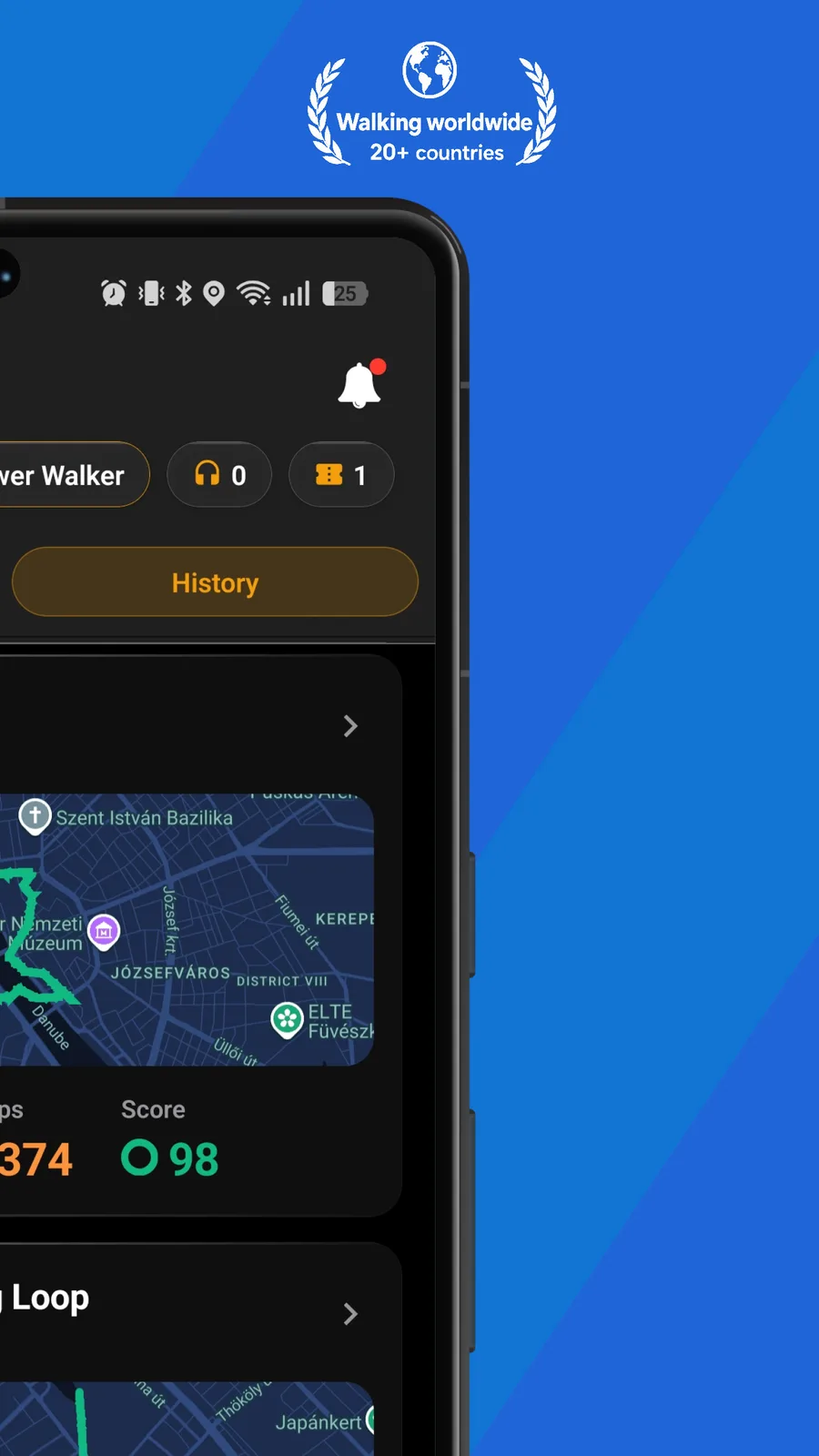
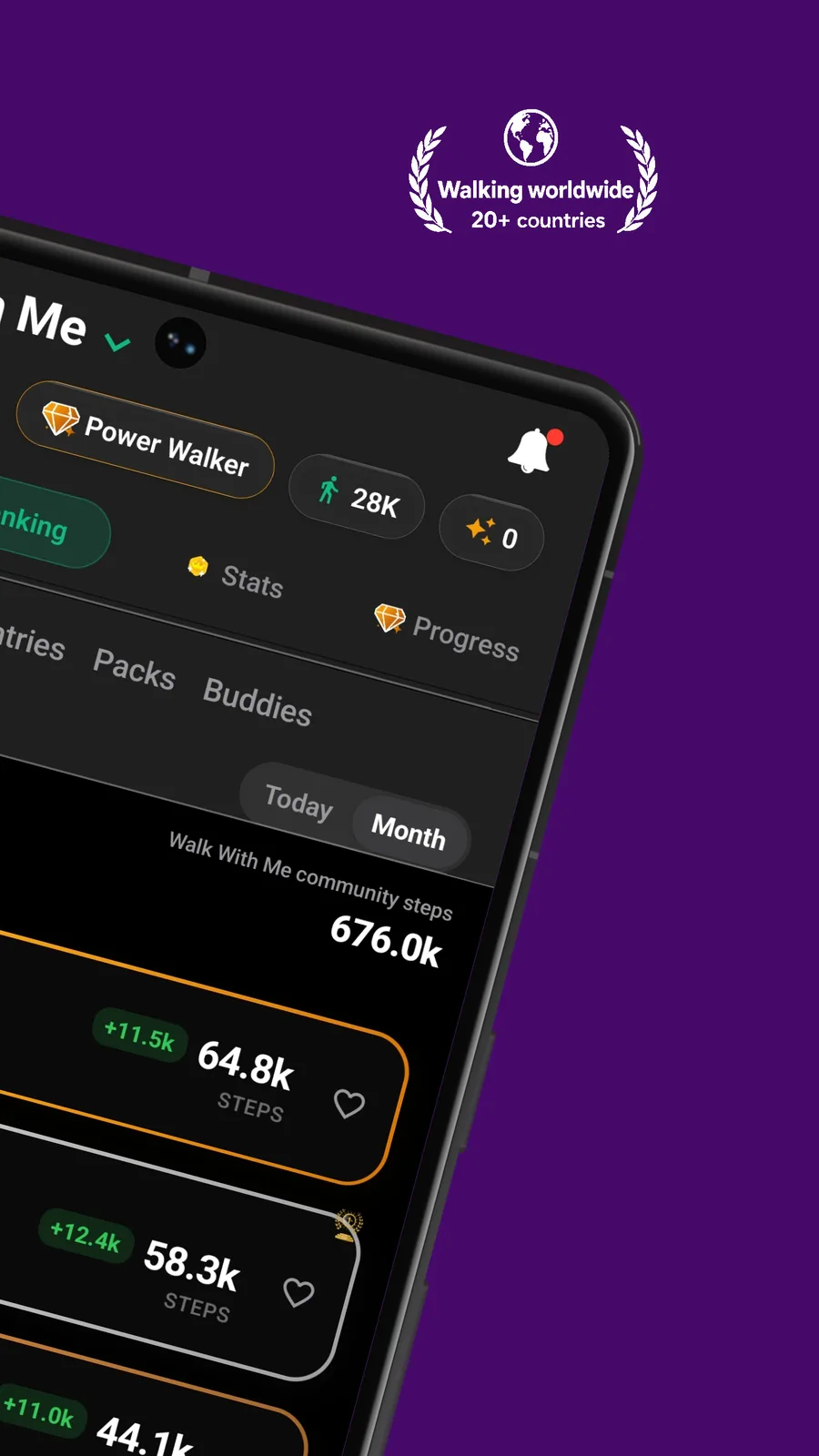
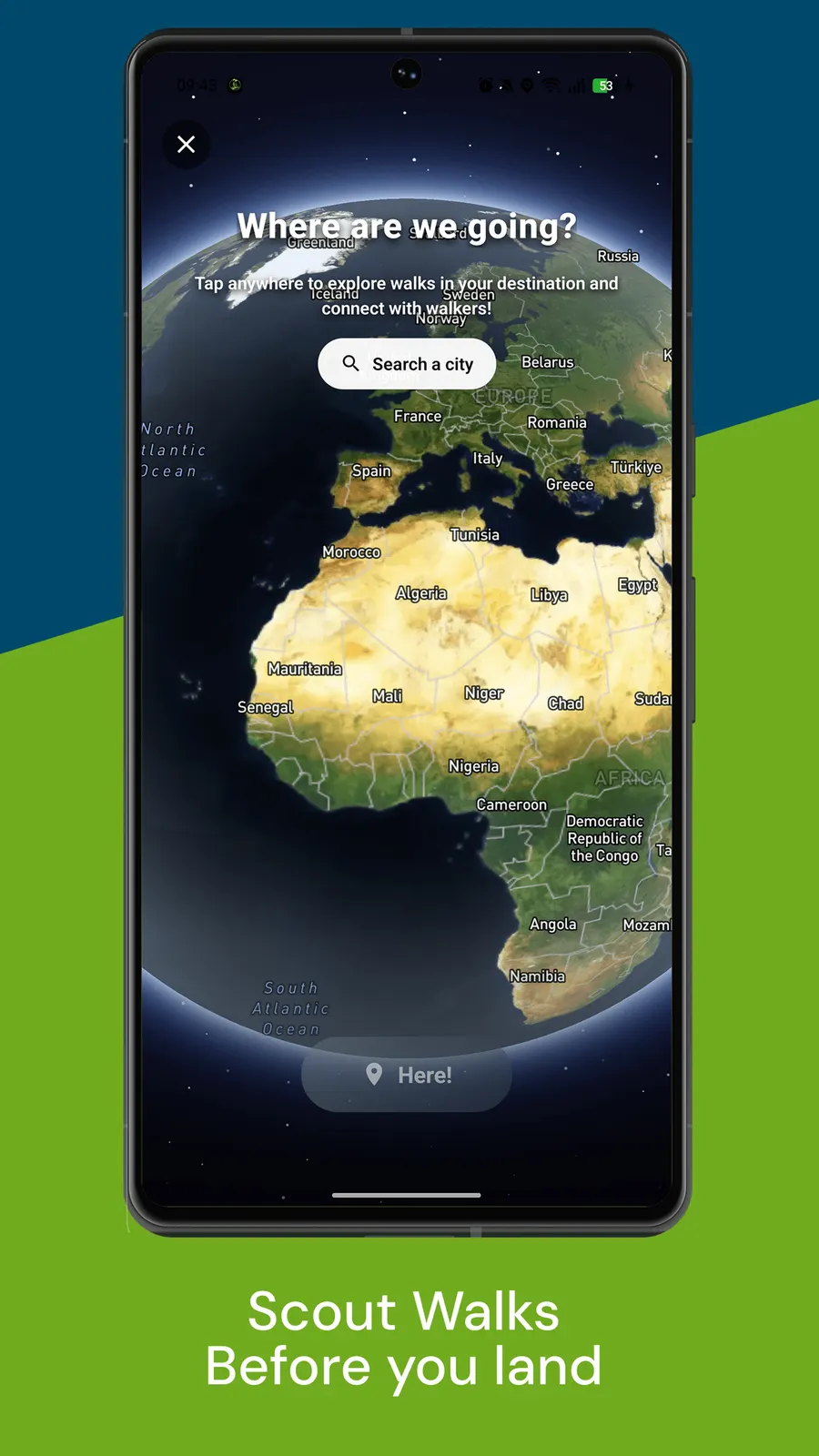
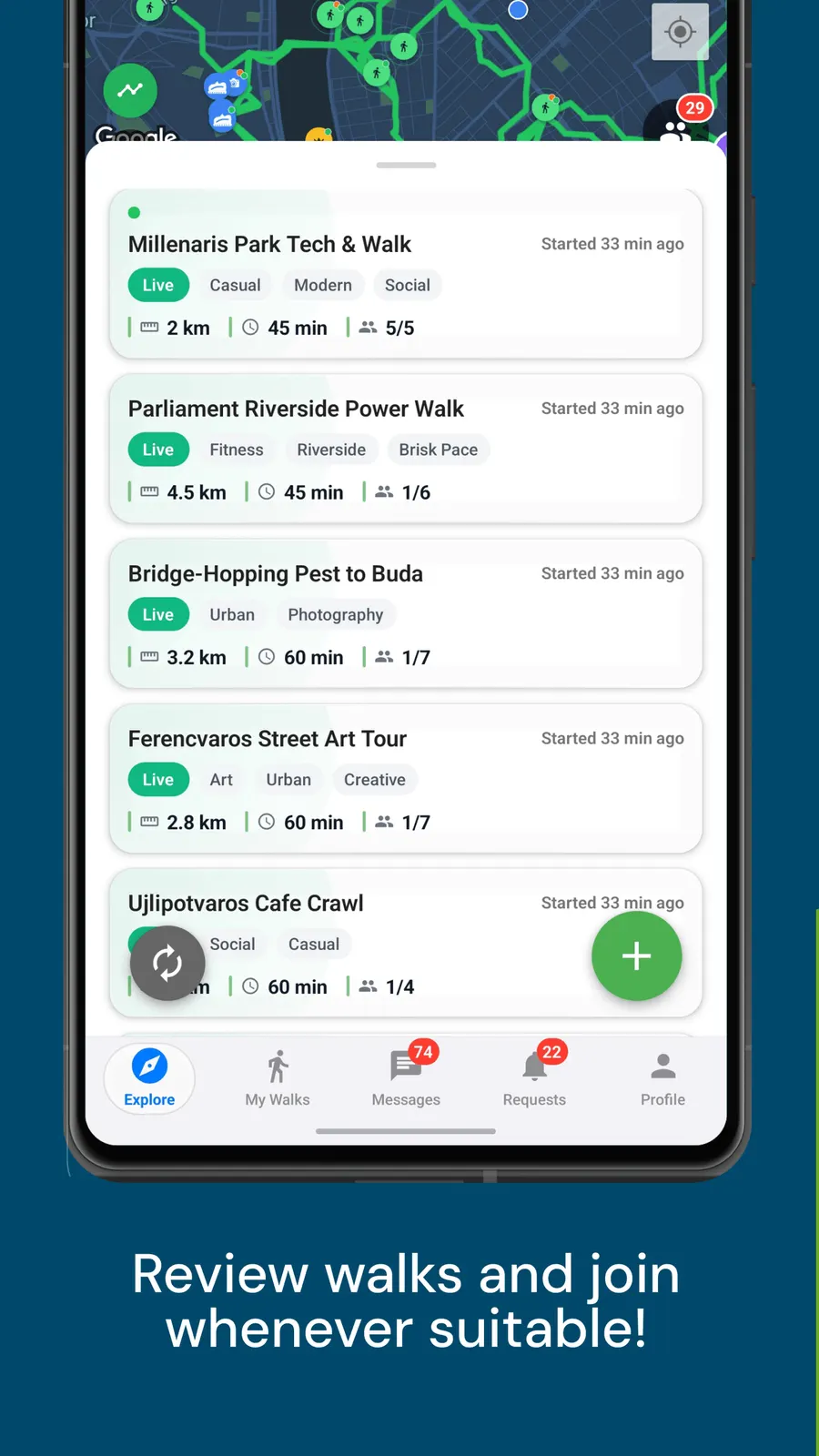
Walk With Me is your all-in-one walking app that lets you find walkers in your area and walk together.
- Step and distance count
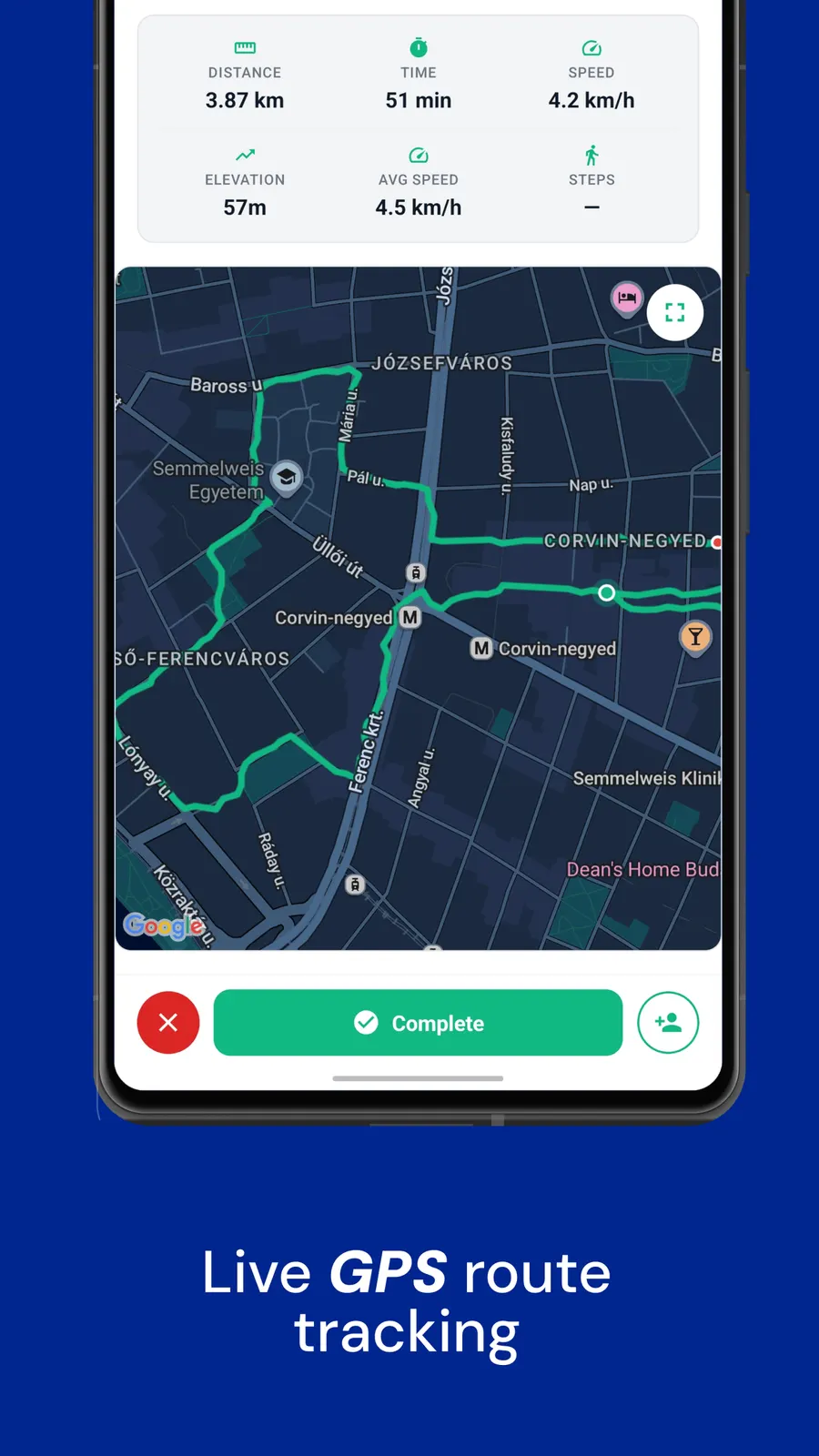
- Your route drawn on a map
- Calories burned
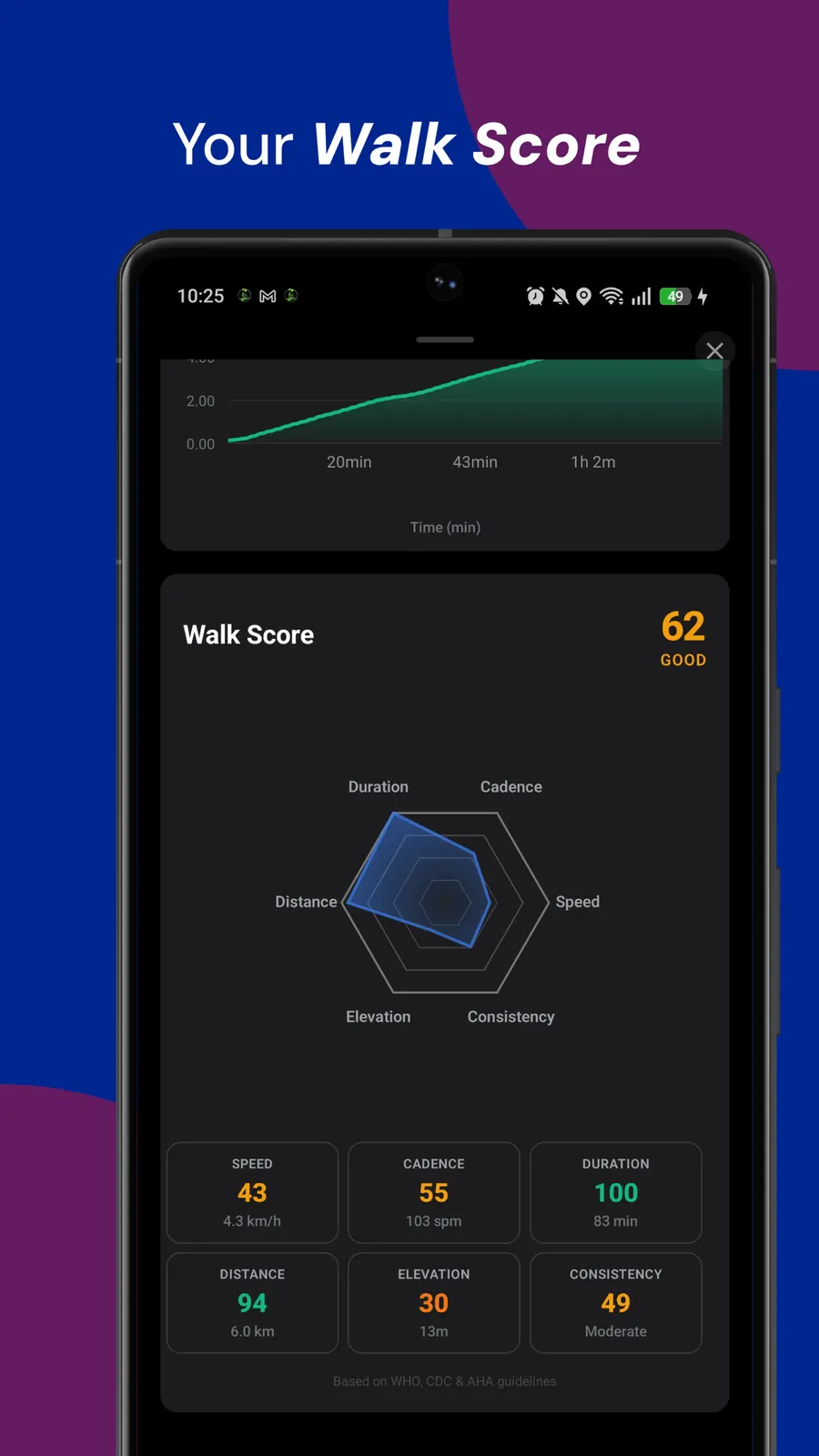
- Pace and elevation
- Every walk kept in your history
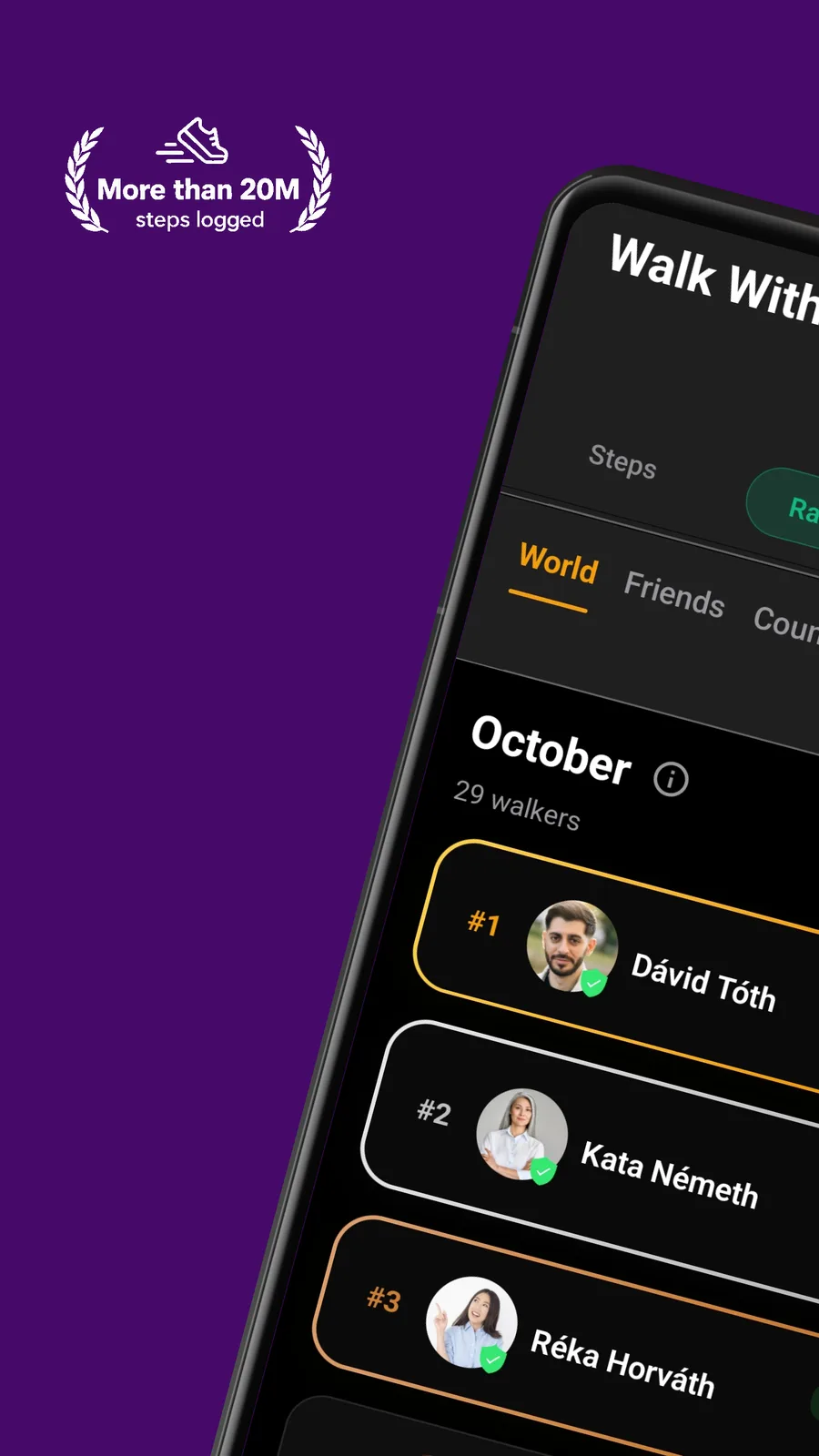
- A global leaderboard you can climb
- Your friends' step counts, day by day
- Walkers near you on a live map
- Join or host a walk in a tap
- Groups, challenges and ranked countries
More from Walk With Me
Track Every Step, Together
A step counter and walk tracker in the app logs every walk you take, on your own or with the group.








Start Walking Together Today
Free on iOS and Android. Find your first walking buddy in minutes.


Key Takeaways
- For adults under 60, the health benefit of walking levels off at around 8,000 to 10,000 steps a day.
- For adults over 60, it levels off earlier, at around 6,000 to 8,000 steps.
- Around 7,000 steps a day captures most of the benefit for most people.
- Build up by adding about 1,000 steps a day each week to where you are now.
What is a daily step target?
A daily step target is the number of steps you aim to walk each day. Research suggests the health benefit levels off at about 8,000 to 10,000 steps for adults under 60 and 6,000 to 8,000 for adults over 60, rather than at a fixed 10,000 for everyone.
Frequently Asked Questions
How many steps a day should I walk?
For most adults, 7,000 to 10,000. Under 60, the health benefit levels off at around 8,000 to 10,000 steps a day, and over 60 at around 6,000 to 8,000. Children need more, around 12,000.
How many steps a day counts as active?
Around 7,500 steps a day or more is usually classed as somewhat active, and 10,000 or more as active. Fewer than 5,000 is usually considered sedentary.
How many steps a day should a 60 year old walk?
About 6,000 to 8,000 steps a day, which is where the research finds the health benefit levels off for people over 60. The calculator uses 7,000 as the target, or 8,000 if you are walking to lose weight.
How many steps a day should a child take?
Around 12,000 for children and 10,000 to 11,700 for teenagers, which is roughly what the recommended hour of daily activity works out to. Play, sport and walking to school all count.
Is 5,000 steps a day enough?
It is a start, and far better than 2,000, but most of the research puts the bigger health gains above 7,000. If you are at 5,000 now, adding 1,000 a day each week gets you there in two weeks.