
Walking Pace Calculator
Put in how far you walked and how long it took, and get your pace per kilometre or mile, your speed, and whether it counts as brisk.
Pace is worked out from your total time, so leave out any stops. The walking bands use the same speeds as our other calculators, from a stroll at 3.2 km/h to a fast walk at 6.4 km/h.
Example: walking 5 km in 55 minutes is a pace of 11:00 per km (5.5 km/h), which counts as a brisk walk.
How walking pace is worked out
Pace and speed are the same measurement turned upside down. Speed is distance per hour, so 6 km/h. Pace is time per distance, so 10 minutes per kilometre. Walkers and runners tend to think in pace because it maps straight onto a route: if you walk a kilometre in 10 minutes, a 4 km loop takes 40.
The calculator divides your distance by your time to get your speed, then turns that around to get your pace in minutes and seconds per kilometre or per mile. It then places the speed in one of the four walking bands used across these calculators, from a stroll to a fast walk, so you can see whether the walk you did really was brisk.
It works best with a walk you have actually timed: a route you know, a watch or phone, and no stops. Your own number is worth more than any average, including the ones further down this page.
speed = distance / time, pace = time / distance
What is a good walking pace?
For most adults, about 12 minutes per kilometre, or 19 to 20 minutes per mile, is an ordinary everyday pace. That is 5 km/h, a little over 3 mph, and it is the number most journey planners assume.
A brisk pace is quicker: about 10:43 per kilometre or 17:15 per mile, which is 5.6 km/h or 3.5 mph. Get under 10 minutes per kilometre, or 16 per mile, and you are walking fast by any standard. Much below 8 minutes per kilometre, most people find it easier to jog than to keep walking.
Good depends on what the walk is for. A walk with a friend at 15 minutes per kilometre is a good walk. If the point is fitness, the useful target is the brisk band, held for at least 10 minutes at a time.
Walking pace and speed chart
Every speed from 3 to 8 km/h, with the pace per kilometre and per mile and the walking band it falls into. Find your speed, or the pace on your watch, and read across.
| Speed | Pace per km | Pace per mile | Walking band |
|---|---|---|---|
| 3.0 km/h (1.9 mph) | 20:00 | 32:11 | Strolling |
| 3.5 km/h (2.2 mph) | 17:09 | 27:35 | Strolling |
| 4.0 km/h (2.5 mph) | 15:00 | 24:08 | Easy |
| 4.5 km/h (2.8 mph) | 13:20 | 21:27 | Easy |
| 5.0 km/h (3.1 mph) | 12:00 | 19:19 | Easy |
| 5.5 km/h (3.4 mph) | 10:55 | 17:33 | Brisk |
| 6.0 km/h (3.7 mph) | 10:00 | 16:06 | Fast |
| 6.5 km/h (4.0 mph) | 9:14 | 14:51 | Fast |
| 7.0 km/h (4.3 mph) | 8:34 | 13:48 | Fast |
| 7.5 km/h (4.7 mph) | 8:00 | 12:52 | Race walking |
| 8.0 km/h (5.0 mph) | 7:30 | 12:04 | Race walking |
Bands follow the four walking speeds used across these calculators. Past about 7.5 km/h, most people find it easier to jog than to walk.
What does brisk pace mean?
Brisk walking is usually put at about 5.6 km/h, or 3.5 mph. It is the pace health guidance has in mind when it talks about moderate activity, and 150 minutes a week of it is the standard recommendation for adults.
You do not need a watch to find it. The talk test works well: at a brisk pace you can still talk in full sentences, but you could not sing. Researchers also use a step rate of about 100 steps a minute as the point where walking becomes moderate exercise. Count your steps for 15 seconds and multiply by four to check yours.
Brisk is relative, too. For someone who has not walked much in years, or who is coming back from an injury, brisk will be slower than the chart says, and the talk test is the better guide.
Average walking speed by age
Walking speed holds steady from your twenties into your fifties at around 5 km/h, then starts to drop, slowly at first and faster after 70. The figures below come from a 2011 review of 41 studies by Bohannon and Andrews, which pooled comfortable walking speed measurements from thousands of adults.
Those speeds were measured over short distances in a lab or clinic, so they run a little faster than a real walk on pavement with crossings. Treat them as a comparison, not a target. Walking speed is also a well studied marker of health in older adults, so a pace that drops noticeably over a year or two is worth mentioning to a doctor.
| Age | Men | Women |
|---|---|---|
| 20-29 | 4.9 km/h (3.0 mph) | 4.8 km/h (3.0 mph) |
| 30-39 | 5.1 km/h (3.2 mph) | 4.8 km/h (3.0 mph) |
| 40-49 | 5.1 km/h (3.2 mph) | 5.0 km/h (3.1 mph) |
| 50-59 | 5.1 km/h (3.2 mph) | 5.0 km/h (3.1 mph) |
| 60-69 | 4.8 km/h (3.0 mph) | 4.5 km/h (2.8 mph) |
| 70-79 | 4.5 km/h (2.8 mph) | 4.1 km/h (2.5 mph) |
| 80-99 | 3.5 km/h (2.2 mph) | 3.4 km/h (2.1 mph) |
Comfortable walking speed from Bohannon and Andrews (2011), a review of 41 studies. Measured over short distances, so everyday walking outdoors is usually a little slower.
How to work out your own walking pace
Pick a route whose length you know, ideally between 1 and 3 km so the number settles. A running track works, and so does a route you have measured on a map. Walk it at the pace you want to measure, without stopping, and time it.
Put the distance and the time into the calculator above. For your everyday pace, walk the way you normally would. For your brisk pace, walk as if you are slightly late for something.
Do it two or three times on different days and take the middle result. Once you know your pace you can plan any walk, because distance times pace is the time it will take.
Pace on hills, trails and in company
Hills cost more time going up than they give back coming down, and soft or uneven ground slows everyone. On a trail, expect your pace to be 10 to 30% slower than on pavement, and more on steep or rocky ground.
A group walks at the pace of its slowest member, and most people slow down when they are talking. That is fine, and often the point. Just compare like with like: a solo timed walk against another solo timed walk.
What is Walk With Me App?
Not just tracking steps, A walking community
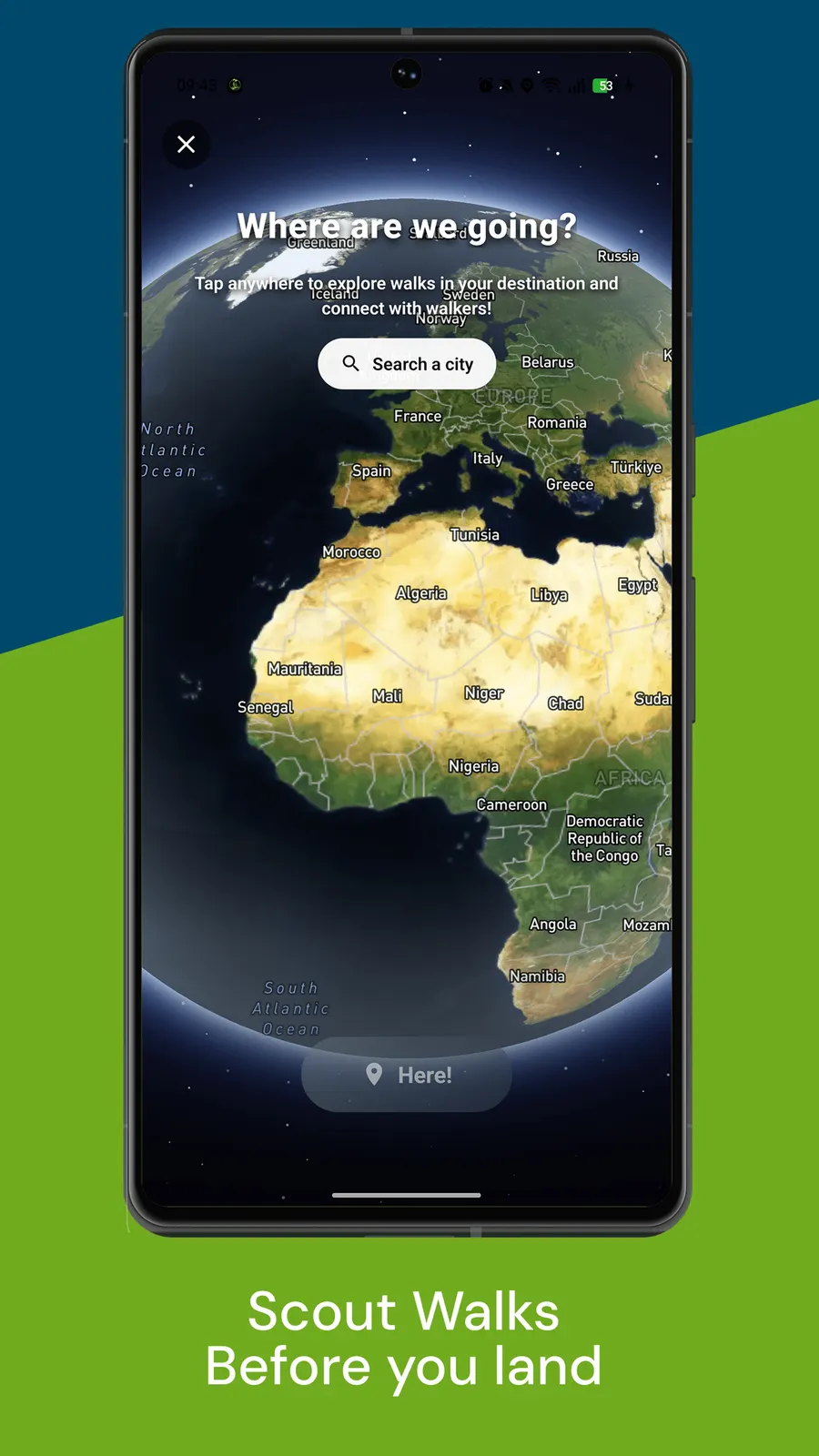
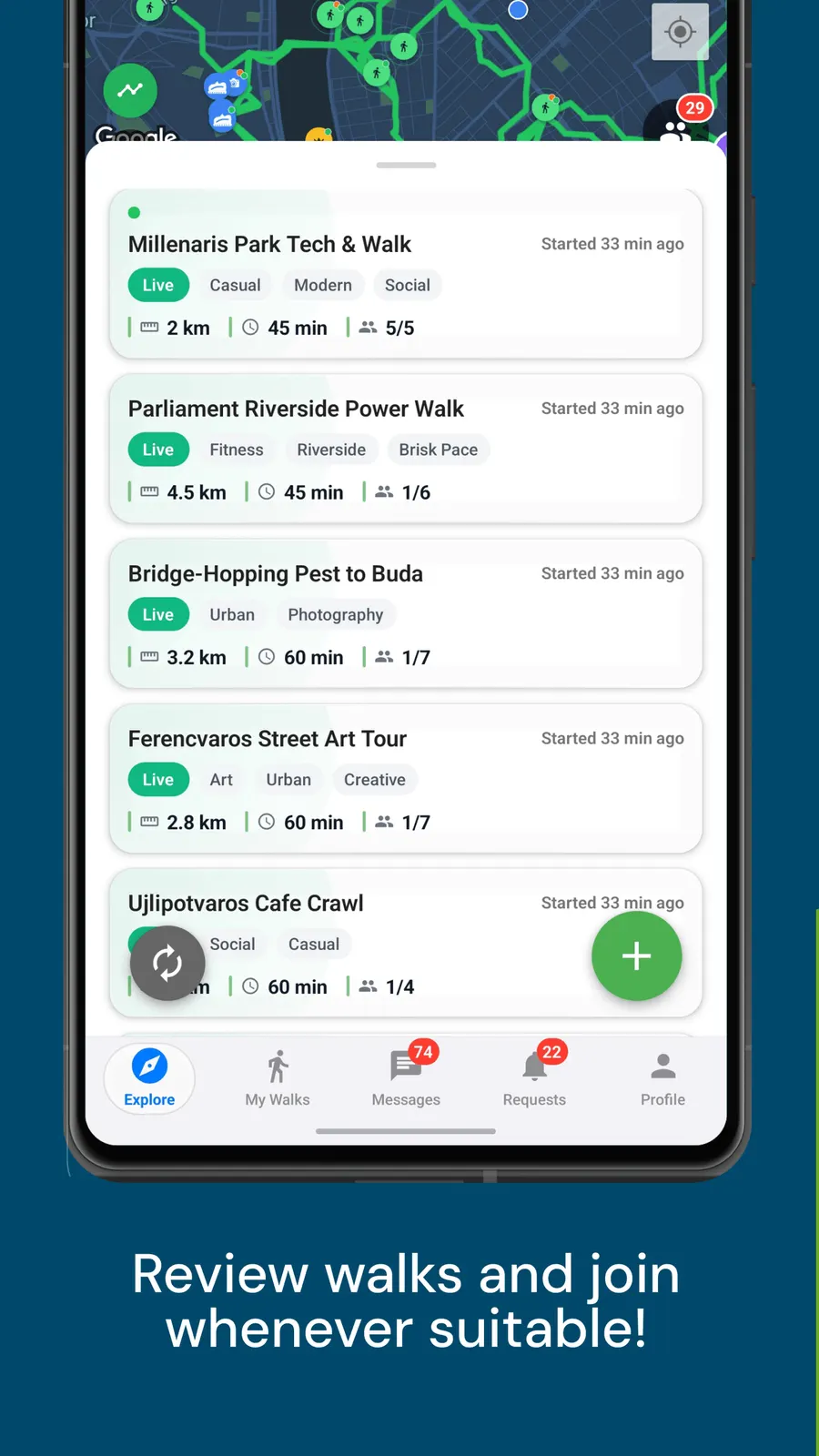
Walk With Me is your all-in-one walking app that lets you find walkers in your area and walk together.
- Step and distance count
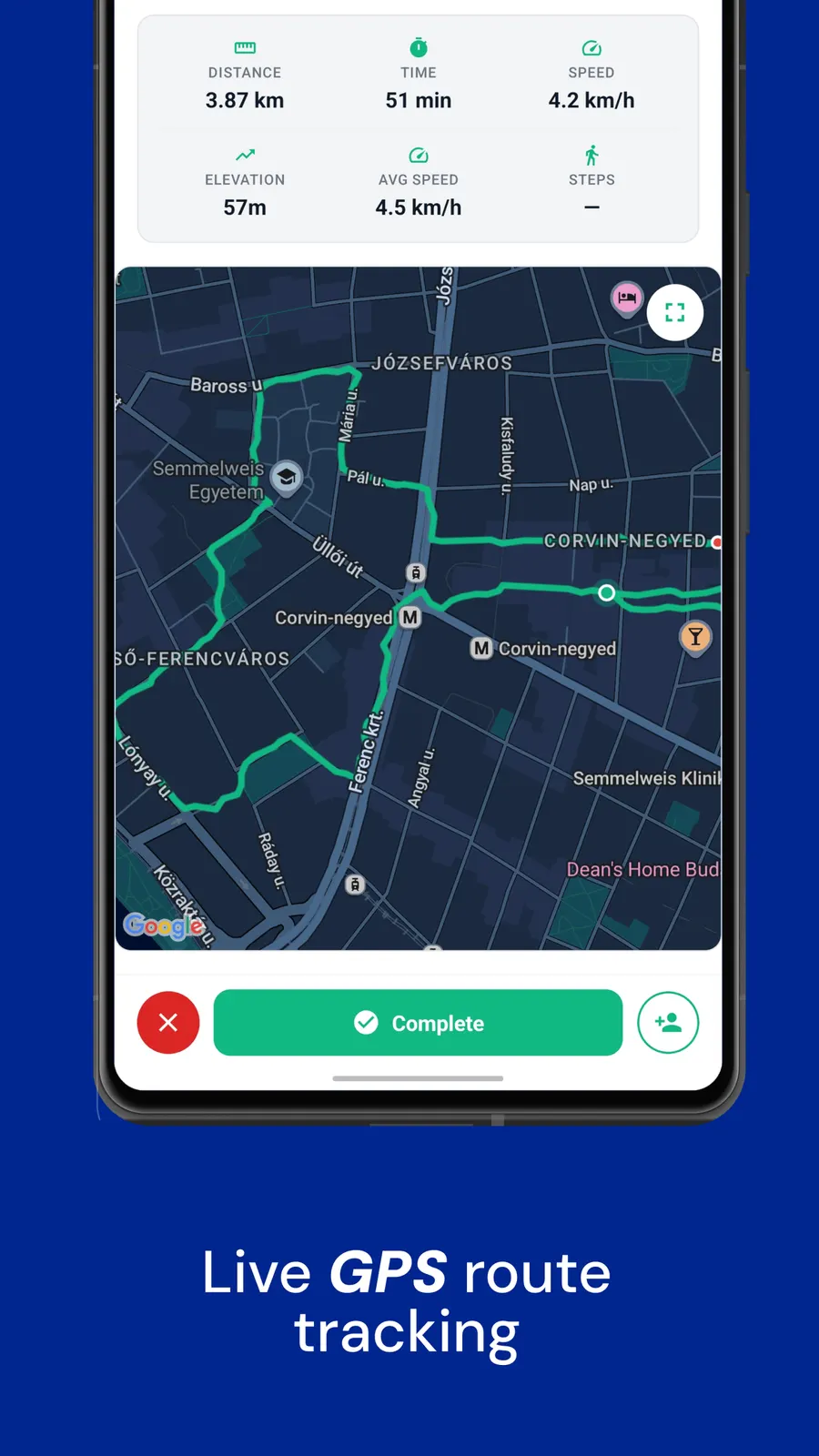
- Your route drawn on a map
- Calories burned
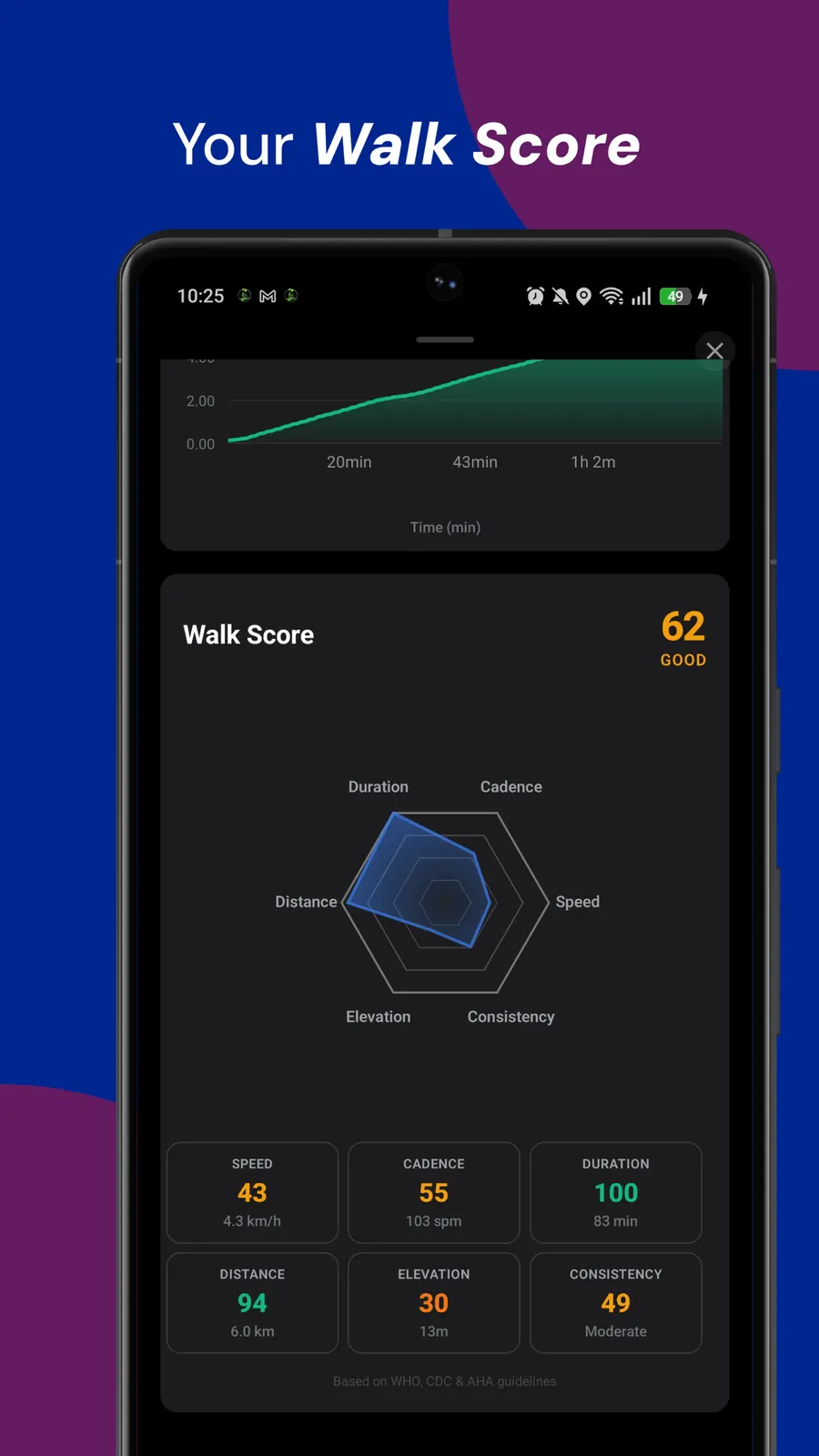
- Pace and elevation
- Every walk kept in your history
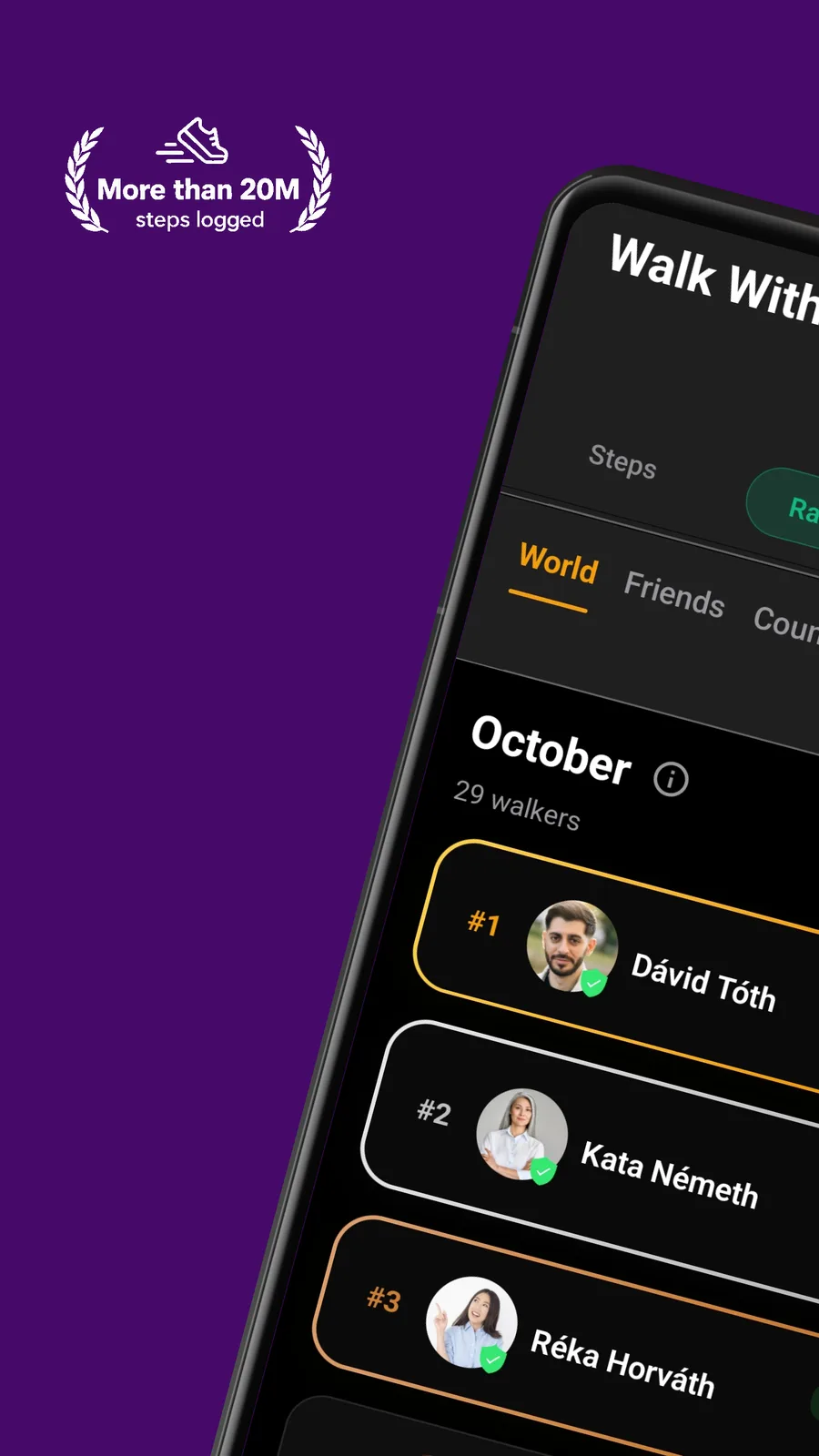
- A global leaderboard you can climb
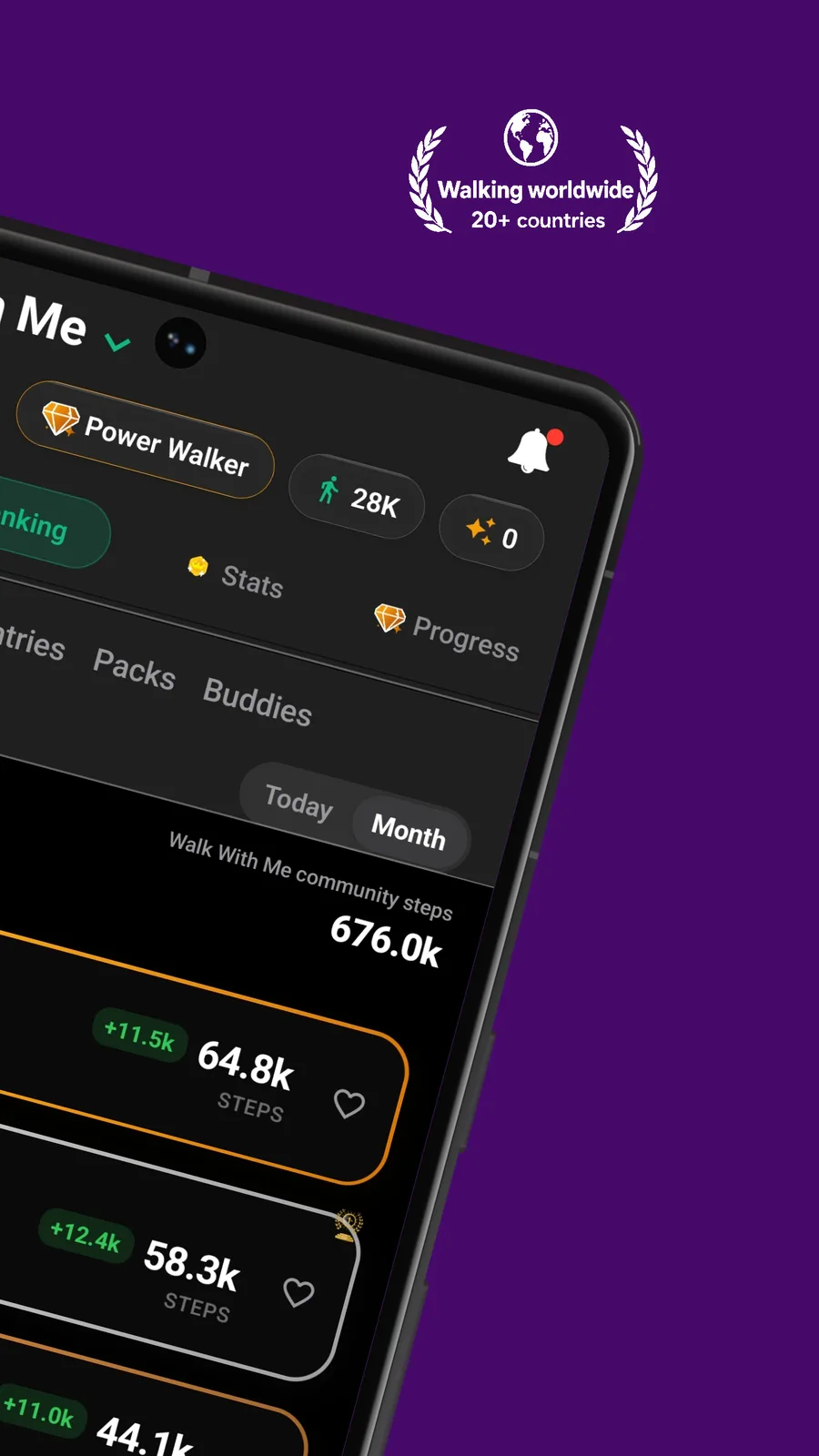
- Your friends' step counts, day by day
- Walkers near you on a live map
- Join or host a walk in a tap
- Groups, challenges and ranked countries
More from Walk With Me
Track Every Step, Together
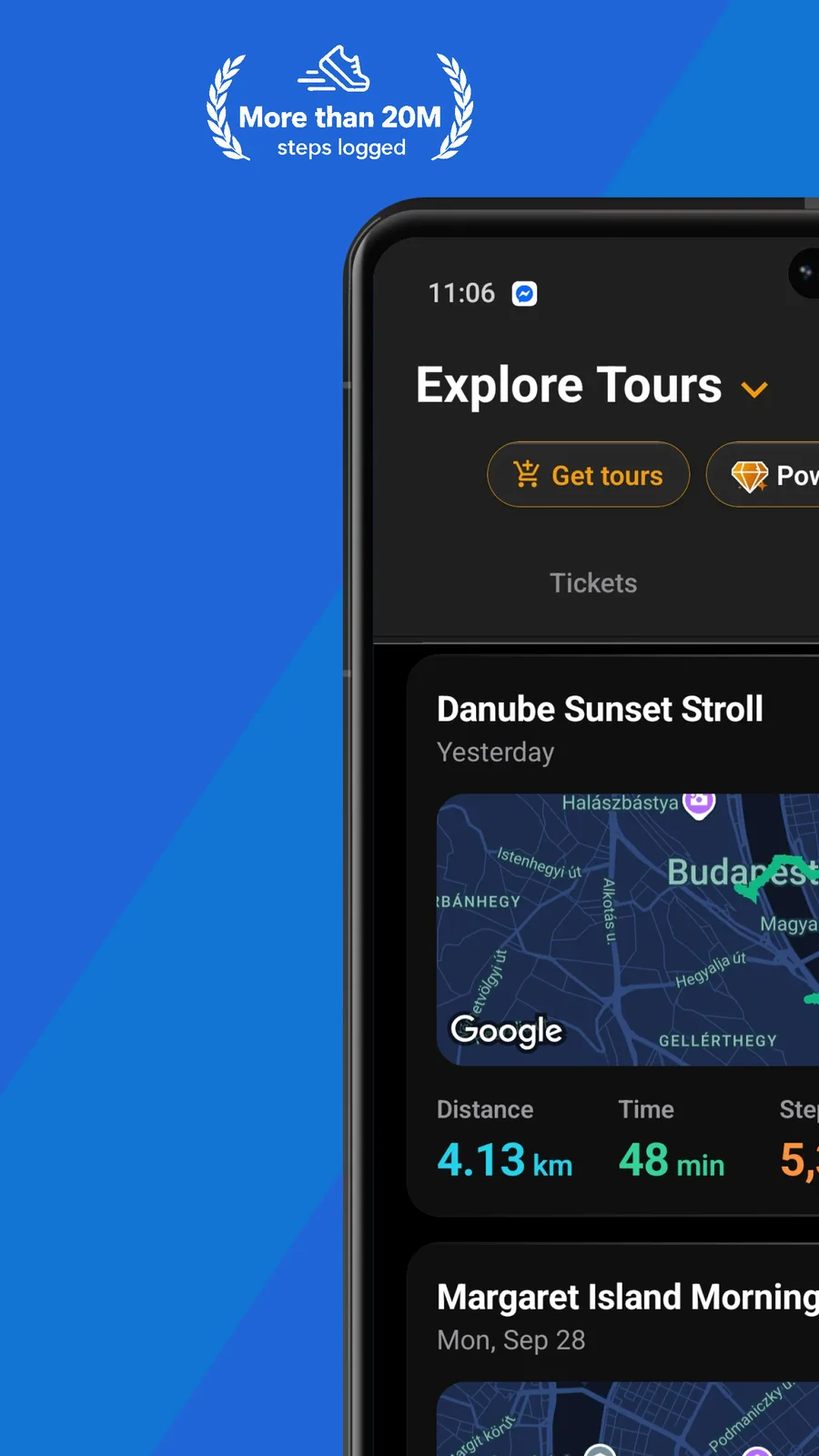
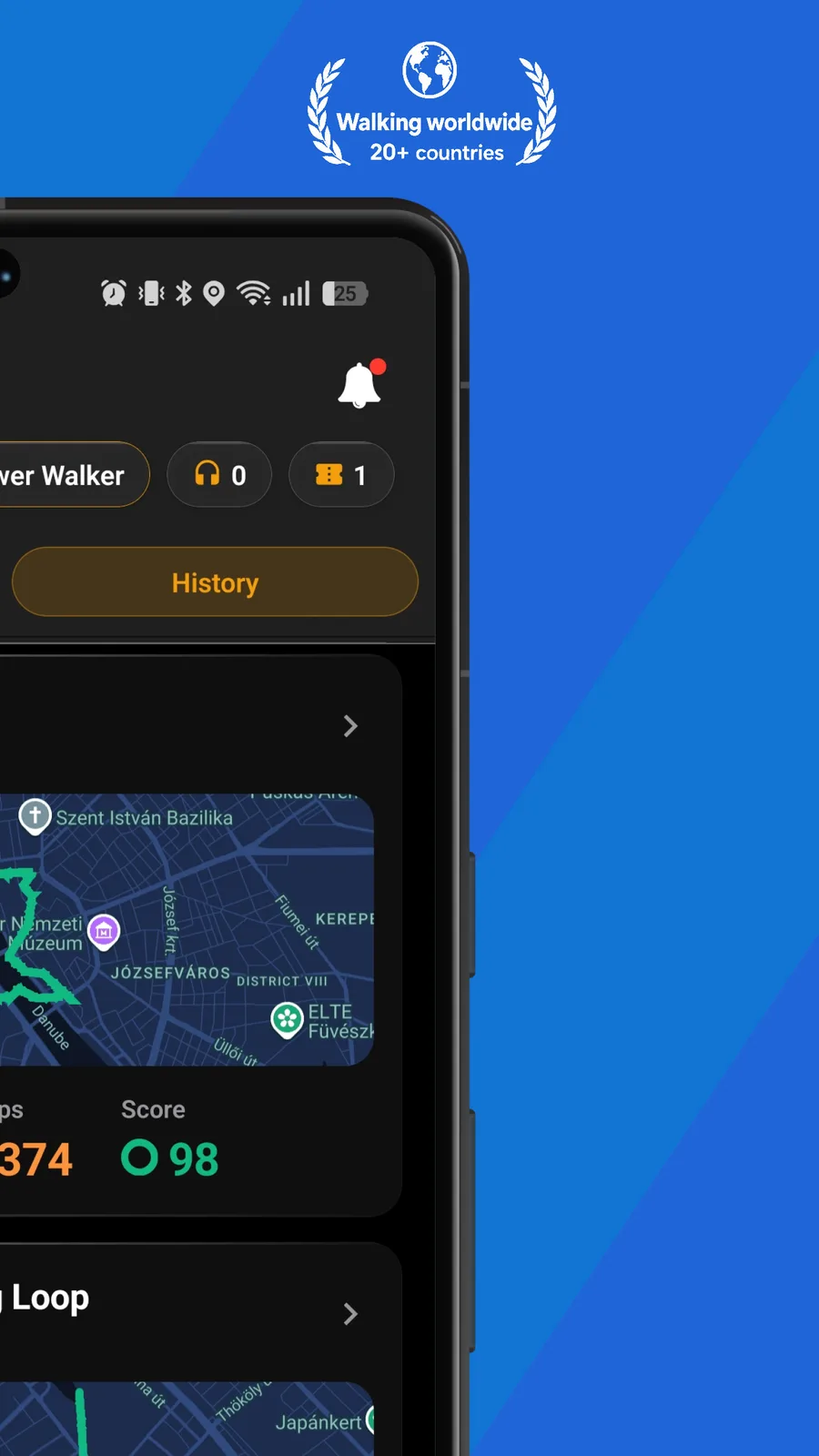
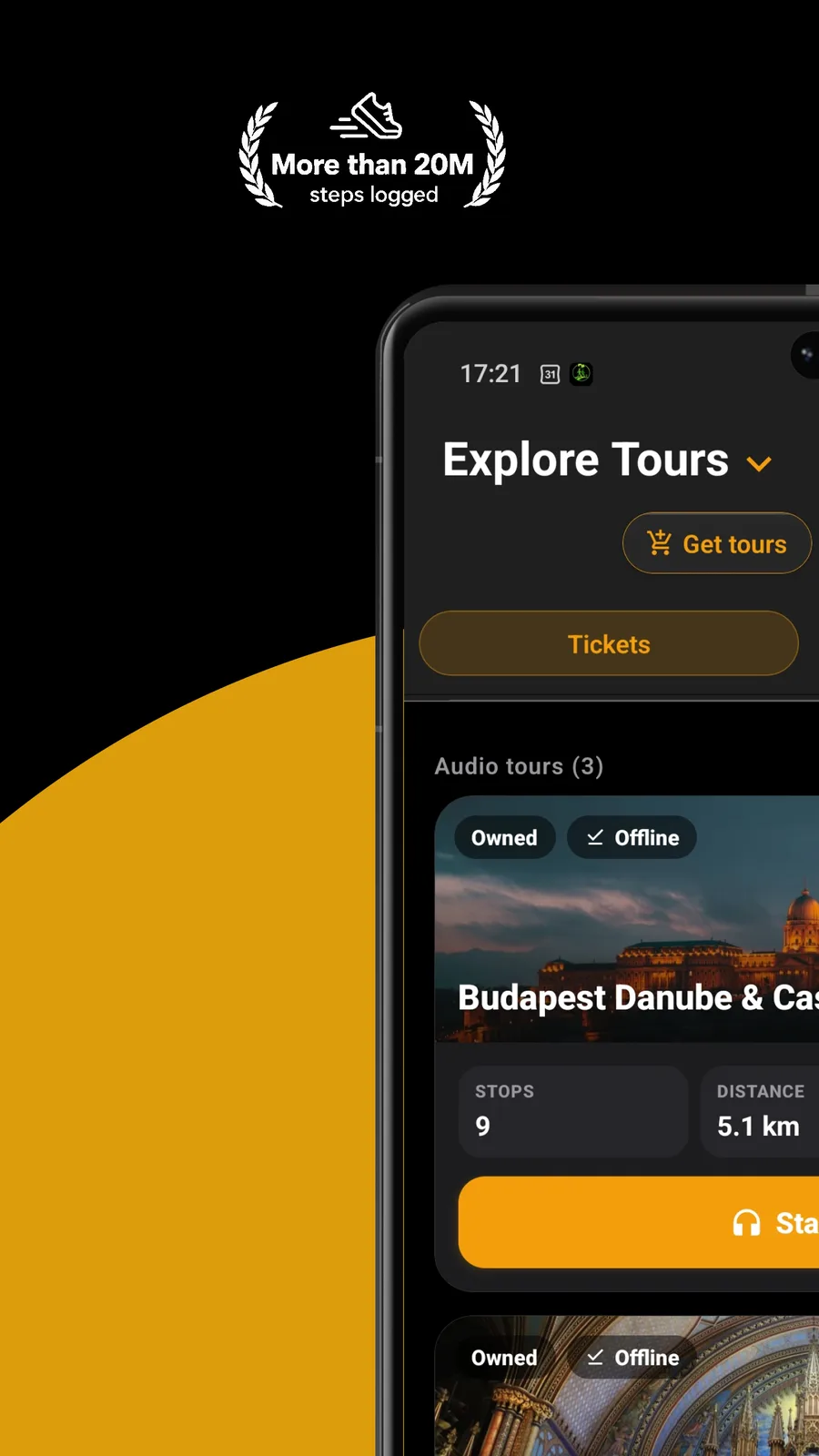
A step counter and walk tracker in the app logs every walk you take, on your own or with the group.



Start Walking Together Today
Free on iOS and Android. Find your first walking buddy in minutes.


Key Takeaways
- An ordinary walking pace is about 12 minutes per kilometre, or about 19 minutes per mile (5 km/h).
- Brisk walking is about 10:43 per kilometre or 17:15 per mile (5.6 km/h, 3.5 mph).
- Under 10 minutes per kilometre, or 16 minutes per mile, is a fast walk.
- If you can talk but could not sing, you are walking at a brisk pace.
What is a walking pace?
Walking pace is the time it takes to walk a set distance, usually given in minutes per kilometre or minutes per mile. It is the inverse of walking speed: a pace of 12 minutes per kilometre is a speed of 5 km/h.
Frequently Asked Questions
What is the average walking pace?
About 12 minutes per kilometre, or 19 to 20 minutes per mile, which is 5 km/h or a little over 3 mph. It is slightly faster for adults under 60 and slower after 70.
Is a 15 minute mile a fast walk?
Yes. A 15 minute mile is 4 mph, or 6.4 km/h, which is the top of the normal walking range. Most people have to push to hold it for long.
How fast is a 20 minute mile?
3 mph, or about 4.8 km/h, which is an easy, everyday walking pace. In kilometres it is about 12:26 per km.
What is a brisk walking pace in minutes per km?
About 10:43 per kilometre, which is 5.6 km/h. Anything under about 11 minutes per kilometre counts as brisk for most adults.
Does walking pace matter for health?
Yes, although total time spent walking matters more. Faster walkers tend to have better heart and lung fitness, and in older adults a slowing pace is one of the more reliable signs of declining health. Building some brisk minutes into each week is worth doing.