Steps to KM Converter
Ten thousand steps is not the same distance for everyone. Put your height in and get your number.
Based on a step length of 72 cm, estimated as 41.4% of your height. Your real step length changes with pace and terrain, so treat this as a close estimate rather than a measurement.
Example: 10,000 steps at a height of 170 cm is about 7.04 km, or 4.37 miles.
How steps convert to distance
Your step length is the missing piece. Most converters assume an average and hand everyone the same answer, which is why two people who both hit 10,000 steps can be told they walked the same distance when one is 155 cm and the other is 195 cm.
The usual estimate puts walking step length at about 41.4% of your height. For someone 170 cm tall that is roughly 70 cm per step, so 10,000 steps comes out near 7 km. At 190 cm the same 10,000 steps covers closer to 7.9 km.
Step length is not fixed either. You take longer strides walking briskly on a flat pavement than you do wandering around a supermarket, so a day of errands and a deliberate walk of the same step count are not the same distance.
distance = steps x (height x 0.414)
How many steps are in a kilometre?
For an adult of average height walking at a normal pace, a kilometre takes roughly 1,400 steps. A mile takes around 2,300. Those are the figures most guides quote, and they are a reasonable starting point if you have nothing else to go on.
They are also an average of people who are nothing like each other. Step length is the thing being averaged, and it varies by more than 20 centimetres across normal adult heights. Someone 155 cm tall needs closer to 1,560 steps to cover a kilometre. Someone 190 cm tall needs about 1,270. That is a difference of nearly 300 steps for exactly the same distance walked.
This is why the calculator above asks for your height before it answers. It is one extra number and it turns a population average into something that is actually about you.
Steps to km chart
The table below converts the step counts people search for most often, worked out for an adult of 170 cm. Both kilometres and miles are shown, because the same walk is the same walk whichever unit your phone is set to.
| Steps | Kilometres | Miles |
|---|---|---|
| 1,000 | 0.70 km | 0.44 mi |
| 2,000 | 1.41 km | 0.87 mi |
| 2,500 | 1.76 km | 1.09 mi |
| 5,000 | 3.52 km | 2.19 mi |
| 7,500 | 5.28 km | 3.28 mi |
| 10,000 | 7.04 km | 4.37 mi |
| 12,000 | 8.45 km | 5.25 mi |
| 15,000 | 10.56 km | 6.56 mi |
| 20,000 | 14.08 km | 8.75 mi |
Worked out for an adult of 170 cm, which gives a step length of about 70.4 cm. Taller walkers cover more ground per step, so use the calculator above for your own number.
Steps per kilometre by height
If you would rather work the other way around, this is how many steps a kilometre and a mile take at each height. Find your row and you have a number you can use for the rest of the year without opening a calculator again.
| Height | Step length | Steps per km | Steps per mile |
|---|---|---|---|
| 150 cm (4'11") | 62.1 cm (24.4 in) | 1,610 | 2,592 |
| 155 cm (5'1") | 64.2 cm (25.3 in) | 1,558 | 2,508 |
| 160 cm (5'3") | 66.2 cm (26.1 in) | 1,510 | 2,430 |
| 165 cm (5'5") | 68.3 cm (26.9 in) | 1,464 | 2,356 |
| 170 cm (5'7") | 70.4 cm (27.7 in) | 1,421 | 2,287 |
| 175 cm (5'9") | 72.5 cm (28.5 in) | 1,380 | 2,221 |
| 180 cm (5'11") | 74.5 cm (29.3 in) | 1,342 | 2,160 |
| 185 cm (6'1") | 76.6 cm (30.2 in) | 1,306 | 2,101 |
| 190 cm (6'3") | 78.7 cm (31.0 in) | 1,271 | 2,046 |
| 195 cm (6'5") | 80.7 cm (31.8 in) | 1,239 | 1,993 |
| 200 cm (6'7") | 82.8 cm (32.6 in) | 1,208 | 1,944 |
Step length estimated as 41.4% of height. Feet and inches are rounded to the nearest inch.
Why height changes the answer
Walking step length is usually estimated at about 41.4% of your height. The figure comes from gait research that puts it near 41.5% for men and 41.3% for women, a gap small enough that a single number covers both without pretending to a precision the method does not have.
Step length is the distance from the heel of one foot to the heel of the other. A stride is two steps, heel to heel on the same foot, so it is roughly double. Pedometers and phones count steps rather than strides, which is why every converter works in step length.
The ratio is an estimate rather than a measurement, and it assumes you are walking normally on level ground. If you want your real number, walk 20 steps in a straight line, measure the distance you covered, and divide by 20. Compare that to what the calculator gives you and use whichever you trust more.
Walking 10,000 steps: distance, time and calories
Ten thousand steps is about 7 km, or 4.4 miles, for an adult of 170 cm. At a brisk pace that is a little over an hour and a quarter of actual walking, which is the part most people underestimate when they decide to hit the target on a weekday evening.
Here is what the common step counts work out to in distance, time and calories.
| Steps | Distance | Walking time | Calories (70 kg) |
|---|---|---|---|
| 2,500 | 1.76 km (1.09 mi) | 19 min | 95 kcal |
| 5,000 | 3.52 km (2.19 mi) | 38 min | 189 kcal |
| 7,500 | 5.28 km (3.28 mi) | 57 min | 284 kcal |
| 10,000 | 7.04 km (4.37 mi) | 1 h 15 min | 378 kcal |
| 15,000 | 10.56 km (6.56 mi) | 1 h 53 min | 567 kcal |
Assumes an adult of 170 cm walking at a brisk 5.6 km/h and weighing 70 kg. Calories are gross energy expenditure, the same basis fitness trackers use.
Where the 10,000 step target came from
It came from marketing. In the run-up to the 1964 Tokyo Olympics a Japanese company sold a pedometer called the manpo-kei, which translates as ten thousand step meter. The number was chosen because it was memorable and because the character for 10,000 looks a little like a walking person. It was not the output of a clinical trial.
That does not make it a bad target. Research since has consistently found that more daily steps track with better health outcomes, with the sharpest gains coming in the move from very low counts up to around 7,000 or 8,000 a day. The benefit does not switch on at 10,000 and it does not stop there either.
Treat it as a round number worth aiming at rather than a line you have failed to cross at 9,400. If a 7,000 step day is a large improvement on your current average, that is the target that matters.
What changes your step length day to day
Your step length is not a fixed property of your body. Pace is the biggest lever: you take noticeably longer steps walking briskly along a clear pavement than you do drifting around a supermarket, so 10,000 steps of errands covers less ground than 10,000 steps of deliberate walking.
Terrain does the rest. Going uphill shortens your step, going downhill lengthens it, and loose ground, snow and sand shorten it further. Crowds, carrying a bag on one shoulder, holding a dog lead, pushing a pram and walking alongside someone with a different natural pace all pull the number down.
Age matters too, gradually. Step length tends to shorten over the decades, which is one reason step count targets written for the general population sit awkwardly with older walkers. None of this makes the conversion useless. It just means any figure you get is a good estimate of a distance rather than a measurement of one.
What is Walk With Me App?
Not just tracking steps, A walking community
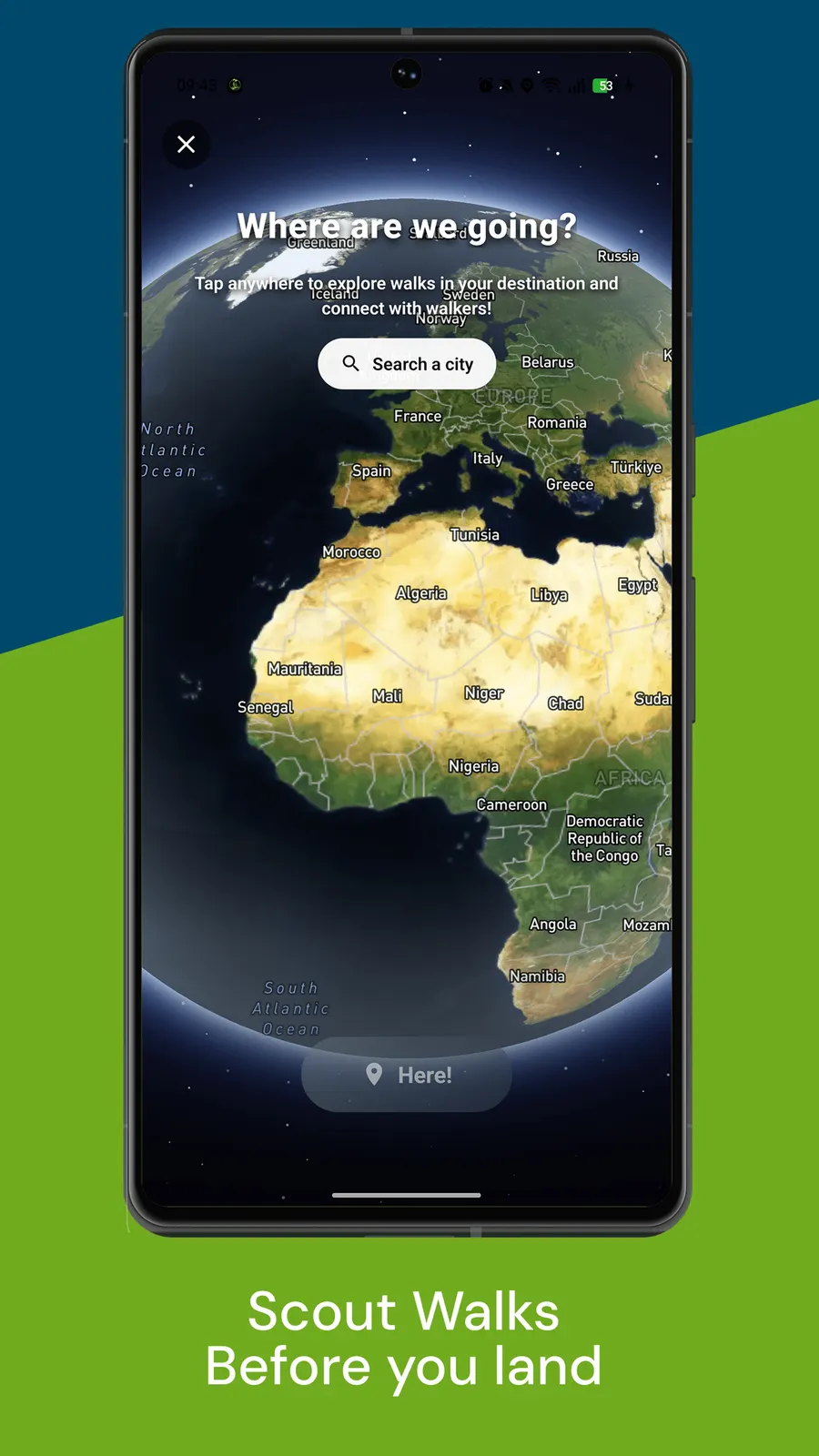
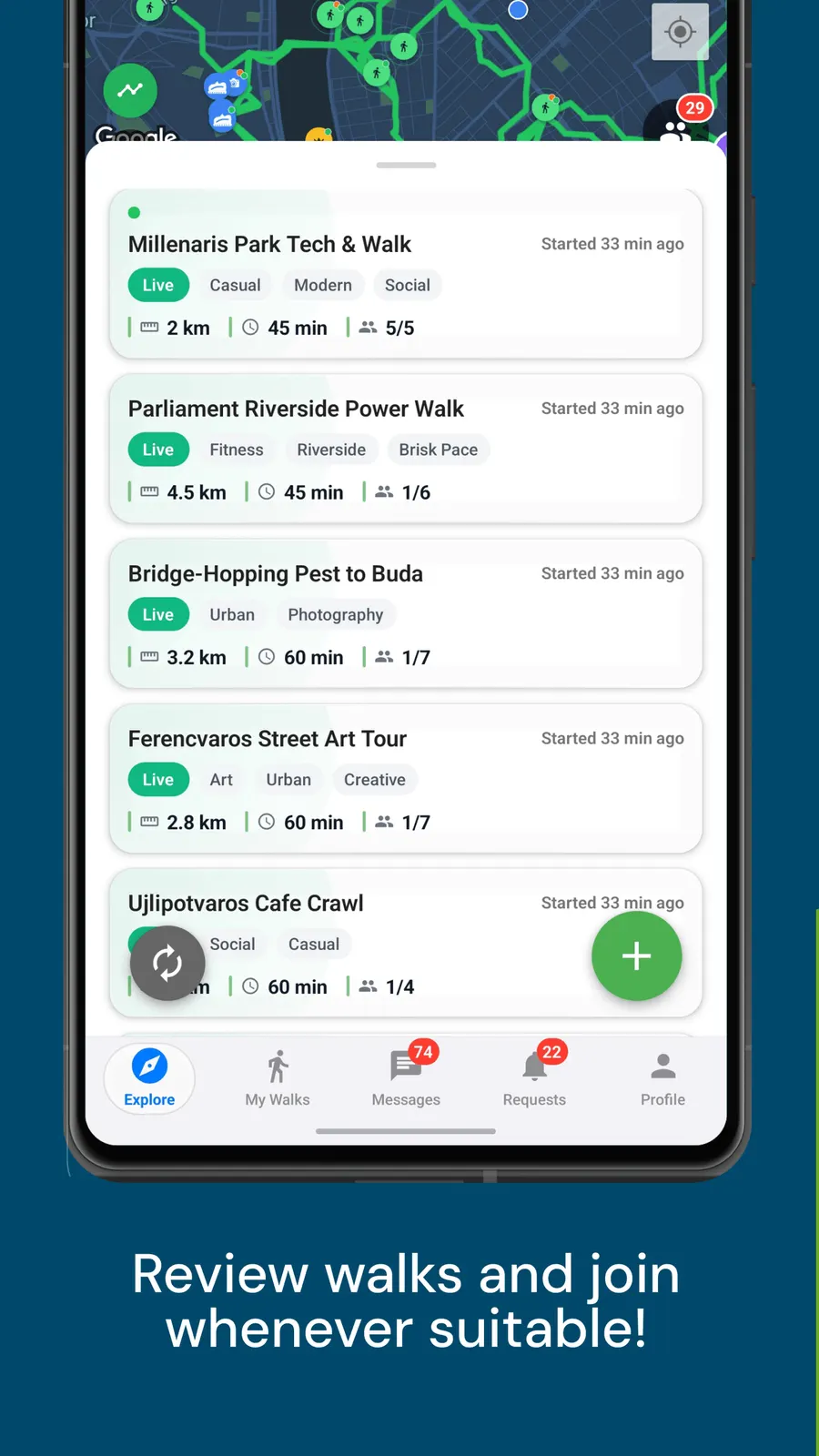
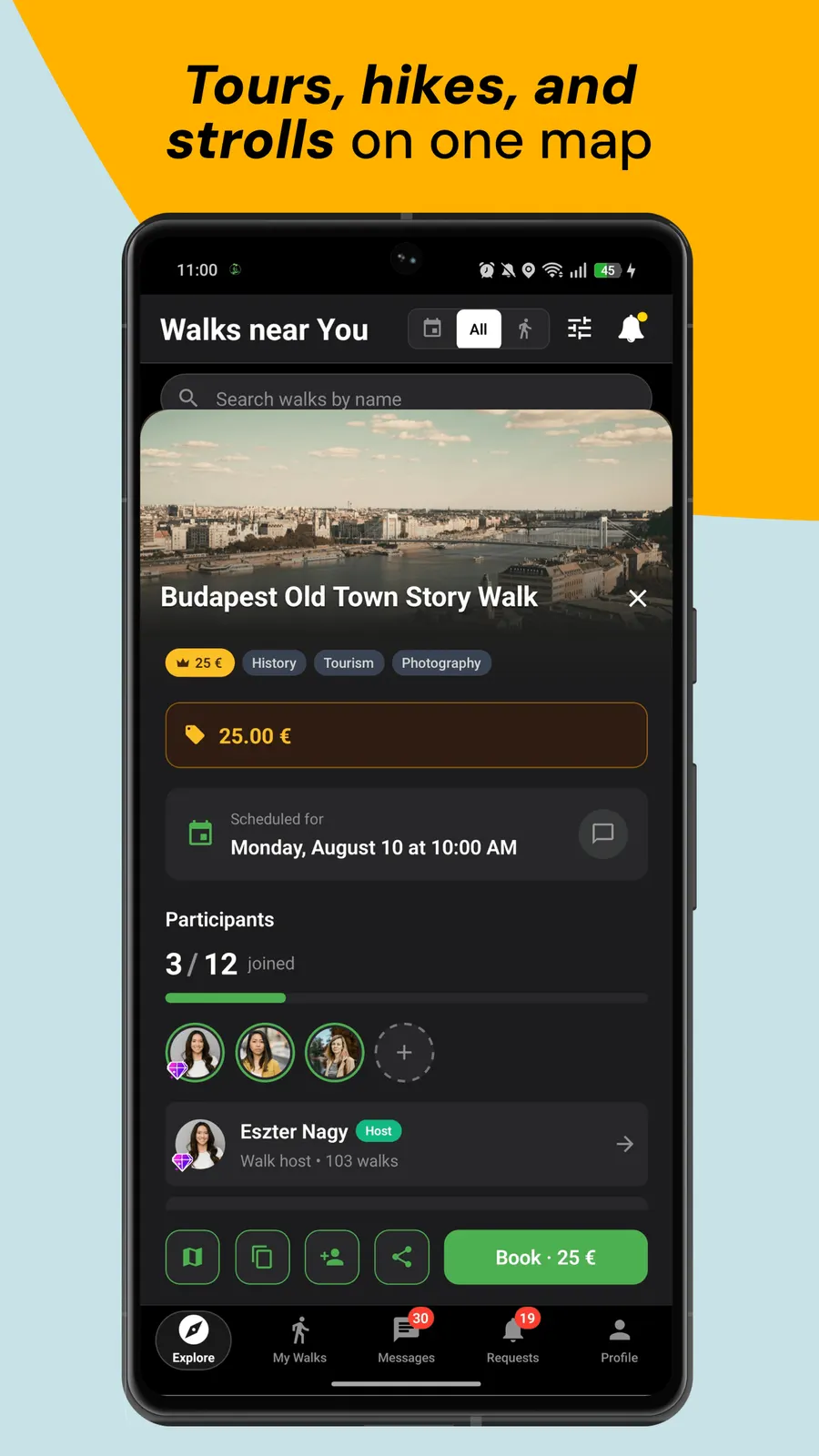
Walk With Me is your all-in-one walking app that lets you find walkers in your area and walk together.
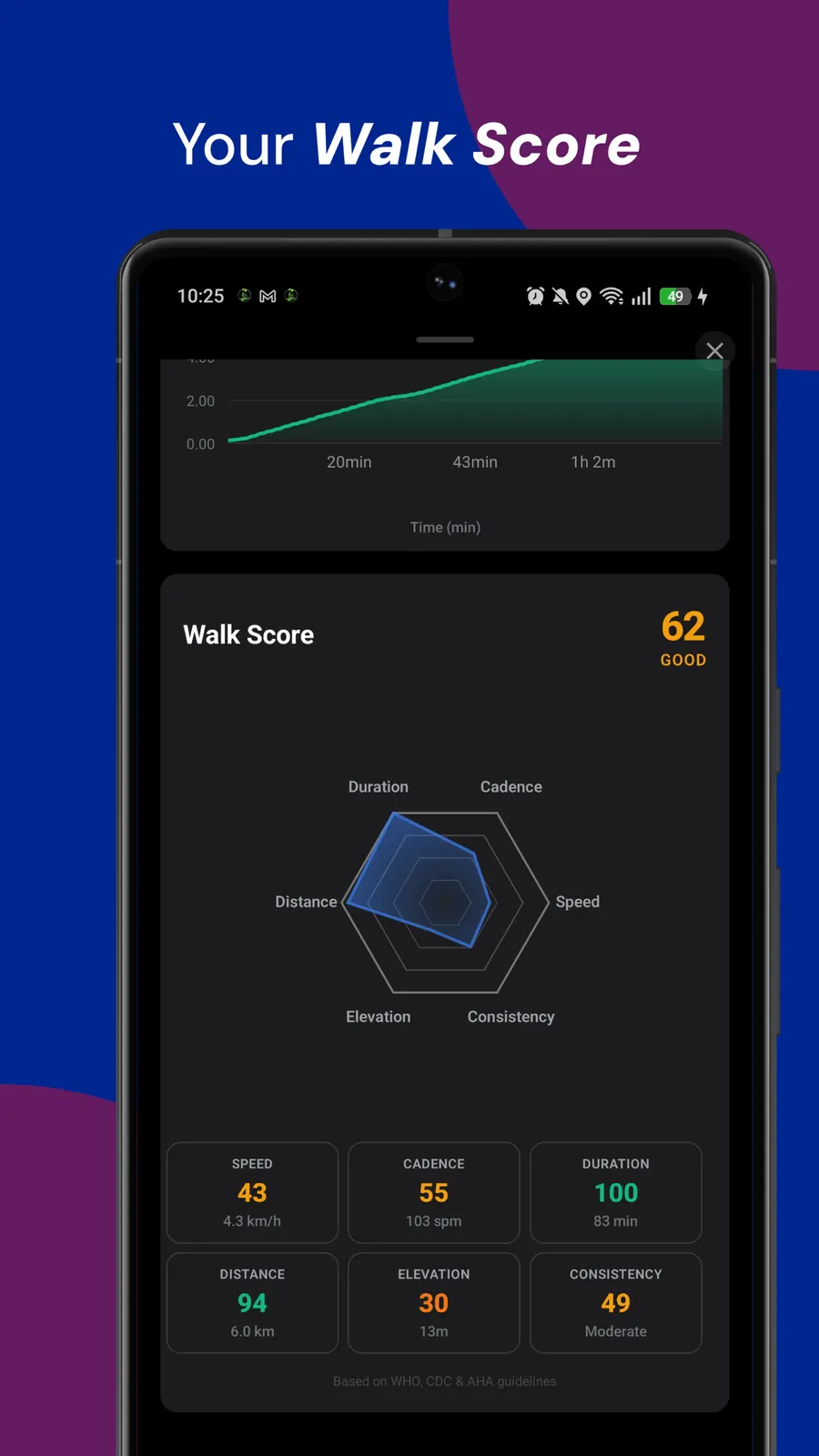
- Step and distance count
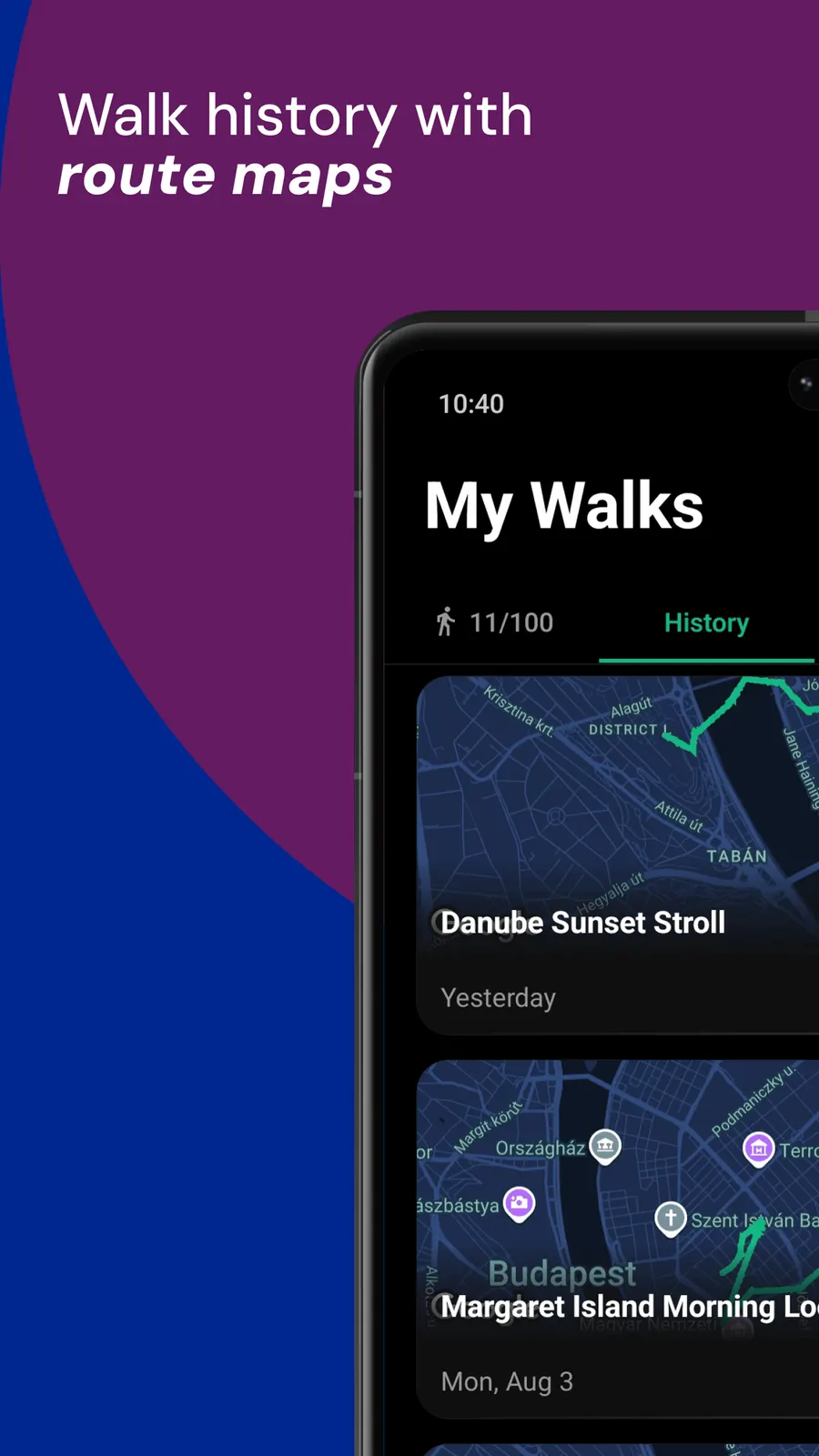
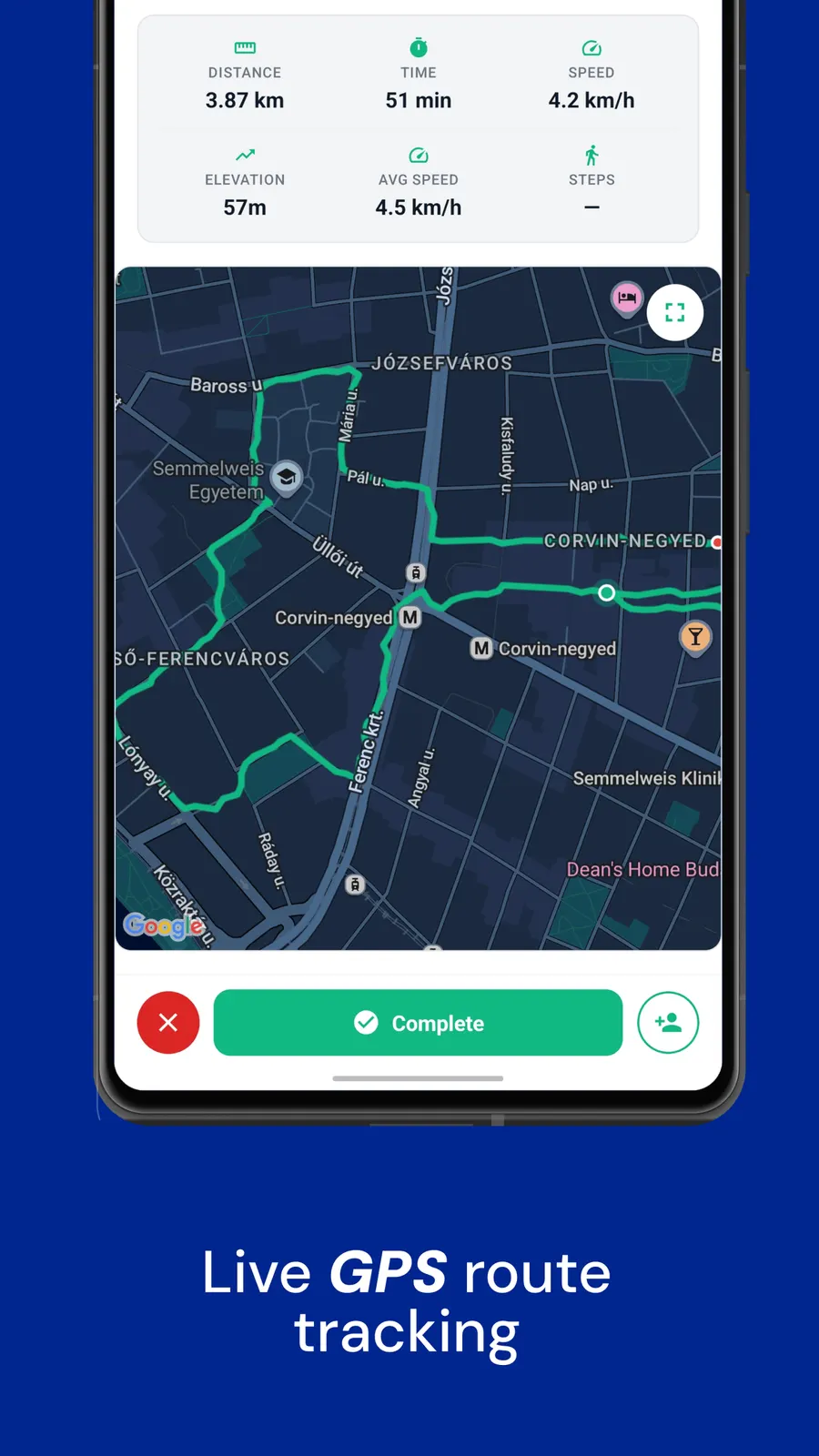
- Your route drawn on a map
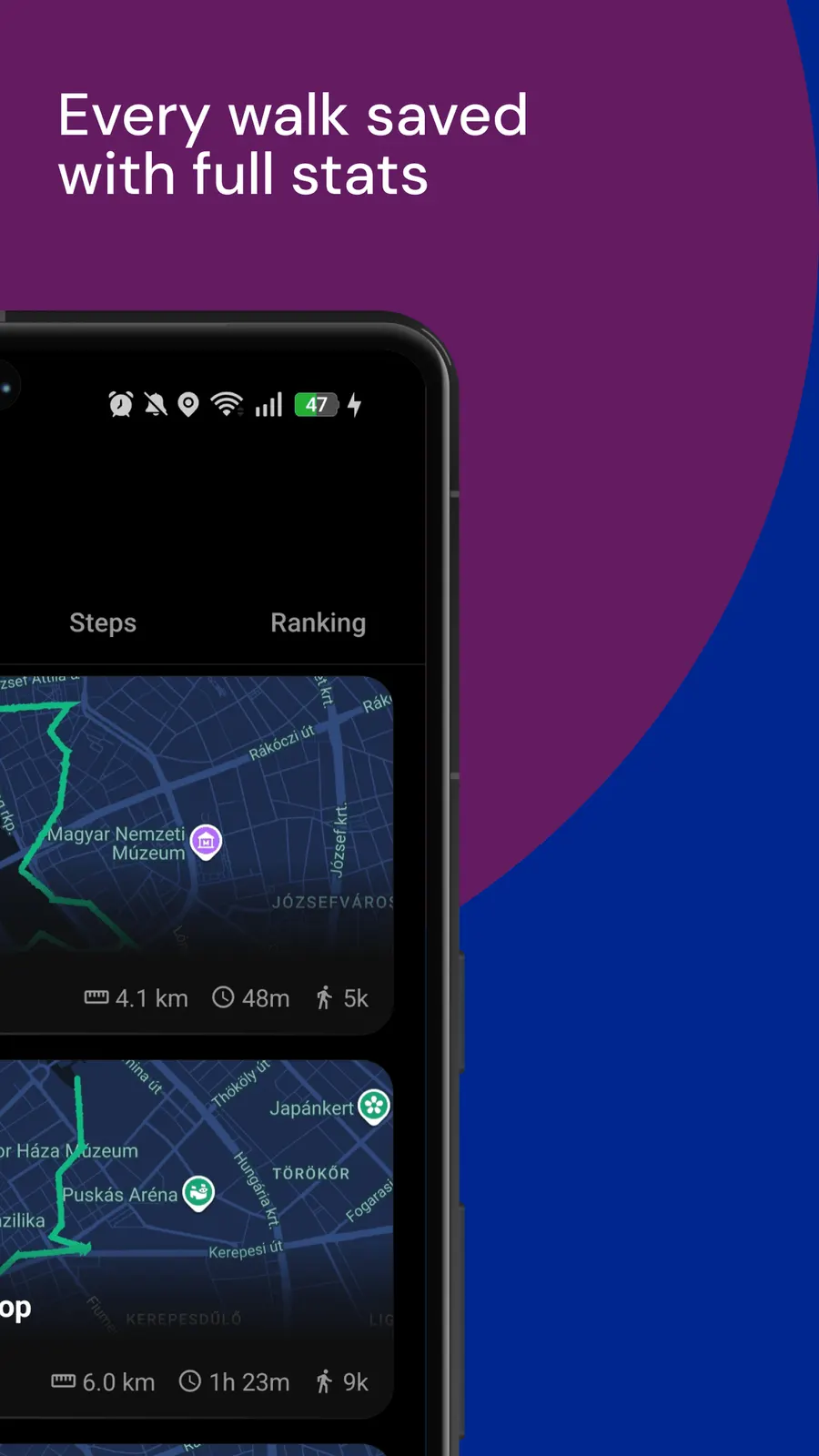
- Calories burned
- Pace and elevation
- Every walk kept in your history
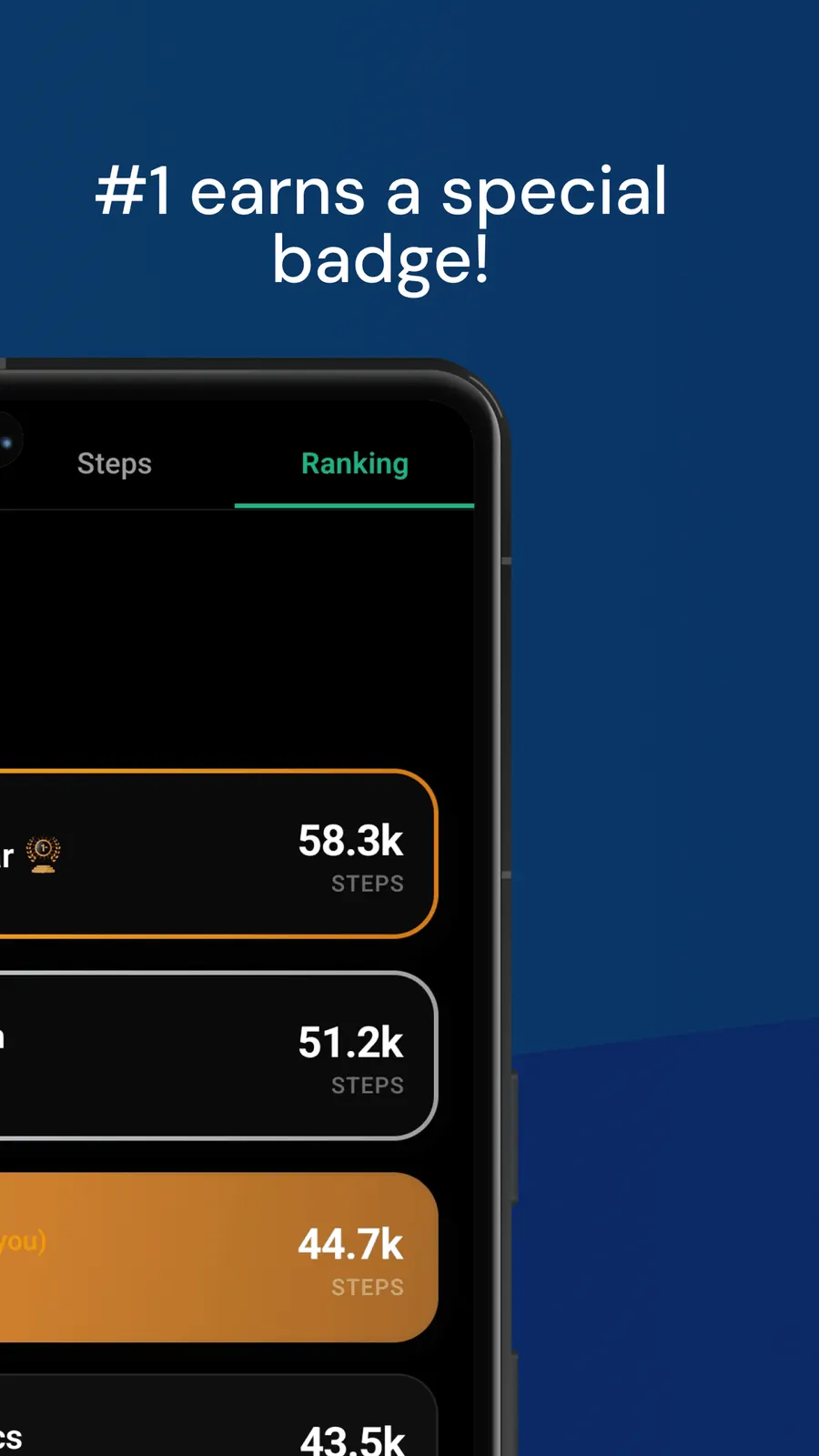
- A global leaderboard you can climb
- Your friends' step counts, day by day
- Walkers near you on a live map
- Join or host a walk in a tap
- Groups, challenges and ranked cities
More from Walk With Me
Track Every Step, Together
A built-in step counter and walk tracker logs every walk you take, on your own or with the group.






Start Walking Together Today
Free on iOS and Android. Find your first walking buddy in minutes.
Key Takeaways
- Step length is roughly 41.4% of your height, so distance per step rises with how tall you are.
- At 170 cm, 10,000 steps is about 7 km or 4.3 miles.
- At a brisk 5.6 km/h, 10,000 steps takes roughly 75 minutes of walking.
- Pace and terrain change your real step length, so any converter gives an estimate rather than a measurement.
What is a step length?
Step length is the distance from the heel of one foot to the heel of the other as you walk. It is half of a stride, which measures heel to heel on the same foot. Converters work in step length because that is what a pedometer counts.
Frequently Asked Questions
How many km is 10,000 steps?
For an adult of about 170 cm it is roughly 7 km, or 4.3 miles. Shorter walkers cover a little less and taller walkers a little more, which is why the calculator asks for your height rather than assuming one figure.
How many steps are in a kilometre?
Around 1,400 steps for someone 170 cm tall. That figure drops as height rises: at 190 cm a kilometre takes closer to 1,270 steps.
Is 10,000 steps a day actually the right target?
It is a memorable round number rather than a clinical threshold, and it came from a 1960s Japanese pedometer marketing campaign. It is a perfectly good goal to aim at, but there is nothing magic about that exact figure.
Why does my phone show a different distance?
Phones and watches usually estimate distance from GPS or from a step length they have learned from your past walks, rather than from your height. Both are estimates; they just start from different information.