




 $7.99Pamětihodnosti města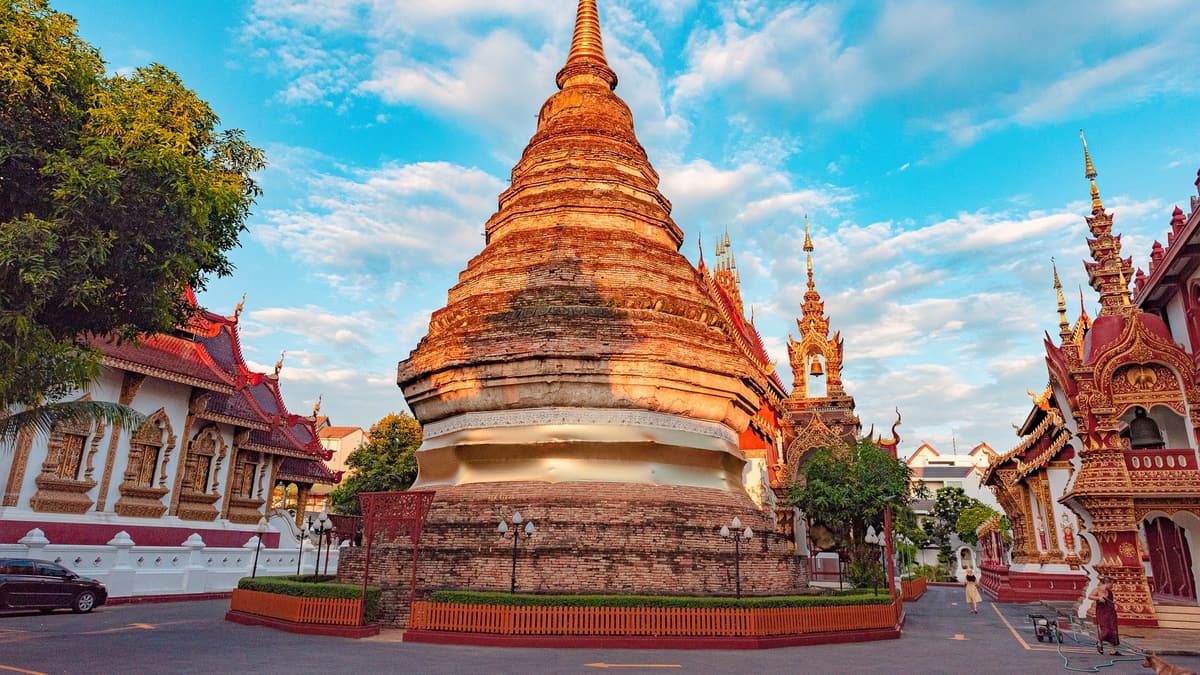
Audioprůvodce Chiang Mai Pěší trasy
Pěší trasy s komentářem v Chiang Mai, které můžete procházet sami. Kupte si trasu jednou, stáhněte si ji a nechte příběh hrát na každé zastávce, zatímco jdete vlastním tempem.
Trasy od $7.99
Přátelé chodí zdarma. Jeden nákup pokryje všechny na tvé procházce. Spusť túru, pozvi přátele, aby se připojili, a bude hrát na telefonu každého z vaší skupiny.
5.0 na Google Play
Audioprůvodci pro Chiang Mai
Každá trasa obsahuje mapu a komentář pro každé zastavení. Koupíte si ji jednou a zůstane vám napořád, bez jakéhokoli předplatného.
$7.99Pamětihodnosti města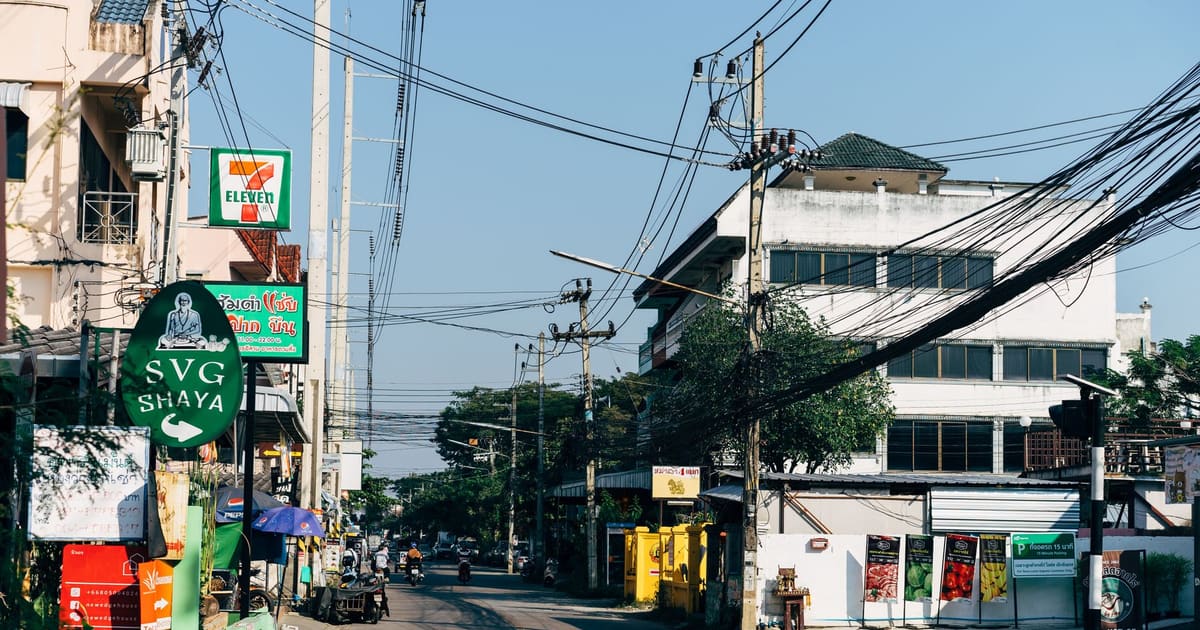 $8.99Pamětihodnosti města
Co vás čeká na pěší trase s audioprůvodcem v Chiang Mai
A Chiang Mai audio walk takes you inside the old moated square from temple to temple, then out across the Ping River through a working market and over footbridges, with the scent of incense and grilled sausage carrying you the whole way.
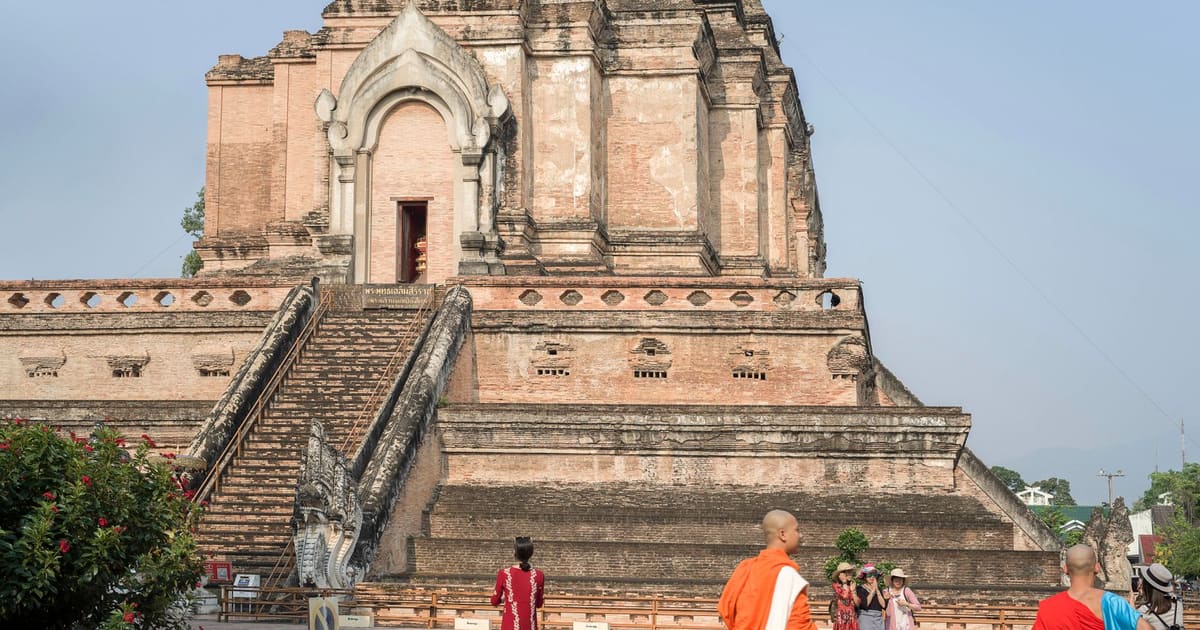
The Old City Walk starts at Wat Chiang Man, the oldest temple in Chiang Mai, where brick elephants ring the base of the chedi and a founding inscription records the city's start in 1296. It passes the bronze Three Kings Monument and the teak hall of Wat Phan Tao before reaching Wat Chedi Luang, the huge brick ruin toppled by a 1545 earthquake, and finishes at Wat Phra Singh, the most revered temple in the north. It covers 2.3 kilometers, about 31 minutes of walking, over 5 stops on flat lanes inside the old moat.
The Riverside Walk starts outside the walls at Wat Bupparam on Tha Phae Road, the old route down to the water, then plunges into Warorot Market, the trading quarter's Chinatown, thick with the smell of grilled sai ua sausage and stalls of dried fruit and hill tribe textiles. From there it crosses a footbridge to Wat Ket Karam and the First Church of Chiang Mai on the east bank, comes back over an iron footbridge across the Ping River, and ends at the Night Bazaar on Chang Khlan Road. It runs 2.9 kilometers, about 40 minutes, across 6 stops.
Together the two walks show both sides of the same city: the temples built at the scale of the old walled capital, and the market streets and river crossings where Chiang Mai did its trading for centuries. The Old City suits an early morning, when monks are still out on their alms round, while the Riverside Walk works best in late afternoon, so you reach the Night Bazaar as the stalls are opening for the evening.
Kam se vydat v Chiang Mai
Několik zastávek, které potkáte cestou, a důvody, proč u nich stojí za to zpomalit.
Wat Chedi Luang
This is the huge brick ruin at the heart of the old city, begun in the late fourteenth century to hold a Lanna king's father's ashes and later enlarged into the tallest structure in the kingdom, before an earthquake in 1545 brought down the top of its spire. Walk around the base and look up at the four great stairways, each flanked by long serpent naga bodies, with carved elephants partly rebuilt along the south side. A niche high on the eastern face once held the country's most sacred image, the Emerald Buddha, before it was carried off to Laos and later to Bangkok, and a replica stands there now. Monks often sit in the grounds and are happy to chat with visitors about temple life.
Wat Phra Singh
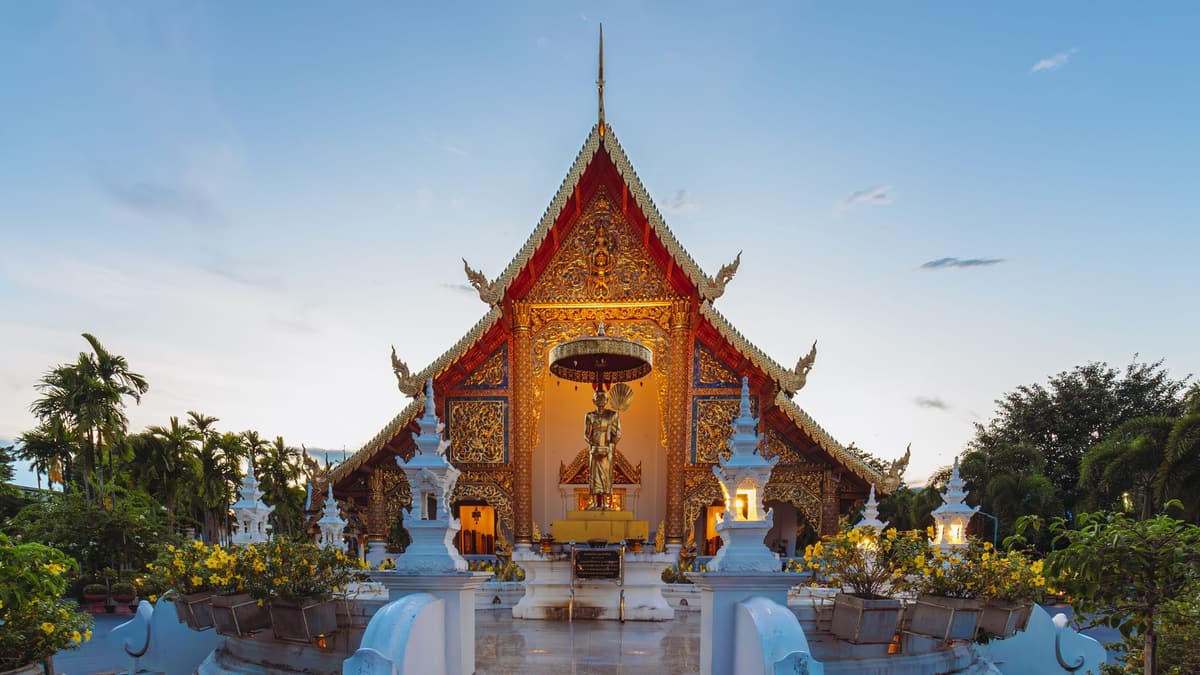
The walk through the old city finishes at Wat Phra Singh, the temple the whole city turns toward every April for Songkran, the Thai new year. It was founded in 1345 to hold a king's ashes, and its fame rests on a single bronze image, the Phra Buddha Sihing, kept in the ornately tiered Viharn Lai Kham beside the main hall. Inside, century-old murals cover the walls with scenes of old Lanna life: people in local dress, houses, boats and markets, a rare picture of how the city once looked. At Songkran the image is carried through the streets on a float so people can pour scented water over it for good luck.
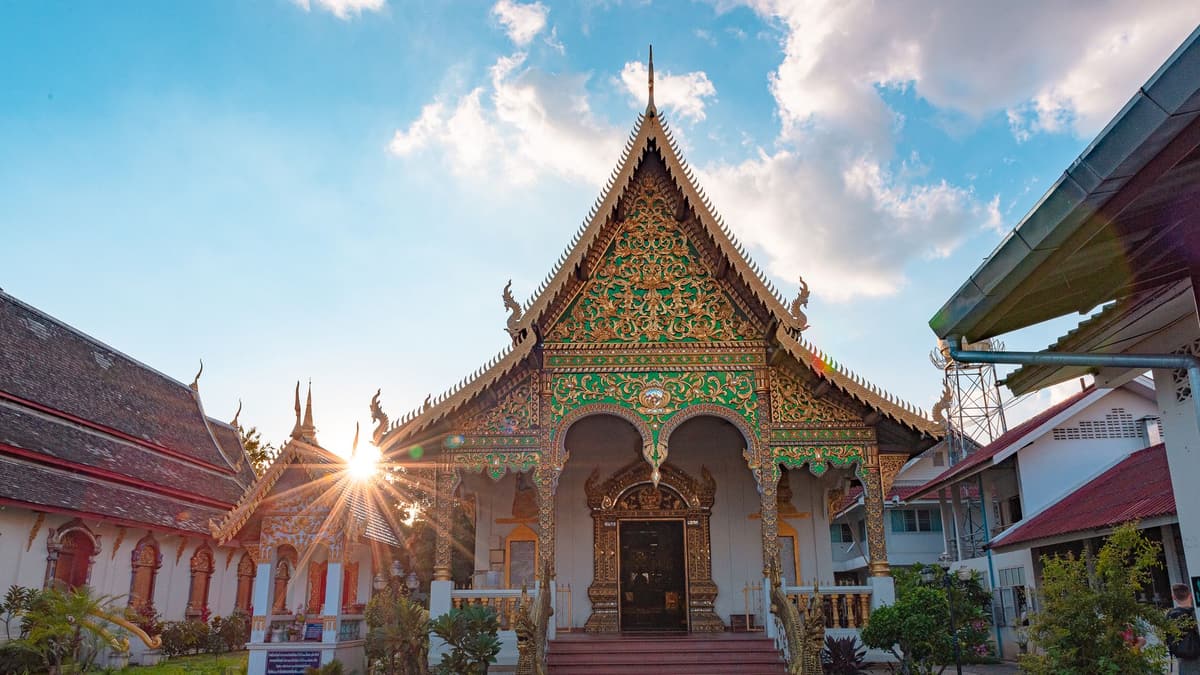
Tha Phae Road's Temple Quarter
Outside the old city walls, Tha Phae Road runs from the east gate down toward the Ping River, and it takes its name from the old raft landings where goods once came and went by water. Temples like this one have stood along it since the time of the Lanna kings, around five hundred years ago, their tiered gold and red roofs rising above the shopfronts around them. Look for the small, old teak halls tucked beside the larger modern buildings, a fine example of the dark wooden northern style, and for statues and guardian figures dotted through the grounds that were put there to watch over the gates and the faithful.

Warorot Market
Locals call this Kad Luang, the great market, and it is where Chiang Mai has shopped for generations, not a market built for visitors. The stalls and the streets around them are piled with fabric, dried fish, temple offerings and produce of every kind, set in the middle of the city's old Chinatown, built up by Chinese merchant families who made their living from the river trade. The best of it is the food: look for sai ua, the fat northern sausage stuffed with lemongrass and chili, grilled over charcoal, alongside bags of dried longan and mountain tea. Upstairs the stalls turn to hill tribe textiles and silver.
Tha Phae Road
This ordinary stretch of shops and overhead wires is the everyday Chiang Mai that most visitors walk straight past, the ongoing life of the road that once carried goods between the old city's east gate and the river landings. Shophouses here sell groceries, noodles and motorbike parts rather than souvenirs, and the pace is local rather than touristic. Walking it on the way out to the river, rather than driving, gives you the texture of the city between its grander stops: the signs in Thai script, the smell of a roadside kitchen, the scooters threading through traffic. It is a good stretch to slow down in rather than rush through on the way to the next temple or market.
Získejte audioprohlídku ve 3 jednoduchých krocích
Vše v bezplatné aplikaci Walk With Me a první zastávky každé prohlídky si můžete vyzkoušet zdarma.
Klepněte na zlatá sluchátka a vyberte prohlídku
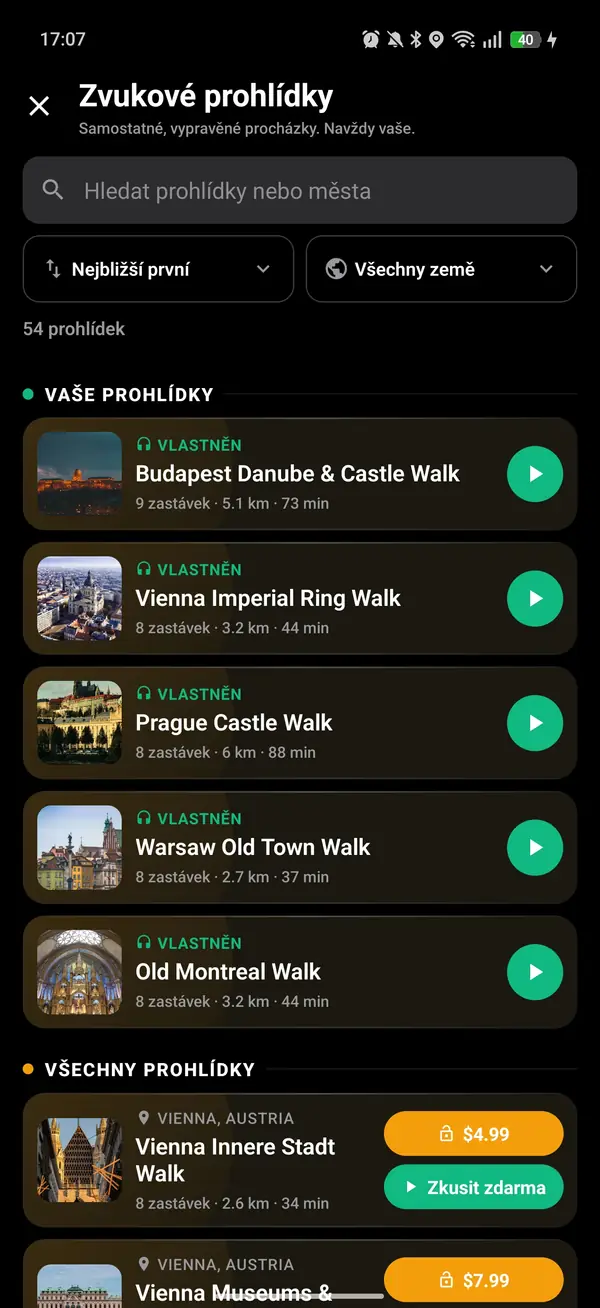
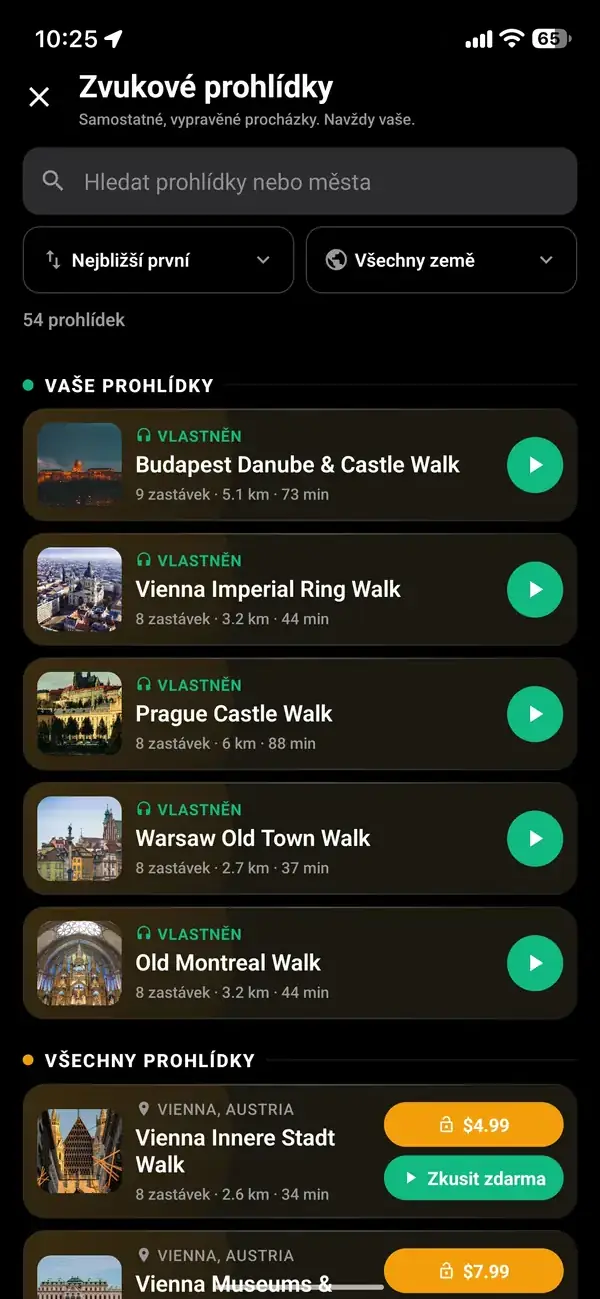
01
Jděte sami, nebo někoho pozvěte
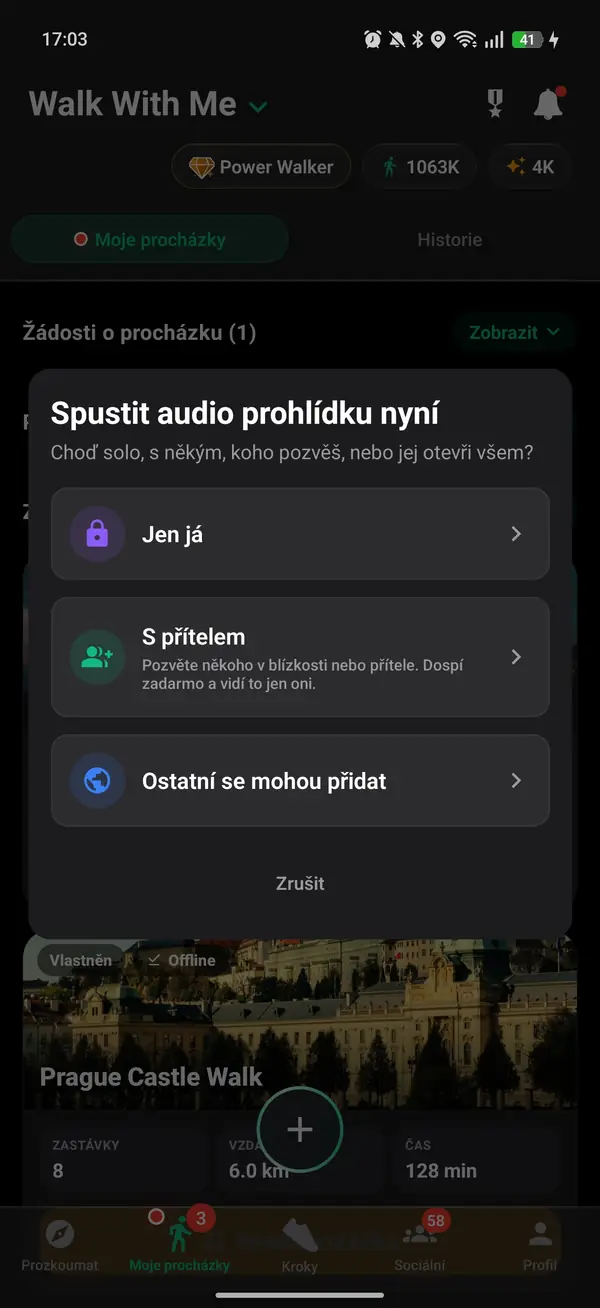
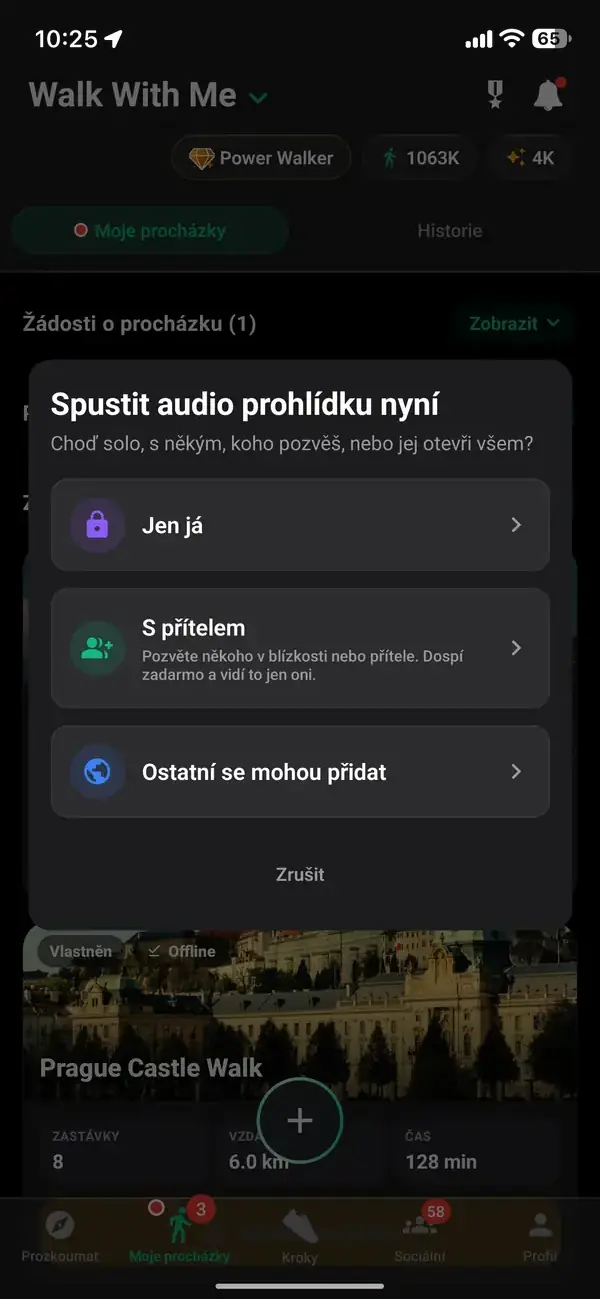
02
Spusťte přehrávání a jděte
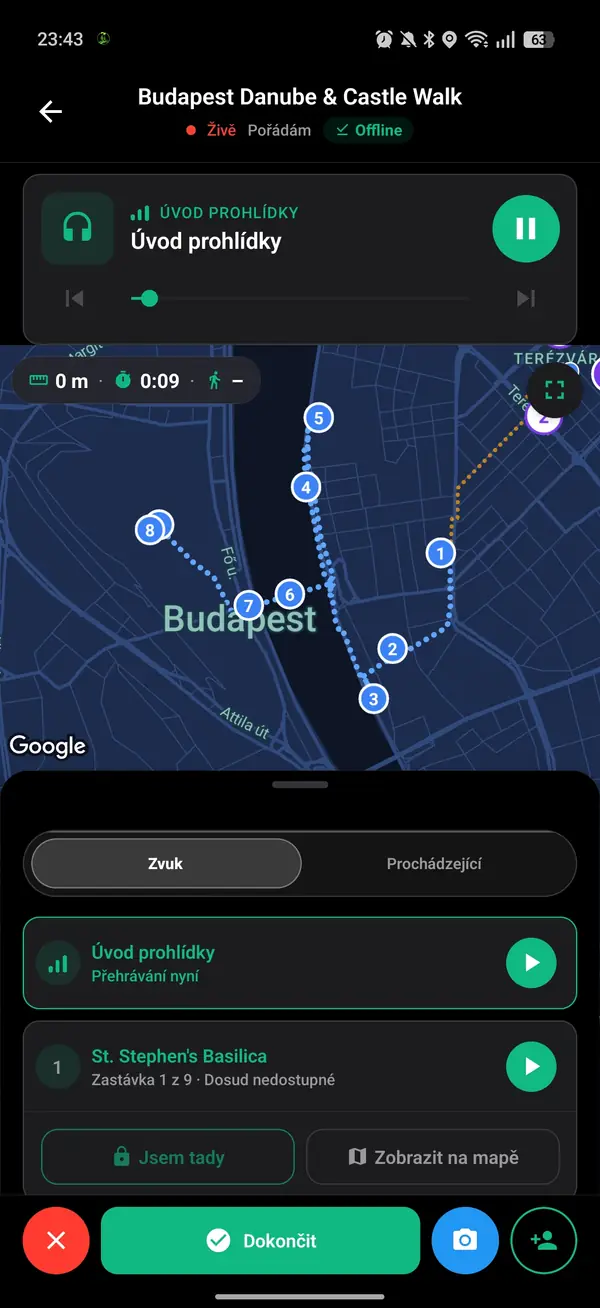
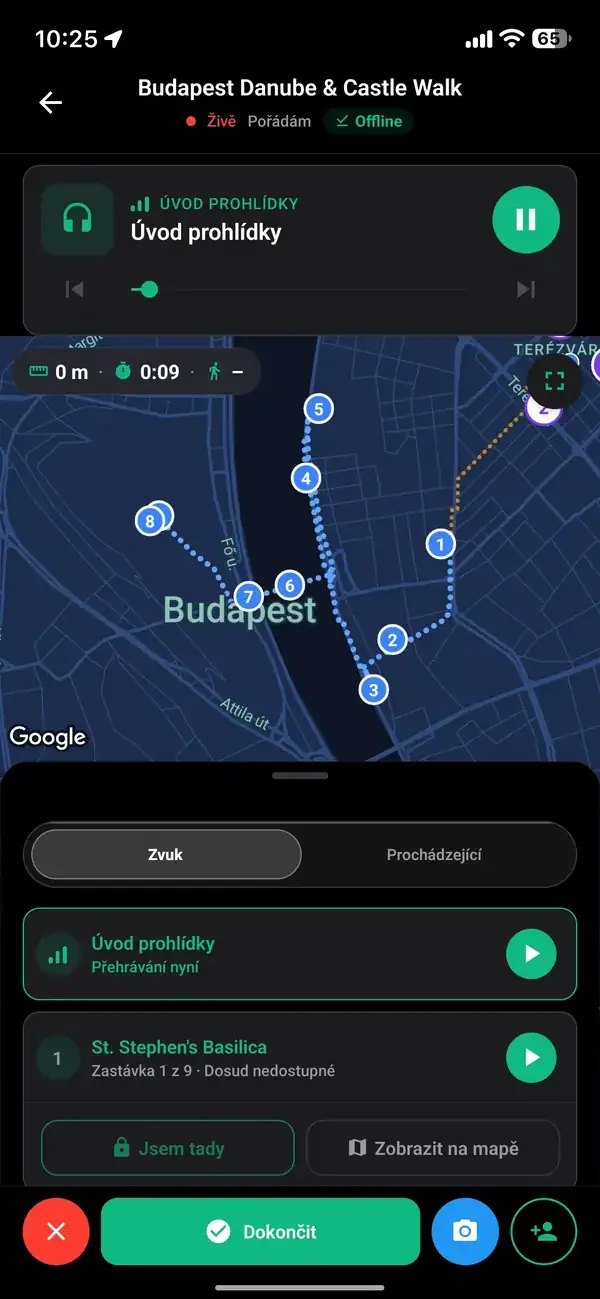
03
Pečlivě vytvořené pro váš čas ve městě
Tyto prohlídky nejsou seznam památek k odškrtání. Jsou určené k pomalé chůzi, se sluchátky na uších a pohledem upřeným na město.
Meditativní a pohlcující
Každý příběh zazní tam, kde se odehrál. Aplikace zazvoní, když dorazíte na zastávku, jedno klepnutí spustí vyprávění a cesta mezi zastávkami patří jen vám, vaším vlastním tempem.
Ručně a s péčí
Každou trasu i každou zastávku vybíráme sami a každý příběh pečlivě dotváříme, aby váš čas ve městě patřil místům, která za to opravdu stojí.
Ve dvou je to lepší
Každá procházka je lepší s někým po boku, takže pokud můžete někoho vzít s sebou, moc vám to doporučujeme. Proto jeden nákup pokryje všechny, koho pozvete: připojí se k vaší prohlídce zdarma.