
October 11, 2026 · 9 min read
Amsterdam Anne Frank Walking Tour
From the Hollandsche Schouwburg through the old Jewish Quarter, past the Dockworker and the Dam, to the Anne Frank House on the Prinsengracht.
589

October 8, 2026 · 11 min read

 Přátelé chodí zdarma
Každá prohlídka funguje také jako naplánovaná skupinová procházka, ke které se můžete v aplikaci připojit.
Další audio prohlídky v Chicago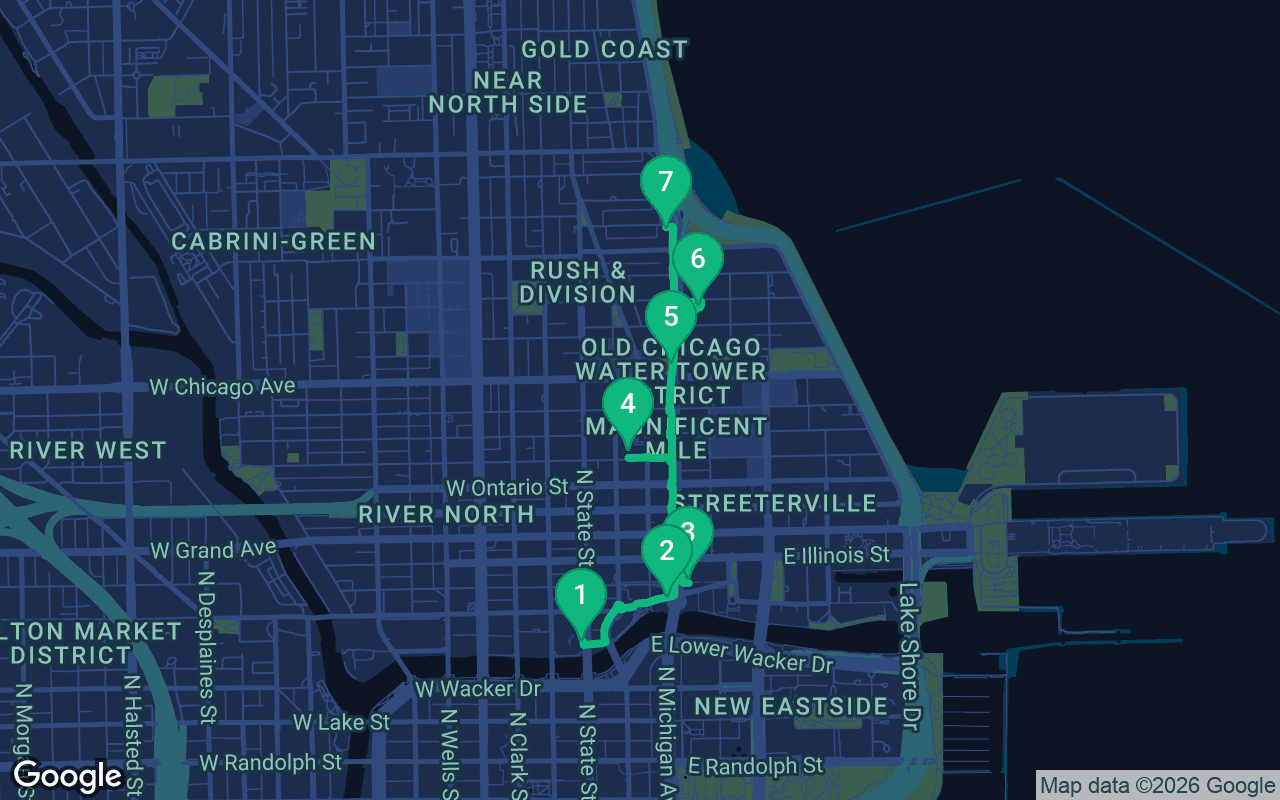
Zhruba 2,4 km, přibližně 35 minut pohodovým tempem.
Tato prohlídka je namluvená
Stisknutím tlačítka přehrávání u prvních 3 zastávek si poslechnete 30sekundovou ukázku vyprávění. V aplikaci si úvod a tyto zastávky přehrajete celé zdarma a každá se ozve zvukovým signálem, jakmile dorazíte na místo. Celá komentovaná prohlídka může být vaše za jednorázový poplatek $7.99, který vám zůstane napořád.
Funguje s aplikacemi Garmin, Komoot, Strava, OS Maps a jakýmkoli GPX programem.
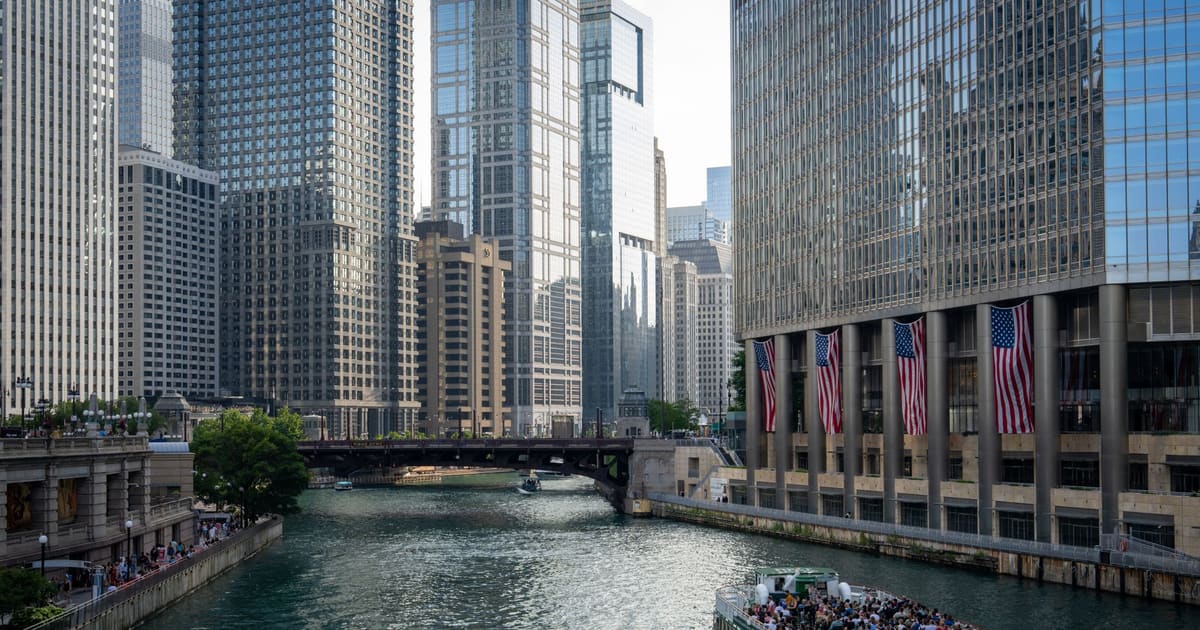
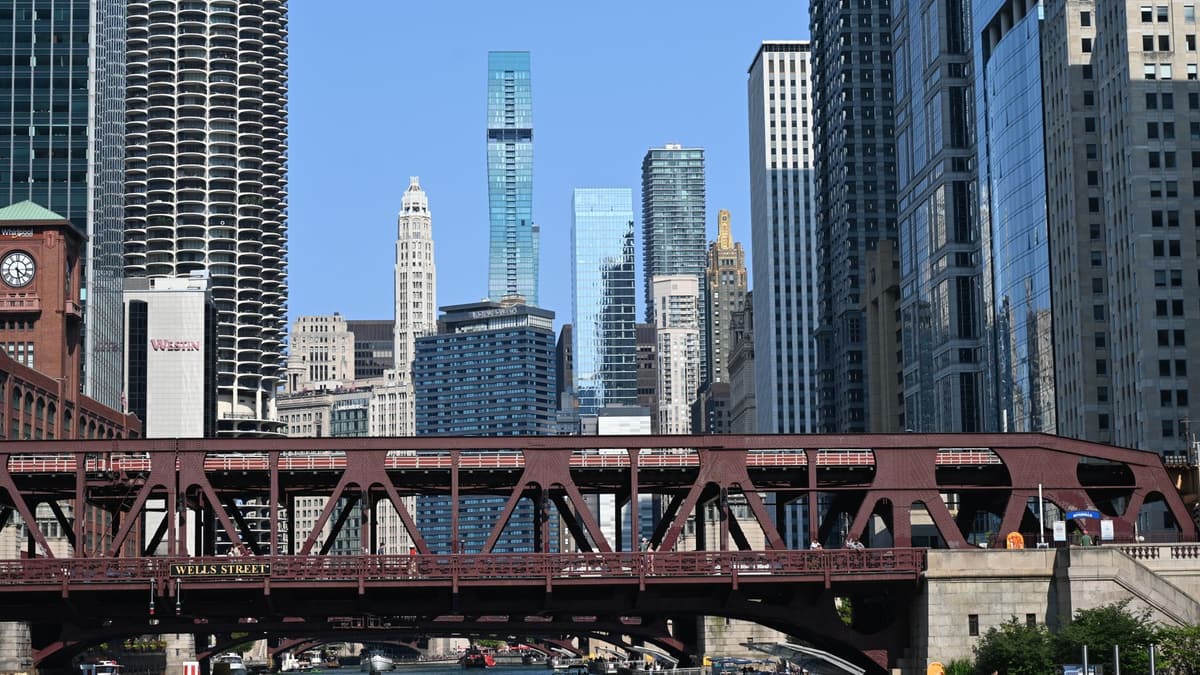
Chicago has two great front doors, the river and the lake, and this walk takes you from one to the other. It starts beside the Chicago River at the twin corncob towers of Marina City, follows the water to the gleaming white Wrigley Building, then turns north up Michigan Avenue, the shopping street the city calls the Magnificent Mile. Along the way you meet a newspaper tower studded with stones from around the world, a Gilded Age banker's mansion, the little stone castle that outlived the Great Fire and the X-braced giant that changed skyscraper engineering, before you step out onto the sand of Oak Street Beach. It is about 2.4 kilometers, roughly a mile and a half, and among our self-guided walking tours of Chicago it is the easy, sociable one, with a beach waiting at the end.
Allow about an hour and a half at a stroll, or most of an afternoon if you go inside the mansion museum or ride up to the observation deck, both of which charge admission, so check before you go. The ground is flat and paved all the way, and you only need comfortable shoes. Michigan Avenue is wide and busy, and on weekends and holiday seasons the sidewalks fill with shoppers, so a weekday morning is the calmest time. The walk runs from the river toward Lake Michigan, and the closer you get to the lake the more you feel the wind, which can be cool even in summer and fierce in winter, so bring a layer. There is shade from the tall buildings for much of the route, but the beach at the end is wide open to the sun. If you plan to swim, do it only when lifeguards are on duty and check the beach conditions first, because the lake can turn rough and cold. A towel and a light picnic in your bag are a fine idea on a warm day.
Find a spot on the river side with a clear view of the two round towers in front of you. They look like a pair of corncobs, and Chicagoans have called them that since they were finished in 1964. The architect Bertrand Goldberg designed Marina City as a city within a city, at a time when people were leaving downtown for the suburbs. He wanted to give them a reason to stay, with apartments, offices, shops, a theater and a place to park all in one complex. Look at the bottom third of each tower: the spiraling floors are an open parking garage, with cars nosed up to the edge with nothing but a low barrier between them and a long drop. At water level is a marina where boats tie up, and the apartments above are shaped like slices of pie, each with its curved balcony. If the towers look familiar, it may be from the cover of the Wilco album Yankee Hotel Foxtrot, or from the 1980 Steve McQueen film The Hunter, in which a car shoots off the parking ramp into the river. Look down at the river too. In 1900, engineers reversed its flow so that sewage would run away from Lake Michigan, the city's drinking water, and toward the Mississippi instead. From here, walk east with the river on your right, past the tall silver glass tower, for about six minutes to Michigan Avenue.
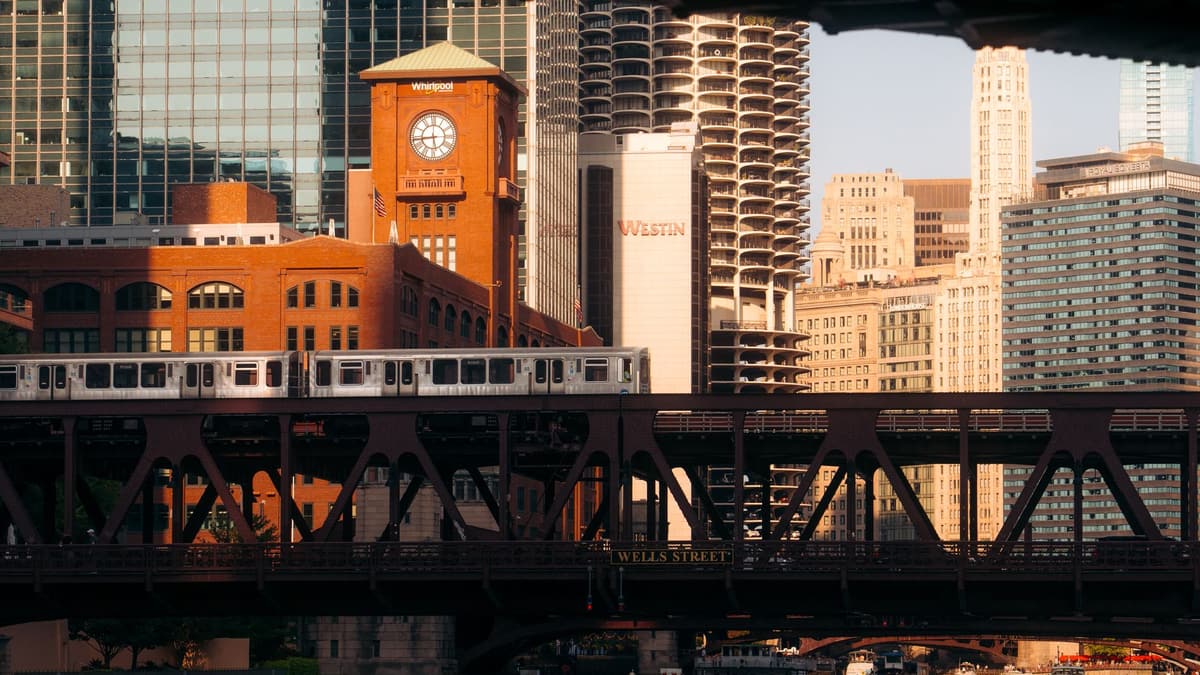 Stand near the corner and look up at this tall, brilliant white building with its clock tower. The Wrigley Building was built in the early 1920s as the headquarters of the chewing gum company of William Wrigley Jr., and its clock tower was inspired by the Giralda, the great bell tower of Seville Cathedral. Its skin is glazed white terra cotta, many thousands of tiles, and it is said that the shades of white grow brighter as the building rises, so it gleams even more toward the top. It has been lit by floodlights at night since it opened, which makes it one of the most handsome sights on the river after dark. The Wrigley Building was the first great office tower north of the river, and it was the new Michigan Avenue bridge, opened in 1920, that made it possible. Before the bridge, the north bank was an area of warehouses and factories. Step onto the bridge for a moment and look at the four carved stone bridgehouses at its corners, whose reliefs tell the story of the city from its pioneers to its rebuilding after the fire. The bridge is named for Jean Baptiste Point du Sable, a Black trader probably born in what is now Haiti, who set up a farm and trading post on the north bank in the 1780s, close to where you are standing, and is remembered as the first permanent non-Native settler of Chicago. Cross Michigan Avenue to the east side, where the Gothic tower stands in a little plaza, just a minute's walk away.
Walk up to the base of the tower and look closely at the walls at eye level. Set into the stone are fragments of famous buildings and places from around the world, each labeled with its source: a piece of the Great Wall of China, a stone from the Alamo, others from the Parthenon in Athens, the Berlin Wall and many more, around one hundred and fifty in all. The collection began with the newspaper's publisher, Colonel Robert McCormick, who asked his foreign correspondents to bring back pieces of the places they reported from. Not every piece, it is said, was obtained entirely by the book. Now step back and look up. The tower was the result of a famous design competition held by the Chicago Tribune in 1922, which drew entries from all over the world. The winning design, by John Mead Howells and Raymond Hood, crowned the tower with Gothic flying buttresses, inspired by a medieval French cathedral tower in Rouen. The second-place entry, by the Finnish architect Eliel Saarinen, was never built, but many architects thought it should have won, and it shaped skyscrapers for years. The paper moved out in 2018, and the building is now mostly apartments. From here, walk north up the east side of Michigan Avenue for about six minutes to Erie Street, then cross the avenue and walk west along Erie for about a minute. The mansion is on the north side of the street.
Co je v ceně
Naše prohlídky jsou zamýšlené jako meditativní a pohlcující: jdete a prostě posloucháte. Vždy jsou lepší ve společnosti a aplikace přehrává vyprávění synchronizovaně, takže vy, váš partner i vaši přátelé slyšíte každou zastávku ve stejnou chvíli.
Stand across the street and look at this solid sandstone house, with its heavy porch and windows set deep in the walls. This was built between 1879 and 1883 for Samuel Nickerson, a banker who made a fortune and wanted a home to show it.
Zbytek této zastávky najdete v celé audioprohlídce.
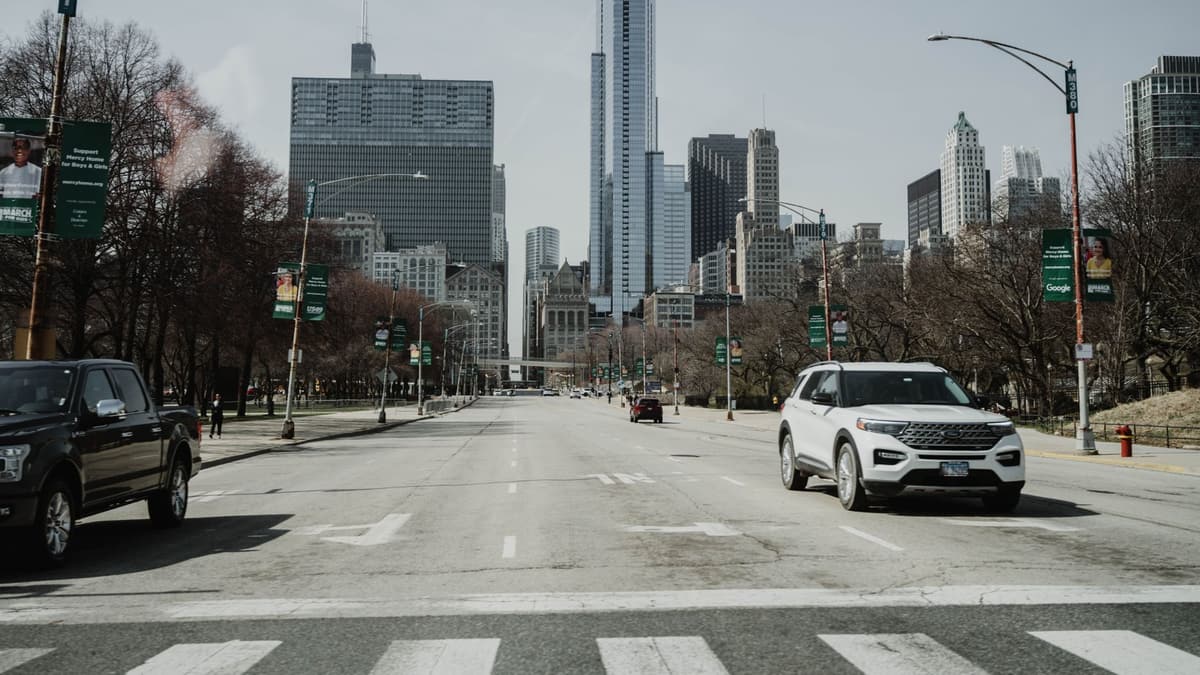
This little castle of yellowish limestone, all turrets and battlements, looks like it wandered in from a fairy tale, and against the glass towers around it, it almost does.
Zbytek této zastávky najdete v celé audioprohlídce.
Stand back on the plaza in front of it and let your eye travel up a hundred stories of black steel.
Zbytek této zastávky najdete v celé audioprohlídce.
The walk ends on the sand. In front of you is Lake Michigan, so big you cannot see the far shore, and behind you rise the tall apartment towers of the Gold Coast, one of the richest neighborhoods in the city.
Zbytek této zastávky najdete v celé audioprohlídce.
Absolvuj tuto procházku s ostatními v rámci příští naplánované trasy.
Asi 2,4 km, zhruba 35 minut volným tempem · 7 zastávek
Přátelé chodí zdarmaOctober 11, 2026 · 9 min read
From the Hollandsche Schouwburg through the old Jewish Quarter, past the Dockworker and the Dam, to the Anne Frank House on the Prinsengracht.
October 11, 2026 · 11 min read
From Van Houten's street by the Vondelpark past Leidseplein, the Rijksmuseum passage and the famous canal bench to the Anne Frank House.

October 11, 2026 · 10 min read
Follow the last days of April and May 1945 from the Anhalter Bahnhof ruin past the Gestapo site and Brandenburg Gate to the Moltke Bridge and the Reichstag.
