October 2, 2026 · 6 min read
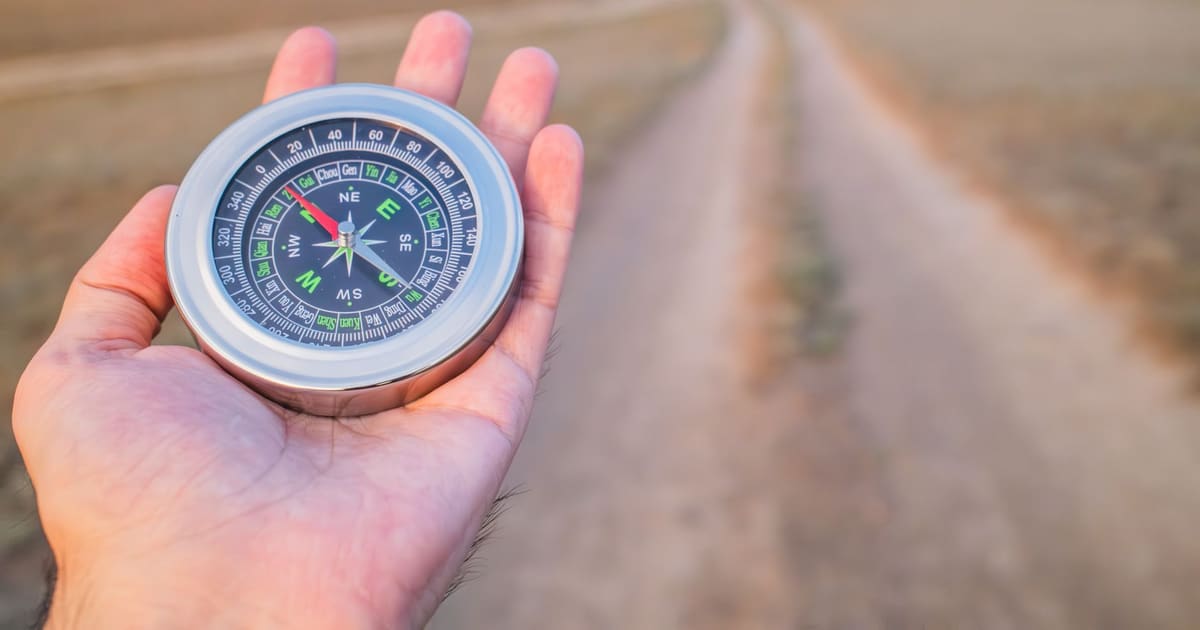
Cara Bermain Geo Guessing
Geo Guessing mengubah foto jalan kaki menjadi tebakan untuk teman: mereka menaruh pin di tempatmu mengambilnya, dan tebakan terdekat menang.
657

September 21, 2026 · 7 min read
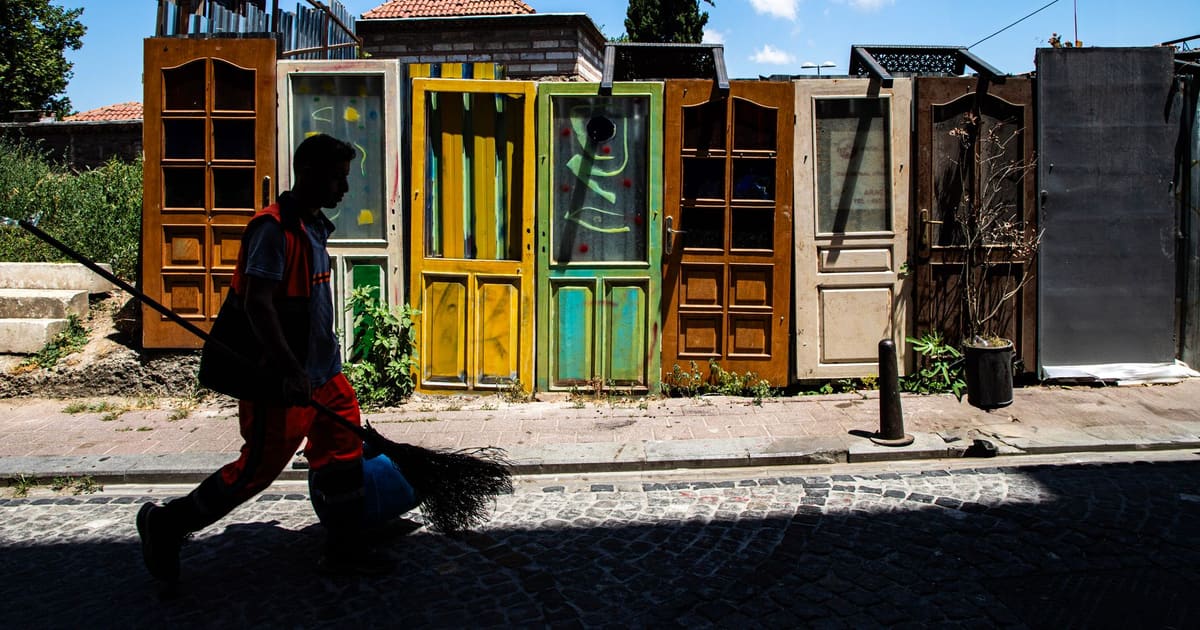
A colour scavenger hunt walk is the simplest game I know. You pick one colour before you leave, and you hunt for ten things that match it. That's the whole rulebook. It works for a toddler, a teenager or two adults on a lunch break, and the oddest thing about it is how much it changes a street you've walked a hundred times. This guide covers the basic game, the colours worth picking, and the variations that keep it fresh. It's one of several games in our walking games guide, and probably the one I'd start with.
Here's how to play the classic version of a colour scavenger hunt, or color scavenger hunt if that's how you spell it.
The one rule worth agreeing in advance is what counts as "in that colour." Does a red-and-white sign count as red? I say yes if the colour is the first thing you'd use to describe it. A blue door counts. A white house with a blue doorbell is a stretch. Settle it before you set off and you'll avoid the only argument this game ever causes.
Not all colours are equal, and picking the right one is half the fun.
My rule of thumb: pick a colour your neighbourhood is short of. A green hunt in a leafy suburb is over before you reach the corner. A green hunt in a city centre takes some work.
Once you've played the basic game a few times, change one rule.
Rainbow order. Hunt red first, then orange, then yellow, and so on through the rainbow. You can't move on until you've found one of the current colour. It turns a single hunt into seven small ones and gives the walk a natural shape.
Shades only. Pick a colour and find ten different shades of it. Ten greens: a hedge, a recycling bin, moss on a wall, a bottle in a window. It slows you right down and makes you see colour the way a painter does.
Opposite day. Each person picks a colour for the other one to hunt, in secret. The fun is choosing something that's hard for them on this particular route.
Category lock. Everything has to be the colour and from one category. Ten blue things that are vehicles. Ten yellow things that grow. Much harder, much funnier when someone tries to argue a blue bin is a vehicle because it has wheels.
Photo proof. Every find has to be photographed. You end up with a grid of ten pictures in one colour, which looks great as a little collage when you get home. If photo proof is the version you like, there's a whole game built around it, more on that below.
The same walk gives you a completely different hunt depending on the month, which is a good reason to play it all year.
In autumn, orange and red are suddenly everywhere, so push the difficulty up and go for purple or blue. In winter, colour drains out of a lot of streets, so even red becomes a decent challenge, and Christmas lights make an evening hunt a lot of fun. Spring is the best season for pink and yellow, thanks to blossom and daffodils. Summer is the time for a hard colour like turquoise, because people paint things and wear bright clothes.
Solo, the hunt is a quiet attention exercise. You're not competing with anyone, so make it about speed. How many streets until you hit ten? Try to beat that next week on the same route.
With young kids, use easy colours and let them choose. Give them a job beyond spotting: they keep the count on their fingers, or they decide what counts. Small kids love being the judge. Keep the walk short, ten or fifteen minutes, and stop while they're still having fun.
With a group of adults, split into two teams and give each team a different colour of similar difficulty. Meet at the end and compare. Points for each find, a bonus for the strangest one. Groups of four or more tend to get loud and competitive, so pick a route without too much traffic.
Picking a colour that's too easy. If you're at ten before the end of the street, the walk is over before it started. Go harder.
No agreed rule on what counts. Two minutes of arguing over whether a bin is "dark green" or "black" kills the mood. Agree the rule at the door.
Staring at the phone for photos. If you play the photo version, take the picture and put the phone away. The game is about looking at the street, not the screen.
Rushing. The colour hunt is at its best at a slow walking pace. If you're hurrying, you'll miss half of what you're looking for.
The photo version has a natural next step: everyone hunting the same colour at the same time, each with their own phone, racing to a set number of pictures. That's exactly what Spectrum Walk is in Walk With Me. The host rolls a colour, picks a photo target, and the first player to have that many photos verified wins. I've written a separate post about the colour photo hunt as a shared game, with the rules and the tactics that work.
For now, though, you don't need any of that. Pick a colour on your way out the door tonight and count to ten. And if you're looking for people to walk with, Walk With Me is free on iOS and Android.
October 2, 2026 · 6 min read
Geo Guessing mengubah foto jalan kaki menjadi tebakan untuk teman: mereka menaruh pin di tempatmu mengambilnya, dan tebakan terdekat menang.
October 2, 2026 · 7 min read
GPS Doodle mengubah jalan-jalan Anda menjadi gambar. Pilih bentuk, sesuaikan dengan jalan, jalan dan lihat kecocokan garisnya.
October 2, 2026 · 7 min read
Tujuan Misteri menyembunyikan tiga tempat asli di dekat Anda dan memberi Anda kompas. Mulai misteri, baca suhu, dan temukan semua titik.