
October 11, 2026 · 9 min read
Amsterdam Anne Frank Walking Tour
From the Hollandsche Schouwburg through the old Jewish Quarter, past the Dockworker and the Dam, to the Anne Frank House on the Prinsengracht.
589

October 8, 2026 · 12 min read

 Znajomi spacerują za darmo
Każdy spacer odbywa się również jako zaplanowany spacer grupowy, do którego możesz dołączyć w aplikacji.
Więcej wycieczek audio w New Orleans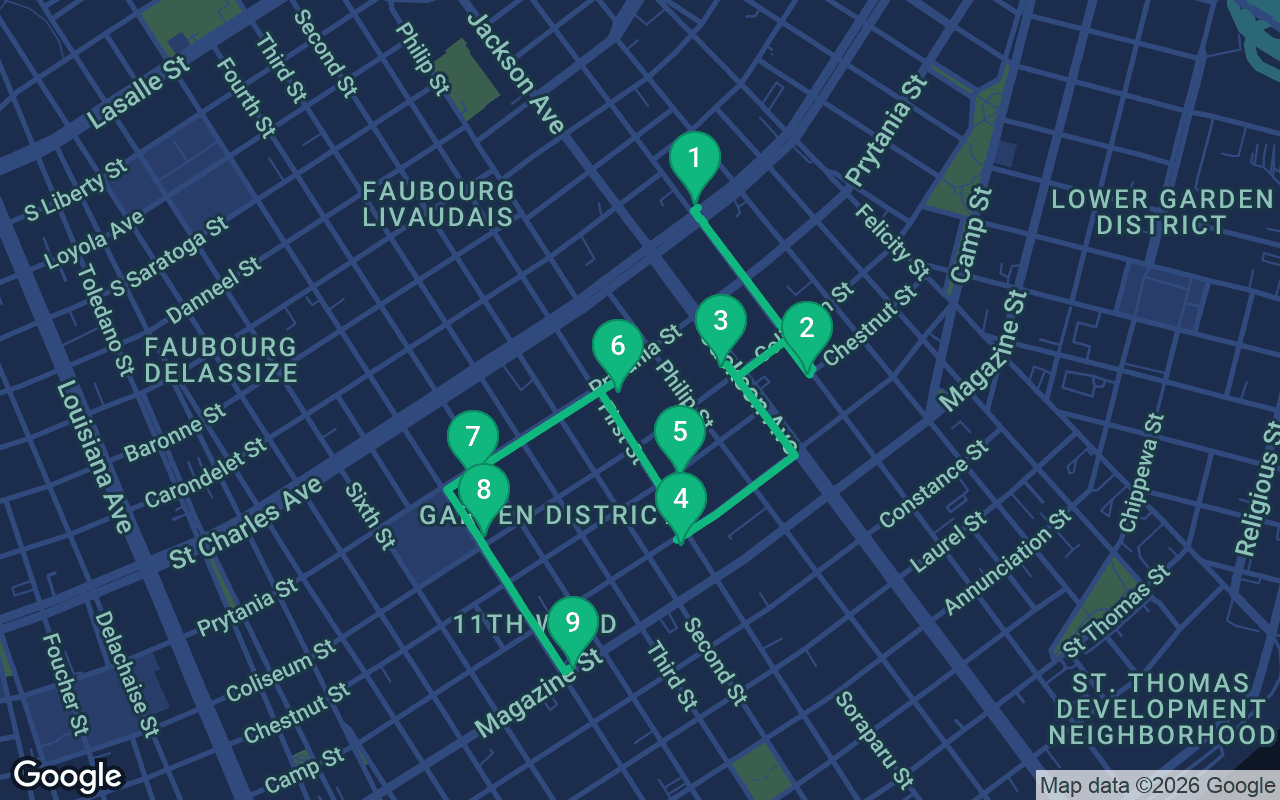
Około 2,6 km, mniej więcej 36 minut w spokojnym tempie.
Ten spacer ma narrację
Naciśnij odtwarzanie na pierwszych 3 przystankach, aby posłuchać 30-sekundowego demo narracji. W aplikacji wstęp i te przystanki odtworzysz w całości za darmo, a każdy z nich zasygnalizuje się dźwiękiem po przybyciu. Cały spacer z narracją otrzymasz za $7.99, jednorazowy zakup, który zachowasz na zawsze.
Działa z Garmin, Komoot, Strava, OS Maps i każdą aplikacją GPX.
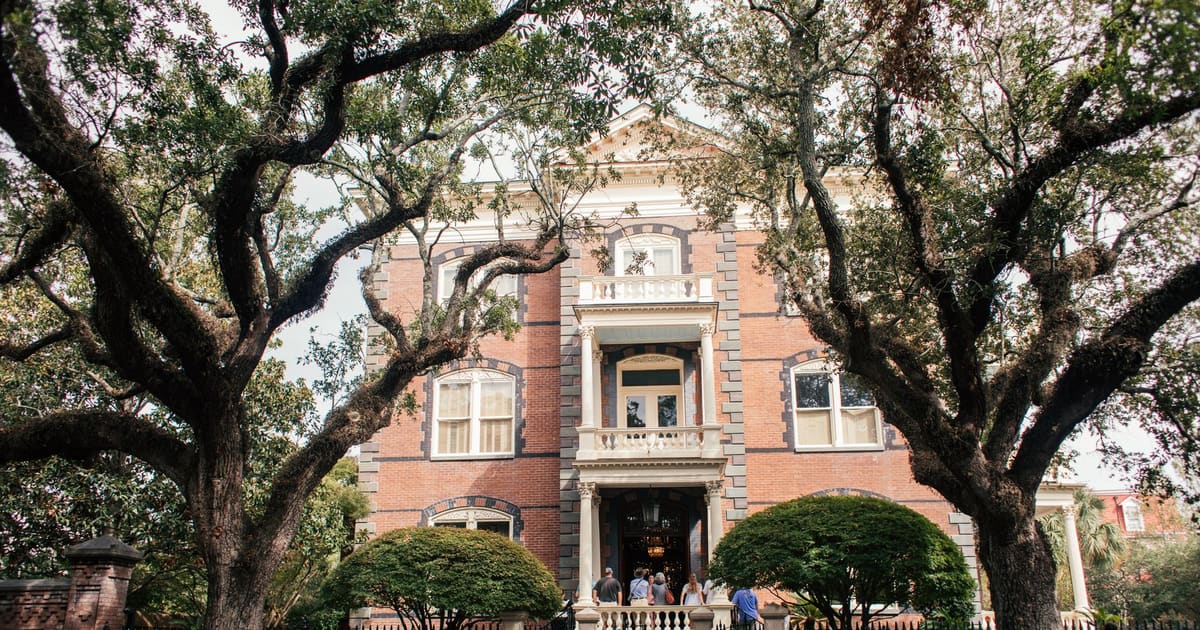
After the Louisiana Purchase of 1803, Americans poured into New Orleans to make their fortunes, and they did not always get along with the French-speaking Creoles of the old city. So they built their own. Upriver from the French Quarter, on old plantation land, they laid out a suburb of big lots and broad avenues and filled it with mansions meant to outshine anything in the Quarter. This is the Garden District, and this walk takes you through the heart of it. Ride the St Charles streetcar uptown to the Pontchartrain Hotel, then wander shady streets past a witches' academy from television, the house where Jefferson Davis died, Anne Rice's Gothic home, the district's oldest house and a fence of cast iron cornstalks, and finish at Commander's Palace and the shops of Magazine Street. It is about 2.6 kilometers, a little over a mile and a half, and one of the most beautiful self-guided walking tours in New Orleans.
Plan on an hour and a half at a stroll, plus the streetcar ride from Canal Street, which is part of the pleasure. The Garden District is flat, but its sidewalks are notorious: slabs of brick and slate heaved up by the roots of enormous live oaks, so keep your eyes down as often as up and wear sturdy shoes. The oaks give generous shade, which you will want, because New Orleans is hot and humid for much of the year; walk in the morning or late afternoon in summer and carry water. Almost every house on this walk is a private home, and people live in them. Please enjoy them from the public sidewalk, keep off steps and porches, never open a gate, and keep your voice down. Photographs from the street are fine. Lafayette Cemetery No. 1, across from Commander's Palace, has been closed to visitors for restoration, so check before you go whether it has reopened. And if you plan to eat at Commander's Palace, book well ahead and check its dress code.
You have arrived by streetcar, and that alone is worth a moment. The St Charles line grew from a railroad that opened in 1835, and it is often called the oldest continuously operating street railway in the world. The olive green cars with their wooden seats and brass fittings have been running since the 1920s. They glide along the grassy strip down the middle of the avenue, which locals call the neutral ground. The usual story is that the name began on Canal Street, whose wide median was the neutral line between the Creole city and the American one. Look up into the oaks, and you may see strings of Mardi Gras beads still caught in the branches from the parades. The tall building in front of you is the Pontchartrain Hotel, which opened in 1927 as an elegant apartment hotel and is named for the great lake north of the city. Over the years it drew a long list of famous guests, and Tennessee Williams is said to have stayed here while he was working on A Streetcar Named Desire, which may be why the rooftop bar is named after another of his plays. To start walking, go uptown along St Charles to Jackson Avenue, which is close by, turn left and follow it toward the river for two blocks, crossing Prytania Street, to Coliseum Street, about five minutes.
On the corner of Coliseum Street stands Trinity Episcopal Church, a Gothic Revival church with a square tower and pointed windows. It was founded in the 1840s and built in the following decade for the American families settling this new uptown suburb, who were mostly Protestant, unlike the Catholic Creoles downriver. That difference ran deep. The Americans spoke English, did business in the new style and wanted their own churches, schools and banks, and the line between the two worlds was drawn street by street. The land around you was once the Livaudais plantation, cut up into lots in the 1830s and sold to newcomers who had made money in cotton, sugar, shipping and banking. Until 1852 it was not even part of New Orleans, but a separate city called Lafayette. Among Trinity's rectors was Leonidas Polk, the Bishop of Louisiana, who left the church to become a Confederate general and was killed in Georgia in 1864. Take a look at the stained glass if the doors are open. Then cross to the uptown side of Jackson Avenue and walk a short way back toward St Charles, barely a minute, until a vast white mansion appears on your left.
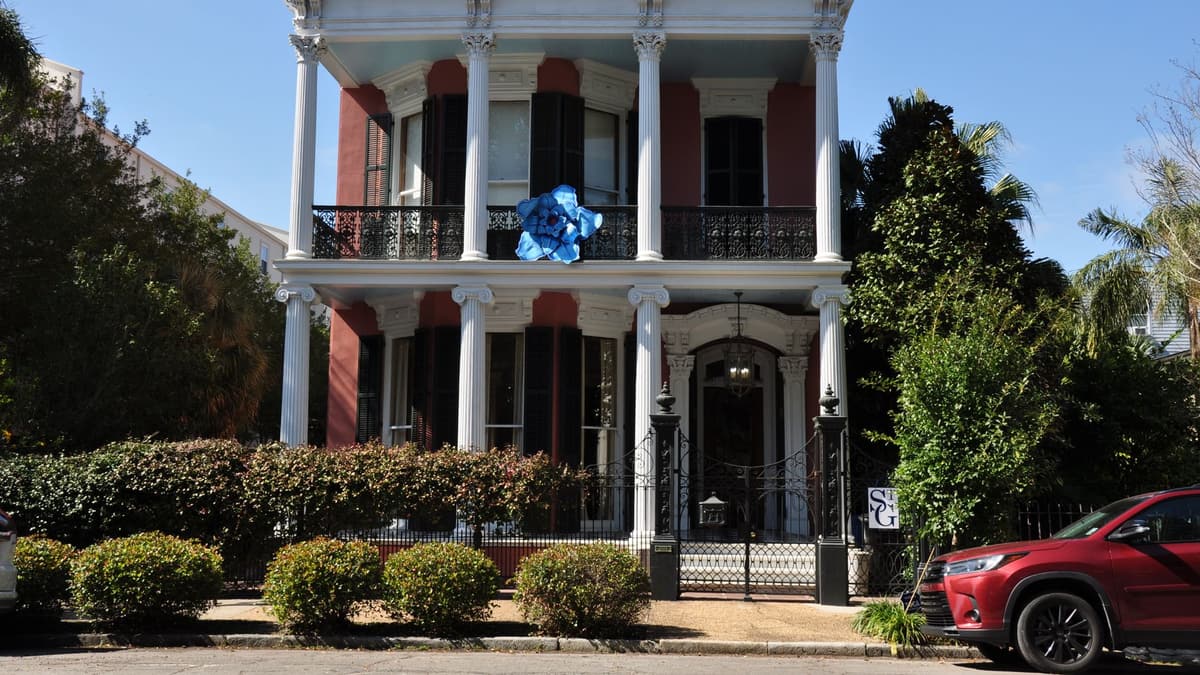 Behind the iron fence stands the Buckner Mansion, one of the largest houses in the Garden District, a great white Greek Revival block wrapped in deep galleries held up by rows of columns. Stay on the sidewalk to admire it. Henry Sullivan Buckner, a cotton merchant, built it in 1856. The story goes that he meant it to outdo the house of his former business partner, and you can decide for yourself whether he managed it. Like most of the fortunes on this walk, his rested on cotton and, behind the cotton, on the labor of enslaved people, which is worth keeping in mind as you pass these porches. The house had a long and varied life after the Buckners. For much of the twentieth century it was home to a business college, where generations of New Orleanians learned bookkeeping and typing. More recently it found fame on television. In 2013 it played Miss Robichaux's Academy, the school for young witches in American Horror Story: Coven, and fans still come to stand at the fence where the characters gathered. From here, walk along Jackson Avenue toward the river, past Coliseum and Chestnut Streets, to Camp Street. Turn right and walk two blocks uptown along Camp Street, past Philip Street, to First Street, about seven minutes in all.
Co zawiera
Nasze wycieczki mają być medytacyjne i wciągające: idziesz i po prostu słuchasz. Zawsze lepiej przeżywa się je razem, a aplikacja odtwarza narrację synchronicznie, więc ty, twój partner i twoi przyjaciele słyszycie każdy przystanek w tej samej chwili.
On the corner of First and Camp Streets stands a handsome raised house with double galleries, one stacked on the other, shaded by trees. Keep to the sidewalk.
Dalsza część tego przystanku jest w pełnej audiowycieczce.
Across the corner of First and Chestnut Streets stands a tall Greek Revival mansion with an iron fence and galleries edged with lacy ironwork.
Dalsza część tego przystanku jest w pełnej audiowycieczce.
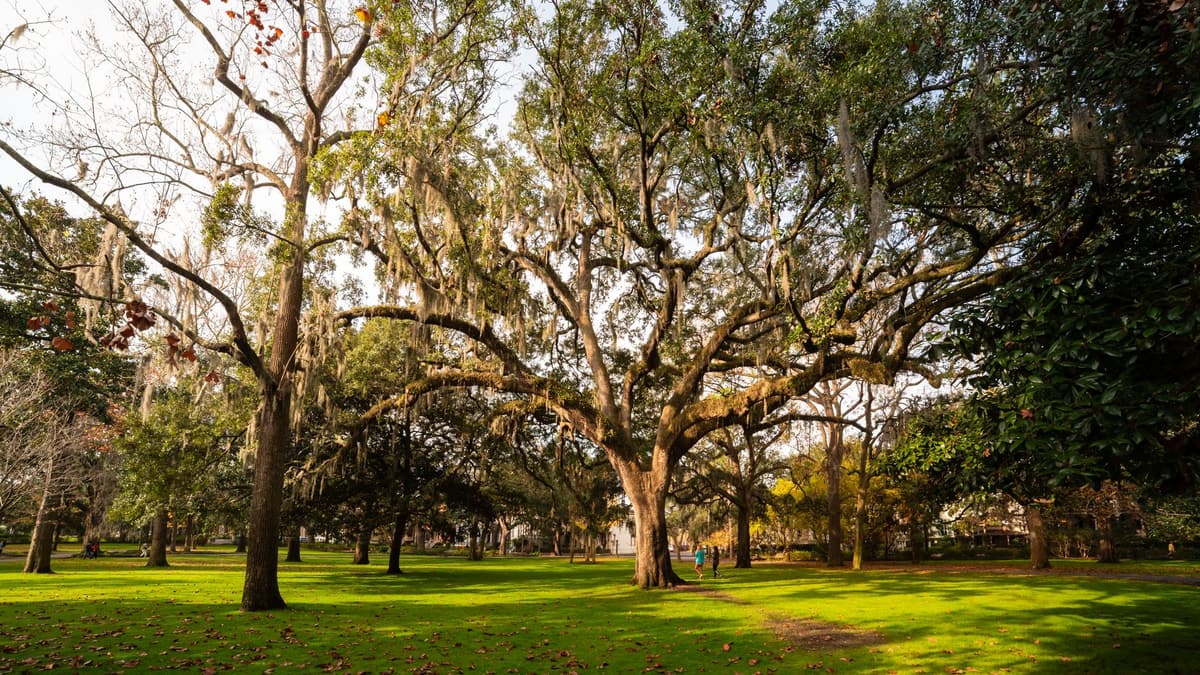
On the corner of First and Prytania Streets is a house that looks modest next to its neighbors, and that is a clue to its age.
Dalsza część tego przystanku jest w pełnej audiowycieczce.
On the corner of Fourth and Prytania Streets is an Italianate villa with tall windows and iron galleries, surrounded by the most famous fence in New Orleans.
Dalsza część tego przystanku jest w pełnej audiowycieczce.
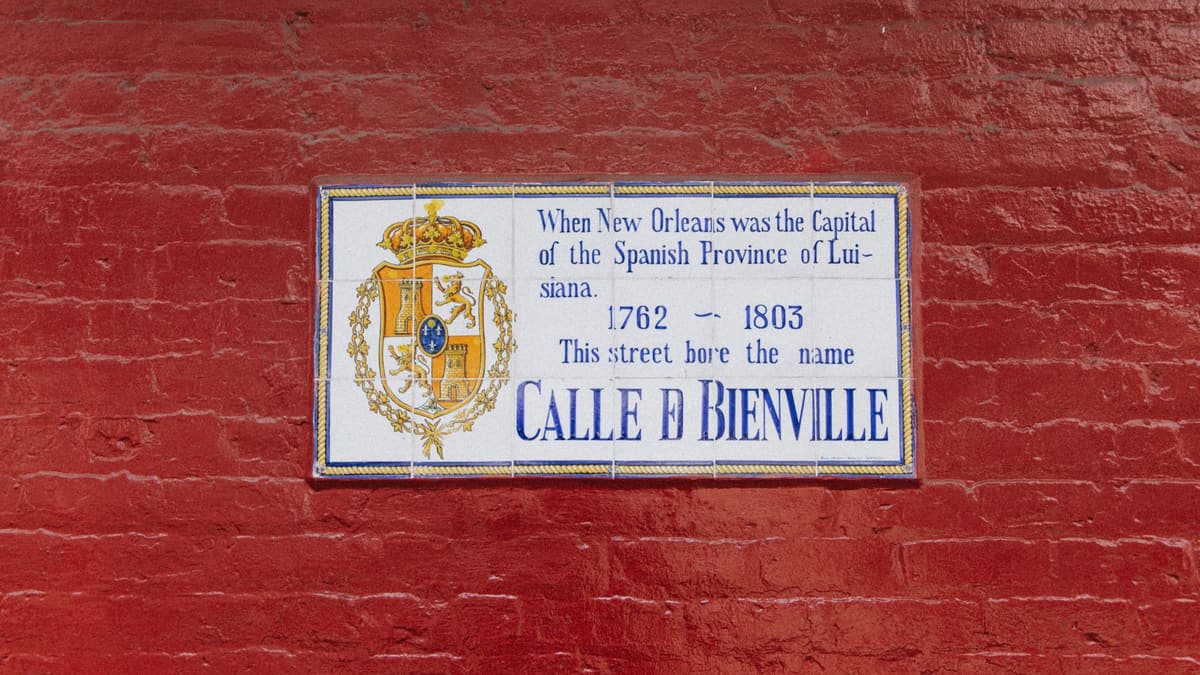
On the corner of Washington Avenue and Coliseum Street stands a turquoise Victorian building with white trim and striped awnings that looks almost too cheerful for the long white wall across the street.
Dalsza część tego przystanku jest w pełnej audiowycieczce.
You end at Magazine Street, which runs for some six miles, from near Canal Street to Audubon Park, following the curve of the river.
Dalsza część tego przystanku jest w pełnej audiowycieczce.
Wykonaj ten spacer z innymi ludźmi na następnym zaplanowanym spacerze.
Około 2,6 km, mniej więcej 36 minut w spokojnym tempie · 9 przystanków
Znajomi spacerują za darmoOctober 11, 2026 · 9 min read
From the Hollandsche Schouwburg through the old Jewish Quarter, past the Dockworker and the Dam, to the Anne Frank House on the Prinsengracht.
October 11, 2026 · 11 min read
From Van Houten's street by the Vondelpark past Leidseplein, the Rijksmuseum passage and the famous canal bench to the Anne Frank House.

October 11, 2026 · 10 min read
Follow the last days of April and May 1945 from the Anhalter Bahnhof ruin past the Gestapo site and Brandenburg Gate to the Moltke Bridge and the Reichstag.
