
October 11, 2026 · 9 min read
Amsterdam Anne Frank Walking Tour
From the Hollandsche Schouwburg through the old Jewish Quarter, past the Dockworker and the Dam, to the Anne Frank House on the Prinsengracht.
589

October 9, 2026 · 9 min read

 Друзья гуляют бесплатно
Каждую экскурсию можно пройти в составе запланированной группы, к которой легко присоединиться в приложении.
Ещё аудиоэкскурсии в Oaxaca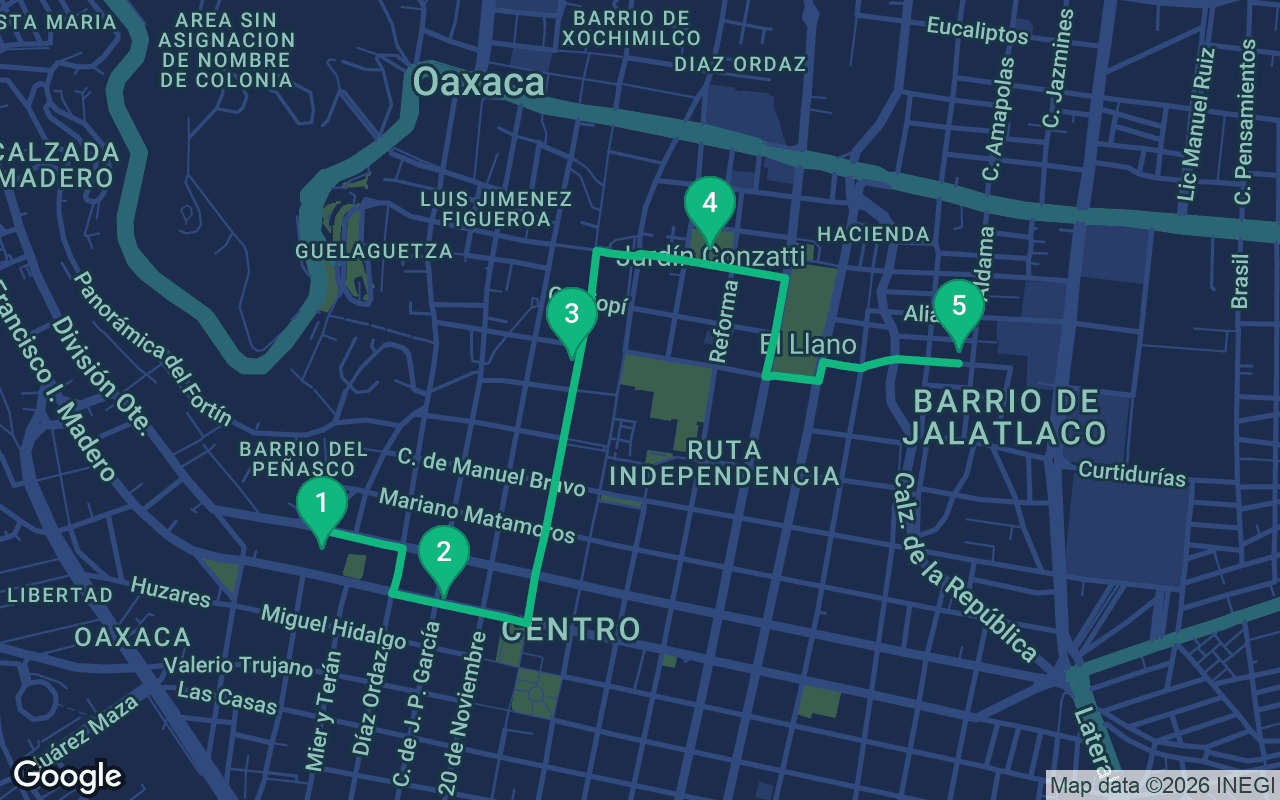
Примерно 2,6 км, около 37 минут в спокойном темпе.
Эта экскурсия озвучена
Нажмите «Воспроизвести» на первых 3 остановках, чтобы послушать 30-секундный фрагмент озвучки. В приложении вступление и эти остановки звучат полностью и бесплатно, а о каждой из них вас оповестит звуковой сигнал, когда вы до неё дойдёте. Вся экскурсия будет вашей за $7.99, это разовая покупка навсегда.
Совместимо с Garmin, Komoot, Strava, OS Maps и любыми приложениями для GPX.
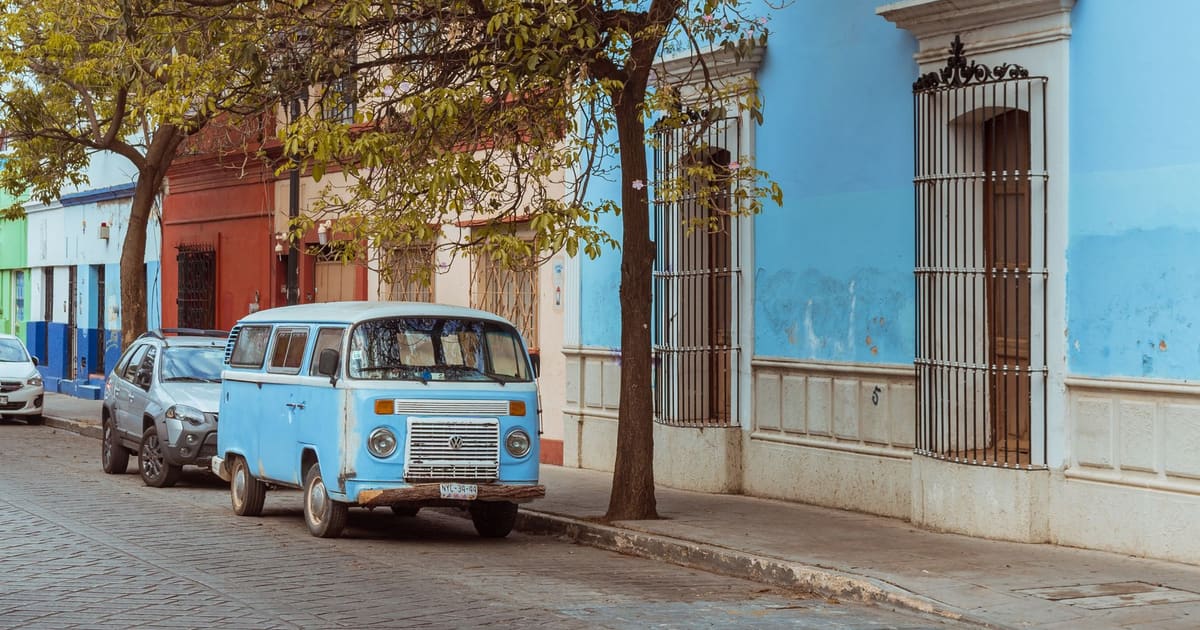
Most visitors to Oaxaca never stray far from the Zócalo and the pedestrian street that runs north from it. This walk crosses the old city from west to east instead, through the quieter streets where people live, shop and go to church. It starts at the basilica of the city's patron, the Virgin of Solitude, and passes the church where Benito Juárez married and the house where he lived as a boy, then wanders through a shady neighborhood square to finish in the cobbled, mural-painted barrio of Jalatlaco. It is about 2.4 kilometers, roughly a mile and a half, almost all of it flat, and the story of Mexico's most famous Oaxacan runs through the middle of it. Of all our self-guided walking tours in the city, this is the one for people who like to see a place going about its day.
Allow about two hours at an easy pace, longer if you stop at the Casa de Juárez museum, which keeps its own hours, so check before you go. The route is level apart from the steps up to the basilica terrace, but sidewalks are narrow and uneven and the lanes of Jalatlaco are cobbled, so wear comfortable shoes. Oaxaca sits at about 1,550 meters, a little over 5,000 feet, which can leave you short of breath on your first day, so walk slowly and carry water. The sun is strong here all year, and there is little shade in Jalatlaco, so a hat helps. Morning is lovely, and so is the late afternoon, when the painted walls of the last stretch glow. From June to September, afternoon storms are common, so start early in those months. The churches are working churches, so keep your voice down and step back if a Mass or a funeral is under way. In late July the city fills for the Guelaguetza festival, and around the Virgin's feast day on December 18 the basilica is crowded with pilgrims and processions. Both are wonderful times to be here, but expect crowds.
In front of you, on a raised terrace above a sunken plaza, stands the most loved church in Oaxaca. Look at the facade. It is a tall wall of carved stone stacked in tiers like an altarpiece turned to face the street, with saints standing in niches, and it was finished at the end of the seventeenth century. Inside, on the main altar, is the Virgin of Solitude, Mary alone and grieving after the crucifixion, dressed in black velvet embroidered with gold. She is the patron of Oaxaca, and her story begins with a mule. The legend says that early in the seventeenth century a muleteer on the road to Guatemala found an extra mule in his train, carrying a heavy box nobody could account for. Here, by a small chapel, the mule lay down and died, and when the box was opened it held the image of the Virgin. People took it as a sign that she wanted to stay, and this church was built for her. Before you go, wander to the little square beside the basilica, where stalls sell nieves, Oaxacan water ices, in flavors like burnt milk, prickly pear and rose petal. Look north-west, too, at the hill rising above the city, Cerro del Fortín. On its slopes stands the open-air auditorium of the Guelaguetza, the great July festival in which dance groups from every region of the state perform and then throw gifts of fruit, bread and crafts into the crowd. Guelaguetza is a Zapotec word for that kind of giving, the help neighbors owe one another. When you are ready, walk east along Avenida Independencia for three short blocks, about four minutes, to the next church.
 This church was built in the eighteenth century for the Oratorians, the order of Saint Philip Neri, and inside it shines with gilded altarpieces, so step in for a look if the doors are open. But Oaxacans remember it for a wedding. In 1843 a 37-year-old lawyer named Benito Juárez married Margarita Maza here. She was seventeen, the daughter of a wealthy merchant family of Italian origin, and he was a Zapotec from a mountain village who had first entered her family's world through the kitchen, because his older sister worked as the Maza family's cook. It was not the kind of match the city's old families expected. Margarita is often quoted as saying that he was very ugly but very good, and the marriage held through everything that followed. Juárez became governor of Oaxaca and then president of Mexico, and during the French invasion of the 1860s the family was forced apart. Margarita took the children into exile in the United States, where some of them died, while her husband kept the republic alive on the move in the north. Stand for a moment by the door and picture a small, quiet wedding in a provincial city, two people with no idea what was coming. Then walk north a block to Avenida Morelos and turn right. You soon pass the Museo Rufino Tamayo, where the Oaxacan painter's collection of ancient art is on show. Turn left onto Calle García Vigil and keep north for several blocks, about ten minutes in all, to the house of Juárez's boyhood.
This modest house with a courtyard belonged to Antonio Salanueva, a bookbinder and a lay member of the Franciscan order, and it is where the story of Benito Juárez in Oaxaca begins. Juárez was born in 1806 in San Pablo Guelatao, a Zapotec village in the mountains north of the valley. His parents died when he was small, and he grew up herding sheep for his uncle, speaking Zapotec and very little Spanish. At the age of twelve he walked down to the city, to the house where his sister was working. Salanueva took him in, gave him work in his bindery and sent him to school. The boy went on to the seminary, then left it to study law at the new Institute of Sciences and Arts, and became a lawyer known for taking the cases of Indigenous villages. From there his rise was remarkable: governor, then president, the man behind the Reform laws that separated church and state, and the leader who refused to give up when France put the Austrian archduke Maximilian on a Mexican throne. In 1867 the empire fell and Maximilian was shot. That same year Juárez summed up his politics in a line every Mexican schoolchild learns: among individuals, as among nations, respect for the rights of others is peace. Inside, the rooms are furnished as a middle-class home of the early nineteenth century, along with a re-created bookbinding workshop like the one where the boy worked. Check before you go. When you leave, continue north and then east, about six minutes, to a leafy square.
Что входит
Наши экскурсии задуманы как медитативные и захватывающие: вы идёте и просто слушаете. Вместе всегда лучше, и приложение воспроизводит озвучку синхронно, так что вы, ваш партнёр и ваши друзья слышите каждую остановку одновременно.

After the busy center, this square feels like a deep breath. Big old trees shade the benches, children climb on the playground, and neighbors cut across with shopping bags and dogs.
Продолжение этой остановки есть в полной аудиоэкскурсии.
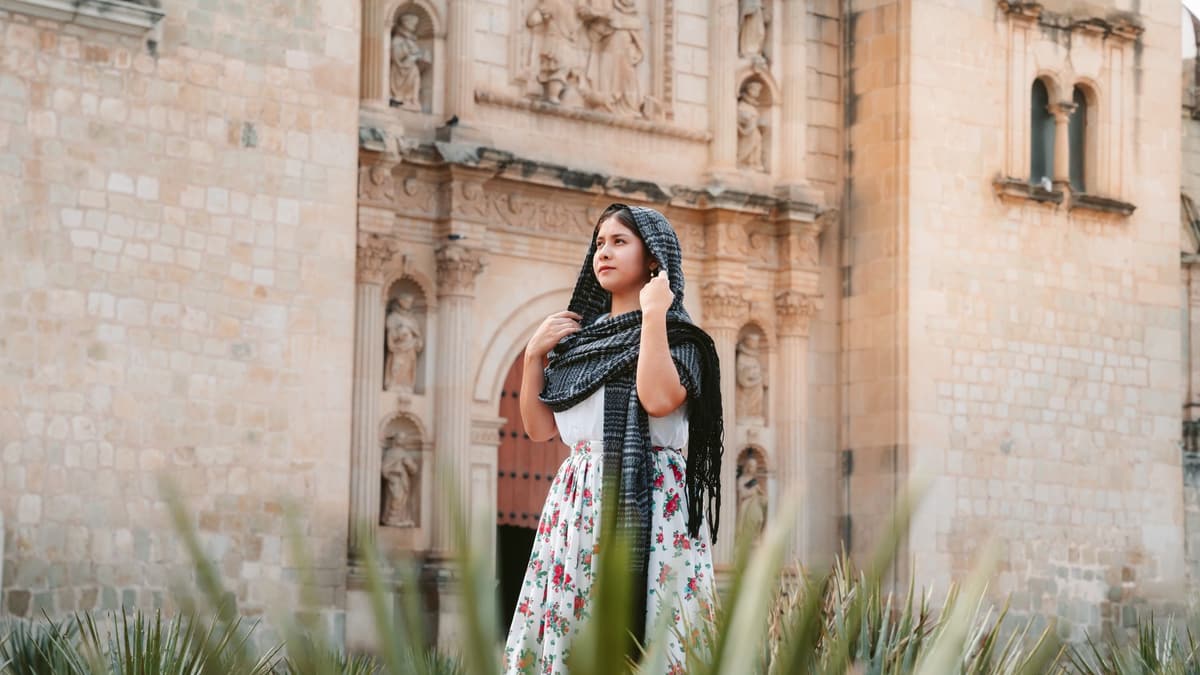
You know you have arrived when the pavement turns to cobblestones and the walls start to talk.
Продолжение этой остановки есть в полной аудиоэкскурсии.
Пройдите этот маршрут вместе с другими во время следующей запланированной прогулки.
Около 2,6 км, примерно 37 мин в спокойном темпе · 5 остановок
Друзья гуляют бесплатноOctober 11, 2026 · 9 min read
From the Hollandsche Schouwburg through the old Jewish Quarter, past the Dockworker and the Dam, to the Anne Frank House on the Prinsengracht.
October 11, 2026 · 11 min read
From Van Houten's street by the Vondelpark past Leidseplein, the Rijksmuseum passage and the famous canal bench to the Anne Frank House.

October 11, 2026 · 10 min read
Follow the last days of April and May 1945 from the Anhalter Bahnhof ruin past the Gestapo site and Brandenburg Gate to the Moltke Bridge and the Reichstag.
