
October 11, 2026 · 9 min read
Amsterdam Anne Frank Walking Tour
From the Hollandsche Schouwburg through the old Jewish Quarter, past the Dockworker and the Dam, to the Anne Frank House on the Prinsengracht.
589

October 8, 2026 · 12 min read

 Друзья гуляют бесплатно
Каждую экскурсию можно пройти в составе запланированной группы, к которой легко присоединиться в приложении.
Ещё аудиоэкскурсии в Washington DC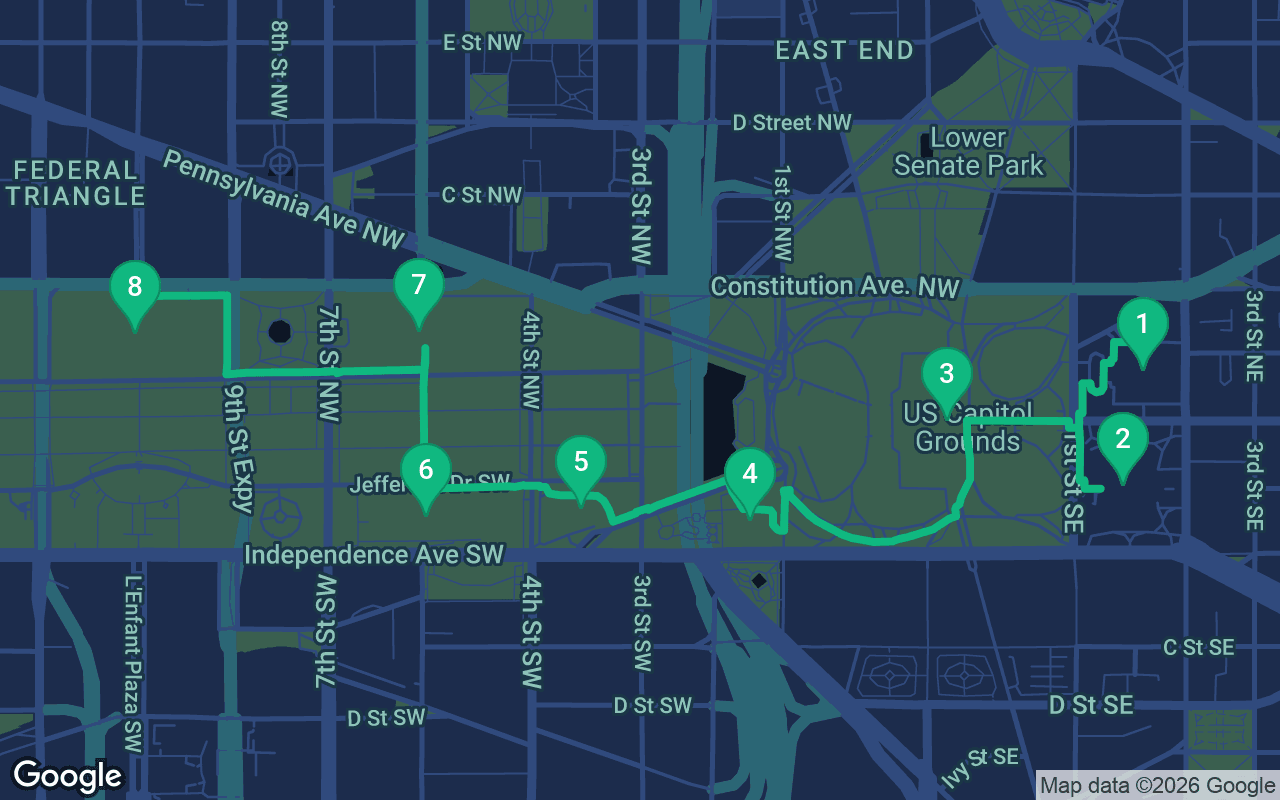
Примерно 3,3 км, около 46 минут в спокойном темпе.
Эта экскурсия озвучена
Нажмите «Воспроизвести» на первых 3 остановках, чтобы послушать 30-секундный фрагмент озвучки. В приложении вступление и эти остановки звучат полностью и бесплатно, а о каждой из них вас оповестит звуковой сигнал, когда вы до неё дойдёте. Вся экскурсия будет вашей за $8.99, это разовая покупка навсегда.
Совместимо с Garmin, Komoot, Strava, OS Maps и любыми приложениями для GPX.

Capitol Hill is where the three branches of the American government sit almost within shouting distance of each other, and just downhill lies the richest stretch of free museums anywhere in the country. This walk starts on the marble steps of the Supreme Court, crosses the street to the Library of Congress, rounds the Capitol, then drops down the hill to the Botanic Garden and walks the east end of the National Mall through four of the great national museums, finishing among the dinosaurs and diamonds of Natural History. It is about 3.3 kilometers, roughly two miles, and it pairs well with the memorials walk at the other end of the Mall, since the two share no stops. Of all our self-guided walking tours in Washington, this is the one to save for a day when you want to step indoors as well as look.
The walking is easy, under an hour of flat paths and sidewalks once you are down from the hill, with a gentle slope on the west side of the Capitol grounds. The real question is how much time you give the buildings. Done as a walk with quick looks inside, it takes two to three hours. Done properly, it could fill two days, so pick one or two interiors and promise yourself the rest another time. Most of these places are free, but some use timed entry passes at busy times, and the Capitol tours are best booked ahead, so check before you go. Expect security checks at most entrances, which means lines and a good reason to travel light. Weekday mornings are calmer, though Congress and the Court bring their own crowds when in session. The museum stretch of the Mall is open and sunny in summer, which makes the cool galleries a welcome break, and the Botanic Garden is a good place to warm up in winter. Start near Capitol South or Union Station Metro.
Stand at the foot of the broad white steps and look up at the words carved across the front: Equal Justice Under Law. This is the highest court in the United States, and it is younger than you might guess. For nearly a century and a half the Court had no home of its own, and for most of that time it borrowed rooms inside the Capitol across the street. It was William Howard Taft, the only man to serve as both president and chief justice, who pushed Congress for a proper building, and he chose the architect Cass Gilbert. Neither lived to see it finished in 1935. Gilbert gave it the look of a Roman temple in gleaming marble, and beside the steps sit two large figures by James Earle Fraser, a woman contemplating justice and a man representing the authority of law. Up in the pediment, among the sculpted figures, are said to be portraits of Taft and Gilbert themselves. The building has a sense of humor tucked inside: on the top floor is a small gym with a basketball court that staff call the highest court in the land. When cases are argued here, people sometimes line up overnight for the few public seats, so check before you go if you hope to watch. Now turn around and cross East Capitol Street to the south. The ornate building with the green dome is a two-minute walk.
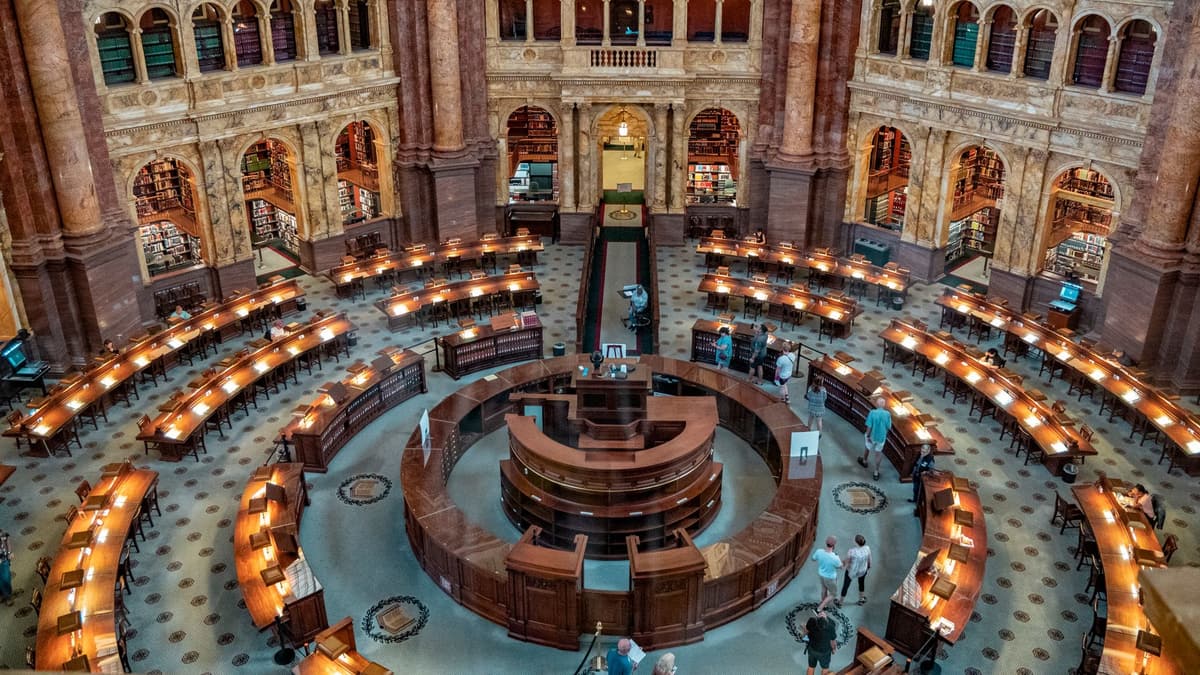
Stand on the sidewalk and look first at the fountain at street level, where a bronze Neptune lounges among sea creatures and spitting turtles. Then look up at the building behind him, the Thomas Jefferson Building, opened in 1897 and lavish in a way almost nothing else in Washington is. The Library of Congress began in 1800 as a reading collection for lawmakers inside the Capitol, and in 1814 British troops burned it along with the building. The man who rescued it was Thomas Jefferson, then retired, who sold Congress his own library of more than six thousand books to start again. A fire in 1851 destroyed much of that collection too, and the library rebuilt once more. Today it holds more than 170 million items, from maps and recordings to comic books, which makes it the largest library in the world by most measures. If you go inside, the Great Hall stops people in their tracks, all carved marble, gold leaf and painted ceilings. Climb to the gallery overlooking the Main Reading Room under the great dome, and look for one of the few perfect Gutenberg Bibles printed on vellum. A tunnel even runs underground from here to the Capitol. Back outside, walk west across First Street and onto the Capitol grounds. In about five minutes you are standing on the great plaza in front of the Capitol's east side.
 Find a spot on the east plaza and look up at the dome. It is not stone but painted cast iron, and it went up in the middle of the Civil War. Work could easily have stopped, but Lincoln is said to have wanted it to continue as a sign that the Union itself would go on. On top stands the bronze Statue of Freedom, and its story is worth knowing. When the plaster model had to be taken apart for casting, the man who worked out how to separate it was Philip Reid, an enslaved worker at the foundry. By the time Freedom was hoisted to the top in 1863, slavery had been abolished in the District, and Reid was free. Enslaved people helped build much of this building, from quarrying stone to laying it. George Washington laid the cornerstone in 1793, British soldiers set the building on fire in 1814, and it has been growing ever since. Inside, if you take the tour, you stand in the Rotunda beneath a fresco painted in 1865 by the Italian immigrant Constantino Brumidi, showing Washington rising into the heavens. The Capitol also sits at the center of the city's address system, and the four quadrants, northwest to southeast, all meet here. Walk around the south side of the building and down the hill to the west, following the paths toward the glass conservatory at the bottom. It takes about seven minutes.
Что входит
Наши экскурсии задуманы как медитативные и захватывающие: вы идёте и просто слушаете. Вместе всегда лучше, и приложение воспроизводит озвучку синхронно, так что вы, ваш партнёр и ваши друзья слышите каждую остановку одновременно.
You are at the door of a great glass greenhouse, and the moment you step inside, the warm wet air hits you.
Продолжение этой остановки есть в полной аудиоэкскурсии.
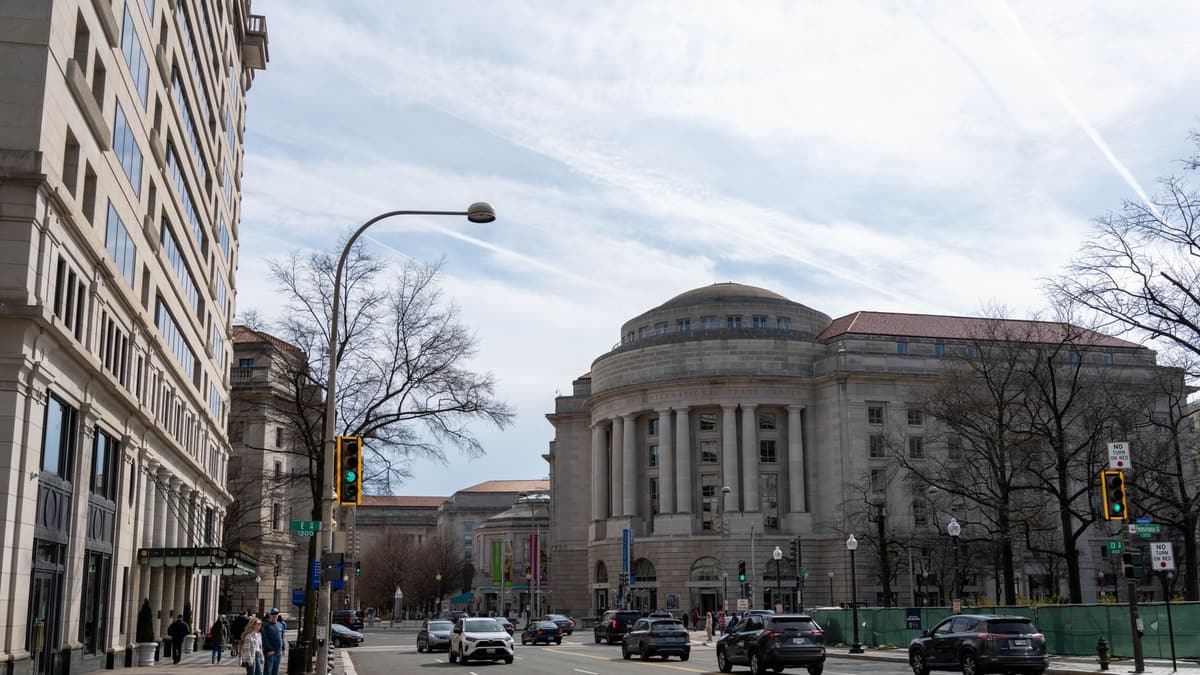
Stand back on the path and look at this building, the color of sandstone, with layered walls that curve and overhang like a cliff shaped by wind and water. That is exactly the idea.
Продолжение этой остановки есть в полной аудиоэкскурсии.
Walk up to the long building of pink marble and glass, opened on July 1, 1976, just in time for the nation's two hundredth birthday.
Продолжение этой остановки есть в полной аудиоэкскурсии.
You are standing at one of the finest art museums in the country, and like its neighbors it is free.
Продолжение этой остановки есть в полной аудиоэкскурсии.
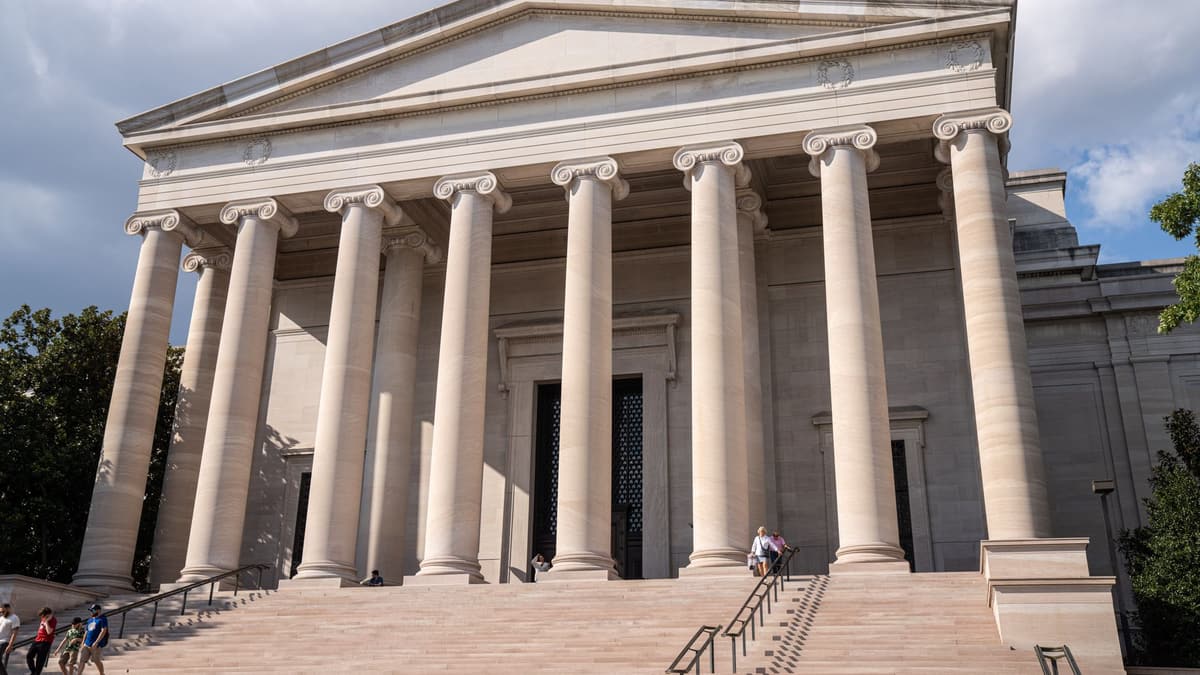
The walk ends at the steps of the National Museum of Natural History, opened in 1910 under its low green dome.
Продолжение этой остановки есть в полной аудиоэкскурсии.
Пройдите этот маршрут вместе с другими во время следующей запланированной прогулки.
Около 3,3 км, примерно 46 мин в спокойном темпе · 8 остановок
Друзья гуляют бесплатноOctober 11, 2026 · 9 min read
From the Hollandsche Schouwburg through the old Jewish Quarter, past the Dockworker and the Dam, to the Anne Frank House on the Prinsengracht.
October 11, 2026 · 11 min read
From Van Houten's street by the Vondelpark past Leidseplein, the Rijksmuseum passage and the famous canal bench to the Anne Frank House.

October 11, 2026 · 10 min read
Follow the last days of April and May 1945 from the Anhalter Bahnhof ruin past the Gestapo site and Brandenburg Gate to the Moltke Bridge and the Reichstag.
