




 $9.99Головне в місті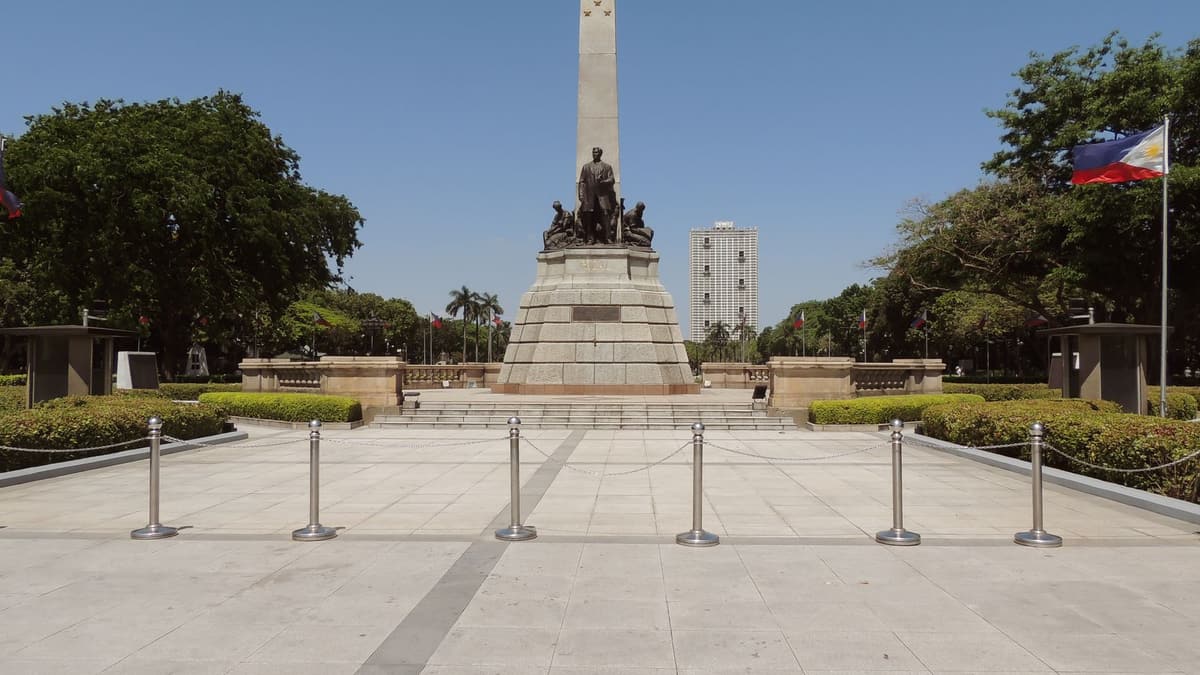
Аудіо Manila Пішохідні екскурсії
Самостійні пішохідні прогулянки з аудіосупроводом по Manila. Купуйте екскурсію один раз, завантажуйте та слухайте розповідь на кожній зупинці, гуляючи у власному темпі.
Екскурсії від $8.99
Друзі гуляють безкоштовно. Одна покупка покриває всіх учасників вашої прогулянки. Почніть тур, запросіть друзів приєднатися, і він відтворюватиметься на телефоні кожного у вашій групі.
5.0 на Google Play
Аудіоекскурсії по Manila
Кожна екскурсія, це спланований маршрут із розповіддю на кожній зупинці. Купуйте один раз і користуйтеся назавжди, без жодних підписок.
$9.99Головне в місті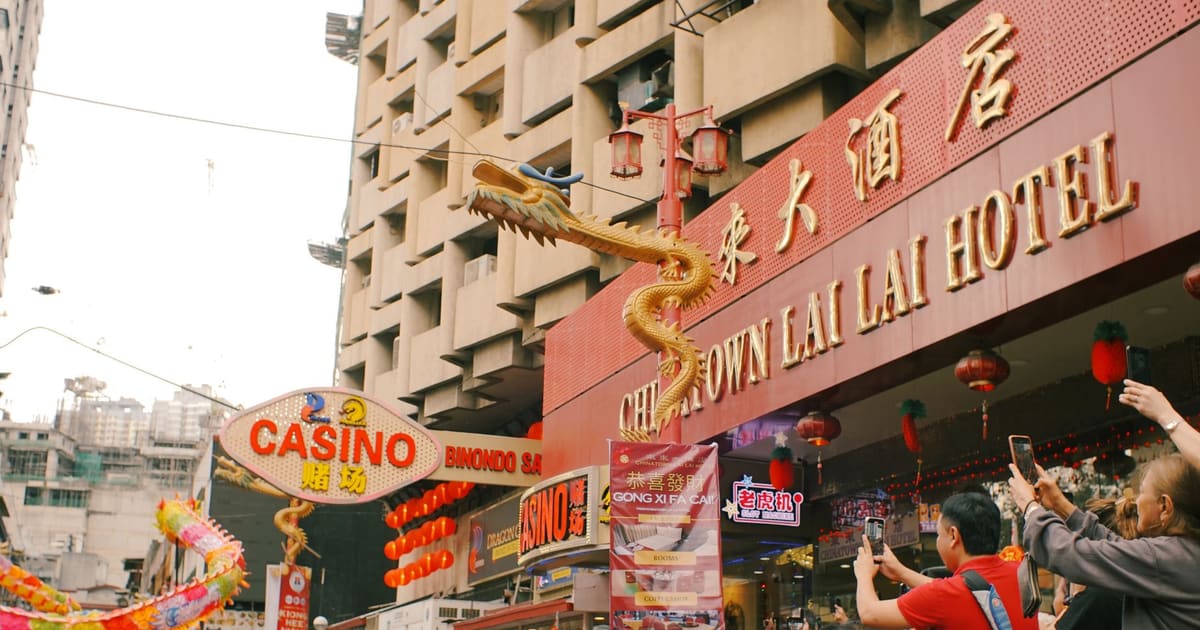 $8.99Головне в місті
Чого очікувати від аудіоекскурсії по Manila
Manila's two audio walks move from the stone bastions of the Spanish walled city to the crowded, incense scented streets of Quiapo and Binondo, tracing how a colonial capital and the oldest Chinatown in the world grew up side by side.
The Intramuros Walk starts at Fort Santiago by the mouth of the Pasig River, where José Rizal spent his last night before his execution, then runs the length of the walled city past Manila Cathedral and San Agustin Church, the oldest stone church in the Philippines, out through the Baluarte de San Diego bastion. From there it crosses Rizal Park to the Rizal Monument and the National Museum buildings on the park's eastern edge. It's about 4 kilometers and 54 minutes, flat the whole way.
The Quiapo to Binondo Walk begins at San Sebastian Church, the only all steel church in Asia, shipped from Belgium in prefabricated parts in the 1880s, then plunges into the crowds around Quiapo Church and its devotion to the Black Nazarene before cutting through old Santa Cruz toward the river.
From there the route follows faded, once fashionable Escolta Street to Binondo Church, in the district often called the oldest Chinatown in the world, finishing among the shops and lanterns of Lucky Chinatown. It's about 3 kilometers and 42 minutes, best walked with room left over for snacks along the way.
Де погуляти в Manila
Кілька зупинок, які ви проходитимете, і чому біля них варто затриматися.
Manila Cathedral
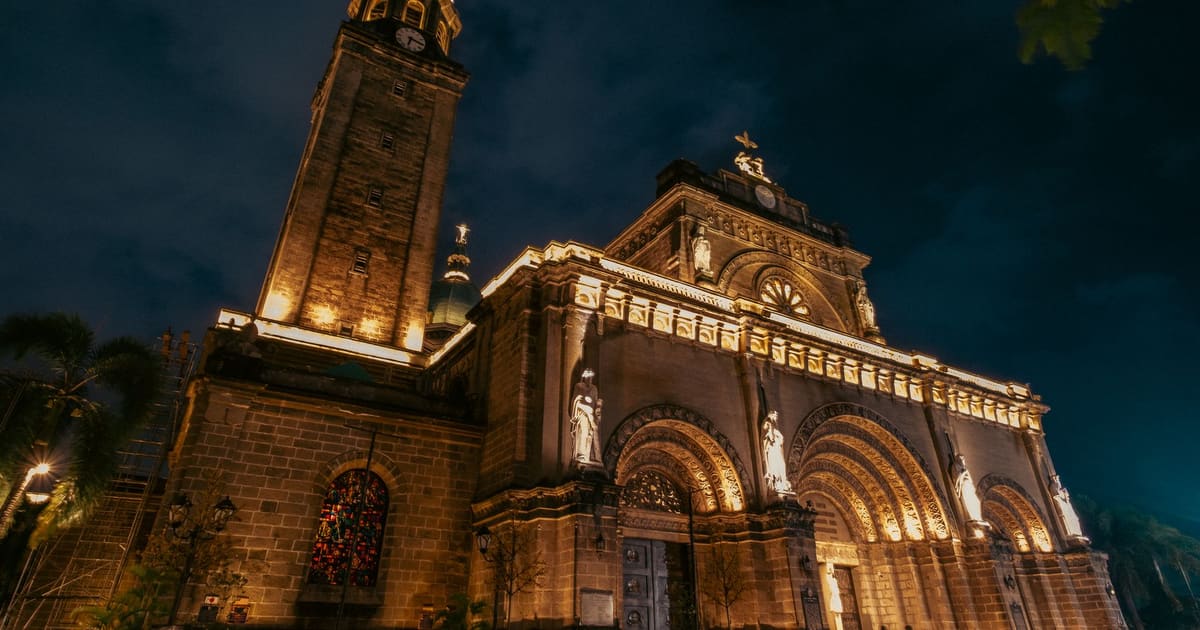
Manila Cathedral's stone facade glows under floodlight against the night sky, statues of saints lining the front above the arched main doors. This is the eighth cathedral to stand on this site since Manila became a diocese in 1579, its predecessors brought down one after another by typhoon, fire, earthquake and finally the battle that destroyed most of the walled city in 1945. The building in front of you was completed in 1958, rebuilt once again from the ruins of war. Plaza de Roma spreads out in front by day, once the ceremonial heart of the Spanish colony, ringed by the governor's palace and the old city hall.
Ongpin Street
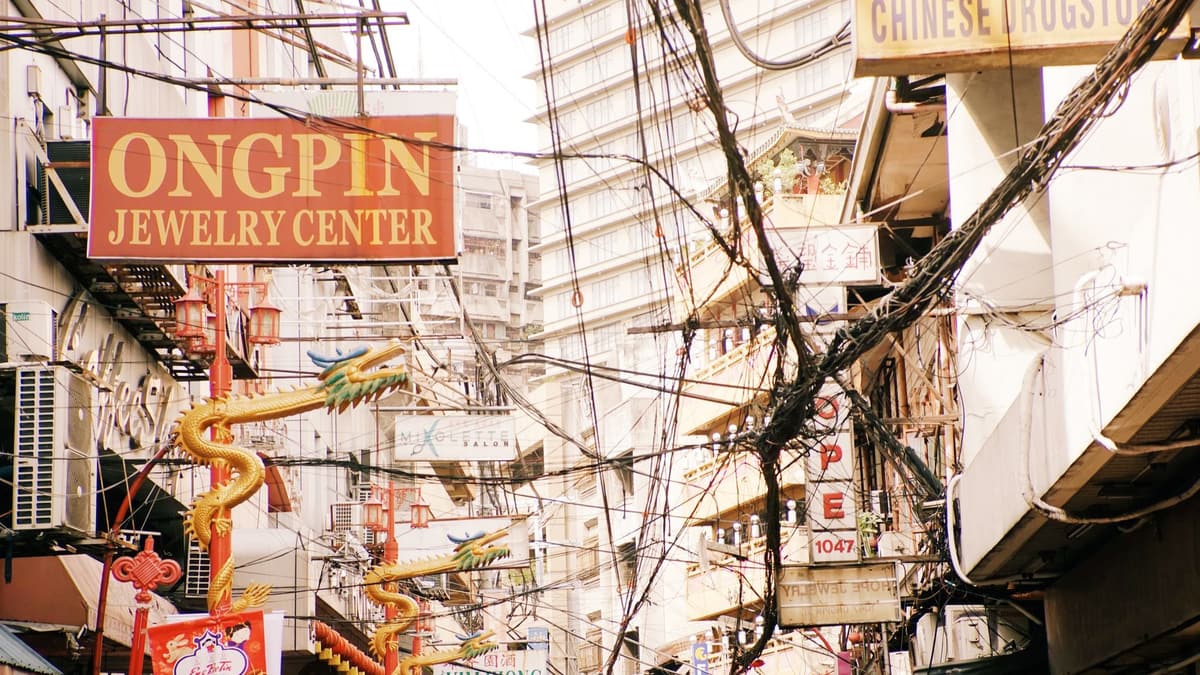
A red signboard for the Ongpin Jewelry Center hangs above tangled overhead wires and the stacked floors of Binondo's old shophouses, with dragon ornaments and Chinese signage worked into the streetscape nearby. Ongpin Street is named after Román Ongpin, a Chinese Filipino businessman who backed the revolution against Spain, and it still runs as Chinatown's main commercial spine, lined with jewelers, pharmacies and food stalls selling hopia, steamed buns and fresh lumpia. The crowded wiring overhead is as much a part of the scene as the signage. This is the street to detour down when hunger strikes, since it rewards wandering more than any fixed stop on the route.
Lucky Chinatown
A golden dragon curls around a lamppost in front of the Chinatown Lai Lai Hotel, its red signage and paper lanterns announcing one of Binondo's busiest corners. This modern stretch of Chinatown sits a world away from the steel Gothic of San Sebastian Church where this walk begins, but it's exactly the kind of lively, commercial energy that makes Binondo worth finishing on. Visitors pause here to photograph the dragon, a popular stop even though it's not a historic landmark. Binondo is at its most exuberant during Chinese New Year, when lion and dragon dances fill these same streets and firecrackers crackle long into the night.

Quiapo Church and the Black Nazarene
A dense crowd packs tightly around a dark wooden image lifted above their heads, hands reaching up from every direction to touch it. This is devotion to the Black Nazarene, a life size statue of Christ bowed under the weight of the cross, carved in Mexico and brought to Manila by galleon in 1606. Fridays are its day, with Masses running one after another at Quiapo Church, and on January 9 the Traslación procession carries the statue from Rizal Park back to the church in a crowd that can take most of a day to pass. Devotees, many of them men, credit the image with healings and answered prayers.
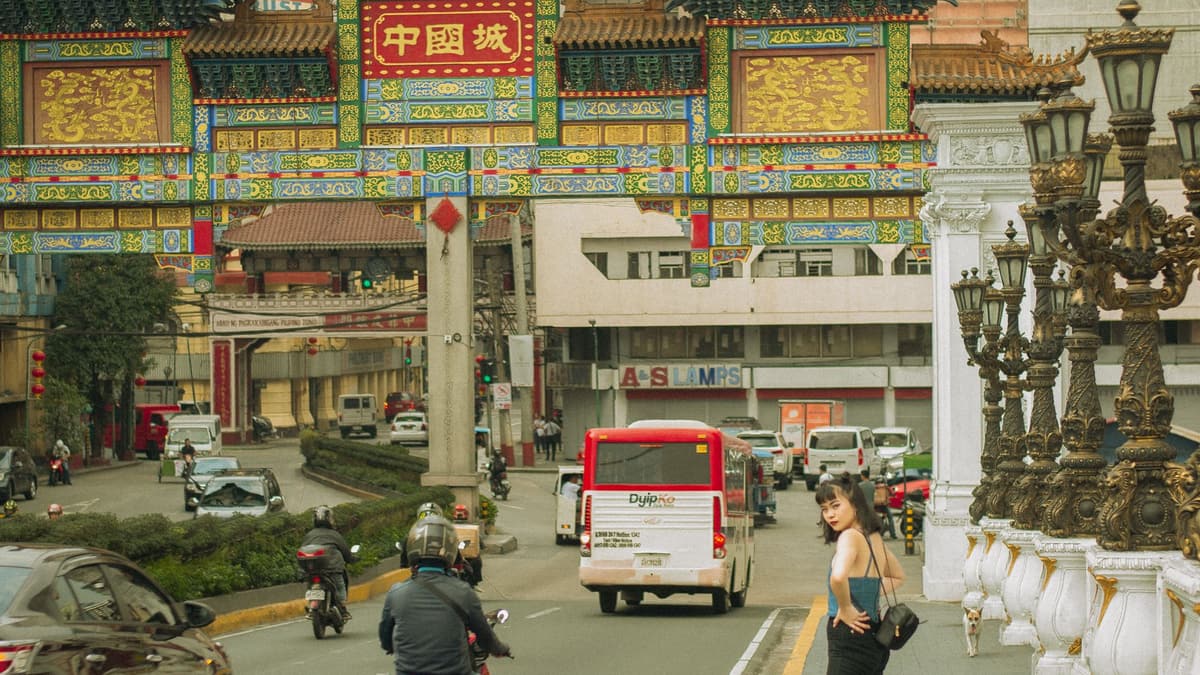
Binondo's Chinatown Gate
An ornately painted arch spans the road into Binondo, its red and gold panels carrying the Chinese characters for Chinatown above a steady stream of jeepneys, motorbikes and pedestrians. Chinese traders settled in this district from 1594, after the Spanish granted land here to Chinese converts to Catholicism and their families, which is why Binondo is so often called the oldest Chinatown in the world. The gate marks the shift from the faded grandeur of nearby Escolta Street into the dense, busy blocks of shops, restaurants and gold dealers that still define the neighborhood. Traffic rarely lets up here, so crossing takes patience and a careful eye on the lights.
Почніть аудіоекскурсію за 3 прості кроки
Усе в безкоштовному застосунку Walk With Me, а перші зупинки кожної екскурсії можна послухати безкоштовно.
Торкніться золотих навушників і виберіть екскурсію
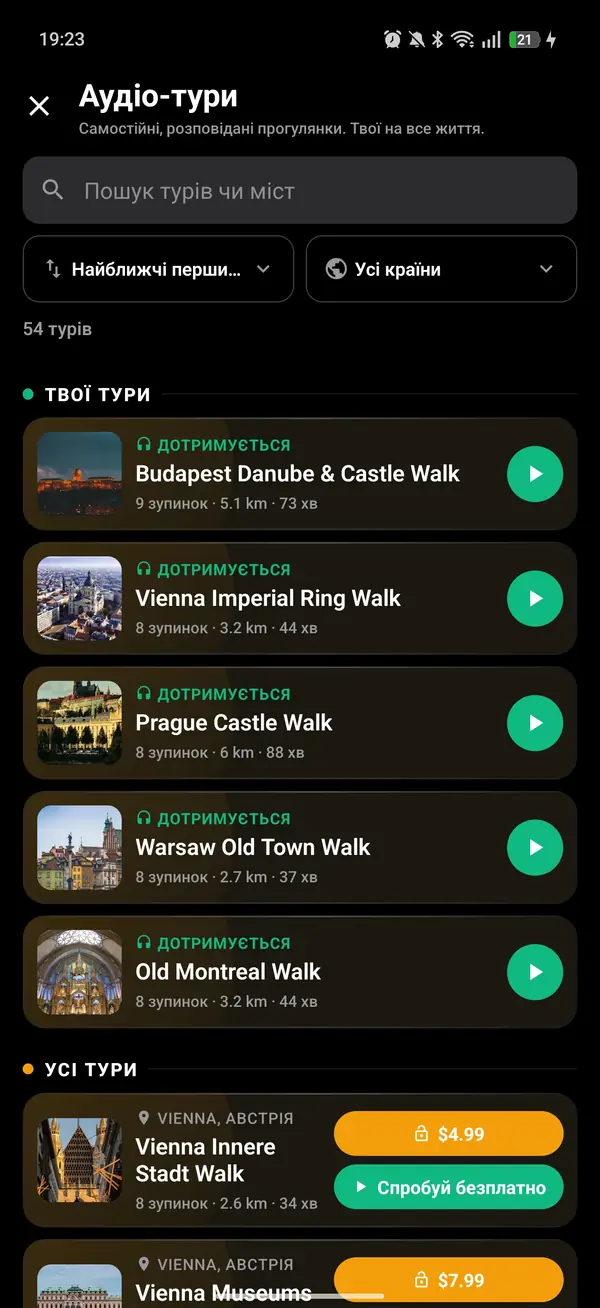
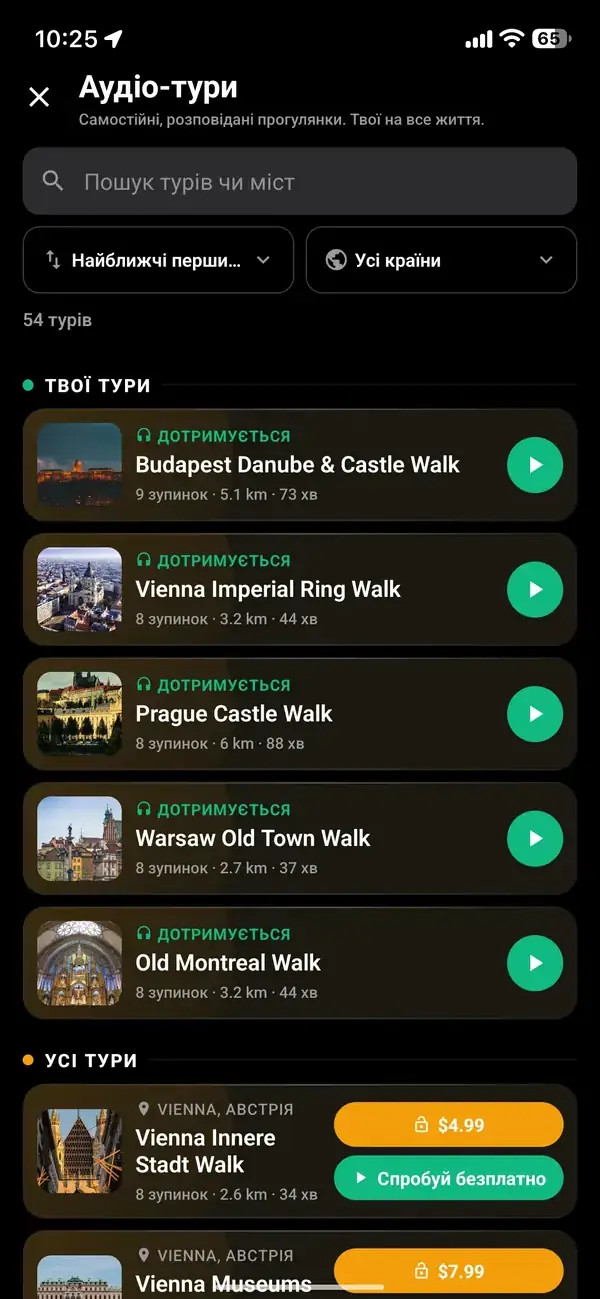
01
Ідіть самі або запросіть когось
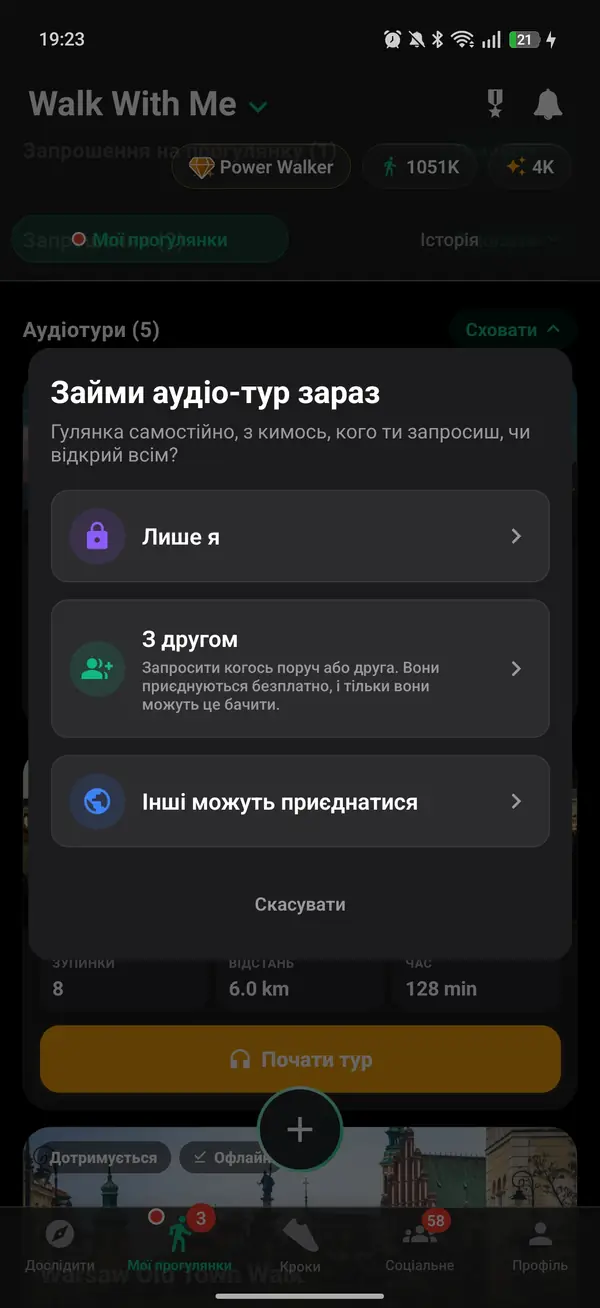
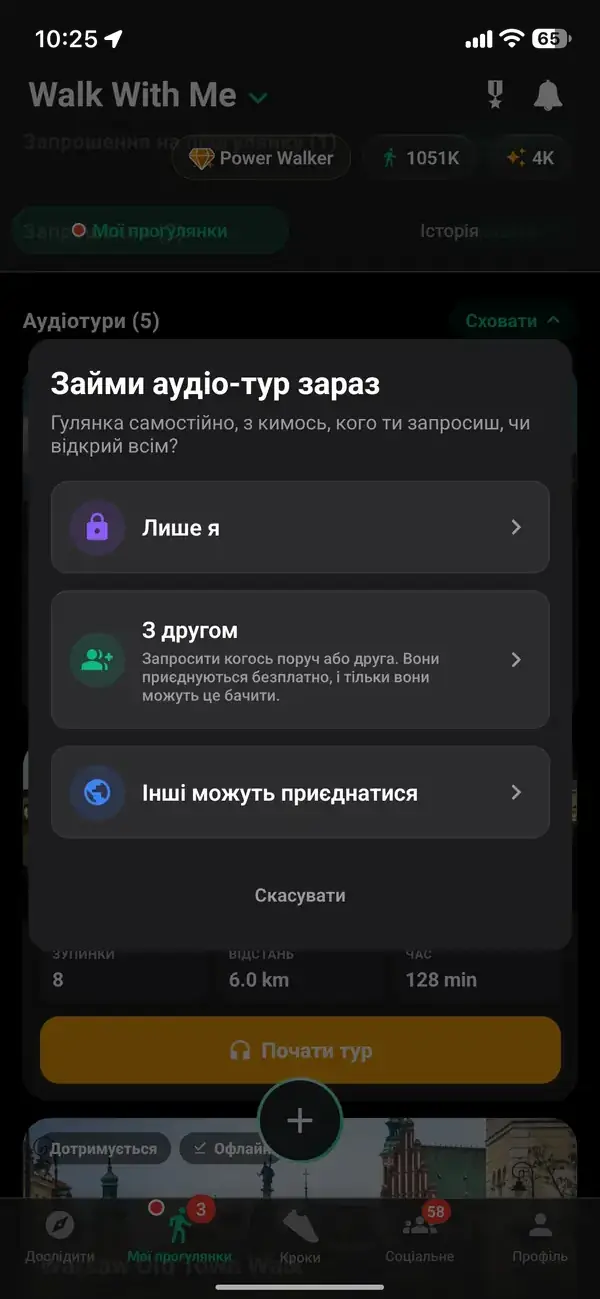
02
Натисніть «play» і йдіть
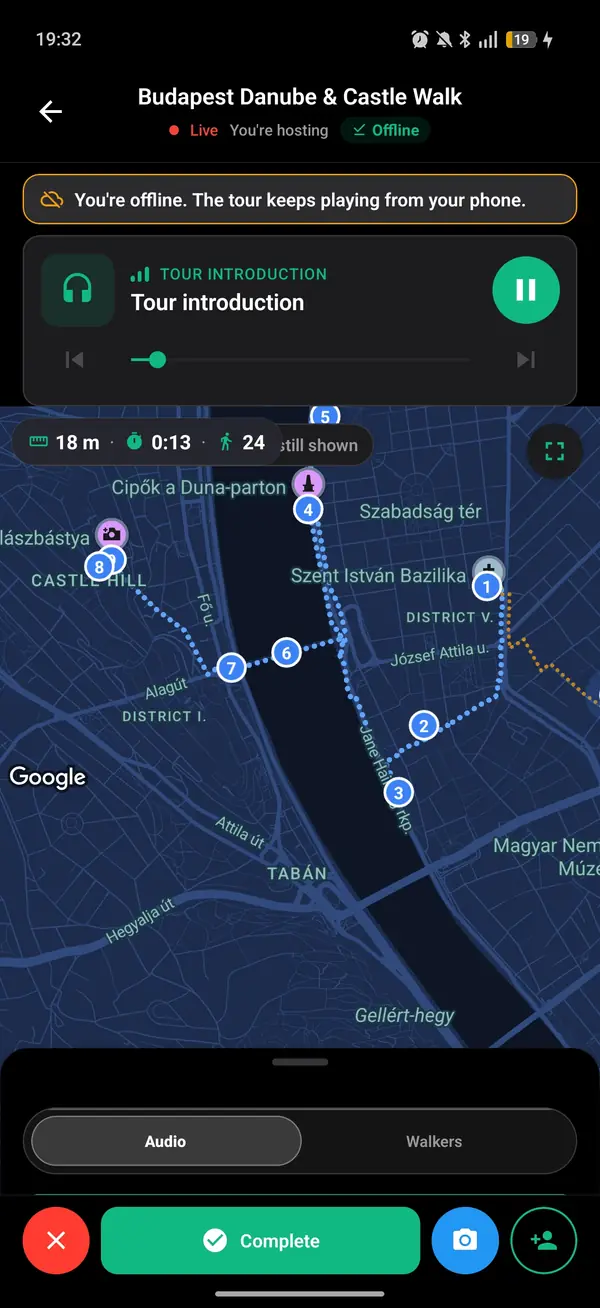
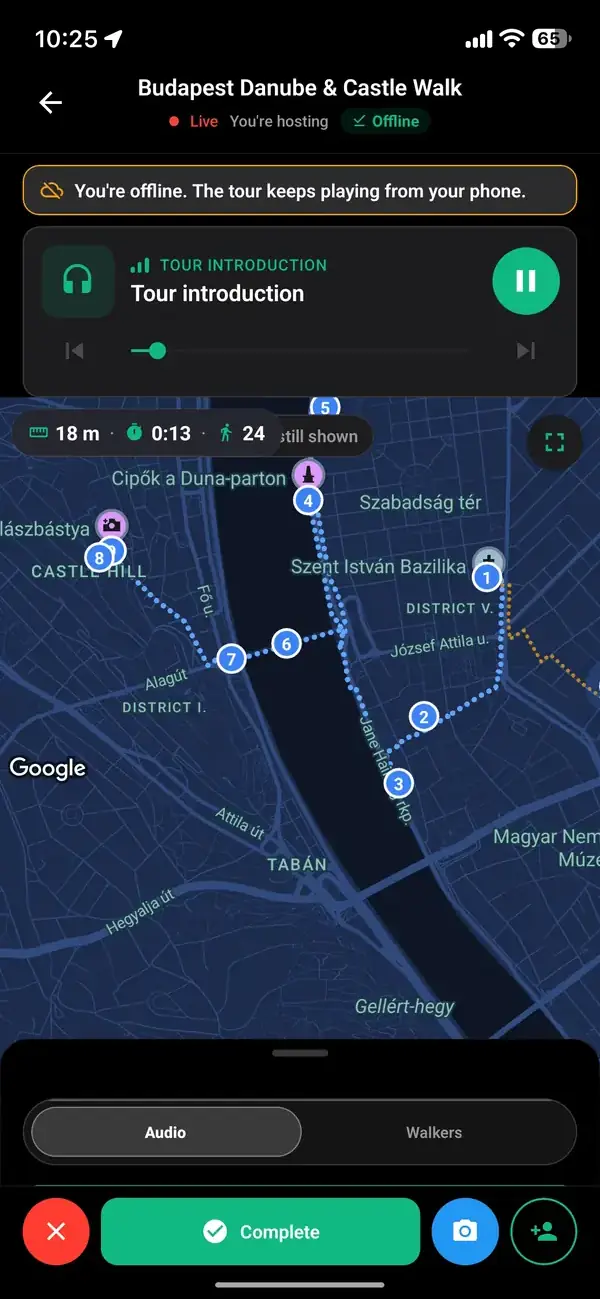
03
Створені з любов'ю для вашого часу в місті
Ці екскурсії не список пам'яток, які треба відмітити. Їх варто проходити неспішно, у навушниках і з поглядом на місто.
Медитативні та захопливі
Кожна історія звучить там, де вона сталася. Застосунок подає сигнал, коли ви доходите до зупинки, один дотик запускає розповідь, а шлях між зупинками належить вам, у вашому темпі.
Зроблені вручну, з турботою
Ми самі обираємо кожен маршрут і кожну зупинку та дбайливо створюємо кожну історію, щоб ваш час у місті пішов на місця, які справді того варті.
Удвох краще
Будь-яка прогулянка краща, коли поруч хтось є, тож якщо можете взяти когось із собою, дуже радимо це зробити. Саме тому одна покупка покриває всіх, кого ви запросите: вони приєднуються до вашої екскурсії безкоштовно.