September 2, 2026 · 9 min read
Edinburgh Royal Mile Walking Route
Discover the ultimate edinburgh royal mile walking route, a self-guided journey from the volcanic heights of the castle down to the palace gates.
507
August 18, 2026 · 10 min read
Do this walk with other people on the next scheduled tour.
About 3.7 km, roughly 51 minutes at an easy pace · 8 stops
Audio tour · 14 min narrated$9.99 one-time
Kyoto is a city that demands you slow down to a crawl.
If you try to rush through its ancient wooden alleys or zip between temple gates in a taxi, you will miss the entire magic. To truly feel the heartbeat of Japan's cultural capital, you need to tie up your laces and explore on foot. This self-guided kyoto gion walking tour is designed to take you through the historic core of Higashiyama and Gion, showing you the quiet side streets, hidden temple courtyards, and willow-lined canals where history still feels very much alive. We will explore everything from towering hillside temples to the quiet wooden machiya houses where geiko and maiko still live and work. By the time we finish, you will see why this city is best experienced one slow step at a time.
Before you lace up your shoes, let's talk about what to expect. This route covers roughly seven kilometers of walking, starting high up on the slopes of Higashiyama and winding down into the flat, atmospheric streets of Gion. It will take you about two and a half hours at a comfortable stroll, but you should budget at least four hours to allow for temple visits, tea breaks, and plenty of photos. The best time to start is early morning, around 8:00 AM. This lets you experience the popular hillside slopes before the crowds arrive, leaving you to explore Gion just as the afternoon light begins to soften. Wear comfortable shoes with good grip because the stone-paved slopes can be slippery, especially if it rains. Keep some cash on hand for temple entrance fees and small street food treats along the way.
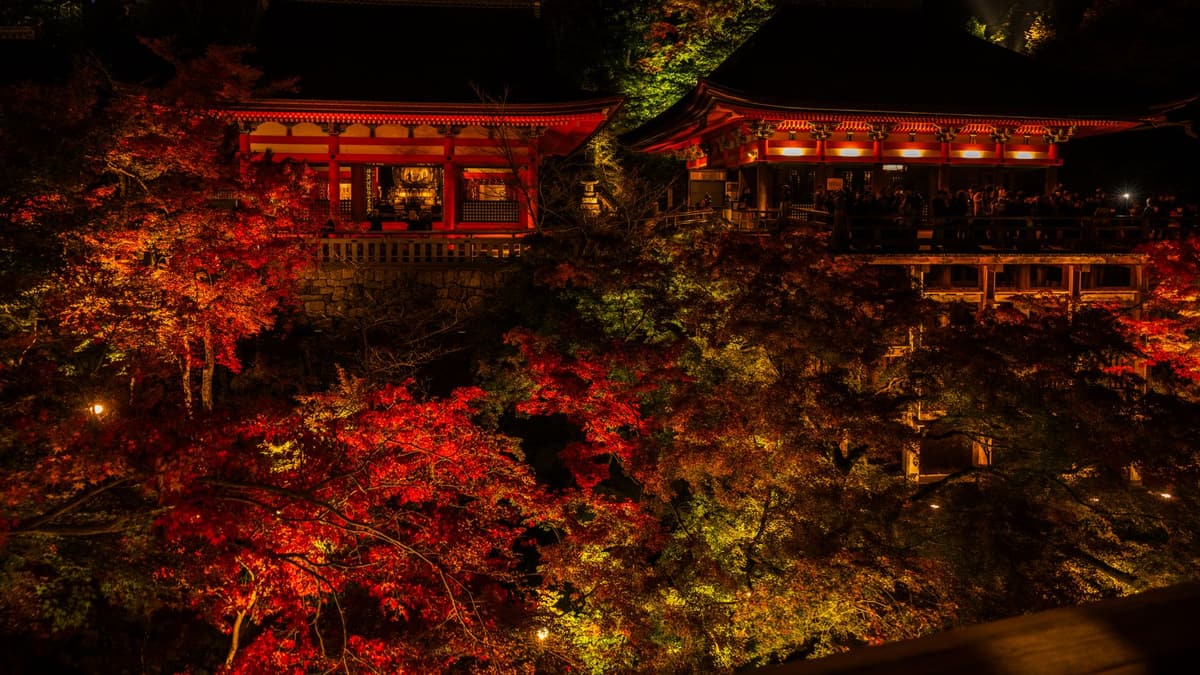
We begin our walk at one of Kyoto's most magnificent landmarks, perched high on the cliffs of Mount Otowa. Kiyomizu-dera, which translates to Pure Water Temple, was founded in the late eighth century and offers some of the most dramatic views in the country. As you walk up the approach, the massive red Niomon gate greets you, standing as a guardian to the temple grounds. The main hall is a marvel of ancient Japanese engineering, featuring a massive wooden stage that juts out over the hillside. This entire structure was built without using a single nail, relying instead on complex interlocking joints. Standing on this stage, you look out over a sea of maple and cherry trees, with the modern skyline of Kyoto sprawling in the distance. Below the main hall, you will find the Otowa Waterfall, where three distinct streams of water flow into a pond. Visitors use long cups to drink from the streams, which are said to grant health, longevity, or success in studies. Take your time wandering the peaceful forest paths surrounding the main complex before we begin our descent into the historic streets below.
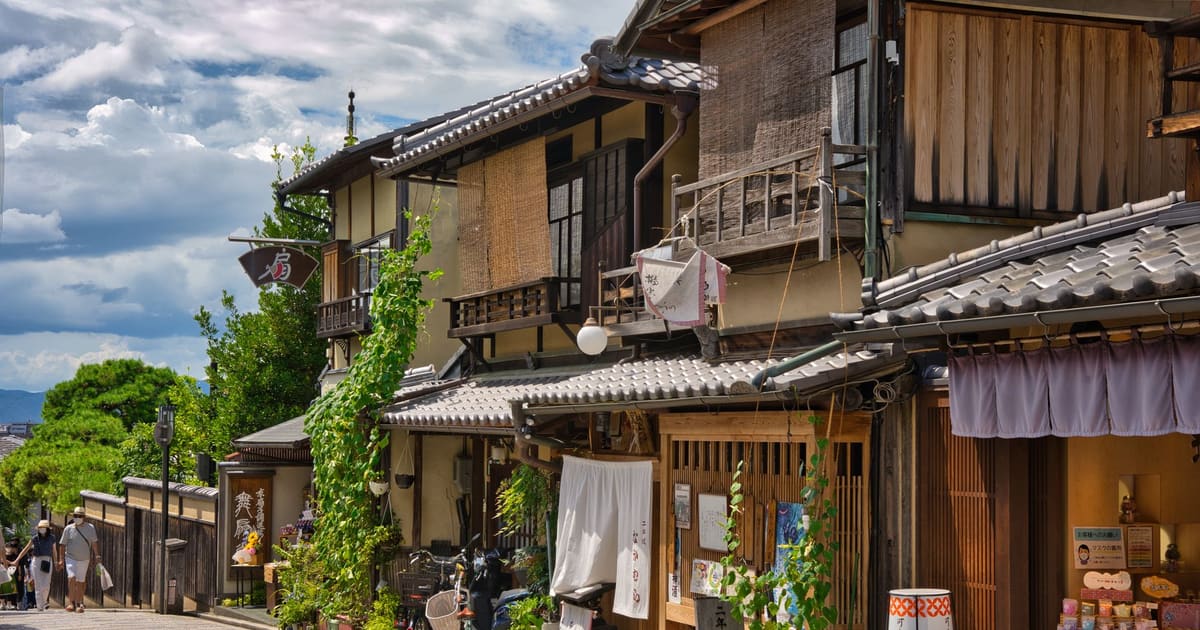
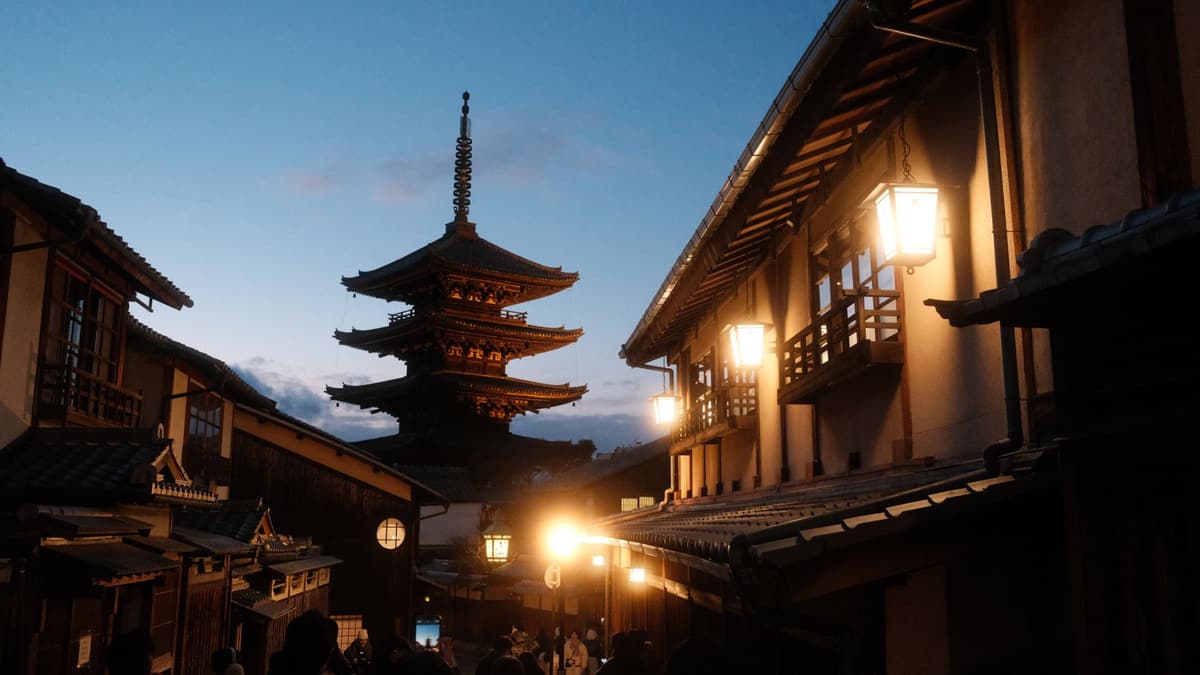
Leaving the temple grounds, we walk down into the beautifully preserved streets of Sannenzaka and Ninenzaka. These sloping, stone-paved pedestrian paths are lined with traditional wooden machiya houses, tea shops, and local craft boutiques. Walking here feels like stepping directly into a classic woodblock print. The sloping paths are steep, and every corner offers a new view of classic tiled roofs and paper lanterns. There is a local legend that if you slip and fall on these steps, you will be cursed with bad luck or even death within three years. Naturally, I spent my first walk here staring entirely at my own feet, ignoring the beautiful architecture, just praying my worn-out sneakers wouldn't betray me. Fortunately, the curse can apparently be broken by buying a specific paper gourd from a local shop, which is a brilliant bit of medieval marketing. Today, the streets are filled with the scent of roasted green tea and sweet incense. Take your time browsing the shops selling local pottery, folding fans, and traditional sweets. The flow of this path naturally leads you downhill, guiding us toward our next peaceful sanctuary.
As the crowds of the main slopes begin to thin, we arrive at Kodai-ji Temple. Established in 1606 by Nene, the widow of the prominent historical figure Toyotomi Hideyoshi, this temple is a masterpiece of Zen design. The grounds are incredibly peaceful, offering a quiet contrast to the bustling streets we just left. Walking through the temple, you will encounter stunning Zen rock gardens, where raked gravel represents the ripples of water, and beautifully manicured pine trees frame the wooden pavilions. One of the highlights here is the Garyu-ko, a pond that reflects the surrounding maple trees and a wooden bridge shaped like a dragon's back. Behind the main temple buildings, a path winds up into a small, dense bamboo grove. While not as famous as the massive bamboo forest in Arashiyama, this grove is much quieter and allows you to enjoy the rustling sound of bamboo stalks in peace. The trail leads you through the gardens and down toward the edge of Maruyama Park, setting us up perfectly for our entry into Gion proper.
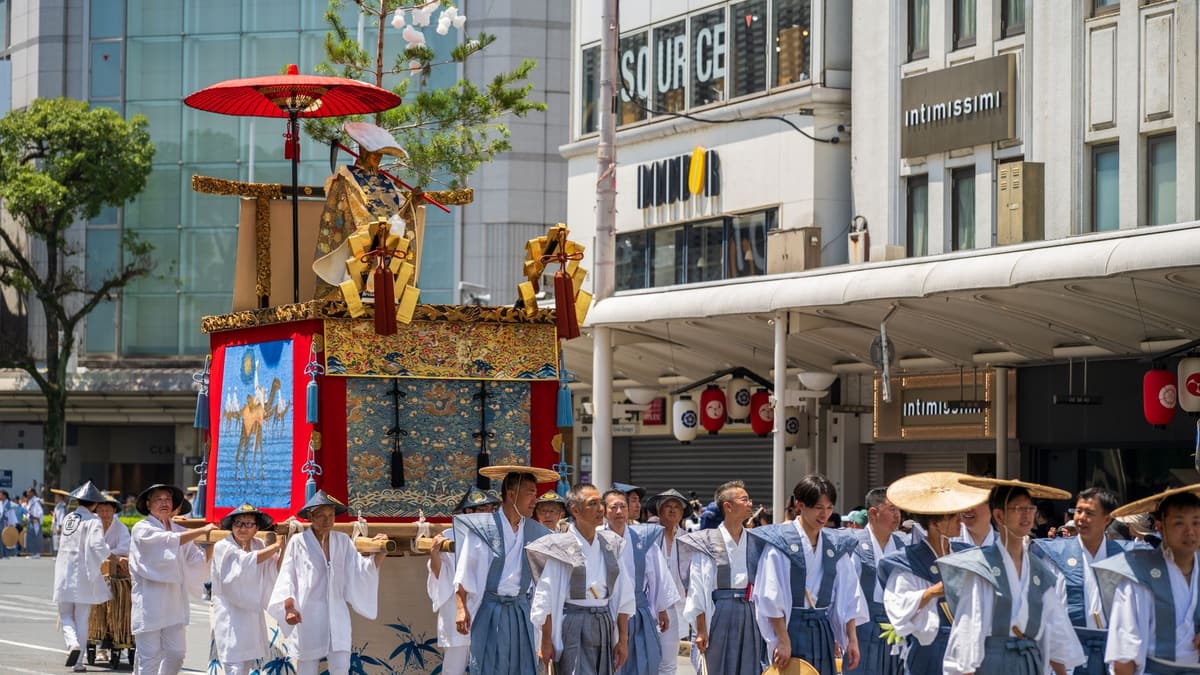
We exit the quiet park and find ourselves standing before the vibrant vermilion gates of Yasaka Shrine, also known as Gion Shrine. Founded over 1350 years ago, this shrine sits at the bustling intersection of Higashiyama and Gion, acting as a spiritual bridge between the two districts. As you walk through the main gate, the energy of the city returns. The central courtyard features a massive dance stage decorated with hundreds of paper lanterns. Each lantern bears the name of a local business or geisha house that sponsored it, and they are lit up every evening, casting a warm, golden glow across the gravel grounds. Yasaka Shrine is dedicated to Susanoo-no-Mikoto, the Shinto god of sea and storms, and is famous for hosting the Gion Matsuri, one of Japan's most massive festivals. Walk slowly through the shrine grounds, observing locals as they offer prayers, ring the heavy brass bells, and purchase protective amulets. When you are ready, we will exit through the main western gate, which faces Shijo-dori, and transition into the historic geisha districts.
Sometimes the best way to find the real Kyoto is to simply turn left when everyone else is turning right.
Slipping away from the noisy main road, we enter the quiet, sprawling grounds of Kennin-ji Temple, the oldest Zen temple in Kyoto. Founded in 1202 by the monk Eisai, who introduced Zen Buddhism and tea cultivation to Japan, this temple is a sanctuary of calm. The architecture here is simple, elegant, and deeply grounded in Zen philosophy. Inside the main hall, you can sit on the smooth wooden corridors and gaze out at the dry landscape gardens, where large mossy boulders rise from sea-like expanses of white sand. The true highlight of Kennin-ji, however, requires you to look up. In the Hatto hall, the ceiling is covered by a monumental painting of two swirling, ink-brushed dragons, created in 2002 to commemorate the temple's 800th anniversary. The scale of the artwork is breathtaking, and standing beneath it feels incredibly humbling. The quiet atmosphere here encourages you to slow your breathing and match the deliberate, peaceful pace of the monks who still train on these grounds. It is the perfect mental palate cleanser before we explore the historic streets of the geisha world.
Just a short walk from Kennin-ji lies Hanamikoji Street, the primary artery of Gion's geisha district. This street is lined with prestigious ochaya, or teahouses, where geiko and maiko, the apprentice geisha, perform traditional arts for exclusive guests. The architecture here is stunning, characterized by dark wooden lattice windows and low-slung roofs that hide the private worlds inside. Walking down this street in the late afternoon, you might catch a fleeting glimpse of a maiko in her elaborate kimono, hurrying to an evening appointment. It is crucial to remember that these women are professionals on their way to work, not tourist attractions. Kyoto has recently implemented strict rules to protect their privacy, so please respect all signs, do not touch their kimonos, and do not block their path for photos. Instead, appreciate the preservation of this living culture from a respectful distance. The street itself is a beautiful example of historic preservation, with all modern utility lines buried underground to keep the view of the historic wooden buildings completely unobstructed.
From the bustling main stretch of Hanamikoji, we wind our way north toward the Gion Tatsumi Bridge. This small wooden bridge arches over the Shirakawa Canal and is perhaps one of the most photographed spots in all of Kyoto, and for good reason. Standing on the bridge, you are surrounded by cherry blossom trees that drape over the water, weeping willows that sway in the breeze, and the beautiful wooden facades of traditional restaurants. Directly next to the bridge sits the tiny Tatsumi Daimyojin Shrine, a local Shinto shrine dedicated to the preservation of the performing arts. Local geiko and maiko frequently visit this shrine to pray for improvement in their dancing and music skills. The scene here feels incredibly intimate, especially as the lanterns begin to flicker on at dusk. Watch how the light reflects off the gently flowing water and the polished stone pathways. It is a place that captures the romantic, mysterious essence of old Kyoto like nowhere else.
We conclude our walking journey by strolling along the Shirakawa Canal, which runs parallel to the main Shirakawa River. This path is significantly quieter than the busy streets of central Gion, offering a peaceful, romantic walk under the shade of ancient trees. On one side of the canal, historic ochaya feature large windows that look out directly over the water, allowing guests inside to dine while listening to the gentle flow of the stream. On our side, the stone-paved path is quiet and perfect for a slow, reflective stroll. The sound of water running over stones, the rustle of willow leaves, and the occasional soft laughter from a nearby restaurant create a beautiful soundtrack for the end of our walk. It is a place where you can truly appreciate the Japanese concept of "mono no aware," a gentle awareness of the impermanence of things and the beauty that comes with it. Take a moment to sit on one of the benches along the water, letting the calm atmosphere of this historic canal wash over you.
Our walk ends here along the quiet banks of the Shirakawa Canal, just steps away from the heart of the city. While you can easily take buses or trains to get close to these landmarks, there is no substitute for exploring Kyoto on foot. Walking allows you to notice the small details that make this city so special: the smell of cedar wood warming in the sun, the soft sound of wooden sandals clicking against stone streets, and the tiny Shinto altars tucked into the corners of residential alleys. When you travel by car or bus, you only see the famous destinations, but when you walk, you experience the spaces in between, which are often where the real magic of Kyoto hides. It is in those quiet moments, away from the crowds, where the ancient capital truly speaks to you. If you are looking to share these kinds of quiet, meaningful discoveries with others, you can find like-minded people to walk with on the Walk With Me live map. It is a simple, social way to turn any stroll into a shared memory, whether you are exploring your own backyard or walking through the historic streets of Kyoto.
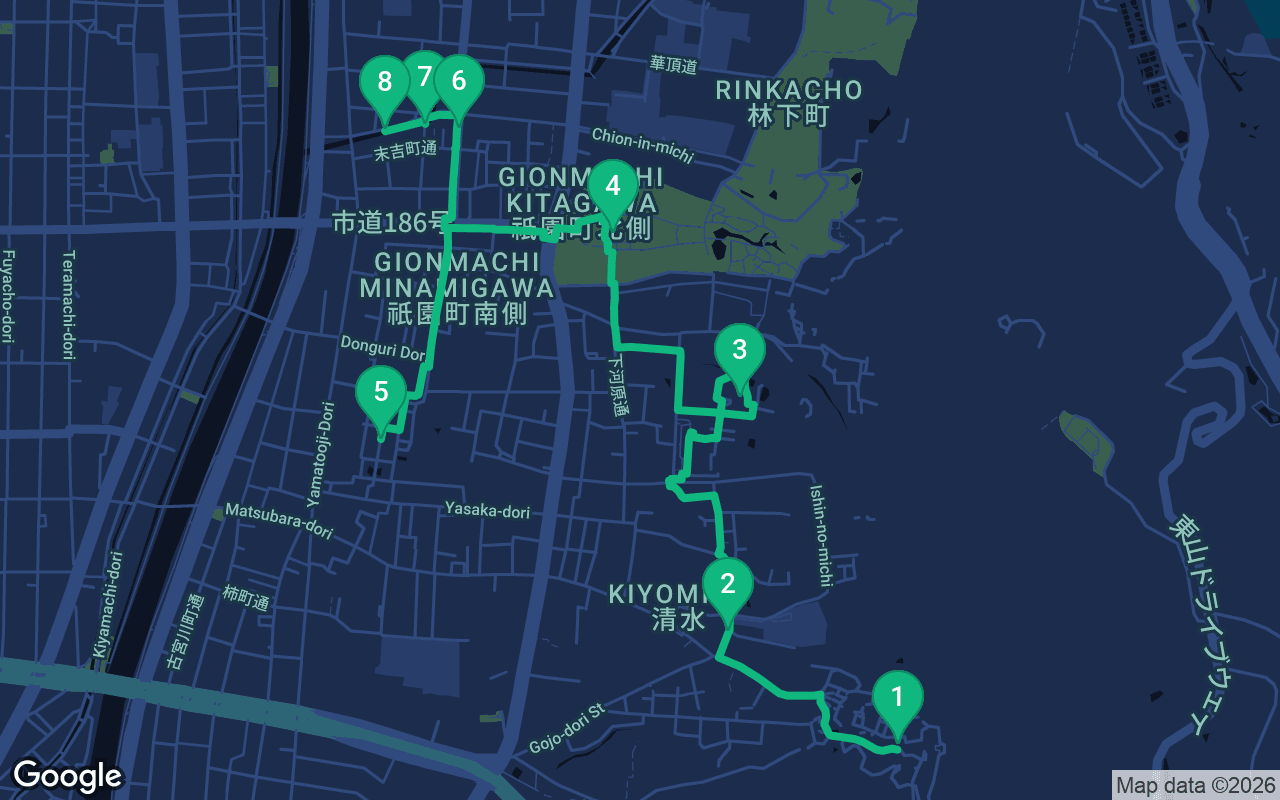
Every stop from this walk through Kyoto, Japan, in order.
About 3.7 km, roughly 51 minutes at an easy pace.
This tour is narrated
Walk it with the app and a narrator tells the story at every stop, triggered automatically as you arrive. The intro and the first 3 stops are free to sample, and you can unlock the whole narrated tour for $9.99, a one-time purchase you keep for good.
Works with Garmin, Komoot, Strava, OS Maps and any GPX app.
September 2, 2026 · 9 min read
Discover the ultimate edinburgh royal mile walking route, a self-guided journey from the volcanic heights of the castle down to the palace gates.
August 29, 2026 · 10 min read
Experience the soul of Lisbon on this self-guided lisbon alfama walking tour, featuring breathtaking castle views, historic cathedrals, and hidden fado alleys.
August 28, 2026 · 9 min read
A self-guided Amsterdam walking tour through the Jordaan, past the Westerkerk, the Anne Frank House, hidden courtyards and the Nine Streets.