




 $6.99Stadshighlights
Jászberény Audio Wandeltochten
Zelfgidstende, ingesproken wandelingen door Jászberény. Koop een tour eenmalig, download hem en laat het verhaal bij elke stop afspelen terwijl je in je eigen tempo wandelt.
Tours vanaf $6.99
Vrienden lopen gratis mee. Eén aankoop dekt iedereen op jouw wandeling. Start de tour, nodig je vrienden uit om mee te doen, en hij speelt af op elke telefoon in jouw groep.
5.0 op Google Play
Audiotours in Jászberény
Elke tour is een uitgestippelde route met audio bij elke stop. Koop hem eenmalig en hij blijft van jou, zonder abonnement.
$6.99StadshighlightsWat kun je verwachten van een audiotour door Jászberény
A Jászberény audio walk follows the long main square of the old Jász capital, from a shepherd's well past Lehel's Horn, the house where a whole people bought back their freedom and the church with a crown on its tower, then down to the Zagyva and a Gothic friary the Turks once made a fort.
The walk starts at the Bundás Well, a shepherd in his sheepskin bunda set on an artesian well in 1912, and follows the square north to the Jász Museum, home of Lehel's Horn, carved from a single elephant tusk and covered in tiny hunters, lions and centaurs. Next comes the Jászkun District House, where the story of the Redemption of 1745 is told.
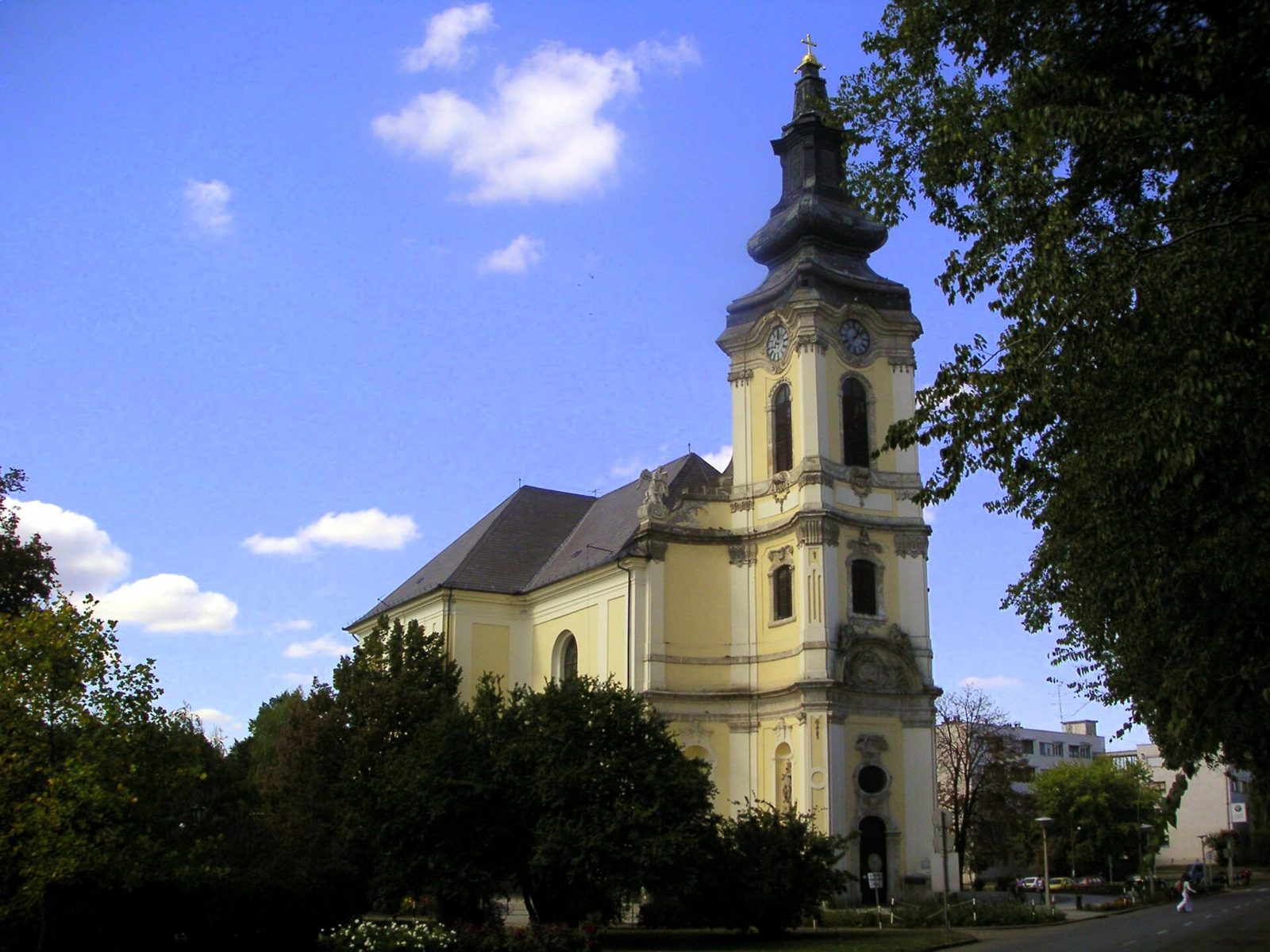
At the Great Church of the Assumption, look for the copy of the Holy Crown of Hungary under the cross, set there in place of the usual ball in 1802. The route then turns west to the Stone Bridge over the Zagyva, built in 1805 and 1806, blown up in 1944 and rebuilt, and follows the riverside promenade to the bust of the actress Déryné on Margit Island.
It ends at the Franciscan church and friary, the oldest building in town, begun around 1460. It's a little under two kilometers, about 25 minutes of walking, flat throughout on paved squares and a shaded riverside path, so it works with a stroller, and there are cafés and benches all along the main square.
Waar te wandelen in Jászberény
Een paar van de stops waar je langskomt, en waarom ze de moeite waard zijn om even bij stil te staan.
Jászkun District House
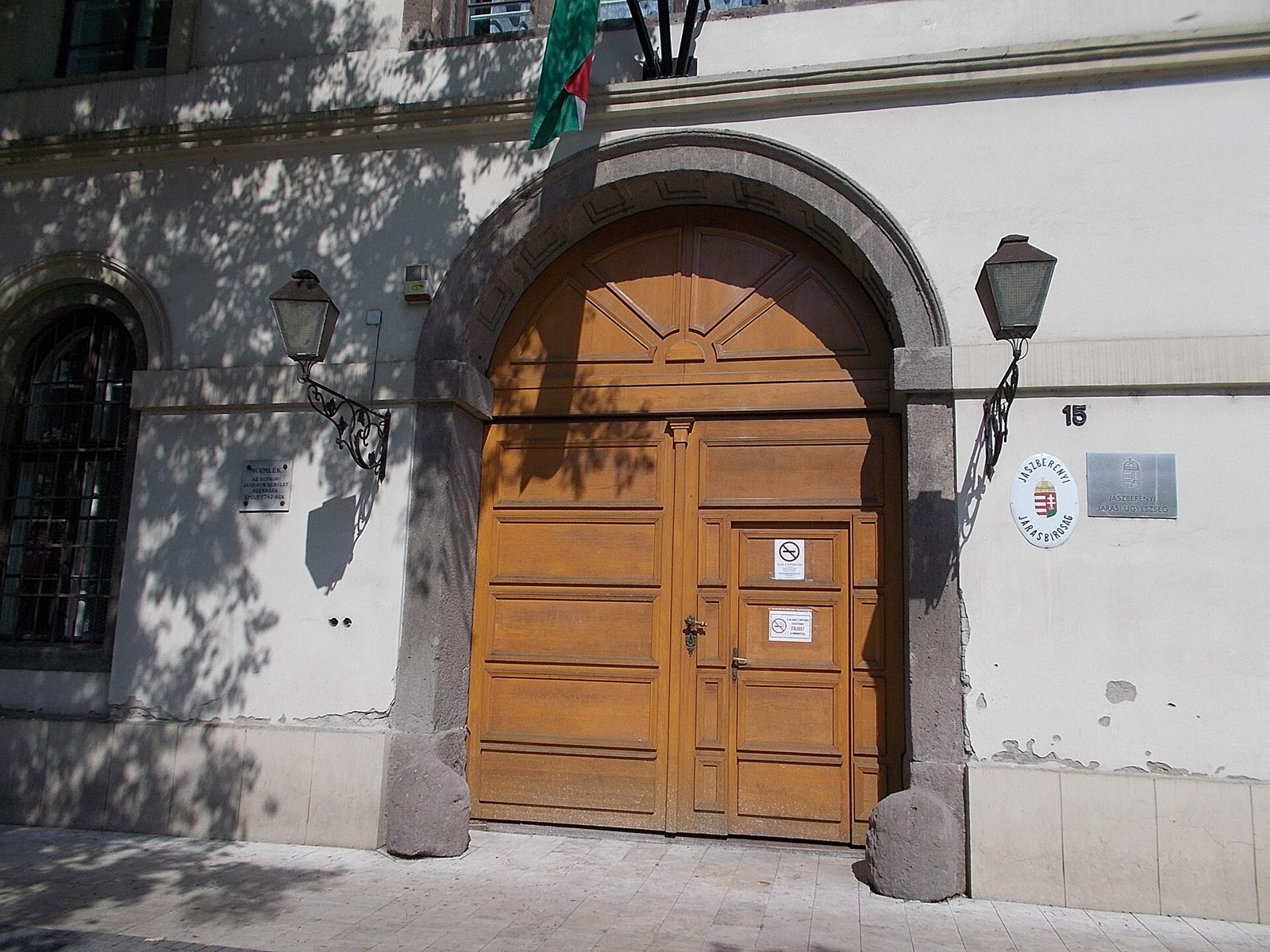
This arched gate leads into the Jászkun District House, the long Baroque building that stands for the proudest day in the region's history. In 1702 King Leopold I pledged the Jász and Cuman lands to the Teutonic Order, and free people found they had a landlord. They spent decades collecting money family by family, and on May 6, 1745, Maria Theresa signed the deed of the Redemption: 575,900 florins and 1,000 horsemen for the crown. In return they won back their own officials and courts, and this building, finished in 1745 to plans by Anton Erhard Martinelli, became the seat of their self rule until 1876.
Great Church of the Assumption
Locals call it the Nagytemplom, the big church. Its tower went up in 1761, and the nave you see here was rebuilt in the 1770s in a classical style to plans by József Jung, then consecrated by the bishop of Eger on July 28, 1782. The altars and the tabernacle follow designs by Mihály Pollack, the architect of the Hungarian National Museum in Budapest. Outside, look right to the top of the tower: under the cross sits a copy of the Holy Crown of Hungary with its bent cross, set there in 1802 as a sign of the Jász people's loyalty to their king.
Stone Bridge
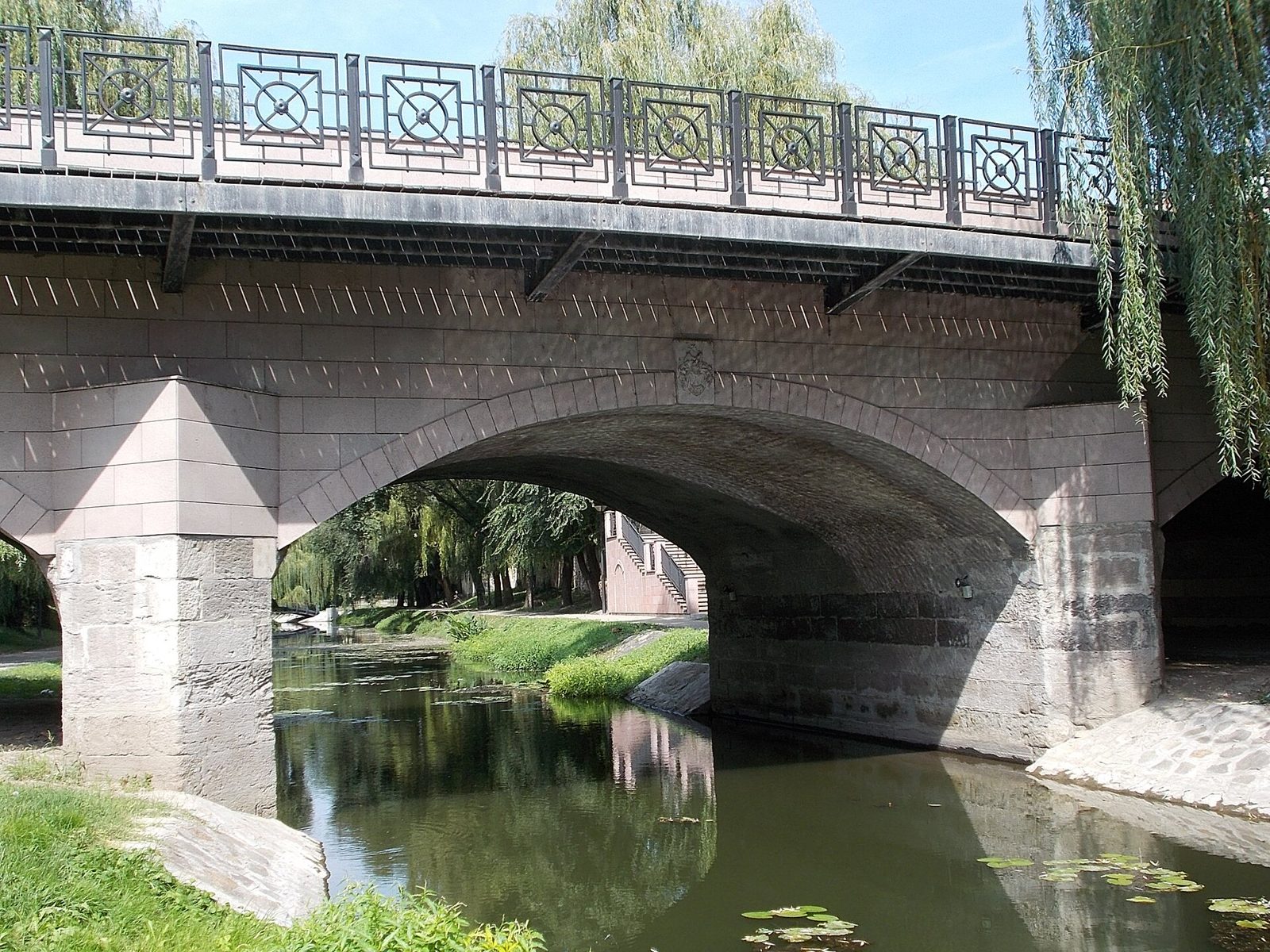
The Stone Bridge over the Zagyva went up in 1805 and 1806 under Károly Rábl, with stone from Gyöngyössolymos in the Mátra hills, to replace a wooden bridge that could no longer cope with the carts, cattle and coaches. It's one of the oldest stone bridges still standing in Hungary, though it hasn't had a quiet life: widened by nearly two meters in 1929, blown up by retreating German troops in November 1944, rebuilt in 1947 and restored again in 2011. Look on the middle arch for the town's coat of arms carved in stone, added in that last restoration.
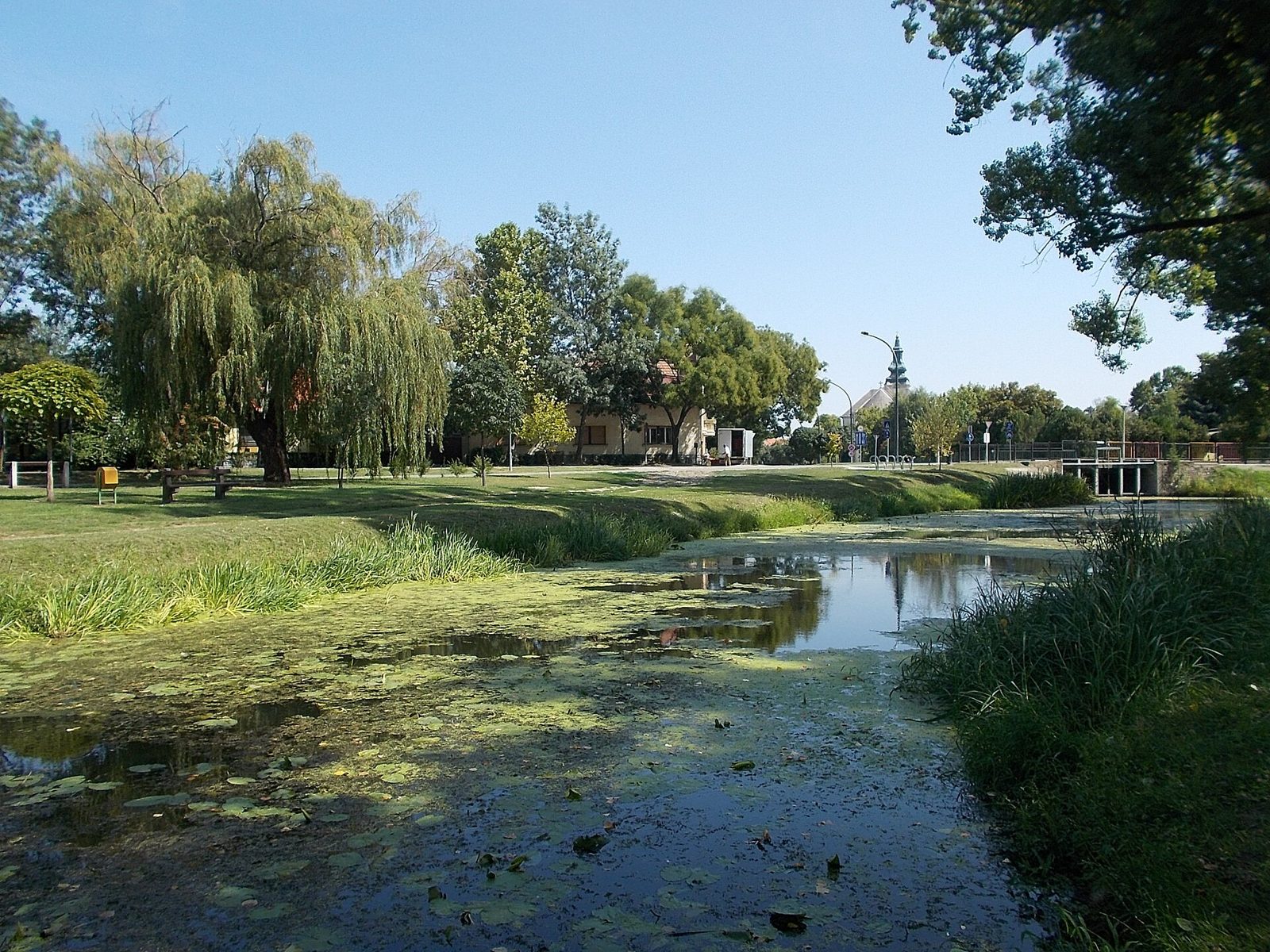
Margit Island and Déryné
Locals call this green, shady corner by the Zagyva Margit Island, and the walk reaches it along the riverside promenade. At the entrance to the park stands a bust of Déryné, born Rozália Schenbach in Jászberény on Christmas Eve 1793, who became the first real prima donna of Hungarian opera in the years when theater in Hungarian was carried around the country by small traveling companies playing in inns and barns. Her lively memoirs of life on the road are still read today and were filmed in 1951. Find a bench under the willows before the last stretch.
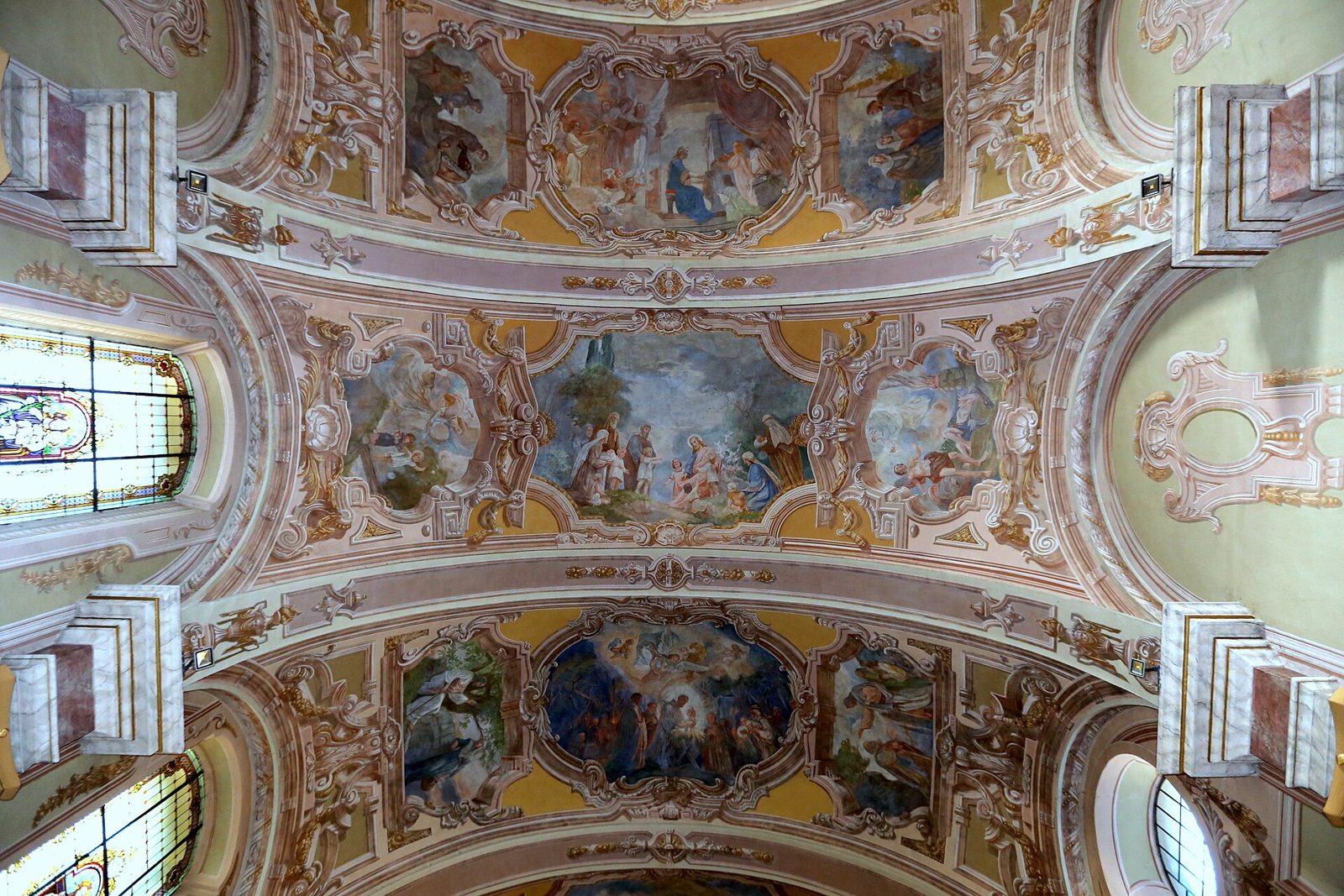
Franciscan Church and Friary
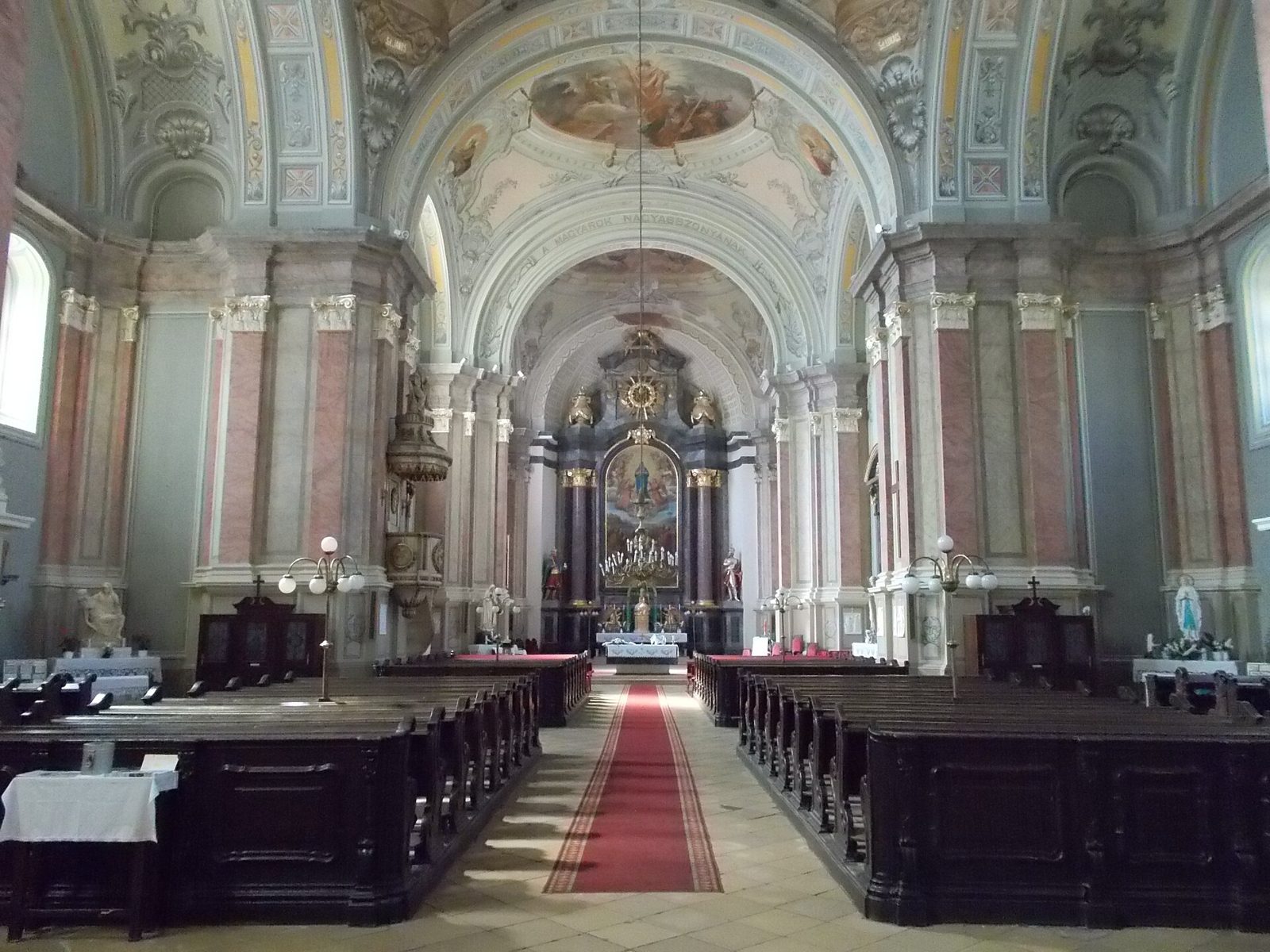
These painted vaults belong to the Franciscan church, the oldest building in Jászberény, built by the friars between about 1460 and 1472. In 1566 the Turks threw a palisade fort of timber and earth around it, and for long stretches it served as a garrison on the banks of the Zagyva. The friars came back around 1690, roofed the church again by 1699 and gave it a Baroque tower 46.5 meters tall after 1715. The furnishings inside are Baroque and rococo, but outside you can still read the Gothic building, especially at the tall, narrow sanctuary end.
Start je audiotour in 3 simpele stappen
Alles in de gratis Walk With Me app, en de eerste stops van elke tour probeer je gratis.
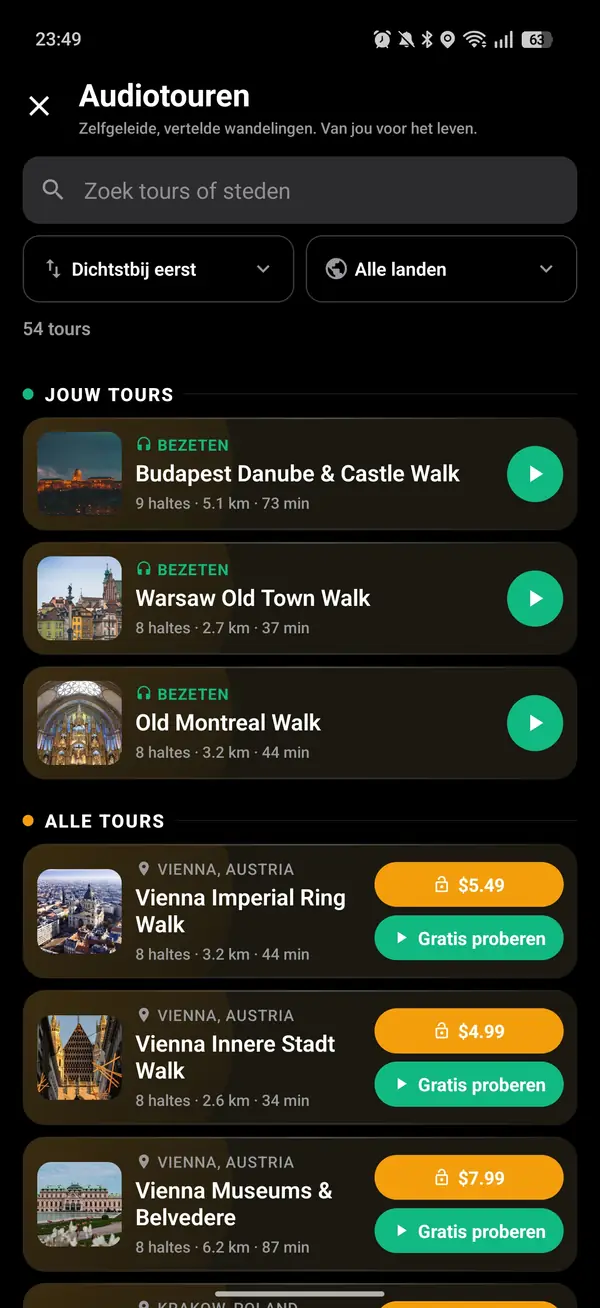
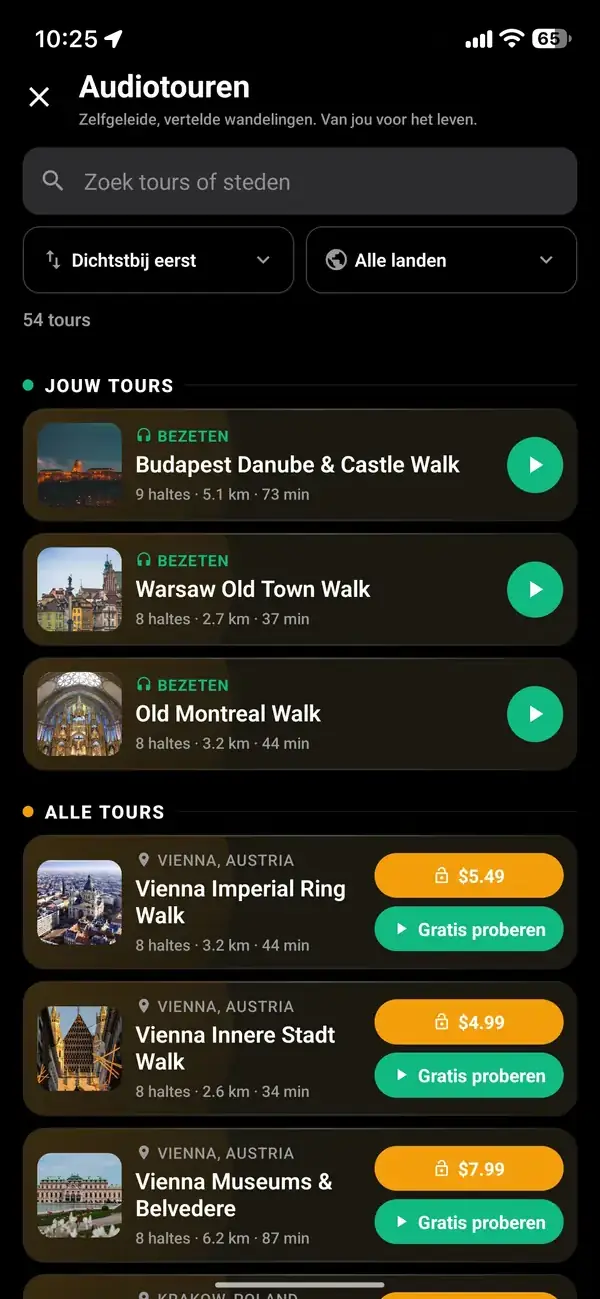
Tik op de gouden koptelefoon en kies een tour
01
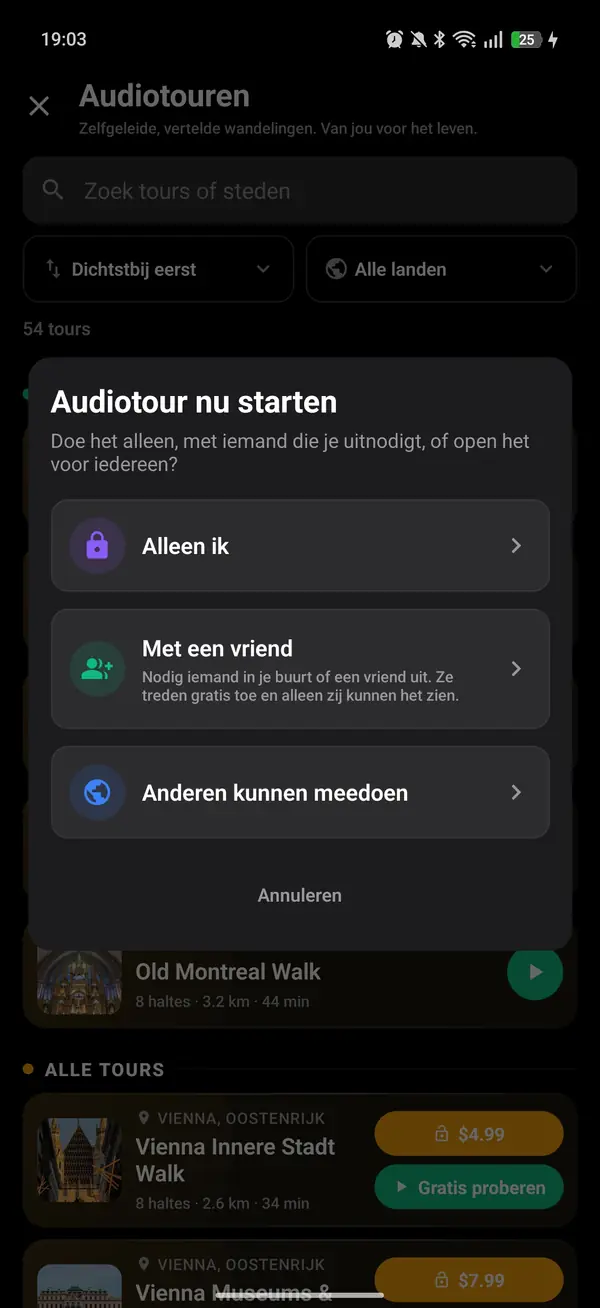
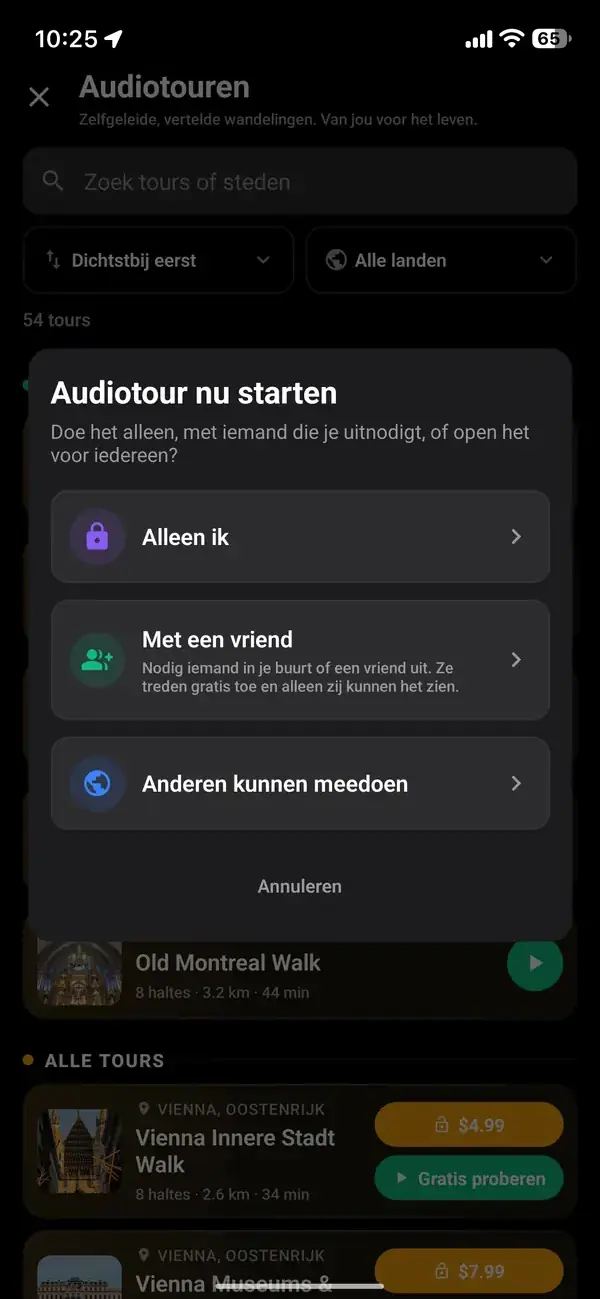
Loop alleen of nodig iemand uit
02
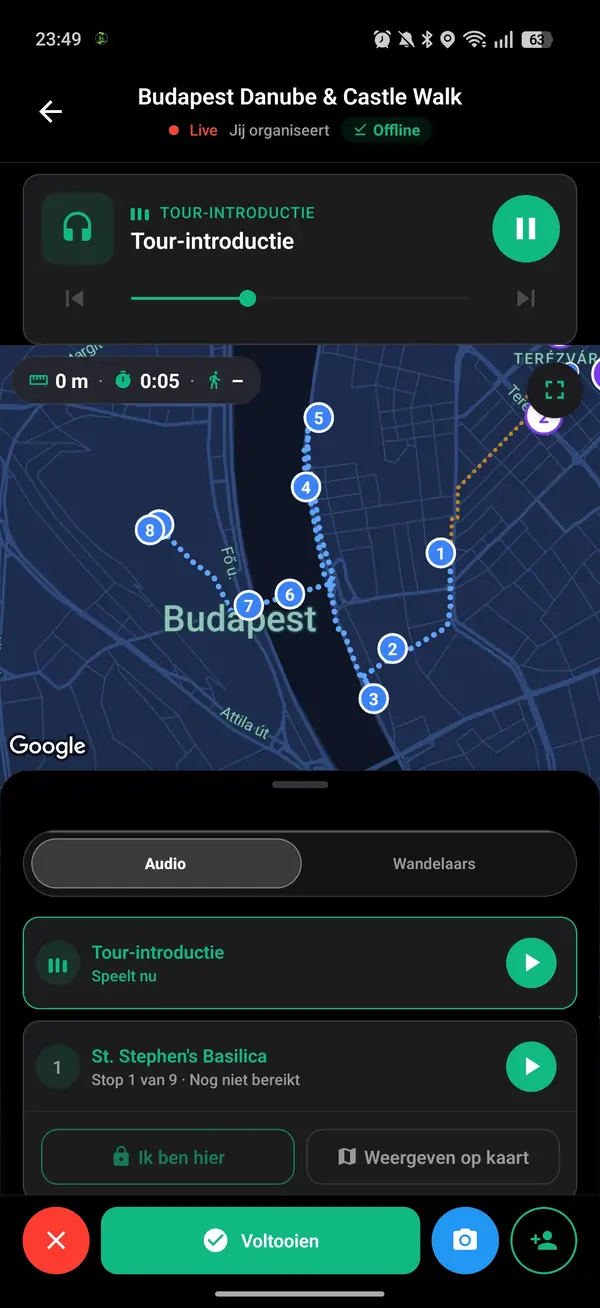
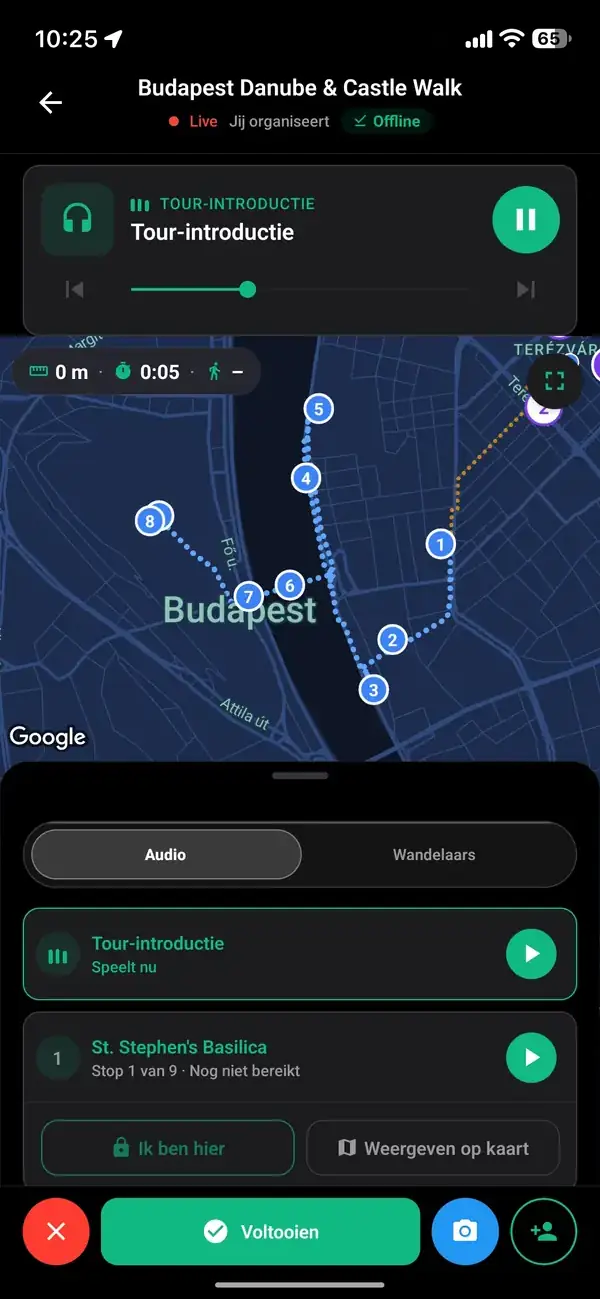
Druk op play en wandel
03
Met zorg gemaakt voor je tijd in de stad
Deze tours zijn geen afvinklijstje van bezienswaardigheden. Ze zijn gemaakt om rustig te lopen, koptelefoon op, ogen op de stad.
Meditatief en meeslepend
Elk verhaal wordt verteld op de plek waar het gebeurde. De app laat een signaal horen als je bij een stop bent, één tik start het verhaal, en het stuk tussen de stops is van jou, in je eigen tempo.
Met de hand gemaakt
We kiezen elke route en elke stop zelf en vormen elk verhaal met zorg, zodat je tijd in de stad naar de plekken gaat die het echt waard zijn.
Samen is het mooier
Elke wandeling is mooier met iemand naast je, dus als je iemand mee kunt nemen, doe het vooral. Daarom dekt één aankoop iedereen die je uitnodigt: zij lopen gratis mee.