




 $7.99Điểm nổi bật thành phố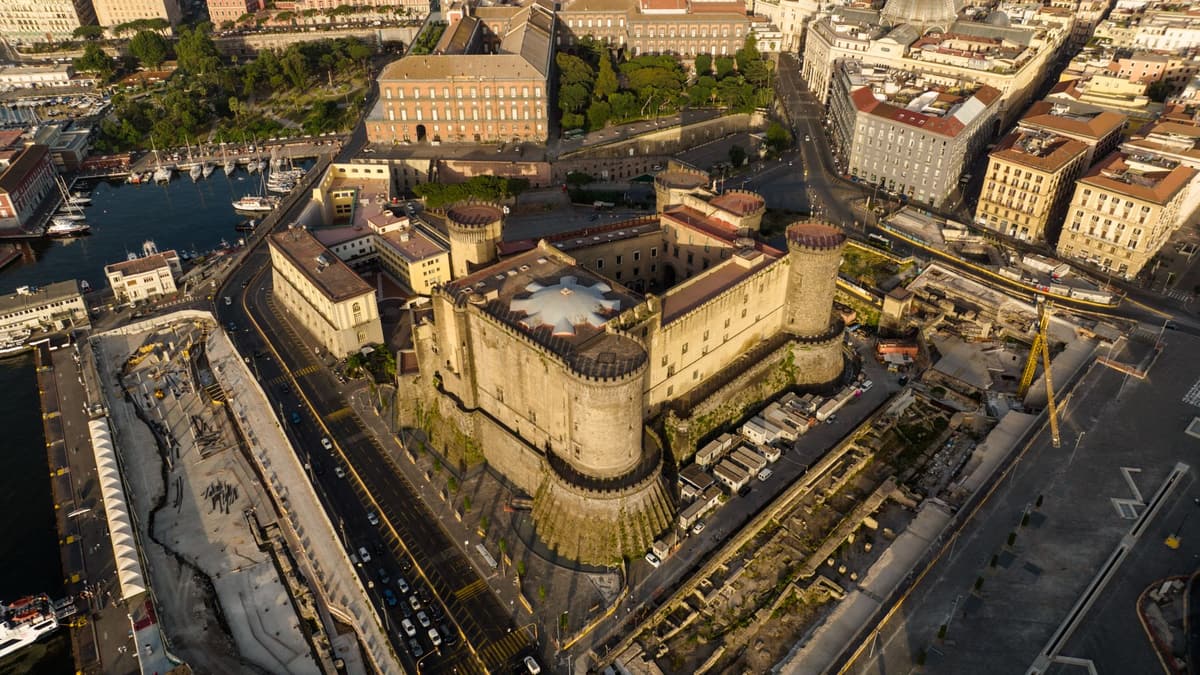
Âm thanh Naples Tour đi bộ
Các chuyến đi bộ tự hướng dẫn, có thuyết minh qua Naples. Mua tour một lần, tải xuống và để câu chuyện tự động phát tại mỗi điểm dừng khi bạn đi bộ theo nhịp độ của riêng mình.
Tour chỉ từ $7.99
Bạn bè đi bộ miễn phí. Một lần mua bao gồm tất cả mọi người trong chuyến đi bộ của bạn. Bắt đầu tour, mời bạn bè tham gia, và nó sẽ phát trên mọi điện thoại trong nhóm của bạn.
5.0 trên Google Play
Tour âm thanh tại Naples
Mỗi tour là một lộ trình trên bản đồ có thuyết minh tại từng điểm dừng. Mua một lần và sở hữu mãi mãi, không cần đăng ký định kỳ.
$7.99Điểm nổi bật thành phố $8.99Điểm nổi bật thành phố
Trải nghiệm gì trong tour đi bộ âm thanh tại Naples
A Naples audio walk drops you straight into a living, shouting, scooter-dodging city, whether you're threading the ancient Greek street grid of the old center or tracing the royal seafront past castles and a glass-domed arcade, with narration timed to each stop.
The Naples Centro Storico Walk starts at the National Archaeological Museum, home to the treasures of Pompeii, then drops through Piazza Dante to Spaccanapoli, the long straight street that splits the old town in two. It passes the Cappella Sansevero's Veiled Christ and the nativity workshops of Via San Gregorio Armeno before ending at the cathedral of San Gennaro and the Renaissance gate of Porta Capuana. It's about 2.9 kilometers, roughly 39 minutes of walking.
The Naples Royal Seafront Walk starts on the little island of Castel dell'Ovo, where the city was born, then follows the bay to a baroque fountain facing Vesuvius before climbing to Piazza del Plebiscito and the Royal Palace.
From there it takes in the opera house, the great Angevin fortress of Castel Nuovo on the harbor, and the glass dome of the Galleria Umberto I, finishing underground in the mosaic-lined Toledo metro station. It's about 2.9 kilometers, roughly 40 minutes of walking, mostly flat with one gentle climb.
Địa điểm đi bộ tại Naples
Một vài điểm dừng bạn sẽ đi qua và lý do tại sao chúng xứng đáng để bạn đi chậm lại và thưởng thức.

Castel dell'Ovo
Castel dell'Ovo, the Castle of the Egg, is the oldest castle in Naples and sits on the very spot where the city began, a rocky islet called Megaride where Greek settlers from nearby Cumae first put down roots. Legend says the siren Parthenope washed ashore here after failing to lure Ulysses with her song, which is why poets still call Naples Parthenope. Normans built the first castle here in the twelfth century, and later rulers strengthened it again and again. Its odd name comes from a legend that the poet Virgil hid a magic egg in the foundations, and as long as it stays unbroken, so the story goes, the castle will stand.
Piazza del Plebiscito
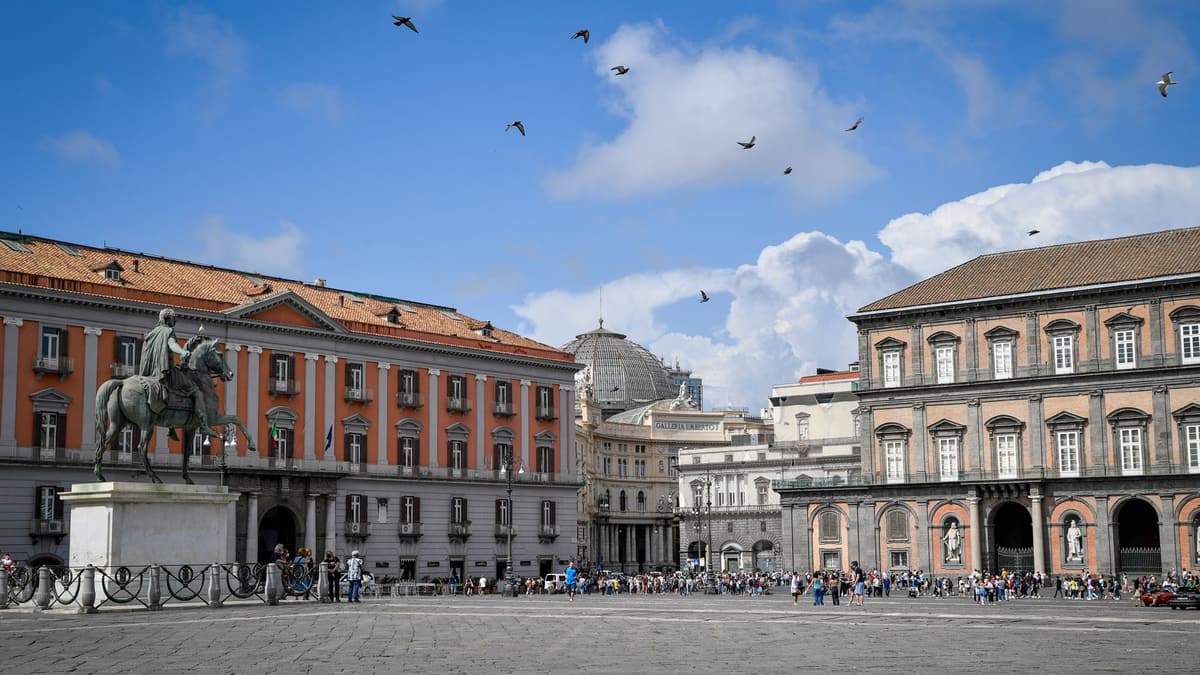
This vast, open square takes its name from the vote of October 1860 that made the Kingdom of the Two Sicilies part of a newly united Italy. The long front of the Royal Palace, begun around 1600 for the Spanish viceroys, faces a domed church framed by a sweeping colonnade, with two bronze Bourbon kings on horseback out front. Eight statues along the palace facade show rulers of Naples across seven centuries, added in the 1880s. Just off the square stands Gran Caffe Gambrinus, home of the caffe sospeso, the suspended coffee, where locals pay for two and leave one for a stranger who can't afford it.

Galleria Umberto I
Step inside and look straight up at this glass and iron dome soaring more than fifty meters over the crossing of a shopping arcade built in the shape of a cross. It went up between 1887 and 1890 as part of a huge urban renewal program launched after a cholera epidemic killed thousands in the poorest, most crowded quarters, a glittering statement that Naples was modern and grand again. Look down too, at the mosaic of the zodiac in the floor. The Galleria was badly damaged in the war, and afterward became the meeting point of a ruined city full of soldiers. Across the street stands the Teatro di San Carlo, Europe's oldest opera house in use.
Santa Chiara
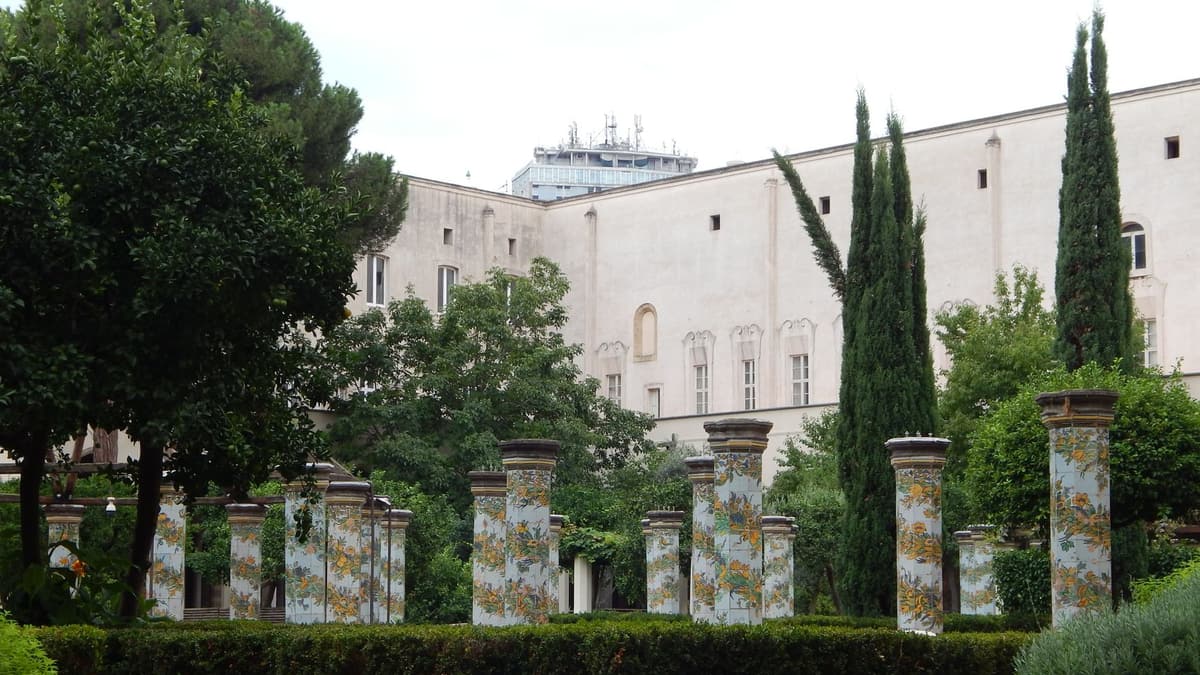
These majolica-tiled columns wrap around the cloister of the Poor Clares behind Santa Chiara, transformed in the eighteenth century with hand-painted tiles of vines, lemons and country scenes, one of the loveliest quiet spots in the old city. The church itself was built in the early fourteenth century for the Angevin king Robert and his queen Sancha, burned out by Allied bombing in 1943, and rebuilt afterward in its original austere Gothic form. Stepping from the plain church into this bright, patterned garden is one of the real surprises of the walk, a pocket of calm just off Spaccanapoli's noise and traffic.
Spaccanapoli
This is Spaccanapoli, the long straight street that splits the old town in two along the lines of the ancient Greek city's main street, still a living, working neighborhood rather than a museum piece. Laundry hangs between balconies, scooters weave through two at a time, and shopfronts and street shrines crowd the ground floor of tall, faded apartment blocks. The street plan beneath your feet is more than two and a half thousand years old, which is why the whole district is a UNESCO World Heritage Site, but none of that shows from a car. It shows on foot, in the smell of frying dough and the hush of a cloister after the roar of the street.
Nhận Tour Âm Thanh Trong 3 Bước Đơn Giản
Tất cả trong ứng dụng Walk With Me miễn phí, và các điểm dừng đầu tiên của mỗi tour đều được nghe thử miễn phí.
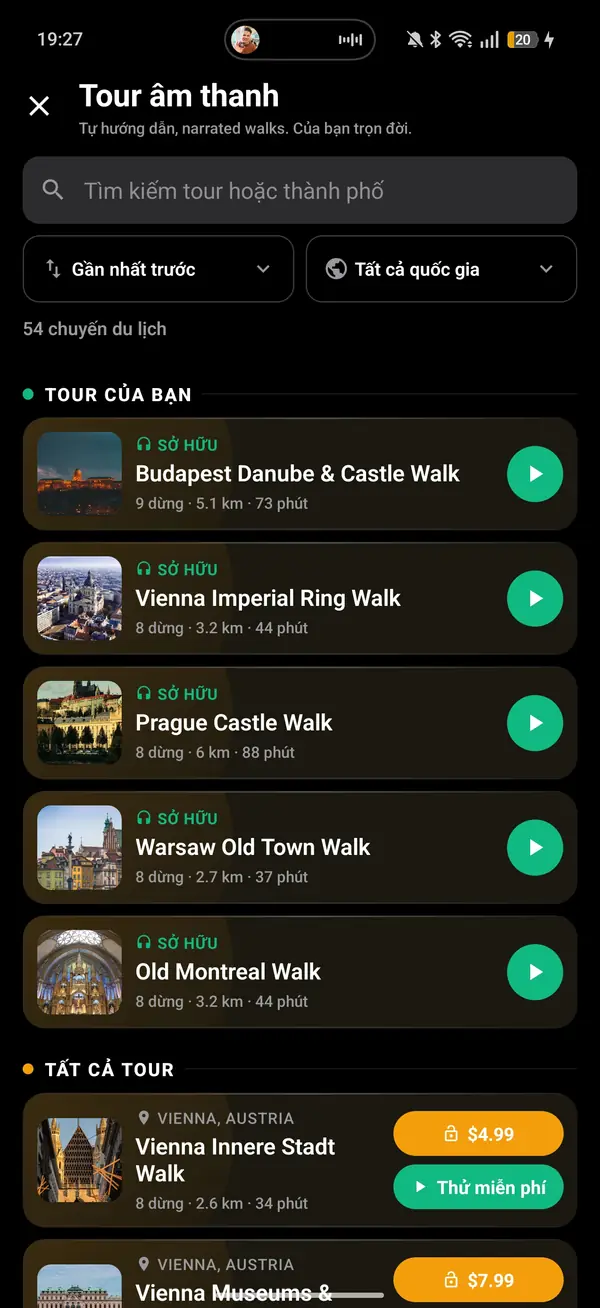
Chạm vào tai nghe vàng và chọn tour

01
Đi một mình hoặc mời ai đó


02
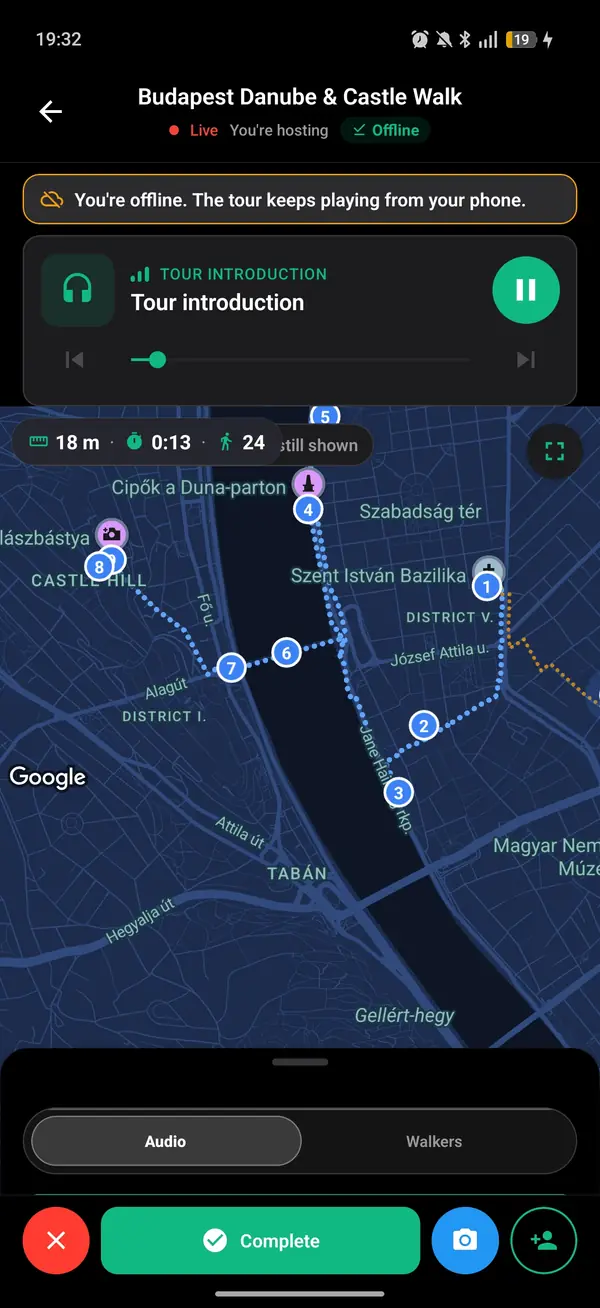
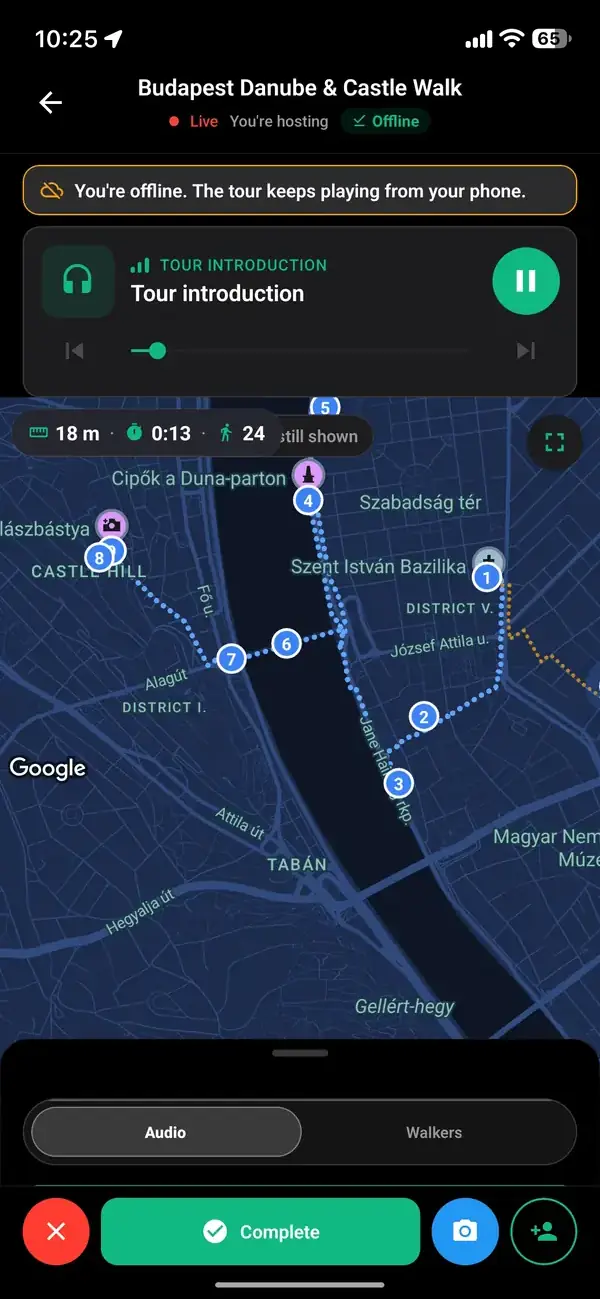
Nhấn phát và đi bộ
03
Được chăm chút cho thời gian của bạn trong thành phố
Những tour này không phải danh sách địa danh để đánh dấu. Chúng được tạo ra để bước đi chậm rãi, đeo tai nghe và ngắm nhìn thành phố.
Thư thái và cuốn hút
Mỗi câu chuyện được kể ngay tại nơi nó đã diễn ra. Ứng dụng phát âm báo khi bạn đến một điểm dừng, một lần chạm để bắt đầu câu chuyện, và quãng đường giữa các điểm dừng là của riêng bạn, theo nhịp của bạn.
Thủ công, tỉ mỉ
Chúng tôi tự chọn từng lộ trình, từng điểm dừng và chăm chút từng câu chuyện, để thời gian của bạn trong thành phố dành cho những nơi đáng đến nhất.
Vui hơn khi có bạn đồng hành
Mỗi chuyến đi bộ đều vui hơn khi có ai đó bên cạnh, vì vậy nếu bạn có thể rủ một người bạn, chúng tôi rất khuyến khích. Đó là lý do một lần mua bao gồm tất cả những người bạn mời: họ tham gia tour của bạn miễn phí.