September 2, 2026 · 9 min read
Edinburgh Royal Mile Walking Route
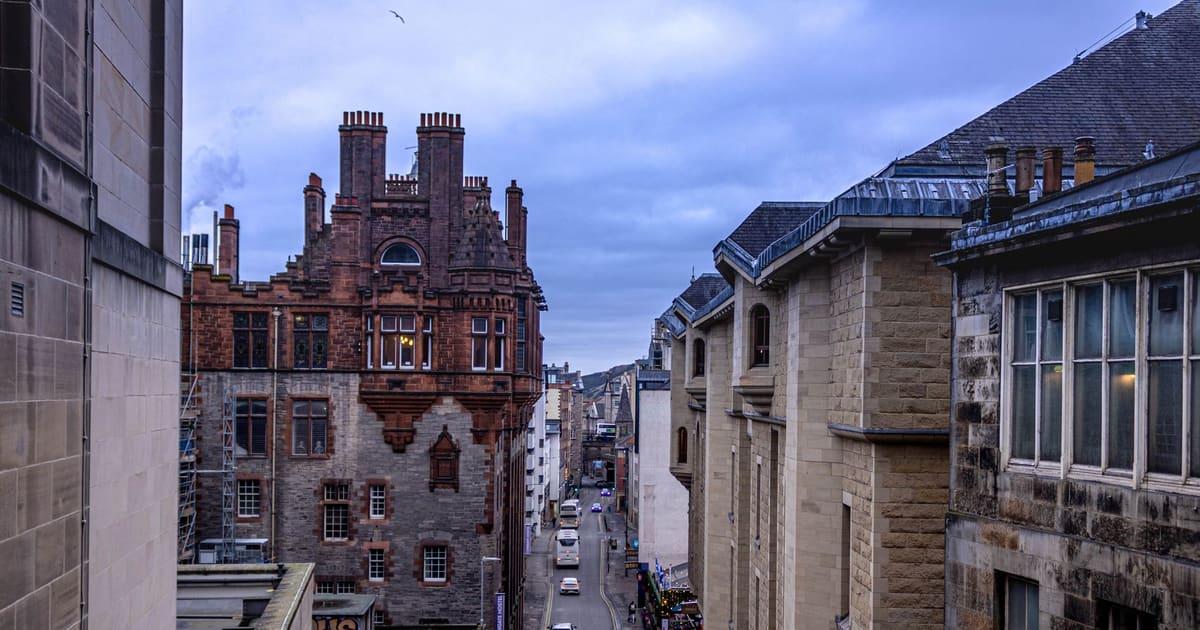
Discover the ultimate edinburgh royal mile walking route, a self-guided journey from the volcanic heights of the castle down to the palace gates.
507
August 12, 2026 · 8 min read
Do this walk with other people on the next scheduled tour.
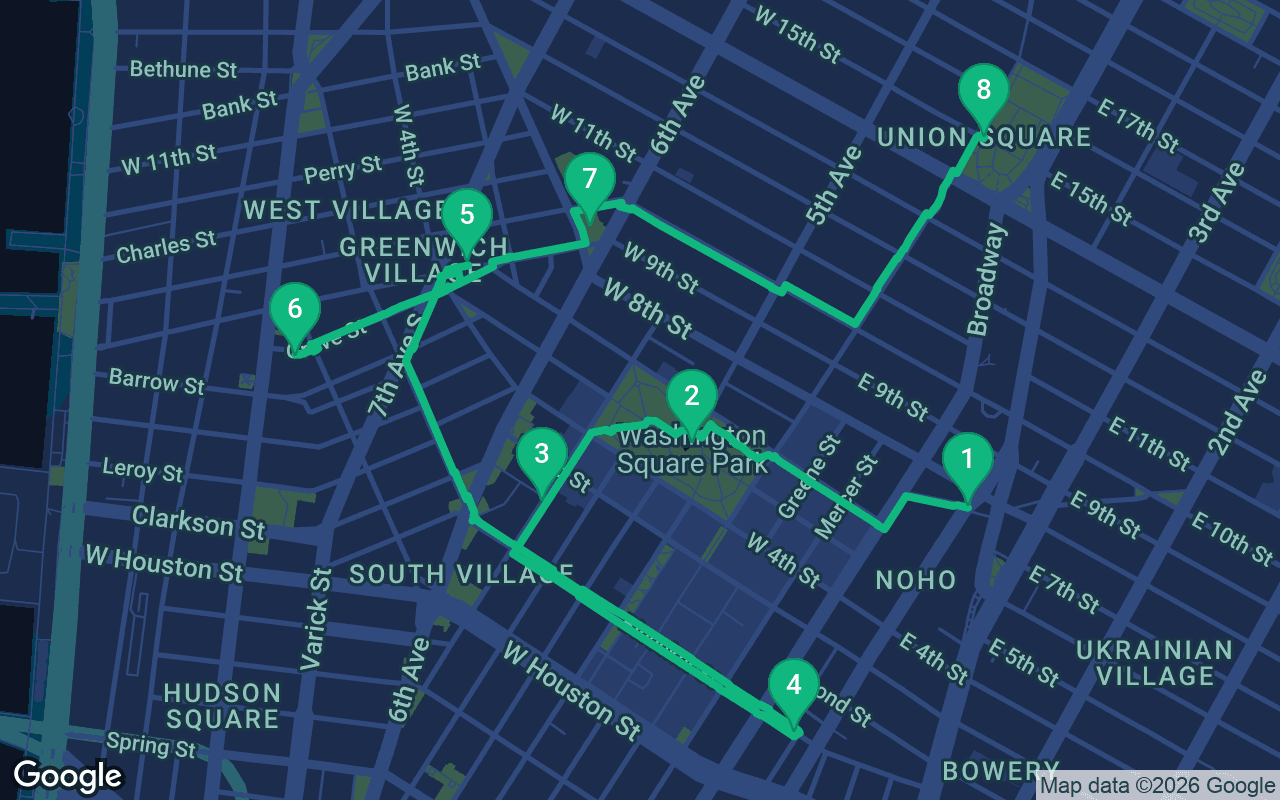
About 5 km, roughly 69 minutes at an easy pace · 8 stops
Audio tour · 11 min narrated$6.99 one-time

Most people visit New York City and spend their entire trip looking up, but the real magic is found by looking straight ahead.
If you really want to feel the pulse of Manhattan, skip the subway and try a classic walking tour. This greenwich village self guided walking tour is designed to show you a side of the city that defies the grid system. It is a place where streets have names instead of numbers, where historic brownstones stand proud, and where every corner has a story about artists, activists, or rebels who changed the world.
This route is roughly seven kilometers long and will take you about two and a half hours at a comfortable stroll. I highly recommend starting in the late morning or early afternoon so you can catch the changing light and see the neighborhoods transition from quiet residential pockets to lively evening hubs. Wear comfortable shoes because the pavements here are notoriously uneven. Tree roots have been lifting the historic sidewalks for over a century, and you will encounter some brick paths and cobblestones along the way. Check the weather before you go, but do not let a light drizzle stop you. The brick facades of the Village actually look even richer when they are wet.
Our walk begins just outside the main grid of Manhattan, where the East Village meets the Greenwich Village border. This area is home to Cooper Union, an institution that has stood since 1859. The great hall here hosted Abraham Lincoln before he was even president. As you stand in the triangle, look around at the mix of ultra-modern glass buildings and nineteenth-century brick. It is a busy junction, but it serves as the perfect launchpad for our walk. The energy here is youthful and fast. You will see students rushing to class and skaters trying tricks near the famous spinning cube sculpture. This is where the rigid grid of uptown starts to break down. From here, we will head west along Astor Place and turn left down Lafayette Street, then quickly make a right onto East Fourth Street. As you walk down Fourth Street, notice how the buildings immediately start to shrink in height. The glass towers fade away, replaced by low-rise brick buildings with iron fire escapes. We are heading straight toward the historic heart of the area.
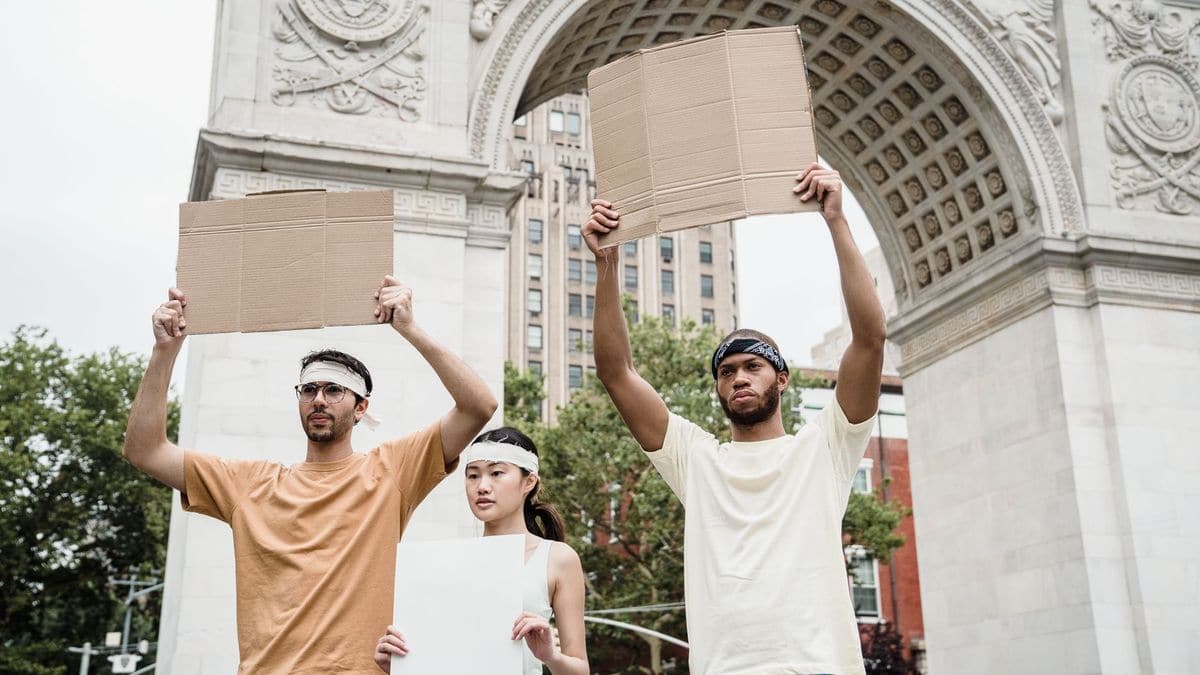
You will know you have arrived when you see the massive marble arch framing Fifth Avenue. This park is the undisputed living room of Greenwich Village. It is always alive. On any given day, you will hear jazz musicians playing upright basses, see chess players intensely staring at their boards, and watch performers drawing massive crowds. But this park has a dark history. Long before it was a park, it was a potter's field, a public cemetery where thousands of people were buried. If you stand near the arch and look up, you are standing over history. Walk around the central fountain. It is the perfect place to sit for a minute and just watch the city go by. Notice the giant English Elm in the northwest corner of the park. It is believed to be over three hundred years old, making it one of the oldest trees in Manhattan. Once you have soaked in the energy of the fountain, exit the park through the southwest corner. We are heading toward a street that has defined New York's nightlife for generations.
As you step onto MacDougal Street, the atmosphere shifts instantly. This is the narrow, bustling corridor that served as the epicenter of the Beat Generation and the 1960s folk music revival. Bob Dylan, Jimi Hendrix, and Allen Ginsberg all spent their nights in the cafes and basement clubs along this stretch. Today, it is still packed with tiny storefronts, comedy clubs, and historic cafes. The smell of falafel, pizza, and roasted coffee fills the air. Look closely at the basements. Many of these shops are half-flights down from the street level, a classic architectural feature of New York row houses. This layout allowed developers to maximize space in the nineteenth century. Walk slowly down this block. It is loud, crowded, and wonderfully chaotic. But just one block over, the vibe changes entirely. Turn right onto Bleecker Street and let the noise of the comedy clubs fade behind you.
Bleecker Street is the spine of the West Village. As you walk west, the buildings become more elegant and the shops change from cheap slice joints to high-end boutiques and historic bakeries. This street represents the gentrification and preservation struggles of the Village. You will walk past classic Italian bakeries that have been here for over a century, sitting right next to modern designer shops. Notice the beautiful cast-iron storefronts and the detailed cornices at the tops of the buildings. These decorative metal brackets were popular in the late 1800s as a way to make simple brick buildings look grander. The trees here form a dense canopy over the street, casting beautiful shadows on the brickwork. Keep walking west until Bleecker Street intersects with Christopher Street.
This intersection is the birthplace of the modern gay rights movement. Right across from Christopher Park sits the Stonewall Inn. In June 1969, the patrons of this bar stood up against police harassment, sparking the Stonewall Riots and launching a global movement. The street itself has a proud, rebellious energy. The park across the street features the Gay Liberation Monument, a set of white bronze statues that honor the struggle for equality. Walk through the quiet park and read the informational plaques. It is a powerful place to reflect on how much history has been made on these very sidewalks. The streets here do not follow any logical pattern. They run at odd angles because they were laid out along old farm boundaries before the city planners created the 1811 grid plan.
It is quiet. Almost too quiet for Manhattan.
From Christopher Street, wind your way south down Bedford Street. This is the deepest, most quiet pocket of the West Village. The streets are incredibly narrow, and the noise of the city completely disappears. At the intersection of Grove Street and Bedford Street, look for a small wooden gate between two brick townhouses. Behind this gate lies Grove Court, a private residential courtyard built in the mid-nineteenth century. It was originally built as cheap housing for laborers, but today it is one of the most exclusive and photographed hidden spots in the city. Just a few steps away on Bedford Street, you will find the oldest wood-frame house in the Village, dating back to 1799. It stands as a rare survivor of the great fires that swept through early New York. Walk around this corner slowly. You will feel like you have stepped out of Manhattan and into a quiet European village.
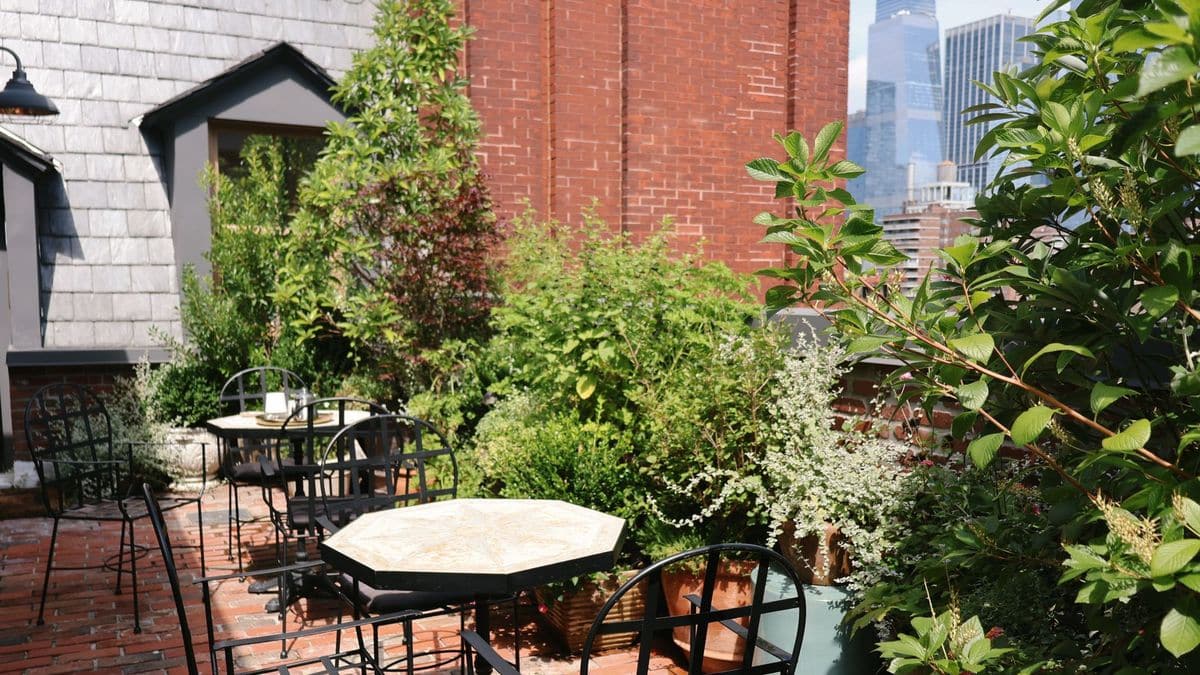
Walk north back toward Greenwich Avenue and Sixth Avenue. Here you will find a striking Victorian Gothic tower that looks like a miniature castle. This is the Jefferson Market Library, which was originally built as a courthouse in the 1870s. Right next to it is the Jefferson Market Garden. This lush, volunteer-run garden sits on land that was once a women's prison. Today, it is a peaceful oasis filled with roses, brick paths, and a small pond (which, trust me, is a lifesaver when the summer heat kicks in). The garden is usually open to the public during the warmer months, and it is the perfect place to rest your feet. The contrast between the heavy brick courthouse tower and the delicate flowers is stunning. It shows how the community fought to preserve its historic spaces instead of letting them be demolished for high-rise developments.
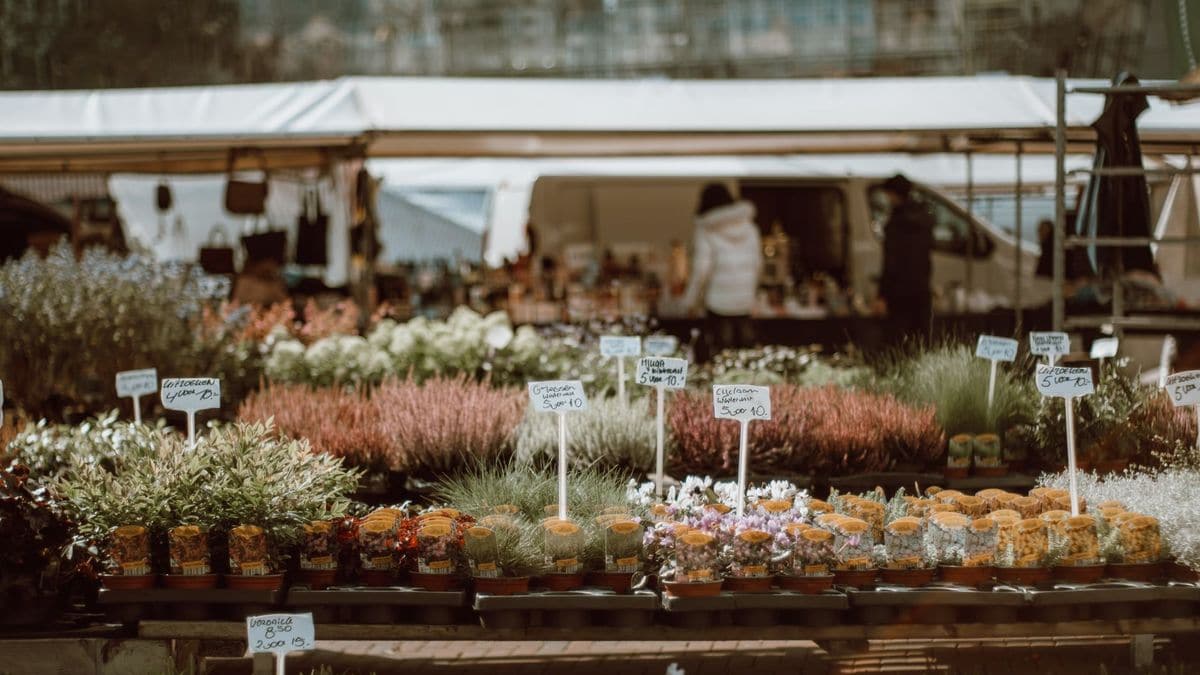
To finish our walk, we will head east along Ninth Street, crossing Fifth Avenue and Broadway, until we reach Union Square. This is one of the city's historic public plazas. It has been a gathering place for protests, rallies, and celebrations since the nineteenth century. If you walk through on a Monday, Wednesday, Friday, or Saturday, you will find the famous Greenmarket in full swing. Farmers from upstate New York, New Jersey, and Pennsylvania sell everything from fresh apples to artisanal cheese. It is a bustling, chaotic, and beautiful end to our journey. You have walked from the quiet, hidden courtyards of the West Village right back into the roaring heart of Manhattan.
Ending your walk at Union Square puts you at one of the best transit hubs in the city, but I hope you do not rush underground immediately. Walking is the only way to truly understand Greenwich Village. If you take a cab or ride the subway, you miss the subtle shifts in architecture, the sudden drop in volume as you turn down a side street, and the historic details hiding right above the shop windows.
If you want to explore more of the city on foot, you do not have to do it alone. You can find local walking enthusiasts and planned routes right on the Walk With Me map. Download the Walk With Me app on iOS or Android, open the live map, and join a walk today.
Every stop from this walk through New York, United States, in order.
About 5 km, roughly 69 minutes at an easy pace.
This tour is narrated
Walk it with the app and a narrator tells the story at every stop, triggered automatically as you arrive. The intro and the first 3 stops are free to sample, and you can unlock the whole narrated tour for $6.99, a one-time purchase you keep for good.
Works with Garmin, Komoot, Strava, OS Maps and any GPX app.
September 2, 2026 · 9 min read
Discover the ultimate edinburgh royal mile walking route, a self-guided journey from the volcanic heights of the castle down to the palace gates.
August 29, 2026 · 10 min read
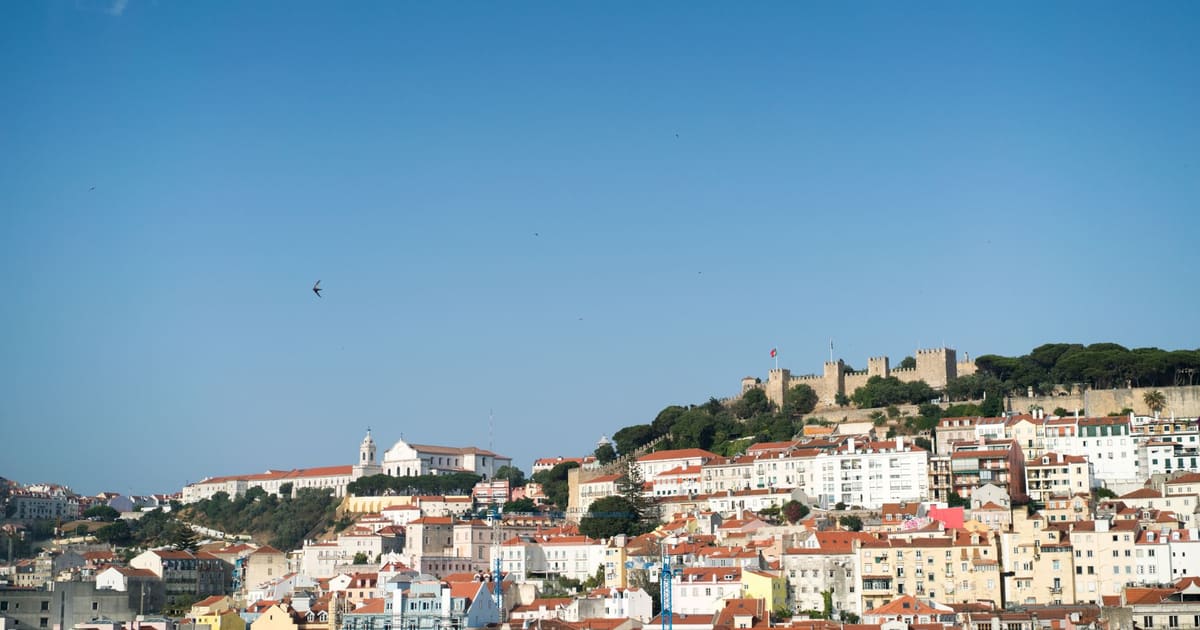
Experience the soul of Lisbon on this self-guided lisbon alfama walking tour, featuring breathtaking castle views, historic cathedrals, and hidden fado alleys.
August 28, 2026 · 9 min read
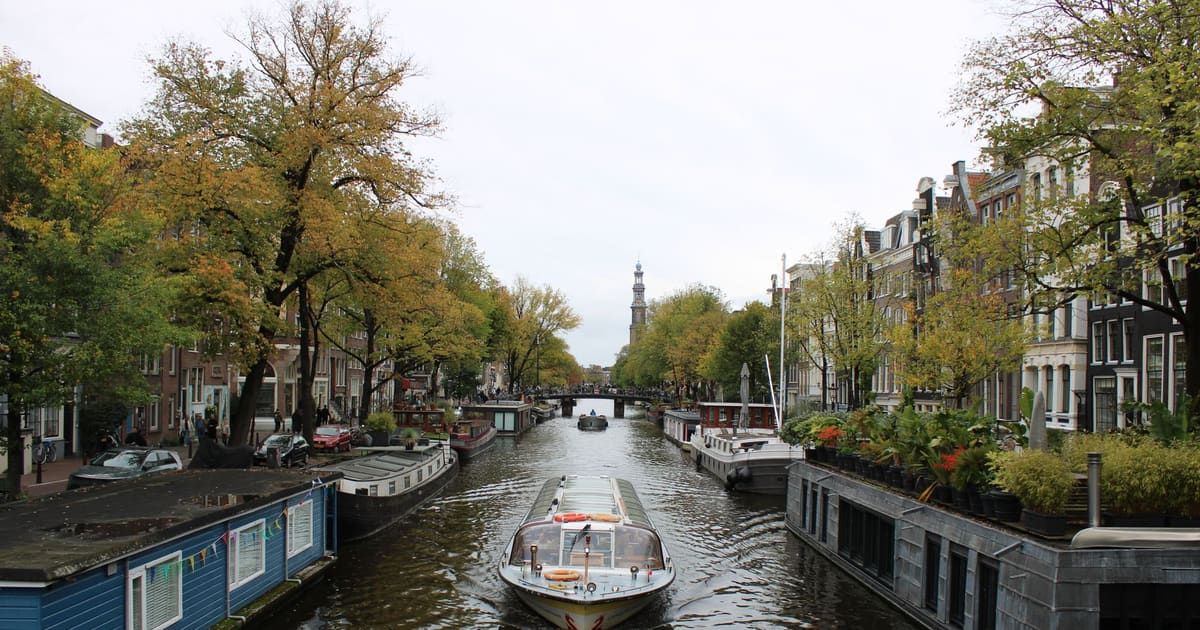
A self-guided Amsterdam walking tour through the Jordaan, past the Westerkerk, the Anne Frank House, hidden courtyards and the Nine Streets.