2 martie 2026 · 5 minute
Este Walk With Me sigur?
De fiecare dată când menționez aplicația, prima întrebare este: "Este sigură?" Răspunsul este da, și iată exact cum deplasarea de 200m, întârzierea de 5 minute, și aprobarea gazdei te protejează.

If you feel uneasy walking alone as a woman, you're far from alone, and the feeling is strongest after dark and in empty places. In Great Britain in 2021, one in two women felt unsafe walking alone after dark on a quiet street near their home, and four in five felt unsafe in a park or other open space after dark, against about two in five men. Both women and men felt safer during the day. So the useful question is rarely whether to walk alone at all. It's when, where and with whom a walk feels right to you. Below is what the official surveys found, the practical choices that make solo walks easier, and walking with other women as one option among several.
The clearest figures come from the UK's Office for National Statistics, which asked over 16,000 adults in Great Britain in June 2021 how safe they felt walking alone in three places. After dark, 50% of women felt unsafe on a quiet street near home (14% of men), 50% in a busy public place (20% of men), and 81% in a park or open space (39% of men). People felt less safe in all three places after dark than during the day. Australia's national statistics office found the same pattern in its 2021 to 2022 Personal Safety Survey of adults: 63% of women did not walk alone in their local area after dark, and 37% of those said it was because they felt unsafe. Among the women who did walk alone after dark, 85% said they felt safe, against 94% of men. These are surveys of how people feel, not counts of what happened to them, and each covers one country, but two national surveys on opposite sides of the world telling the same story is hard to wave away.
The feeling changes what women do. When the Office for National Statistics asked again in early 2022, 37% of the women who felt unsafe in any setting had stopped walking in quiet places such as parks or open spaces after dark in the previous month, up from 32% the June before. In winter that matters a great deal, because wherever the days get short, the walk after work becomes a walk in the dark for months at a time. A walk that gets dropped for safety reasons is a walk lost, along with everything you were walking for: the fresh air, the exercise, the time to think. The aim of everything below is to keep more of those walks, on your terms.
None of what follows is a rule, and none of it makes anyone responsible for being harassed or hurt. The responsibility lies with the people who do it. Even the Suzy Lamplugh Trust, a UK personal safety charity whose advice appears below, notes that its tips are "in no way intended to suggest that taking such actions will eliminate incidents of aggression and violence." Think of these as options you can pick from, the way you'd pick a route, depending on the time, the place and how you feel that day. Plenty of women walk alone happily and often, and plenty prefer company, and both are sensible.
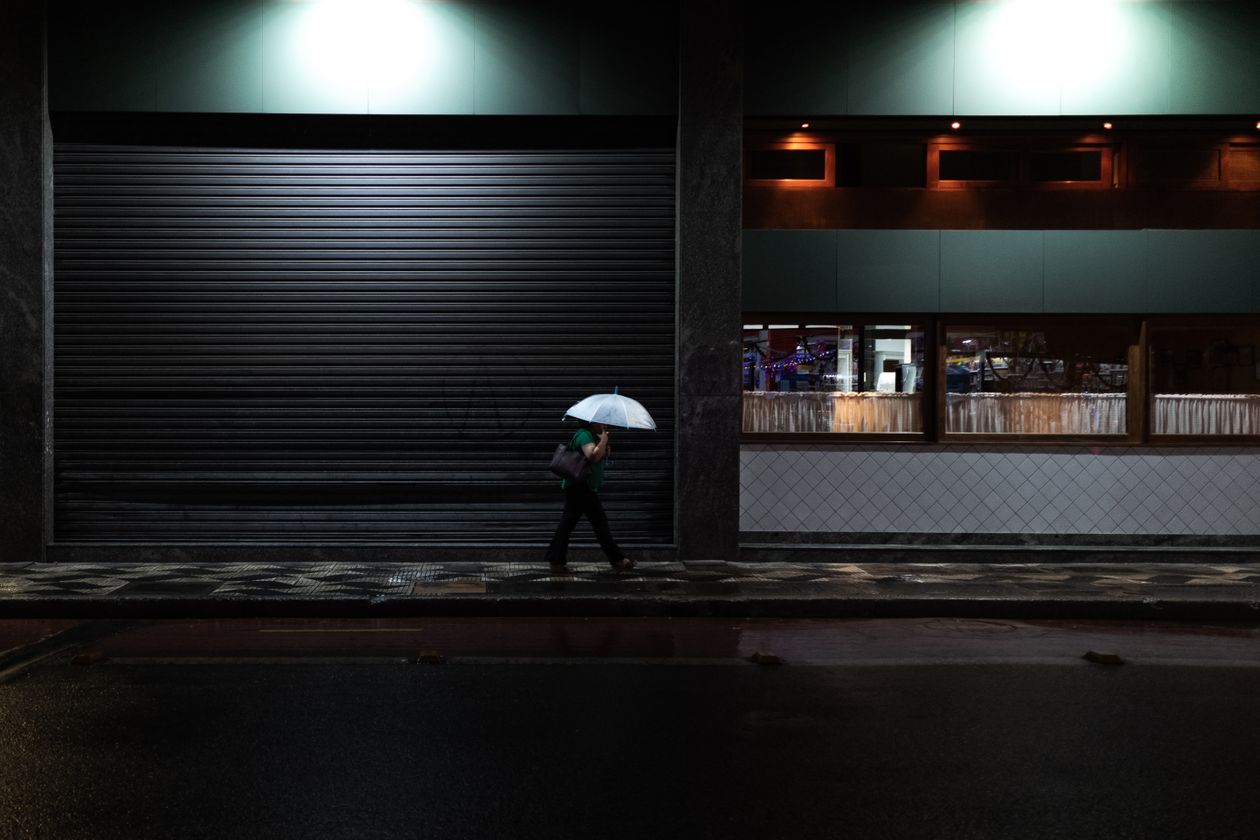 Photo: Ronaldo Santos, Pexels
The biggest lever is time and place. Parks and open spaces after dark are where the most women feel unsafe, so in the dark months it can help to move your walk to lunchtime or the weekend, or to swap the park for lit streets. The Trust suggests well-lit, busy streets and the route you know best, and working out how you'll get home before you set off. The other choices are smaller, and you can take or leave each one:
There's also something you can do about the place itself, not only about your route. On the police.uk website, a tool called StreetSafe lets anyone tell the police, anonymously, about public places where they have felt or feel unsafe, such as a path with no street lighting or a place with anti-social behaviour. It isn't for reporting crimes, which still go to the police in the usual way, and if you're in immediate danger you call 999. What people share is used to inform local policing and council safety work. If there's an underpass or a stretch of park on your walk that you always hurry through, it takes a few minutes to tell them about it.
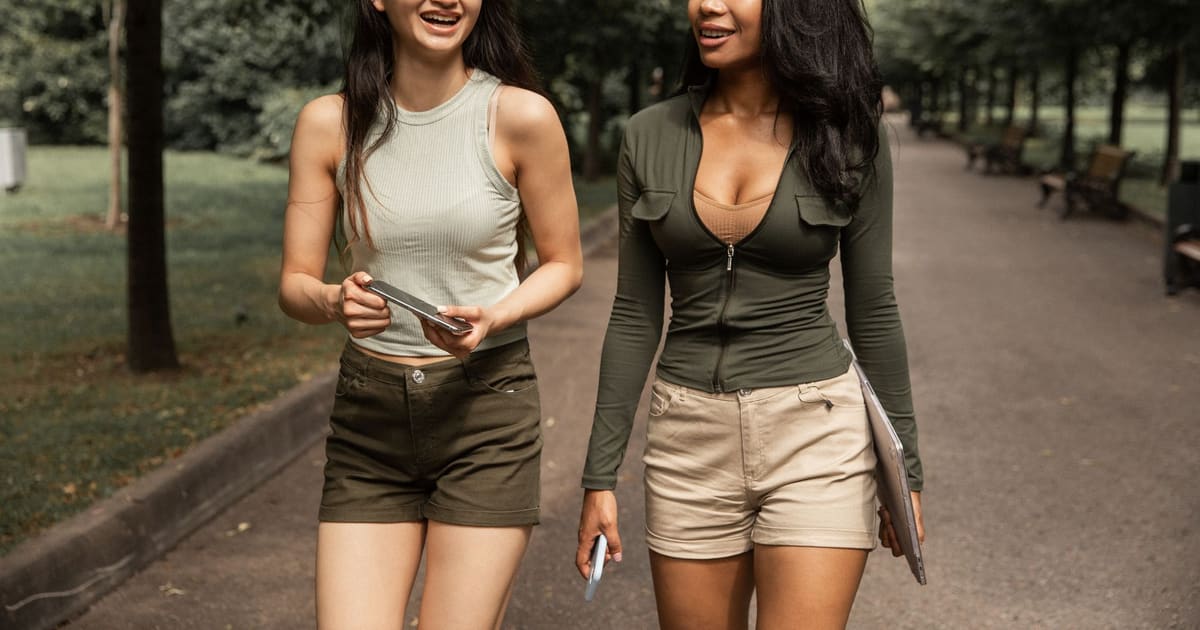
Some women would rather not walk alone after dark, or at all, and company is the simplest answer: a friend you walk with every week, a colleague at lunchtime, a local walking group. The Trust's own advice for runners includes running with others or joining a group, and walking is no different. The appeal of a women-only group is that the question of who else might be on the walk is settled before you leave home. If that sounds like what you want, our page on women's walking groups covers how they work and where to look. A first walk with people you don't know yet is still a first meeting, so the usual habits apply: a public meeting point, daylight, telling someone where you'll be, and your own way home.
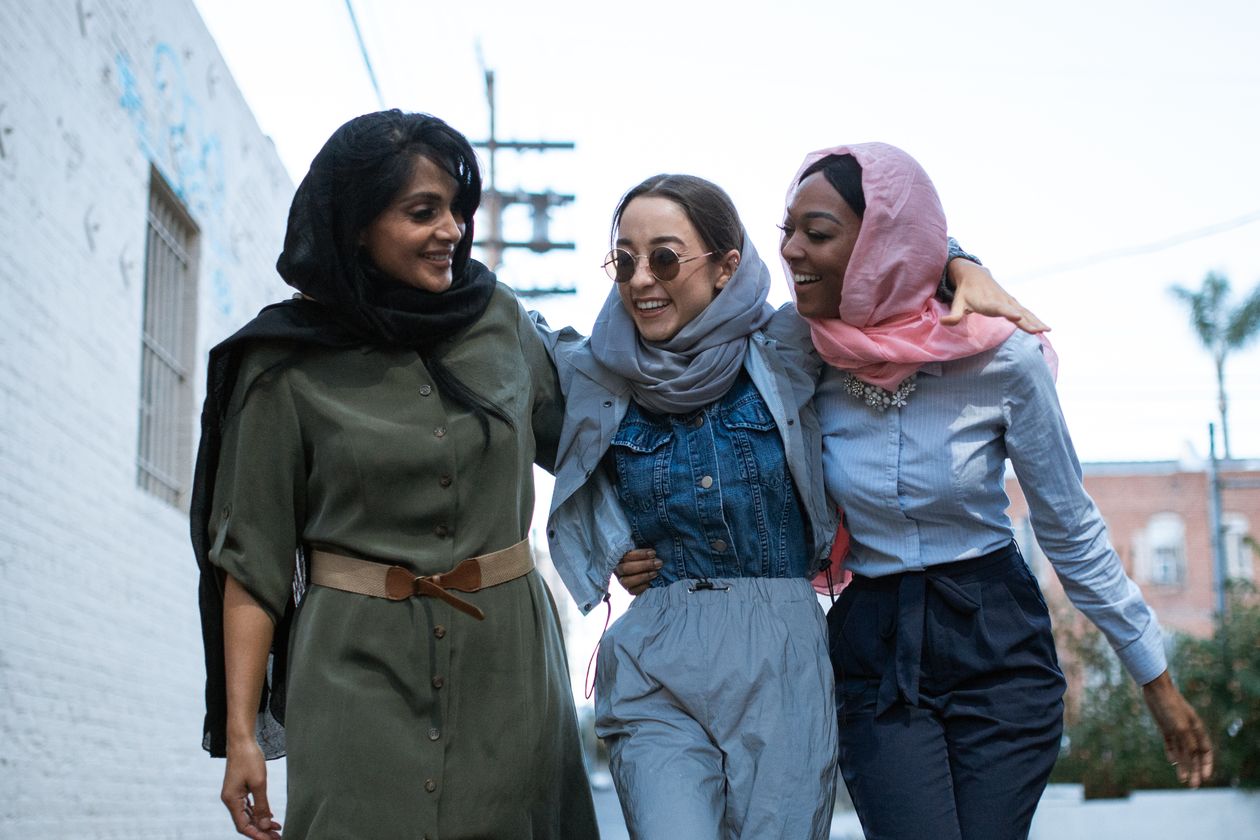 Photo: RDNE Stock project, Pexels
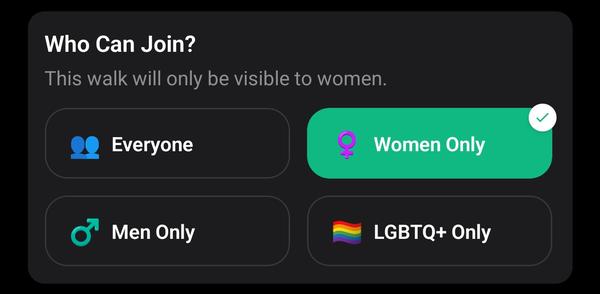
Women not feeling safe on walks was one of the biggest reasons I built Walk With Me, so safety went into the app from the start. You can create or join Women Only walks, where the app checks the joiner's profile gender, which each person declares themselves and can set only once. By default the host approves every request to join, a walk's pin on the public map is shifted by up to 200 meters, and a host's precise live location goes only to the people they've accepted. The meeting point you write is visible to anyone who can see the walk, so choose a public place. Blocking takes one tap and works both ways, you can report anyone from their profile or a walk, and there's more on how the app keeps walks safe. It's free on the App Store and Google Play.
2 martie 2026 · 5 minute
De fiecare dată când menționez aplicația, prima întrebare este: "Este sigură?" Răspunsul este da, și iată exact cum deplasarea de 200m, întârzierea de 5 minute, și aprobarea gazdei te protejează.
5 octombrie 2026 · 7 minute
Fix one or two days, a time and a meeting place, agree a bad-weather plan and what happens when one of you cancels, and start small.
21 august 2026 · 7 minute
A regular walking partner keeps older adults walking and seeing people. How to pick one, walk safely, add balance work, and where to find a companion.