




 $9.99ไฮไลต์เมือง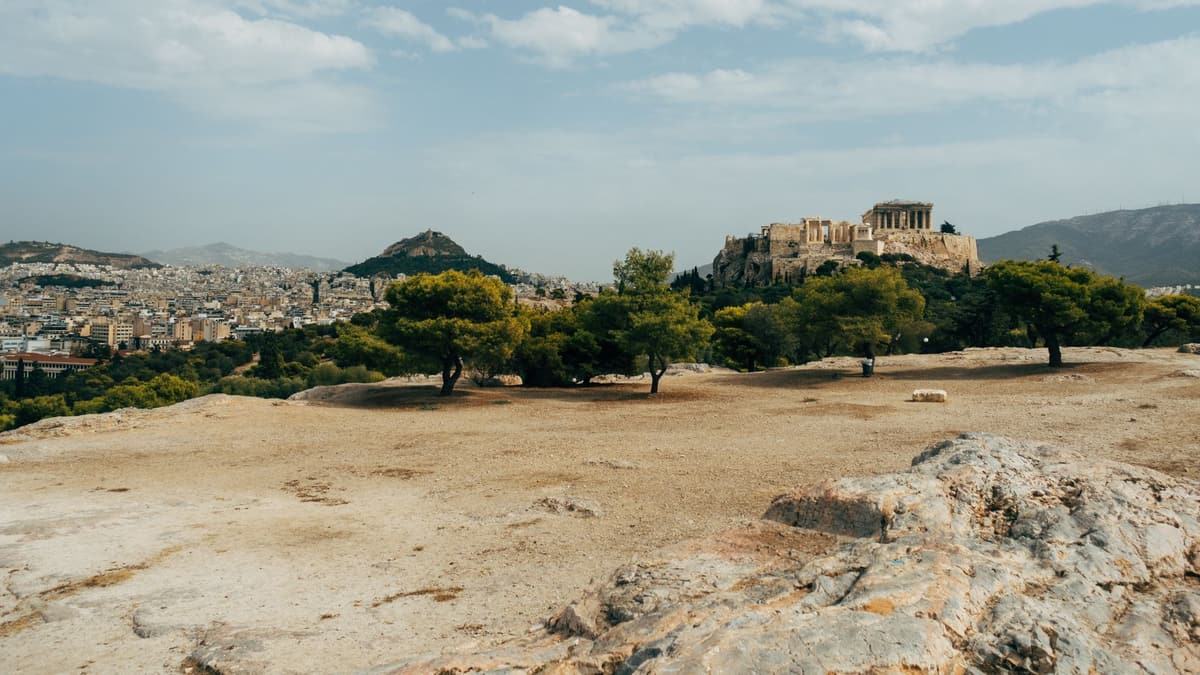
เสียงบรรยายนำเที่ยว Athens ทัวร์เดินชม
เดินเที่ยวชม Athens ด้วยตัวเองพร้อมเสียงบรรยาย ซื้อทัวร์เพียงครั้งเดียว ดาวน์โหลดเก็บไว้ แล้วปล่อยให้เรื่องราวบอกเล่าในแต่ละจุดแวะพักในขณะที่คุณเดินเที่ยวตามใจชอบ
ทัวร์เริ่มต้นที่ $8.99
เพื่อนเดินฟรี. การซื้อครั้งเดียวครอบคลุมทุกคนในการเดินของคุณ เริ่มทัวร์ ชวนเพื่อนเข้าร่วม แล้วมันจะเล่นบนโทรศัพท์ทุกเครื่องในกลุ่มของคุณ
5.0 บน Google Play
ทัวร์พร้อมเสียงบรรยายใน Athens
ทัวร์แต่ละเส้นทางจะมีแผนที่นำทางพร้อมเสียงบรรยายในทุกจุดแวะพัก ซื้อเพียงครั้งเดียวก็เก็บไว้ใช้งานได้ตลอดไป ไม่มีระบบสมัครสมาชิก
$9.99ไฮไลต์เมือง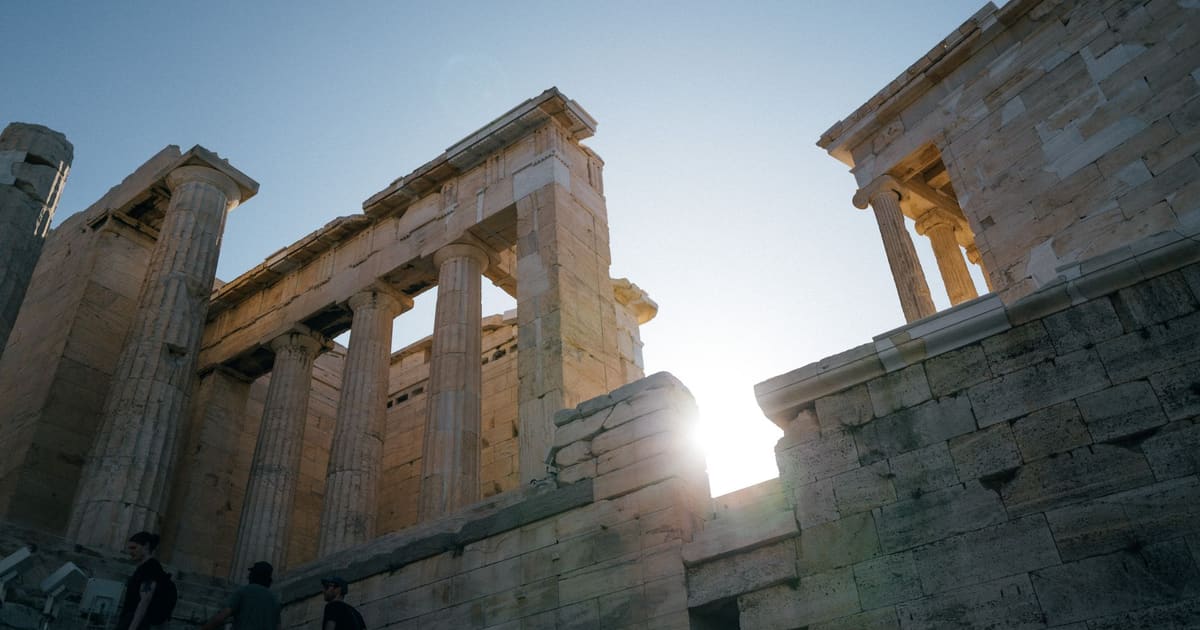 $8.99ไฮไลต์เมือง
สิ่งที่จะได้สัมผัสจากทัวร์เดินชมพร้อมเสียงบรรยายใน Athens
An audio walk through Athens moves between two different cities: the democratic Athens of the Agora and its hills, where citizens voted and judged in the open air, and the Athens of temples and old lanes that circles the Acropolis itself.
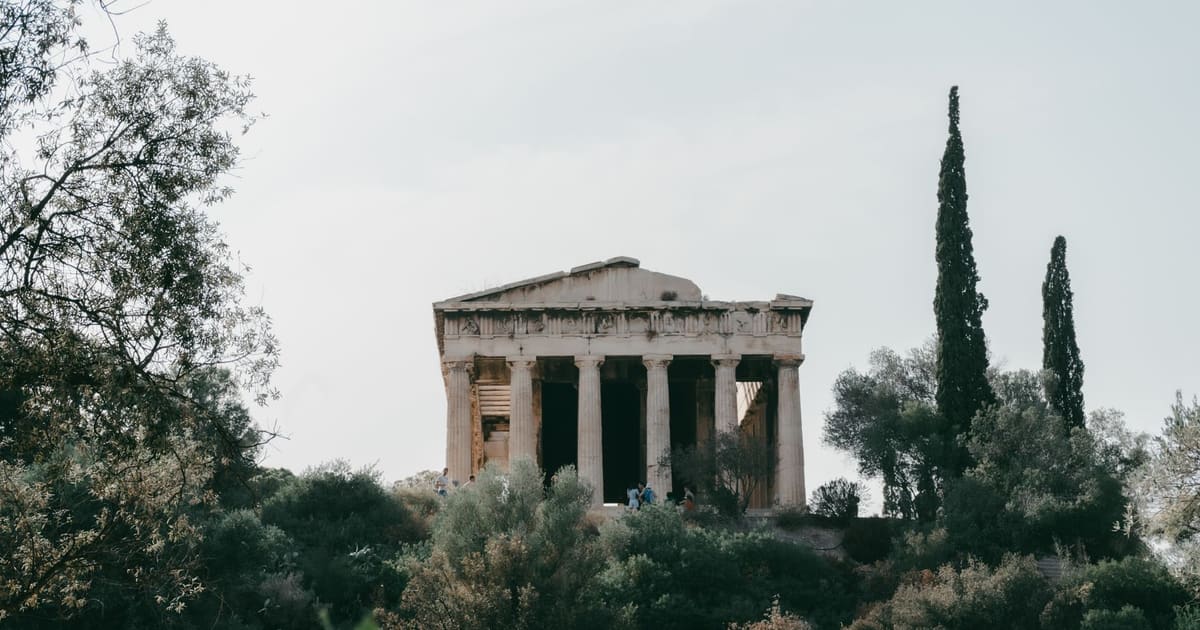
The Agora and Hills Walk starts in Monastiraki Square, crosses the ancient Agora where Socrates once questioned anyone who would listen, and climbs the bare rock of the Areopagus, where Saint Paul preached and a court once tried murder cases in the open air. From there it crosses to the Pnyx, the hillside where the Athenian assembly voted on war and peace, and ends among the pines of Philopappos Hill, with the Parthenon at eye level across the valley. It covers 3.7 kilometers, about 55 minutes of walking, across 6 stops.
The Acropolis and Plaka Walk starts in Syntagma Square, drops into the old lanes of Plaka, the oldest neighborhood in Athens, and climbs through Anafiotika, a cluster of whitewashed island houses built into the rock of the Acropolis itself. It passes the Roman Agora and the ancient Tower of the Winds before the climb to the Acropolis and the Parthenon, then descends past the Odeon of Herodes Atticus. It covers 3.2 kilometers, about 47 minutes of walking, across 7 stops.
The walk ends at the Temple of Olympian Zeus, once the largest temple in Greece, its surviving columns each some seventeen meters tall, beside Hadrian's Arch marking the old seam between Greek and Roman Athens. Both routes are hilly in their second half, with bare marble and stone paths polished smooth by centuries of feet, so shoes with real grip matter more here than almost anywhere else.
จุดน่าเดินเที่ยวใน Athens
ตัวอย่างจุดแวะพักที่คุณจะได้เดินผ่าน และเหตุผลที่คุณควรเดินให้ช้าลงเพื่อซึมซับบรรยากาศ
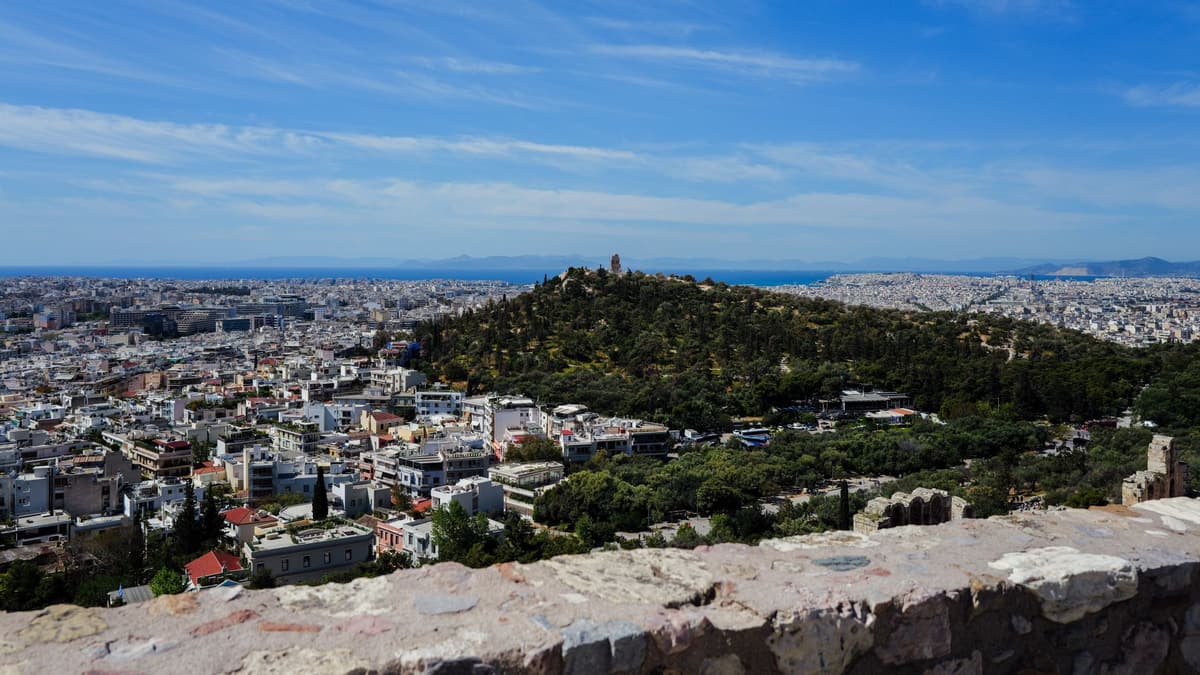
Philopappos Hill
From the pine covered slopes of Philopappos Hill, also called the Hill of the Muses, the whole city falls away below you, rooftops and low hills running out toward the sea at Piraeus. This is where the walk ends, at the marble tomb of Philopappos, a prince of a small kingdom that Rome had swallowed, who lived in Athens as a citizen and generous benefactor and was given this tomb on one of the finest sites in the city when he died around AD 116. The paths up here were laid in the 1950s by the architect Dimitris Pikionis, who set old paving stones and fragments from demolished houses into patterns that seem to have grown out of the hill itself.
The Areopagus
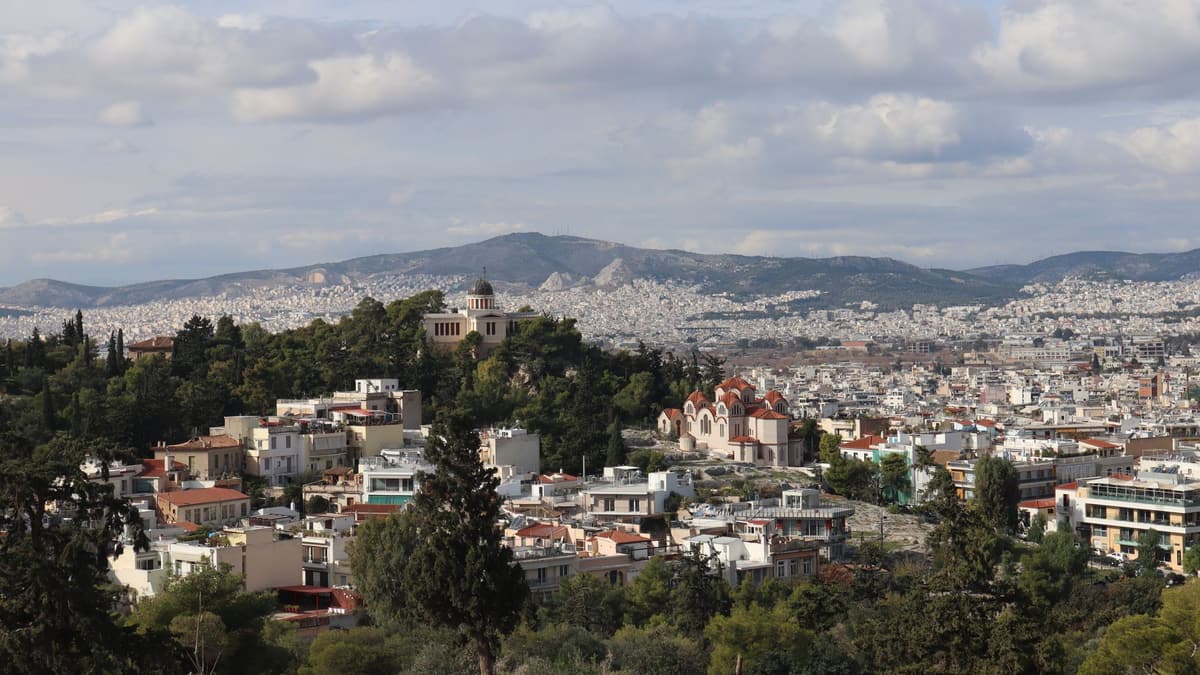
This view looks out over the hill where ancient Athens tried its murder cases in the open air, the Areopagus, a hump of bare grey rock between the Agora and the Acropolis whose name means the Hill of Ares. In myth the gods themselves stood trial here, and around AD 50 the apostle Paul was brought before the council to explain the god he had come to preach, a speech remembered on a bronze plaque at the foot of the rock today. The dome visible on the next hill is the National Observatory, founded in 1842, and from up here you also get one of the best views back over the Agora and the Temple of Hephaestus below.
The Acropolis
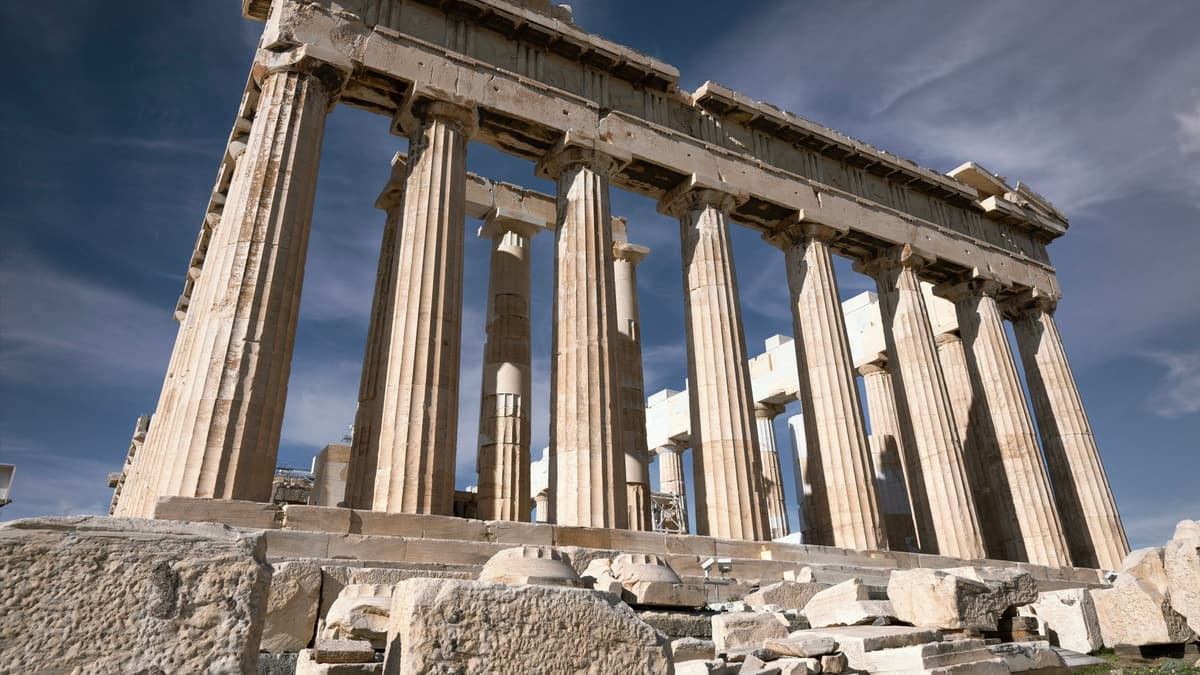
The Parthenon has stood on this rock for nearly two and a half thousand years, and even after everything else you pass on the way up, its scale still takes the breath away. Battered by time, war and looting, it remains one of the most perfect buildings ever raised, its columns subtly curved so the eye reads them as straight rather than bowed. Around it stand the graceful Erechtheion with its porch of carved maidens and the small temple of Athena Nike, and from the plateau the whole of Athens spreads out below in a sea of white running to the mountains and the sea. Walk the whole top and give it the unhurried hour or two it deserves.
Monastiraki and Hadrian's Library
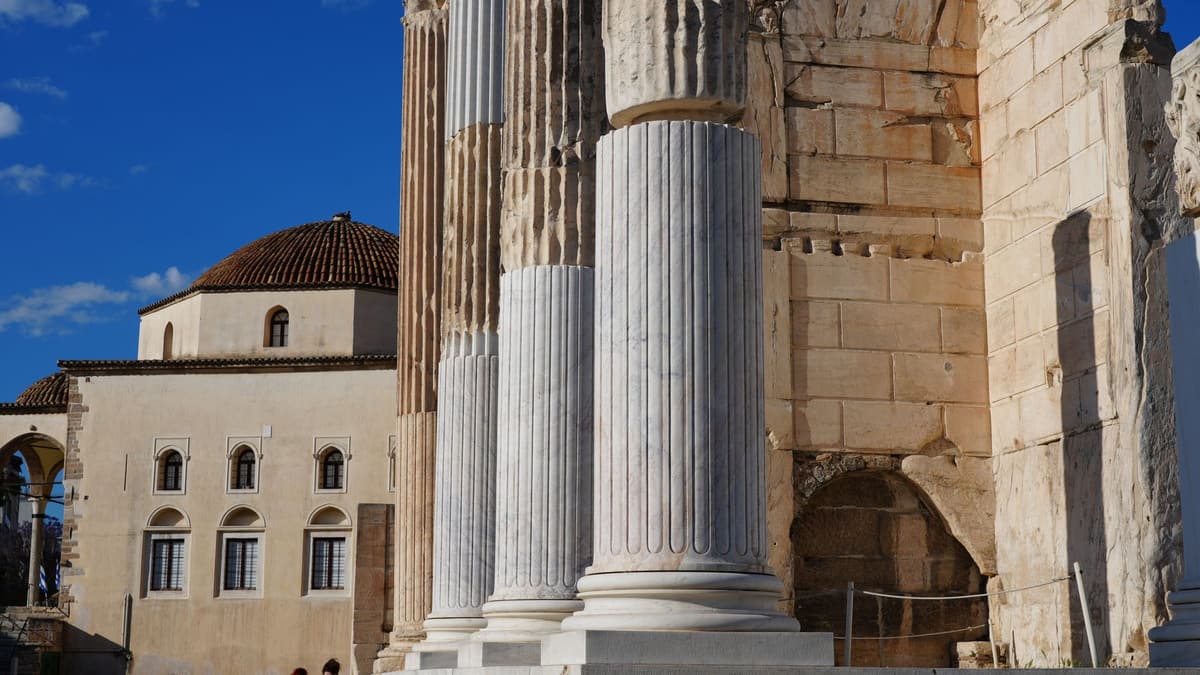
Monastiraki Square is where old Athens gets loud and crowded in the best way, with the flea market lanes running off one side and the metro spilling people out onto the other. The domed building with the arched porch is a mosque built in 1759 by the Ottoman governor Mustafa Agha Tzistarakis, and right behind it a row of tall marble columns marks the front of Hadrian's Library, built around AD 132 by the Roman emperor who loved Athens more than any other. Three eras of the city stand within a few steps of each other here, and the Acropolis rises just above the rooftops.
Plaka
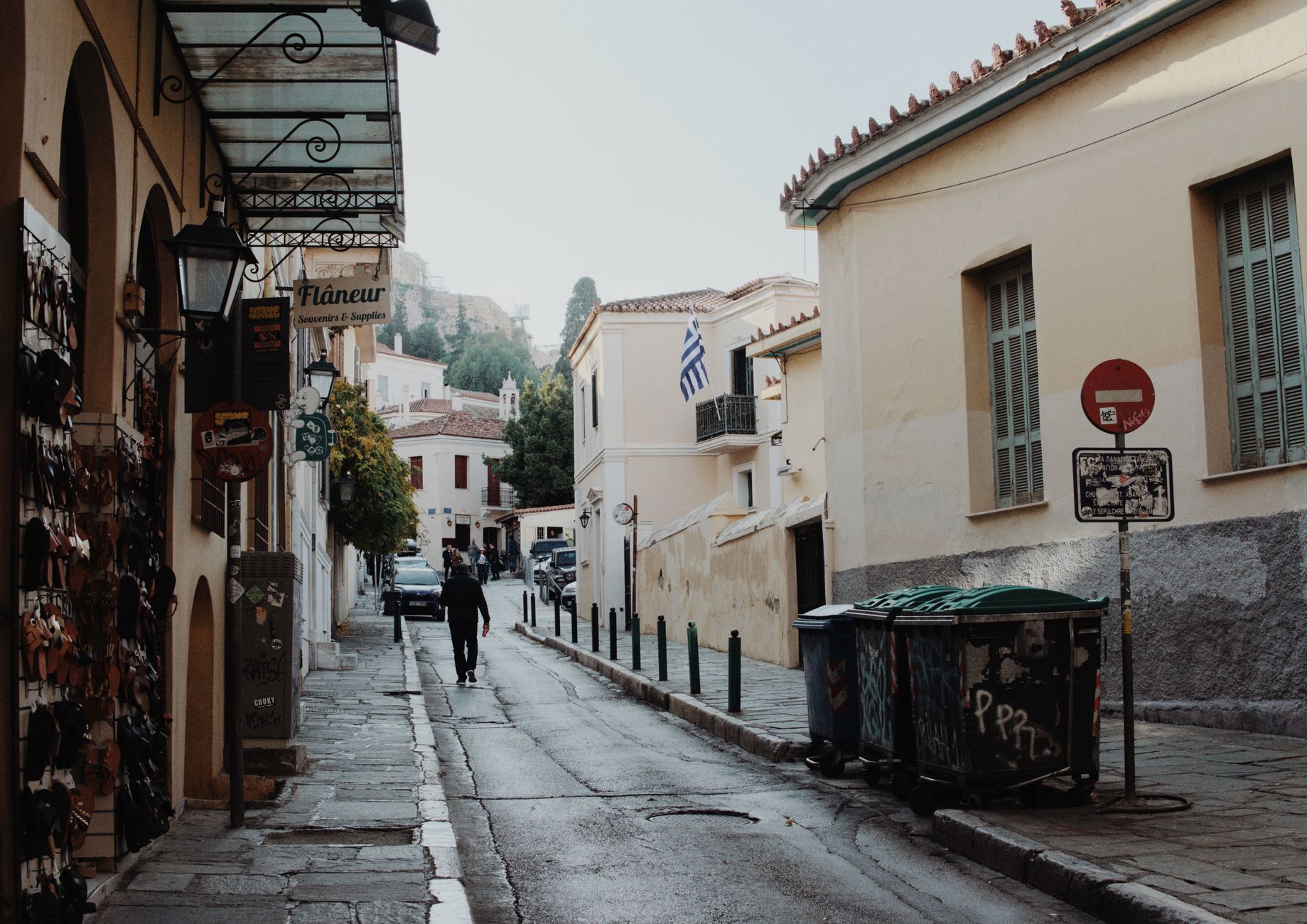
Plaka is the oldest continuously inhabited neighborhood in Athens, a tangle of narrow, mostly car-free lanes climbing the northern and eastern slopes of the Acropolis, which appears again at the end of a street exactly like this one. Neoclassical houses, small shops and quiet corners make it a neighborhood built for slow, aimless wandering rather than a straight line from one sight to the next. Fragments of the ancient city poke up between the houses here and there, a stray column or a stretch of Roman wall, because Plaka sits directly on top of the classical town. Follow whichever lane looks most inviting and let the neighborhood set the pace.
รับทัวร์เสียงใน 3 ขั้นตอนง่ายๆ
ทุกอย่างอยู่ในแอป Walk With Me ฟรี และจุดแวะแรกๆ ของทุกทัวร์ลองฟังได้ฟรี
แตะหูฟังสีทองแล้วเลือกทัวร์
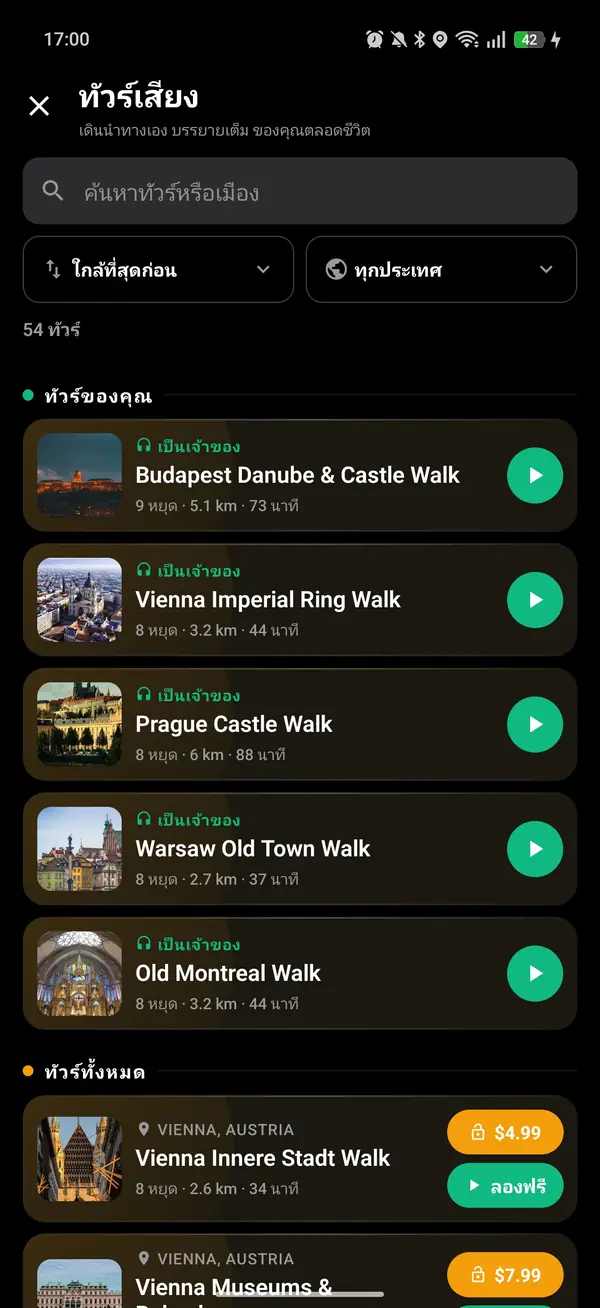
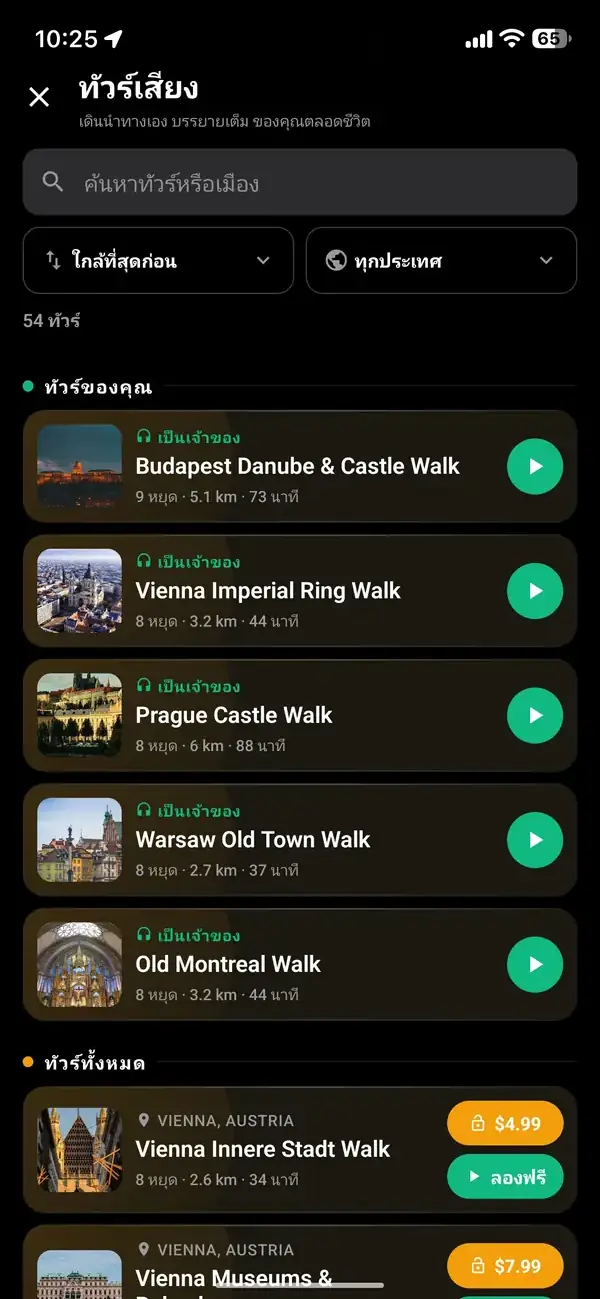
01
เดินคนเดียวหรือชวนใครสักคน
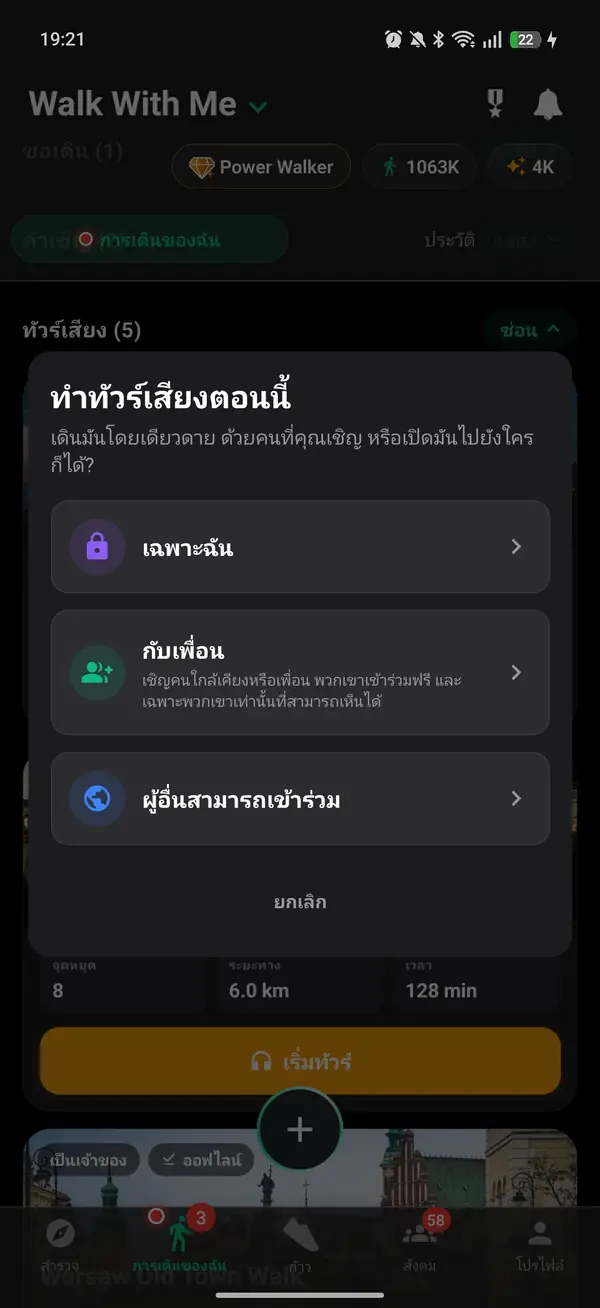
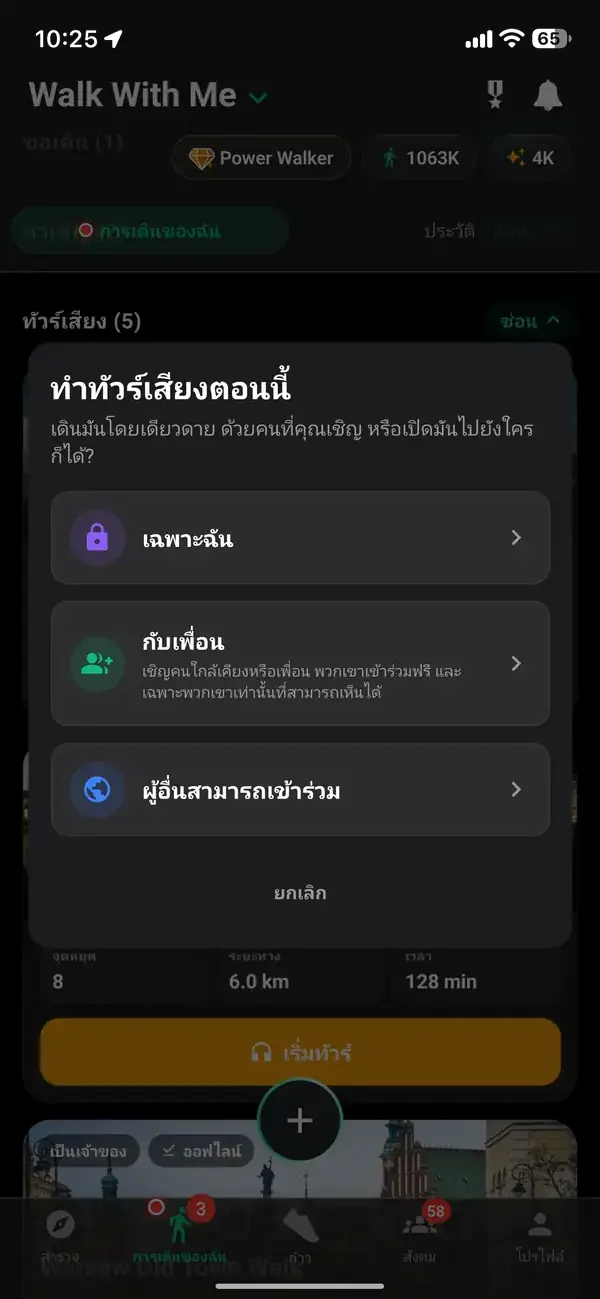
02
กดเล่นแล้วเริ่มเดิน
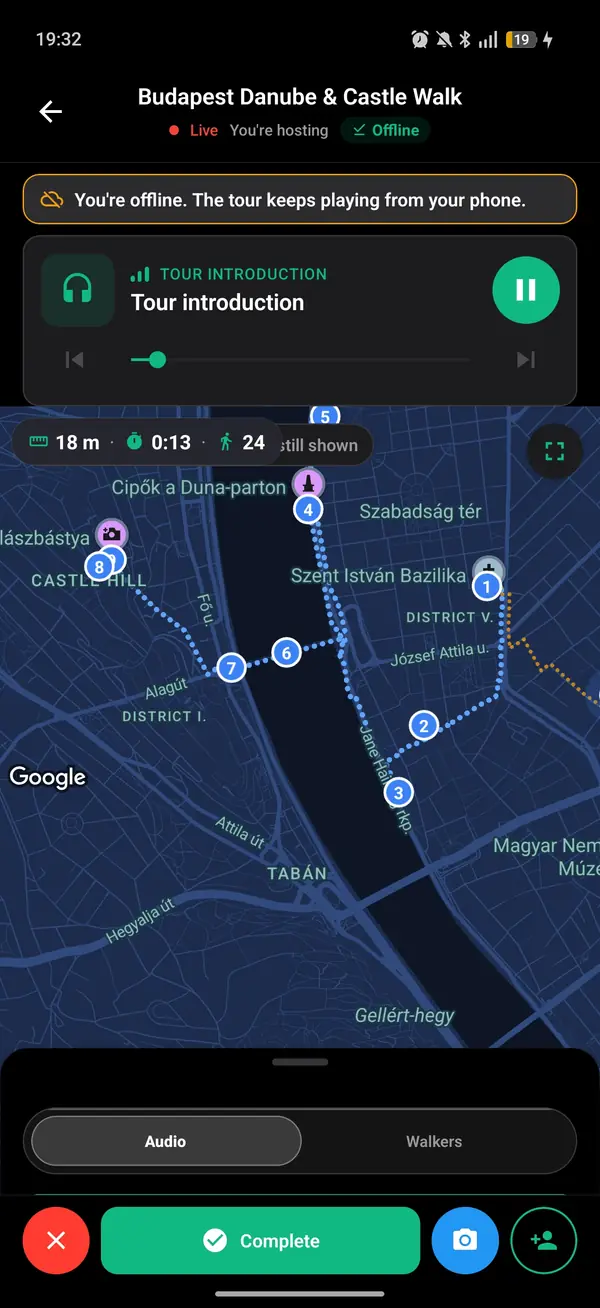
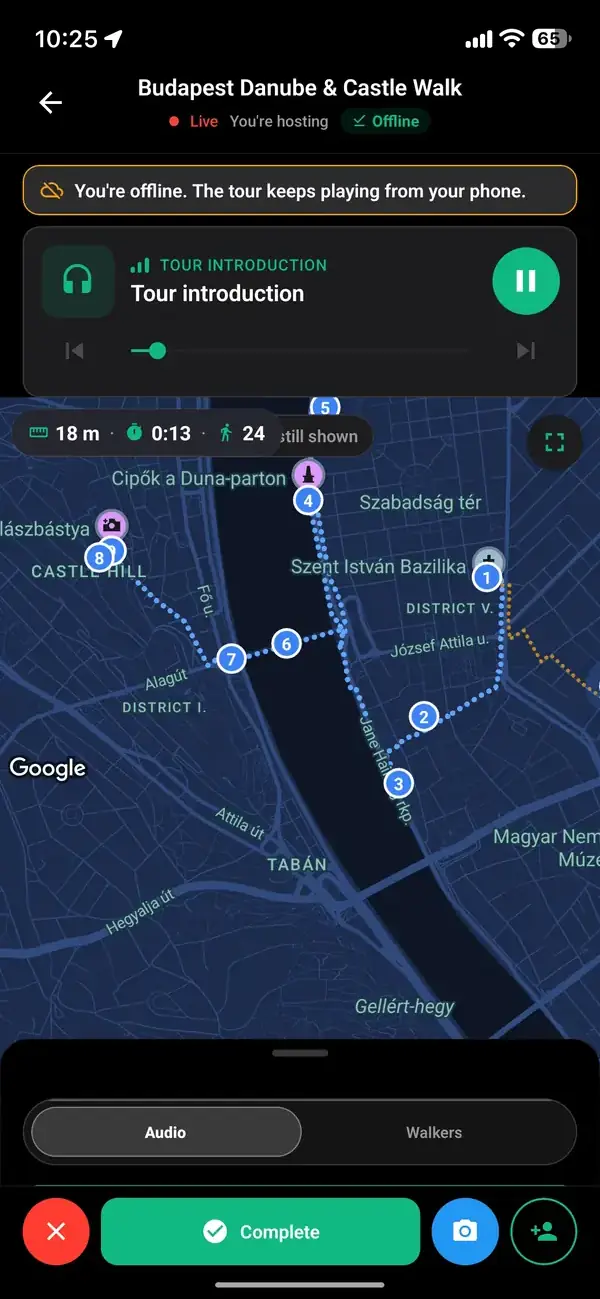
03
ตั้งใจสร้างสรรค์เพื่อ เวลาของคุณในเมือง
ทัวร์เหล่านี้ไม่ใช่รายการสถานที่ให้ติ๊กถูก แต่สร้างมาเพื่อให้เดินอย่างช้าๆ สวมหูฟัง แล้วมองเมืองรอบตัว
ผ่อนคลายและดื่มด่ำ
ทุกเรื่องราวเล่าขึ้น ณ สถานที่ที่มันเกิดขึ้นจริง แอปจะส่งเสียงเตือนเมื่อคุณถึงจุดแวะ แตะครั้งเดียวเรื่องราวก็เริ่ม และเส้นทางระหว่างจุดแวะเป็นของคุณตามจังหวะของคุณเอง
ใส่ใจทุกรายละเอียด
เราเลือกทุกเส้นทางและทุกจุดแวะด้วยตัวเอง และเรียบเรียงทุกเรื่องราวอย่างพิถีพิถัน เพื่อให้เวลาของคุณในเมืองได้ใช้กับสถานที่ที่คุ้มค่าที่สุด
เดินด้วยกันดีกว่า
ทุกการเดินจะดีขึ้นเมื่อมีใครสักคนอยู่ข้างๆ ถ้าคุณชวนเพื่อนมาได้ เราอยากให้คุณชวนจริงๆ นั่นคือเหตุผลที่การซื้อครั้งเดียวครอบคลุมทุกคนที่คุณเชิญ พวกเขาเข้าร่วมทัวร์ของคุณได้ฟรี