




 $10.99ไฮไลต์เมือง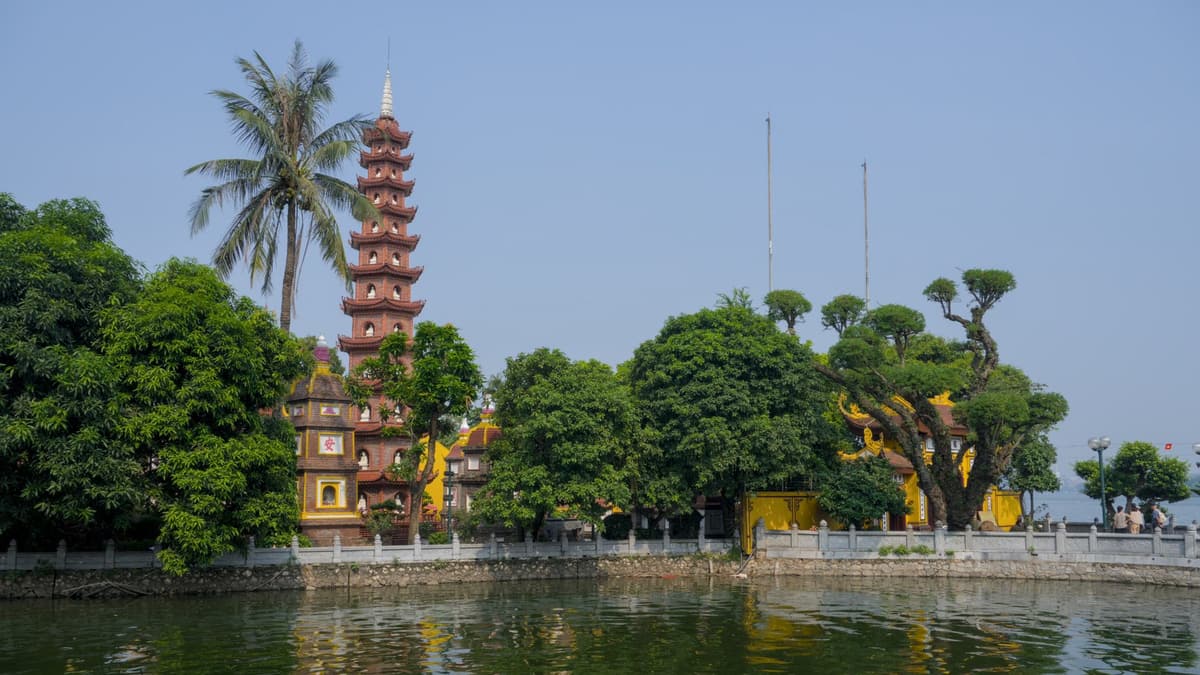
เสียงบรรยายนำเที่ยว Hanoi ทัวร์เดินชม
เดินเที่ยวชม Hanoi ด้วยตัวเองพร้อมเสียงบรรยาย ซื้อทัวร์เพียงครั้งเดียว ดาวน์โหลดเก็บไว้ แล้วปล่อยให้เรื่องราวบอกเล่าในแต่ละจุดแวะพักในขณะที่คุณเดินเที่ยวตามใจชอบ
ทัวร์เริ่มต้นที่ $8.99
เพื่อนเดินฟรี. การซื้อครั้งเดียวครอบคลุมทุกคนในการเดินของคุณ เริ่มทัวร์ ชวนเพื่อนเข้าร่วม แล้วมันจะเล่นบนโทรศัพท์ทุกเครื่องในกลุ่มของคุณ
5.0 บน Google Play
ทัวร์พร้อมเสียงบรรยายใน Hanoi
ทัวร์แต่ละเส้นทางจะมีแผนที่นำทางพร้อมเสียงบรรยายในทุกจุดแวะพัก ซื้อเพียงครั้งเดียวก็เก็บไว้ใช้งานได้ตลอดไป ไม่มีระบบสมัครสมาชิก
$10.99ไฮไลต์เมือง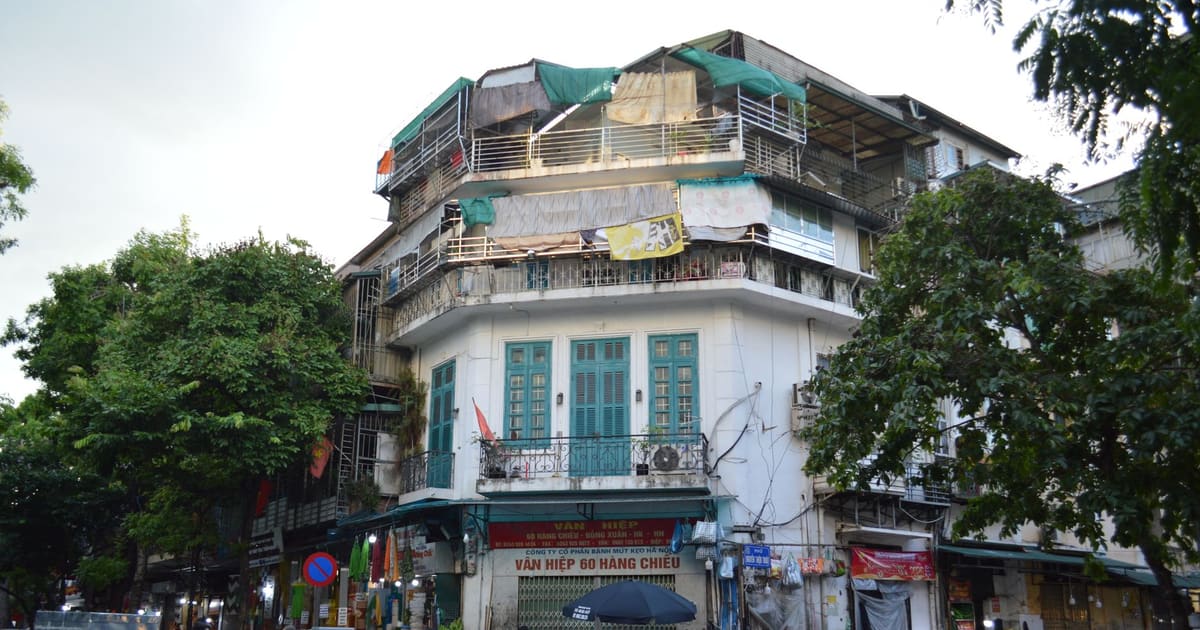 $8.99ไฮไลต์เมือง
สิ่งที่จะได้สัมผัสจากทัวร์เดินชมพร้อมเสียงบรรยายใน Hanoi
A Hanoi audio walk splits between two moods, the formal boulevards and mausoleum of Ba Đình and the crowded trade streets of the Old Quarter, with narration timed to each stop so you can cross a street of motorbikes or step into a quiet temple without losing the thread.
The Ba Đình Citadel Walk starts at Trấn Quốc Pagoda, the oldest in Hanoi, set on a small island in West Lake, then passes the guardian shrine of Quán Thánh Temple and the granite mausoleum of Ho Chi Minh on Ba Đình Square, before crossing into the excavated grounds of the Imperial Citadel of Thăng Long and finishing at the Temple of Literature. It covers 4.5 kilometers, about 62 minutes of walking, on wide, shaded boulevards.
The Old Quarter Walk starts at the twin towers of St Joseph's Cathedral, loops around Hoàn Kiếm Lake to the temple on its small island, then dives into the merchant streets for a restored tube house, the city's oldest temple and its last surviving gate, before finishing on the deck of the century old Long Biên Bridge. It covers 3.2 kilometers, about 44 minutes, through streets where the traffic never really stops.
Between the two walks you move from a thousand years of royal and political history in Ba Đình to a few dozen streets of trade in the Old Quarter that are still as loud and alive as they've ever been. Both stay flat, and both end on a note of water, a pond at the Temple of Literature's stelae and a wide, silty river seen from an iron bridge deck where trains still rumble past.
จุดน่าเดินเที่ยวใน Hanoi
ตัวอย่างจุดแวะพักที่คุณจะได้เดินผ่าน และเหตุผลที่คุณควรเดินให้ช้าลงเพื่อซึมซับบรรยากาศ
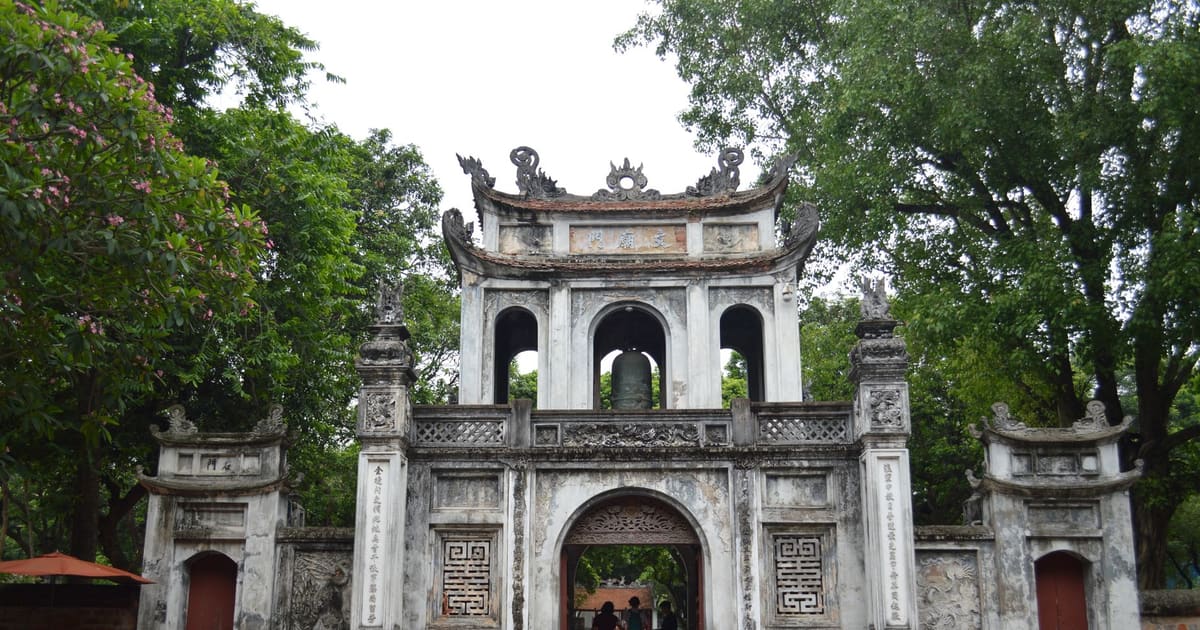
The Temple of Literature
The Temple of Literature was founded in 1070 to honor Confucius, and a few years later it became the site of Vietnam's first national university, where the sons of the elite once studied for the royal exams that opened the way to high office. Walking through its five courtyards, each a little quieter than the last, is meant to lead you from the noise of the world toward learning. The third courtyard holds its real treasure, rows of stone stelae resting on the backs of carved turtles, recording the names of scholars who passed the highest exams between 1442 and 1779. Students still come to pray before their own exams, even though the stelae themselves are now fenced off to protect them.
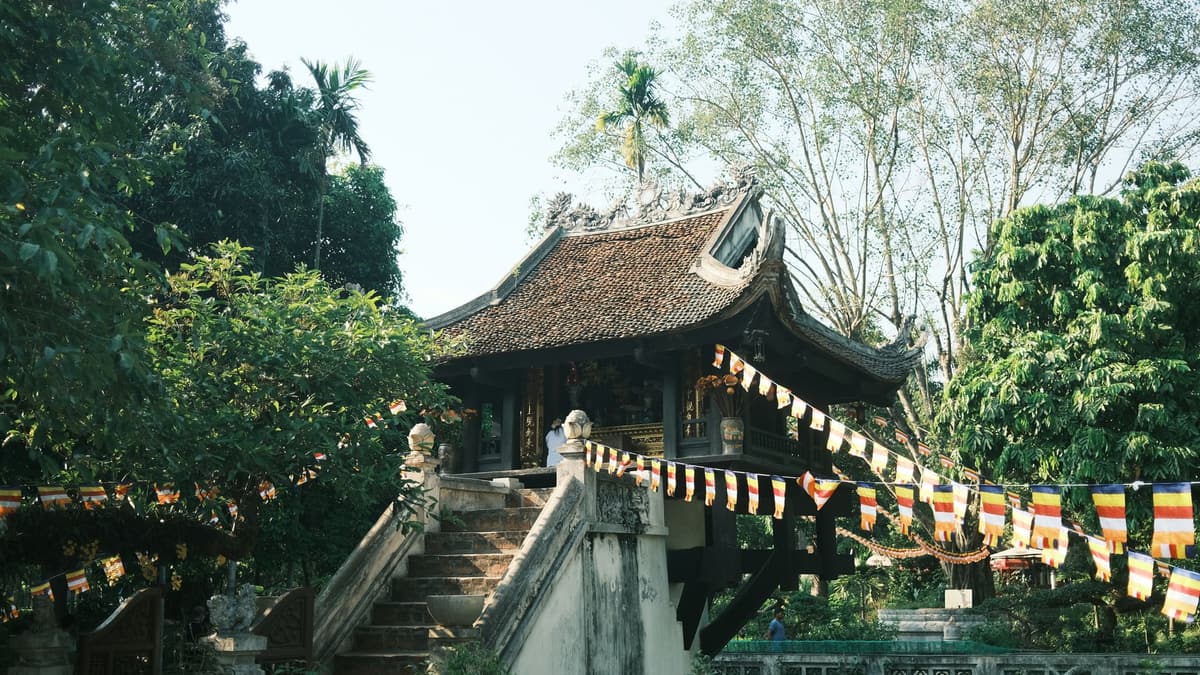
One Pillar Pagoda
Tucked behind the Ho Chi Minh Mausoleum in a small square pond, the One Pillar Pagoda is one of the most beloved buildings in Vietnam and one of the smallest, a wooden shrine just a few meters across perched on a single column so it seems to rise from the water like a lotus flower. The story goes that in 1049 an emperor with no son dreamed that the goddess of mercy handed him a baby boy from a lotus throne, and when a son was born he built this shrine in thanks. French troops destroyed it as they withdrew from Hanoi in 1954, and it was rebuilt soon after with a concrete pillar in place of the original wood.
Hoan Kiem Lake
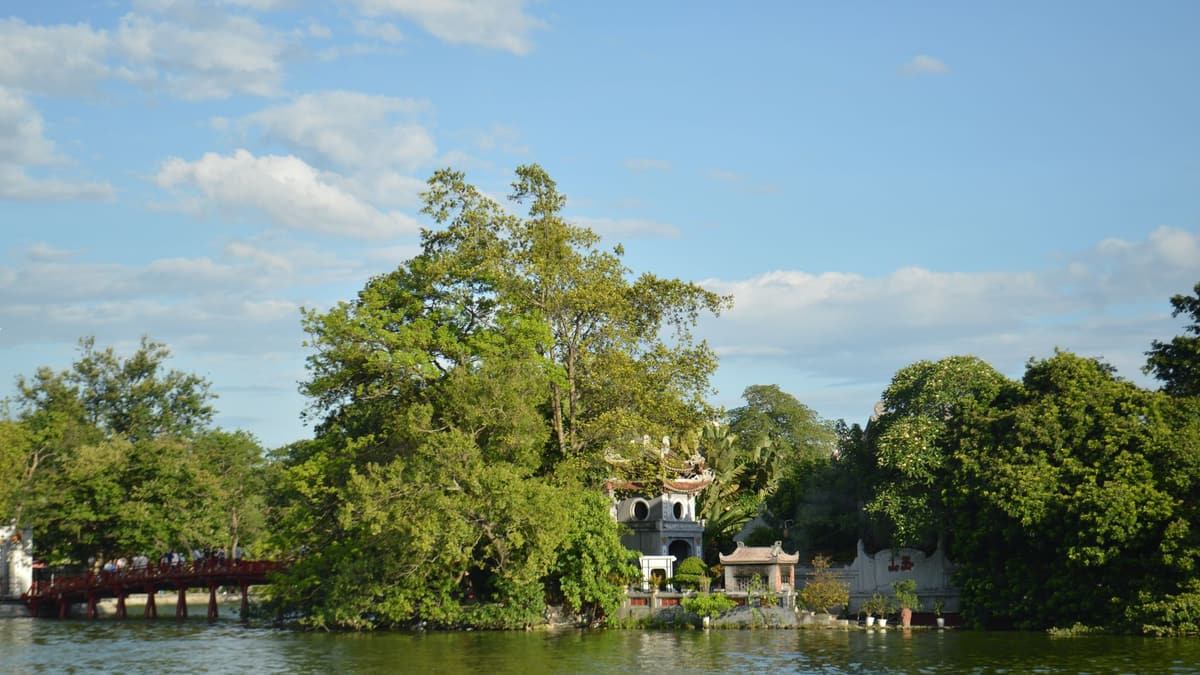
Hoàn Kiếm Lake, the Lake of the Returned Sword, takes its name from a legend about a magic blade that helped a fifteenth century leader drive out invading armies, after which a golden turtle is said to have risen from the water to carry the sword back to the depths. A small, weathered tower sits on its own island in the middle of the lake, and a scarlet bridge leads across to Ngọc Sơn Temple on the far shore, dedicated to the general who later turned back a Mongol invasion. The lake's last known giant softshell turtle died in 2016, and Hanoians still talk about it with real affection.
St Joseph's Cathedral
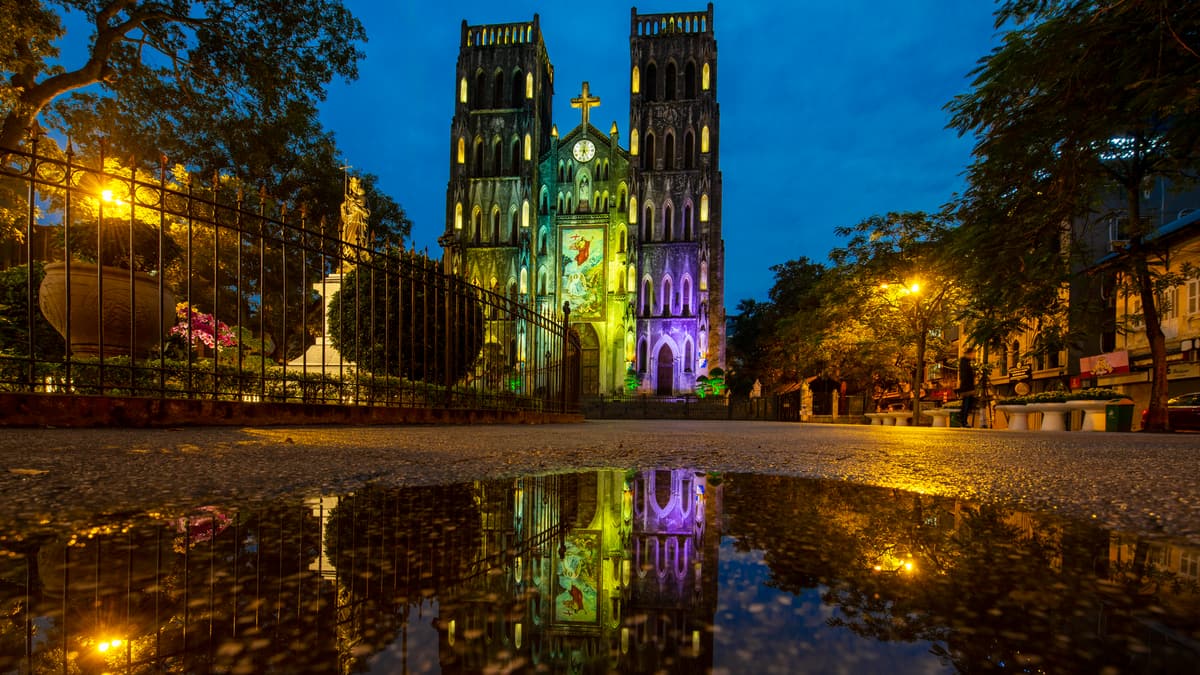
St Joseph's Cathedral, which locals simply call Nhà Thờ Lớn, the Big Church, was finished by the French in 1886 with a clear nod to Notre-Dame de Paris in its twin bell towers and round rose window. A Buddhist pagoda with its own tall tower had stood near this spot since the eleventh century before it was cleared to make way for the new cathedral, a quiet reminder of whose city this had become under colonial rule. At night the towers are lit and reflected in the wet pavement of the square outside, where young Hanoians gather on low plastic stools over iced lemon tea long into the evening.
Long Bien Bridge
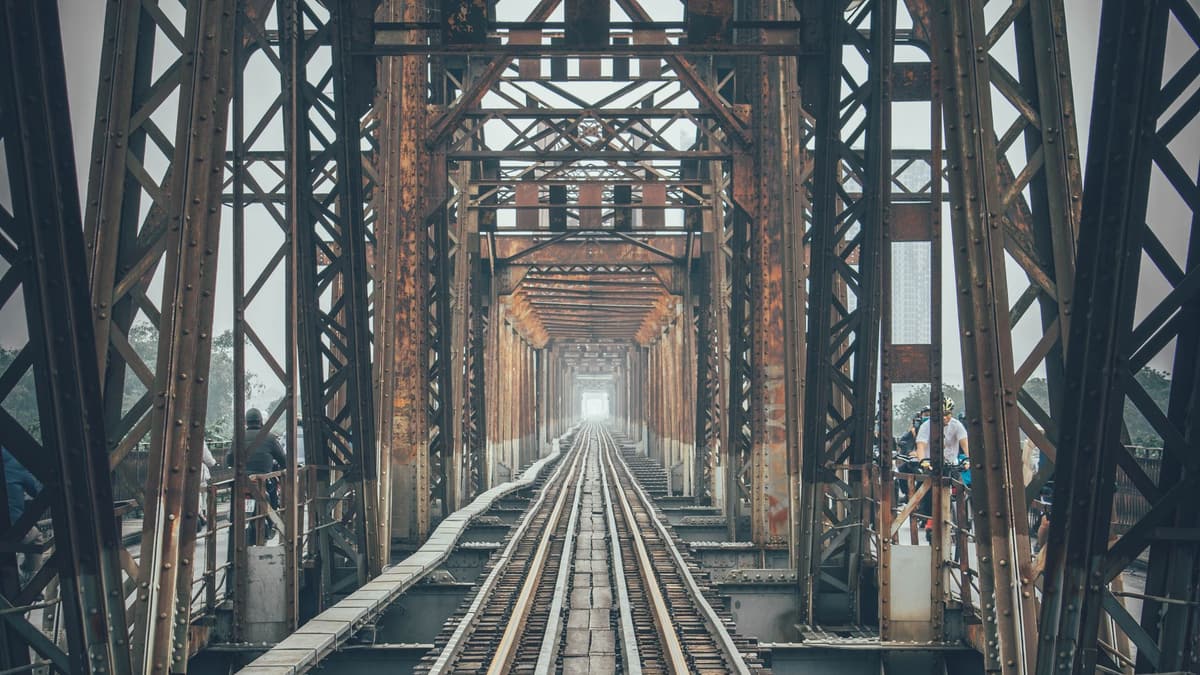
Long Biên Bridge was built by the French between 1899 and 1902, a run of iron spans crossing the Red River for well over a kilometer and a half, among the longest bridges in Asia when it was finished. American aircraft bombed it repeatedly during the war, and if you look along the trusses you can still see where different spans were rebuilt and don't quite match. Trains still run down the single track in the middle today, while motorbikes and bicycles use the narrow lanes on either side, keeping to the left in an exception to Vietnam's usual traffic pattern. Below the bridge, banana groves cover the long sandbanks in the silty red water that gives the river its name.
รับทัวร์เสียงใน 3 ขั้นตอนง่ายๆ
ทุกอย่างอยู่ในแอป Walk With Me ฟรี และจุดแวะแรกๆ ของทุกทัวร์ลองฟังได้ฟรี
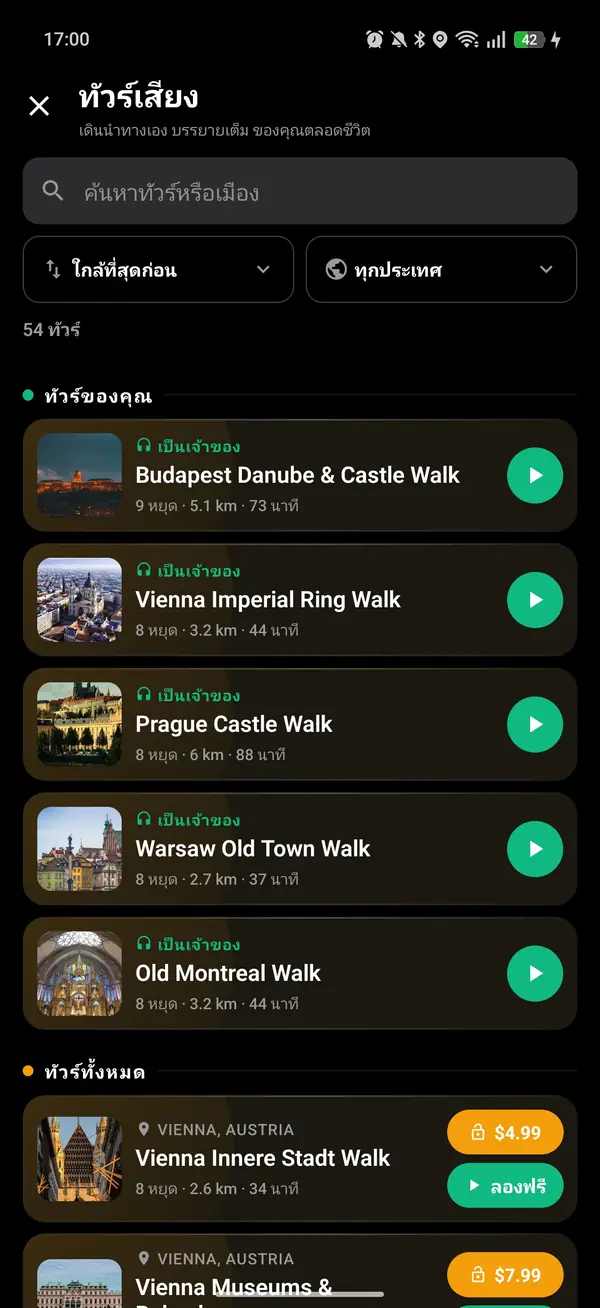
แตะหูฟังสีทองแล้วเลือกทัวร์
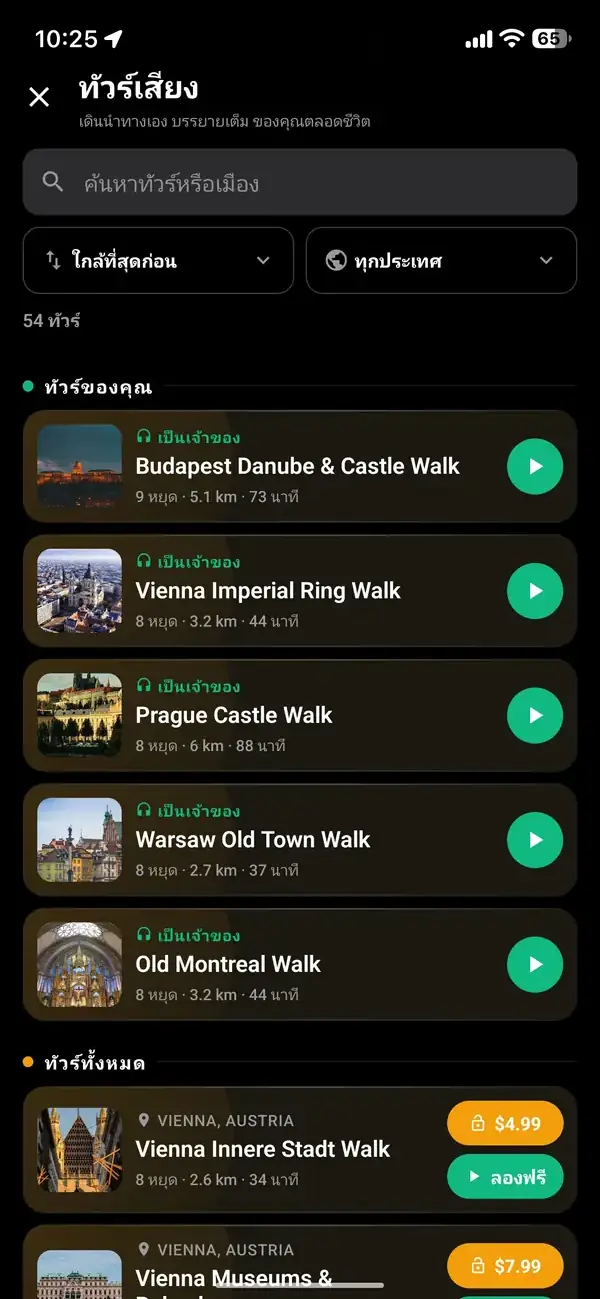
01
เดินคนเดียวหรือชวนใครสักคน


02
กดเล่นแล้วเริ่มเดิน
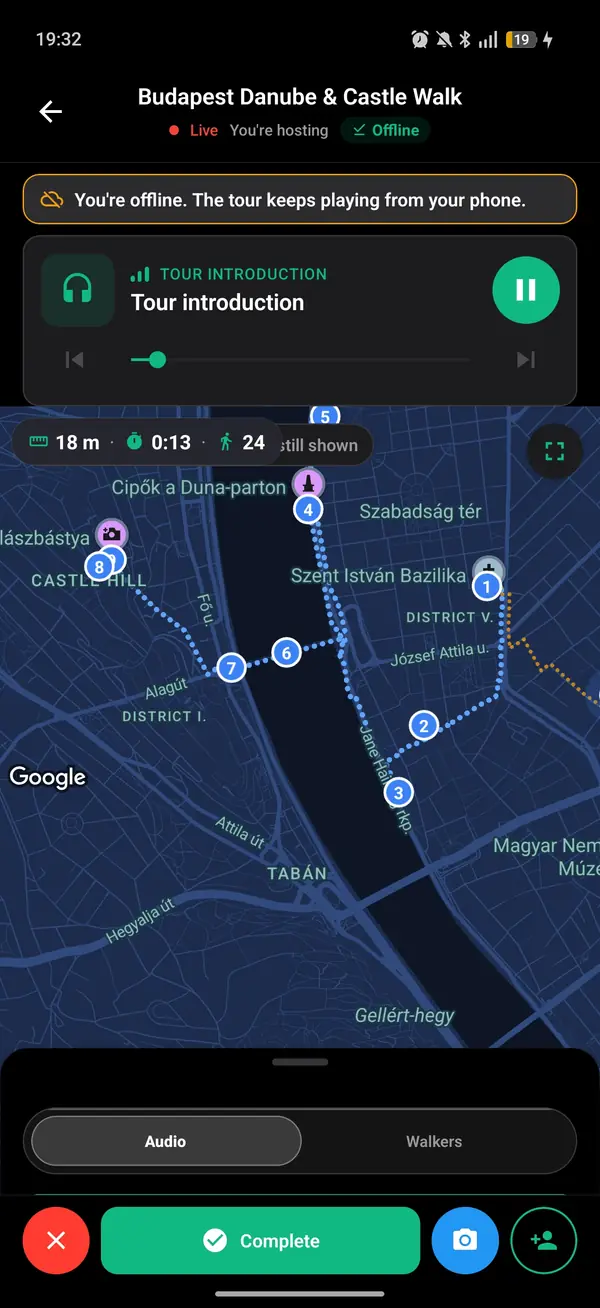
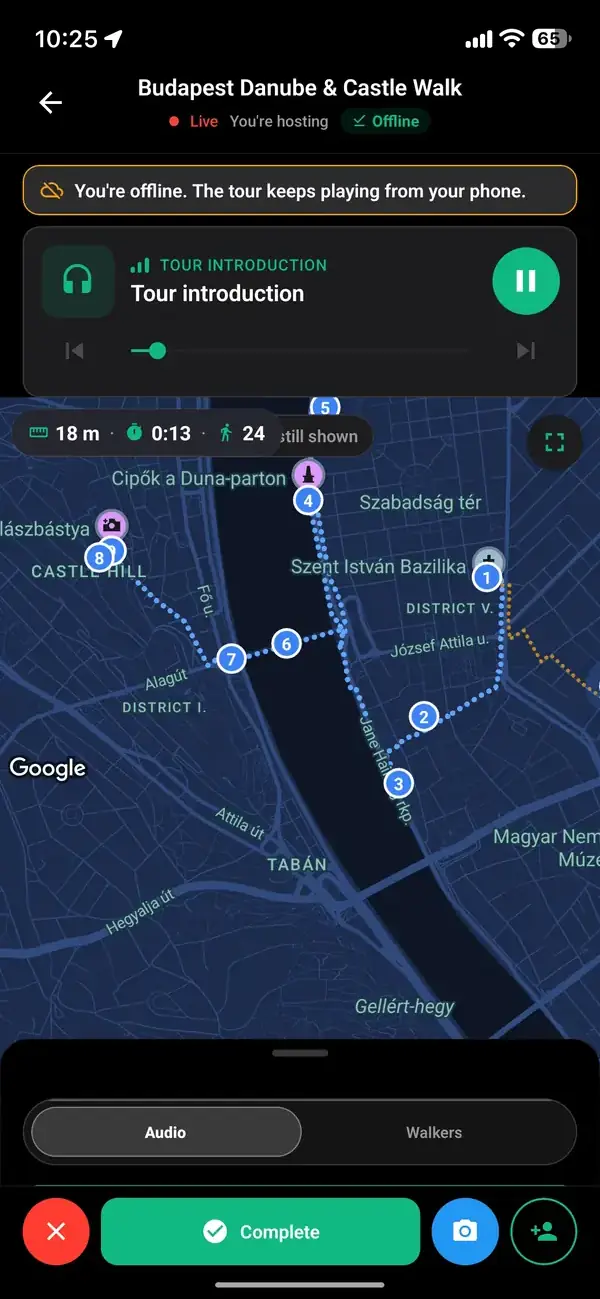
03
ตั้งใจสร้างสรรค์เพื่อ เวลาของคุณในเมือง
ทัวร์เหล่านี้ไม่ใช่รายการสถานที่ให้ติ๊กถูก แต่สร้างมาเพื่อให้เดินอย่างช้าๆ สวมหูฟัง แล้วมองเมืองรอบตัว
ผ่อนคลายและดื่มด่ำ
ทุกเรื่องราวเล่าขึ้น ณ สถานที่ที่มันเกิดขึ้นจริง แอปจะส่งเสียงเตือนเมื่อคุณถึงจุดแวะ แตะครั้งเดียวเรื่องราวก็เริ่ม และเส้นทางระหว่างจุดแวะเป็นของคุณตามจังหวะของคุณเอง
ใส่ใจทุกรายละเอียด
เราเลือกทุกเส้นทางและทุกจุดแวะด้วยตัวเอง และเรียบเรียงทุกเรื่องราวอย่างพิถีพิถัน เพื่อให้เวลาของคุณในเมืองได้ใช้กับสถานที่ที่คุ้มค่าที่สุด
เดินด้วยกันดีกว่า
ทุกการเดินจะดีขึ้นเมื่อมีใครสักคนอยู่ข้างๆ ถ้าคุณชวนเพื่อนมาได้ เราอยากให้คุณชวนจริงๆ นั่นคือเหตุผลที่การซื้อครั้งเดียวครอบคลุมทุกคนที่คุณเชิญ พวกเขาเข้าร่วมทัวร์ของคุณได้ฟรี