
October 11, 2026 · 9 min read
Amsterdam Anne Frank Walking Tour
From the Hollandsche Schouwburg through the old Jewish Quarter, past the Dockworker and the Dam, to the Anne Frank House on the Prinsengracht.
589

October 9, 2026 · 11 min read

 Arkadaşlar ücretsiz yürür
Her tur aynı zamanda uygulamada katılabileceğiniz planlı bir grup yürüyüşü olarak da gerçekleştirilir.
Hong Kong'de daha fazla sesli tur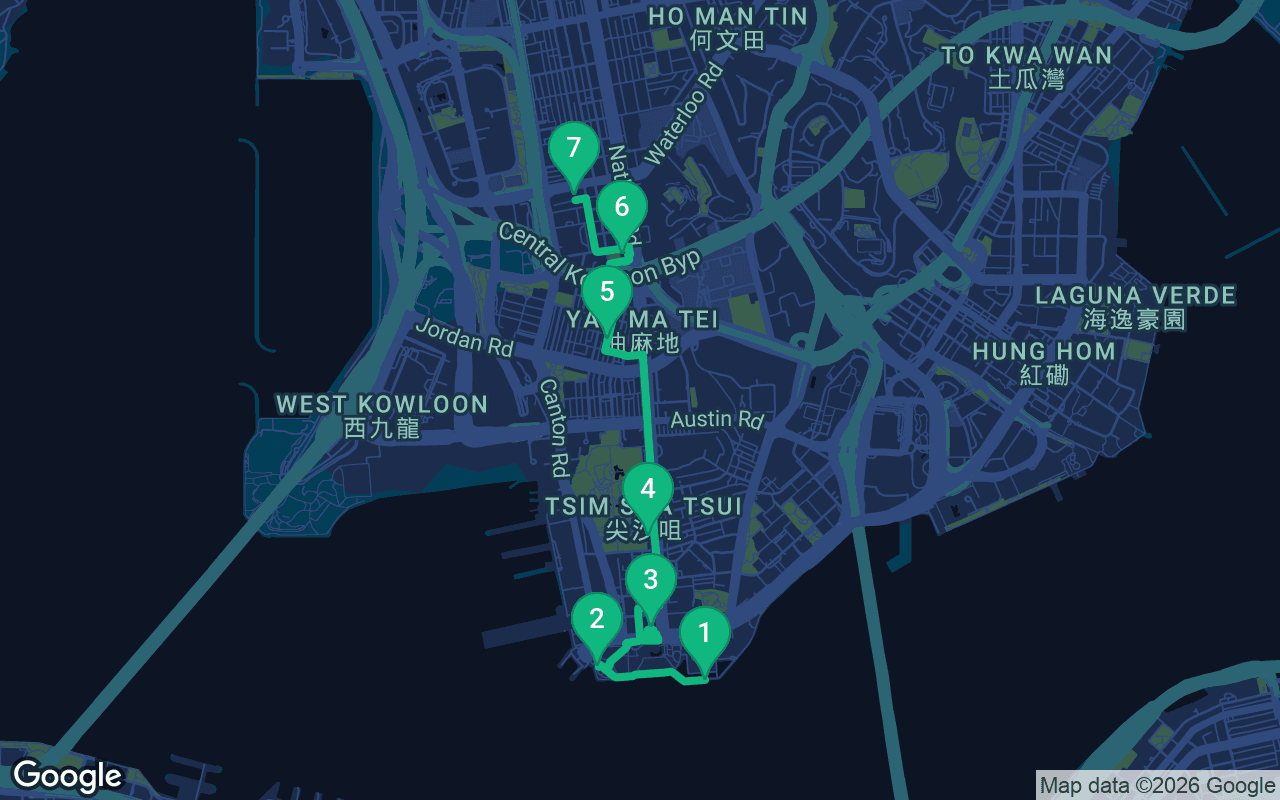
Yaklaşık 3,5 km, rahat bir tempoyla aşağı yukarı 49 dakika.
Bu tur sesli anlatımlıdır
Anlatımdan 30 saniyelik bir demo dinlemek için ilk 3 durakta oynat düğmesine basın. Uygulamada giriş bölümü ve bu 3 durak baştan sona ücretsizdir ve her birine vardığınızda sesli bir uyarı çalar. Tüm sesli tur, kalıcı olarak sahip olacağınız tek seferlik bir satın alma ile $8.99 karşılığında sizin olur.
Garmin, Komoot, Strava, OS Maps ve tüm GPX uygulamalarıyla çalışır.
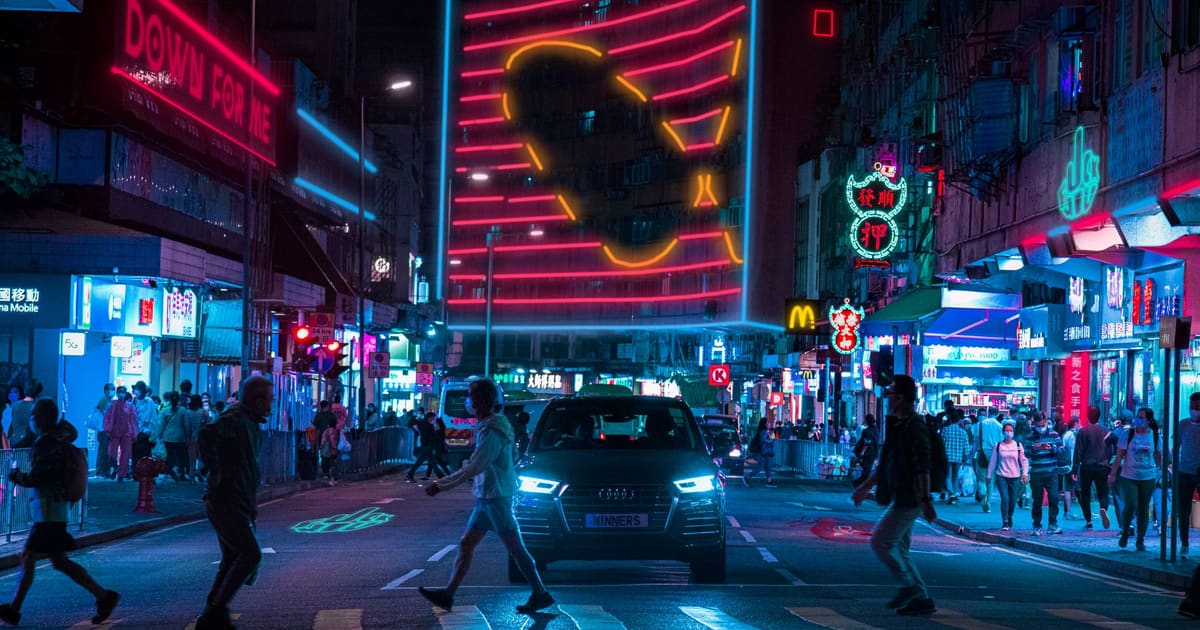
Kowloon is the half of Hong Kong that looks back at the famous skyline, and it is the half where a great deal of ordinary Hong Kong life still happens on the street. This walk starts on the waterfront at Tsim Sha Tsui, with the whole of Hong Kong Island spread across the water in front of you, and heads north up Nathan Road, past a grand old hotel, a white marble mosque and a mile of shop signs, into the older, earthier streets of Yau Ma Tei. It ends at a fruit market that has been trading since 1913. The route covers about 3.5 kilometers, a little over two miles, and it is one of the best self-guided walking tours for seeing how the city's past and present sit side by side.
The walking alone takes under an hour, but give it two to three hours with stops, and longer if you settle in for tea or a meal at Temple Street. The route is flat all the way, on wide pavements along the harbor and Nathan Road and narrower, busier ones in Yau Ma Tei, with a few pedestrian crossings and underpasses along the way. Hong Kong is hot and very humid for much of the year, so carry water, wear something light and use the shade of the buildings and the air conditioned shops when you need a break. The best time to start is late afternoon. You see the harbor in daylight, reach Temple Street as the stalls light up and finish at the fruit market as it begins to wake. Between roughly May and October, check the weather before you go: when a typhoon signal or a heavy rainstorm warning is raised, the waterfront can close and much of the city winds down. The Kowloon Mosque is a working place of worship, and visiting is restricted, so check before you go and dress modestly if you plan to look in.
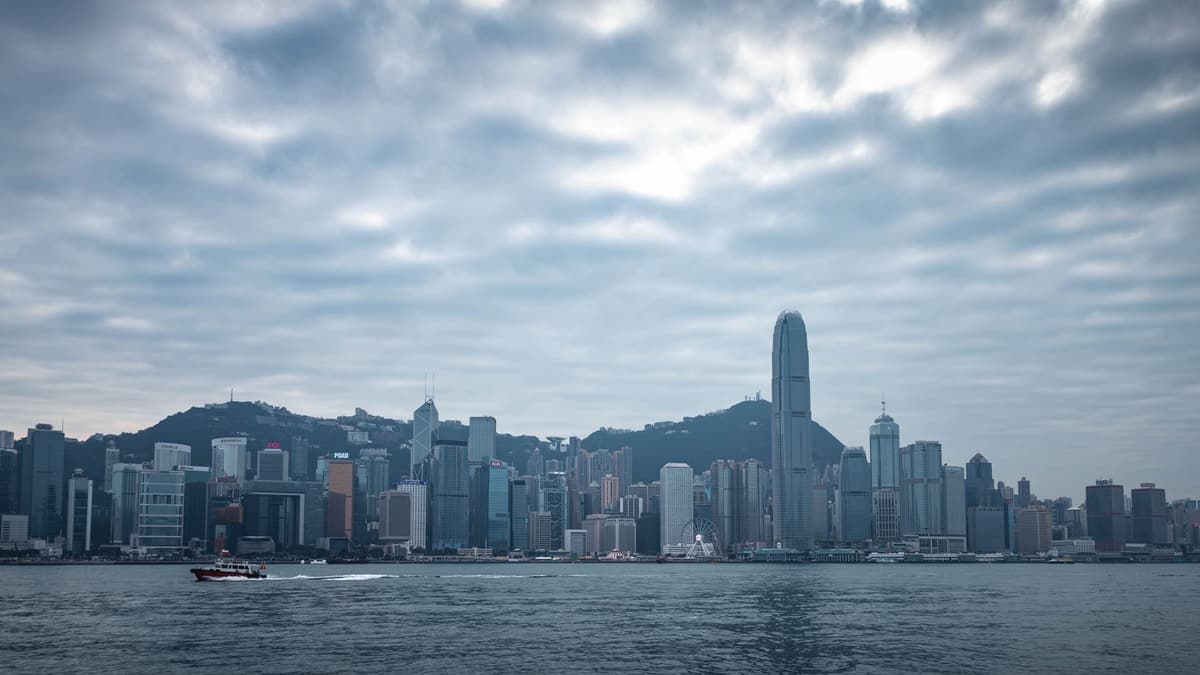
Start on the harbor promenade and simply look across the water. That wall of towers is Hong Kong Island, with the tall, slim International Finance Centre over to the right, the sharp, angled Bank of China Tower a little to its left and the green slopes of Victoria Peak rising behind them all. Ferries, barges and the odd old junk with red sails cross Victoria Harbour in front of you. This stretch of promenade is the Avenue of Stars, opened in 2004 to honor Hong Kong's film industry, the one that gave the world kung fu cinema and a long line of action and crime classics. Find the bronze of Bruce Lee, caught mid fight, and the handprints of film stars along the railings. Now look straight across the water, at the low glass building on the shoreline of Wan Chai with a curved roof like a bird's wings. That is an extension of the city's convention center, and at midnight on June 30, 1997, the ceremony that handed Hong Kong from Britain to China was held inside it. The story of that handover began on this side of the water. Britain took Hong Kong Island in the 1840s, then the tip of the Kowloon peninsula you are standing on in 1860, and in 1898 it leased the much larger New Territories to the north for 99 years. When that lease ran out, the whole territory went back together. Walk west along the promenade, keeping the water on your left, toward the red brick tower ahead. About seven minutes.
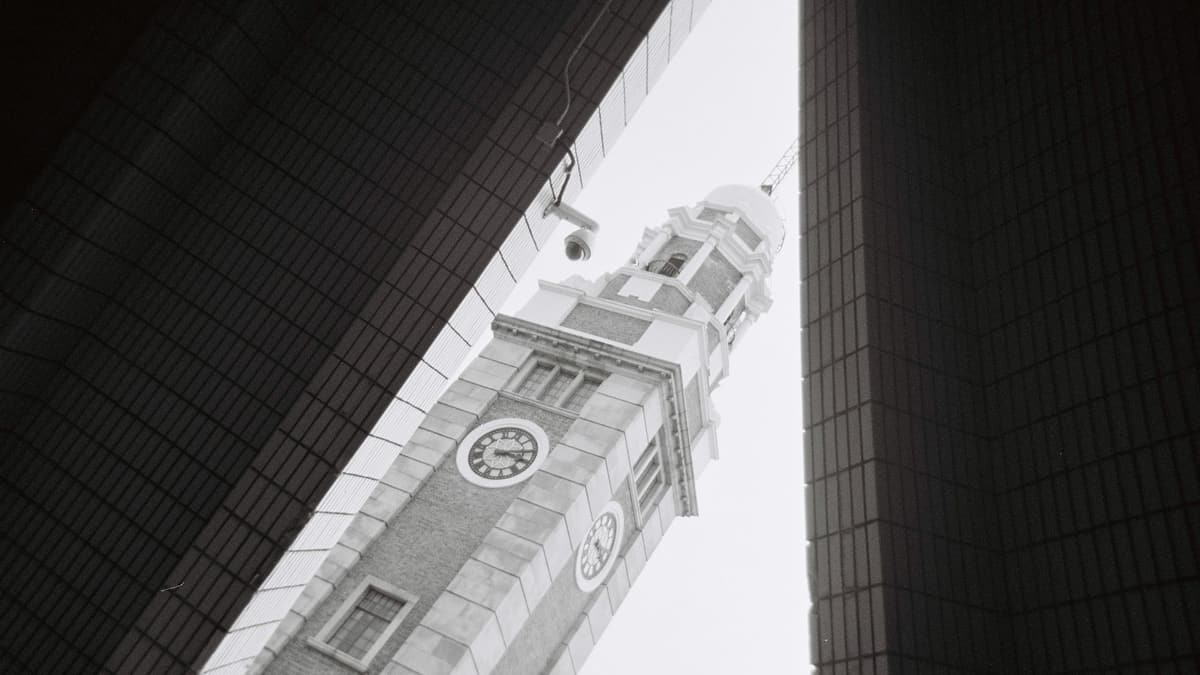 This red brick and granite tower with a clock on each face is all that is left of the Kowloon terminus of the Kowloon Canton Railway. The line opened in 1910, linking the harbor to the border and on to Guangzhou, and the tower was finished in the middle of that decade, with the long colonnaded station building beside it. For travelers it was the start of a very long journey. With the right connections across China and Russia, you could in principle ride the rails from here all the way to Europe, and for decades this was the city's front door to the mainland. When the railway moved its terminus east to Hung Hom in the 1970s, the old station was knocked down. People campaigned for the tower, and it survived alone, now a protected monument. Stand back and look up at the spire on top and the small windows climbing its sides. Behind it, the windowless, sloping Hong Kong Cultural Centre and the egg shaped dome of the Space Museum took the station's place. Just beyond the tower, the green and white boats of the Star Ferry still come and go from their pier, the classic way across to Central. From here, cross Salisbury Road at the lights and walk east along it, with the Space Museum on your right, until a grand cream building stands on your left. About five minutes.
The Peninsula opened in 1928, and its position across the road from the station was no accident. Its owners, the Kadoorie family, built it to catch the passengers stepping off the trains and the liners, and it quickly became the smartest address in Kowloon, the "Grande Dame of the Far East." Look at the long cream facade and the curving forecourt where a fleet of green Rolls Royce cars waits for guests, and up at the slim tower added behind it in the 1990s, with a helicopter pad on top. Its darkest hours came in the Second World War. Japanese forces attacked Hong Kong on December 8, 1941, and after more than two weeks of fighting, the British governor, Sir Mark Young, came to this hotel on Christmas Day to surrender. Hong Kong people still call it Black Christmas. The hotel became a Japanese headquarters, and the occupation that followed lasted three years and eight months, a time of hunger and fear that older generations remember by exactly that length, until the Japanese surrender in August 1945. Today the lobby, with its high gilded ceiling and its afternoon tea served to the sound of live music, is a pleasant place to imagine the hotel's first, glamorous years. Walk to the corner of Nathan Road on the hotel's eastern side and turn left, heading north up Nathan Road. About five minutes to the white domes on your left.
Neler dahil
Turlarımız meditatif ve sürükleyici olacak şekilde tasarlandı: yürürsünüz ve sadece dinlersiniz. Birlikte her zaman daha güzeldir; uygulama anlatımı senkronize çalar, böylece siz, partneriniz ve arkadaşlarınız her durağı aynı anda duyarsınız.
On the way you passed Chungking Mansions, the tall, crowded block on the right side of Nathan Road whose lower floors are a maze of curry houses, money changers, phone stalls and cheap guesthouses, much of it run by the city's South Asian communities.
Bu durağın devamı tam sesli turda.
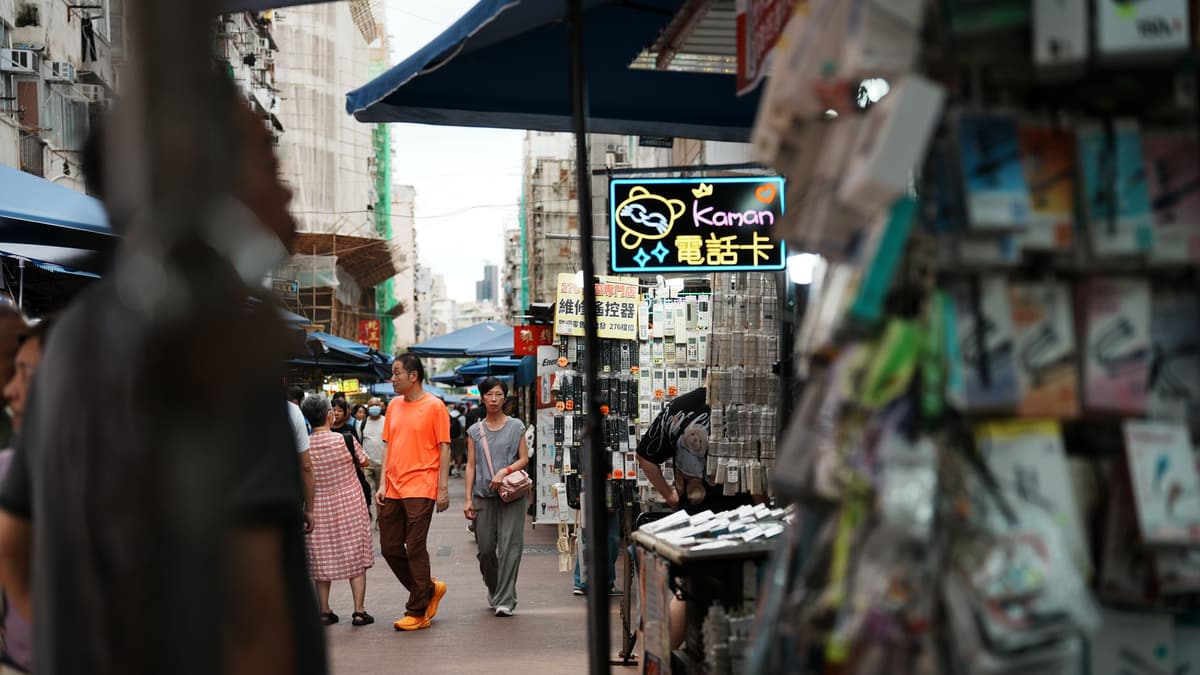
Temple Street wakes up when the rest of the day winds down.
Bu durağın devamı tam sesli turda.
The street you just walked is named after this temple, which splits Temple Street into two halves.
Bu durağın devamı tam sesli turda.
The walk ends among low, old buildings with faded painted signboards, roller shutters and stacks of crates. This is the Yau Ma Tei Wholesale Fruit Market, set up in 1913 and still doing exactly what it was built for.
Bu durağın devamı tam sesli turda.
Bir sonraki planlı turda bu yürüyüşü diğer insanlarla birlikte yapın.
Kolay tempoda yaklaşık 3,5 km, tahminen 49 dakika · 7 durak
Arkadaşlar ücretsiz yürürOctober 11, 2026 · 9 min read
From the Hollandsche Schouwburg through the old Jewish Quarter, past the Dockworker and the Dam, to the Anne Frank House on the Prinsengracht.
October 11, 2026 · 11 min read
From Van Houten's street by the Vondelpark past Leidseplein, the Rijksmuseum passage and the famous canal bench to the Anne Frank House.

October 11, 2026 · 10 min read
Follow the last days of April and May 1945 from the Anhalter Bahnhof ruin past the Gestapo site and Brandenburg Gate to the Moltke Bridge and the Reichstag.
