




 $8.99Головне в місті
Аудіо Hoi An Пішохідні екскурсії
Самостійні пішохідні прогулянки з аудіосупроводом по Hoi An. Купуйте екскурсію один раз, завантажуйте та слухайте розповідь на кожній зупинці, гуляючи у власному темпі.
Екскурсії від $6.99
Друзі гуляють безкоштовно. Одна покупка покриває всіх учасників вашої прогулянки. Почніть тур, запросіть друзів приєднатися, і він відтворюватиметься на телефоні кожного у вашій групі.
5.0 на Google Play
Аудіоекскурсії по Hoi An
Кожна екскурсія, це спланований маршрут із розповіддю на кожній зупинці. Купуйте один раз і користуйтеся назавжди, без жодних підписок.
$8.99Головне в місті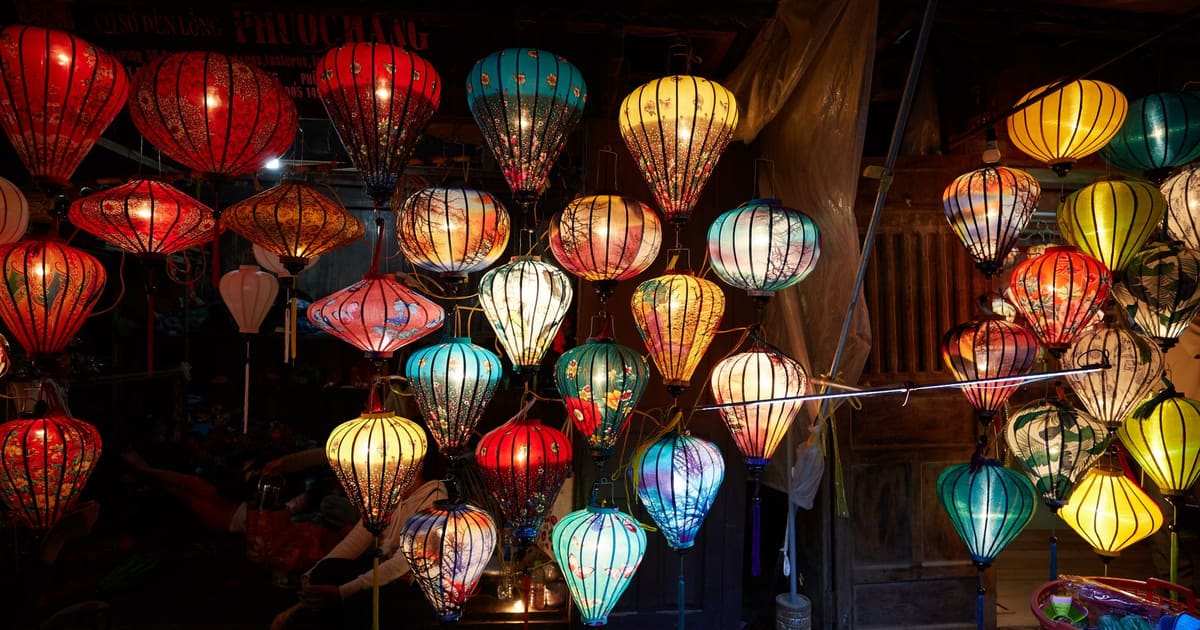 $6.99Головне в місті
Чого очікувати від аудіоекскурсії по Hoi An
A Hoi An audio walk takes you from quiet pagodas on the edge of town into the old port, past Chinese assembly halls and merchant houses, timed so you reach the Japanese Covered Bridge and the lantern stalls just as the evening light comes on.
The Assembly Halls Walk starts well outside the old town at two quiet Buddhist pagodas, Phuoc Lam and Chuc Thanh, then heads south past the Catholic church and the Hoi An Museum before dropping into the old port itself. On Tran Phu Street you'll find the ornate Phuc Kien Assembly Hall, the Quan Cong Temple facing the market, and the carved wooden altars of the Trieu Chau Assembly Hall, before the walk ends at the Cam Nam bridge looking back over the river. It's about 3.1 kilometers and 43 minutes across nine stops, a good one for the cooler hours of the morning.
The Lantern Walk is shorter and timed for dusk, about 1.5 kilometers and 20 minutes across eight stops. It starts at the Central Market and the old merchant houses of Tan Ky and the Tran Family Chapel, passes the reflecting pond at the Ba Mu Temple Gate, then crosses the Japanese Covered Bridge and the An Hoi footbridge as the lanterns come on along the riverfront, ending among the stalls of the Night Market.
Both routes stay flat and compact, so you can easily fit the Assembly Halls Walk into a morning and save the Lantern Walk for late afternoon, when the old houses are still open and the light is best for photos. Together they cover the two sides of Hoi An, the working port that built the town and the old streets that glow every evening.
Де погуляти в Hoi An
Кілька зупинок, які ви проходитимете, і чому біля них варто затриматися.
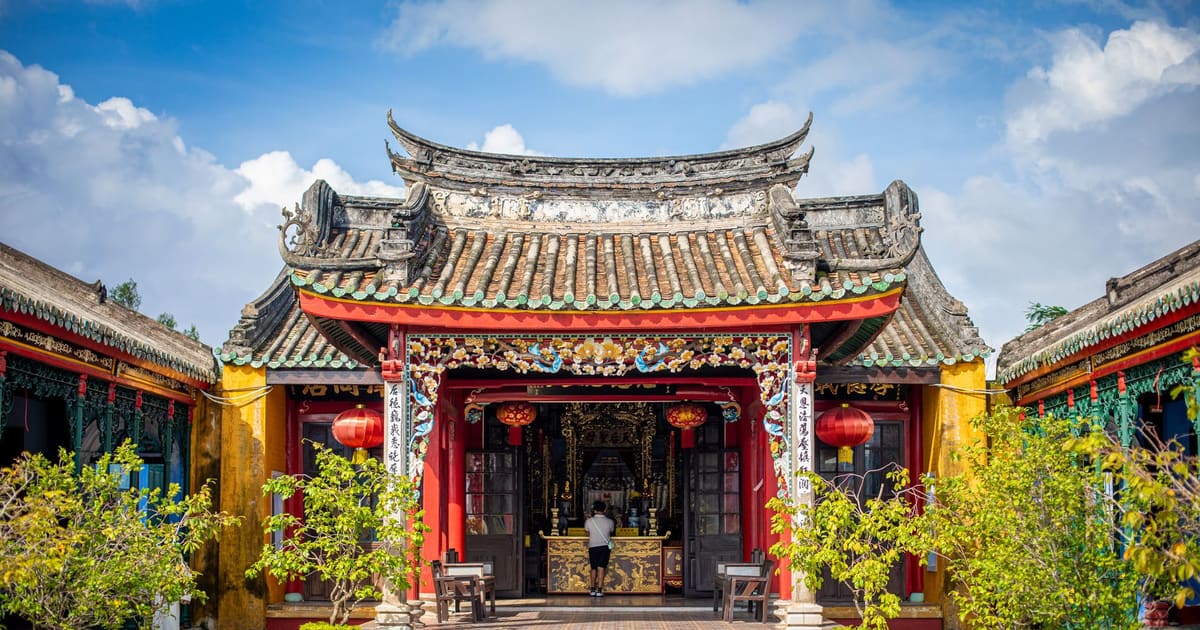
Phuc Kien Assembly Hall
This is the hall of the merchants from Fujian, the largest and richest of the Chinese communities in old Hoi An. An assembly hall was part temple, part meeting room and part mutual aid society, a place where traders from the same home province worshipped their gods and helped newcomers. The ornate gate you see here is a twentieth century addition, though the halls behind it are older. Inside sits Thien Hau, a goddess of the sea who protects sailors, the most important figure in heaven for merchants who once crossed the South China Sea in wooden junks. Look up at the coiled incense hanging from the ceiling.
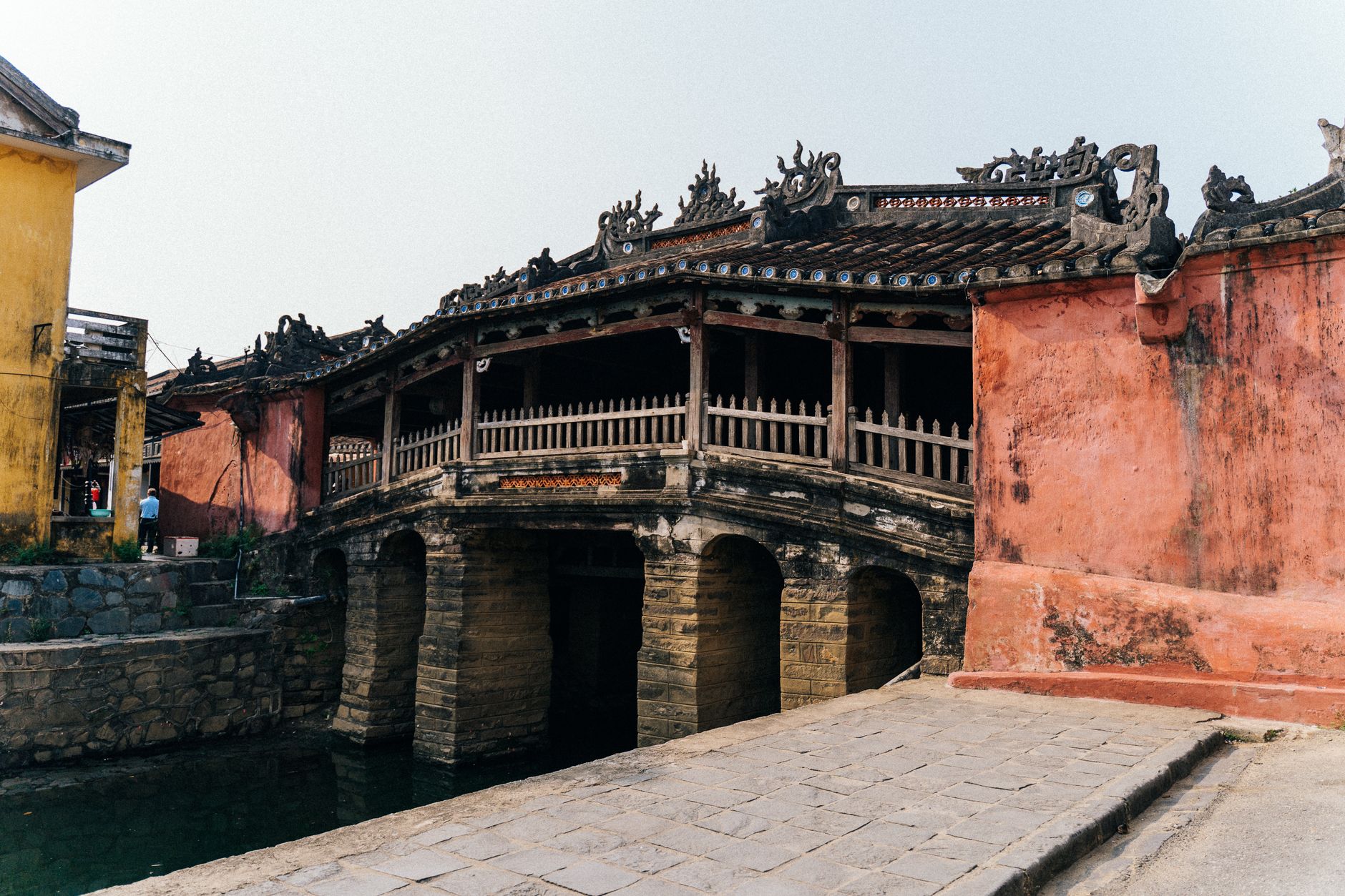
Japanese Covered Bridge
The Japanese Covered Bridge, known locally as Chua Cau, is the symbol of Hoi An and appears on the 20,000 dong banknote. Tradition says it was built in the 1590s by Japanese merchants to link their quarter with the Chinese quarter across a small stream. Walk through slowly and look for the statues at each end, a pair of monkeys at one and a pair of dogs at the other, since the story goes building began in a year of the monkey and ended in a year of the dog. A small temple on the north side honors a guardian god who protects against floods. By the 1630s the Japanese were gone, but their bridge has watched over the river ever since.
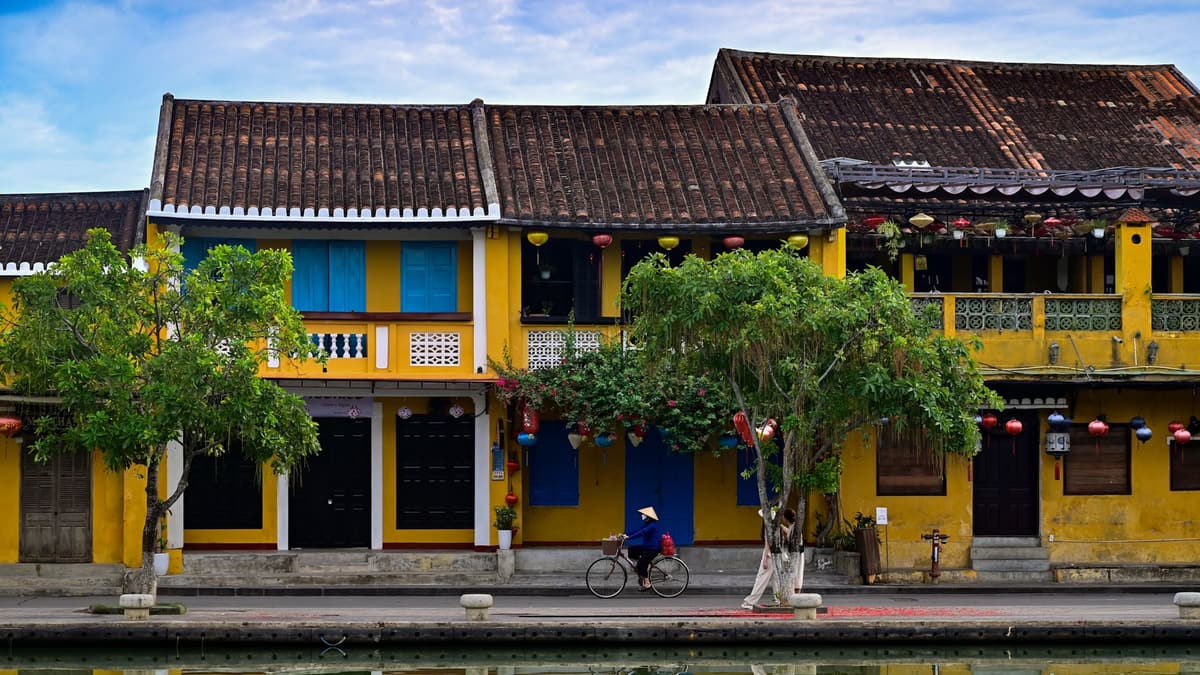
Ancient Town's Merchant Houses
This stretch of yellow walled houses with heavy tiled roofs is what most people picture when they think of Hoi An. Each house is built narrow to the street and runs far back toward the river behind, with a shopfront out front, living space in the middle and a storeroom at the rear where boats once unloaded goods. Walk slowly and look at the details, carved wooden beams mixing Vietnamese, Chinese and Japanese styles, side by side the way the carpenters who built them once lived as neighbors. Bicycles and the odd vendor's cart still pass along the canal side lane, and in the evening lanterns hang from nearly every eave.
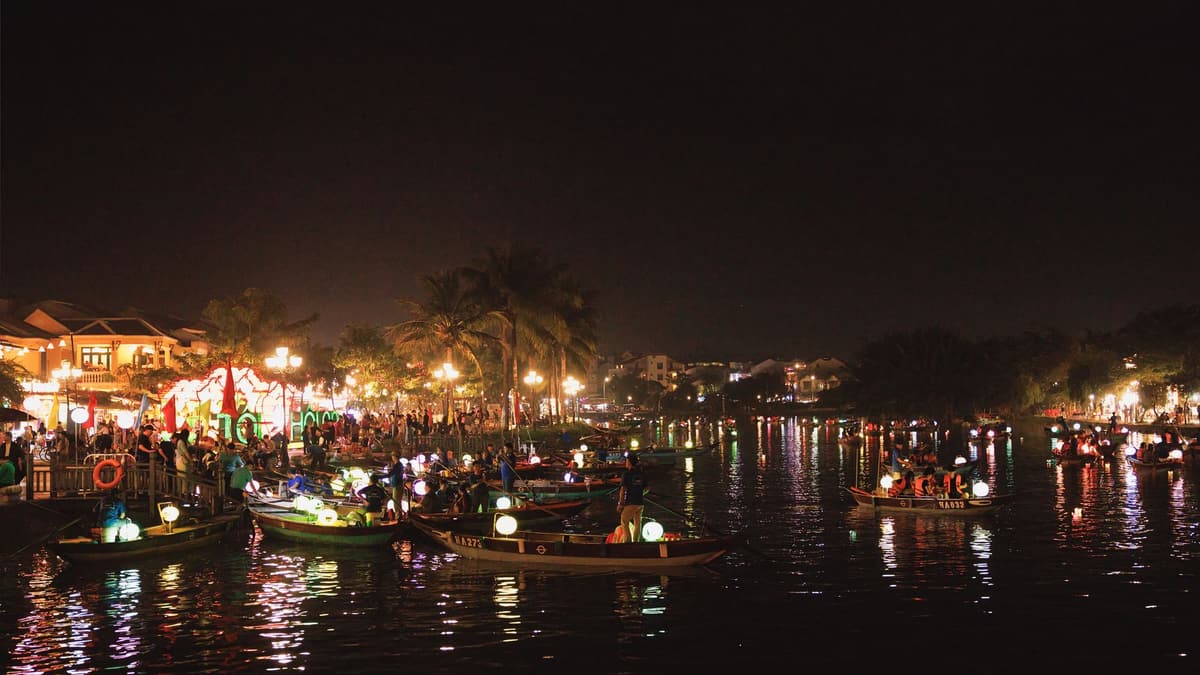
An Hoi Night Market
Across the footbridge from the old town, the An Hoi Night Market is a long line of stalls under a canopy of glowing lanterns, lit up every evening as dusk falls. Small boats line the riverbank below, their owners calling out to offer a ride along the water, and in season people set tiny paper lanterns adrift for luck. Walk slowly down the middle of the market and look up, since the lantern stalls are the real show, hundreds of shapes and colors hanging in clusters that light the faces of everyone passing below. Between the lantern sellers, food stalls sell grilled skewers and sweet soups, so come hungry and plan to linger.
Hoi An's Lantern Craft and Lit Streets
Silk lanterns are everywhere in Hoi An, hanging from shopfronts, strung over canals and piled high in workshops like the one shown here. Making them is a local craft passed down for generations, thin bamboo bent into a frame and silk stretched and glued over the top. Most fold flat for easy packing, which is why so many visitors carry one home. The town also holds a monthly lantern night around the full moon, when the electric streetlights are dimmed and the old quarter is lit by lantern glow alone. Whatever night you walk through, pause under a cluster of them and notice how the colors shift as you move past.
Почніть аудіоекскурсію за 3 прості кроки
Усе в безкоштовному застосунку Walk With Me, а перші зупинки кожної екскурсії можна послухати безкоштовно.
Торкніться золотих навушників і виберіть екскурсію
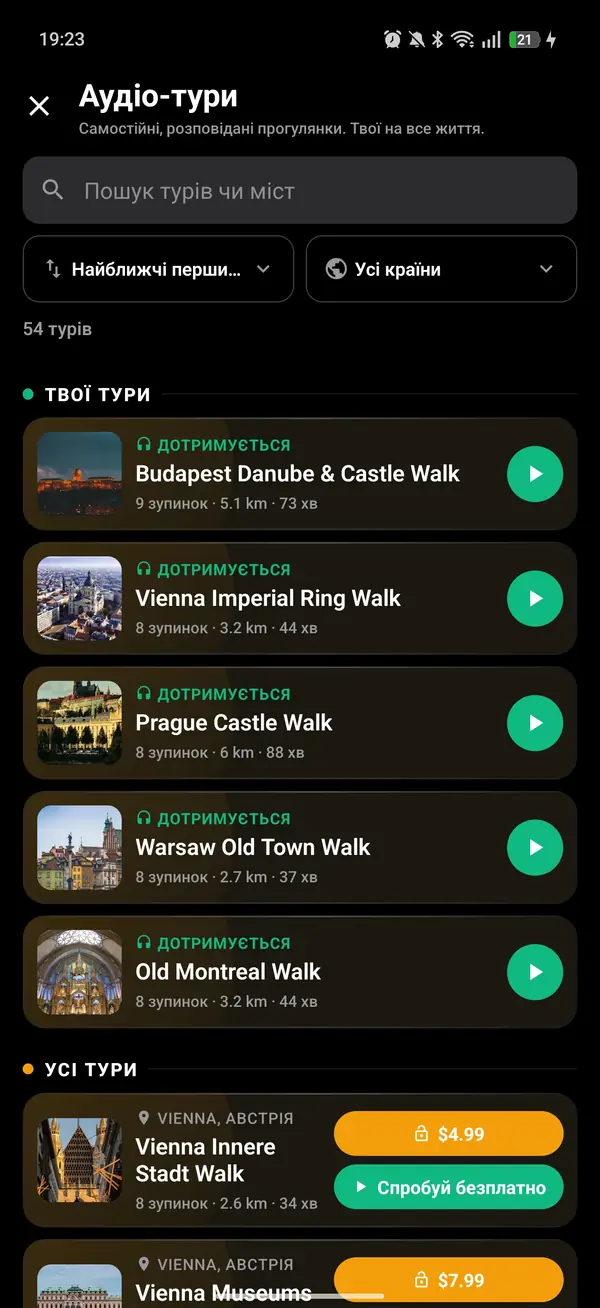
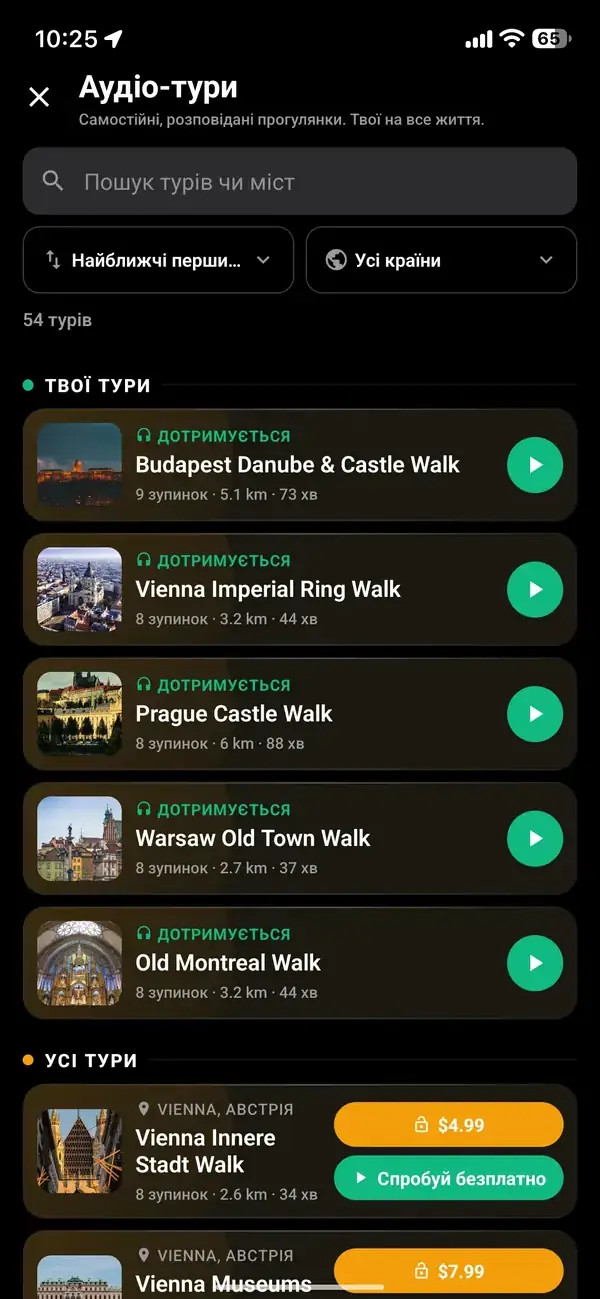
01
Ідіть самі або запросіть когось
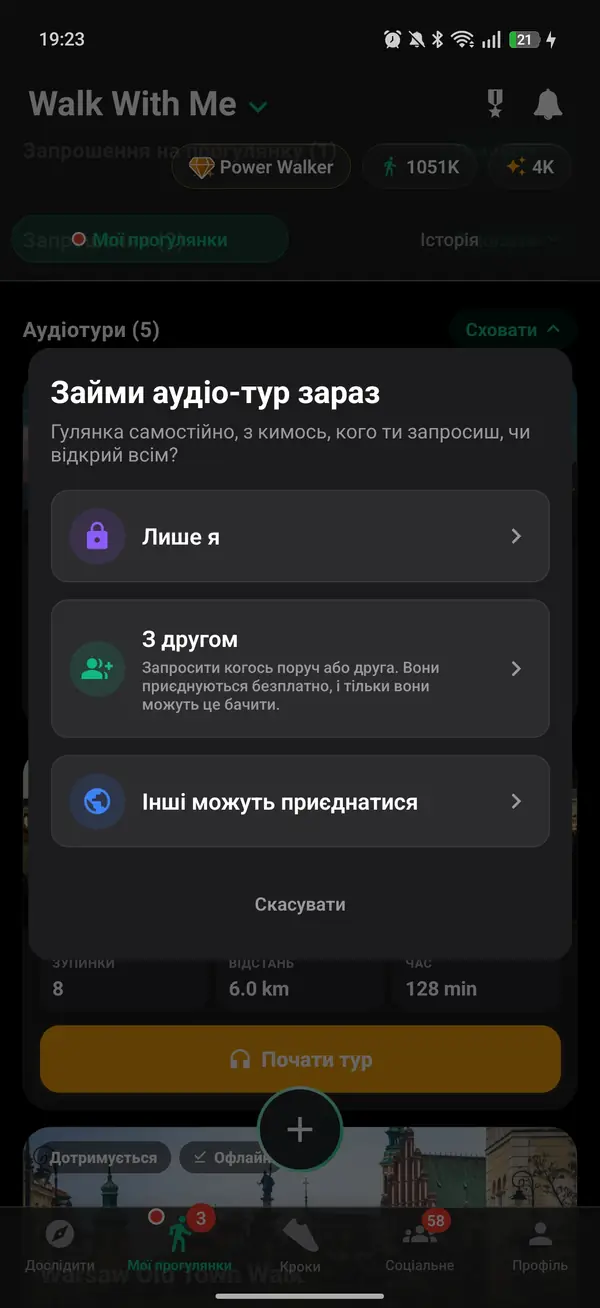

02
Натисніть «play» і йдіть
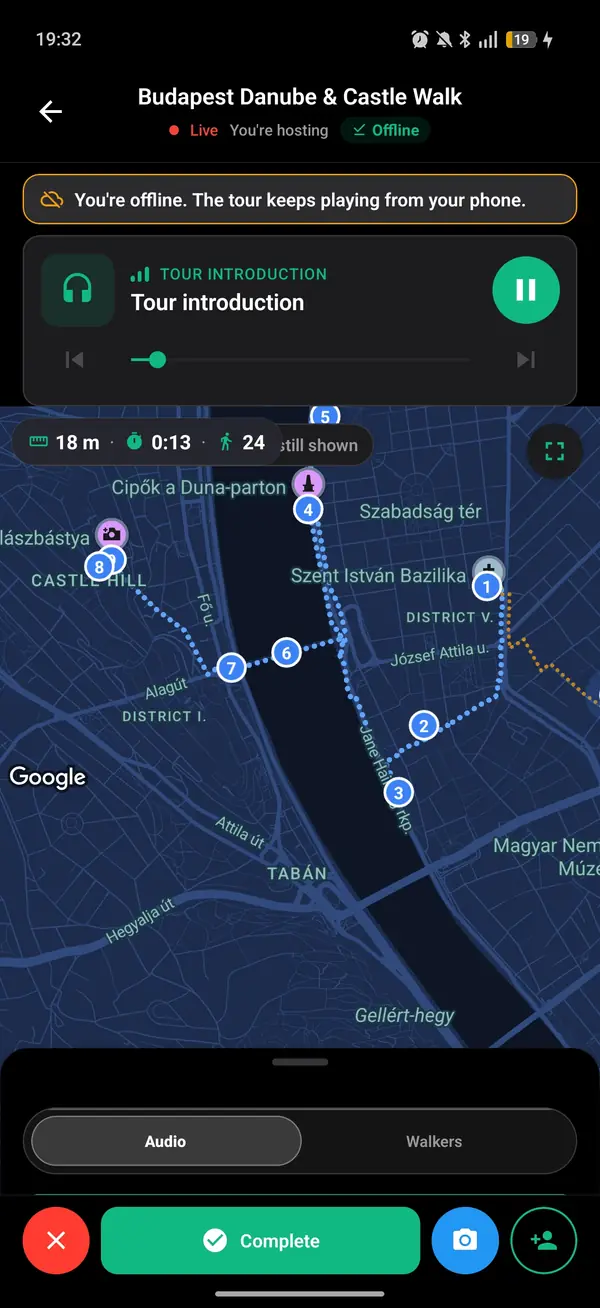
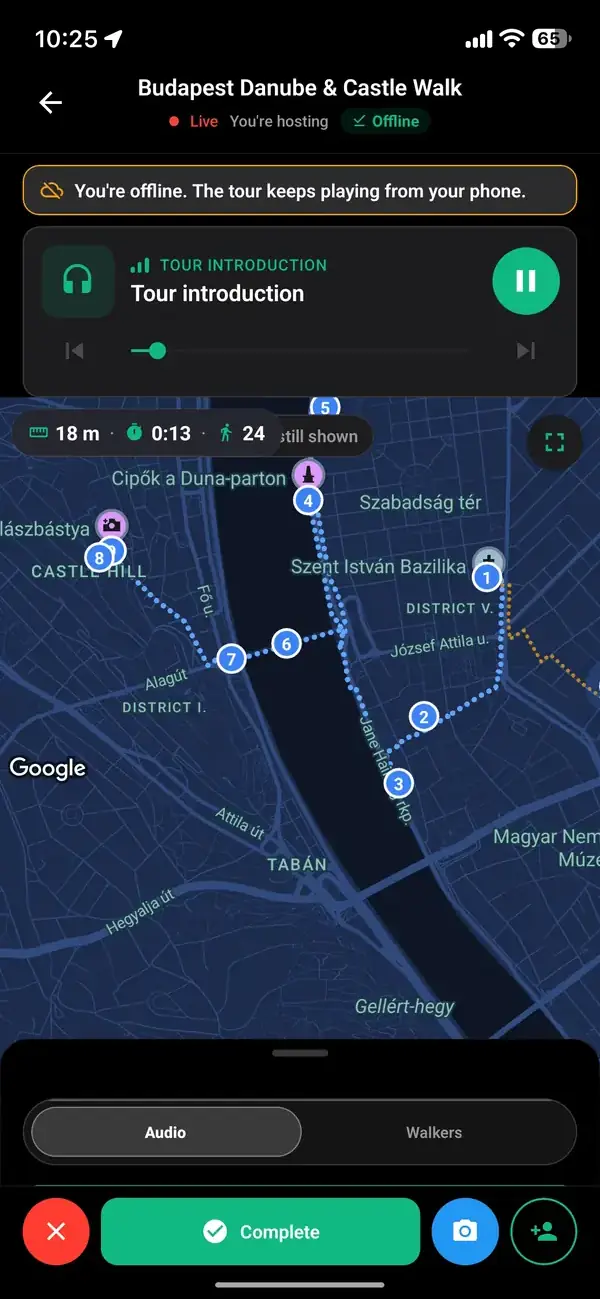
03
Створені з любов'ю для вашого часу в місті
Ці екскурсії не список пам'яток, які треба відмітити. Їх варто проходити неспішно, у навушниках і з поглядом на місто.
Медитативні та захопливі
Кожна історія звучить там, де вона сталася. Застосунок подає сигнал, коли ви доходите до зупинки, один дотик запускає розповідь, а шлях між зупинками належить вам, у вашому темпі.
Зроблені вручну, з турботою
Ми самі обираємо кожен маршрут і кожну зупинку та дбайливо створюємо кожну історію, щоб ваш час у місті пішов на місця, які справді того варті.
Удвох краще
Будь-яка прогулянка краща, коли поруч хтось є, тож якщо можете взяти когось із собою, дуже радимо це зробити. Саме тому одна покупка покриває всіх, кого ви запросите: вони приєднуються до вашої екскурсії безкоштовно.