August 21, 2026 · 7 min read
Walking Buddies for Seniors
Finding a reliable walking buddy for seniors makes staying active safe, social, and consistent. Here is how to find and build that routine.
915

September 13, 2026 · 8 min read
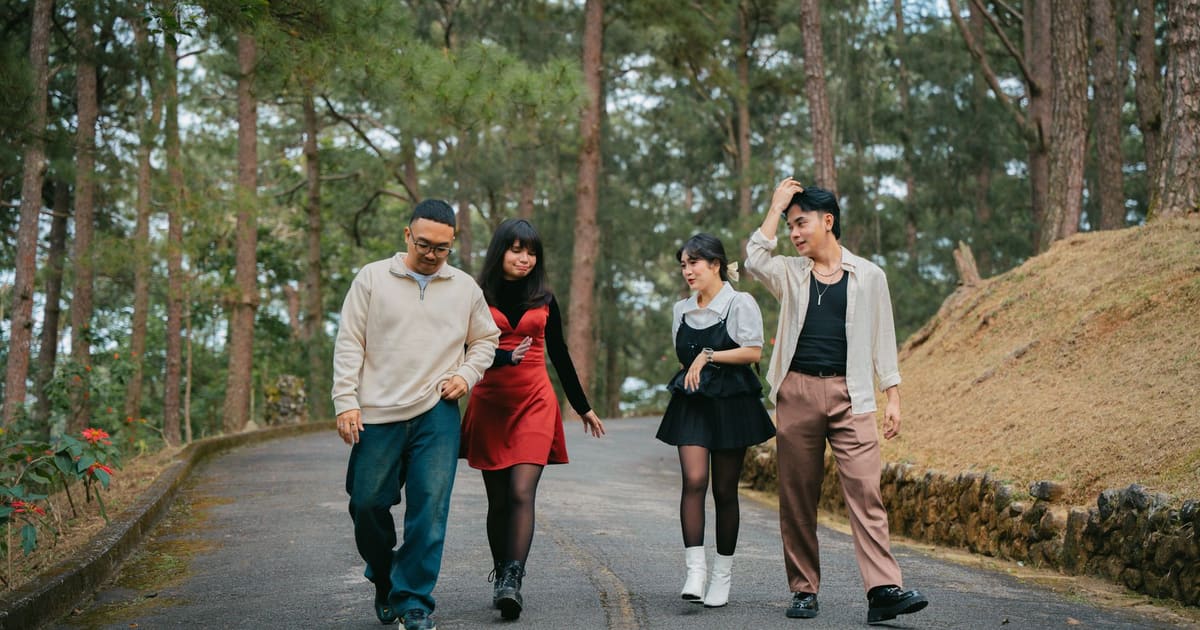
Why is it so easy to buy a brand new pair of walking shoes, plan a perfect route, and then completely abandon the habit by next Thursday? It is because starting alone is incredibly boring and feels surprisingly awkward. When you are just starting out, finding a dedicated walking buddy for beginners is the single most effective way to turn a fleeting resolution into a permanent habit. You do not need a complex fitness plan, expensive tracking gear, or a personal trainer. You just need another human being who is committed to meeting you on the corner at 7 AM. Walking is a natural activity, but modern lives have turned it into a solo chore. Having a partner transforms walking from a physical obligation into a social highlight of your day.
Let us look at how habits form. The first three weeks of any new routine are the most fragile. On day one, your motivation is high. On day four, it rains. On day seven, you sleep poorly and wake up with a stiff neck. On day twelve, you have a stressful project at work and just want to crash on the couch. This is the period where solo walkers quietly quit. They do not make a big announcement. They just skip one day, then two, and suddenly three weeks have passed without a single step.
When you walk with another person, the psychology shifts. The decision to walk is not made when your alarm goes off. It was made yesterday when you confirmed the time with your partner. You do not have to battle your own lazy inner dialogue because you already made a social contract. Breaking a promise to yourself is easy because nobody else is watching. Breaking a promise to a friend who is waiting outside in the chilly morning air is much harder. That social friction is what keeps you moving during those critical first 21 days.
Instead of waking up and debating whether you have enough time, the decision is already made. You simply get dressed and walk out the door. You do this because you know someone else is taking those same steps to meet you. This accountability acts as an external skeleton, supporting your habit until your own internal motivation becomes strong enough to carry you forward.
Every new habit has a friction threshold. This is the mental and physical energy required to transition from sitting on the couch to putting on your shoes and stepping outside. For beginners, this threshold is incredibly high. You might feel self-conscious about your pace, your fitness level, or even what you are wearing. Your brain treats these small worries as massive barriers.
A partner lowers this threshold by absorbing the mental load. (This usually happens about seven minutes after you wake up, when your brain is actively looking for excuses to stay inside.) Instead of debating whether you should go, your brain focuses on the simple logistics of meeting your partner. You are not going out to exercise anymore. You are going out to see your friend and catch up. The physical effort of walking becomes a background activity while the social interaction takes center stage.
If you walk alone, you are hyper-aware of every step and every passing minute. When you are deep in a conversation about a movie you saw, a problem at work, or a weekend plan, you completely forget that your legs are moving. You look down and realize you have been walking for forty-five minutes without even noticing the effort.
Many people try to solve the motivation problem by buying a fitness tracker or downloading a complex step-counting app. They want numbers, charts, and digital badges to tell them they are doing a good job. But a screen flashing a notification does not care if you show up. It does not feel disappointed if you ignore it. A human being standing on a street corner does.
Let us compare how these two approaches stack up for someone who is just starting out.
| Feature | Solo Tracker Walk | Buddy Walk |
|---|---|---|
| Accountability | Weak. You can easily swipe away a notification. | Strong. A real person is waiting for you at the meeting spot. |
| Awkwardness | High. You are left alone with your thoughts and worries. | Low. Conversation keeps your mind off the physical effort. |
| Distraction | Constant screen-checking and pace-monitoring. | Natural flow. You focus on the conversation, not the metrics. |
| Habit Retention | Drops significantly after the novelty wears off. | Remains high because the walk is a social event. |
Trackers focus on the destination, like hitting a specific number of steps. A partner focuses on the experience. When you enjoy the experience, you do not need digital badges to convince you to do it again.
Also, trackers can create negative pressure. If you miss a day, the app might send you a guilt-tripping notification. This can make beginners feel like they have failed, leading them to give up entirely. A human partner is understanding. If you need to slow down because your knees are sore, your partner adapts to your pace. This human flexibility is crucial for building a sustainable habit that lasts.
To make this partnership work, you need a clear strategy. The biggest mistake beginners make is keeping their walking plans vague. They say things like, "Let us walk sometime next week." Vague plans lead to empty calendars.
Instead, use the "no-negotiation" rule. When you first agree to walk together, set a fixed schedule for the first three weeks. For example, you agree to walk every Tuesday and Thursday at 7:30 AM, meeting at the park gate. No matter what, you do not cancel unless there is a true emergency.
If one of you is tired, sore, or busy, you still meet. But you apply the 10-minute handshake: you agree that you will only walk for ten minutes. If you still want to go home after ten minutes, you can. But here is the secret: once you have put your shoes on, met your partner, and walked for ten minutes, you almost never turn back. You are already warm, the conversation is flowing, and the hardest part is behind you.
This rule removes the daily decision-making process. By setting a strict, non-negotiable schedule for the first twenty-one days, you build a structural frame around your routine. It is no longer a question of "Should we walk today?" Instead, it is simply "It is Tuesday at 7:30 AM, so we are walking."
It is completely normal to feel a little nervous about your first walk with a partner. You might worry about running out of things to say, or maybe you are concerned that your pace will be too slow.
But walking is different from sitting across a table from someone at a coffee shop. When you are sitting face-to-face, eye contact is constant, and silence feels heavy. When you walk, you are moving shoulder-to-shoulder. You are both looking forward at the path, the trees, and the neighborhood around you. This simple physical alignment completely changes the dynamic. Silence feels natural because you are both observing the environment.
To keep things stress-free, pick a simple circular route that you already know. Choose a pace where you can easily speak in full sentences without gasping for breath. If you are breathing too hard to talk, you are walking too fast. Slow down. The goal is consistency, not speed.
You can also use the environment as a natural conversation starter. Talk about the houses you pass, the dogs you see, or the changes in the neighborhood. You will find that the physical movement of walking helps your thoughts flow more freely. Before you know it, you will have completed your route without a single moment of awkward tension.
The true test of your new habit will be the weather. A grey, drizzly morning is the ultimate test of resolve. If you are walking alone, it is almost certain you will stay indoors.
But when you have a partner, bad weather becomes a shared challenge. There is a strange sense of camaraderie in putting on a raincoat and tackling a wet walk together. You laugh about the puddles, you complain about the wind, and you get the job done.
And when you finish that walk, the sense of accomplishment is twice as strong. You did not let the weather stop you. You showed up, your partner showed up, and you conquered the day together. That is how a temporary habit solidifies into a permanent lifestyle.
Over time, these challenging walks become the ones you remember most. They build a shared history between you and your partner. You will look back and say, "Remember that Tuesday when we got caught in the downpour?" Those moments transform a simple exercise routine into a genuine friendship.
If you are ready to start but do not have someone to walk with yet, you do not have to look very far. You can use Walk With Me to find people in your local neighborhood who are also looking for a partner to build a consistent routine. It is a simple way to connect with others who want to get moving.
August 21, 2026 · 7 min read
Finding a reliable walking buddy for seniors makes staying active safe, social, and consistent. Here is how to find and build that routine.
July 30, 2026 · 7 min read
Meeting a new walking buddy doesn't have to be nerve-wracking. This practical guide walks you through essential steps for walking buddy safety, ensuring peace of mind.

July 29, 2026 · 8 min read
It's a classic choice: walking buddy vs walking alone. Both have incredible upsides for your fitness and well-being. Let's break down when each wins.
