




 $16.99ชิมอาหาร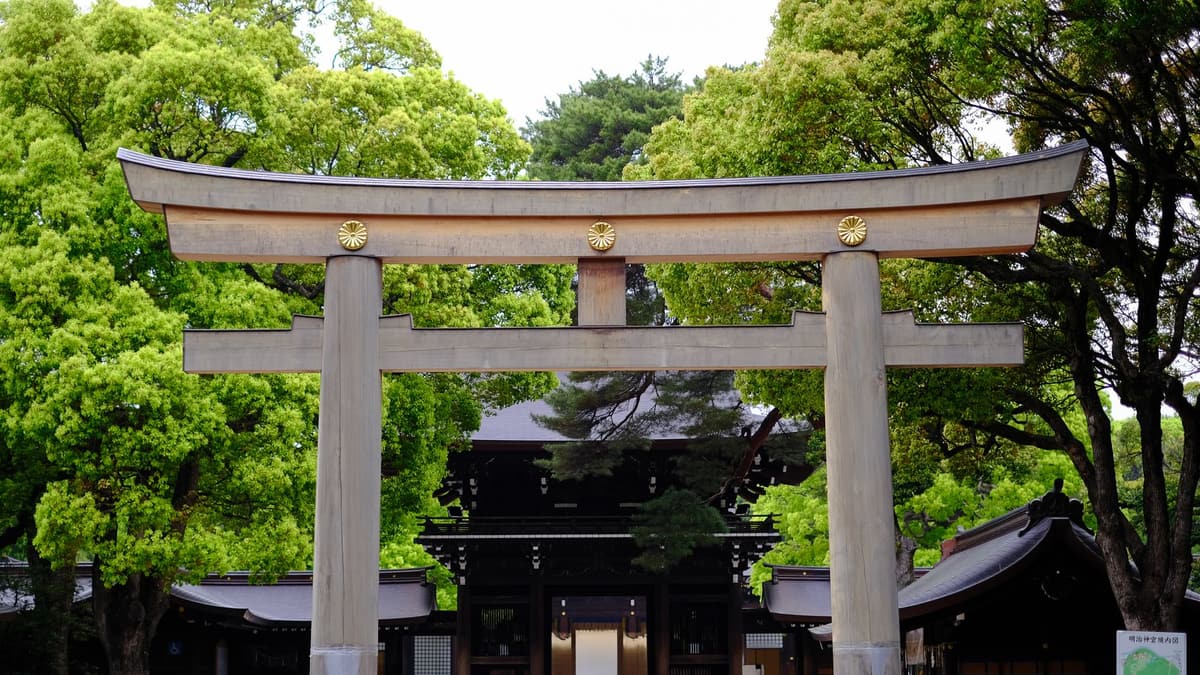
เสียงบรรยายนำเที่ยว Tokyo ทัวร์เดินชม
เดินเที่ยวชม Tokyo ด้วยตัวเองพร้อมเสียงบรรยาย ซื้อทัวร์เพียงครั้งเดียว ดาวน์โหลดเก็บไว้ แล้วปล่อยให้เรื่องราวบอกเล่าในแต่ละจุดแวะพักในขณะที่คุณเดินเที่ยวตามใจชอบ
ทัวร์เริ่มต้นที่ $8.99
เพื่อนเดินฟรี. การซื้อครั้งเดียวครอบคลุมทุกคนในการเดินของคุณ เริ่มทัวร์ ชวนเพื่อนเข้าร่วม แล้วมันจะเล่นบนโทรศัพท์ทุกเครื่องในกลุ่มของคุณ
5.0 บน Google Play
ทัวร์พร้อมเสียงบรรยายใน Tokyo
ทัวร์แต่ละเส้นทางจะมีแผนที่นำทางพร้อมเสียงบรรยายในทุกจุดแวะพัก ซื้อเพียงครั้งเดียวก็เก็บไว้ใช้งานได้ตลอดไป ไม่มีระบบสมัครสมาชิก
$16.99ชิมอาหาร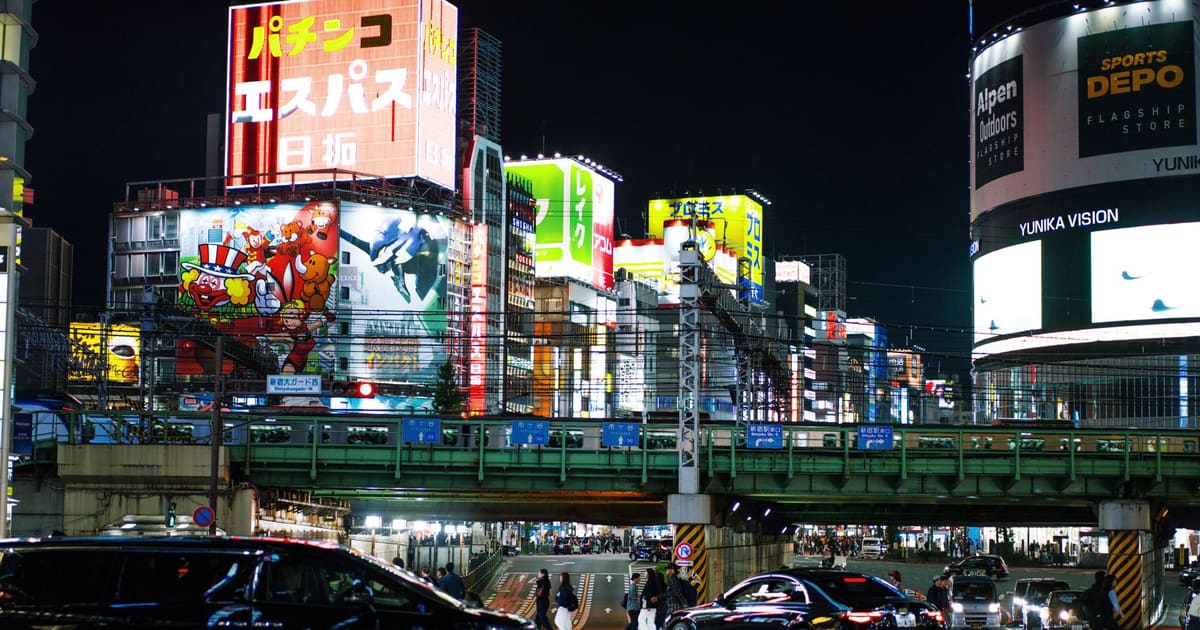 $17.99ภาพยนตร์และนิยาย
 $17.99ภาพยนตร์และนิยาย
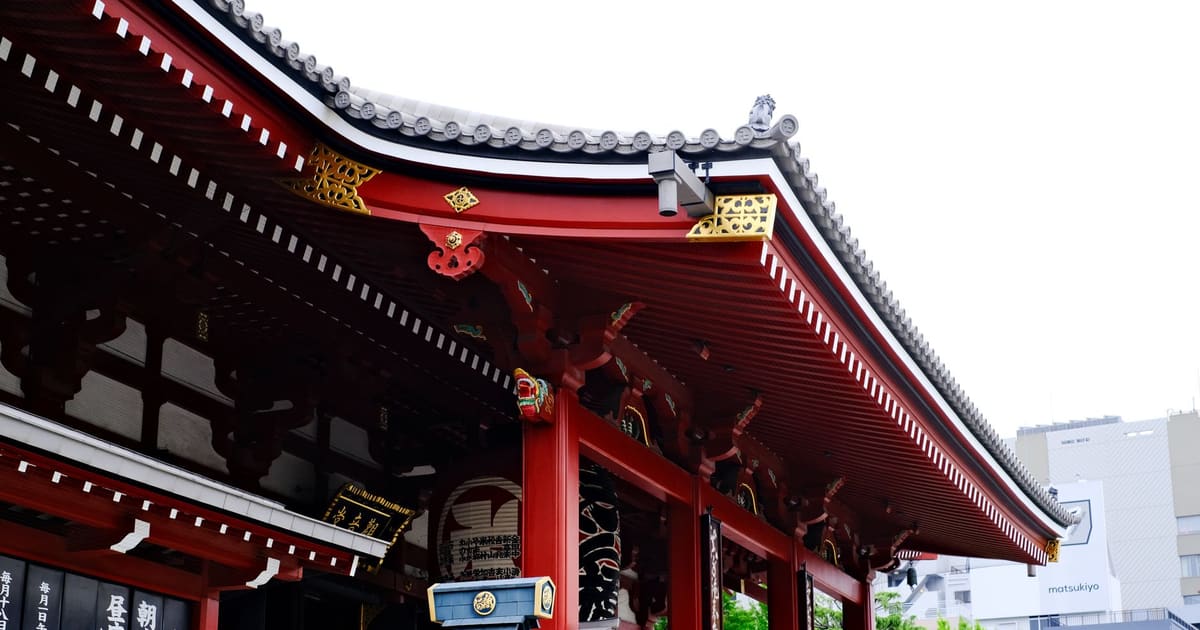 $8.99ไฮไลต์เมือง
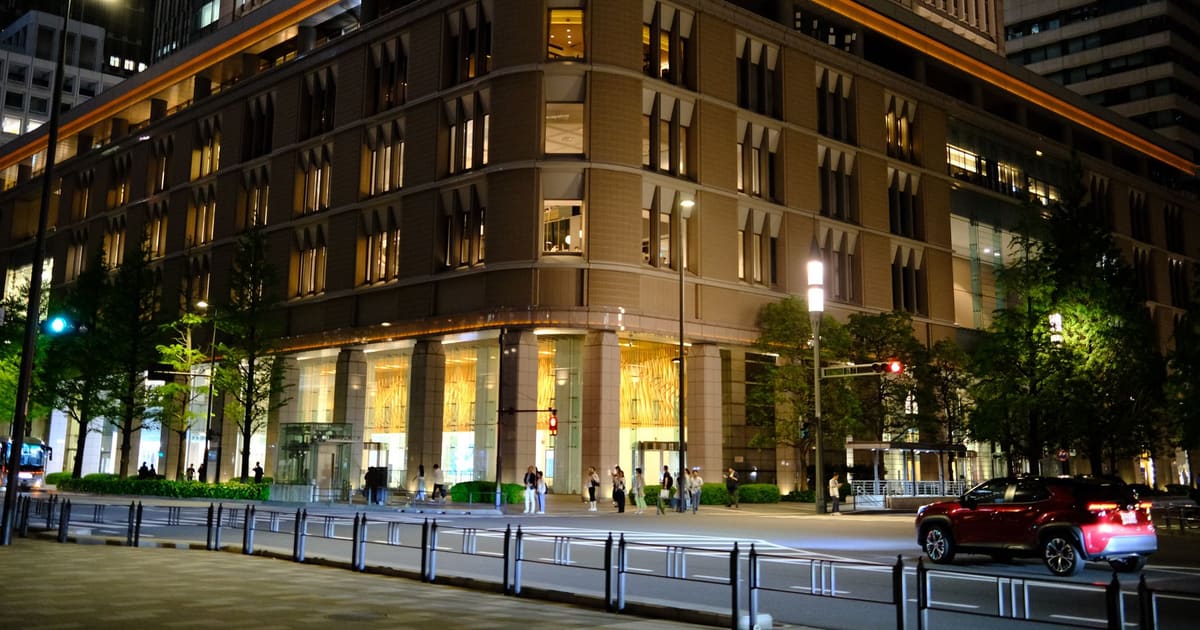 $10.99ไฮไลต์เมือง
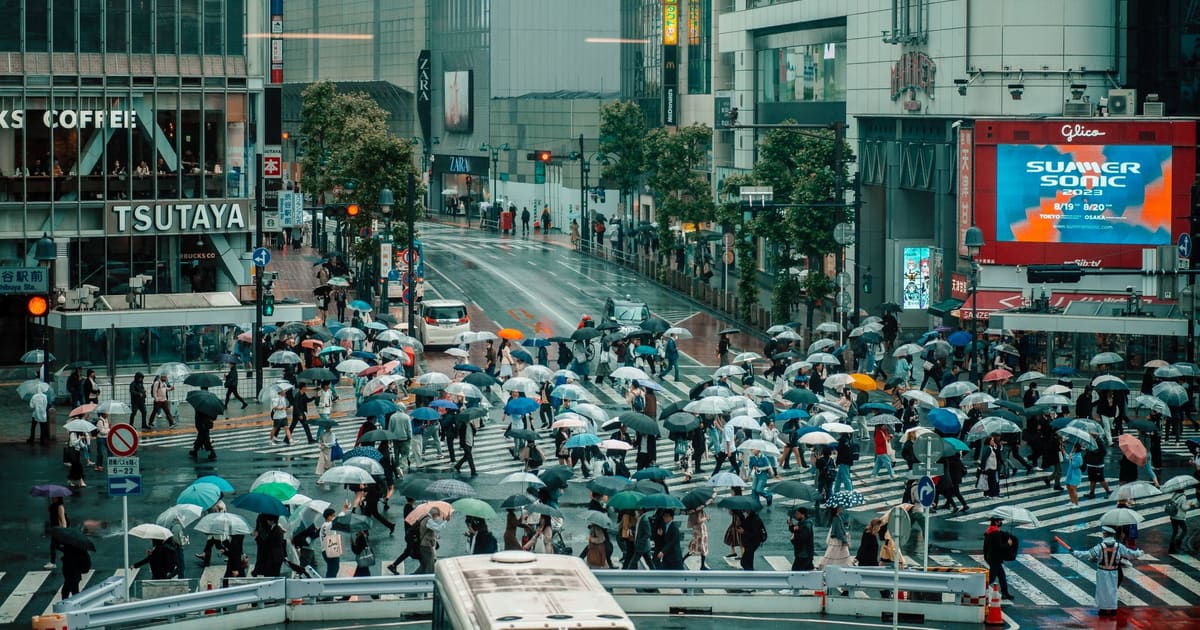 $9.99ไฮไลต์เมือง
สิ่งที่จะได้สัมผัสจากทัวร์เดินชมพร้อมเสียงบรรยายใน Tokyo
A Tokyo audio walking tour can take you through old Edo's temple streets, across the plaza of the shogun's former castle, or from a world famous crossing into a forest shrine, with narration timed to each turn so you never lose your place in the crowd.
The Tokyo Asakusa Walk starts on the Sumida riverbank, crosses the red Azumabashi Bridge, and passes under the giant lantern of Kaminarimon Gate to Senso-ji, the city's oldest temple, its hall and five-story pagoda lit up after dark. From there it slips behind the temple into the old entertainment streets of Rokku, past the Asakusa Engei Hall, before finishing on Kappabashi, the street where Tokyo's restaurants buy their knives. It covers about 2.8 kilometers, around 40 minutes of walking.
The Tokyo Palace to Ginza Walk begins at the red brick front of Tokyo Station, heads down a ginkgo-lined avenue to the Kusunoki Masashige statue, and crosses the palace plaza to Nijubashi, the double bridge and watchtower that form the most photographed view of the Imperial Palace. It continues past Sakuradamon Gate and through Hibiya Park before ending beneath the clock tower at Ginza's famous crossing, about 4.5 kilometers and 65 minutes in all.
The Tokyo Shibuya-Harajuku Walk opens at the statue of Hachiko beside Shibuya's scramble crossing, where thousands of people cross from every direction at once, then heads north past Miyashita Park and along Cat Street to the designer avenue of Omotesando. From there it is a short walk to the teenage riot of Takeshita Street, and then, through a wooden torii gate, into the quiet forest of Meiji Jingu. It runs about 4 kilometers, roughly 57 minutes of walking, and it is worth every one of them for the contrast at the end.
จุดน่าเดินเที่ยวใน Tokyo
ตัวอย่างจุดแวะพักที่คุณจะได้เดินผ่าน และเหตุผลที่คุณควรเดินให้ช้าลงเพื่อซึมซับบรรยากาศ
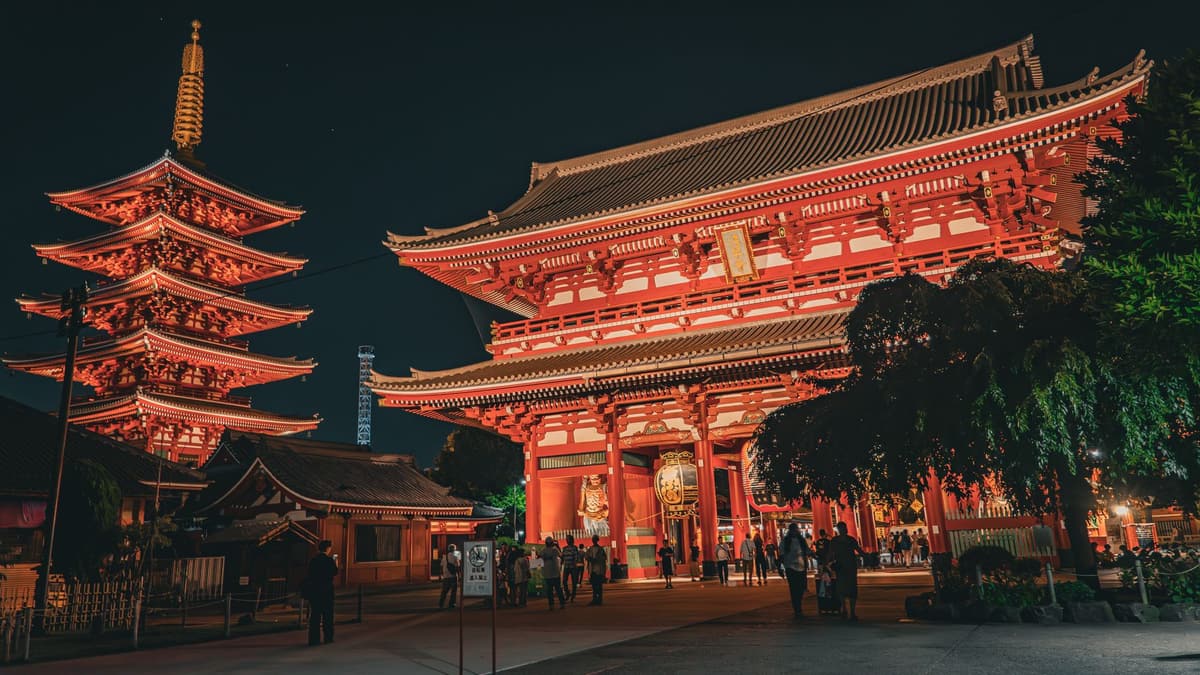
Senso-ji and Kaminarimon Gate
Lit up red after dark, Senso-ji's main hall and its five-story pagoda are one of the most striking sights in Tokyo, rising beside the glowing gate. This is the city's oldest temple, and according to its own story it began after two fishermen pulled a small golden statue of the bodhisattva Kannon from the Sumida River in the year 628. The current buildings are postwar reconstructions in concrete, rebuilt after the air raids of 1945 destroyed the originals, but the atmosphere of incense smoke and lantern light has carried on regardless. Come after dark, when the crowds thin out while the buildings glow even brighter against the night sky.
The Sumida River
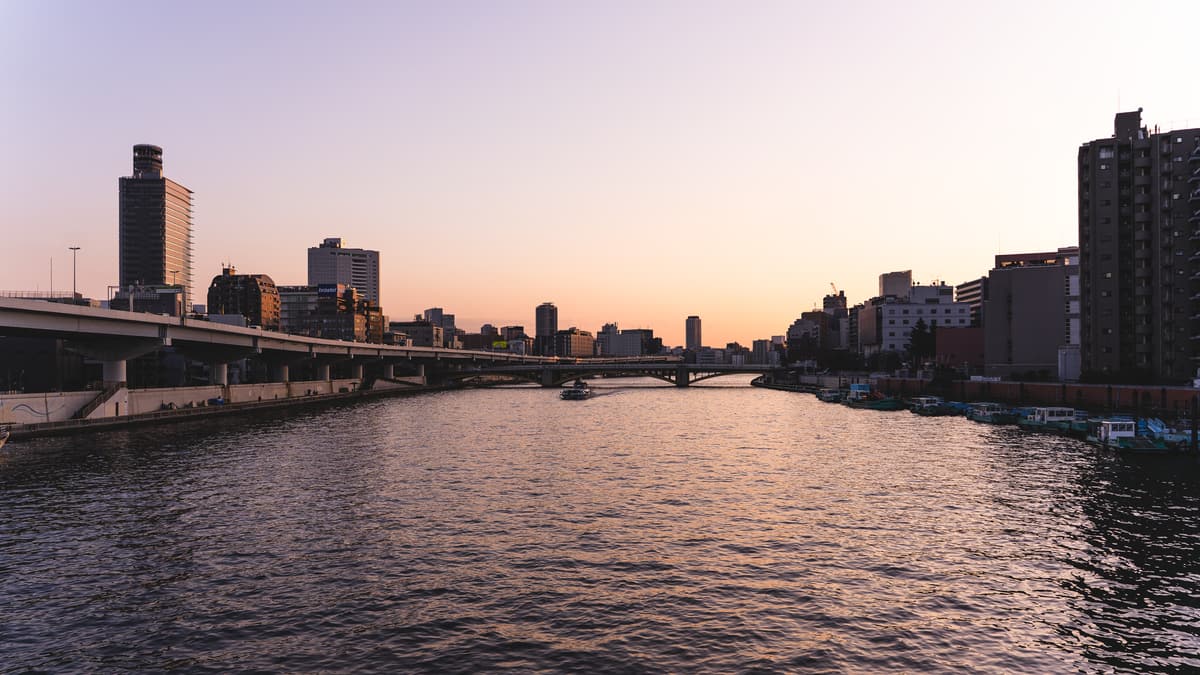
The Sumida is the great working river of old Edo, and at dusk a bridge crosses the water with the city's towers silhouetted against a fading orange sky. This riverside has drawn crowds for spring blossom viewing since the early 1700s, when the shogun Tokugawa Yoshimune had cherry trees planted along the embankment, and the tradition of hanami here has never really stopped. The park along the bank was rebuilt after the Great Kanto Earthquake of 1923 flattened this district, one of several new public spaces the city added as it recovered. Walk the riverside path at this hour and you will have much of the view to yourself before the evening crowds arrive in Asakusa proper.
Shibuya Scramble Crossing
This is the busiest pedestrian crossing on earth, and mid-scramble, a sea of umbrellas moves across every stripe of the crossing from every direction at once. When the lights stop the traffic, thousands of people can cross in a single change without anyone bumping into anyone else, a small daily miracle of choreography that nobody in Tokyo thinks twice about. The bronze statue of Hachiko, the loyal dog who waited here for his owner for years after his death, sits just off to one side, and it is where almost everyone starts this walk. Cross it at least once in each direction, rain or shine, because standing still at the edge and watching is part of the experience too.
Takeshita Street
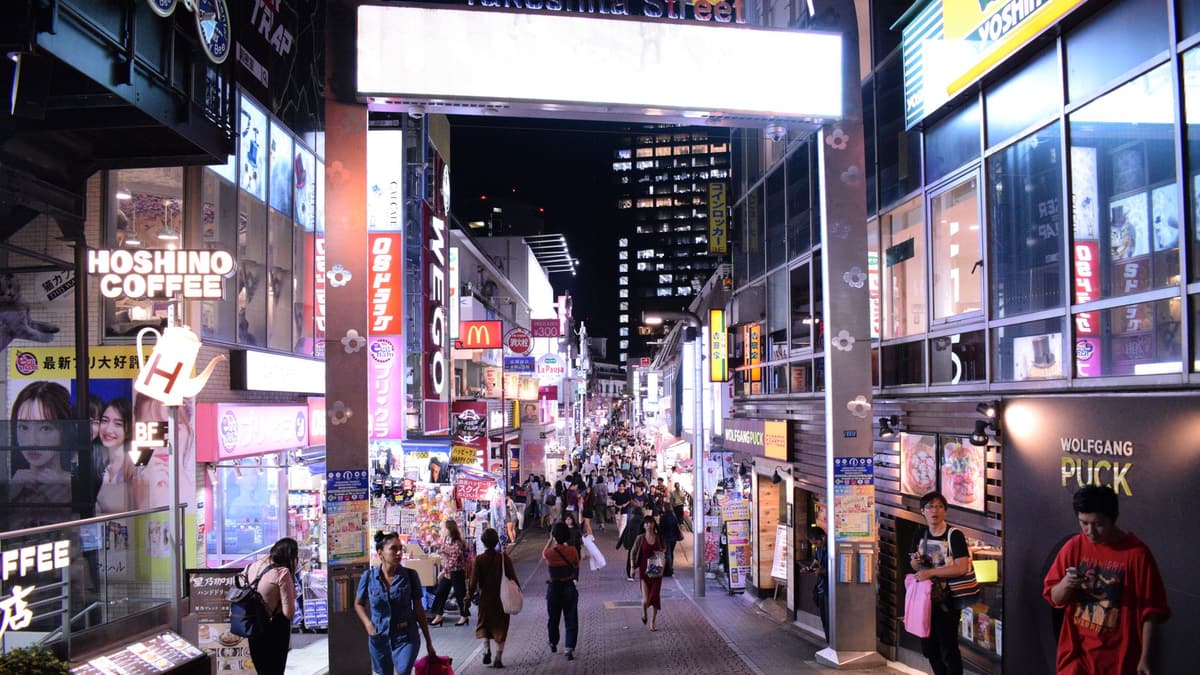
Narrow, packed and lit up with shop signs in every direction, Takeshita Street has been where Tokyo teenagers come to look different since the 1970s, and after dark it feels exactly like that: shoulder to shoulder, neon overhead, a crowd drifting slowly uphill toward the station. The street sells platform shoes, pastel wigs, band merchandise and some of the most theatrical snacks in the city, including the rolled Harajuku crepe stuffed with cream and fruit. Many shops ask customers not to eat while walking, so step aside to finish your crepe rather than carrying it down the street, and ask before photographing anyone in an elaborate outfit.
Nijubashi Bridge and the Imperial Palace
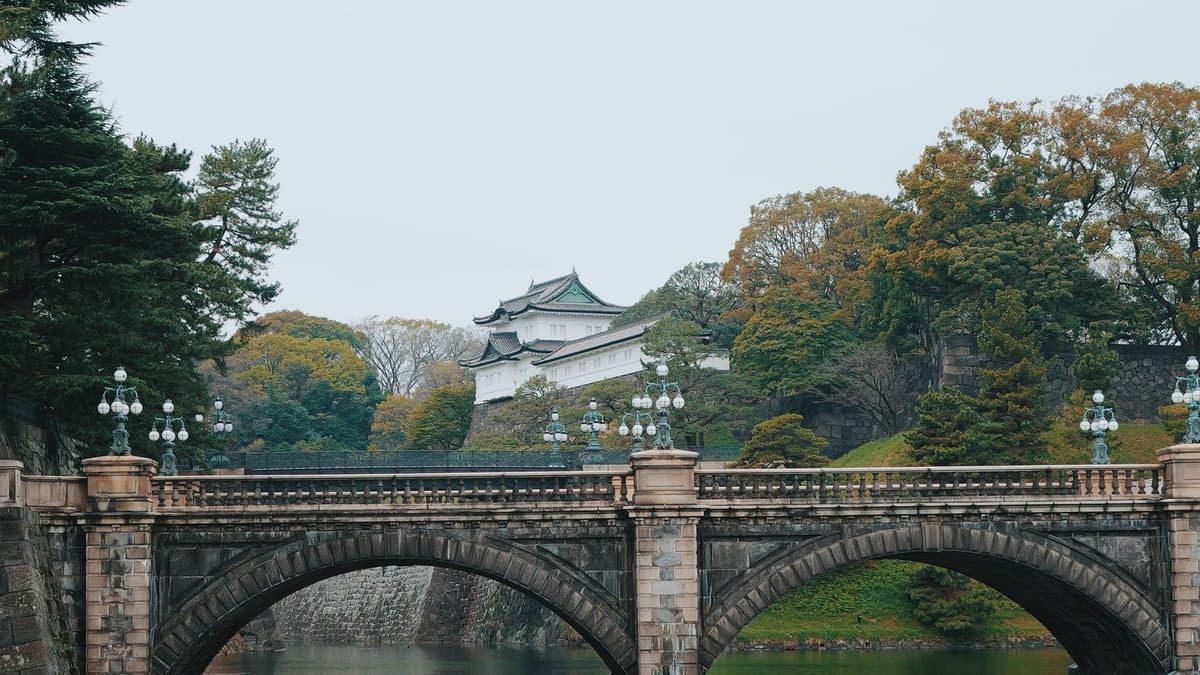
This stone double bridge and the curved-roof watchtower behind it make up the single most photographed view of the Imperial Palace, and it is easy to see why, the arches reflected in the moat and the palace grounds rising green behind the walls. Nijubashi means double bridge, a name that properly belongs to the rear span, once built on two levels, though most people use it for the whole scene. Behind these walls stood Edo Castle, the seat of the Tokugawa shoguns for more than 250 years, until the young Emperor Meiji moved in after their rule collapsed in 1868 and the city of Edo became Tokyo. Ordinary visitors only cross these bridges on a couple of days a year, so most of this walk is spent looking at them from exactly this spot.
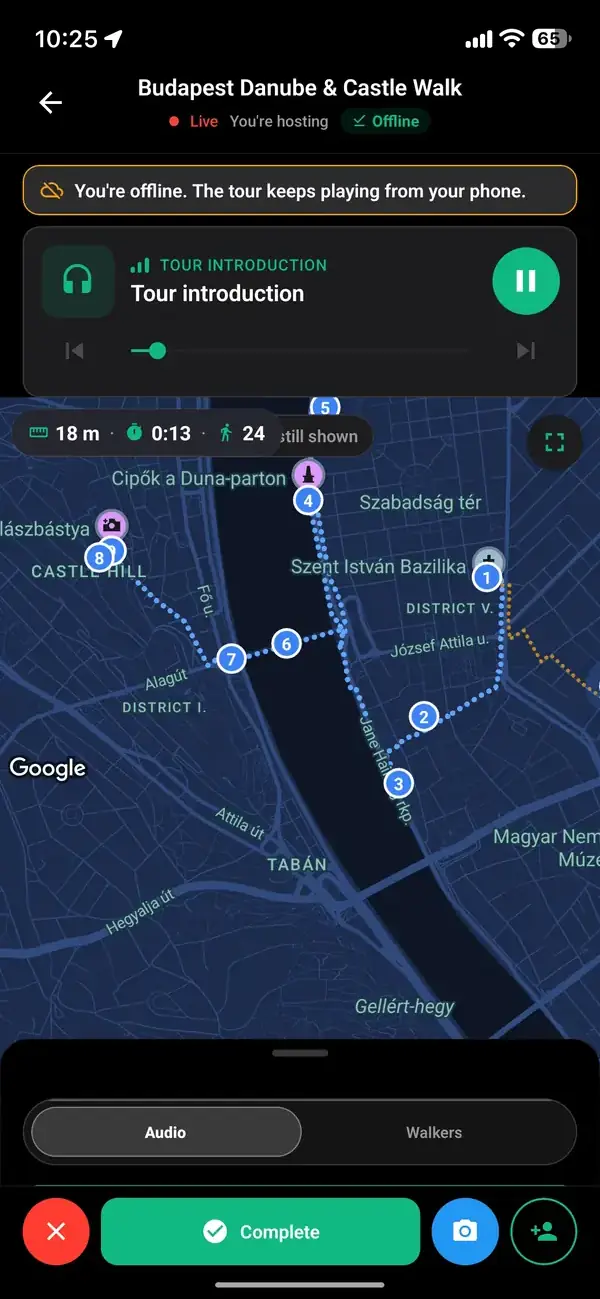
รับทัวร์เสียงใน 3 ขั้นตอนง่ายๆ
ทุกอย่างอยู่ในแอป Walk With Me ฟรี และจุดแวะแรกๆ ของทุกทัวร์ลองฟังได้ฟรี
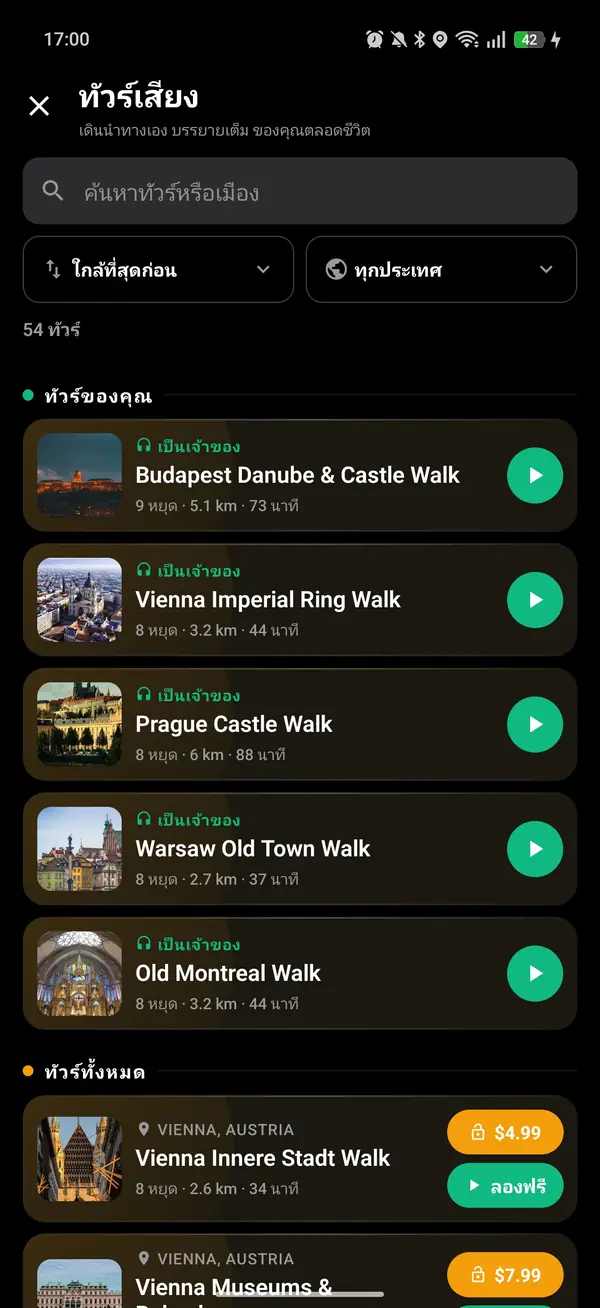
แตะหูฟังสีทองแล้วเลือกทัวร์
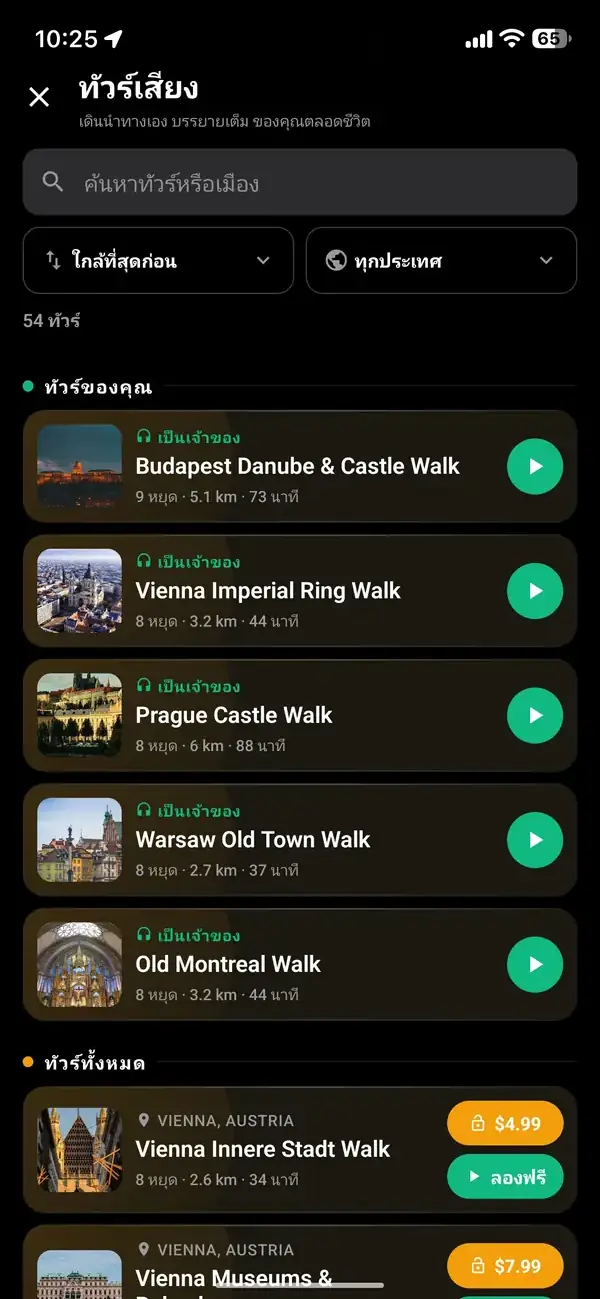
01
เดินคนเดียวหรือชวนใครสักคน
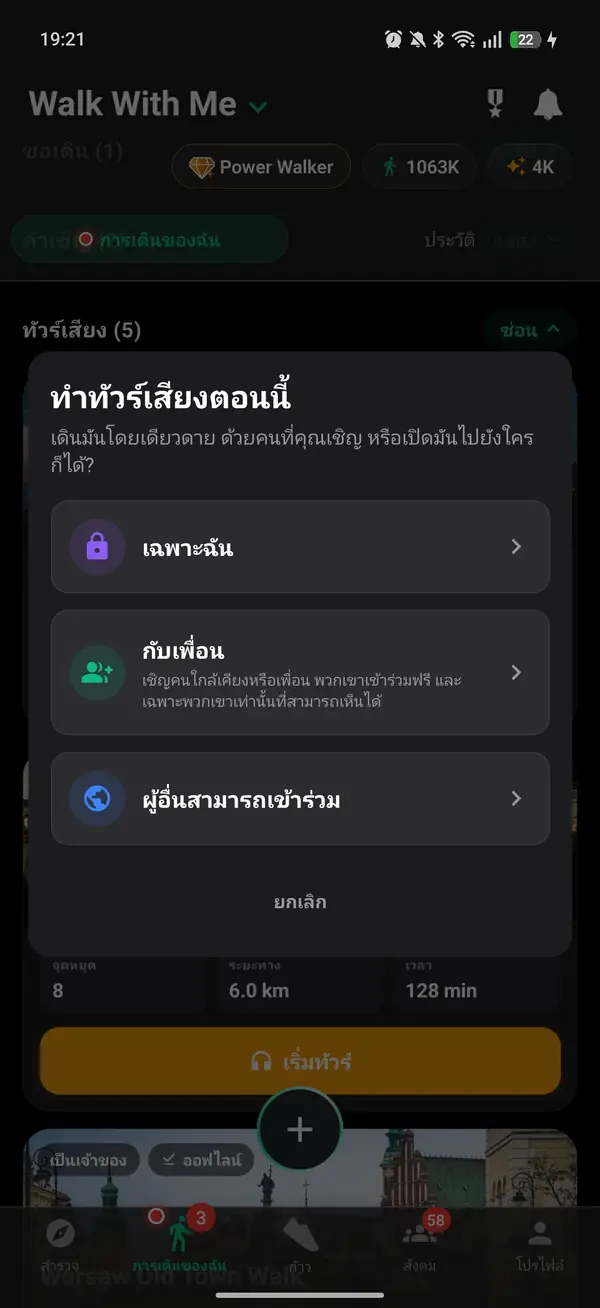
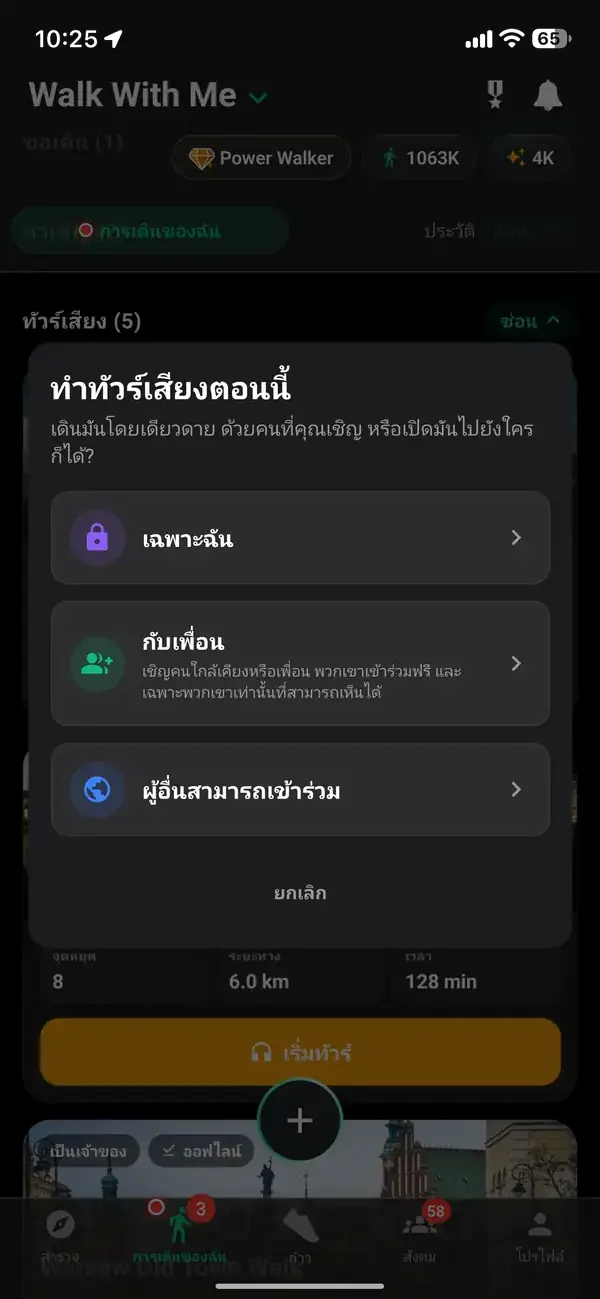
02
กดเล่นแล้วเริ่มเดิน
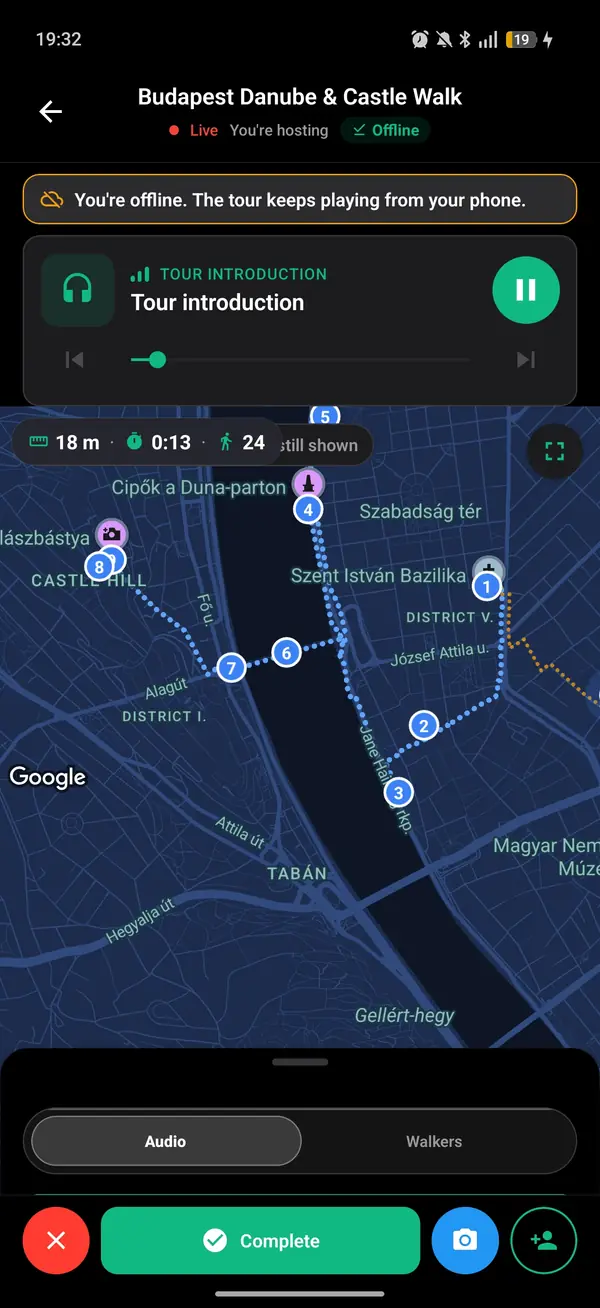
03
ตั้งใจสร้างสรรค์เพื่อ เวลาของคุณในเมือง
ทัวร์เหล่านี้ไม่ใช่รายการสถานที่ให้ติ๊กถูก แต่สร้างมาเพื่อให้เดินอย่างช้าๆ สวมหูฟัง แล้วมองเมืองรอบตัว
ผ่อนคลายและดื่มด่ำ
ทุกเรื่องราวเล่าขึ้น ณ สถานที่ที่มันเกิดขึ้นจริง แอปจะส่งเสียงเตือนเมื่อคุณถึงจุดแวะ แตะครั้งเดียวเรื่องราวก็เริ่ม และเส้นทางระหว่างจุดแวะเป็นของคุณตามจังหวะของคุณเอง
ใส่ใจทุกรายละเอียด
เราเลือกทุกเส้นทางและทุกจุดแวะด้วยตัวเอง และเรียบเรียงทุกเรื่องราวอย่างพิถีพิถัน เพื่อให้เวลาของคุณในเมืองได้ใช้กับสถานที่ที่คุ้มค่าที่สุด
เดินด้วยกันดีกว่า
ทุกการเดินจะดีขึ้นเมื่อมีใครสักคนอยู่ข้างๆ ถ้าคุณชวนเพื่อนมาได้ เราอยากให้คุณชวนจริงๆ นั่นคือเหตุผลที่การซื้อครั้งเดียวครอบคลุมทุกคนที่คุณเชิญ พวกเขาเข้าร่วมทัวร์ของคุณได้ฟรี