
October 11, 2026 · 9 min read
Amsterdam Anne Frank Walking Tour
From the Hollandsche Schouwburg through the old Jewish Quarter, past the Dockworker and the Dam, to the Anne Frank House on the Prinsengracht.
589

October 9, 2026 · 11 min read

 친구는 무료로 함께 걸어요
모든 투어는 앱에서 참여할 수 있는 정기 그룹 걷기 모임으로도 운영됩니다.
Bologna의 오디오 투어 더 보기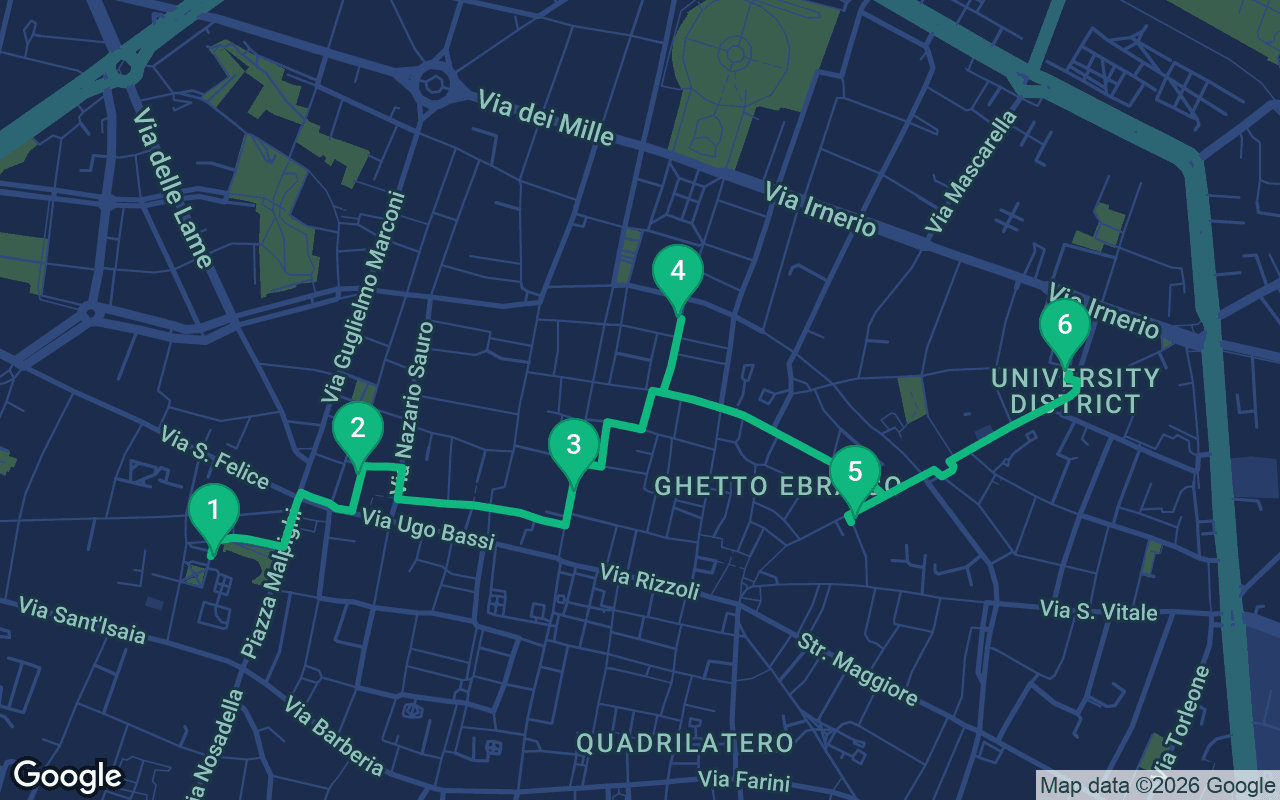
약 2.5km, 여유로운 페이스로 대략 33분 소요.
음성 가이드가 포함된 투어입니다
처음 3개 스톱에서 재생을 누르면 여기에서 나레이션을 30초 데모로 들을 수 있습니다. 앱에서는 인트로와 이 스톱들을 무료로 끝까지 들으실 수 있으며, 각 스톱에 도착하면 알림음이 울립니다. 전체 오디오 투어는 $7.99에 한 번만 구매하시면 평생 소장하실 수 있습니다.
Garmin, Komoot, Strava, OS Maps 및 모든 GPX 앱과 호환됩니다.
Most visitors to Bologna spend their time around Piazza Maggiore and the two leaning towers, and never wander far to the north. This walk goes where they do not. It starts at the Gothic church of San Francesco, where the city's first law professors lie in stone tombs raised above the street, and crosses the northern half of the old center: a covered market where locals do their shopping, a cathedral most people walk straight past, a little window in a wall that opens onto a hidden canal, a church built around the chapel of the family that once ruled Bologna, and finally the university quarter and the city's great art gallery. Bologna has three old nicknames, the Fat, the Learned and the Red, and you will meet all three. The route is about two and a half kilometers, flat and largely under the arcades, and it makes one of the more surprising self-guided walking tours in northern Italy.
Allow two and a half to three hours, more if you spend time in the gallery, which deserves at least an hour. The walk is flat from start to finish, and most of it runs beneath Bologna's porticoes, the covered arcades that line the streets for kilometers, so it works well in rain or summer sun alike. Wear comfortable shoes for the stone paving. The market is liveliest in the morning, when the stalls are full, and comes back to life in the early evening when its food counters fill up for an aperitivo, so either end of the day suits this route. The university quarter at the end is busy with students in term time and has a scruffy, lively character, with posters and graffiti on the walls and crowds in the squares at night, which is part of its charm. Churches may close in the early afternoon, and the cathedral bell tower can only be climbed on guided visits on certain days. The market, the churches and the Pinacoteca all keep their own hours, so check before you go.
In front of you is the brick church of San Francesco, begun by the Franciscan friars in the 1230s, only a few years after the death of Saint Francis himself. It was one of the first churches in Italy built in the French Gothic style, and you can see it best by walking around to the back, where flying buttresses brace the apse like the ribs of a ship, something you hardly ever find on an Italian church. Look up, too, at the bell towers, the taller of them added around 1400. Behind the church, on Piazza Malpighi, you will find what makes this place special: a group of tall stone tombs raised on columns and topped with little pyramid roofs. They belong to the glossators, the professors of law who made Bologna famous across Europe in the Middle Ages. Students came from all over the continent to hear them teach Roman law, and their name comes from the glosses, the notes they wrote in the margins of the ancient texts. The most famous, Accursius, compiled the great standard commentary that lawyers used for centuries, and he lies here alongside his colleagues Odofredus and Rolandino de' Romanzi. These teachers and their students were the seed of the university, whose traditional founding date is 1088. Inside the church, look for the marble altarpiece by the Venetian brothers dalle Masegne. When you are ready, step out to Via Ugo Bassi, the broad arcaded street at the edge of the square, and follow it east, toward the center, for about four minutes. The market entrance is on your left.
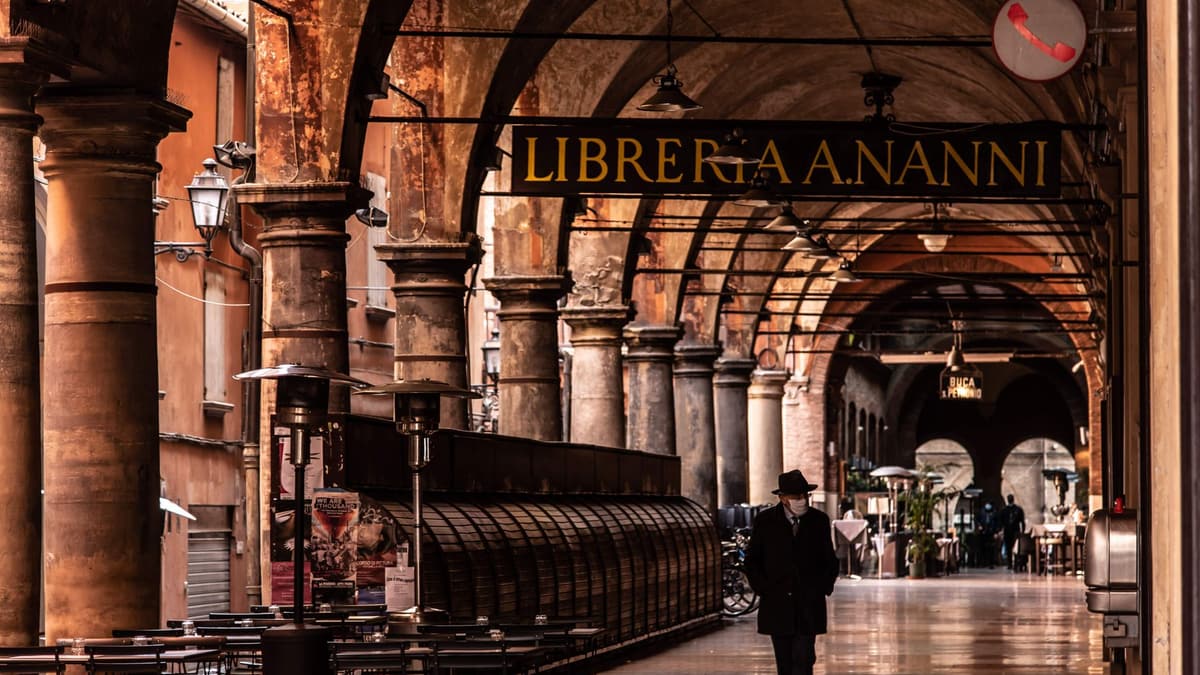
 Walk under the arcade and into the Mercato delle Erbe, the Herb Market, the city's big covered market since 1910. Despite the name it sells far more than herbs. Wander the aisles and you will find fruit and vegetables piled high, butchers, fishmongers, bakers and delicatessens, and above all the ingredients behind Bologna's reputation as the Fat, the city that eats best in Italy. Look for mortadella, the giant pink sausage dotted with cubes of fat that Bologna has made for centuries, and the reason Americans call a lunch meat baloney. Look for wedges of Parmigiano Reggiano and Prosciutto di Parma from elsewhere in Emilia. Those three are the classic filling for tortellini, the tiny folded pasta that Bolognese families serve floating in clear meat broth at Christmas. The recipe is taken so seriously that a local brotherhood of food lovers registered an official version with the city's Chamber of Commerce in the 1970s. The market building is a hall of iron and glass, badly damaged by bombing in the Second World War and rebuilt afterward, and in recent years part of it has been given over to food counters and small eateries where you can sit down to a plate of pasta among the shoppers. Buy a slice of something for the road, then leave the way you came in and continue east along Via Ugo Bassi to the big crossroads by the Neptune fountain. Turn left up Via dell'Indipendenza, and the cathedral is a couple of minutes along on your right, about seven minutes in all.
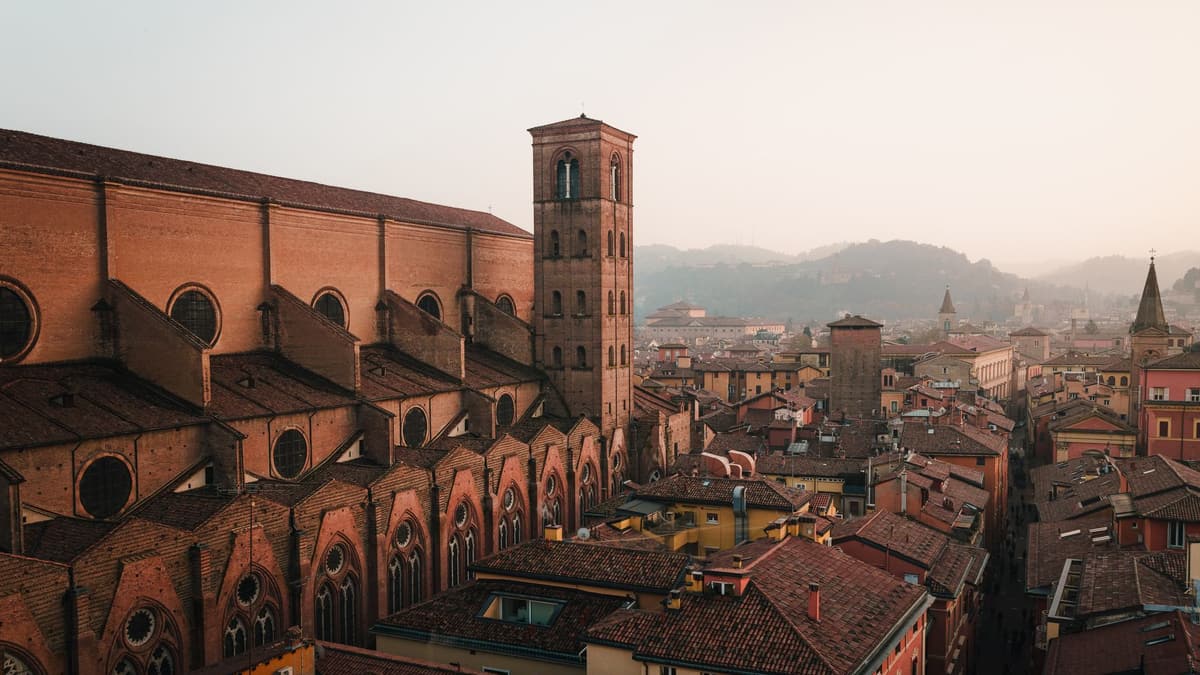
Step back to the far side of the street for a moment and look at the tall baroque front of the Cattedrale di San Pietro. Plenty of visitors assume that the giant church on Piazza Maggiore is the cathedral, but that is San Petronio, the basilica built by the city's own government. The bishops of Bologna have had their seat here for many centuries, on a site used for worship for well over a thousand years. The building you see is mostly the result of a rebuilding in the early 1600s, after part of the old church collapsed, and its facade was added in the 1740s for Pope Benedict XIV, a Bolognese who had been archbishop here and kept a soft spot for his home city. Step inside and the scale is grand and calm, with far fewer people than you might expect. Walk to the far end and look up into the apse at the fresco of the Annunciation, painted by Ludovico Carracci, one of the three Carracci cousins who made Bologna a capital of painting around 1600, in the last years of his life. You will meet the Carracci again at the end of this walk. Behind the church rises the bell tower, a much older Romanesque campanile and one of the tallest in the city, and guided climbs take you up past its great bells to the top on certain days. To reach the next stop, continue north along Via dell'Indipendenza for about three minutes, turn right onto Via Augusto Righi, and then turn left onto the narrow Via Piella.
포함 사항
저희 투어는 명상하듯 몰입할 수 있도록 만들어졌습니다. 걸으며 그저 귀 기울이시면 됩니다. 함께하면 언제나 더 좋고, 앱이 나레이션을 동기화해 재생하므로 당신과 파트너, 친구들이 모든 스톱을 같은 순간에 들을 수 있습니다.
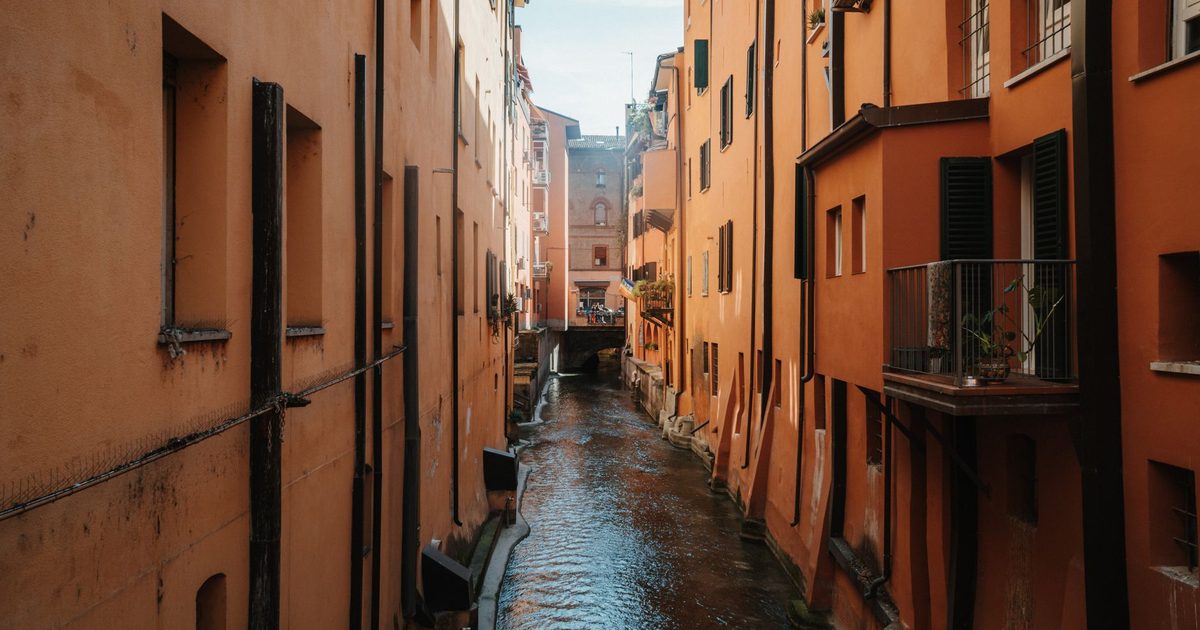
Halfway along this quiet lane, look for a small window set into the wall, often with a little wooden shutter, and usually with a small cluster of people waiting their turn.
이 스톱의 나머지 내용은 전체 오디오 투어에 있습니다.
You are now in Piazza Rossini, named after the composer, who studied as a teenager at the music school in the old convent beside the church.
이 스톱의 나머지 내용은 전체 오디오 투어에 있습니다.
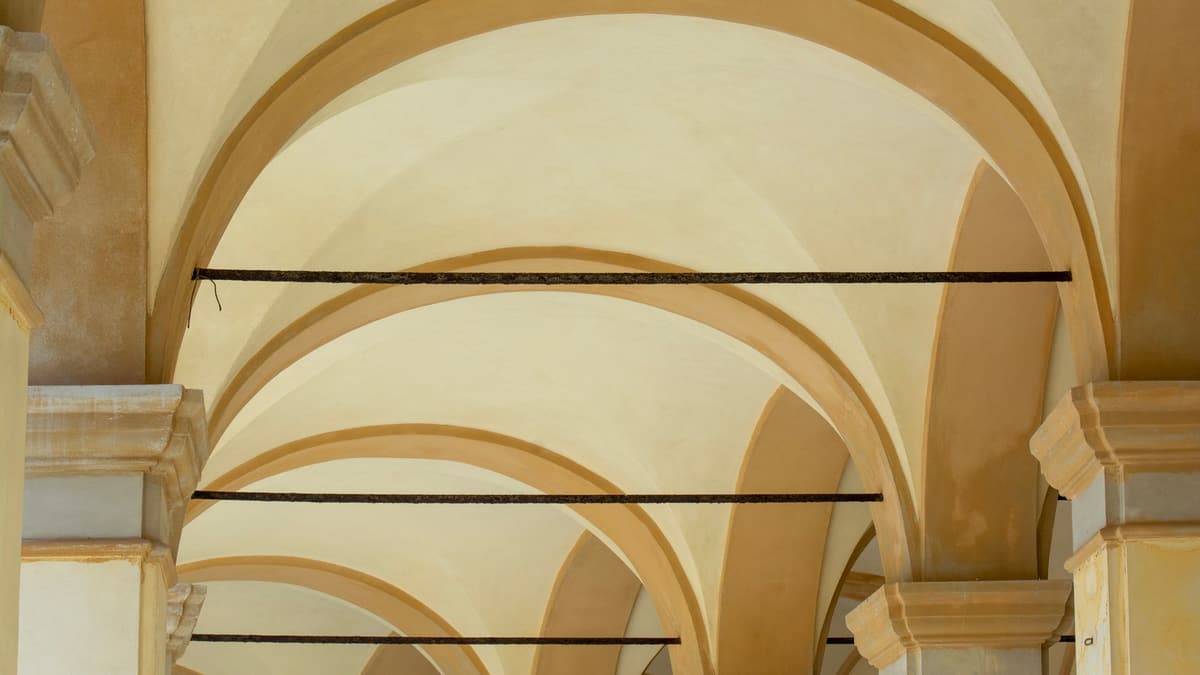
On the way here you walked through the heart of the Learned city. Piazza Verdi, with its opera house where Italy first heard a Wagner opera, in 1871, is the students' living room.
이 스톱의 나머지 내용은 전체 오디오 투어에 있습니다.
다음 예정된 투어에서 다른 사람들과 함께 이 산책을 해보세요.
약 2.5km, 여유로운 페이스로 대략 33분 소요 · 6 정류장
친구는 무료로 함께 걸어요October 11, 2026 · 9 min read
From the Hollandsche Schouwburg through the old Jewish Quarter, past the Dockworker and the Dam, to the Anne Frank House on the Prinsengracht.
October 11, 2026 · 11 min read
From Van Houten's street by the Vondelpark past Leidseplein, the Rijksmuseum passage and the famous canal bench to the Anne Frank House.

October 11, 2026 · 10 min read
Follow the last days of April and May 1945 from the Anhalter Bahnhof ruin past the Gestapo site and Brandenburg Gate to the Moltke Bridge and the Reichstag.
