
October 11, 2026 · 9 min read
Amsterdam Anne Frank Walking Tour
From the Hollandsche Schouwburg through the old Jewish Quarter, past the Dockworker and the Dam, to the Anne Frank House on the Prinsengracht.
589

October 9, 2026 · 11 min read

 친구는 무료로 함께 걸어요
모든 투어는 앱에서 참여할 수 있는 정기 그룹 걷기 모임으로도 운영됩니다.
Tokyo의 오디오 투어 더 보기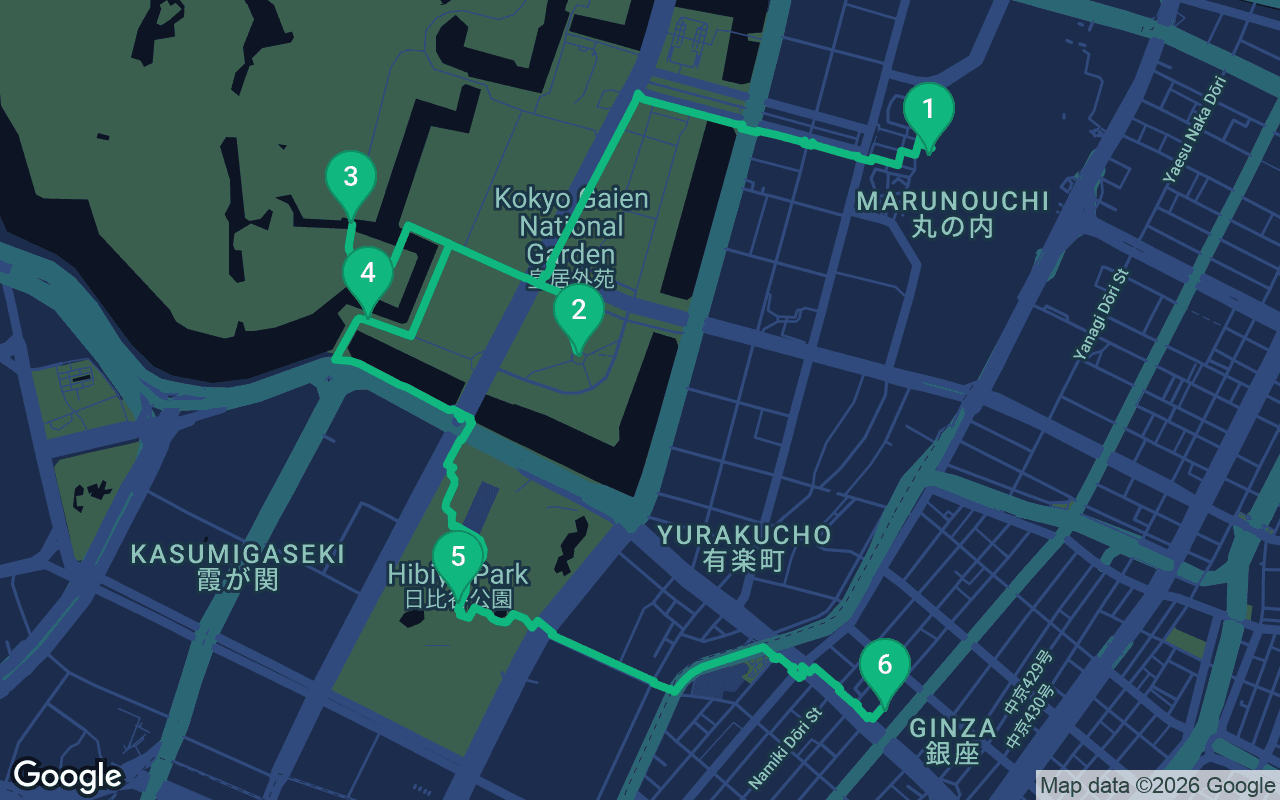
약 4.5km, 여유로운 페이스로 대략 65분 소요.
음성 가이드가 포함된 투어입니다
처음 3개 스톱에서 재생을 누르면 여기에서 나레이션을 30초 데모로 들을 수 있습니다. 앱에서는 인트로와 이 스톱들을 무료로 끝까지 들으실 수 있으며, 각 스톱에 도착하면 알림음이 울립니다. 전체 오디오 투어는 $10.99에 한 번만 구매하시면 평생 소장하실 수 있습니다.
Garmin, Komoot, Strava, OS Maps 및 모든 GPX 앱과 호환됩니다.
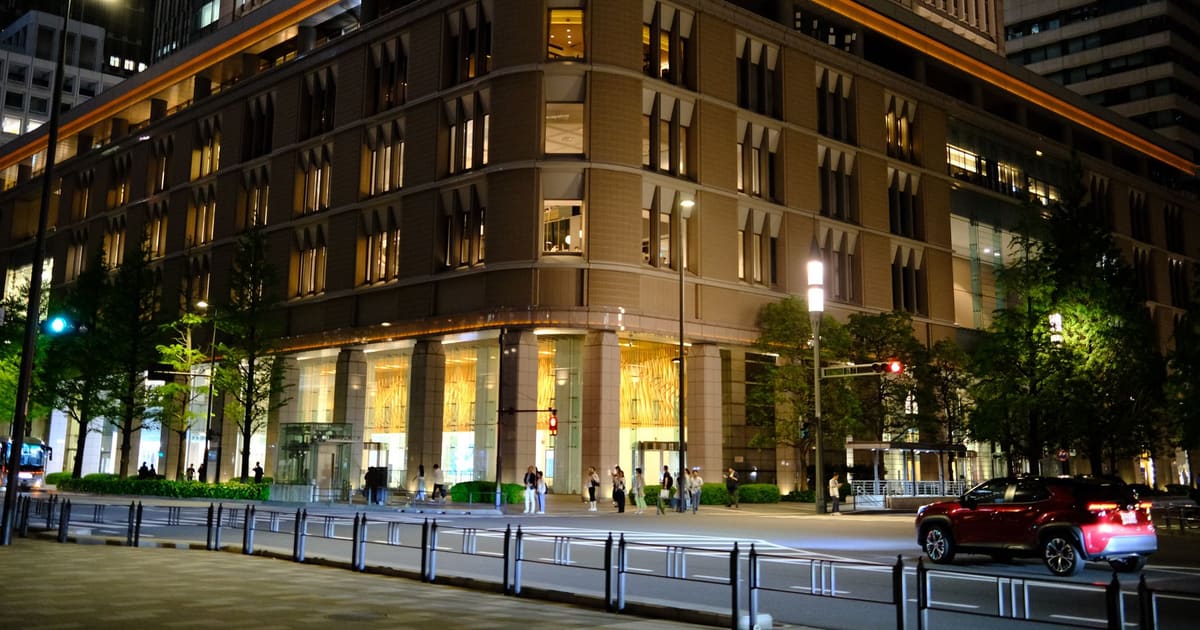
This walk is about power and money in Tokyo, and how close together they have always lived. It starts at the red brick front of Tokyo Station, heads down a ginkgo-lined avenue to the moats and stone walls of the old shogun's castle, now the home of the emperor, and crosses the great plaza in front of it to the famous double bridge. It passes the gate where a shogun's chief minister was cut down in the snow, cuts through Japan's first Western-style park, and ends beneath a clock tower on what is often called the most expensive corner in the country. It is about four and a half kilometers, nearly three miles, flat but long and often open to the sky, and one of the most satisfying self-guided walking tours for understanding how modern Tokyo came to be.
This is a longer walk than it looks on a map, because the palace grounds are vast and the distances across the plaza are deceptive. Allow about an hour of walking and two and a half to three hours in all with stops. The route is flat throughout, on wide pavements and gravel paths. The palace plaza has almost no shade, which matters in summer, when Tokyo is hot and humid, so bring a hat and water and plan to rest under the trees in Hibiya Park. Weekend mornings are a lovely time to start, because the office district around the station is quiet and the Ginza shopping street is closed to cars on weekend afternoons, so you can stroll down the middle of it. A word on the palace itself: the Imperial Palace is the working residence of the emperor, and the inner grounds are closed to the public except on a few set days and on guided tours that need booking, so check before you go and do not plan around getting inside. The East Gardens, the site of the old castle keep, are open to visitors on most days and make a fine detour, but check before you go for those too. You will share the moat paths with runners; the five-kilometer loop around the palace is the city's favorite running course.
Stand in the open square in front of the station and take in the whole length of it, a red brick facade about 335 meters long with white stone bands, a dome at each end and a grand entrance in the middle. The architect was Tatsuno Kingo, one of the first generation of Japanese architects trained in the Western style, and the building opened in 1914 as the front door to the capital. In May 1945 American bombs burned out the roof and the domes, and the station was patched up after the war with only two floors and plain angular roofs. It stayed that way for more than sixty years, until a restoration finished in 2012 rebuilt the third floor and the domes as they were. Part of the cost was covered by selling the building's unused development rights to the skyscrapers that now stand around it, so the towers you see paid for the brick. Walk into one of the domed halls at either end and look up at the ceiling, where reliefs show eagles and eight of the twelve animals of the Asian zodiac. The story goes that the missing four can be found on a gate Tatsuno designed at a hot spring town in Saga, on the southern island of Kyushu. This district is Marunouchi, meaning inside the circle, because it lay within the castle moats. With your back to the station, walk straight ahead down the wide avenue lined with ginkgo trees, Gyoko-dori, toward the palace. New ambassadors often ride along it in a horse-drawn carriage on their way to present themselves to the emperor. At the moat, cross the road and bear left into the gravel plaza; the samurai on horseback stands among the pine trees, about twelve minutes from the station.
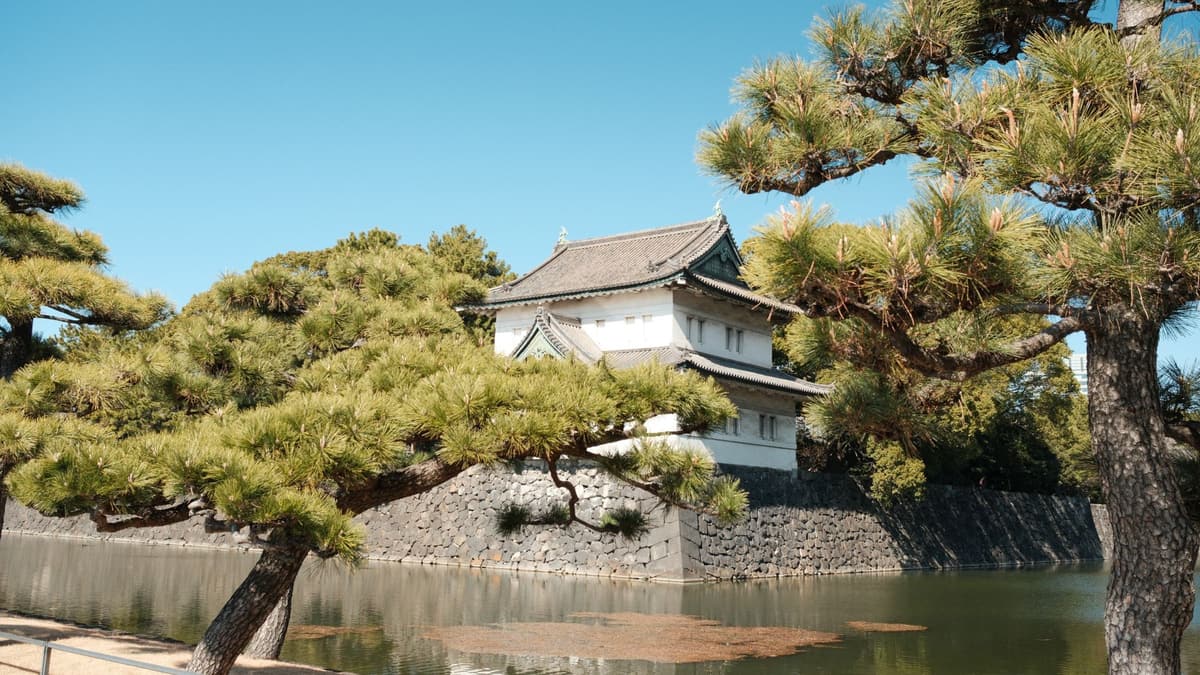 In front of you a samurai in full armor reins in his horse, ready for battle. This is Kusunoki Masashige, a fourteenth-century warlord, and the statue was cast in 1900 from copper mined at Besshi on the island of Shikoku, a gift from the Sumitomo family to mark two hundred years of their mine. The sculptor Takamura Koun led the work. Kusunoki fought for Emperor Go-Daigo, who tried in the 1330s to take real power back from the warrior governments that had ruled Japan for well over a century. Kusunoki was a brilliant tactician, but in 1336 he was ordered to meet a much larger army at Minatogawa, near modern Kobe, in a battle he advised against and knew he would probably lose. He went anyway, and he died there. For centuries afterward, and above all in the Meiji era, when the emperor was restored to the center of national life, he was held up as the model of loyalty to the throne, which is why he stands here facing the palace. That message grew darker in the 1930s and 1940s, when the story of a man who died willingly for the emperor was used to inspire soldiers. Stand back to take in the statue against the sky; the horse alone is a remarkable piece of casting. Then walk northwest across the plaza, with its gravel and thousands of carefully pruned black pines, toward the moat and the stone walls. The viewpoint for the double bridge is about six minutes away.
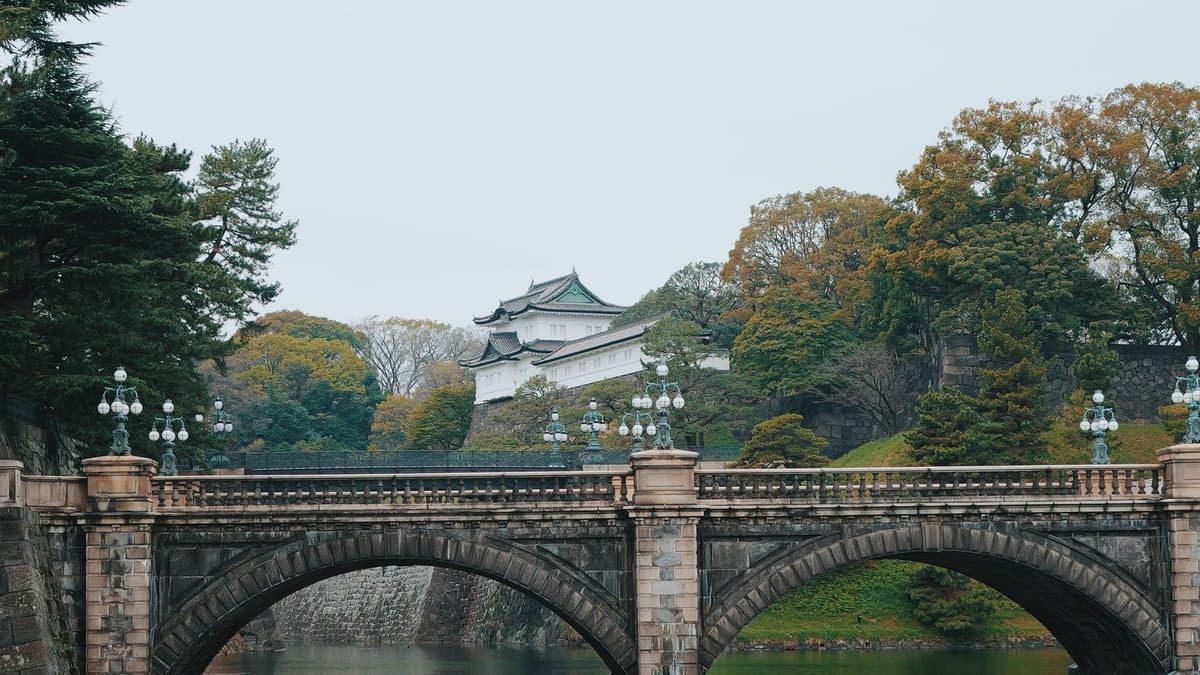
Stand at the railing by the moat and look across the water. In front of you a graceful stone bridge with two arches leads to a great gate, and behind and above it a second bridge crosses a deeper moat. Above it all rises a white watchtower with curved roofs, Fushimi Yagura, which is said to have been moved here from Fushimi Castle near Kyoto, though historians disagree about that. This is the most photographed view of the Imperial Palace. Nijubashi means double bridge, and the name properly belongs to the rear bridge, which was once a wooden bridge built on two levels, but most people use it for the whole view. The front bridge is sometimes called the spectacles bridge, because its two arches reflected in the water look like a pair of glasses. Behind these walls stood Edo Castle, the seat of the Tokugawa shoguns who ruled Japan for more than 250 years from 1603. When their rule collapsed in 1868, the young Emperor Meiji moved here from Kyoto, the castle became his palace, and the city of Edo became Tokyo, the eastern capital. The great keep of the castle burned in a fire in 1657 and was never rebuilt. The palace beyond these bridges is a postwar building, and ordinary people cross them only on a couple of days a year, such as the New Year greeting, so check before you go if you hope to. From here, walk south along the moat, keeping the water on your right, to the big gate about four minutes away.
포함 사항
저희 투어는 명상하듯 몰입할 수 있도록 만들어졌습니다. 걸으며 그저 귀 기울이시면 됩니다. 함께하면 언제나 더 좋고, 앱이 나레이션을 동기화해 재생하므로 당신과 파트너, 친구들이 모든 스톱을 같은 순간에 들을 수 있습니다.
Walk into the gate and notice that it is two gates, not one. You pass through a small outer gate into a square courtyard enclosed by stone walls, and then you must turn a corner to leave through a massive inner gate.
이 스톱의 나머지 내용은 전체 오디오 투어에 있습니다.
Hibiya Park opened in 1903 as Japan's first Western-style park, and it still feels a little like a park from a European city, with flower beds, lawns, ponds and a bandstand.
이 스톱의 나머지 내용은 전체 오디오 투어에 있습니다.
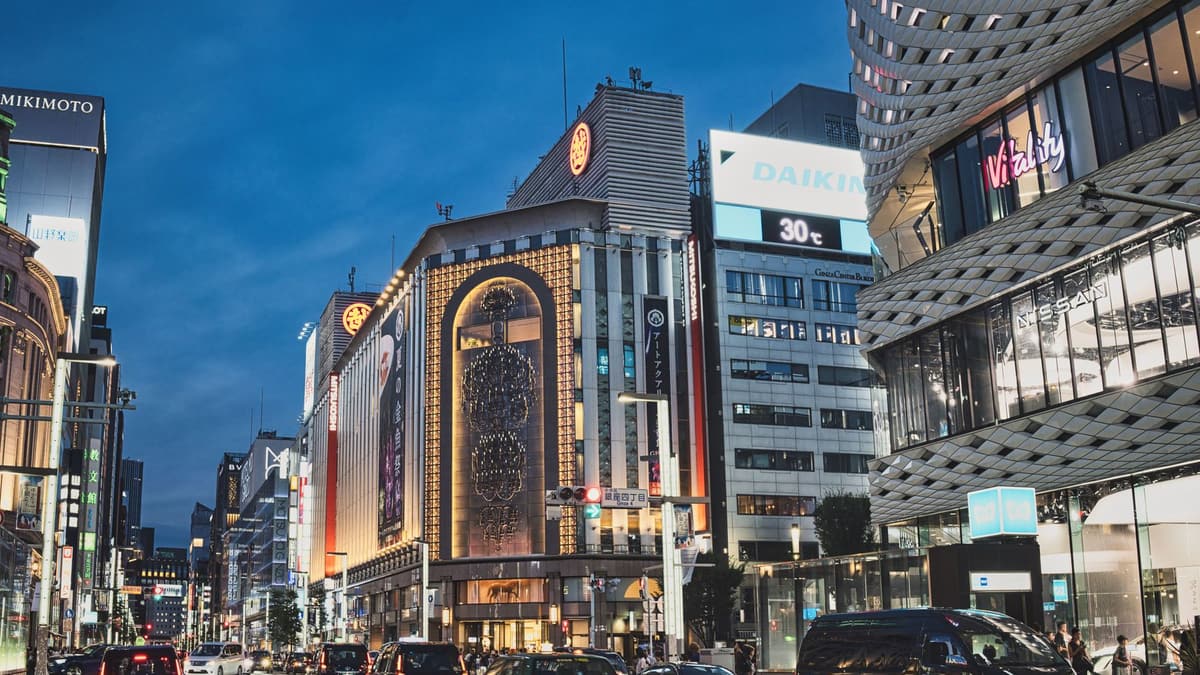
You are standing at Ginza 4-chome, the crossing at the heart of Ginza, and the curved stone building with the clock on top is Wako.
이 스톱의 나머지 내용은 전체 오디오 투어에 있습니다.
다음 예정된 투어에서 다른 사람들과 함께 이 산책을 해보세요.
약 4.5km, 여유로운 페이스로 대략 65분 소요 · 6 정류장
친구는 무료로 함께 걸어요October 11, 2026 · 9 min read
From the Hollandsche Schouwburg through the old Jewish Quarter, past the Dockworker and the Dam, to the Anne Frank House on the Prinsengracht.
October 11, 2026 · 11 min read
From Van Houten's street by the Vondelpark past Leidseplein, the Rijksmuseum passage and the famous canal bench to the Anne Frank House.

October 11, 2026 · 10 min read
Follow the last days of April and May 1945 from the Anhalter Bahnhof ruin past the Gestapo site and Brandenburg Gate to the Moltke Bridge and the Reichstag.
