
5 oktober 2026 · 7 minuten
A Walking Buddy Schedule
Fix one or two days, a time and a meeting place, agree a bad-weather plan and what happens when one of you cancels, and start small.
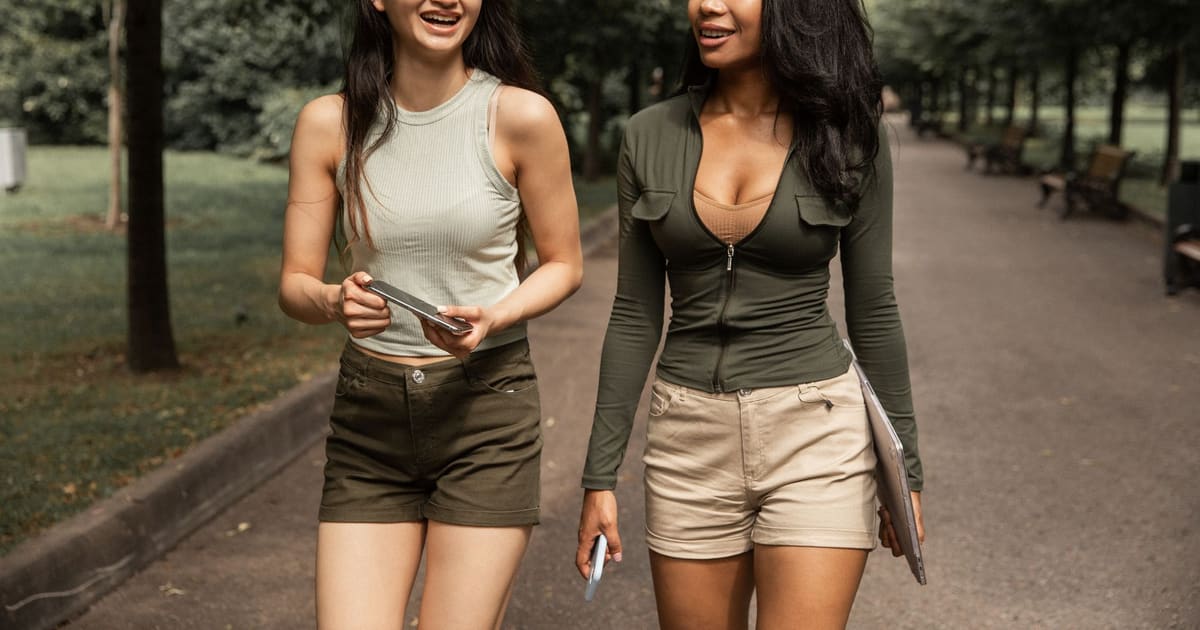

Neither one is better every time, because they do different jobs. Walking with someone makes you more likely to keep walking week after week, and the research on that is fairly consistent. Walking alone gives you control of the pace and the route, and a kind of quiet that's hard to get with company. If your problem is getting out of the door, a walking partner helps more. If your problem is a head that won't settle, a walk on your own usually does more. Most people who walk a lot end up doing both, and below is what each one gives you, where the evidence is thin, and how to pick on a given day.
The clearest evidence comes from walking groups. A 2013 meta-analysis in the International Journal of Behavioral Nutrition and Physical Activity pooled 19 studies with 4,572 adults and found that programmes getting people to walk in groups raised their physical activity by a medium-sized amount. It has limits worth knowing: the lower-quality studies showed bigger effects than the better ones, and few of them measured activity with a device rather than by asking people. An older review of 44 studies, published in 2006, compared different ways of exercising and found that groups built to feel like a team did better than ordinary exercise classes, and that people exercising at home did better when a researcher or health professional kept in touch with them than when nobody did. Put together, the useful part isn't simply other bodies on the path. It's someone who notices whether you turned up, and a walking partner is the smallest version of that. On a cold morning, "she's waiting at the corner" is a better argument than anything you can tell yourself.
Psychologists also describe the Köhler effect: the weaker member of a pair or team often performs better than they would on their own. In a 2011 study in the Journal of Sport & Exercise Psychology, people held plank exercises in a fitness video game, first on their own and then with an on-screen partner who was always a little better than them. On average, the groups given a partner held on longer than the group that kept going alone. It was a lab study of planks with a virtual partner, not a study of walking, so take it as a hint rather than proof. Still, it matches what many people notice on a walk: next to someone who walks a bit faster, you tend to keep up, and the extra effort doesn't feel like a chore because you're busy talking.
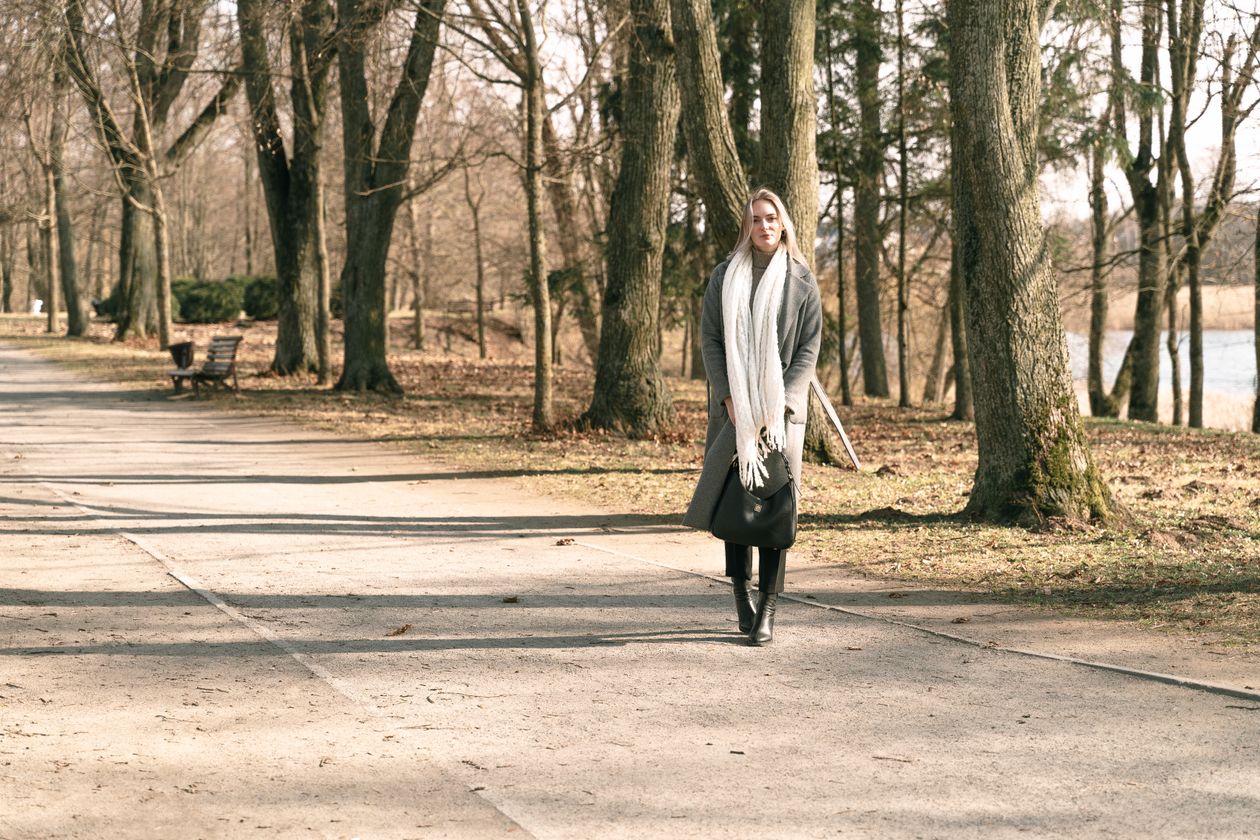 Photo: Siarhei Nester, Pexels
Time alone has its own measurable effect. In a set of four studies published in 2018 in Personality and Social Psychology Bulletin, students who spent 15 minutes alone came out calmer: both the excited, keyed-up feelings and the stressed, anxious ones dropped, which didn't happen to students who spent the same time talking with someone. Two details matter. Being alone also raised quieter negative feelings such as loneliness, and the relaxation and lower stress showed up most clearly when people chose to be alone rather than being told to. The lab studies used university students sitting in a chair, not people out walking, but the point carries over: solitude you pick for yourself tends to settle you down. A solo walk adds practical freedoms too. You set the pace, so a brisk walk or a hill you want to push up is easy. You take the route you like, stop when you like, and listen to a podcast or nothing at all. Nobody needs to agree a time, so a solo walk fits into the gaps of a busy day in a way a shared one rarely does.
Walk alone when you need to think something through, when you're too tired to make conversation, when you want a hard workout where talking would slow you down, or when the only free twenty minutes in your day can't wait for anyone else. Safety is the question many people ask about walking alone, women especially, and it's a fair one to weigh. If you walk on your own, a few habits help: tell someone your route and when you expect to be back, stick to lit, busy streets after dark, keep the volume low enough to hear what's around you, and trust the feeling that a path or a person isn't right. None of this means walking alone is risky by default. Most solo walks are ordinary, and these habits keep them that way.
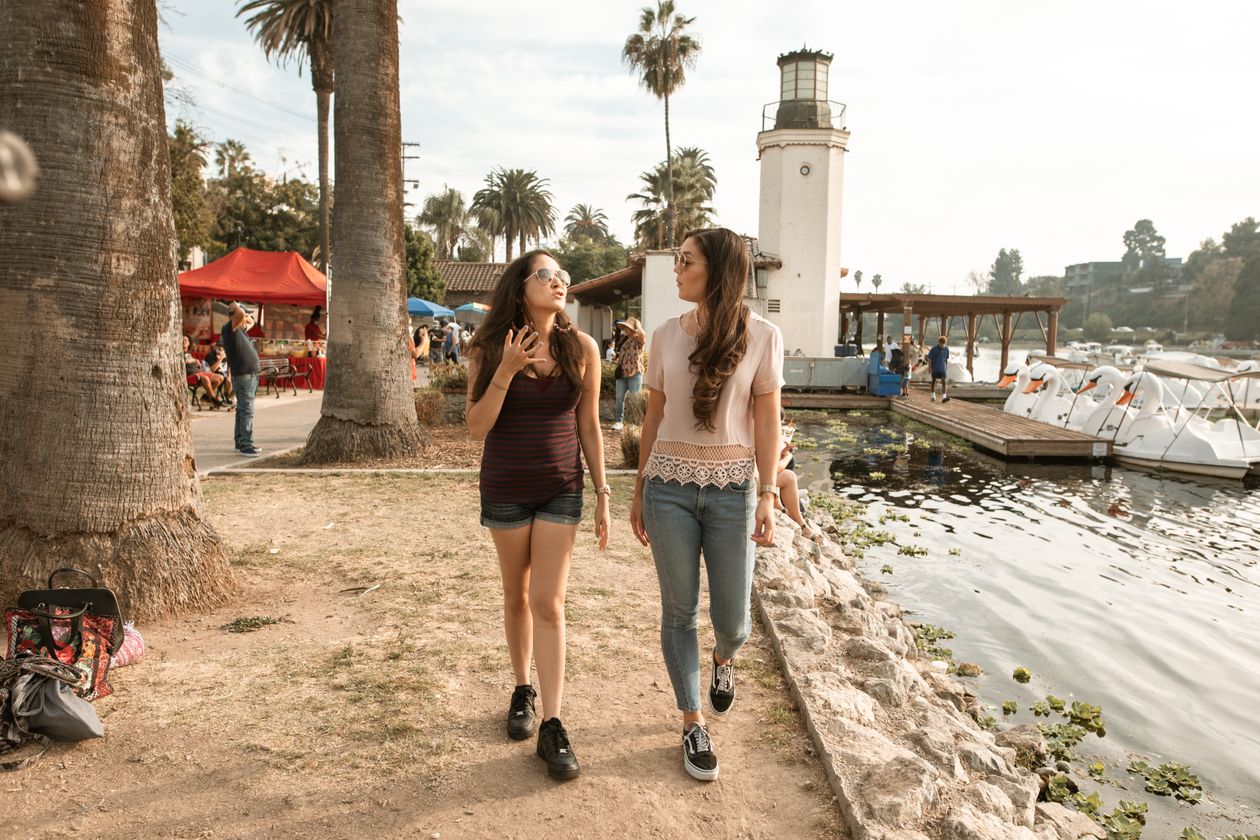 Photo: Mental Health America (MHA), Pexels
| What you want from the walk | Better with | Why |
|---|---|---|
| To keep a habit going | Someone else | Someone waiting is hard to cancel on |
| To clear your head | Yourself | Chosen time alone is calming |
| A hard, fast workout | Yourself, or a fitter partner | Talking slows most people down |
| A longer walk than usual | Someone else | Conversation makes the time pass |
| Fitting a walk into a busy day | Yourself | No time to agree |
| Feeling safer after dark | Someone else | Company, plus the usual care |
A good mix for many people is one or two fixed walks a week with someone, which carry the habit, and solo walks on the other days for thinking and for speed. If you only ever walk alone and keep finding reasons not to go, add one shared walk before anything else. And if every walk you take is with other people, try a solo one now and then, because it's the only walk where nobody else sets the pace or the subject.
Walk With Me works for both. When you want company, it shows walks near you on a map, so you can ask to join one or set one up yourself. When you'd rather walk alone, a walking buddy in the app still sees your steps and you see theirs, with a joint streak to keep alive, so the accountability stays even when the walk is solo. It's free on the App Store and Google Play.
5 oktober 2026 · 7 minuten
Fix one or two days, a time and a meeting place, agree a bad-weather plan and what happens when one of you cancels, and start small.
21 augustus 2026 · 7 minuten
A regular walking partner keeps older adults walking and seeing people. How to pick one, walk safely, add balance work, and where to find a companion.
30 juli 2026 · 7 minuten
How to meet someone new for a walk, or join a walking group, safely: what to check first, how to plan the first walk, and what to do if something is off.
