September 17, 2026 · 8 min read
Kahve Yerine Yürüyüş
Öğleden sonra çöken yorgunluktan bıktınız mı? Kahve yerine yürümenin saat 15:00 rehavetini yenmek ve enerjinizi geri kazanmak için neden en iyi yol olduğunu keşfedin.
538
August 9, 2026 · 8 min read
Yürümek için günün mükemmel bir zamanı diye bir şey yoktur, aksini söyleyen biri size bir şey satmaya çalışıyordur.
Eskiden gerçek faydaları görmek için sabah 5'te yataktan sürünerek kalkmam gerektiğini düşünürdüm. Ancak yıllarca bir sosyal yürüyüş uygulaması geliştirdikten ve her gün yürüyen binlerce insanla konuştuktan sonra, sabah yürüyüşü ile akşam yürüyüşü arasındaki tartışmanın tamamen kişisel enerji döngülerinize ve günlük programınıza dayandığını fark ettim. Bu, sihirli bir sirkadiyen ritim hilesi değil, tamamen kafa yapısı ve alışkanlık ivmesiyle ilgilidir. Hepimizin farklı hayatları, farklı enerji zirveleri ve bir rutine bağlı kalma konusunda benzersiz zorlukları var. Peki, hangisinin hayatınıza gerçekten uyduğuna nasıl karar vereceksiniz? Gelin bunu dürüstçe inceleyelim.
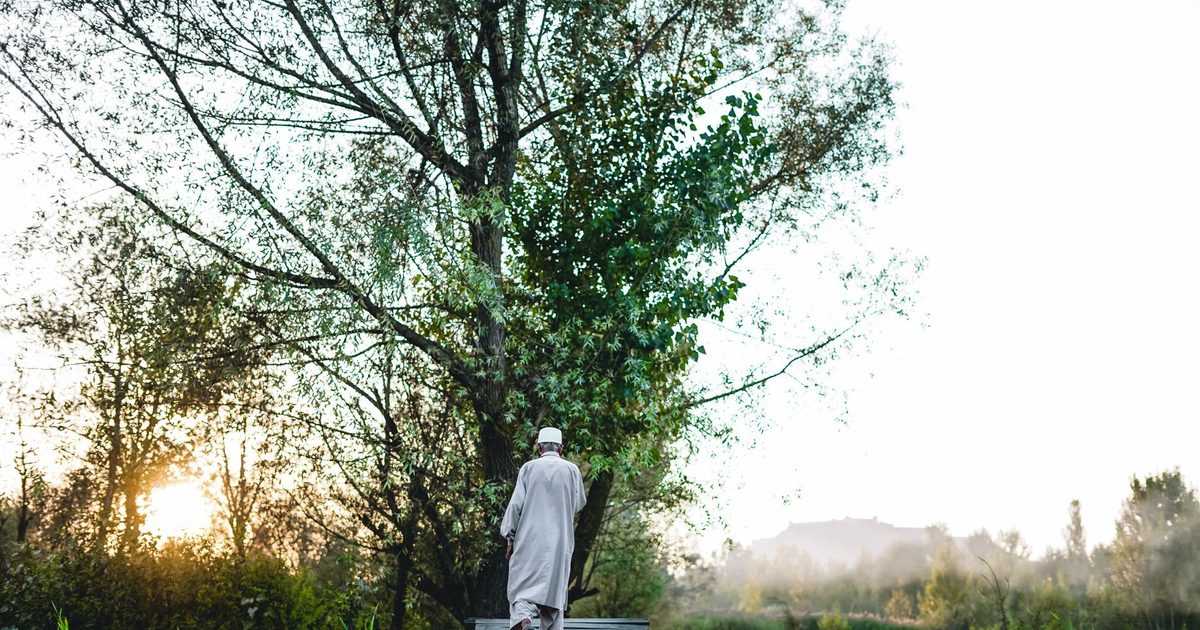
Herkes uyanmadan önceki dünyada sessiz ve neredeyse kutsal bir şeyler var. Sabah 6:30'da dışarı çıktığınızda hava daha serindir ve sokaklar boştur. Trafik henüz başlamamıştır ve genellikle ses çıkaran tek şey yerel kuşlardır. Huzur vericidir. Benim için sabah yürüyüşünün en büyük faydası ivmedir. Adımlarınızı ilk iş olarak atarsanız, günü zaten kazanmış olursunuz. Günün ilerleyen saatlerinde iş yerinde ne kadar çılgınca sorunlarla uğraşmak zorunda kalırsanız kalın, kimse o yürüyüşü elinizden alamaz. Başardınız. Bitti.
Bu zamanlama, sarsılmaz bir alışkanlık oluşturmak için harikadır. Sabahları genellikle takviminiz boştur. Kimse sabah 7'de son dakika toplantısı planlamaz. Arkadaşlarınız sizi şafak vaktinde bir şeyler içmeye davet etmez. Savaşmanız gereken tek şey, erteleme düğmesine basma isteğinizdir. Bu küçük savaşı kazanabilirseniz, günün geri kalanı daha kolay hissettirir.
Ama dezavantajlar konusunda dürüst olalım. Sabah yürüyüşleri disiplin gerektirir. Bunları sürdürülebilir kılmak için daha erken yatmanız gerekir. Kronik olarak uykusuzsanız, yürümek için kendinizi yataktan bir saat erken kalkmaya zorlamak aslında kendinizi daha kötü hissetmenize neden olabilir. Vücudunuz ısınırken ilk on beş dakika boyunca kendinizi uyuşuk hissedebilirsiniz. Bu gerçek bir dengedir. Kemikleriniz soğukken ve beyniniz hala yarı uykuluyken hevesli hissetmek zordur.
Akşam yürüyüşleri en iyi geçiş aracıdır. Evden çalışıyorsanız veya gününüzü ekranlara bakarak geçiriyorsanız, beyniniz saat 17:00'ye kadar tükenir. Dizüstü bilgisayarı kapatıp stresten uzaklaşmanın bir yoluna ihtiyacınız vardır. Akşam yürüyüşü yapmak, iş hayatınız ile kişisel hayatınız arasında fiziksel bir sınır görevi görür. Bu bir rahatlama yoludur. Gün içinde olan her şeyi işleyebilir, hayal kırıklıklarını geride bırakabilir ve eve tekrar normal bir insan gibi hissederek dönebilirsiniz.
Fiziksel deneyim de tamamen farklıdır. Vücudunuz bütün gün hareket etmekten zaten sıcak ve gevşektir. Muhtemelen o kadar çok çaba sarf etmeden daha hızlı ve daha uzun süre yürüyebildiğinizi göreceksiniz. Işık daha yumuşaktır ve insanlar sakinleşirken mahallede sıcak, canlı bir enerji vardır. Dışarıda olmak için güzel bir zamandır.
Buradaki en büyük zorluk karar yorgunluğudur. Saat 18:00 olduğunda binlerce karar vermiş olursunuz. Yorgunsunuzdur. Kanepe inanılmaz derecede rahat görünür. Kendinize "Sadece yarın yürürüm" demek çok kolaydır. Gününüz stresli geçtiyse, ayakkabılarınızı giyip kapıdan çıkacak iradeye sahip olmayabilirsiniz. Akşam rutinleri günlük hayatın kaosuna karşı oldukça savunmasızdır. Bir arkadaşınız ararsa veya iş uzarsa, ilk iptal edilen şey yürüyüşünüz olur.
Bu iki seçeneğin gerçek dünyada nasıl karşılaştırıldığını görmenize yardımcı olmak için basit bir karşılaştırma tablosu hazırladım. Bir alışkanlık oluşturmaya çalışırken gerçekten önemli olan pratik kriterlere bakıyoruz.
| Kriter | Sabah Yürüyüşleri | Akşam Yürüyüşleri |
|---|---|---|
| Temel Hava | Sessiz, taze, huzurlu ivme | Sıcak, sosyal, stres atan rahatlama |
| Ana Engel | Erteleme düğmesi ve soğuk sabahlar | Yorgunluk, geç toplantılar ve kanepe |
| Sosyal Faktör | Düşük; çoğu insan güne başlamak için acele ediyor | Yüksek; arkadaşlar müsaittir ve takılmak isterler |
| Fiziksel His | İlk başta sert, sisteminizi uyandırır | Sıcak, gevşek, doğal olarak hareket etmeye hazır |
| Alışkanlık İstikrarı | Yüksek; çok az dış dikkat dağıtıcı unsur var | Orta; hayatın kaosu tarafından kolayca raydan çıkabilir |
| Şunlar İçin İdeal | Erken kalkanlar, yoğun ebeveynler, rutin severler | Gece kuşları, ofis çalışanları, sosyal yürüyüşçüler |
Kronobiyolojiden bahsetmemiz gerekiyor, ancak kuru ve bilimsel bir şekilde değil. Sadece uyandığınızda gerçekten nasıl hissettiğinize bakmamız gerekiyor. Erken kalkan biri misiniz yoksa gece kuşu mu? Bazı insanlar zihinleri hızla çalışarak, dünyayı fethetmeye hazır bir şekilde uyanır. Eğer bu sizseniz, sabah yürüyüşü zaten yanan bir ateşe yakıt dökmek gibidir. Harika hissettirir.
Ancak gece kuşuysanız, kendinizi sabah yürümeye zorlamak bir ceza gibi hissettirir. Biliyorum çünkü denedim. Kaldırımda durur, titrer ve bunu kendinize neden yaptığınızı merak edersiniz. Berbattır. Ve eğer bir aktivite berbat hissettiriyorsa, bunu yapmaya devam etmezsiniz. Bu kadar basit.
Vücudunuzun doğal bir sıcaklık ve hormon döngüsü vardır. Öğleden sonra geç saatlerde ve akşamın erken saatlerinde vücut sıcaklığınız zirveye ulaşır. Kaslarınız sıcaktır ve koordinasyonunuz en iyi durumdadır. Birçok insanın akşam yürüyüşlerinde kendilerini daha güçlü ve daha hızlı hissetmelerinin nedeni budur. Sabah sertliğiyle savaşmıyorsunuzdur. Vücudunuzun doğal günlük zirvesinin dalgasına kapılıyorsunuzdur.
Kendinizi uymayan bir kalıba sokmaya zorlamayın. Sabahlardan nefret ediyorsanız, sabahları yürümeyin. En az direnç gösteren yolu seçin. En iyi yürüyüş, gerçekten yaptığınız yürüyüştür. Kendinizi mutsuz eden bir programa zorlarsanız, iki hafta içinde bırakırsınız.
Dürüst olalım. Akşam saat 18:00'de bir yürüyüş arkadaşı bulmak, sabah 6:00'da bulmaktan çok daha kolaydır. Çoğu insan sabahları acele eder, ancak işten sonra bağlantı kurmak ve rahatlamak isterler. İnsanlarla tanışmak, arkadaş edinmek veya sadece iyi bir sohbet etmek istiyorsanız, akşam neredeyse her zaman daha iyi bir seçenektir.
Hangi zamanı seçerseniz seçin, ivmenizi mahvedecek klasik tuzaklar vardır. Önce sabah tuzaklarına bakalım.
En büyük sabah hatası, ekipmanınızı bir gece önceden hazırlamamaktır. Sabah 6'da uyanıp çoraplarınızı aramak, anahtarlarınızı bulmak ve hangi pantolonu giyeceğinizi düşünmek zorundaysanız, zaten kaybetmişsinizdir. Beyniniz bu sürtüşmeyi yatağa geri dönmek için bir bahane olarak kullanacaktır. Kıyafetlerinizi yatağınızın hemen yanına koyun. Ayakkabılarınızı kapının yanına koyun. O kadar kolaylaştırın ki uykunuzda bile kapıdan çıkabilin.
Akşam yürüyüşçüleri için en büyük hata önce eve gitmektir. İşten eve arabayla gelir, "sadece beş dakika" kanepeye oturur ve ayakkabılarınızı çıkarırsanız, işiniz bitmiştir. Kanepenin yerçekimi çok güçlüdür. Bunun yerine, işten hemen sonra yürüyün. Önce eve gitmeyin. Yürüyüş ayakkabılarınızı arabanızda veya çantanızda tutun. Ofiste veya parkta üstünüzü değiştirin.
Bir diğer akşam hatası da yürümeden önce ağır bir akşam yemeği yemektir. Dolu bir mideyle yürümek rahatsız edici ve yavaştır. Öğleden sonra geç saatlerde hafif bir atıştırmalık yiyin, yürüyüşünüzü yapın ve döndüğünüzde akşam yemeğinizin tadını çıkarın. Bu, adımlarınızı tamamlamak için harika bir ödül olur.
Peki, hangisi kazanıyor?
İstikrar konusunda zorlanan ve gün ilerledikçe programının sürekli sabote edildiğini gören biriyseniz, sabah yürüyüşünü seçin. Alışkanlık oluşturmak için altın standarttır çünkü hayat araya girmeden önce gerçekleşir. Başlamak zordur, ancak saat 8:00'e kadar bunu tamamlamış olmanın verdiği zihinsel huzur eşsizdir.
Yüksek stresli bir işte çalışan, bütün gün ekrana bakan ve akşamına sağlıklı bir geçiş yapmaya ihtiyaç duyan biriyseniz, akşam yürüyüşünü seçin. Stresi atmak ve sosyalleşmek için mükemmel bir araçtır.
Sadece birini seçmek zorunda bile değilsiniz. Birçok insan ikisini karıştırır. Belki de rutin oluşturmak için hafta içi sessiz sabah yürüyüşleri yapar ve daha fazla zamanınız olduğunda hafta sonları sosyal akşam yürüyüşleri yaparsınız. Önemli olan denemektir. Bir hafta boyunca her ikisini de deneyin. Sadece yürüyüş sırasında değil, saatler sonra nasıl hissettiğinize de dikkat edin. Enerjiyi takip edin.
Bu zamanları test etmeye hazırsanız ve size eşlik edecek birilerini arıyorsanız, Walk With Me uygulamasında yerel yürüyüş grupları bulabilirsiniz. iOS ve Android'de indirmek tamamen ücretsizdir, bu yüzden ayakkabılarınızı kapın ve yakınınızda kimlerin yürüdüğünü görün.
September 17, 2026 · 8 min read
Öğleden sonra çöken yorgunluktan bıktınız mı? Kahve yerine yürümenin saat 15:00 rehavetini yenmek ve enerjinizi geri kazanmak için neden en iyi yol olduğunu keşfedin.
September 7, 2026 · 7 min read
Zihinsel bir kısır döngüde misiniz? Yürümenin zihni neden boşalttığını ve ekran sisinden kaçmak için basit bir kuralı nasıl uygulayacağınızı öğrenin.

September 1, 2026 · 6 min read
Alışkanlık oluşturma, eklemleri koruma ve hareket halinde kalma açısından dışarıda yürümek ile koşu bandını karşılaştırıyoruz. İşte dürüst analizimiz.